Die Röhre
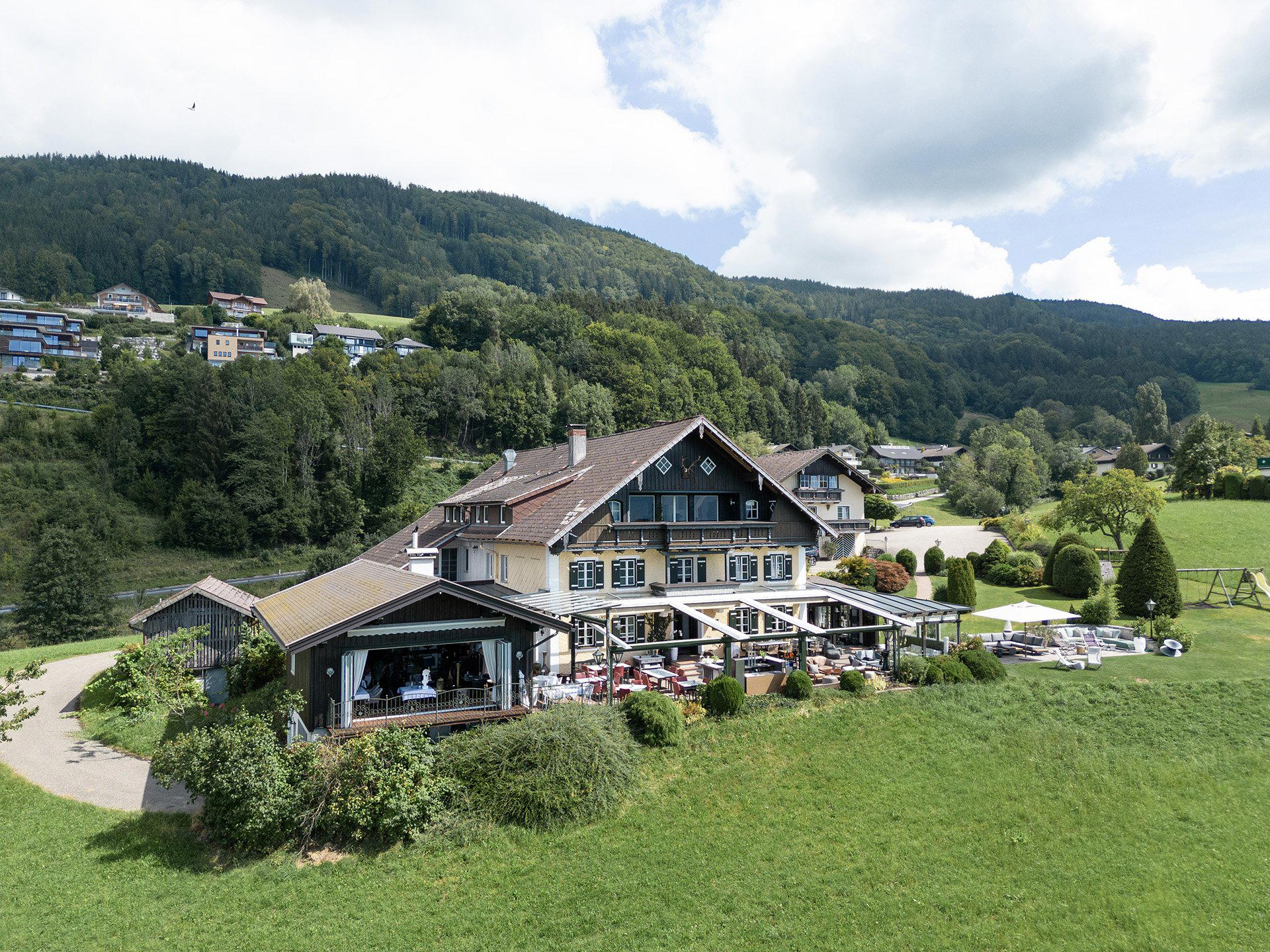
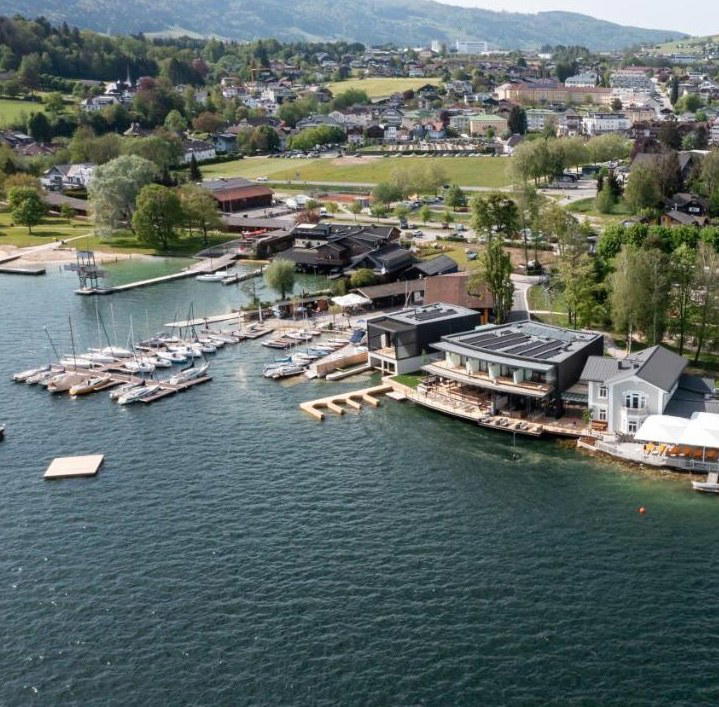
Die Röhre sits on Eichenweg in Unterach am Attersee, a village where the Salzkammergut lake district sets the table as much as any kitchen does. With the Attersee's shoreline shaping what local producers grow, fish, and forage, the surrounding region is the ingredient list. For visitors building a serious itinerary around Austria's alpine lake dining scene, this address belongs on the map.
Pearl is the En Primeur Club membership app — saves, bookings, and concierge access live there. Same editors, same standards.
- Address
- Eichenweg 1, 4866 Unterach am Attersee, Austria
- Phone
- +436641339864
- Website
- dieroehre.com
- Directions
- Get directions
 Saves & bookings on Pearl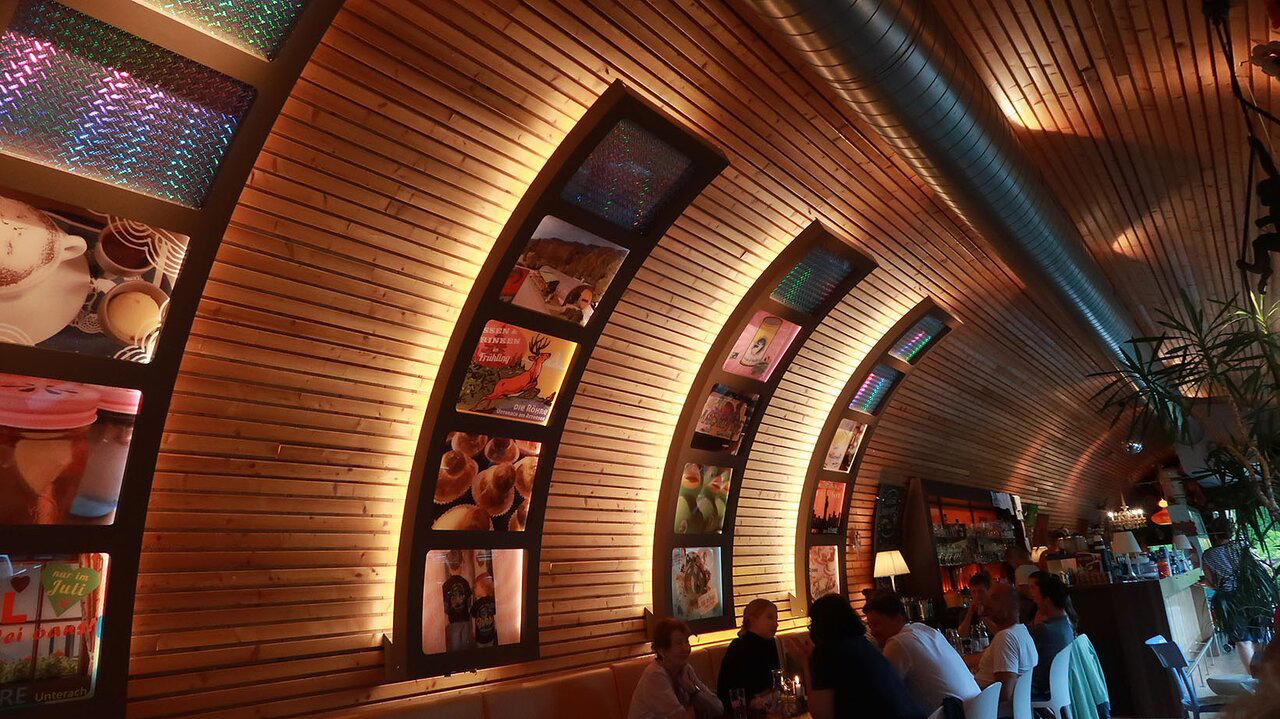
Where the Lake District Defines the Plate
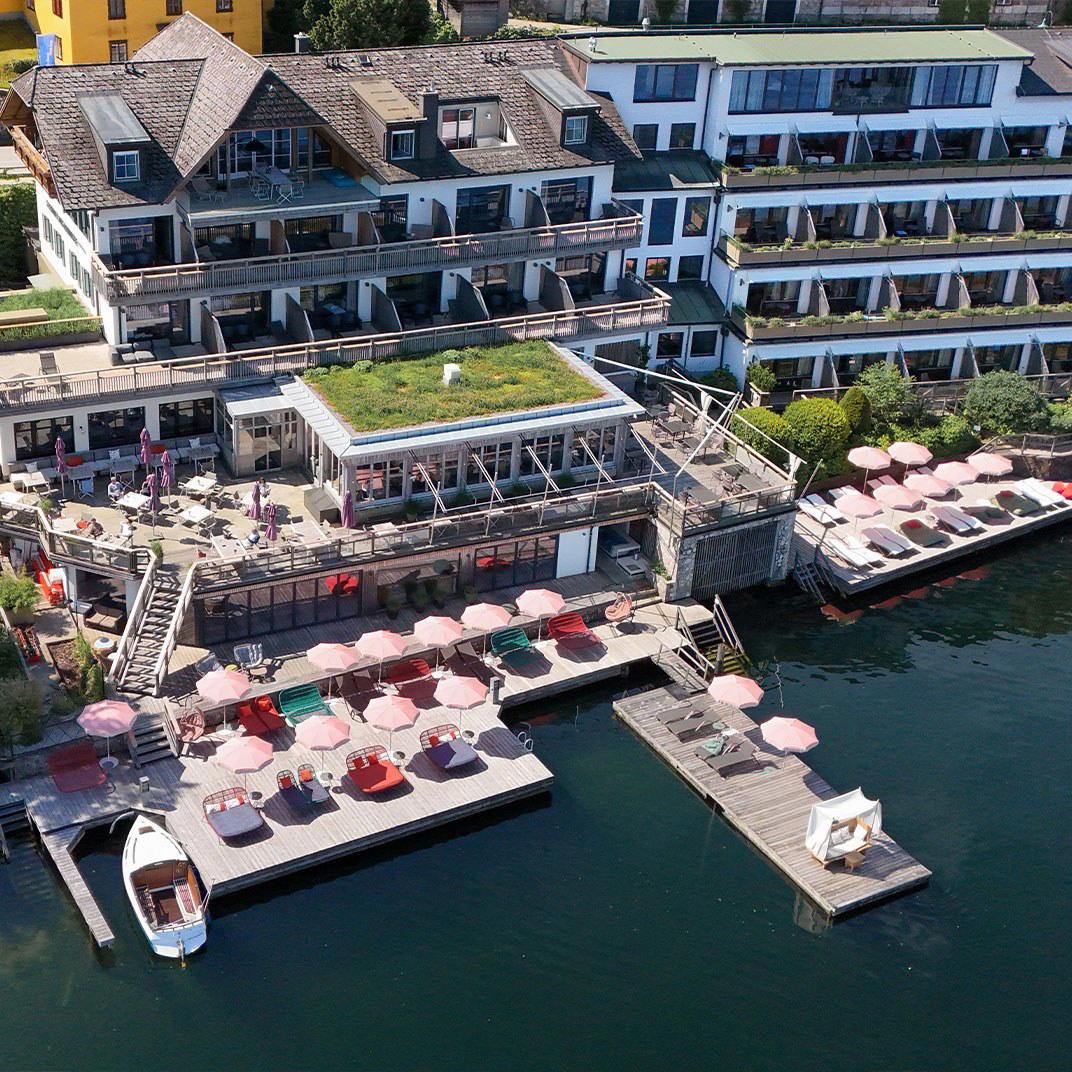
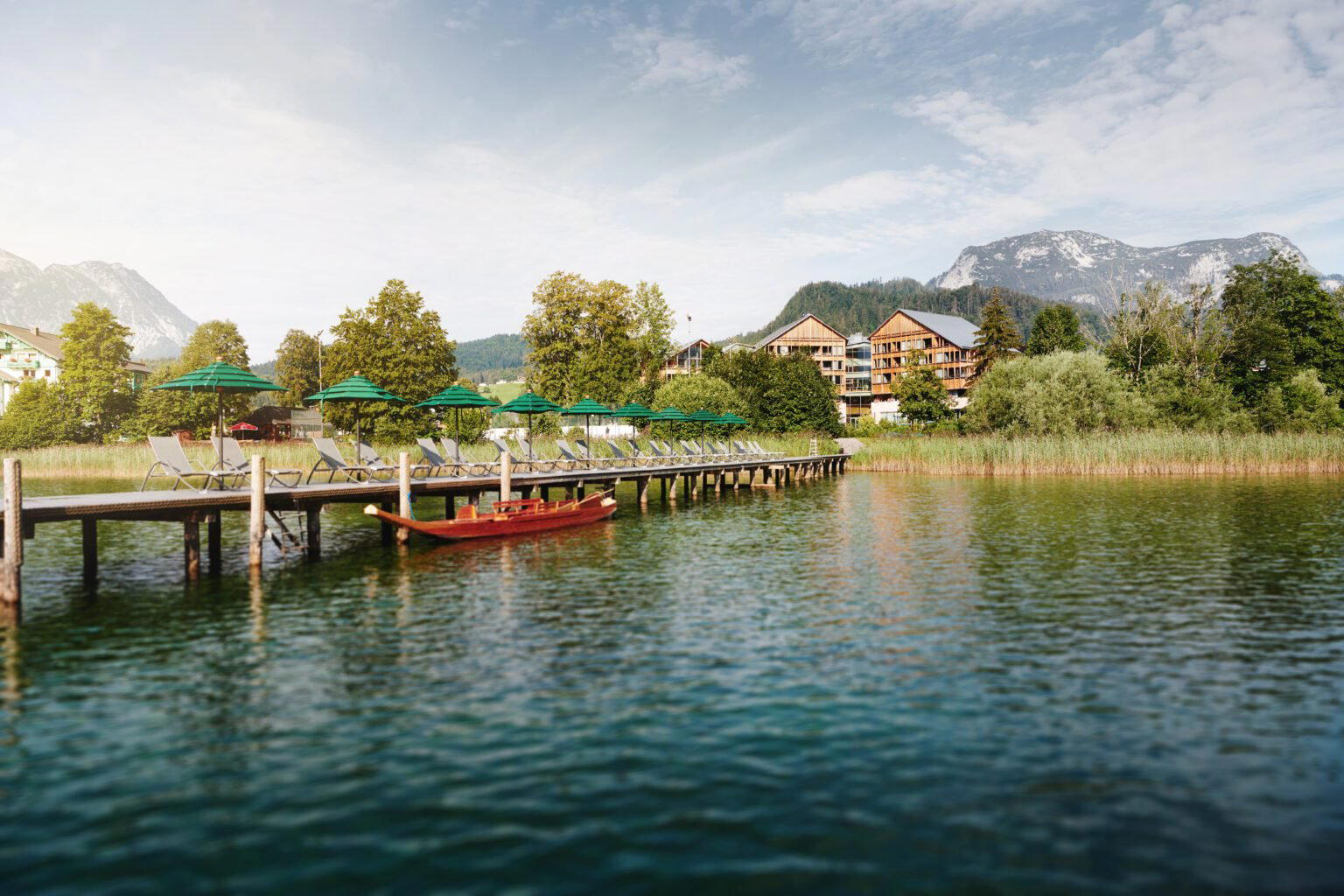
Unterach am Attersee sits at the quieter southern end of one of Austria's deepest and clearest lakes, a position that keeps it off the main tourist circuits even as the broader Salzkammergut draws visitors year-round. The village has the character common to working lake communities: small in scale, deliberate in pace, oriented toward the water rather than toward passing traffic. It is precisely this geography that shapes what gets cooked and eaten here. The Attersee and its surrounding alpine farmland are not backdrop, they are supply chain. Fish pulled from the lake, dairy from cattle grazing the Höllengebirge foothills, herbs from gardens that have supplied local tables for generations: in a setting like this, ingredient provenance is not a marketing choice, it is a structural fact of how food moves from land and water to plate.
Die Röhre, addressed at Eichenweg 1, sits within this context. The name itself, roughly translating to "the pipe" or "the tube", suggests something specific rather than decorative, an identity rooted in place rather than aspiration. In a region where addresses like Genussufer and Panoramagasthof Druckerhof represent the established dining anchors of the village, Die Röhre occupies its own corner of Unterach's small but considered food scene.
The Salzkammergut Sourcing Tradition
Austria's alpine lake districts have maintained a sourcing logic that predates the contemporary farm-to-table rhetoric by several centuries. In the Salzkammergut specifically, the isolation enforced by mountain geography historically meant that kitchens worked with what was nearby: freshwater fish from the Attersee, Mondsee, and Traunsee; game from the surrounding forests; root vegetables that store through hard winters; and dairy products from alpine summer pastures. This is the tradition that the leading addresses in the region either draw from consciously or inherit by default.
That regional sourcing instinct differentiates the Salzkammergut dining scene from Austria's urban restaurant culture. In Vienna, a kitchen like Steirereck im Stadtpark makes ingredient provenance an explicit, researched program, a creative act. In a village like Unterach, the same sourcing logic is closer to necessity and habit, which can produce cooking that feels less constructed and more grounded. The distinction matters for how a visitor reads the experience: less performance, more baseline.
Across the wider Austrian alpine dining circuit, this sourcing orientation appears at addresses operating at different price and ambition levels. Döllerer in Golling an der Salzach has built an internationally recognized program around alpine ingredients and elevation-specific sourcing. Obauer in Werfen treats the Salzburg region's larder as the raw material for a decades-long creative project. Landhaus Bacher in Mautern an der Donau anchors its classic Austrian cooking in the Danube valley's agricultural output. In each case, geography is the organizing principle. Die Röhre, operating in a village defined by the Attersee's water and the surrounding farmland, works within that same structural logic at a more local, less publicized scale.
Placing Die Röhre in the Austrian Lake District Scene
Austria's restaurant scene away from Vienna, Salzburg, and the major ski resorts tends to divide between destination addresses that draw visitors specifically for the food, and embedded local establishments that serve the community first and visitors second. The lake district sits somewhere between those poles. Summer tourism on the Attersee brings enough outside demand to sustain a dining culture that is more considered than pure village necessity would require, but the scale remains small enough that international recognition is rare. This positions Unterach's addresses as insider finds within a country whose dining scene already rewards those willing to move beyond the well-documented urban circuit.
Comparison addresses operating in similarly low-profile Austrian settings include Ois in Neufelden and Schwarzer Adler in Hall in Tirol, both of which demonstrate how serious kitchens can operate in towns that attract no particular culinary tourism on their own. At the higher end of Alpine resort dining, addresses like Gourmetrestaurant Tannenhof in Sankt Anton am Arlberg, Stüva in Ischgl, and Griggeler Stuba in Lech show what happens when ski money and altitude ambition combine. The Attersee summer scene operates on different economics and a different visitor profile: walkers, cyclists, lake swimmers, and weekenders from Salzburg and Linz rather than the international ski resort crowd.
The modern Austrian approach to regional cooking, visible at Taubenkobel in Schützen am Gebirge and Kräuterreich by Vitus Winkler in Sankt Veit im Pongau, involves treating the surrounding landscape as an active creative resource rather than a passive supplier. That movement has reached even small lake district villages, where foraging, direct relationships with nearby farms, and freshwater fish cookery have become points of local identity. Addresses like Restaurant 141 by Joachim Jaud in Mieming and Ikarus in Salzburg represent the more formally ambitious end of this trend. The restaurant occupies a quieter register within the same broader shift.
For international visitors accustomed to the kind of ingredient-driven precision found at destination restaurants like Le Bernardin in New York City or the communal format of Lazy Bear in San Francisco, the appeal of a lake district address like Die Röhre is different in kind rather than lesser in degree. The draw here is specificity of place, the Attersee is one of Austria's most ecologically significant lakes, with water clarity that supports a distinctive freshwater fish population, and the relatively unmediated relationship between that place and what appears on the table.
Planning Your Visit
Unterach am Attersee is accessible by regional train and bus connections from Salzburg, roughly 50 kilometres to the southwest, and from Linz to the north, with the Attersee rail loop serving the lake's western and southern shores. Summer, from June through September, is the high season for the lake district: boat services run regularly, accommodation fills quickly, and the village's restaurants operate at full capacity. Visitors planning an itinerary around the dining scene should expect the pace and atmosphere of a working lake community rather than a resort town. The restaurant is located on Eichenweg 1 in the village center. The restaurant is recommended for reservations, with hours on record as Thursday through Saturday from 3 to 10 PM and Sunday from 11 AM to 8 PM. Building a lake district day around the Attersee shoreline, a visit to the nearby market town of Vöcklabruck, and an evening meal in Unterach is a format that works well for visitors based in Salzburg.
Comparable Venues
Comparable venues nearby, for context on price, style, and recognition.
| Venue | Cuisine | Price | Notes |
|---|---|---|---|
| Die RöhreThis venue — the venue you are viewing | International Fusion with Austrian Influences | $$ | Not listed |
| Panoramagasthof Druckerhof | Traditional Austrian with Panoramic Views | $$ | Unterach am Attersee |
| Genussufer | Modern Austrian Lakeside | $$$ | Unterach am Attersee |
| Mostschenke im Heustadl Restaurant & Heurige | Traditional Austrian Heuriger | $$ | Rindbach |
| Bachtaverne | Traditional Austrian Salzkammergut | $$ | Weyregg am Attersee |
| Johnsleitnerhütte | Traditional Austrian Alpine Cuisine | $$ | Stainach Pürgg |
Continue exploring
More in Unterach Am Attersee
Restaurants in Unterach Am Attersee
Browse all →
Bars in Unterach Am Attersee
Browse all →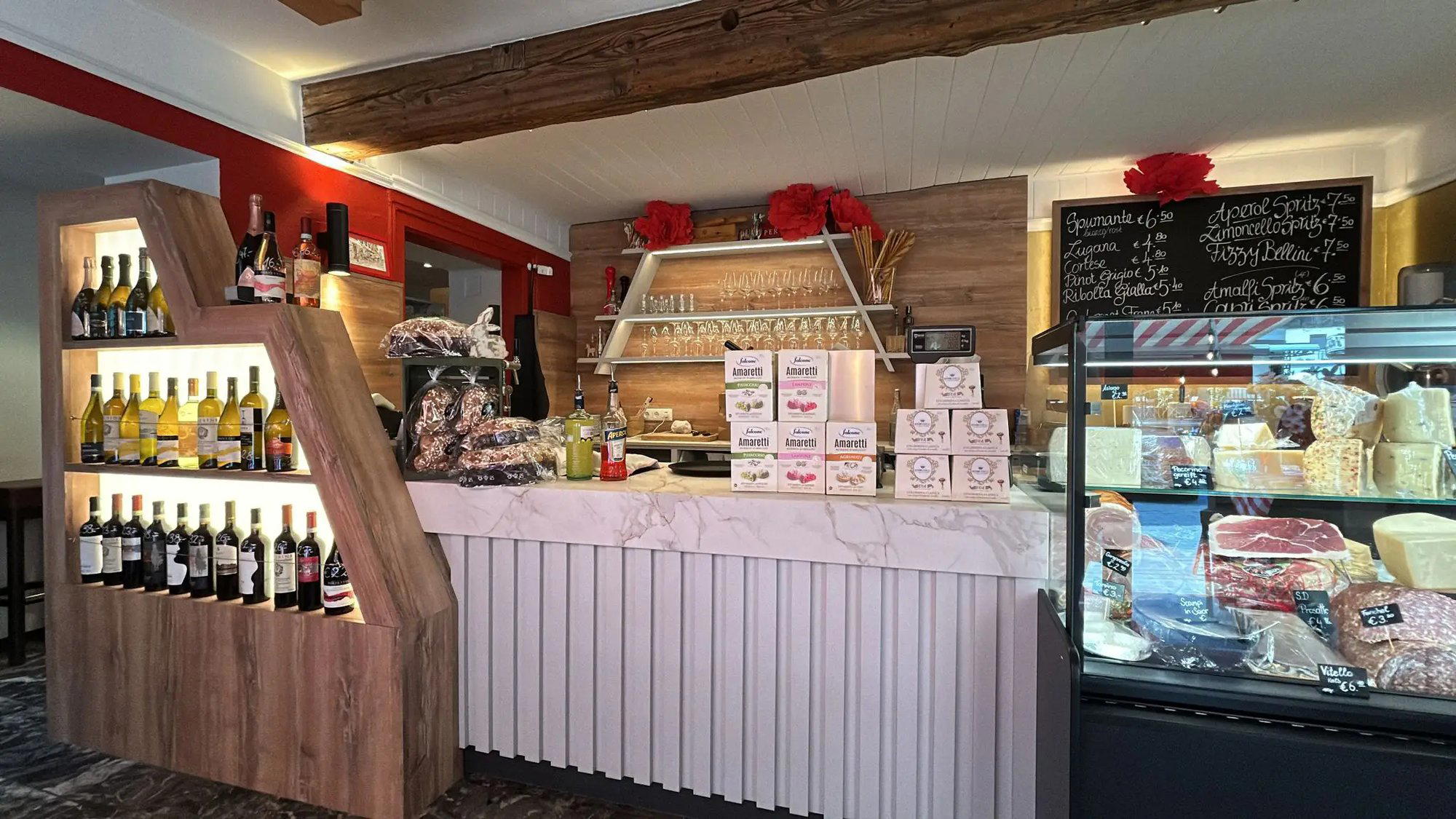

At a Glance
- Cozy
- Rustic
- Trendy
- Casual Hangout
- Family
- Terrace
- Extensive Wine List
- Local Sourcing
- Organic
Current opening hours
- Monday
- Closed
- Tuesday
- Closed
- Wednesday
- Closed
- Thursday
- 3–10 PM
- Friday
- 3–10 PM
- Saturday
- 3–10 PM
- Sunday
- 11 AM–8 PM
Hours can change for holidays and private events. Last verified .
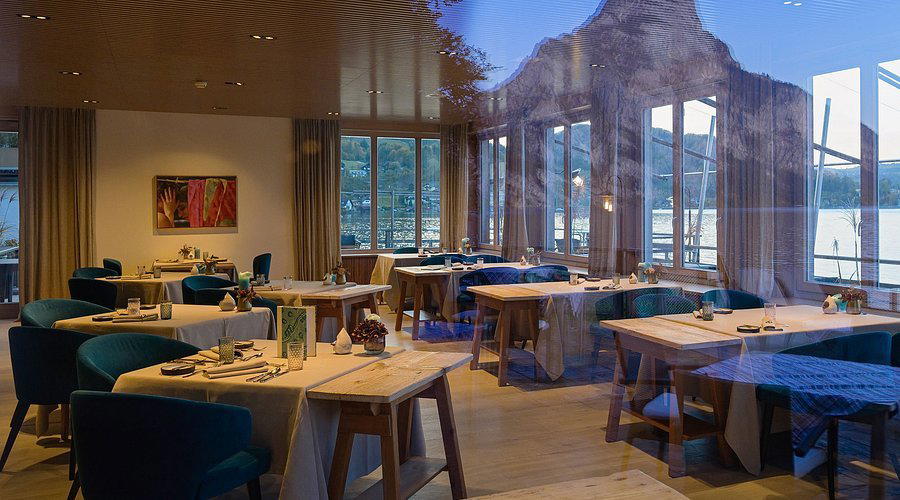
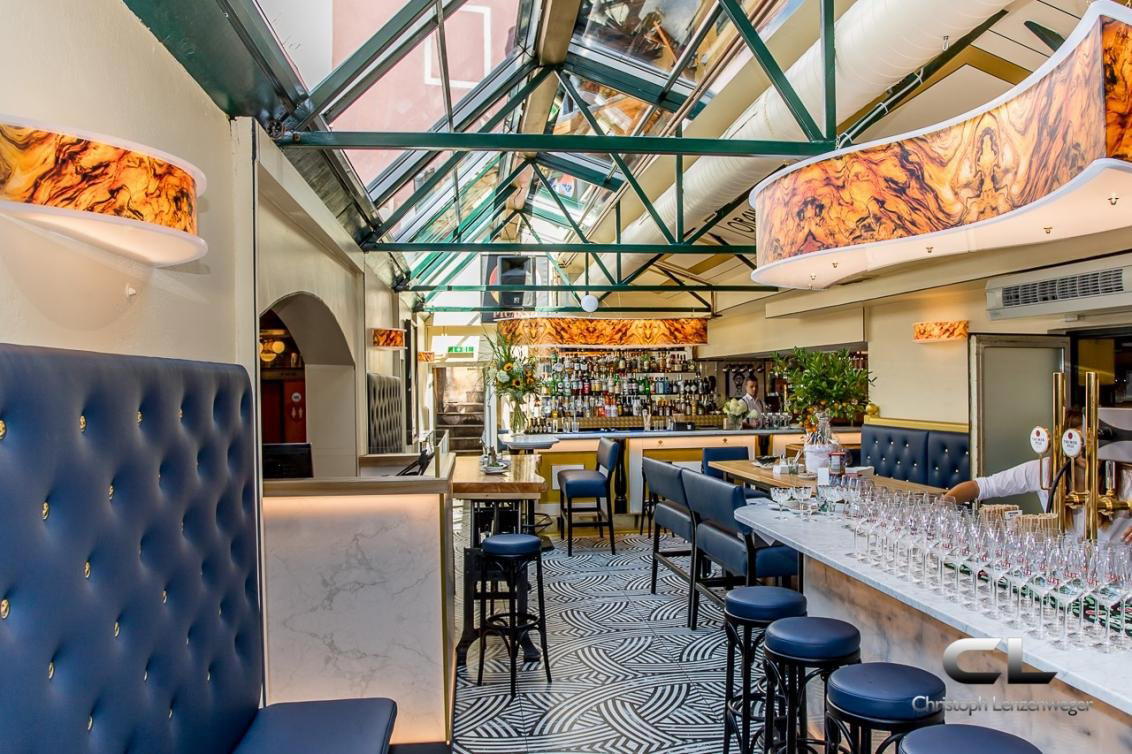
Relaxed and cosy atmosphere blending tradition and trend in eclectic decor.