Bachtaverne
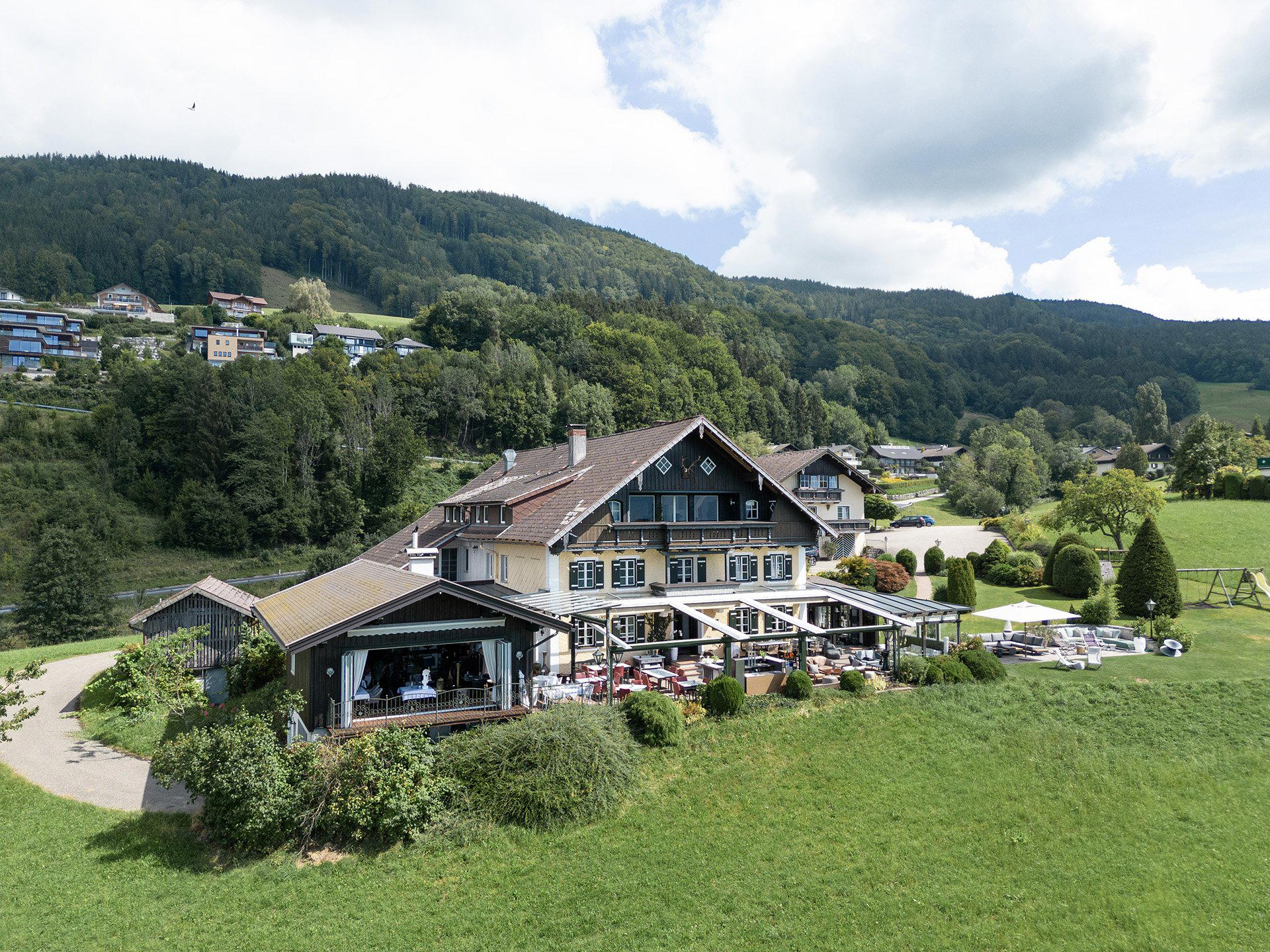
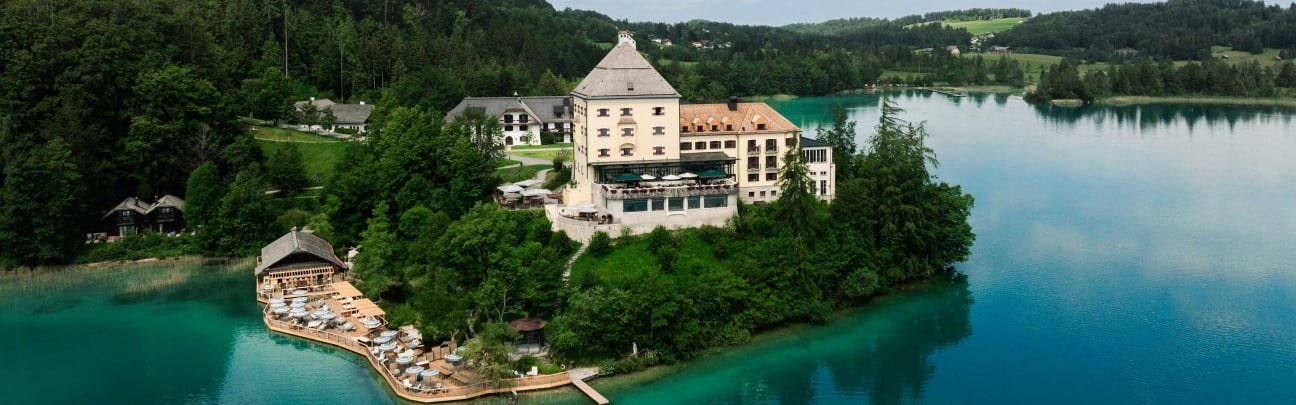
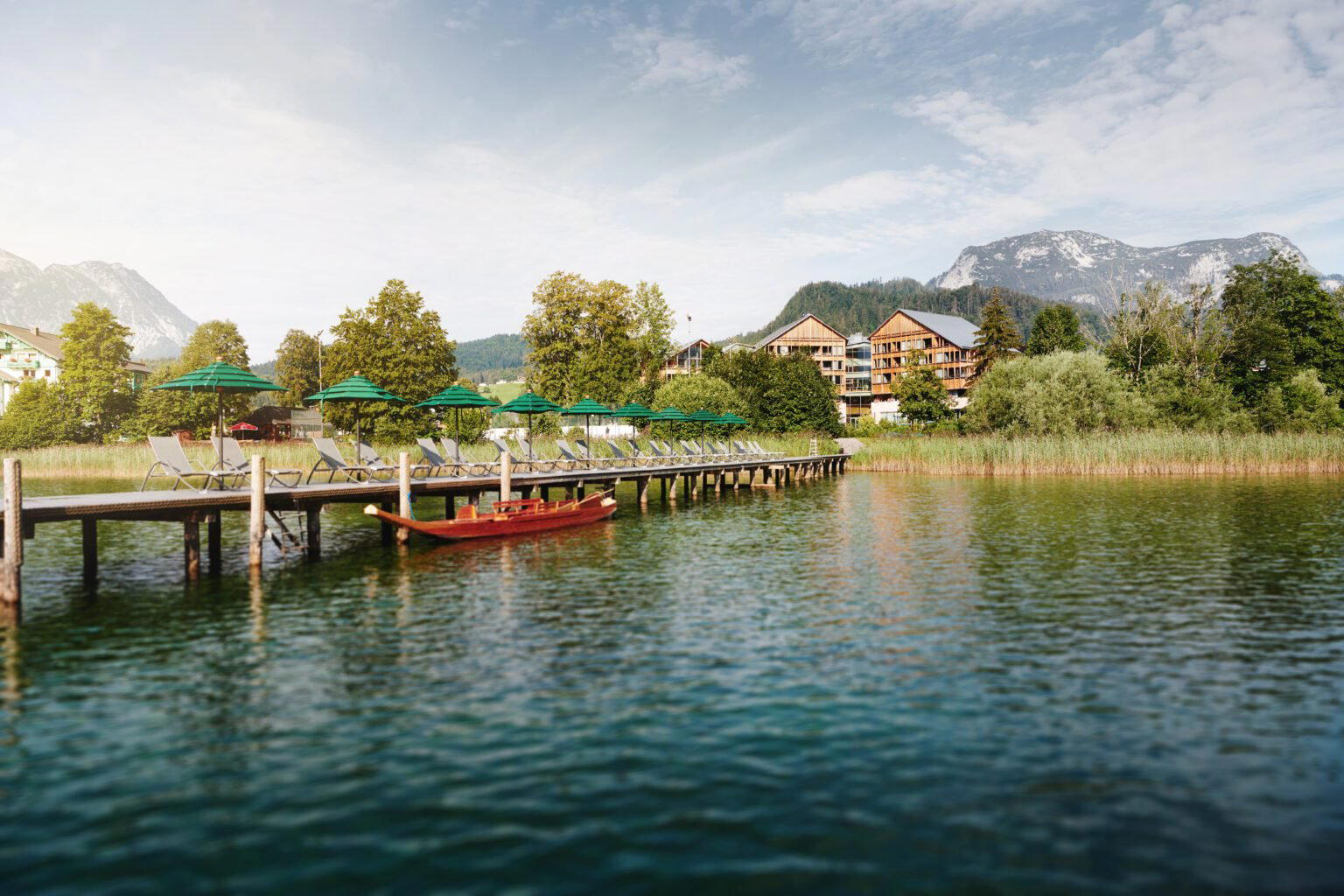
Bachtaverne serves Traditional Austrian Salzkammergut cooking in a historic building with garden and waterfront views, a leisurely pace, and an extensive wine list for lunch or dinner.
Pearl is the En Primeur Club membership app — saves, bookings, and concierge access live there. Same editors, same standards.
- Address
- Bach 24, 4852 Weyregg am Attersee, Austria
- Phone
- +43766420753
- Website
- attersee.bachtaverne.at
- Directions
- Get directions
 Saves & bookings on Pearl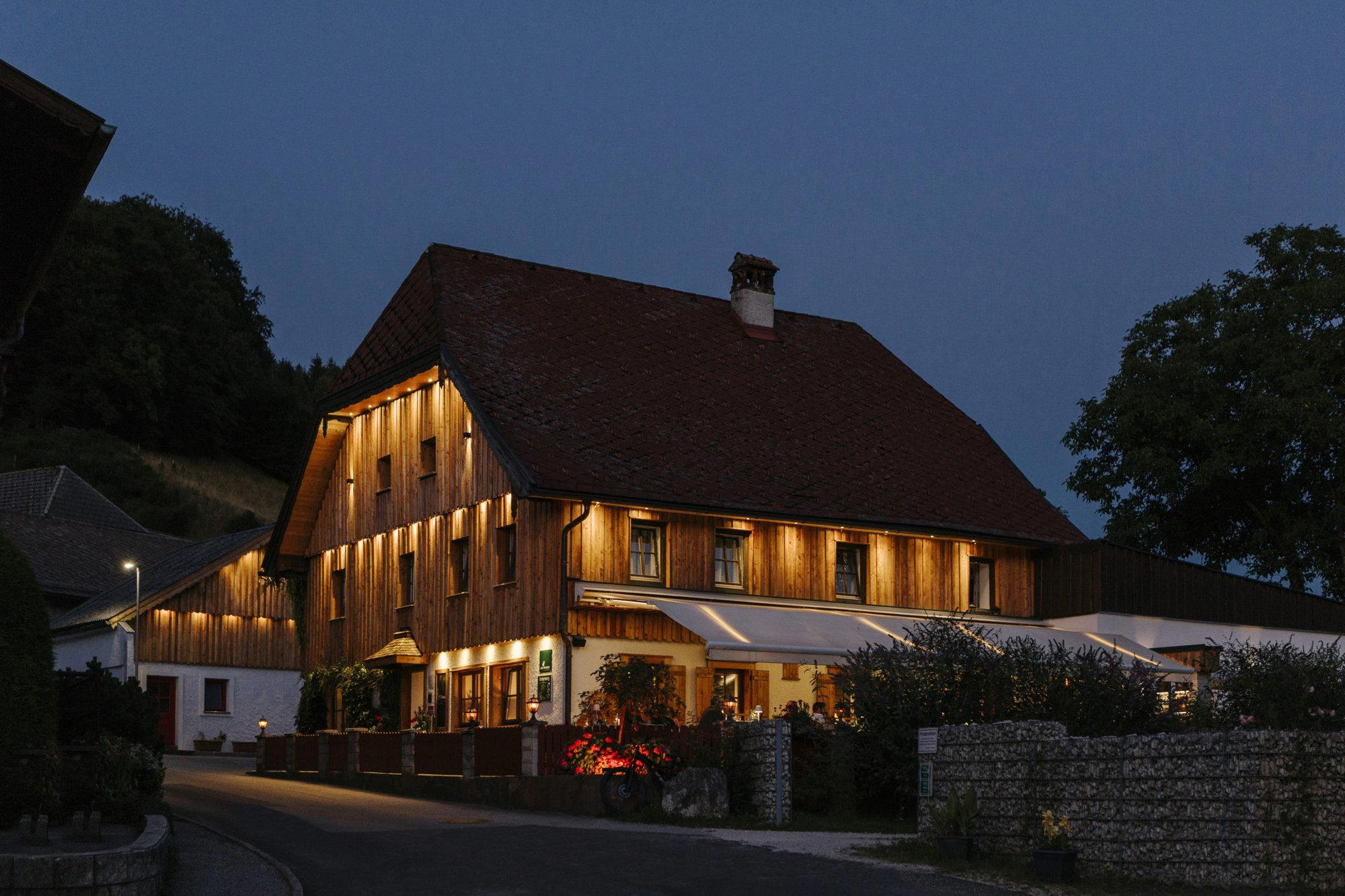
Where the Attersee Shapes What Ends Up on the Plate
The road into Weyregg am Attersee descends through pasture and orchard before the lake appears, wide and blue against the Salzkammergut hills. In this part of Upper Austria, the relationship between landscape and table is not a marketing conceit but an agricultural fact: the farms are close, the growing season is defined by alpine altitude, and the lake itself has supported fishing communities for centuries. Bachtaverne, at Bach 24 in Weyregg am Attersee, serves Traditional Austrian Salzkammergut cooking at a moderate price point.
The Salzkammergut lake district occupies a distinct place in Austrian regional dining, apart from the destination restaurants you find in Salzburg or Vienna. Places like Steirereck im Stadtpark in Vienna or Ikarus in Salzburg operate as international reference points, drawing on global technique and long tasting menus. The lake-district tavern tradition is its own thing: shorter menus, a tighter geographic sourcing radius, and a dining room that expects to feed locals as often as visitors. Bachtaverne reads as part of that second category, rooted in the immediate region in ways that a destination restaurant is not required to be.
Sourcing Logic in the Attersee Region
Upper Austria's agricultural character is shaped by the transition between the pre-Alpine foothills and the lake basin. The Attersee itself, one of the largest lakes in Austria, sits at roughly 470 metres above sea level, and the cooler temperatures slow the growing season in ways that concentrate flavour in root vegetables, stone fruits, and brassicas. Dairies in the surrounding Hausruck and Traunviertel districts produce milk and cheese under conditions that differ meaningfully from the warmer lowland operations further north.
Taverns in this geography have historically operated as de facto farm-to-table operations not out of philosophy but out of necessity: the supply chain was local because there was no alternative. That structural reality produced a cooking tradition centred on seasonal availability, preserved proteins through winter, and freshwater fish as a dependable protein source year-round. Attersee char and trout appear on regional menus because the lake is there, not because a chef made a sourcing decision. This is the distinction between a cuisine that grew from its environment and one that is performing a relationship with it.
Austrian dining at the higher end, including properties like Döllerer in Golling an der Salzach and Landhaus Bacher in Mautern an der Donau, has spent the last two decades articulating this regional identity at a sophisticated level, using local sourcing as a narrative frame for tasting menus that compete internationally. The tavern tier in which Bachtaverne operates does not require that sophistication but benefits from the same underlying larder: the produce, the fish, the dairy are available across price points.
Reading the Setting
Weyregg am Attersee is a small municipality, its permanent population well under two thousand, and it draws visitors primarily in summer when the lake becomes a destination for sailing and swimming. The seasonal pattern matters for how a restaurant like Bachtaverne functions: summer brings traffic from Salzburg and Linz, roughly equidistant at around 60 to 70 kilometres, while the shoulder seasons shift the room back toward local regulars. This dual-audience structure, common to lake-district dining throughout Austria and Bavaria, creates menus that must satisfy both impulses: the visitor looking for regional character and the local who needs the menu to refresh across the year.
The address at Bach 24 places the property on a rural lane rather than the main village street, the kind of location that signals a tavern has been in place long enough not to need foot traffic. In the Salzkammergut context, this is normal: the older establishments predate the tourism infrastructure and have their own gravity. For the visitor arriving by car from Salzburg via the B151, the approach through the agricultural outskirts of the village is part of the experience of arriving at something that has not been built around visitors.
The Wider Austrian Tavern Tradition
Austria's Gasthäuser and Heurigen represent one of the more coherent regional restaurant traditions in central Europe, distinct from the German Gasthaus model in their relationship to wine, from the Swiss equivalent in their proximity to alpine farming, and from the Czech or Slovak traditions in their orientation toward lake and river fish. The Salzkammergut tavern sits within the Gasthaus tradition but with a specific freshwater-fish emphasis that differentiates it from, say, the Styrian Gasthaus with its emphasis on pumpkin oil and cured meats, or the Tyrolean equivalent focused on game and speck.
Comparable regional-specialist Austrian restaurants operating in the destination tier include Obauer in Werfen, which has held Michelin recognition over multiple decades while remaining explicitly rooted in Salzburg state produce, and Taubenkobel in Schützen am Gebirge, which operates a different register of modern Austrian in Burgenland wine country. Neither is a direct peer to a lake-district tavern, but they illustrate how Austrian regional identity can anchor a dining operation across different formats and price points. Other notable regional options across Austria include Ois in Neufelden, Kräuterreich by Vitus Winkler in Sankt Veit im Pongau, and Schwarzer Adler in Hall in Tirol. In the alpine resort register, Griggeler Stuba in Lech, Stüva in Ischgl, and Gourmetrestaurant Tannenhof in Sankt Anton am Arlberg each operate with a similarly strong regional sourcing logic, though within a winter-sport rather than lake-district context.
For the Attersee specifically, the nearest high-ambition regional comparison is Atelier Fischer in Sankt Gilgen on the Wolfgangsee, which operates at a more contemporary register. The Wolfgangsee and Attersee lake-district dining scenes are geographically proximate but serve somewhat different visitor profiles, with the Wolfgangsee drawing heavier Salzburg day-trip traffic.
Planning a Visit
Weyregg am Attersee is most accessible by car, with Salzburg and Linz each roughly an hour's drive.
Comparable Venues
Comparable venues nearby, for context on price, style, and recognition.
| Venue | Cuisine | Price | Notes |
|---|---|---|---|
| BachtaverneThis venue — the venue you are viewing | Traditional Austrian Salzkammergut | $$ | Not listed |
| Weinstube Spies | Traditional Austrian Wine Tavern | $$ | Old Town |
| Sonnenalm | Traditional Austrian Alpine | $$ | Mandling |
| Steireralm | Traditional Austrian Ski Hut | $$ | Reiteralm |
| Stöcklhütte | Traditional Austrian Alpine | $$ | Haus im Ennstal |
| Thalstube | Traditional Austrian | $$ | Thal |
Continue exploring
More in Weyregg Am Attersee
Restaurants in Weyregg Am Attersee
Browse all →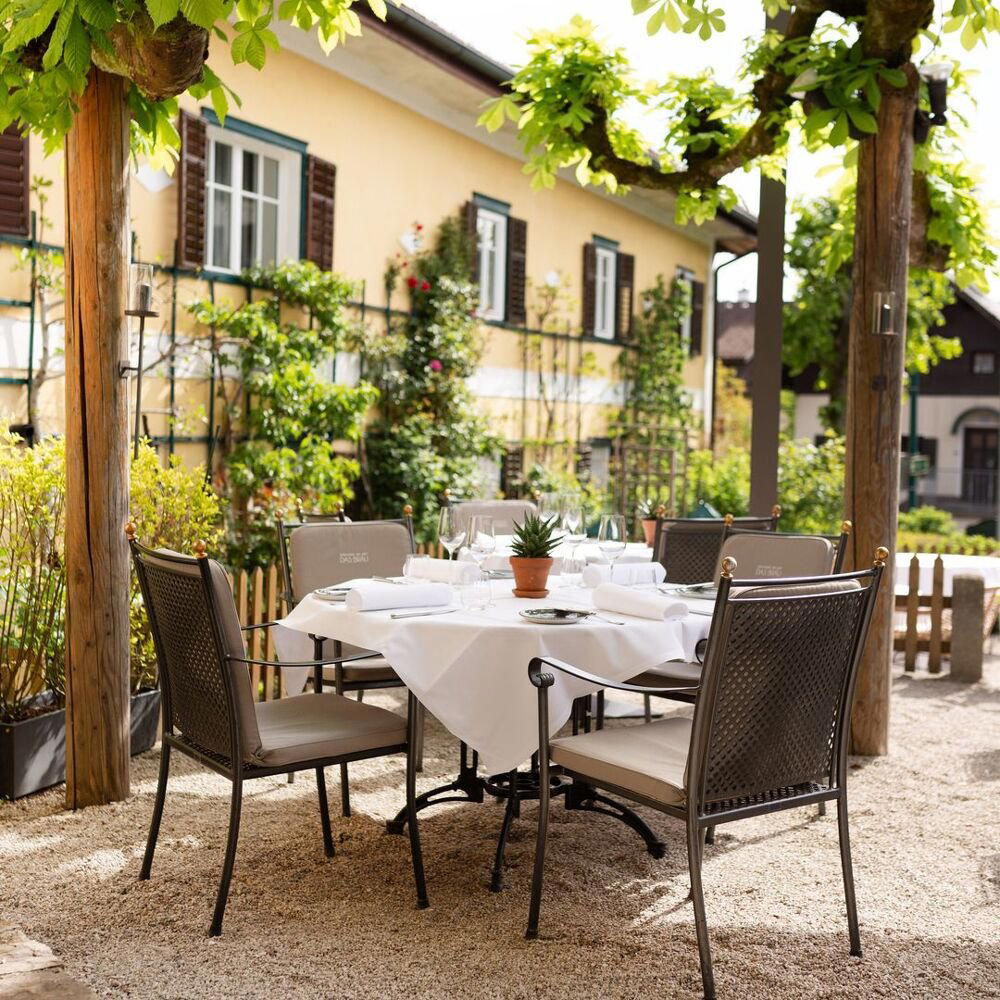

Bars in Weyregg Am Attersee
Browse all →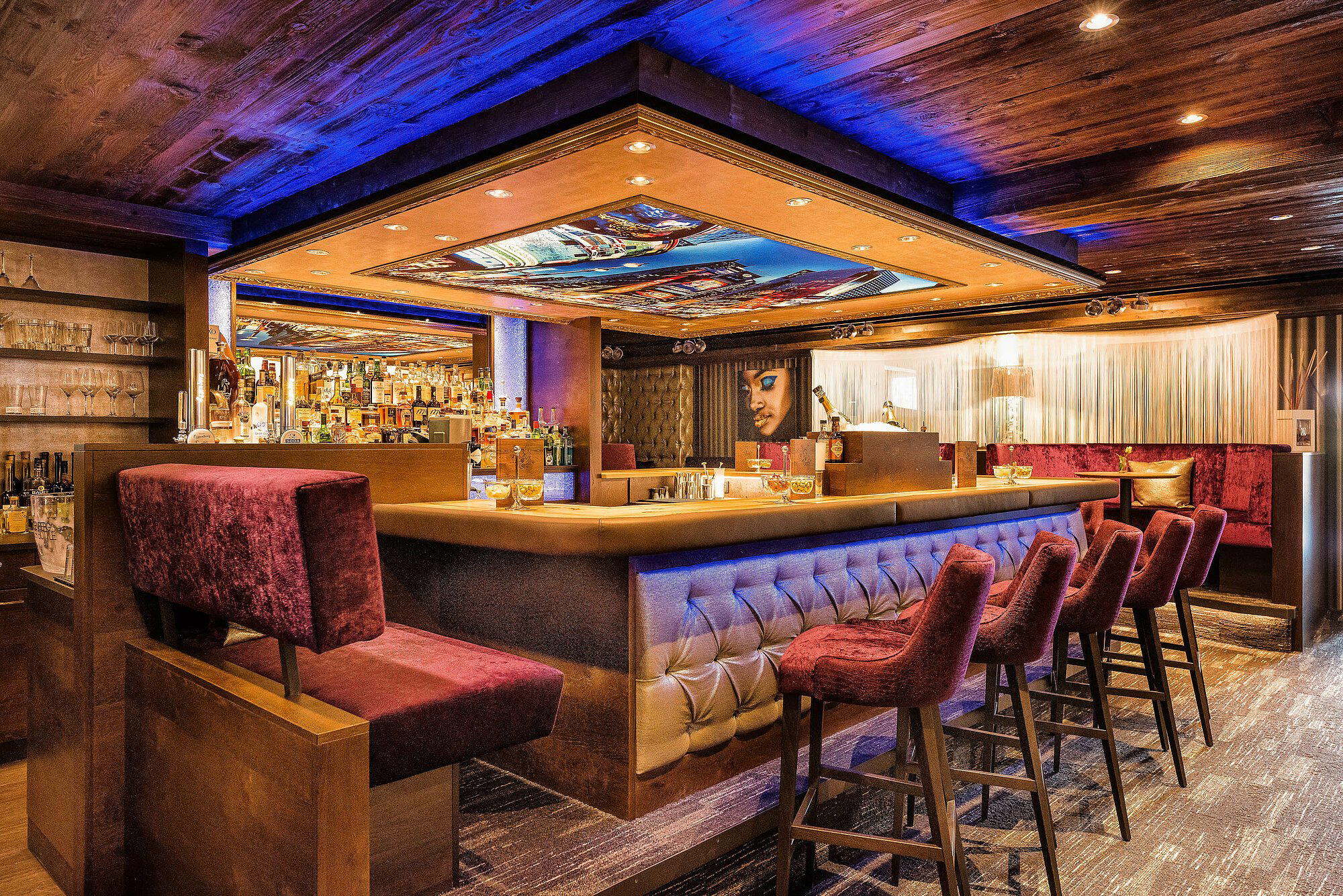
At a Glance
- Cozy
- Romantic
- Classic
- Rustic
- Elegant
- Date Night
- Family
- Group Dining
- Celebration
- Special Occasion
- Terrace
- Garden
- Waterfront
- Historic Building
- Standalone
- Extensive Wine List
- Local Sourcing
- Garden
- Waterfront
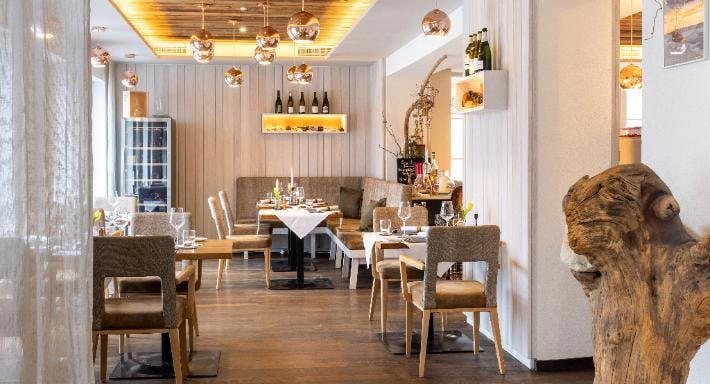
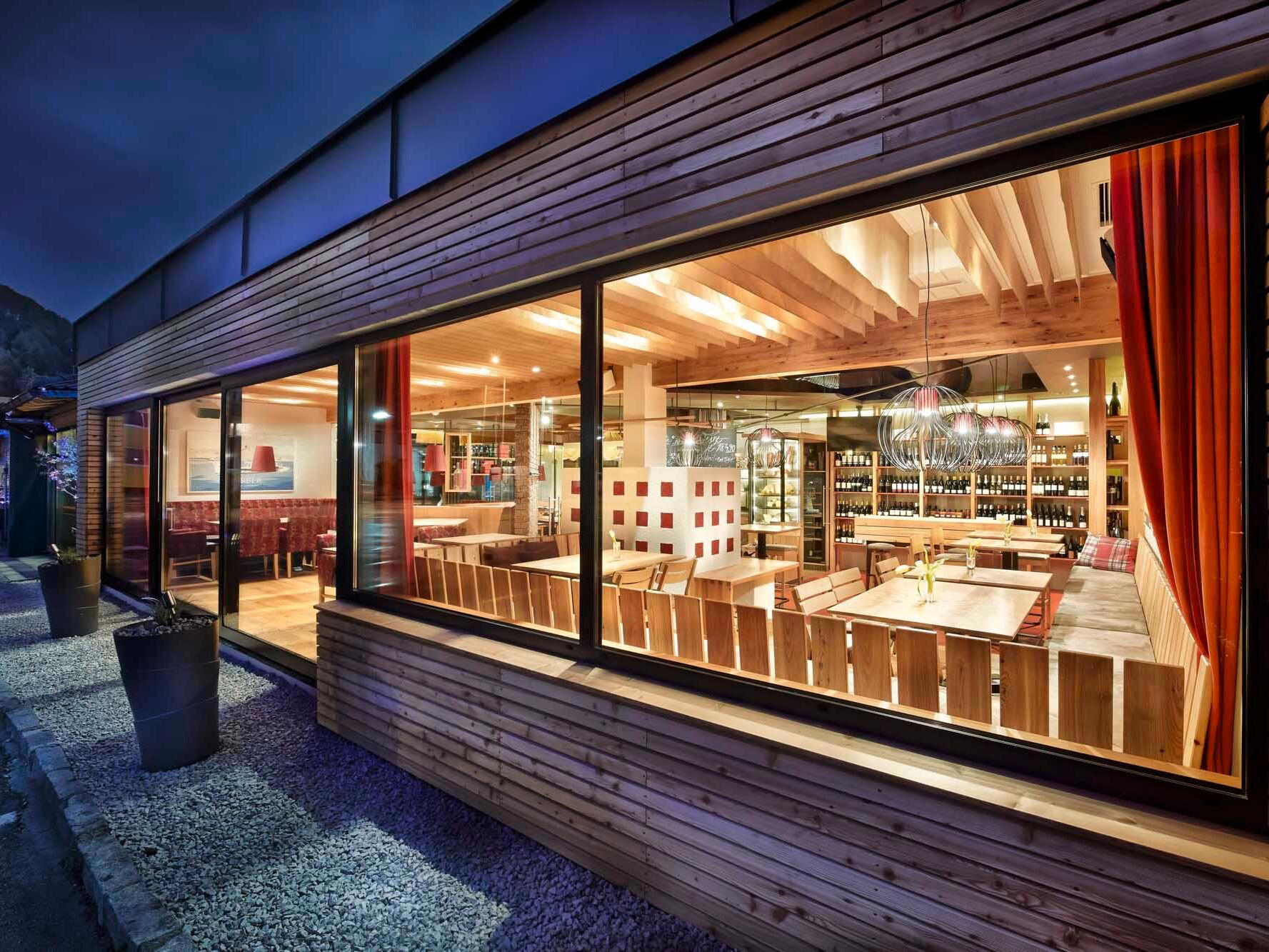
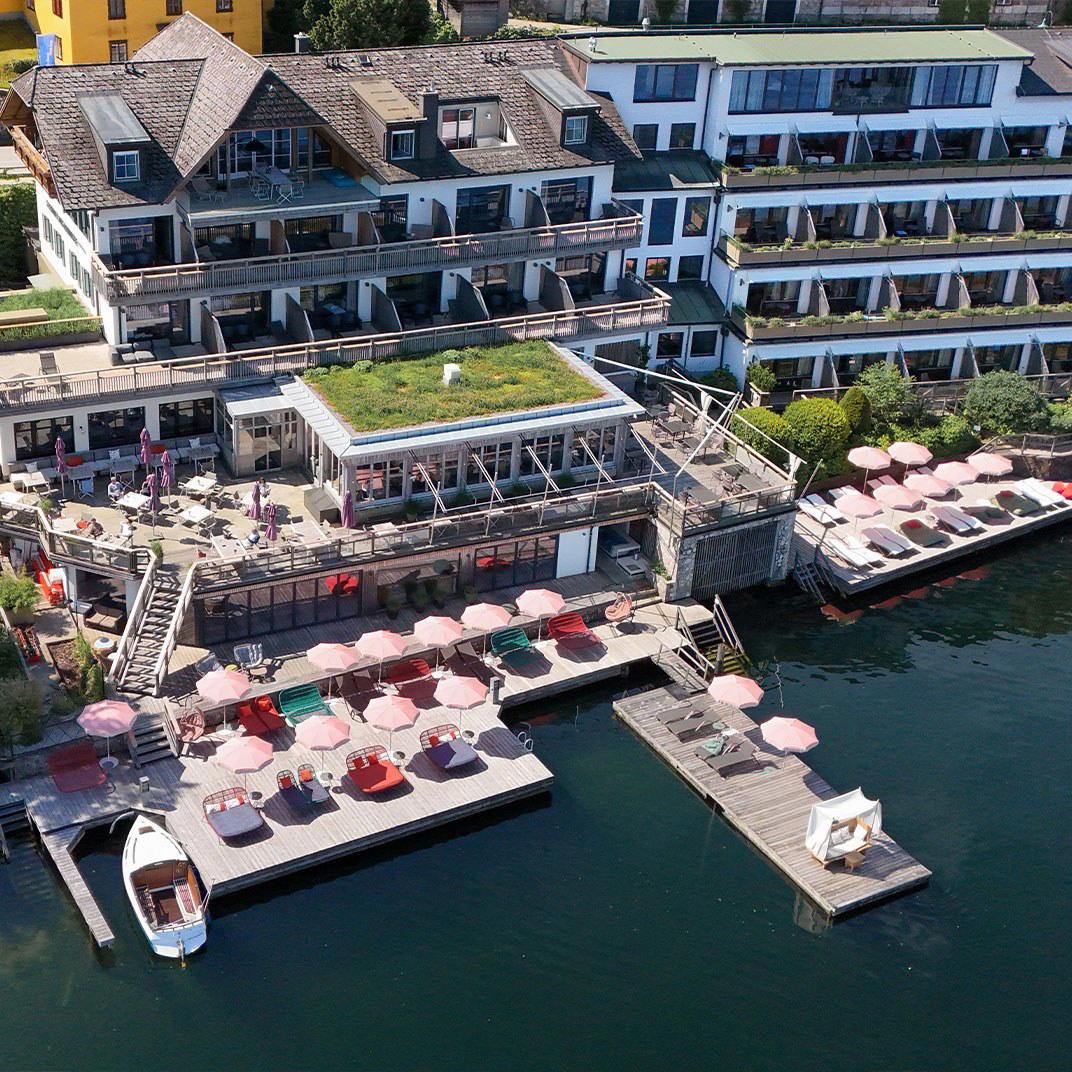
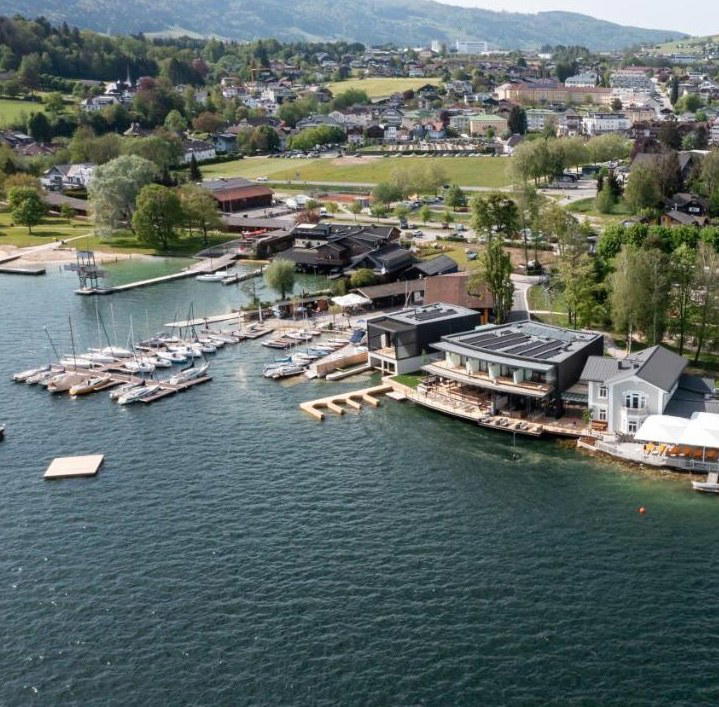
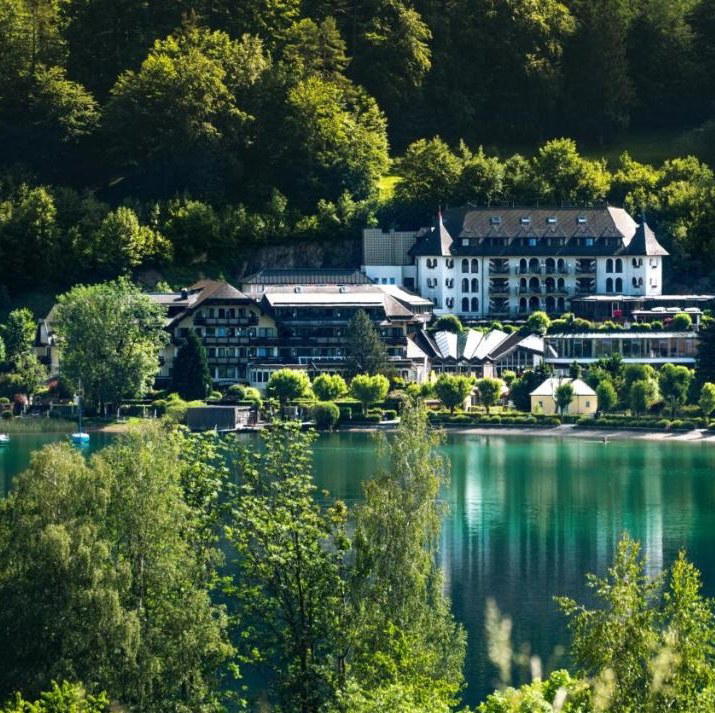
Elegantly decorated with modern and traditional elements, warm and welcoming atmosphere with tastefully styled interiors; features a charming pub garden with lake views and flowers.