Die Pastamacher occupies a spot on Linz's Marktplatz, bringing a pasta-specialist format to a city better known for its broader Austrian and international dining scene. For occasions that call for something focused and convivial rather than formally ceremonial, a dedicated pasta house at a central address offers a different register from the fine-dining rooms clustered elsewhere in Upper Austria.
Pearl is the En Primeur Club membership app — saves, bookings, and concierge access live there. Same editors, same standards.
- Address
- Marktpl. 20, 4020 Linz, Austria
- Phone
- +436604020133
- Website
- diepastamacher.at
- Directions
- Get directions
 Saves & bookings on Pearl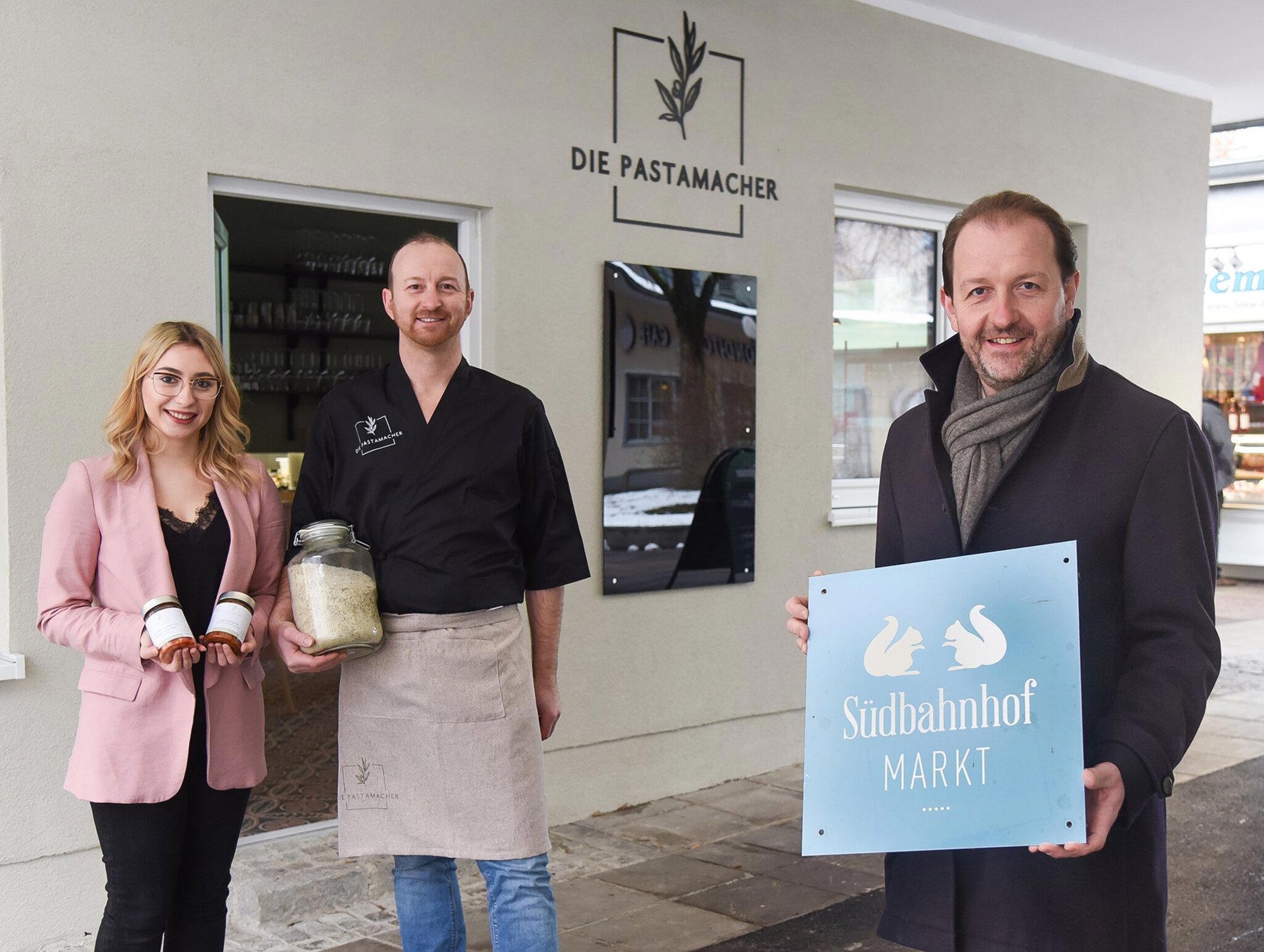
A Pasta Counter in the Middle of Linz
Linz's Marktplatz sits at the social centre of the city, a square that cycles through morning market crowds, afternoon coffee rituals, and evening diners working through the restaurants that line its edges. It is the kind of address where a specialist concept either gets lost among broader options or earns a loyal return trade by doing one thing demonstrably well. Die Pastamacher, the name translates directly as 'the pasta makers', occupies that square and stakes its identity on fresh pasta at a time when Linz's dining conversation is largely shaped by the fine-dining ambitions of places like Rossbarth and the international breadth of Verdi.
The pasta-specialist format is not especially common in Austrian cities, where Italian influence tends to manifest as full trattoria or mid-market pizzeria models rather than as a single-category focus. A venue that centres its identity around fresh pasta production operates closer to the Northern Italian model, Bologna, Modena, Ferrara, where the pasta itself is the craft object and everything else supports it. In that context, the format carries a particular logic for occasion dining: it is precise without being formal, communal without being casual, and it gives a table something to organise the meal around.
Why Occasion Dining Gravitates Toward Specialist Formats
Milestone meals in Austrian cities tend to follow one of two tracks. The first is the formal fine-dining room: tasting menus, sommelier sequences, the full ceremonial architecture. Venues in that tier, across Austria, include places like Steirereck im Stadtpark in Vienna, Landhaus Bacher in Mautern an der Donau, and Obauer in Werfen, each operating inside a recognised awards structure with the booking depth and formality to match. The second track, increasingly relevant, is the specialist venue where the craft is visible and the occasion feeling comes from the quality of the thing itself rather than from ceremony around it.
Fresh pasta sits naturally in the second category. When a kitchen is producing dough, rolling, and cutting in-house, the product has enough inherent interest, in texture, in the precision of the cut, in the pairing logic with sauce, to carry a celebratory meal without the scaffolding of a tasting menu format. For birthdays, anniversaries, or dinners that mark something without requiring a three-hour commitment, a well-executed pasta specialist offers a more honest proposition than a mid-market room trying to dress up standard bistro cooking.
Linz's dining scene sits at an interesting mid-point in Austrian terms. The city has a cluster of creative and regional options, Be Right Back occupies the creative end, and venues like Aroy Thai fill the specialist international bracket, but it does not have the density of Michelin-starred rooms that Vienna or Salzburg carry. That gap creates space for format-driven specialists to serve occasion dining without competing directly against the formal tasting-menu tier. For a fuller picture of where Die Pastamacher fits within the city's options, the EP Club Linz restaurants guide maps the broader scene.
The Marktplatz Address and What It Signals
Location at Marktplatz 20 is not incidental. Central addresses in Austrian market squares carry specific behavioural patterns: foot traffic from the daytime market, proximity to the Altstadt hotels that draw visitors for cultural weekends, and the kind of ambient energy that makes an evening meal feel anchored in the city rather than removed from it. For occasion dining specifically, this matters because the walk to and from dinner becomes part of the event. A square address makes post-dinner movement easy, to a bar, along the Danube, or back through the Altstadt streets, which supports the elongated social rhythm that special-occasion meals tend to require.
Compare this with the more isolated positioning of some of Austria's destination dining rooms. Döllerer in Golling an der Salzach, Ois in Neufelden, or Restaurant 141 by Joachim Jaud in Mieming each require a dedicated journey that becomes the occasion in itself. A city-centre pasta specialist operates on different terms: it is accessible, repeatable, and does not require advance planning at the scale of a destination-dining pilgrimage. That accessibility is an asset rather than a concession for certain kinds of celebratory meals.
Fresh Pasta as a Category in the Upper Austrian Context
Upper Austria does not have a strong regional pasta tradition in the way that, say, the Wachau has its freshwater fish culture or Vorarlberg has its cheese-making history. The pasta category here is an import, and that means the quality benchmark is set by comparison with Italian specialist venues rather than by a local standard. Across Europe, the pasta-specialist format has grown as part of a broader move toward single-craft restaurants: venues that build credibility through visible production, limited menu scope, and the kind of repetition that generates genuine skill. The leading European examples of this model, from London's pasta bars to the Roman pasta counters, succeed because the product is measurably better than what a generalist kitchen produces alongside fifteen other dishes.
What the format signals, at minimum, is a commitment to a specific discipline in a city where that discipline is not widely represented. For diners who have spent time at pasta-focused venues elsewhere in Europe, or who have reference points from fine-dining pasta courses at places like Le Bernardin in New York City or the composed formats at Lazy Bear in San Francisco, the Marktplatz location offers a local point of comparison.
Planning a Visit
Die Pastamacher is located at Marktplatz 20 in Linz's central district, reachable on foot from the main train station in around fifteen minutes or directly by tram. For occasion dining specifically, the square's position makes it a practical anchor for a meal that is easy to fold into a day in central Linz.
Diners can plan around the posted opening hours: Tue to Fri 8 AM to 3 PM, Sat 8 AM to 12 PM, with Monday and Sunday closed. Bruckner's im Brucknerhaus Linz represents the more formal occasion-dining register, while the EP Club Linz guide covers the full spectrum. Austria's broader destination dining circuit, including Gourmetrestaurant Tannenhof in Sankt Anton am Arlberg, Stüva in Ischgl, Schwarzer Adler in Hall in Tirol, and Kräuterreich by Vitus Winkler in Sankt Veit im Pongau, provides additional context for multi-day itineraries built around Austrian food.
Price and Positioning
Comparable venues nearby, for context on price, style, and recognition.
| Venue | Cuisine | Price | Notes |
|---|---|---|---|
| Die PastamacherThis venue — the venue you are viewing | Südbahnhofmarkt, Handmade Regional Pasta | $$ | Not listed |
| Hostaria Bigoli Al Mercato | city center, Veneto Osteria | $$ | Not listed |
| zum schwarzen schiff | Urfahr, Austrian Tavern Cuisine | $$ | Not listed |
| Ichi go ichi e | Linzerie, Japanese Ramen Bar | $$ | Not listed |
| Die Börserie | Not listed | $$ | Südbahnhofmarkt, Austrian Seasonal Cuisine |
| Pöstlingberg Schlössl | Pöstlingberg, Austrian Fine Dining | $$$ | Not listed |
Continue exploring
More in Linz
Restaurants in Linz
Browse all →
Bars in Linz
Browse all →



Hotels in Linz
Browse all →

At a Glance
- Cozy
- Rustic
- Casual Hangout
- Open Kitchen
- Local Sourcing
- Organic
- Street Scene
Current opening hours
- Monday
- Closed
- Tuesday
- 8 AM–3 PM
- Wednesday
- 8 AM–3 PM
- Thursday
- 8 AM–3 PM
- Friday
- 8 AM–3 PM
- Saturday
- 8 AM–12 PM
- Sunday
- Closed
Hours can change for holidays and private events. Last verified .
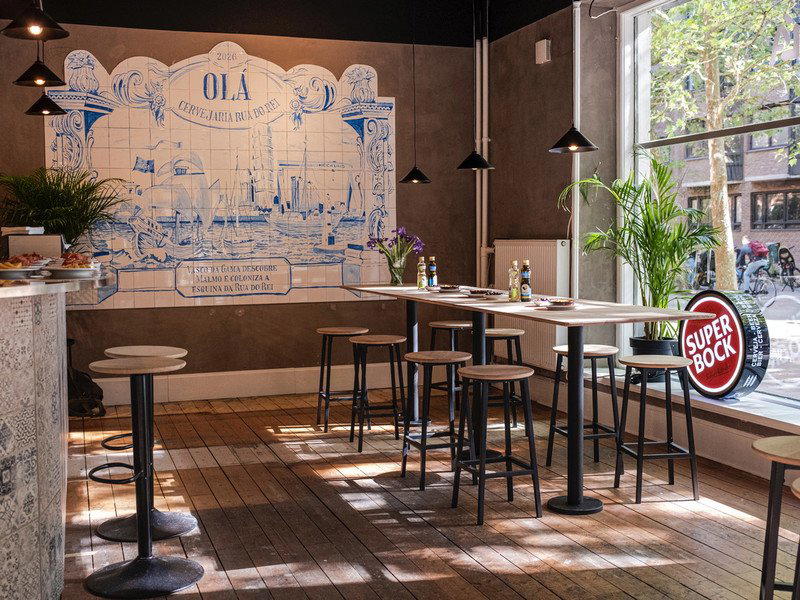
Cozy market atmosphere with southern flair, emphasizing fresh, seasonal regional produce in a family-run setting.