Die Börserie occupies a quiet address on Schillerstraße in Linz, a city where the gap between provincial reputation and genuine culinary ambition has been narrowing steadily. Positioned within a dining scene that ranges from regional Wirt tradition to modern European cooking, the restaurant draws visitors looking for a grounded, considered meal in Austria's third-largest city.
Pearl is the En Primeur Club membership app — saves, bookings, and concierge access live there. Same editors, same standards.
- Address
- Schillerstraße 70, 4020 Linz, Austria
- Phone
- +43732659622370
- Website
- boerserie.at
- Directions
- Get directions
 Saves & bookings on Pearl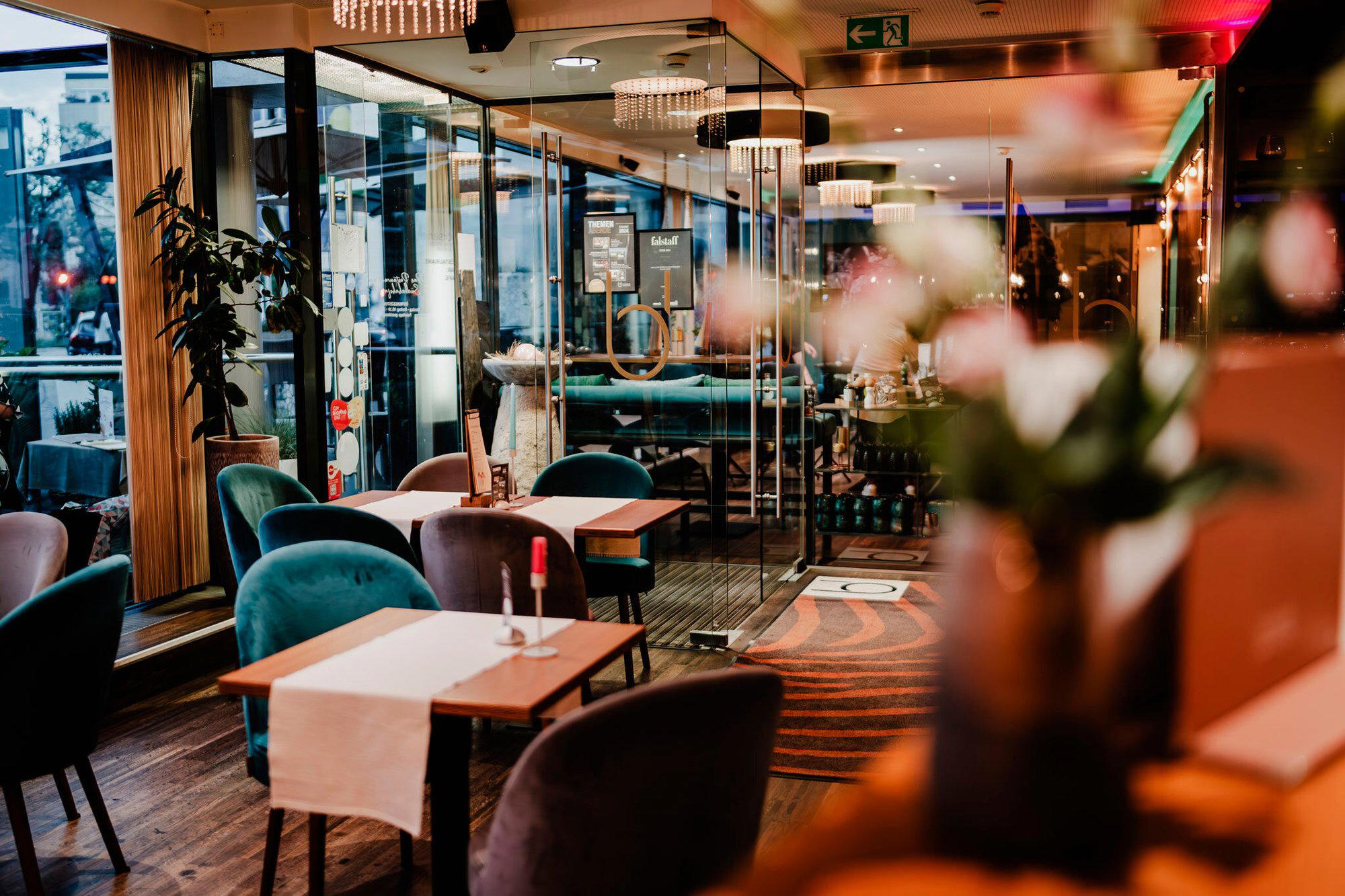
Linz at the Table: What the City's Mid-Tier Scene Actually Looks Like
Austria's restaurant conversation tends to compress around Vienna and Salzburg, with the occasional nod to alpine outposts like Obauer in Werfen or Döllerer in Golling an der Salzach. Linz gets less editorial attention than it deserves. The Danube city has spent the better part of two decades building a dining infrastructure that sits somewhere between deep regional tradition and a more outward-looking modern approach, and that tension is exactly where its more interesting restaurants operate. Die Börserie, on Schillerstraße 70 in the 4020 district, is part of that broader pattern: a neighbourhood address that rewards the visitor who looks past the city's more obvious cultural institutions.
The street itself sits away from the tourist corridor around the Hauptplatz and the Brucknerhaus. That remove is not incidental. In Linz as in many mid-size European cities, the restaurants doing the more considered work tend to cluster slightly off the obvious path, where rents allow for tighter menus and longer development cycles rather than the volume-driven programming that tourist-adjacent spaces require.
The Local-Global Tension That Defines Austrian Cooking Right Now
To understand where a Linz restaurant like Die Börserie sits, it helps to map the wider Austrian dynamic. The country's most celebrated kitchens have long balanced two impulses: an attachment to regional product, Waldviertel lamb, Mühlviertel grain, Upper Austrian dairy, Wachau stone fruit, and a technical vocabulary that arrives via French classicism, Scandinavian minimalism, or Japanese precision. Steirereck im Stadtpark in Vienna built its reputation on exactly that intersection, anchoring a modern European sensibility firmly in Austrian seasonal produce. Landhaus Bacher in Mautern an der Donau takes a different register, classical and grounded, but the underlying logic is the same: imported method, indigenous material.
That framing matters when reading Linz's current dining tier. The city's Upper Austrian location gives kitchens access to some of the country's better agricultural regions. The Mühlviertel granite plateau to the north produces caraway-heavy breads and cold-climate root vegetables; the Danube valley itself yields freshwater fish that rarely appear on menus south of the Alps. The question for any serious Linz kitchen is what technical language to apply to that material. Restaurants like Rossbarth have moved toward a modern European register with clear contemporary technique. Verdi positions itself internationally. The city's more casual creative tier, represented by places like Be right back, takes a looser approach to the same core tension.
What Die Börserie Represents in That Context
In a city where the high-end tier, Rossbarth at €€€€, Kliemstein Vino Vitis at €€€€, tends to generate the awards coverage and press documentation, mid-range and neighbourhood addresses often operate with less digital footprint. This is not a marginal or transitional category in Austrian dining; some of the country's most consistent cooking happens in exactly this register, away from tasting-menu formats and formal service structures. Think of Ois in Neufelden, which has built a reputation in Upper Austria without the apparatus of Michelin recognition, or the way Schwarzer Adler in Hall in Tirol holds its position through consistency rather than spectacle.
The restaurant occupies a Schillerstraße address that places it in a residential and light-commercial zone of the 4020 postal district, a part of Linz that functions on a neighbourhood scale rather than as a destination corridor. That positioning suggests a local clientele as the primary audience, which in Austrian restaurant culture typically means pressure toward value, reliability, and seasonal rotation rather than the set-piece experience that destination dining commands.
Seasonal Timing and What It Means for a Visit
Upper Austria runs a clear seasonal kitchen calendar. Autumn brings game from the Mühlviertel and Pyhrn-Priel hunting regions, alongside the Wachau's late stone fruit and the first of the cellar-storage root crops. Winter menus in Linz kitchens tend toward cured, preserved, and braised preparations, the same logic that governs restaurants like Gourmetrestaurant Tannenhof in Sankt Anton am Arlberg and Stüva in Ischgl in the alpine west, though applied here to Danube valley produce rather than mountain forage. Spring, running from late March through May, marks the point when Austrian kitchens reopen their repertoires: asparagus from the Marchfeld, ramps and wild garlic from riverine forests, the first river fish in condition after winter.
For a visit timed around seasonal eating, the spring-to-early-summer window is generally when Upper Austrian kitchens show the widest range. That applies to the broader Linz scene rather than the restaurant specifically, given the limited venue-specific data available, but the regional pattern holds across the city's mid-range and upper-mid-range addresses.
Planning a Visit: What to Know Before You Go
The restaurant is located at Schillerstraße 70, 4020 Linz. For Linz arrivals by rail, the Hauptbahnhof sits in the southern part of the city, with the Schillerstraße address reachable on foot or by tram within a short ride. Linz's tram network is the primary urban transit spine, and the 4020 district is well-served.
For visitors building a broader Linz itinerary, the city's dining range runs from the concert-adjacent Bruckner's im Brucknerhaus Linz on the Danube bank to the pan-Asian register of Aroy Thai. The full picture of what Linz offers across price points and cuisine types is covered in our full Linz restaurants guide. For context on how the Austrian dining conversation looks beyond Linz, the kitchens at Restaurant 141 by Joachim Jaud in Mieming, Kräuterreich by Vitus Winkler in Sankt Veit im Pongau, and the internationally referenced benchmarks of Le Bernardin in New York City and Lazy Bear in San Francisco illustrate the wider technical range that filters into Austrian cooking through training, travel, and cross-pollination.
Peers You’d Cross-Shop
Comparable venues nearby, for context on price, style, and recognition.
| Venue | Cuisine | Price | Notes |
|---|---|---|---|
| Die BörserieThis venue — the venue you are viewing | Austrian Seasonal Cuisine | $$ | Not listed |
| Jack the Ripperl | Austrian BBQ Ribs | $$ | Landstraße |
| Das Anton | Modern Austrian Brasserie | $$$ | Volksgartenviertel |
| zum schwarzen schiff | Austrian Tavern Cuisine | $$ | Urfahr |
| my Indigo Lentia | Global Fusion Bowls & Hot Pots | $$ | LentiaCity |
| Burgerista | Fresh Burger Grill | $$ | Volksgartenviertel |
Continue exploring
More in Linz
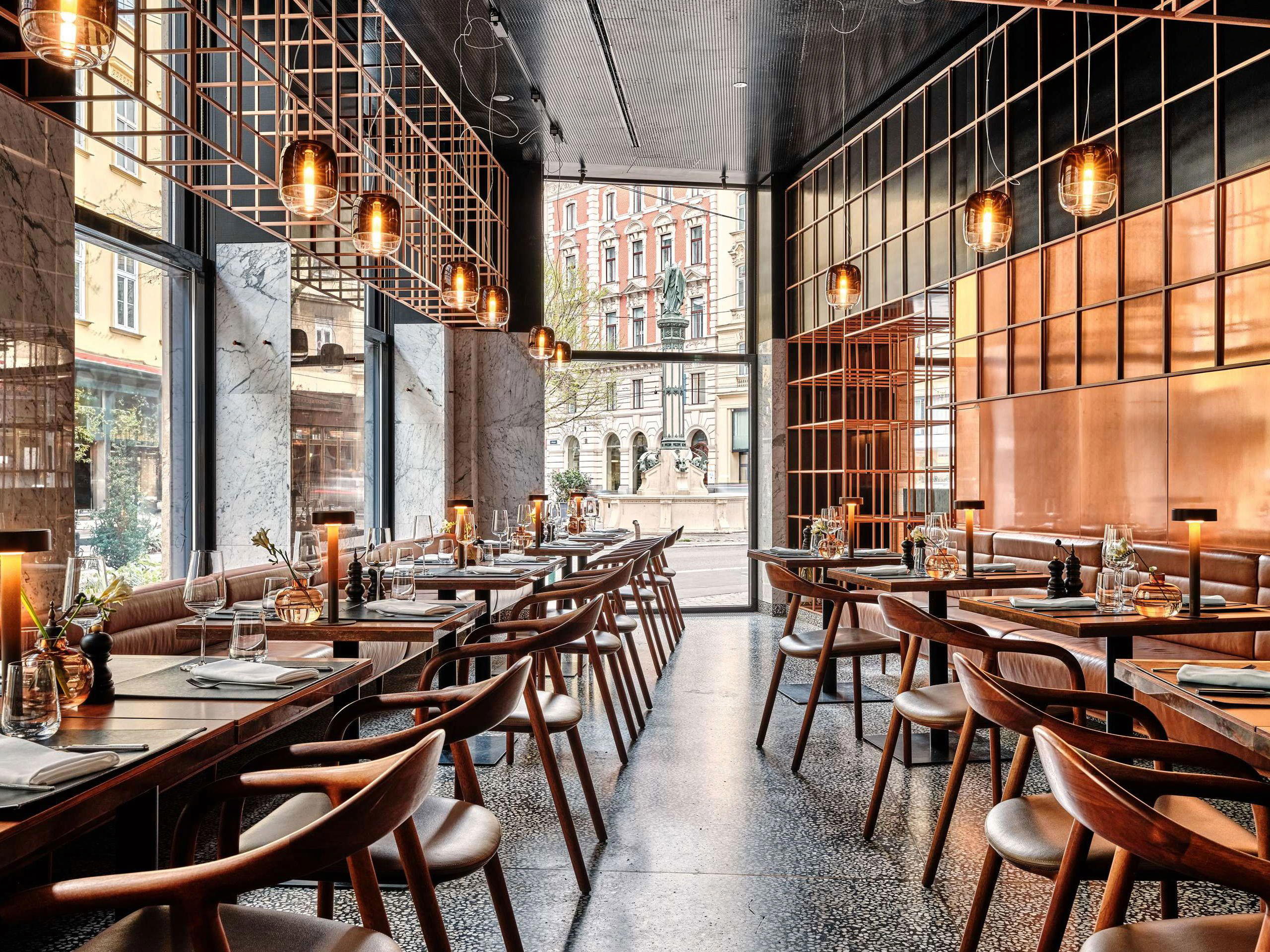
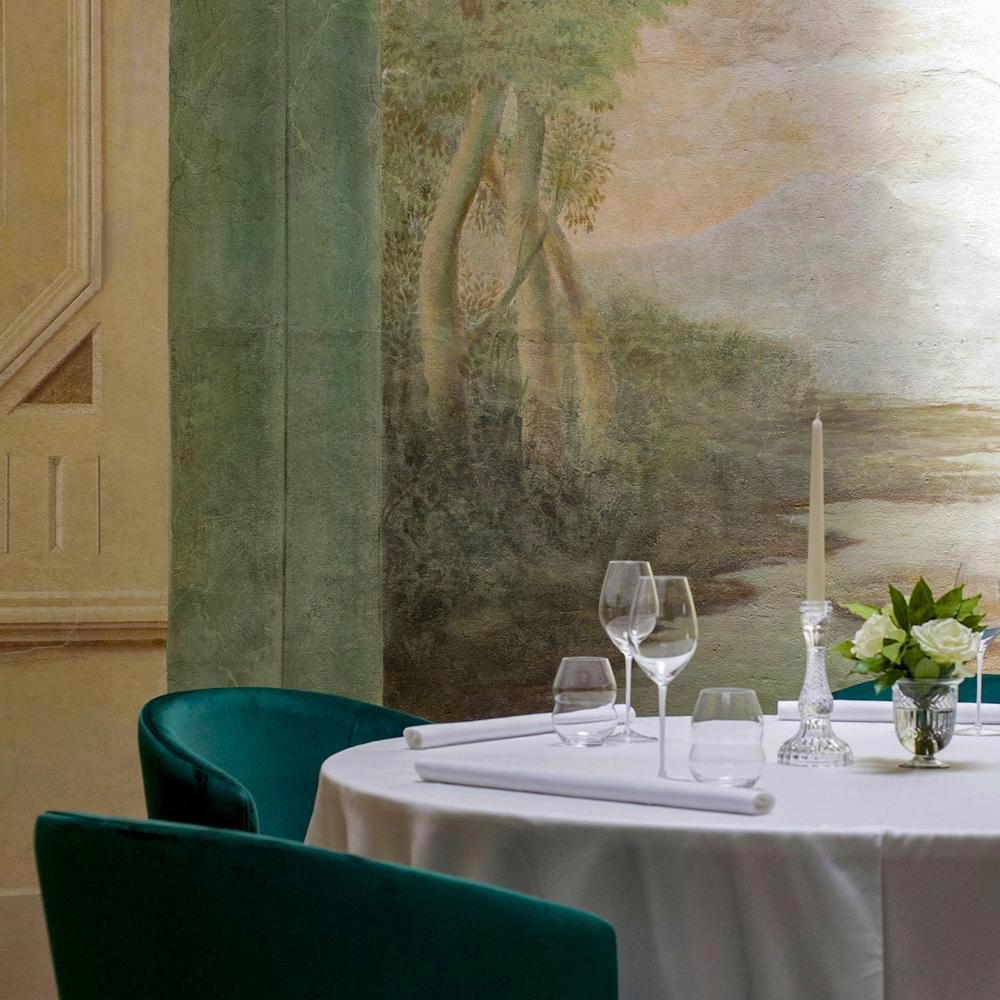
Restaurants in Linz
Browse all →
Bars in Linz
Browse all →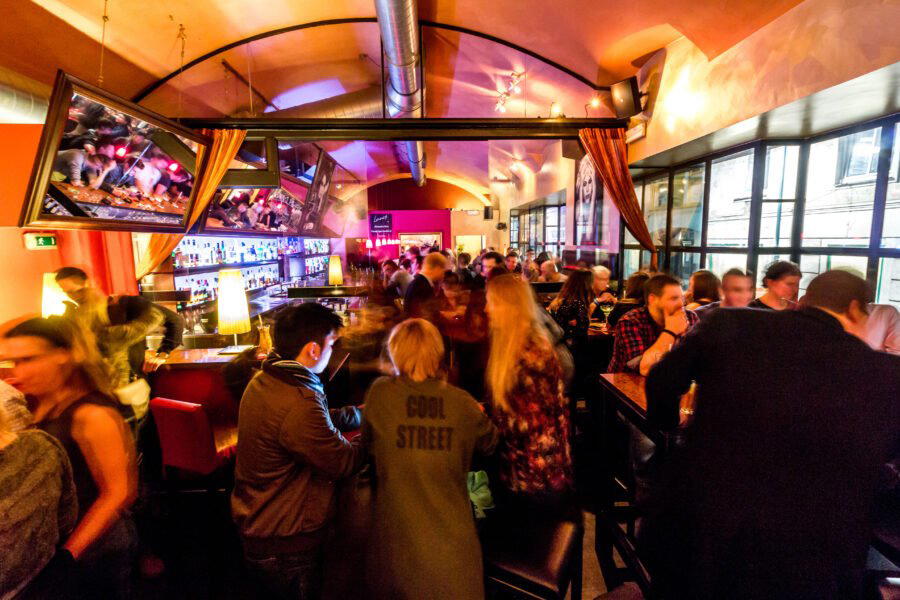
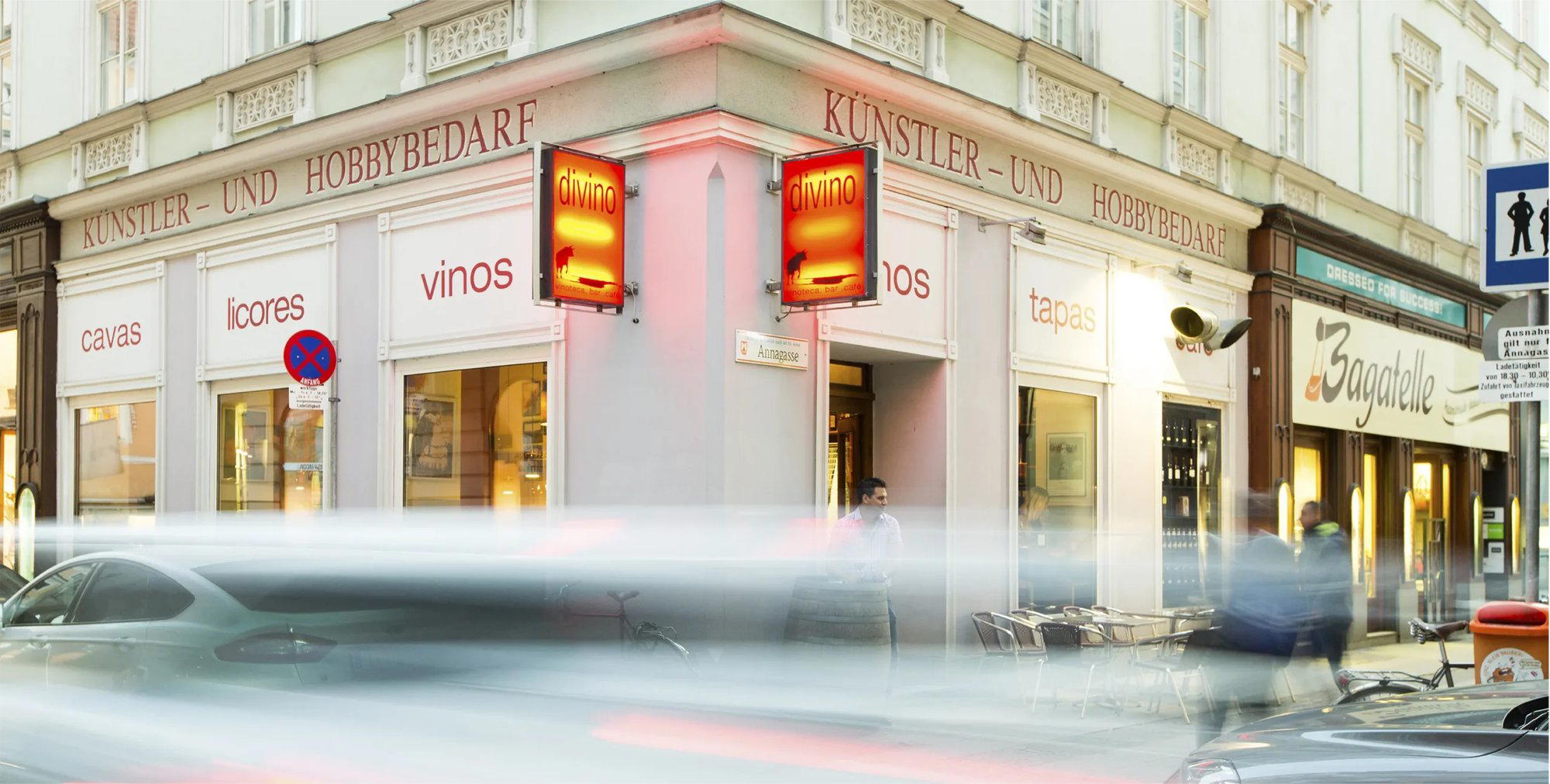



Hotels in Linz
Browse all →

At a Glance
- Elegant
- Modern
- Business Dinner
- Group Dining
- Brunch
- Historic Building
- Extensive Wine List
- Local Sourcing
Current opening hours
- Monday
- 10:30 AM–9 PM
- Tuesday
- 10:30 AM–9 PM
- Wednesday
- 10:30 AM–9 PM
- Thursday
- 10:30 AM–9 PM
- Friday
- 8:30 AM–9 PM
- Saturday
- Closed
- Sunday
- Closed
Hours can change for holidays and private events. Last verified .
Stylish and extravagant design with a sophisticated atmosphere ideal for wine lovers and culinary enjoyment.