
Gyoza Nyannyan belongs to Kurume’s compact, drink-friendly dumpling culture rather than the ceremony-led end of Japanese dining. Its Tabelog 100 - Dumplings - 2024 selection and small-room format place it in a serious gyoza bracket, with the appeal tied to craft, sourcing logic, and the city’s appetite for direct, affordable cooking.
Pearl is the En Primeur Club membership app — saves, bookings, and concierge access live there. Same editors, same standards.
- Address
- 10-34 Mutsumonmachi, Kurume, Fukuoka 830-0031, Japan
- Phone
- +81 942-32-9359
- Website
- mirukuru-chiggo.com
- Directions
- Get directions
 Saves & bookings on Pearl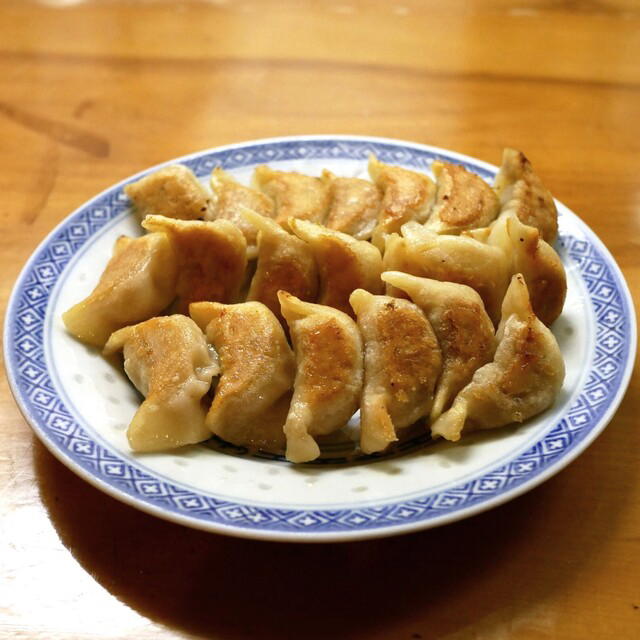
Kurume’s dumpling rooms announce themselves without ceremony: small frontage, close tables, pans working harder than the decoration. That suits a city whose dining culture is built less around tasting menus or theatrical counters than heat, repetition, and regulars who know when a wrapper has been handled well. Gyoza Nyannyan sits inside that tradition: a 20-seat dumpling specialist in Mutsumonmachi with a Tabelog 100 - Dumplings - 2024 selection that gives a local room national context.
The point is not simply that Kurume has another casual gyoza address. Japanese dumpling culture is sharply competitive at the low-spend end, where recognition depends less on luxury cues than consistency. A small shop can be judged against serious specialists nationwide because the craft is visible in narrow margins: wrapper thickness, filling balance, pan control, and drinks that support rather than distract.
Kurume gyoza is a small-format craft, not a side order
Travellers often treat gyoza in Japan as ramen’s companion piece. Kurume complicates that. The city is nationally better known for tonkotsu ramen, but its drinking-food culture leaves room for dumplings as a main event, especially in compact rooms where groups order in rounds rather than build a formal sequence. The format rewards precision. A gyoza shop has fewer hiding places than a broader izakaya: the filling must carry sweetness, fat, and seasoning; the wrapper must survive the pan; service must keep pace with the room.
Ingredient sourcing matters because dumplings are compression. Pork, vegetables, aromatics, and dough do not need luxury branding to reveal quality; they need proportion. Kyushu’s food culture is comfortable with pork, shochu, and deeply local drinking formats, making Kurume a more convincing gyoza city than its size suggests. When a specialist earns national dumpling recognition from Tabelog, the signal is not glamour but narrow craft executed reliably enough to be noticed beyond its neighbourhood.
Comparisons inside Kurume should therefore be drawn by format, not fame. Hitokuchi Gyoza Tenya sits in the same dumpling conversation at a different spend level, while Goju Ban and Mitsuya Stand occupy the broader casual-dining field. Maruboshi Ramen points to the city’s ramen identity, useful context because Kurume’s strongest food addresses often work through specialization rather than range. For a wider map, Our full Kurume restaurants guide is the cleaner starting point.
Drinks, room scale, and the discipline of a narrow menu
The drink signals matter. Sake and shochu place the room in a familiar Kyushu after-work register, where dumplings are drinking food without becoming secondary. Shochu especially fits the region’s table culture: direct, flexible, and suited to salty, fatty food more than many delicate pairings. In a gyoza room, pairing logic is practical, not decorative. The drink list need not perform complexity if the food format is doing its job.
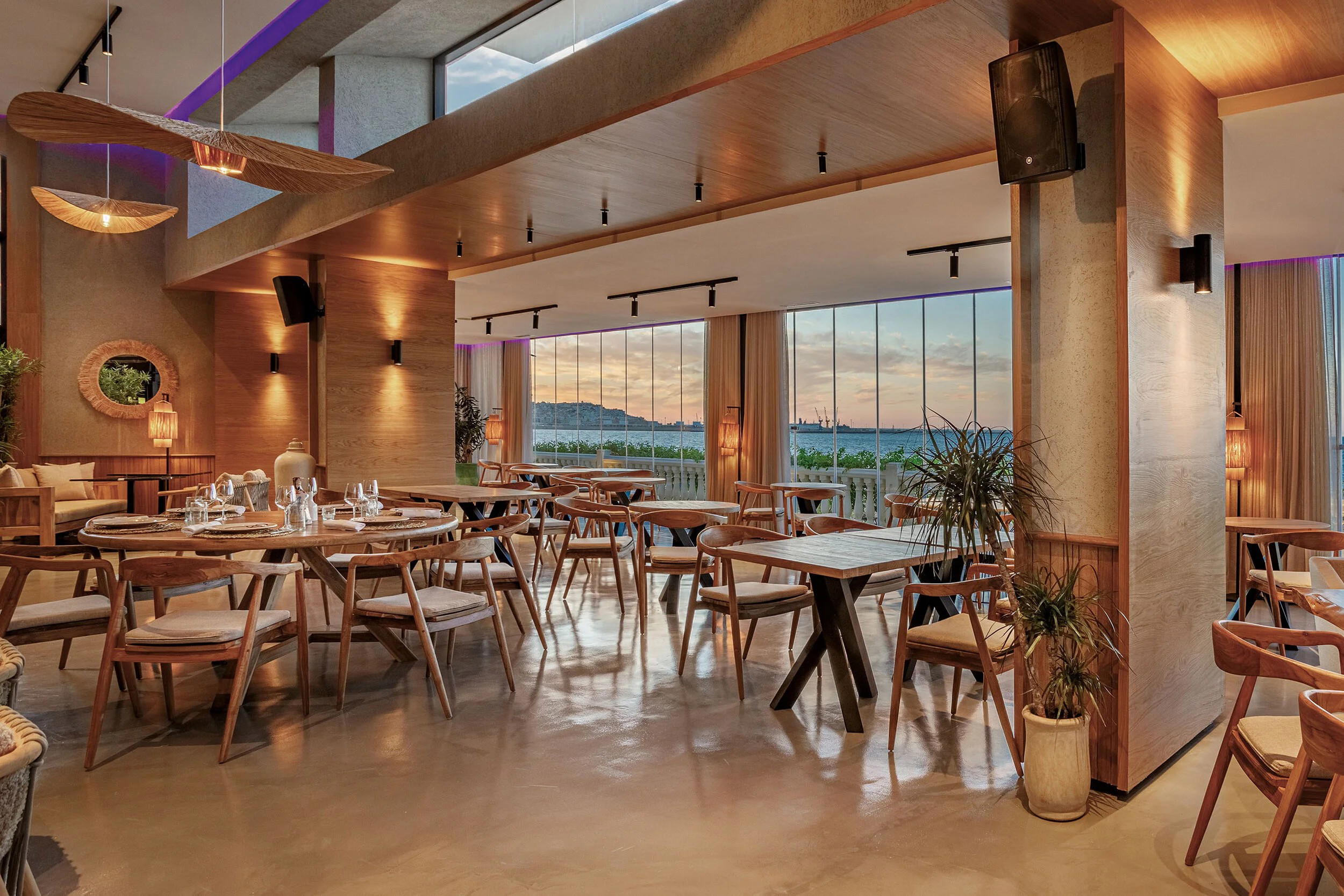
Scale also changes expectations. Twenty seats create a room where turnover, timing, and shared plates matter more than privacy or table spacing. Private rooms and private use are not part of the model: the appeal is the compact specialist setting, not a controlled fine-dining bubble. Non-smoking status makes the room easier for travellers to read, but the format remains casual and close-range. This is where everyday city food standards become visible.
Kurume’s premium travel appeal often hides in these small formats. The city need not imitate Fukuoka’s bigger dining circuit; it has its own food logic, built around ramen, dumplings, drinking rooms, and modestly priced specialists. Visitors using Kurume as more than a rail stop should connect the restaurant map with the city: Our full Kurume hotels guide, Our full Kurume bars guide, Our full Kurume wineries guide, and Our full Kurume experiences guide frame the trip beyond one meal.
Why the Tabelog recognition matters for travellers
Tabelog’s Hyakumeiten selections are especially useful in categories such as dumplings, where international awards coverage is thin and Michelin-style luxury signals miss the point. Gyoza Nyannyan’s inclusion in the 2024 dumpling list gives the room a clear place in Japan’s specialist-food hierarchy. The recognition does not make it formal dining; it confirms that a compact Kurume shop belongs in a national conversation about a humble, technically demanding food.
For travellers, the editorial value is decision-making. A meal here makes sense when the plan is to understand Kurume through a local specialist rather than a grand restaurant. It also works as a counterweight to ramen, because the city’s food identity is broader than one bowl. A stronger itinerary pairs categories: dumplings in one slot, tonkotsu in another, and a casual drinking address after that. Nearby comparisons and adjacent guides make that structure workable without forcing every meal into the same genre.
Readers building a Japan-focused dining route can place Kurume’s gyoza culture beside other specialist formats, not only other Fukuoka-area restaurants. EP Club’s wider restaurant files range from Dharmasagara to -Grilled beef Sukiyaki- KAMAKURA TANUKIAN 鎌倉 たぬき庵 in Kamakura. 鮪と炭火焼き うお炭 秋葉原店 in Tokyo.cafe in Osaka.know in Kumamoto, (Shoku) Vietnam in Kawasaki, and [Curry Senmon Ten] Maruyama Kyoju. in Sapporo. For cross-Pacific casual formats, Jōdo Saké Bar in Los Angeles and Onigiri Time in Pasadena show how Japanese drinking and snack cultures translate abroad, though Kurume’s value lies in seeing the form at its source.
The verdict is concise: choose this for a focused dumpling meal that explains more about Kurume than a longer, less specific dinner would. The national dumpling selection supplies the trust signal; the small-room format supplies the character; the city supplies the context. Gyoza Nyannyan is compelling because it keeps the argument narrow and lets the craft carry it.
Snapshot
Comparable venues by cuisine and price in the same metro.
| Venue | Cuisine | Price | Notes |
|---|---|---|---|
| Gyoza Nyannyan | Traditional Japanese gyoza shop | $ | Mutsumonmachi |
| Tachibana Udon | Traditional Kurume udon shop | $ | Higashi Aikawa / near Kurume Interchange |
| Mitsuya Stand | Japanese tachinomi standing bar | $ | Higashimachi, Kurume |
| Maruboshi Ramen | Kurume-style tonkotsu ramen | $ | / Kurume |
| Hitokuchi Gyoza Tenya | Kurume gyoza izakaya | $ | .null |
| Goju Ban | Classic gyoza & dumpling house | $ | Higashimachi |
Recognition history
Dated appearances from independent guides and award organizations, with the underlying list record or original source where available.
Tabelog 100 #34 · No. 34
Tabelog · Tabelog 100 - Dumplings - 2024

At a Glance
- Cozy
- Classic
- Intimate
- Casual Hangout
- Solo
- After Work
- Late Night
- Standalone
- Beer Program
Current opening hours
- Monday
- 3–9:30 PM
- Tuesday
- 3–9:30 PM
- Wednesday
- 3–9:30 PM
- Thursday
- 3–9:30 PM
- Friday
- 3–9:30 PM
- Saturday
- 3–9:30 PM
- Sunday
- Closed
Hours can change for holidays and private events. Last verified .
A tiny, cozy neighborhood dumpling shop in a back alley near Nishitetsu Kurume Station, with a simple, old‑school interior and a warm, family‑run feel centered on the proprietress and her son.