
Dell'Alba distills the romance of modern Italian dining into a quietly ornate experience, where each course carries the hush of intention and the glow of masterful craft. The menu evolves with the seasons, layering pristine ingredients, delicate textures, and nuanced flavors into artfully restrained compositions that resonate long after the final bite. Candlelit warmth, hushed conversation, and an attentive, near-telepathic service cadence create an atmosphere of elegant discretion, enhanced by a sommelier program that sails gracefully from well-known vintages to rare discoveries. For those who seek culinary poetry without theatrics, Dell'Alba offers a serene, impeccably choreographed evening that feels both intimate and memorable.
Pearl is the En Primeur Club membership app — saves, bookings, and concierge access live there. Same editors, same standards.
- Address
- Via del Popolo, 31, 26034 Piadena CR, Italy
- Phone
- +39 0375 98539
- Website
- trattoriadellalba.com
- Directions
- Get directions
 Saves & bookings on Pearl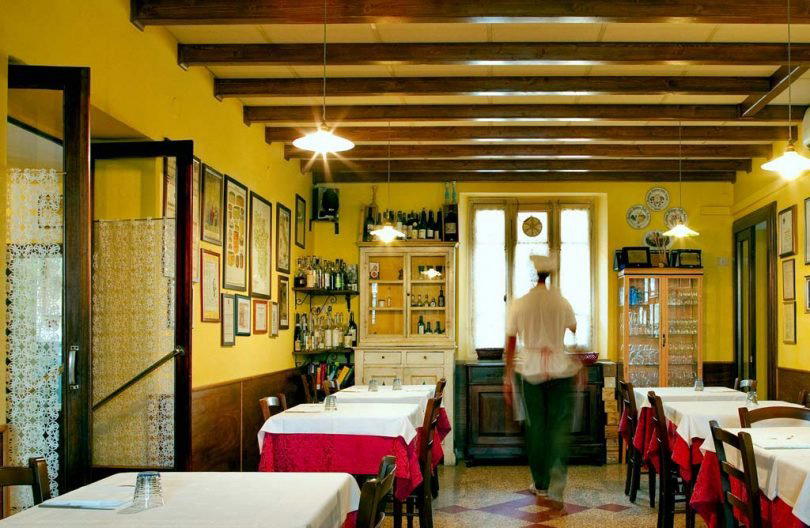
Piadena and the Bassa Padana Table
The Po Valley town of Piadena sits in the Cremona province of Lombardy, where the flat agricultural plain between Cremona and Mantova has shaped one of northern Italy's most specific and least-exported food cultures. This is Bassa Padana country: pumpkin tortelli with sweet-sour fillings, cured meats cut from centuries-old salumi traditions, and a culinary crossover between two proud provincial cities that have always talked more to each other than to the world outside. Restaurants in this corridor are not trying to modernise that inheritance; they are trying to preserve it, and strong examples among them do so inside dining rooms that look as though little has changed in living memory.
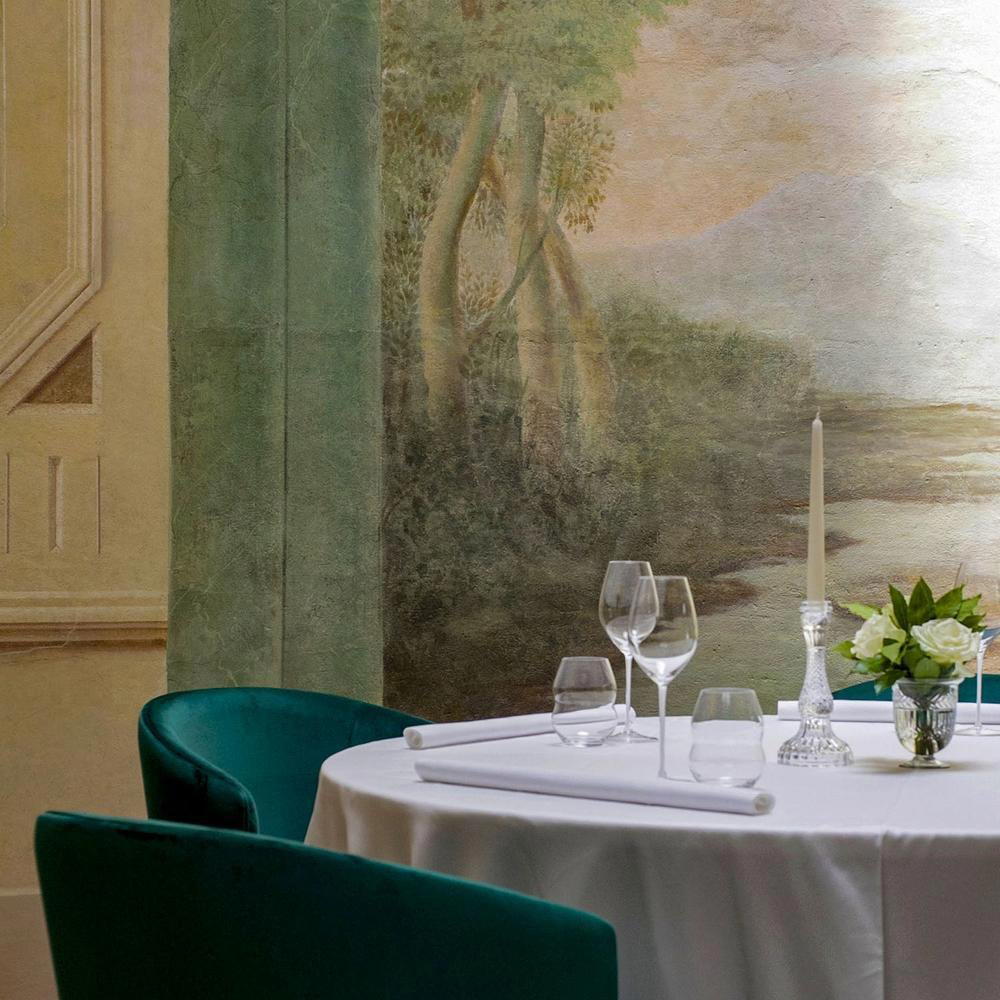
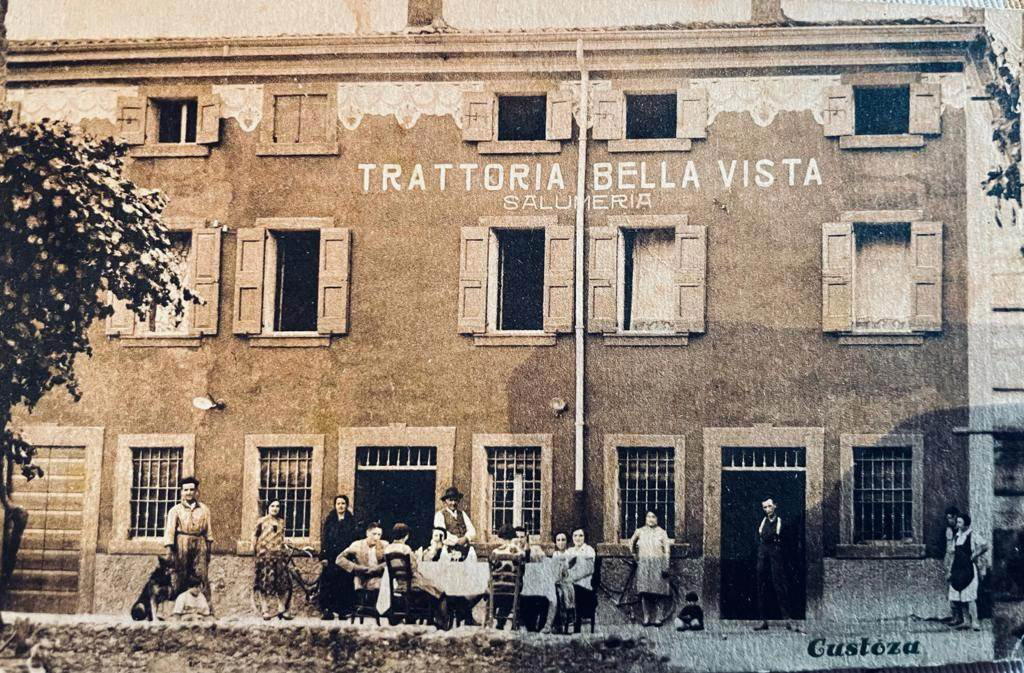
Dell'Alba, on Via del Popolo in the centre of Piadena, belongs to that tradition by lineage rather than choice. The trattoria has been in continuous operation since 1850, now managed by the sixth generation of the same family. That kind of continuity is rare anywhere in European hospitality; in a town of Piadena's size, it defines the place entirely. The room reads like a family trattoria should in this part of Lombardy: simple, unhurried, without the design signals that would place it in a different commercial category. You arrive at a place, not a concept.
What the Bib Gourmand Actually Means Here
Michelin's Bib Gourmand designation, awarded to Dell'Alba in both 2024 and 2025, applies to restaurants offering quality cooking at prices below the main star threshold. In the context of a single-euro price range in a small Lombard town, this is significant as a contextualisation tool rather than just a validation stamp. The award places Dell'Alba alongside a comparable set of Italian regional trattorias that Michelin identifies as doing something worth travelling to find, even when the format is deliberately modest. Compared to the three-star operations that define the upper end of northern Italian fine dining, such as Dal Pescatore in Runate or Le Calandre in Rubano, Dell'Alba occupies a different register entirely, and it is not trying to bridge that gap. The Bib Gourmand is, in this case, recognition of authentic regional cooking at a price point that reflects the local economy rather than a premium positioning strategy.
That distinction matters when placing the restaurant in any broader Italian dining conversation. The restaurants that draw international attention in Lombardy and beyond, from Enrico Bartolini in Milan to Osteria Francescana in Modena, are working with different resources, different audiences, and different ambitions. The restaurant is doing something structurally opposite: preserving a hyper-local food culture inside the community that generated it, at prices that keep it accessible to that community.6 across 656 reviews supports a reading that the regular clientele, not just visiting food tourists, regards this as a functioning and valued local institution.
The Menu as Regional Document
The Bassa Padana menu at the restaurant reads as a record of the Cremona-Mantova culinary corridor rather than a list of dishes assembled for variety. Pumpkin tortelli with sweet tomato saute is the signature preparation of this zone: the filling traditionally combines roasted pumpkin with mostarda, amaretti, and Parmigiano Reggiano, producing the sweet-savoury balance that defines Mantovan pasta. Serving it with a sweet tomato saute rather than the more common brown butter and sage reflects the specific local variation that separates this area's cooking from generic northern Italian pasta traditions.
The inclusion of porc-tonne, a preparation of meat with tuna sauce derived from an original recipe by Pellegrino Artusi, connects the kitchen to nineteenth-century Italian culinary writing in a direct rather than decorative way. Artusi's 1891 cookbook, La Scienza in Cucina e l'Arte di Mangiar Bene, is the foundational text of unified Italian cuisine, and recipes traceable to that source carry a documented historical pedigree. Local cured meats from the Cremona tradition, and sbrisolona cake with warm zabaglione for dessert, complete a menu structure that prioritises regional specificity over breadth. For readers interested in how Lombard cuisine operates at a different price point and scale than the region's starred kitchens, Al Gambero in Calvisano and 85 Bistrot in Sesto San Giovanni offer useful comparative reference points within the same regional tradition.
Six Generations and What That Continuity Produces
Editorial angle around chef formation and culinary evolution takes a specific shape at the restaurant. The relevant training here is generational: each successive custodian of the trattoria has inherited not only the recipes but the relationships, the suppliers, and the institutional knowledge of what Bassa Padana cooking actually requires at a practical level. This is a different kind of culinary formation than the apprenticeship-and-travel model common to starred Italian kitchens. The sixth generation is not building on a chef's biography; they are maintaining a food archive that is also a working restaurant. That distinction shapes what the kitchen produces and why it has sustained Michelin recognition for consecutive years.
In northern Italy more broadly, multi-generational trattorias of this type are fewer than the romanticism around them suggests. The economic pressures on small-town restaurants, shifting demographics in agricultural towns, and the difficulty of sustaining artisanal ingredient sourcing across decades all work against this model. The restaurant's continued operation since 1850, in a town the size of Piadena, is an outlier by the structural logic of Italian hospitality, not a natural outcome of it. Other longstanding Italian institutions operating at the intersection of regional tradition and critical recognition, including Casa Perbellini 12 Apostoli in Verona and Piazza Duomo in Alba, have each found different ways to hold that tension; the restaurant's answer has been to change as little as possible.
Planning a Visit
Piadena is a small town in the Cremona province, accessible by car from Cremona (roughly 30 kilometres west) or Mantova to the east. There is a railway station at Piadena on the Cremona-Mantova line, which makes the town reachable by public transport from either city, though confirming opening days in advance is advisable. The single-euro price range means a full meal here represents modest expenditure by any standard of Italian dining, which influences the visiting logic: this is not a destination around which you plan an entire trip, but it rewards being included in a broader circuit of the Cremona-Mantova corridor, particularly for travellers already exploring the region's food culture at multiple price tiers. Given the family format and accessible pricing, the trattoria functions easily as a lunch stop for groups including children. The kitchen's recommendation is to speak with the chef directly about the day's options, which aligns with how the leading small Italian trattorias have always worked.
For those building a wider itinerary around northern Italian regional cooking, destinations including Uliassi in Senigallia, Reale in Castel di Sangro, Quattro Passi in Marina del Cantone, Enoteca Pinchiorri in Florence, and Atelier Moessmer Norbert Niederkofler in Brunico. The restaurant operates at a different altitude in every sense, but in the specific context of Bassa Padana cooking, it holds a position that no amount of investment in a tasting menu format could replicate.
Comparable Spots, Quickly
Comparable venues nearby, for context on price, style, and recognition.
| Venue | Cuisine | Price | Awards | Notes |
|---|---|---|---|---|
| Dell'AlbaThis venue — the venue you are viewing | Traditional Piedmontese Osteria | $$ | Bib Gourmand | Not listed |
| I Tri Siochètt | Traditional Emilian Trattoria | $$ | Bib Gourmand | Parma countryside |
| Hostaria Viola | Traditional Mantuan Italian | $$ | Bib Gourmand | Castiglione delle Stiviere |
| Podere San Faustino | Traditional Emilian with Contemporary Touches | $$ | Bib Gourmand | Bassa Parmense |
| Osteria Bartolini | Traditional Romagna Seafood Osteria | $$ | Bib Gourmand | Saragozza |
| Antica Trattoria La Toppa | Traditional Tuscan Trattoria | $$ | Bib Gourmand | San Donato in Poggio |
Recognition history
Dated appearances from independent guides and award organizations, with the underlying list record or original source where available.
Michelin Bib Gourmand
Michelin
Michelin Bib Gourmand
Michelin
Michelin Bib Gourmand
Michelin
Continue exploring
More in Piadena
Restaurants in Piadena
Browse all →
Bars in Piadena
Browse all →
Hotels in Piadena
Browse all →
At a Glance
- Classic
- Elegant
- Intimate
- Date Night
- Business Dinner
- Standalone
- Extensive Wine List
- Local Sourcing
Current opening hours
- Monday
- Closed
- Tuesday
- 12–2:30 PM
- Wednesday
- 12–2:30 PM, 8–10:30 PM
- Thursday
- 12–2:30 PM, 8–10:30 PM
- Friday
- 12–2:30 PM, 8–10:30 PM
- Saturday
- 12–2:30 PM, 8–10:30 PM
- Sunday
- 12–3 PM
Hours can change for holidays and private events. Last verified .
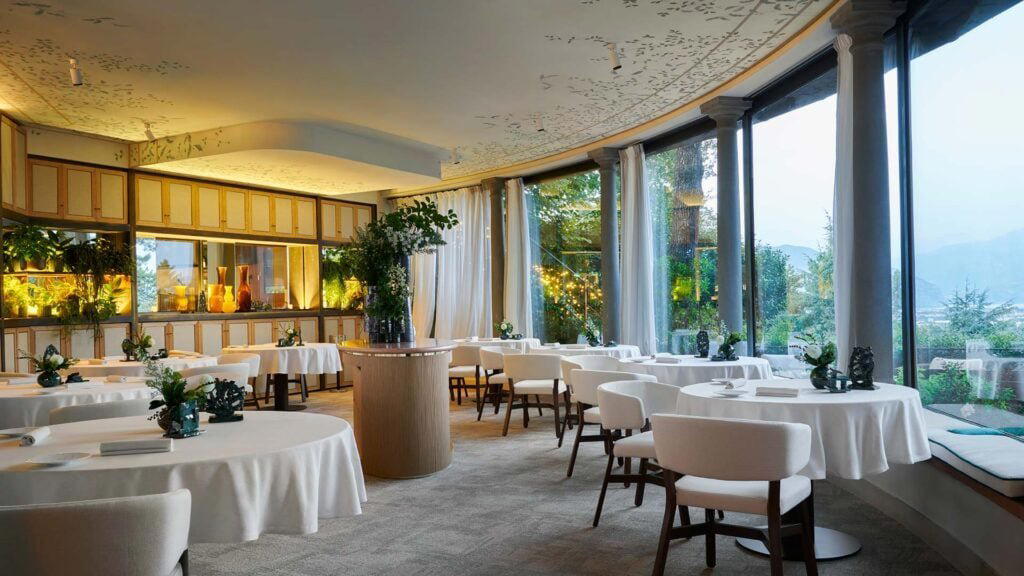
Elegant and refined with white tablecloths, attentive service, and a welcoming traditional atmosphere.