
Michelin Selected
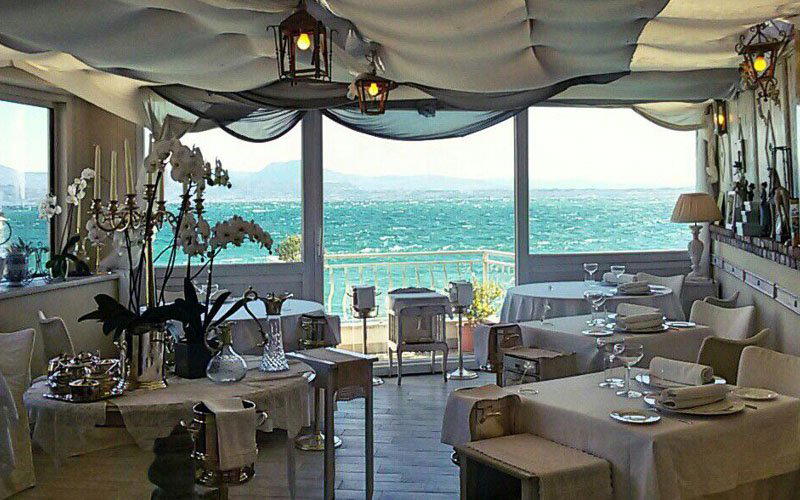
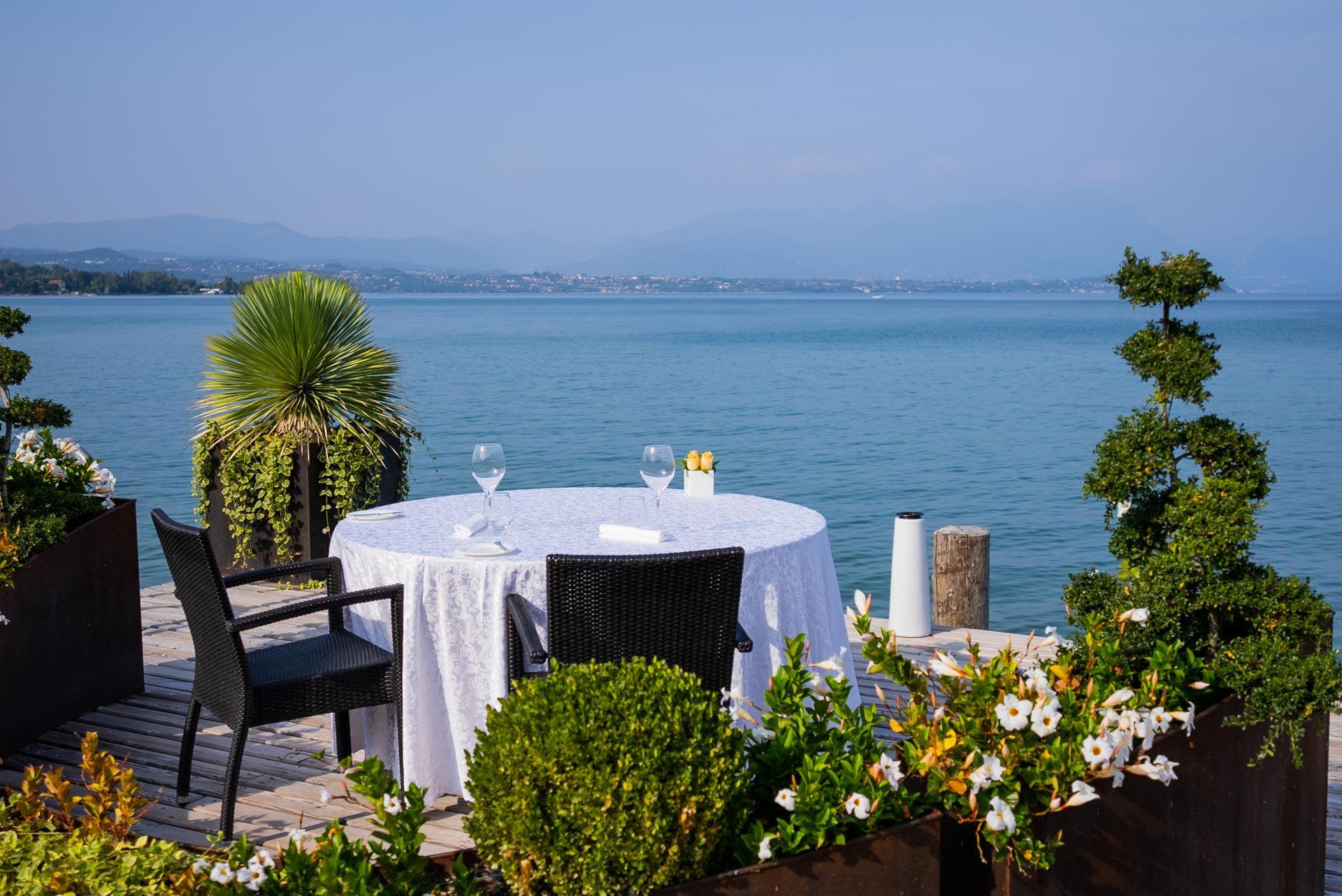
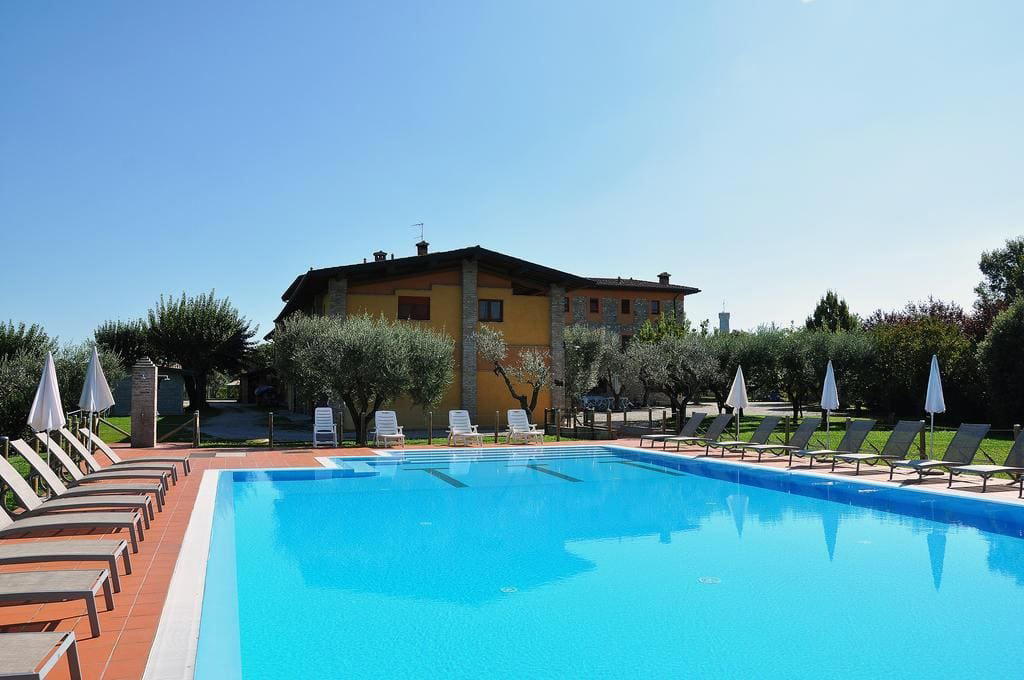
Michelin Selected for 2025, Hotel Ocelle Thermae & Spa sits on the Sirmione peninsula where Lake Garda meets one of northern Italy's most concentrated thermal spa destinations. The property pairs thermal water access with considered design in a town that draws visitors for its Roman ruins, medieval castle, and sulfurous springs rather than its nightlife. A measured, wellness-oriented choice for the northern Italian lakes circuit.

Pearl is the En Primeur Club membership app — saves, bookings, and concierge access live there. Same editors, same standards.
- Address
- Via XXV Aprile, 1, 25019 Sirmione BS, Italy
- Phone
- +39 030 990 5080
- Website
- hotelocellesirmione.it
- Directions
- Get directions
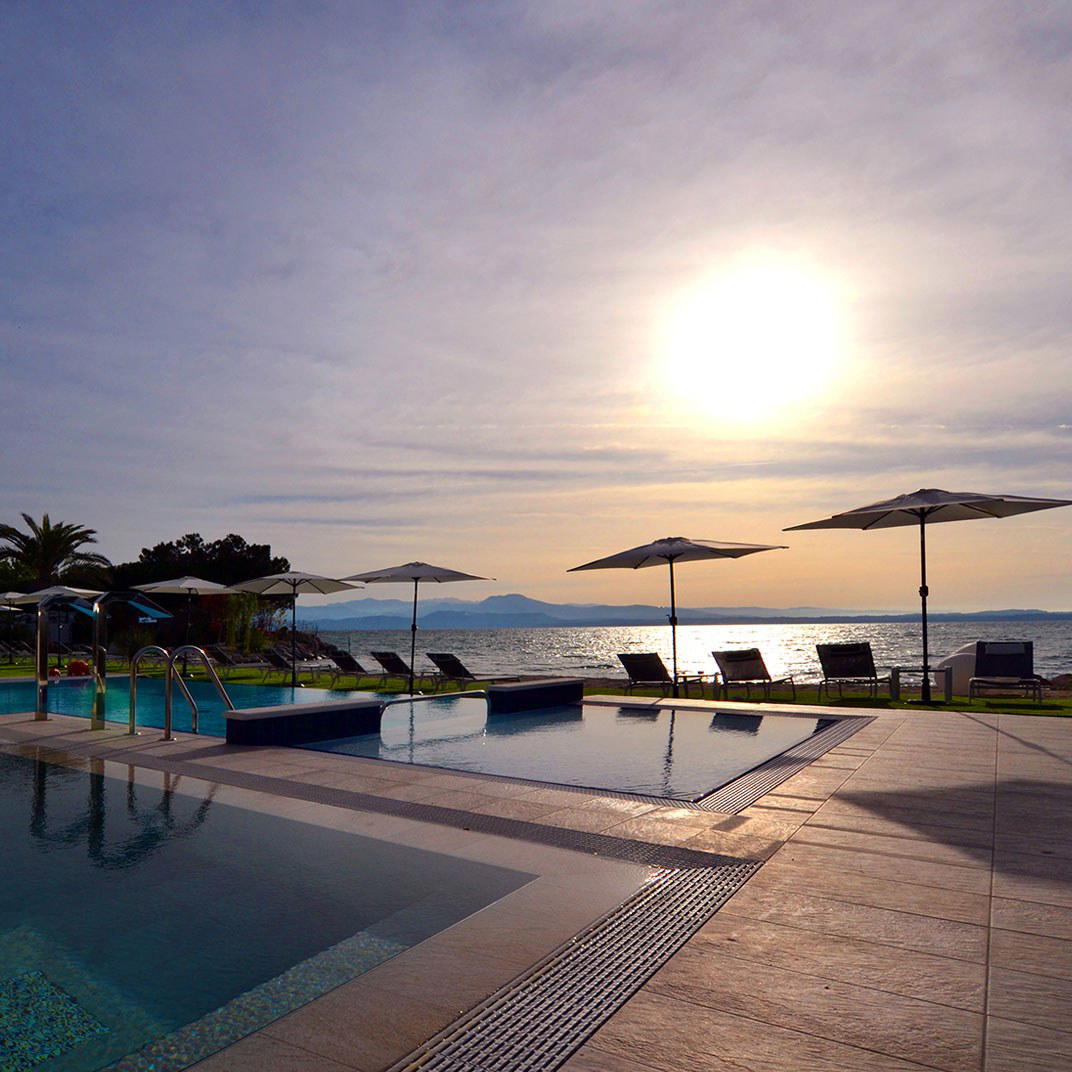
Where Lake Garda Meets Thermal Architecture
Sirmione occupies a narrow limestone finger extending into the southern basin of Lake Garda, and the town's particular geography shapes everything about how its hotels function. The peninsula is only a few hundred metres wide at points, which means the lake is never far from view, and the famous sulfurous thermal springs that bubble up through its bedrock have defined the character of its hospitality since Roman times. Catullus built a villa here; Mussolini-era sanitariums followed; and now a small cluster of contemporary spa hotels occupies the same thermal tradition. Hotel Ocelle Thermae & Spa sits within that lineage, carrying a 2025 Michelin Selected designation that places it among the guide's editorially noted properties rather than its mass-market entries.
The Michelin Selected classification, introduced as the guide expanded its hotels programme globally, functions as a quality filter rather than a ranking. It signals that inspectors found the property coherent and recommendable, not merely that it filed a listing. For a thermal spa hotel in a town that competes on wellness credentials as much as design, that recognition carries particular weight: it implies the experience holds together end to end, from room quality to the spa programme to service consistency. Among the broader northern Italian lakes circuit, where properties like Passalacqua in Moltrasio and Grand Hotel Tremezzo in Tremezzo set the high watermark on Como, Ocelle positions itself on Lake Garda with a more focused therapeutic identity.
The Design Logic of a Thermal Property
Thermal hotels operate under a design logic different from conventional luxury properties. The spa is not an amenity appended to a hotel; it is the architectural core around which rooms, circulation, and public spaces are organised. In properties that do this well, you feel it in the sequence of arrival: the transition from public street to reception to pool and treatment zones follows a gradual decompression, with materials, light levels, and acoustic character shifting accordingly. Stone, water features, and controlled temperature become spatial vocabulary rather than decoration.
Sirmione's thermal water, drawn from the Boiola springs, arrives at approximately 37 degrees Celsius naturally, reducing the energy cost of pool heating and giving the spa circuit a geological authenticity that purpose-built wellness resorts elsewhere cannot replicate. This is sulfurous water with documented therapeutic applications in respiratory and musculoskeletal treatment, which is why the town has historically attracted medical tourism alongside leisure visitors. Contemporary thermal hotels in Sirmione, including Ocelle, work within this resource, and the design conversation is partly about how to frame something ancient within contemporary aesthetics. The address at Via XXV Aprile 1 places the property centrally on the peninsula, within the old town's fabric rather than on its outskirts.
For comparable design-led thermal thinking in the Italian context, Bellevue Hotel & Spa in Cogne shows how mountain wellness properties approach the same challenge of anchoring modern spa infrastructure to a place with deep natural and historical character. On the lakes specifically, Il Sereno in Torno demonstrates what contemporary design rigour looks like when applied to a lakeside property, though its orientation is more design-hotel than therapeutic spa.
Sirmione in the Northern Italian Hotel Hierarchy
Lake Garda attracts a broader demographic than Lake Como or Venice, which shapes the competitive context for any property positioning itself above the mid-market. Sirmione functions as Garda's most concentrated upscale node, with the medieval Scaligero Castle and Grotte di Catullo ruins providing cultural density that the resort towns to the north, Desenzano and Bardolino, largely lack. Hotels here compete on spa access and historical setting rather than on restaurant programmes or art collections, which distinguishes the Sirmione market from, say, the Florentine luxury tier represented by Four Seasons Hotel Firenze in Florence or the Roman tier anchored by Bulgari Hotel Roma in Rome.
Within Sirmione itself, Grand Hotel Terme Sirmione represents the town's established thermal-hotel tradition, a larger property with longer institutional history. Ocelle sits in a different register, smaller in scale and with a contemporary positioning that appeals to visitors who want thermal access without the conventions of the grand hotel format. The Michelin Selected signal reinforces that distinction: the guide tends to favour properties with a clear identity over those competing on scale alone.
For travellers using Sirmione as part of a wider northern Italian itinerary that includes Venice, Aman Venice occupies the best of the Venetian tier, while for a Tuscan extension, Rosewood Castiglion Del Bosco in Montalcino or Casa Maria Luigia in Modena offer very different registers of the Italian rural property. Southern Italy alternatives worth considering include Borgo Santandrea on the Amalfi Coast and Il San Pietro di Positano. None of these share Sirmione's specific thermal-wellness orientation, which underlines how particular the Ocelle proposition is within the Italian hotel market.
Planning Your Stay
Sirmione is reachable from Verona Villafranca Airport in under 40 minutes by car, and from Milan Malpensa in approximately 90 minutes depending on traffic around Brescia. The town's medieval centre is accessed via a single causeway, which creates genuine pedestrian calm once inside but also means road access requires some timing awareness during peak summer months, particularly July and August when the causeway can see significant congestion. Spring arrivals from April through early June and autumn visits in September and October typically find the peninsula at a more manageable pace, with the thermal spa circuits no less effective and the lake considerably quieter. Booking through the property's direct channel or a specialist travel consultant is the standard approach for properties at this positioning; the website is the starting point for current rates and availability. For a broader view of what Sirmione offers across dining and leisure, our full Sirmione restaurants guide maps the town's options across price points and cuisines.
At-a-Glance Comparison
Comparable venues nearby, for context on price, style, and recognition.
| Venue | Cuisine | Price | Awards | Notes |
|---|---|---|---|---|
| Hotel Ocelle Thermae & SpaThis venue — the venue you are viewing | Elegant contemporary lakeside retreat | $200–300 | Michelin Selected | Not listed |
| Grand Hotel Terme Sirmione | Historic luxury lakeside hotel with timeless elegance. | $200–300 | Michelin Selected | Sirmione center |
| Post Hotel - Tradition & Lifestyle | Alpine luxury boutique blending tradition and modern lifestyle | $200–300 | Michelin Selected | San Candido |
| Schgaguler Hotel | Contemporary Alpine luxury boutique hotel with minimalist design philosophy and Scandinavian-Japanese influences | Not listed | Michelin Selected · Design Hotels Member | Castelrotto historical centre |
| Worldhotel Casati 18 | Recently renovated boutique hotel blending historic architecture with modern Italian design | $100–200 | Michelin Selected | Porta Venezia |
| Hammerack Hotel Restaurant & SPA | Modern luxury mountain retreat in a historic 15th-century building | $200–300 | Michelin Selected | Malborghetto Valbruna |
Recognition history
Dated appearances from independent guides and award organizations, with the underlying list record or original source where available.
Michelin Selected
Michelin
Continue exploring
More in Sirmione
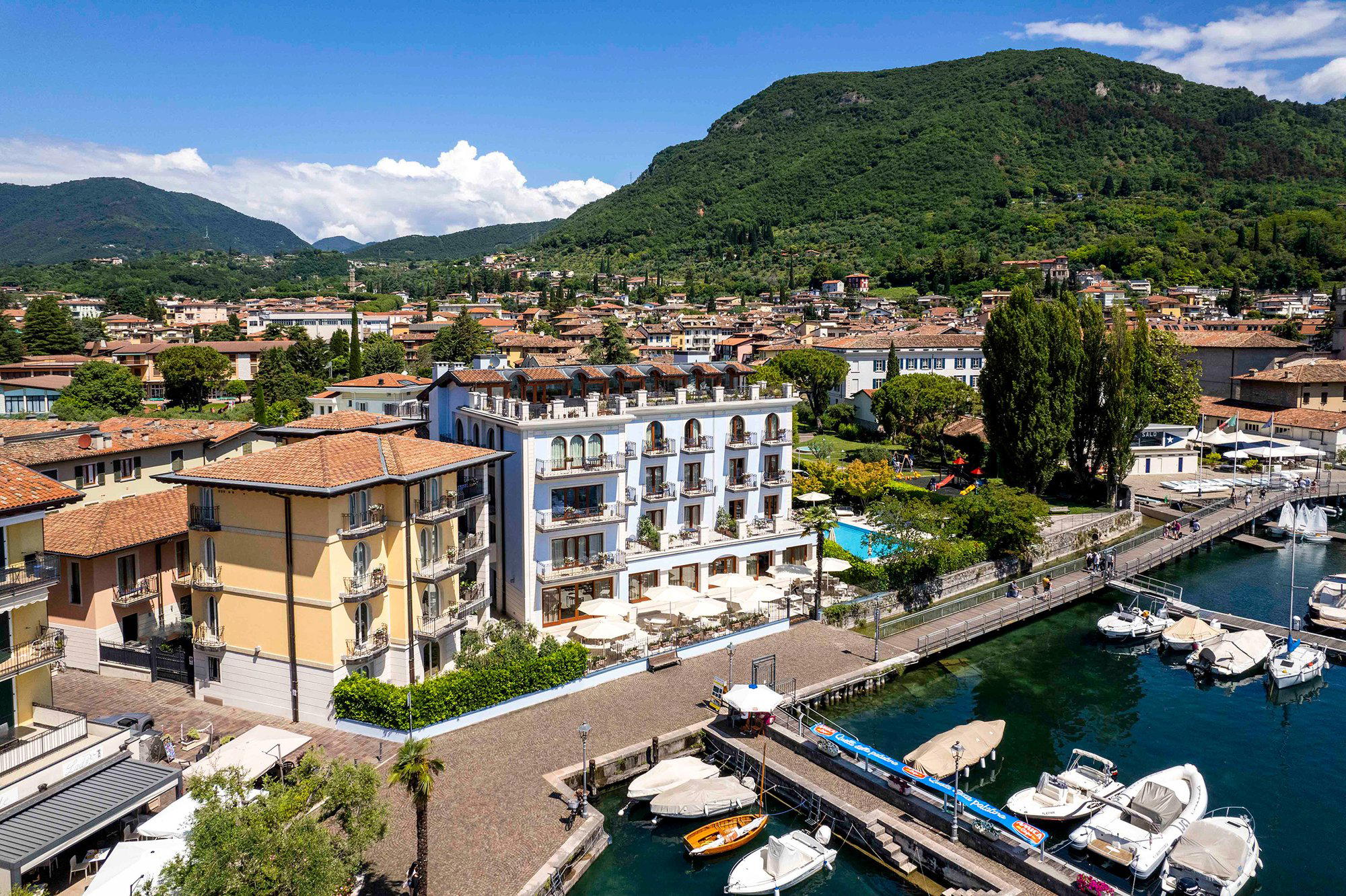
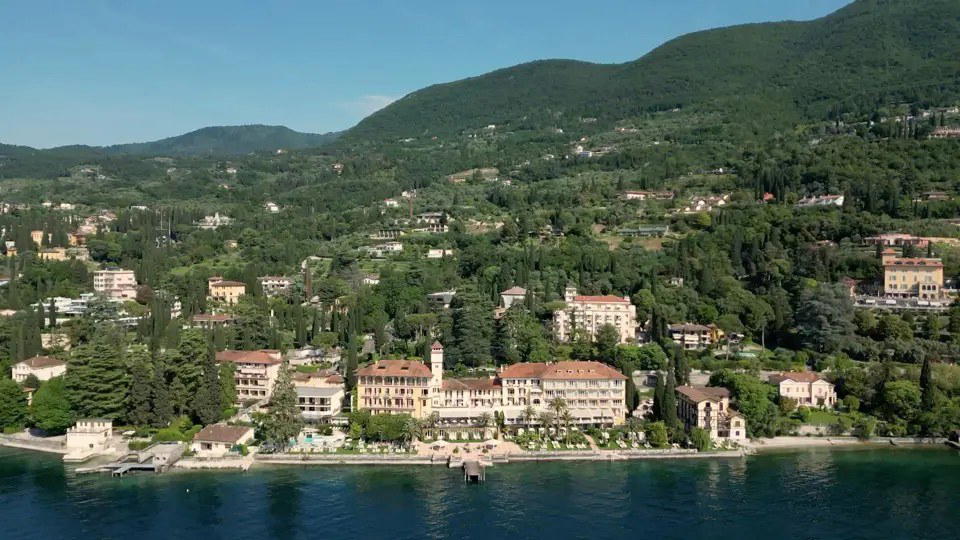
Hotels in Sirmione
Browse all →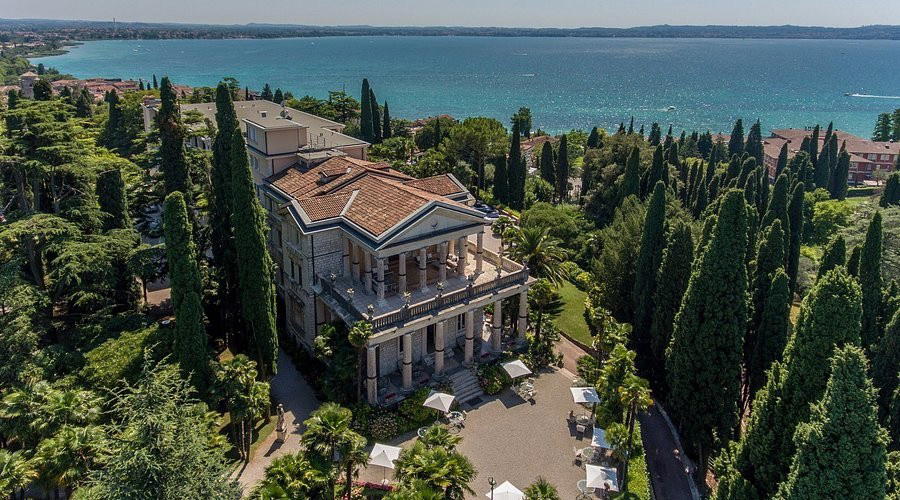
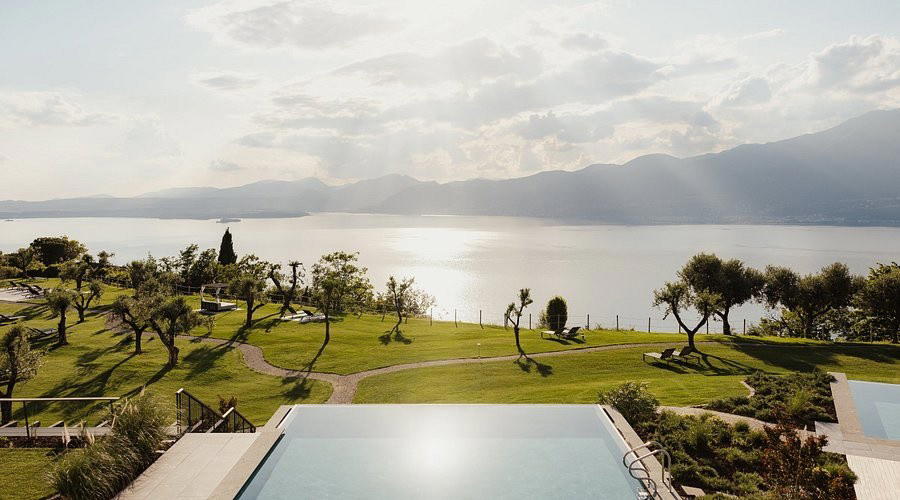
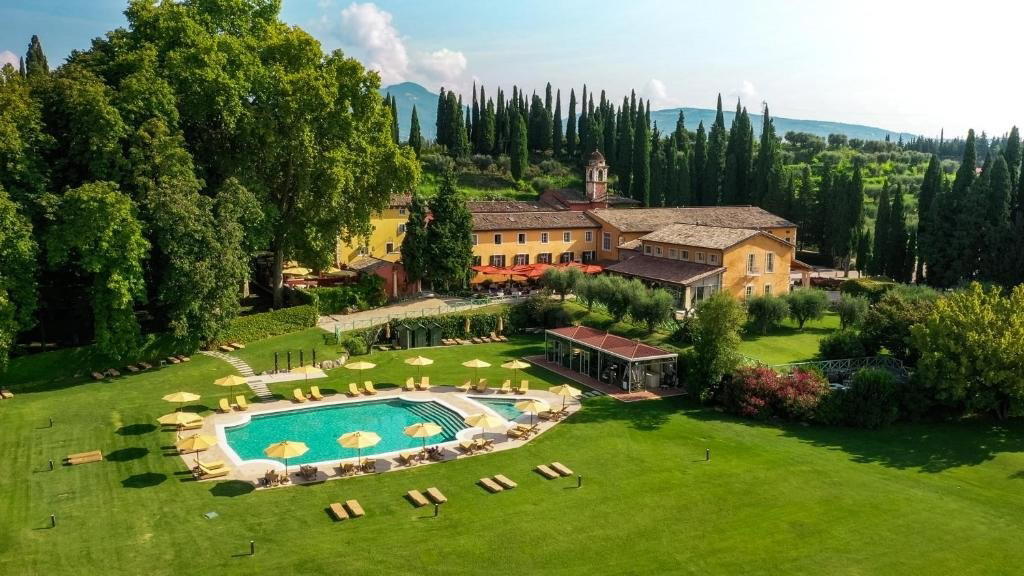
Bars in Sirmione
Browse all →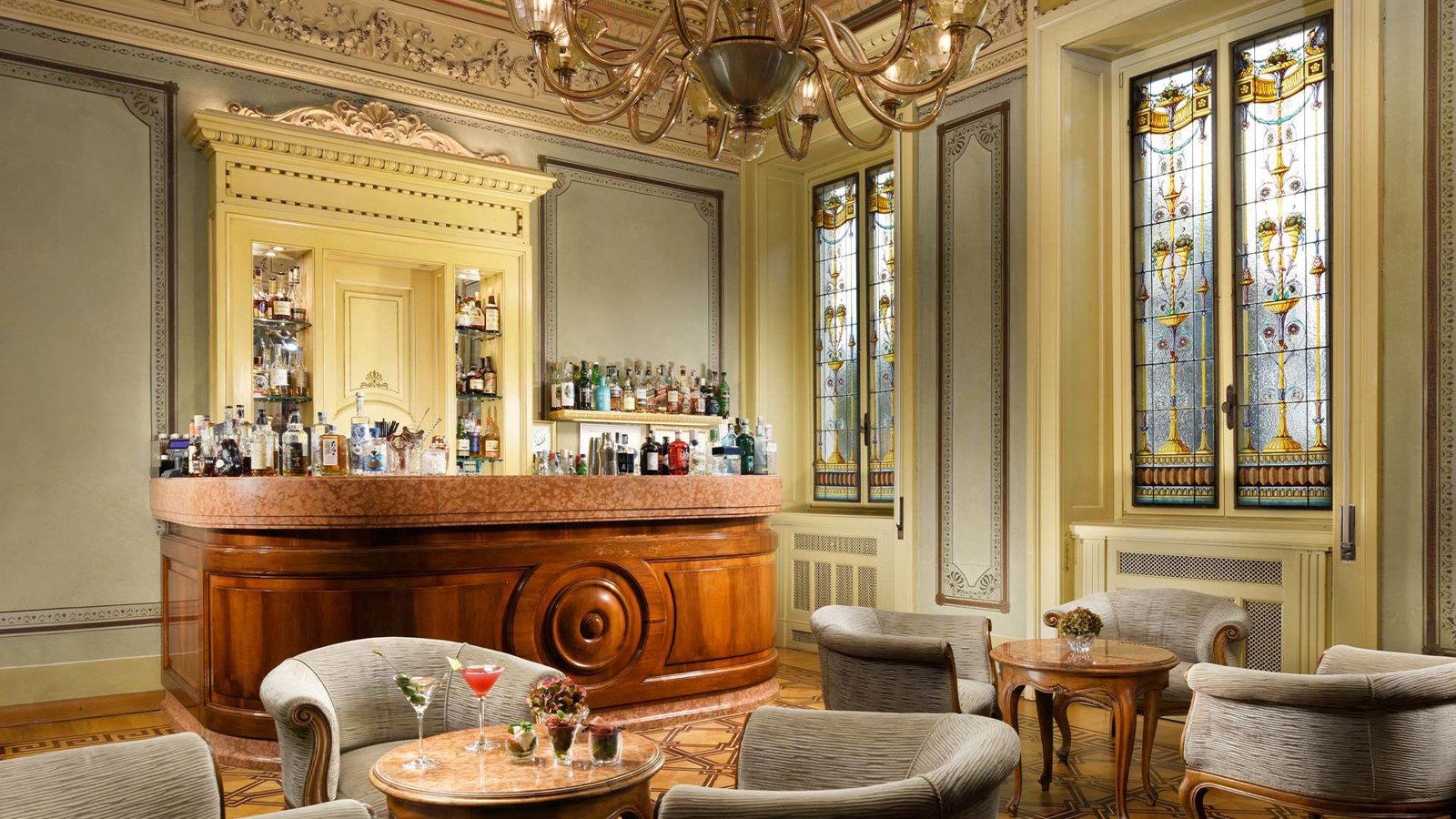
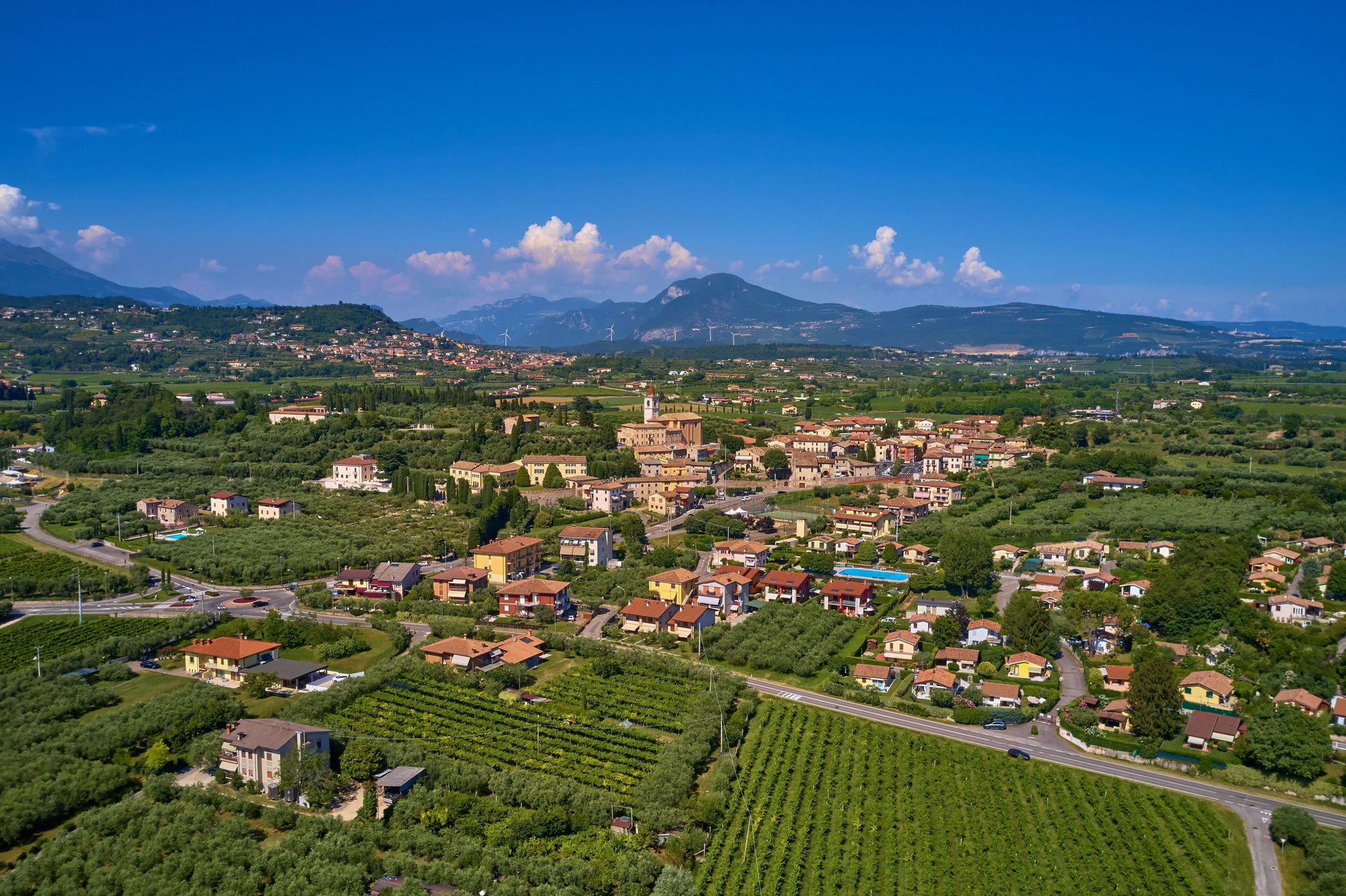
Restaurants in Sirmione
Browse all →
Details
- Romantic
- Quiet
- Elegant
- Modern
- Scenic
- Sophisticated
- Honeymoon
- Romantic Getaway
- Wellness Retreat
- Anniversary
- Weekend Escape
- Beachfront
- Infinity Pool
- Panoramic View
- Wi Fi
- Pool
- Spa
- Fitness Center
- Restaurant
- Bar
- Room Service
- Private Beach
- Sauna
- Hot Tub
- EV Charging
- Waterfront
- Wheelchair Accessible
- Accessible Parking
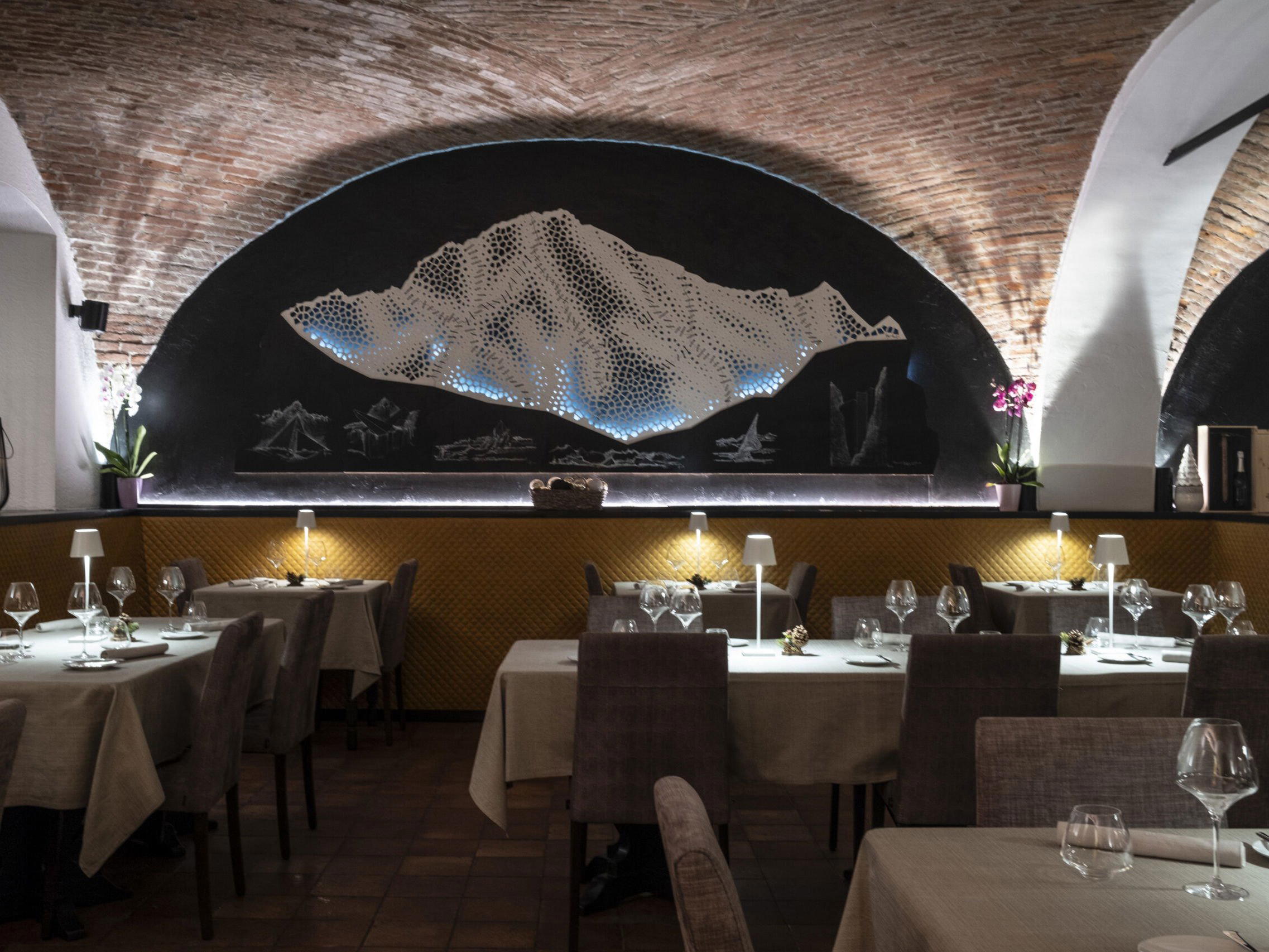
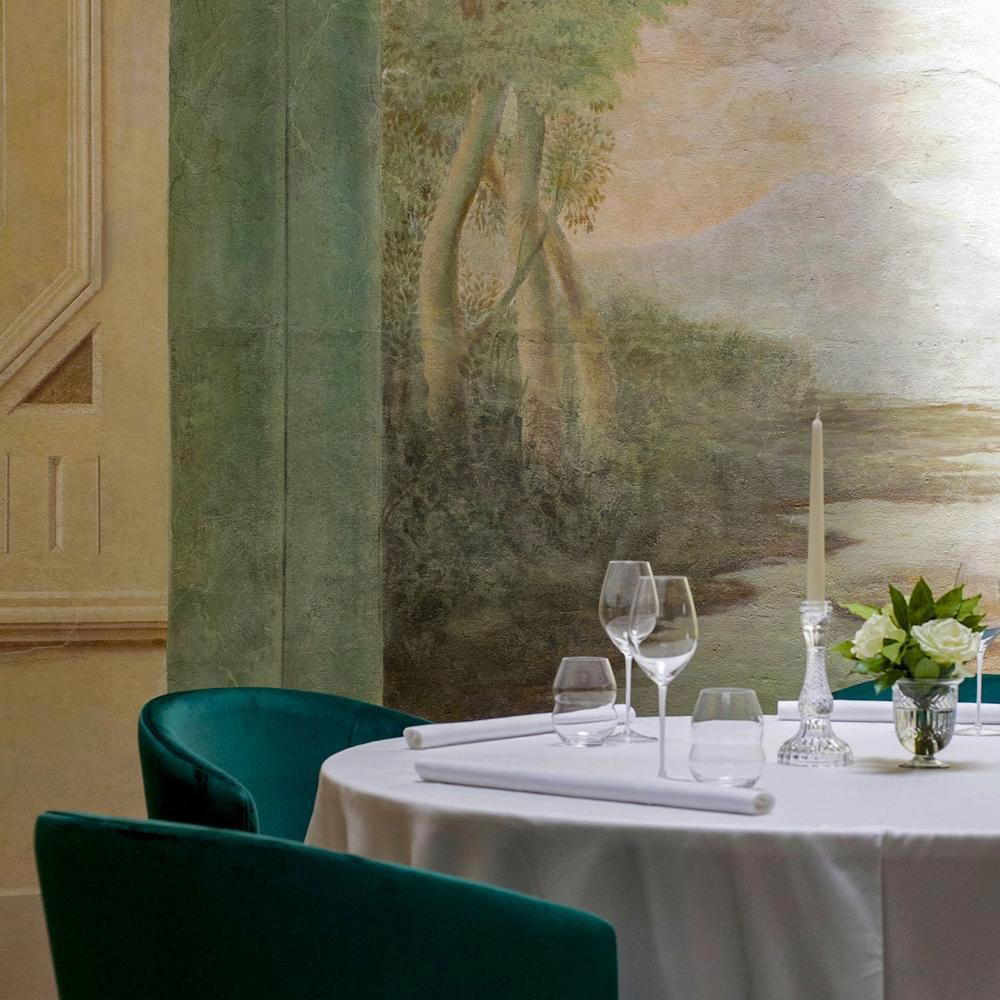
Tranquil and relaxing with serene lakeside views, elegant contemporary design, and a focus on wellness and privacy.