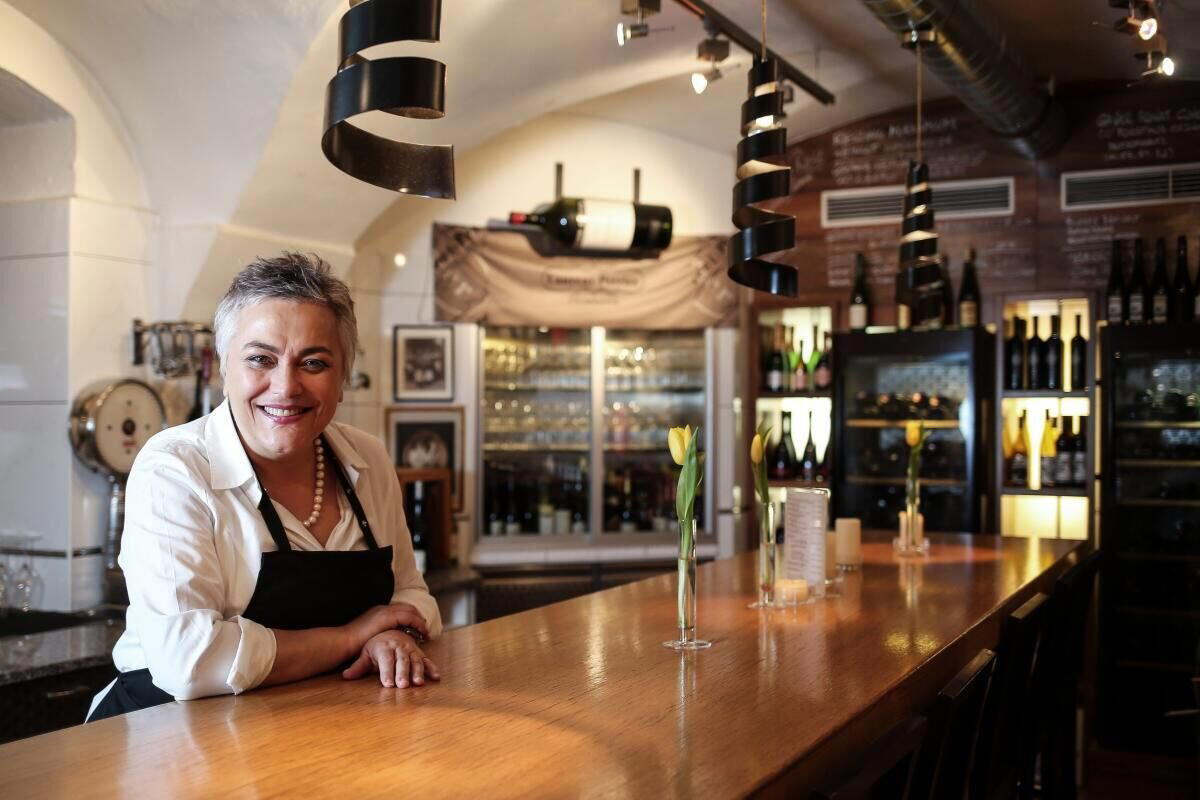
On Herrenstraße in central Linz, Deli Linz + Friends occupies a position in the city's casual daytime dining scene that sits between a well-stocked delicatessen and a neighbourhood eating spot. The format rewards those who prefer grazing and browsing over fixed-menu formality, making it a practical anchor for exploring the broader Linz restaurant circuit.
Pearl is the En Primeur Club membership app — saves, bookings, and concierge access live there. Same editors, same standards.
- Address
- Herrenstraße 7, 4020 Linz, Austria
- Phone
- +43732299283
- Website
- deli-linz.at
- Directions
- Get directions
 Saves & bookings on Pearl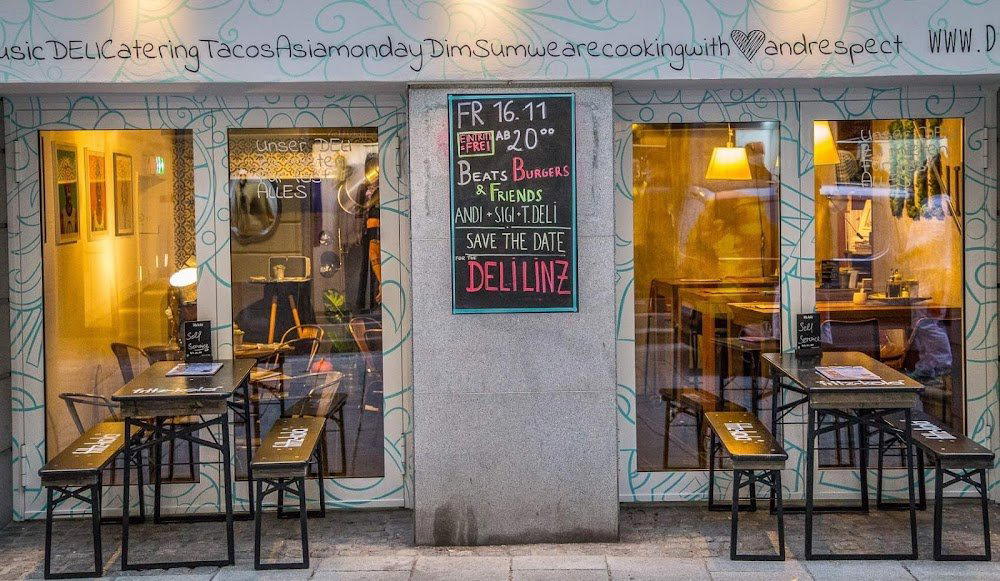
Linz's Deli Format in Context
Austrian cities outside Vienna have spent the past decade building out a middle tier of eating: venues that sit between the white-tablecloth formality of places like Rossbarth and the purely functional lunch trade. Linz has followed that pattern, and the stretch of Herrenstraße running through the city's older commercial core has attracted a cluster of spots that trade on quality produce, accessible formats, and the kind of atmosphere that belongs to the mid-morning-to-early-afternoon window rather than the dinner hour. Deli Linz + Friends, at number 7, is part of that movement.
The deli format itself carries a specific logic in central European cities. It draws on the region's deep tradition of counter culture, where cured meats, aged cheeses, pickled vegetables, and preserved goods have always occupied their own retail-and-eating hybrid space. What distinguishes a well-executed version from a glorified sandwich counter is the degree to which the savory components are treated as a progression rather than a grab-and-go transaction. At its leading, eating through a deli counter in this tradition follows a loose tasting arc: something brined or fermented to open the palate, a richer cured element in the middle, something bread-forward or dairy-led to close.
The Herrenstraße Setting
Herrenstraße sits within walking distance of Linz's Hauptplatz and the cultural axis that runs toward the Brucknerhaus on the Danube. That geography matters for understanding who passes through and when. The street draws a mix of city-centre workers during the lunch window, visitors moving between the Altstadt and the riverfront, and a local neighbourhood constituency that treats these blocks as a daily circuit. It is not a destination street in the way that a city's dedicated restaurant quarter might be, which means venues here tend to succeed on consistency and integration into daily routines rather than on event-driven visits.
For comparison, the Brucknerhaus end of the dining circuit has its own character: Bruckner's im Brucknerhaus Linz anchors the cultural venue tier, while spots like Be right back signal the more casual, contemporary-format end of Linz eating. Verdi sits in the international mid-range bracket. Deli Linz + Friends operates in a different register from all of these, shaped more by the counter-and-shelf logic of delicatessen culture than by either fine dining or casual restaurant norms.
Reading the Meal as a Sequence
The editorial angle worth applying to a deli-format visit is the tasting progression, because it reframes what might otherwise feel like a series of disconnected choices. In practice, eating well at a place like this means approaching the counter with the same intentionality that a tasting menu imposes by default. The opening move is typically something acidic or brined, the kind of component that prepares the palate rather than satisfying it. Central European deli tradition offers several candidates: a sharp pickled vegetable, a thin-sliced smoked product, or a well-made spread on rye bread with enough salt and fat to function as a primer rather than a meal in itself.
The middle of a deli progression tends to be especially substantive. This is where cured meats and aged cheeses do their work, where the structural choices about sourcing and provenance become apparent. Austrian deli culture draws on both the Alpine tradition of air-dried beef and pork products and the broader Central European tradition of cooked and fermented sausages. The range available at any given counter reflects the buyer's relationships with small producers, which is where a neighbourhood deli in a city like Linz can differentiate from a supermarket charcuterie section.
Close of the sequence, often undervalued, is where bread becomes the main variable. Good sourdough or a dense Austrian Vollkornbrot provides the structural base that makes the preceding components feel like a meal rather than a tasting exercise. Finish with something dairy-led, whether a fresh cheese or a cultured butter application, and the progression has a natural endpoint that a conventional menu would achieve through a dessert course.
This approach to ordering, reading the counter as a sequence rather than selecting individual items without context, is what separates a considered deli visit from a utilitarian lunch. It also applies directly to how Austrian fine dining thinks about structure: the multi-course logic at Steirereck im Stadtpark in Vienna or Landhaus Bacher in Mautern an der Donau operates on the same principle of deliberate sequencing, even if the format and price point are entirely different.
Linz in the Austrian Dining Picture
Austria's most decorated restaurants cluster in a few distinct zones: the Salzburg corridor includes Obauer in Werfen and Döllerer in Golling an der Salzach; the Tyrolean Alpine tier has properties like Gourmetrestaurant Tannenhof in Sankt Anton am Arlberg, Stüva in Ischgl, and Schwarzer Adler in Hall in Tirol; Upper Austria has its own quieter contributors, including Ois in Neufelden and Kräuterreich by Vitus Winkler in Sankt Veit im Pongau. Linz itself, as Austria's third-largest city and the capital of Upper Austria, tends to receive less international dining attention than Vienna or Salzburg, which makes the texture of its everyday eating options more relevant to visitors who are spending time there rather than stopping for a single evening.
Within that context, the deli and casual-eating tier in Linz serves a function that the city's few formal fine dining options cannot: it provides multiple daily entry points into Austrian food culture at a level of investment that does not require a booking window or a formal evening. For visitors familiar with the European deli tradition as expressed in cities like Copenhagen or Amsterdam, or in refined American interpretations such as Lazy Bear in San Francisco, the register will be immediately recognisable even if the specific products reflect an Upper Austrian sourcing logic. Le Bernardin in New York City operates at the opposite end of the formality spectrum, but the underlying principle, that each element of a meal should serve a compositional purpose, applies at every price point.
For a fuller view of where Deli Linz + Friends sits within the city's eating options, the full Linz restaurants guide maps the range from neighbourhood Thai at Aroy Thai through to the upper-tier modern cuisine bracket. Upper Austria also has regional outliers worth tracking if the visit extends beyond Linz itself, including Restaurant 141 by Joachim Jaud in Mieming.
Planning Your Visit
Deli Linz + Friends is located at Herrenstraße 7, 4020 Linz, placing it within direct walking distance of the Hauptplatz and the city's central tram network. The restaurant is open Monday through Wednesday from 11 AM to 9:33 PM, Thursday through Saturday from 11 AM to 10 PM, and Sunday from 11 AM to 5 PM.
Standing Among Peers
Comparable venues nearby, for context on price, style, and recognition.
| Venue | Cuisine | Price | Notes |
|---|---|---|---|
| Deli Linz + FriendsThis venue — the venue you are viewing | Modern Street Food Deli | $$ | Not listed |
| Das Goldene Einhorn | Cocktail Bar with Snacks | $$ | Landstraße |
| Hostaria Bigoli Al Mercato | Veneto Osteria | $$ | city center |
| Die Pastamacher | Handmade Regional Pasta | $$ | Südbahnhofmarkt |
| Leberkas-Pepi | Traditional Austrian Leberkäse | $ | Landstraße |
| Burgerista | Fresh Burger Grill | $$ | Volksgartenviertel |
Continue exploring
More in Linz
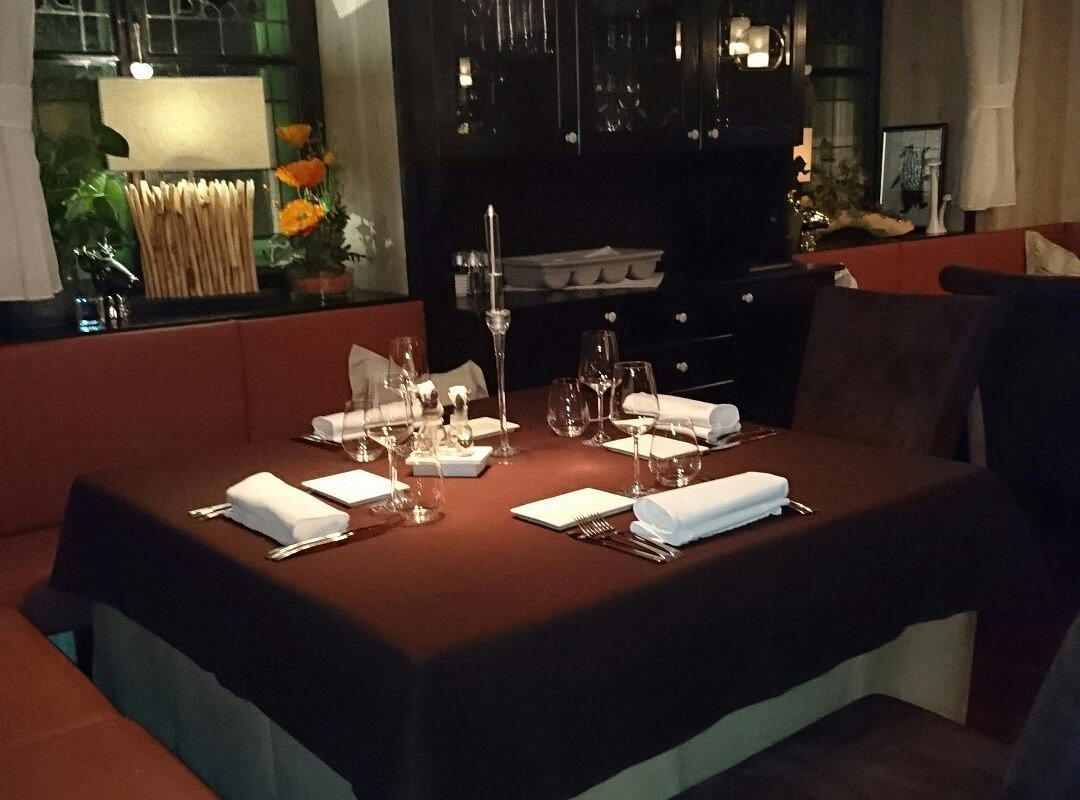
Restaurants in Linz
Browse all →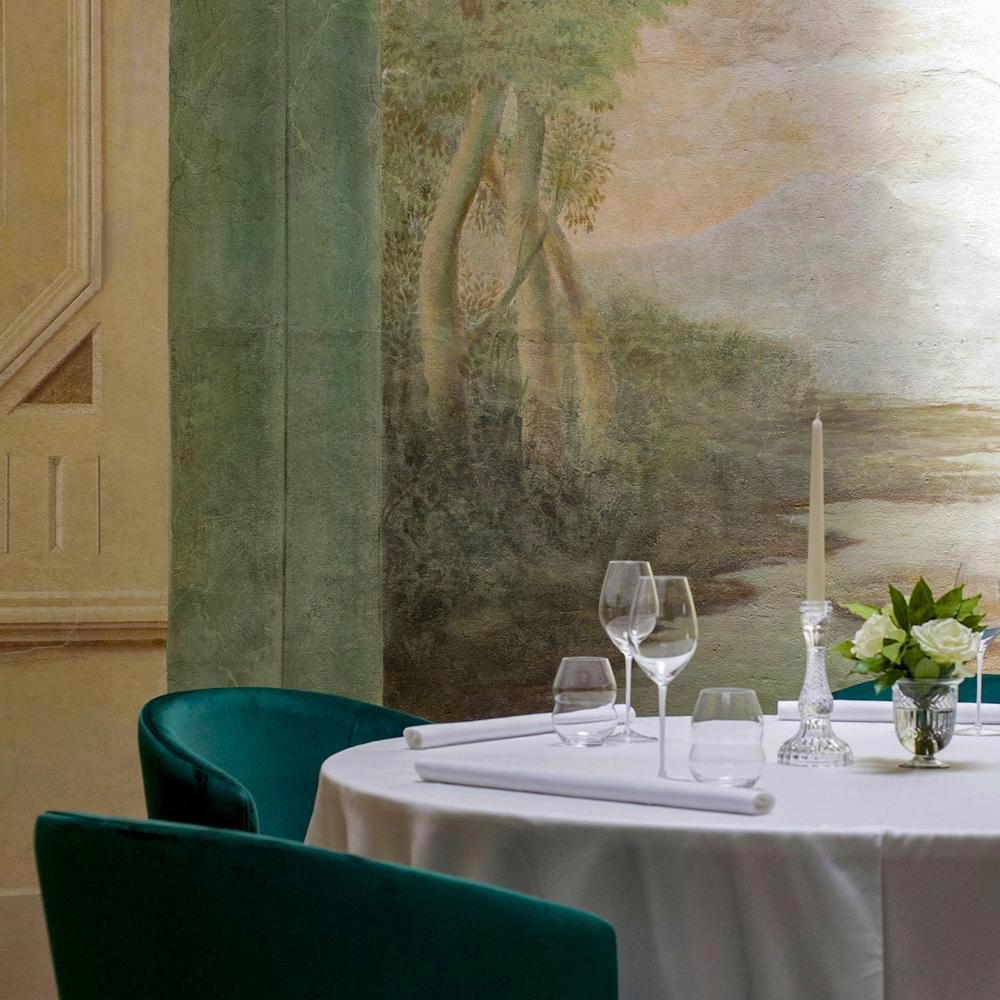
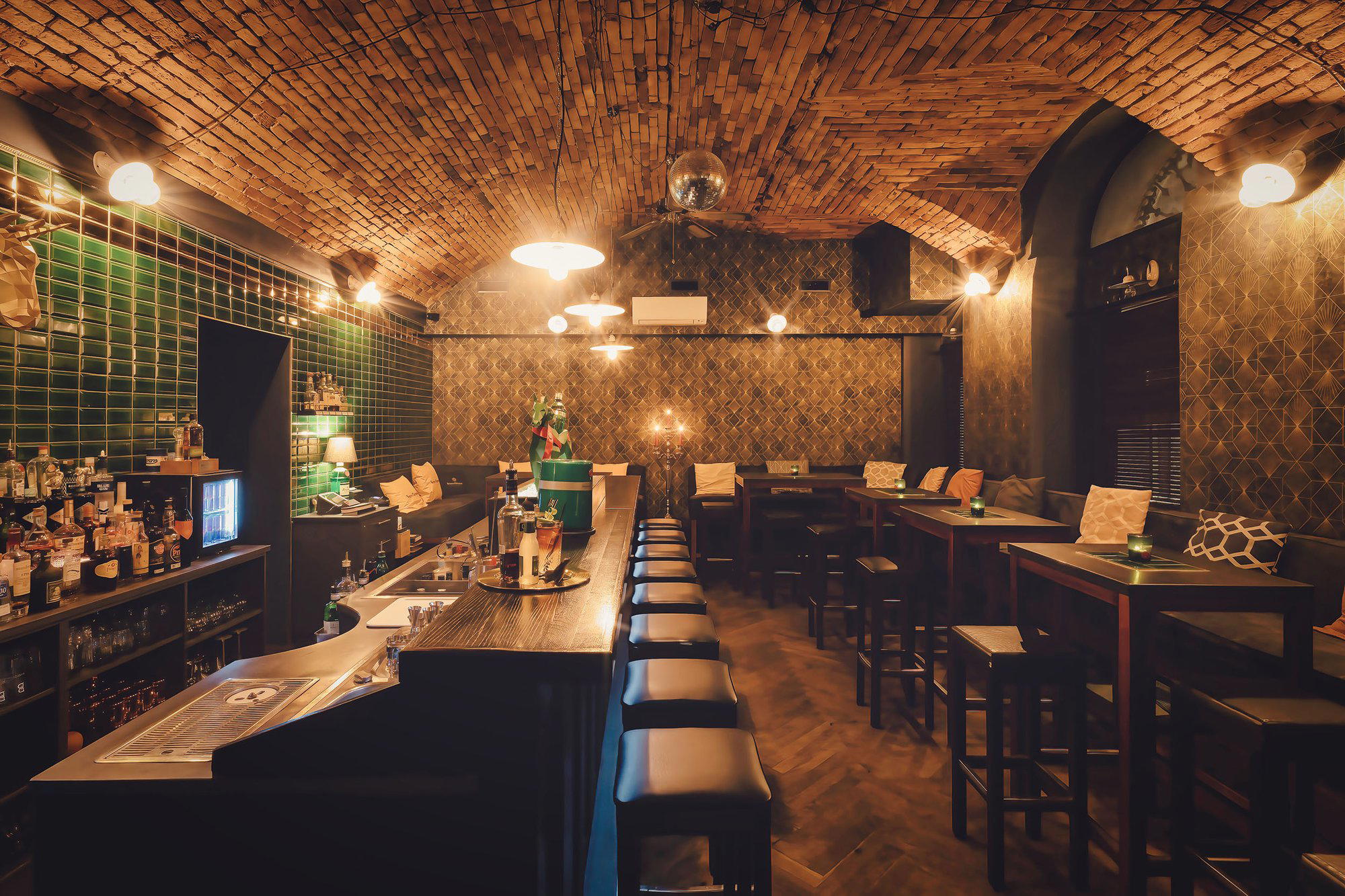
Bars in Linz
Browse all →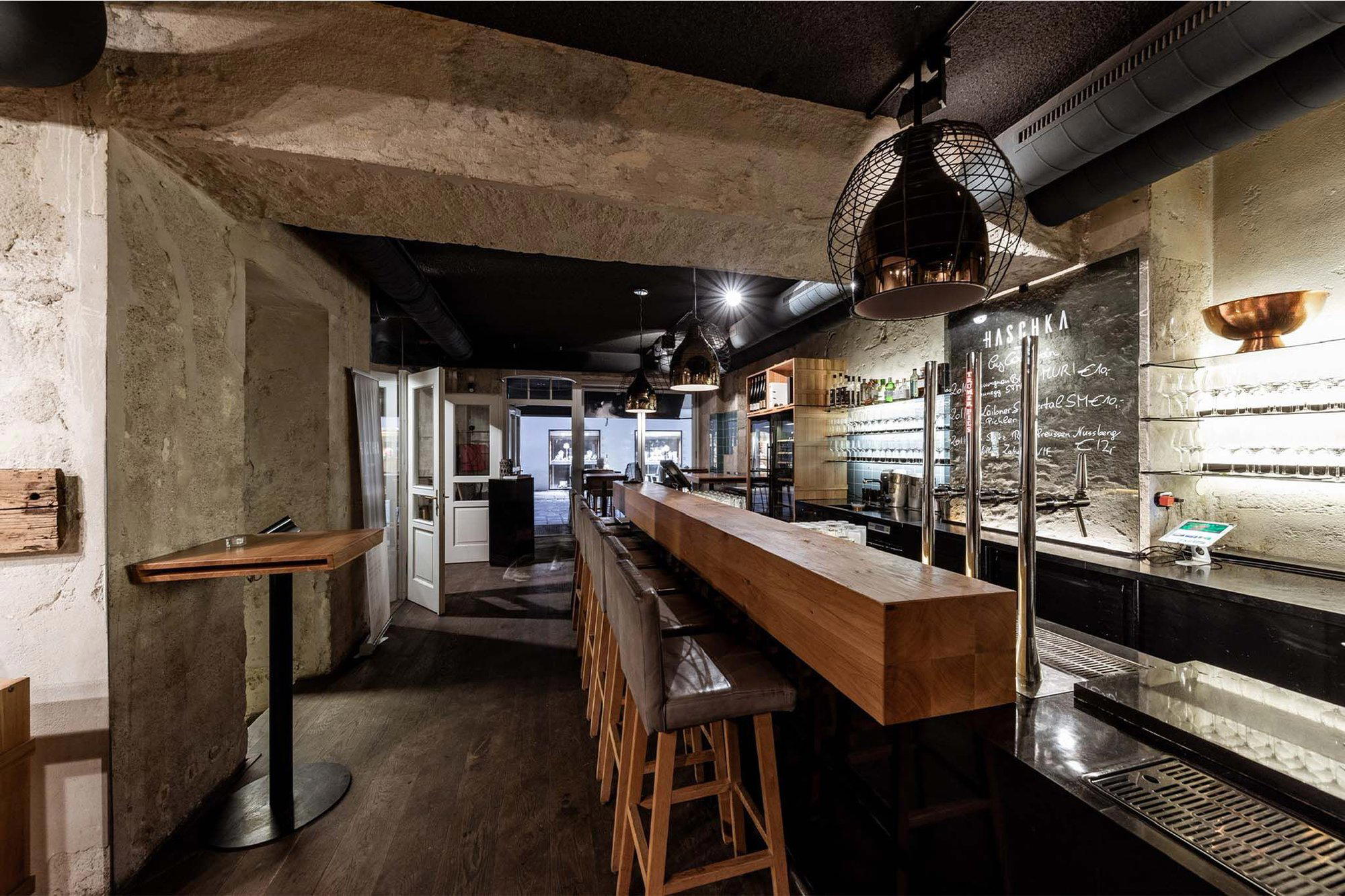
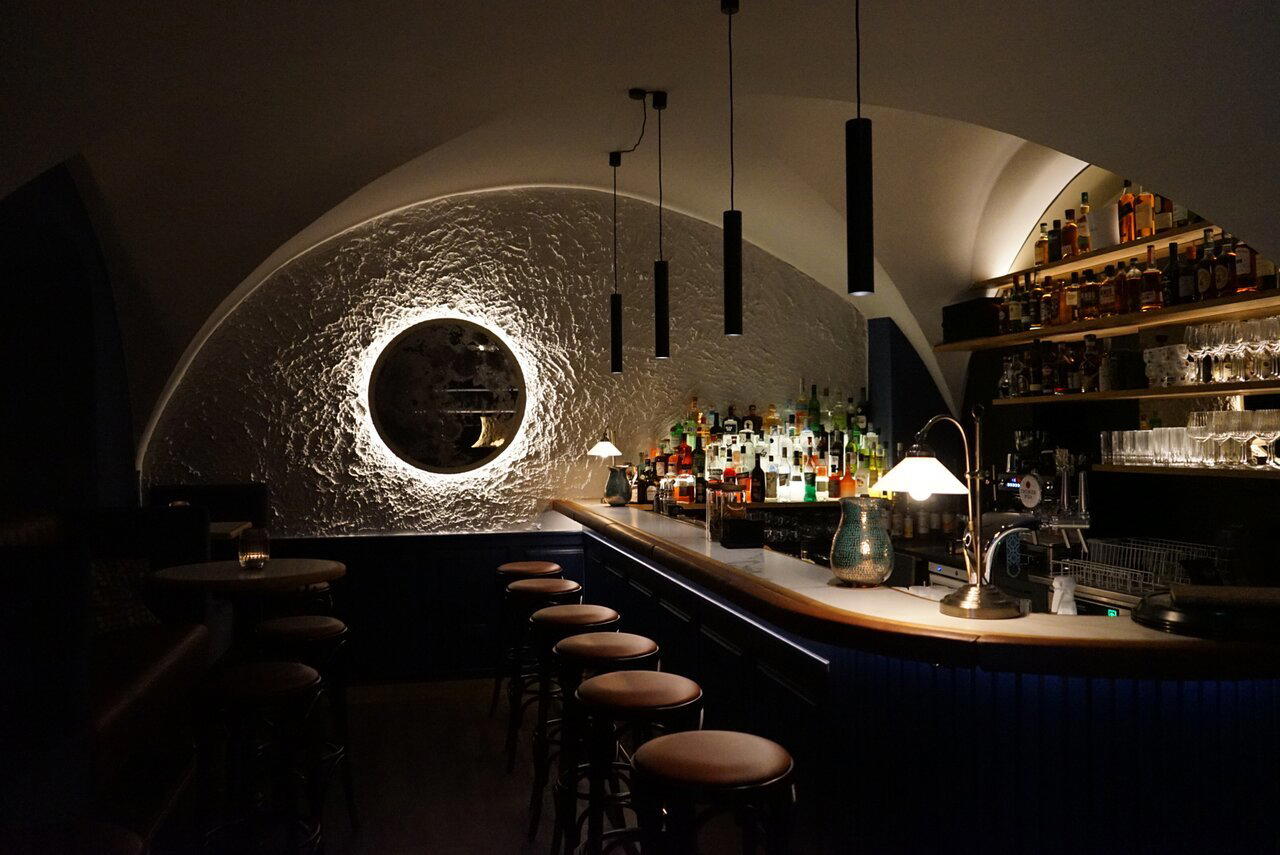


Hotels in Linz
Browse all →

At a Glance
- Cozy
- Trendy
- Industrial
- Casual Hangout
- Brunch
- After Work
- Terrace
- Local Sourcing
- Street Scene
Current opening hours
- Monday
- 11 AM–9:33 PM
- Tuesday
- 11 AM–9:33 PM
- Wednesday
- 11 AM–9:33 PM
- Thursday
- 11 AM–10 PM
- Friday
- 11 AM–10 PM
- Saturday
- 11 AM–10 PM
- Sunday
- 11 AM–5 PM
Hours can change for holidays and private events. Last verified .
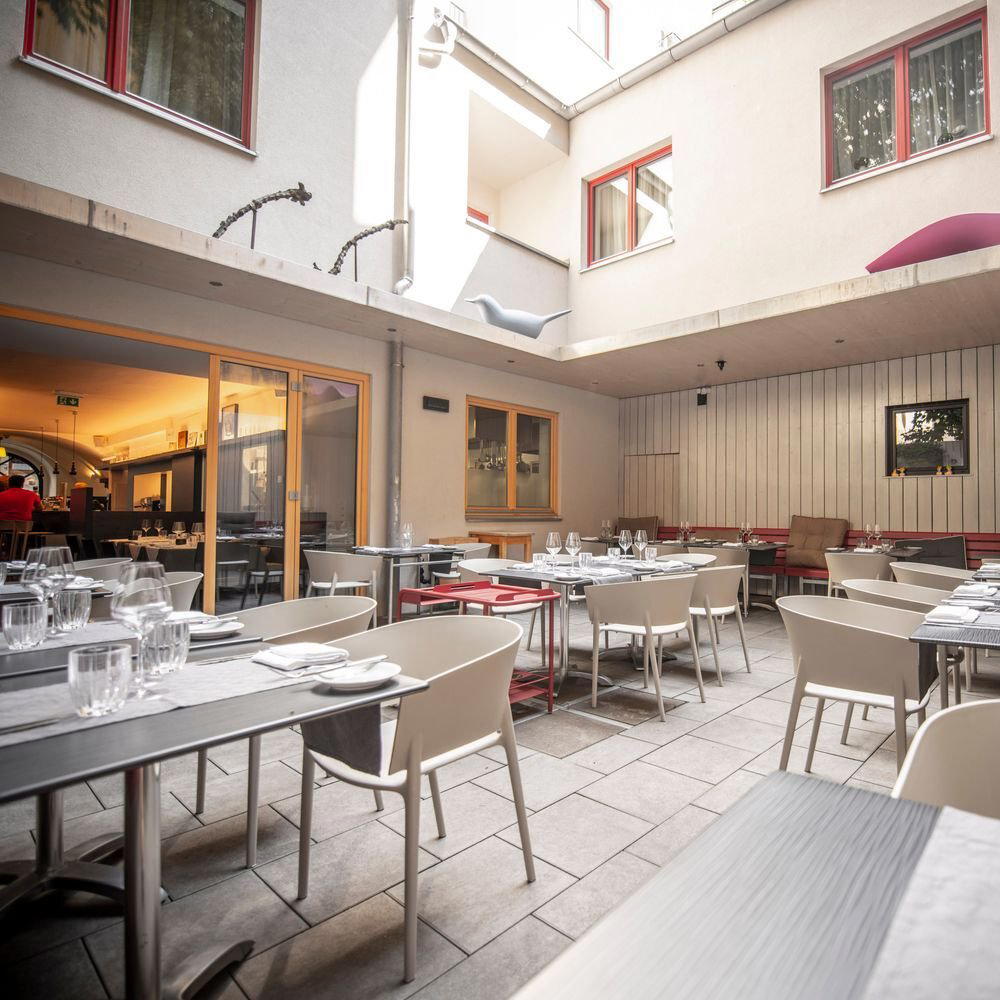
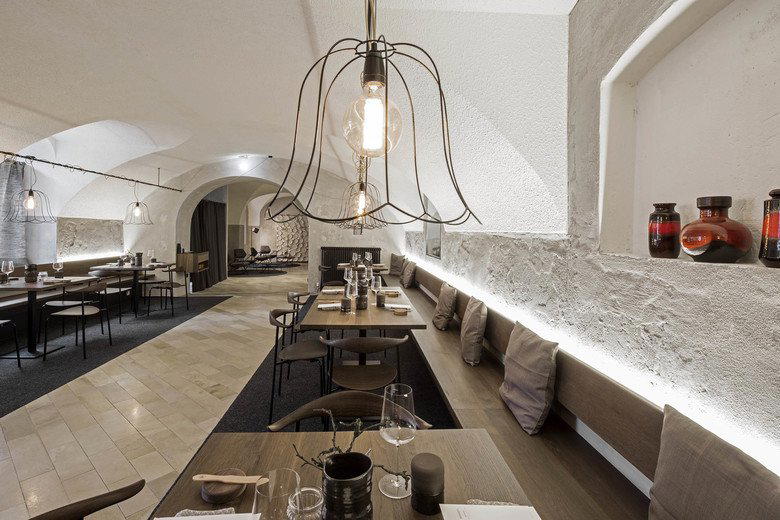
Cozy and informal atmosphere with chic industrial interior and outdoor seating among hydrangeas.