De Royal ChopHouse
De Royal ChopHouse on Amstelveenseweg sits in Amsterdam's southern residential belt, away from the canal-centre concentration of tasting-menu restaurants. The chophouse format places it in a distinct tier from the city's Michelin-chasing creative kitchens, offering a meat-centred menu built around classical technique rather than seasonal improvisation. For visitors tracking Amsterdam's broader dining range, it represents the city's appetite for confident, produce-led cooking outside the fine-dining circuit.
Pearl is the En Primeur Club membership app — saves, bookings, and concierge access live there. Same editors, same standards.
- Address
- Amstelveenseweg 128, 1075 XL Amsterdam, Netherlands
- Phone
- +31207868528
- Website
- deroyalchophouse.nl
- Directions
- Get directions
 Saves & bookings on Pearl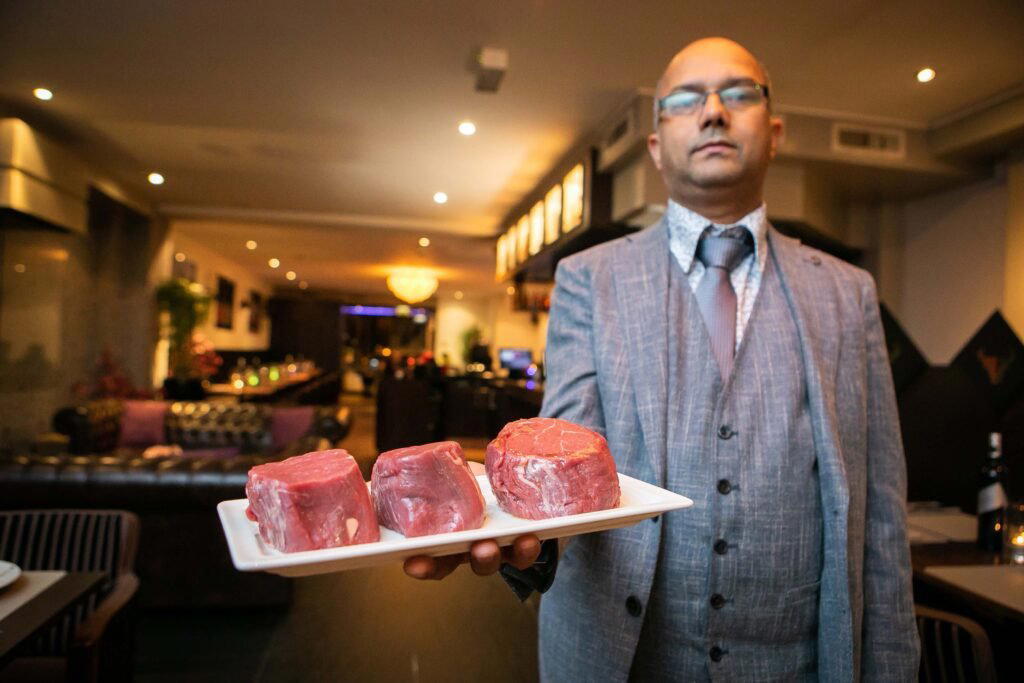
South Amsterdam and the Case for the Chophouse Format
Amsterdam's dining conversation tends to collapse around the canal belt and the Michelin-recognised addresses clustered in and near the centre. Hotels with two-star restaurants such as Ciel Bleu and creative contemporary kitchens like Flore, Spectrum, and Vinkeles anchor a tier of restaurants where the format is almost always the tasting menu and the ambition is always the guide. De Royal ChopHouse, at Amstelveenseweg 128 in the southern residential district, operates in a structurally different register. The chophouse model, which in its classical sense means a focused menu built around grilled and roasted cuts, a serious wine list, and minimal theatrical flourish, represents one of the more durable formats in European dining. It is less fashionable than the farm-to-table movement that drives places like Amsterdam's own De Kas, and less technically demanding than the modernist kitchens that define the Dutch fine-dining circuit, from De Librije in Zwolle to Inter Scaldes in Kruiningen. That is not a weakness. It is a positioning choice, and understanding it is the right starting point for deciding whether this restaurant belongs on your Amsterdam itinerary.
Reading the Menu as a Document
In any chophouse worth the name, the menu architecture carries the editorial argument. You are not looking for a kitchen that wants to surprise you course by course; you are looking at a kitchen that has made an argument about what meat cookery is and has committed to it. The structure should be legible at a glance: primary cuts, preparation method, accompaniments, and sauces as separate decisions rather than pre-composed plates. This is a fundamentally different discipline from the tasting-menu format that defines the highest-profile Dutch restaurants, including De Nieuwe Winkel in Nijmegen or De Lindehof in Nuenen. In the chophouse model, the diner assembles the plate rather than receiving a chef's sequence. The skill is in sourcing and in the cook, not in the narrative arc from first course to last.
Where the format works, it rewards regulars more than first-time visitors. The person who knows which cut to order, how they want it cooked, and which side to pair with it will extract more from a chophouse than someone working through a tasting menu where those decisions are made by the kitchen. This is one reason chophouses accumulate loyal local clientele rather than destination traffic. Amstelveenseweg's residential setting reinforces that dynamic: this is not a restaurant designed to capture tourists making their way between the Rijksmuseum and the canal. It is in the kind of neighbourhood where tables are filled by people who live nearby and eat there regularly.
The Amsterdam Meat Restaurant in Context
The Dutch steakhouse and chophouse category operates in a city that has spent the last decade investing heavily in farm-to-table credentials and plant-led menus. The contrast is instructive. While restaurants such as BAK or Wils build their identity around sourcing transparency and lighter preparations, the chophouse format makes a different argument: that classical technique applied to high-quality protein is sufficient reason to return. Neither position is wrong. They are simply drawing from different traditions.
Internationally, the chophouse format has been refined at addresses like Le Bernardin in New York City, which demonstrates what happens when a single protein category is treated with maximum seriousness, and the communal-dining formats at places like Lazy Bear in San Francisco show how the à la carte model has been redesigned for a different era. The Amsterdam version is less about reinvention and more about execution. If the kitchen is sourcing well and cooking to temperature with consistency, the format justifies itself. The stronger comparison set within the Netherlands includes destination restaurants in smaller cities, from De Lindenhof in Giethoorn and Tribeca in Heeze to De Groene Lantaarn in Staphorst, Brut172 in Reijmerstok, and De Bokkedoorns in Overveen and De Treeswijkhoeve in Waalre, all of which approach classical cooking with regional seriousness. De Royal ChopHouse sits in the city version of that tradition rather than the destination-country-house version.
The Neighbourhood and What It Means for the Experience
Amstelveenseweg connects the Oud-Zuid district to the Amstelveen boundary. The stretch around number 128 is residential rather than commercial, with the kind of low footfall that favours regulars and deters the casual drop-in. Oud-Zuid itself is one of Amsterdam's wealthier southern neighbourhoods, sitting between the Vondelpark and the Olympisch Stadion, and it has a dining character defined more by neighbourhood reliability than by destination ambition. The canal-side glamour of the Jordaan or the creative energy of De Pijp are not present here. What is present is the expectation that a good restaurant should be good on a Tuesday in November as much as on a Saturday in July. For a classical chophouse format, that consistency test matters more than opening-night performance.
Visitors arriving from the city centre should plan for the journey: Amstelveenseweg is reachable by tram from the centre but is not a walking distance destination from the major canal hotels. That logistical reality shapes the audience. This is a dinner that requires a decision rather than a spontaneous detour, which means arriving with a clear sense of what the format offers.
Know Before You Go
- Address: Amstelveenseweg 128, 1075 XL Amsterdam, Netherlands
- Neighbourhood: Oud-Zuid / Amstelveenseweg corridor, south Amsterdam
- Format: Chophouse, à la carte
- Phone / Website / Hours: Mon: 3–11 PM; Tue: 3–11 PM; Wed: 3–11 PM; Thu: 3–10:30 PM; Fri: 3–11 PM; Sat: 3–11 PM; Sun: 3–11 PM
- Booking: Reservations recommended
- Getting There: Amstelveenseweg 128, 1075 XL Amsterdam, Netherlands
At-a-Glance Comparison
Comparable venues nearby, for context on price, style, and recognition.
| Venue | Cuisine | Price | Notes |
|---|---|---|---|
| De Royal ChopHouseThis venue — the venue you are viewing | Premium Steakhouse & BBQ Grill | $$$$ | Not listed |
| até | Fusion Chef's Table (Mexican-Japanese-French) | $$$$ | Felix Meritisbuurt |
| Restaurant Seven Seas | French Seafood | $$$$ | Scheepvaarthuisbuurt |
| Blue Pepper | Indonesian Rijsttafel & Modern Indian | $$$ | Helmersbuurt Oost |
| BISOUS | Modern French-Belgian Bistro | $$$ | Frans Halsbuurt |
| Christiaan Smit | Seasonal Fine Dining | $$$$ | Anjeliersbuurt Zuid |
Continue exploring
More in Amsterdam
Restaurants in Amsterdam
Browse all →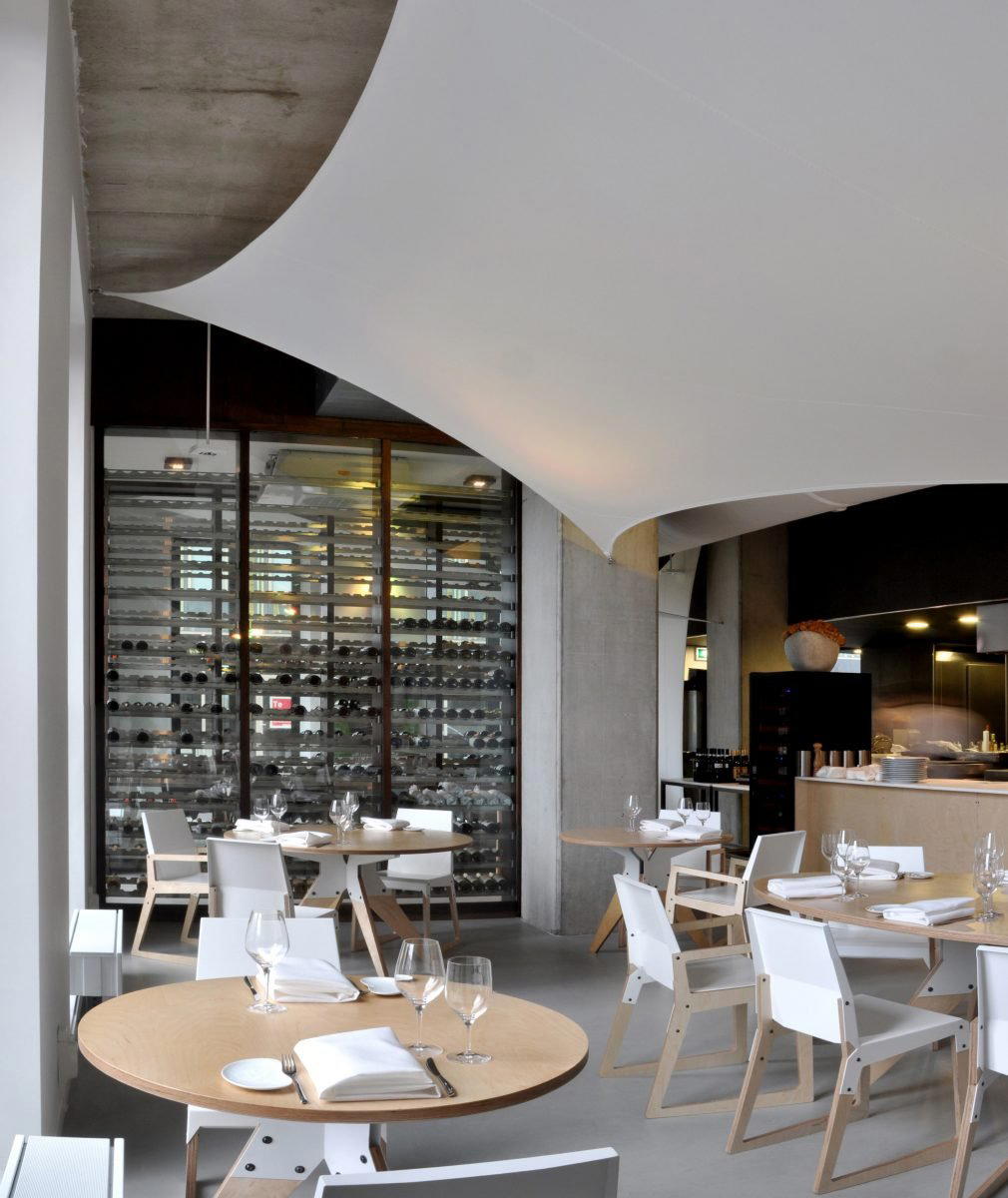
Bars in Amsterdam
Browse all →
Hotels in Amsterdam
Browse all →
Wineries in Amsterdam
Browse all →
At a Glance
- Elegant
- Sophisticated
- Classic
- Date Night
- Business Dinner
- Special Occasion
- Open Kitchen
- Extensive Wine List
Current opening hours
- Monday
- 3–11 PM
- Tuesday
- 3–11 PM
- Wednesday
- 3–11 PM
- Thursday
- 3–10:30 PM
- Friday
- 3–11 PM
- Saturday
- 3–11 PM
- Sunday
- 3–11 PM
Hours can change for holidays and private events. Last verified .
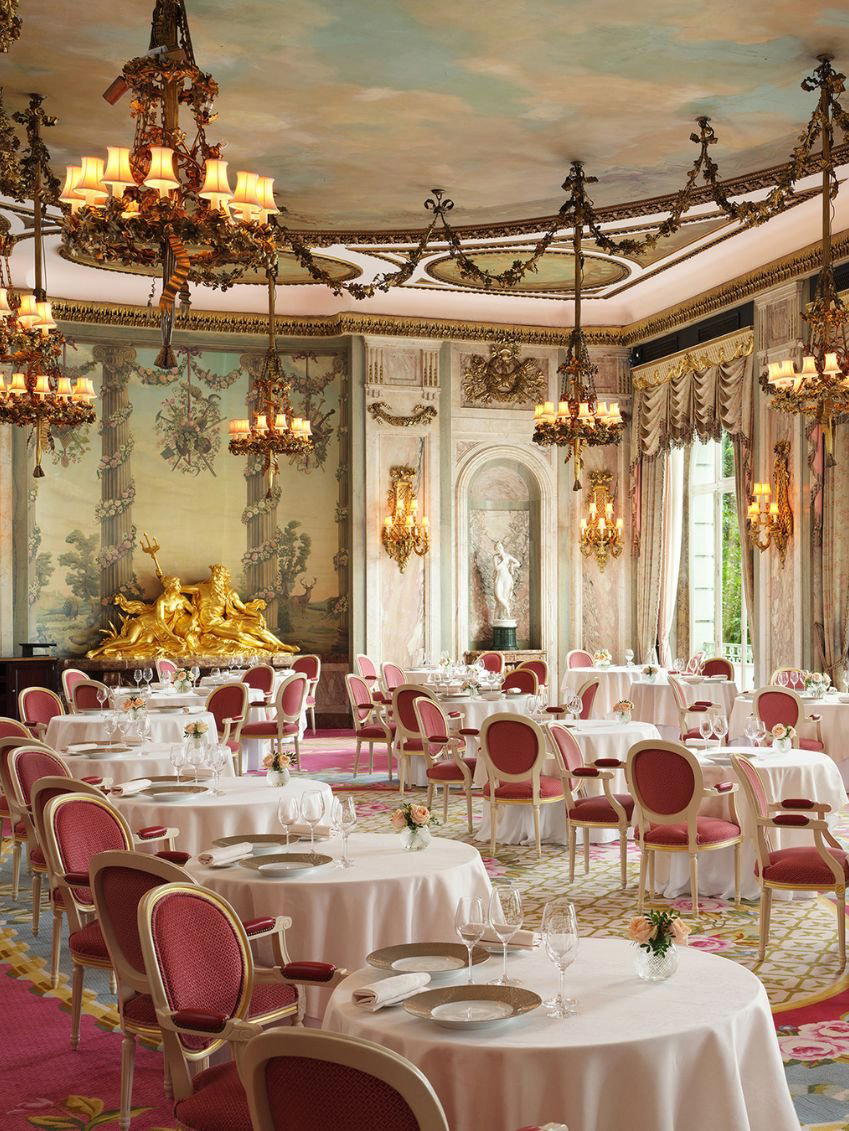
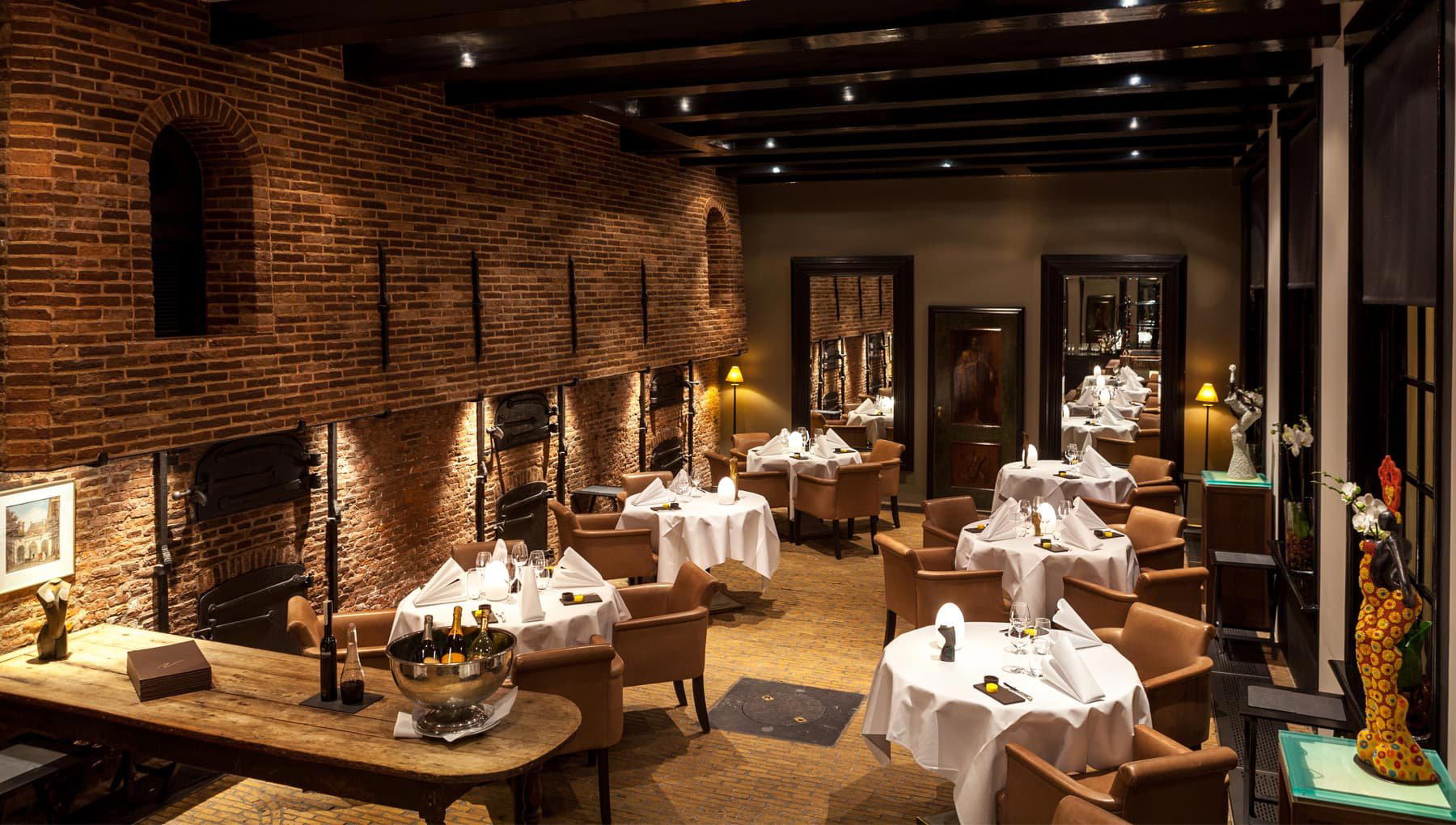
Blend of old-world charm and contemporary style with nice environment.