De Oude Sluis
De Oude Sluis serves Regional Dutch Seafood by the waterfront in Zoutkamp, with local sourcing, organic produce, and a leisurely pace that fits dinner plans.
Pearl is the En Primeur Club membership app — saves, bookings, and concierge access live there. Same editors, same standards.
- Address
- Hunsingokade 3, 9974 SP Zoutkamp, Netherlands
- Phone
- +31595401870
- Website
- deoudesluis.eu
- Directions
- Get directions
 Saves & bookings on Pearl
Where the Reitdiep Meets the Table
Zoutkamp sits at the mouth of the Reitdiep canal in the northern province of Groningen, a former fishing village whose commercial herring fleet has long since shrunk but whose relationship with the sea remains the defining fact of the place. Arriving along the Hunsingokade, you pass salt-weathered harbour walls and the kind of flat horizon that makes the Netherlands feel larger than it is. The water is close and present. At De Oude Sluis, it is also on the plate.
In the Netherlands, interesting fine dining outside the Randstad has tended to cluster in small towns with strong regional identities rather than in secondary cities: De Lindenhof in Giethoorn, De Groene Lantaarn in Staphorst, Brut172 in Reijmerstok. These are restaurants that draw their meaning from their specific geography rather than from urban proximity. De Oude Sluis belongs to that tradition, positioned at the edge of the Lauwersmeer national park in a region where the North Sea, tidal flats, and agricultural polders converge within a short radius.
The Ingredient Logic of the Groningen Coast
The editorial argument for sourcing-led cooking is strongest where a single geography produces a distinctive range of produce, and northern Groningen is one of the more compelling examples in the Netherlands. The Wadden Sea, a UNESCO World Heritage site running along the northern coastline, generates shellfish and flatfish of pronounced salinity and texture. The polder soils inland produce vegetables shaped by the same marine influence: coastal lamb grazed on salt marshes, root vegetables from heavy clay ground. The distance between sea and farm here is measured in kilometres, not supply chains.
This matters for how a kitchen like De Oude Sluis constructs its menu. Restaurants rooted in coastal Dutch geography have a different set of primary ingredients from those working the interior: where De Nieuwe Winkel in Nijmegen builds around organic vegetable production from Gelderland's river country, a Groningen coastal kitchen builds around tide-governed produce. Shrimp from the Waddenzee, eel from the estuaries, mussels from the tidal beds, and salt-marsh lamb from the dijken are the vernacular ingredients of this coast, and they carry a provenance story that is specific enough to be editorially meaningful.
For comparison, the sourcing discipline at Inter Scaldes in Kruiningen, another Dutch coastal fine dining address, draws from the Zeeland estuaries in the south. The Zeeland tradition is oysters, langoustines, and flatfish from the Oosterschelde. The Groningen tradition is distinct: smaller-scale, less internationally publicised, and shaped by a harsher, colder stretch of coastline. Both are serious regional arguments, but they are not interchangeable.
The Setting as Context
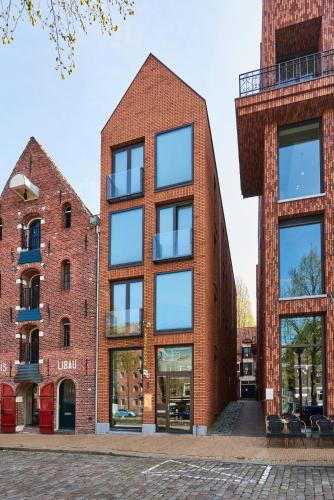
The building itself occupies a position on the old sluice, the hydraulic infrastructure that once managed water flow between the canal and the tidal zone. That industrial-agricultural heritage is common to much of the Netherlands' coastal north, and it places the restaurant in a physical context that is both specific and evocative without being theatrical. The Groningen coast does not perform its history; it simply has it. The flat light off the Reitdiep in the evening is its own argument for making the journey.
In Dutch fine dining, small-town destination restaurants occupy a particular position relative to their urban peers. Ciel Bleu in Amsterdam and FG in Rotterdam operate in a city-centre context where the restaurant is one of many claims on a visitor's evening. A destination restaurant in Zoutkamp operates differently: the journey is part of the proposition, and the kitchen has to justify the distance. That dynamic tends to produce more focused, confident cooking, because the restaurant cannot rely on urban foot traffic or passing trade.
Placing De Oude Sluis in the Dutch Fine Dining Picture
The Dutch fine dining scene outside Amsterdam and Rotterdam is more geographically distributed than most international visitors realise. De Librije in Zwolle, three Michelin stars and among the more recognised Dutch addresses in international press, demonstrated that the Randstad does not hold a monopoly on serious cooking. Subsequent decades have seen credentialed kitchens appear across Gelderland, Noord-Brabant, Zeeland, and now the northern provinces. Tribeca in Heeze, De Lindehof in Nuenen, and De Treeswijkhoeve in Waalre represent the Brabant cluster; De Bokkedoorns in Overveen and Aan de Poel in Amstelveen anchor the North Holland fringe. The restaurant sits at the northern edge of this distributed map, in a province that receives less coverage than its culinary seriousness merits.
Internationally, the model of a small-town destination restaurant built around hyper-local coastal sourcing has precedents that help frame what a kitchen in this position can achieve. Lazy Bear in San Francisco built credibility through format discipline and sourcing transparency; Le Bernardin in New York City remains the clearest argument that seafood-focused cooking can carry the full weight of fine dining ambition. Both offer a useful lens for understanding what a kitchen with serious coastal ingredients and the focus that comes from a remote setting can produce.
Planning a Visit
Zoutkamp is approximately 40 kilometres north of Groningen city, reached most practically by car along the N388 through the polder. The drive from Groningen takes around 35 to 40 minutes and passes through the flat agricultural landscape that characterises this corner of the Netherlands. There is no direct train connection to the village, making a car the default option for most visitors. Guests travelling from Amsterdam are looking at a journey of roughly two and a half hours by car. Groningen city makes a logical base if you want to combine the meal with a night's accommodation, since it offers a wider range of hotels than the village itself. The address is Hunsingokade 3, 9974 SP Zoutkamp. Reservations are recommended, and the dress code is smart casual.
Side-by-Side Snapshot
Comparable venues nearby, for context on price, style, and recognition.
| Venue | Cuisine | Price | Notes |
|---|---|---|---|
| De Oude SluisThis venue — the venue you are viewing | Regional Dutch Seafood | $$$ | Not listed |
| Het Spijshuys | Modern Dutch Seafood Bistro | $$$ | Boornbergum |
| De Betere Tijden | Modern Dutch | $$$ | Binnenstad-Zuid |
| Brasserie Bruis | Seasonal French Brasserie | $$$ | Haarlem city centre |
| Alexander Beach Club | Modern Beach Club Seafood | $$$ | Noordwijk aan Zee |
| Kebaya Asian Brasserie | Pan-Asian Fusion Brasserie | $$$ | Schiphol Airport |
At a Glance
- Cozy
- Rustic
- Intimate
- Scenic
- Date Night
- Special Occasion
- Waterfront
- Local Sourcing
- Organic
- Waterfront
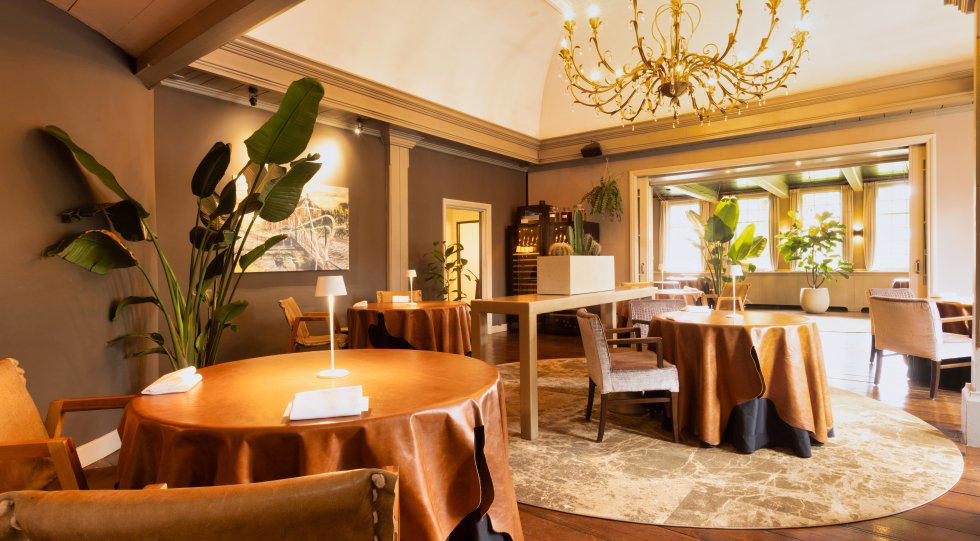
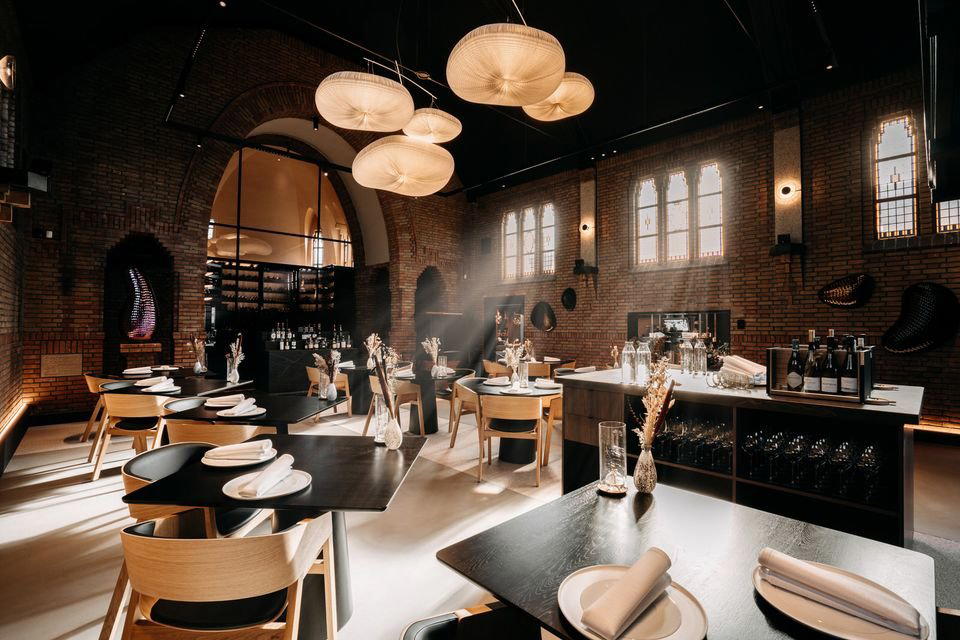
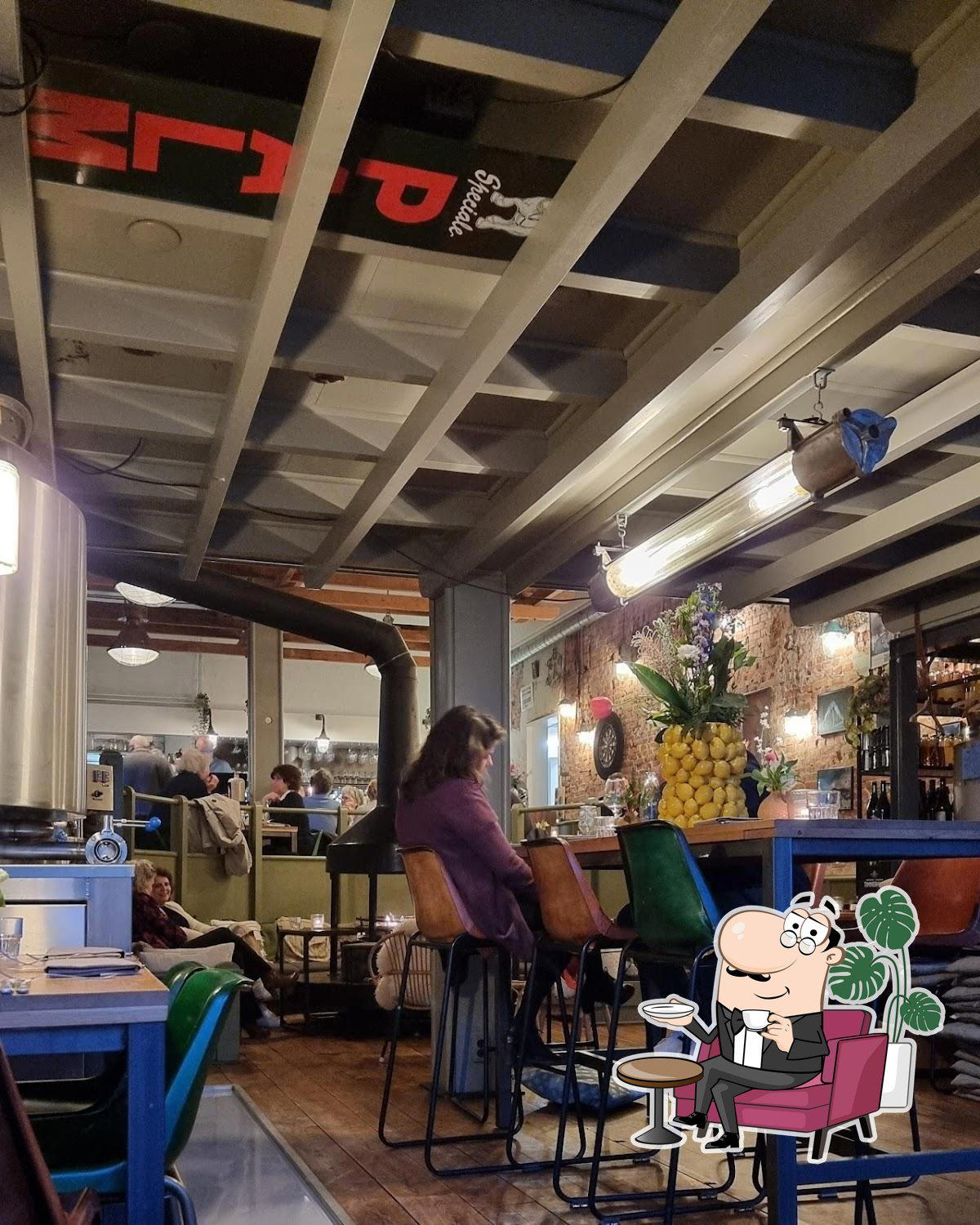
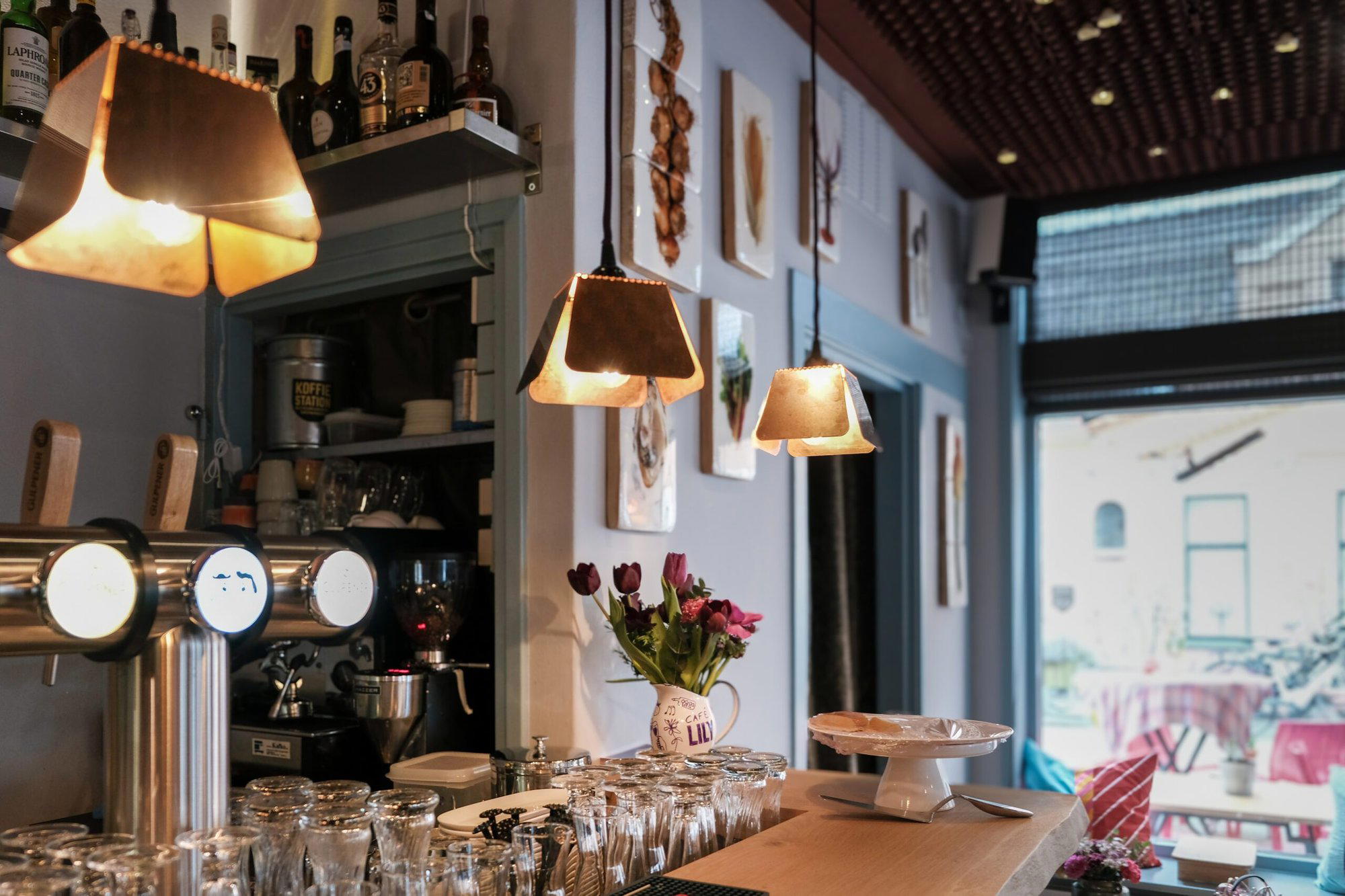
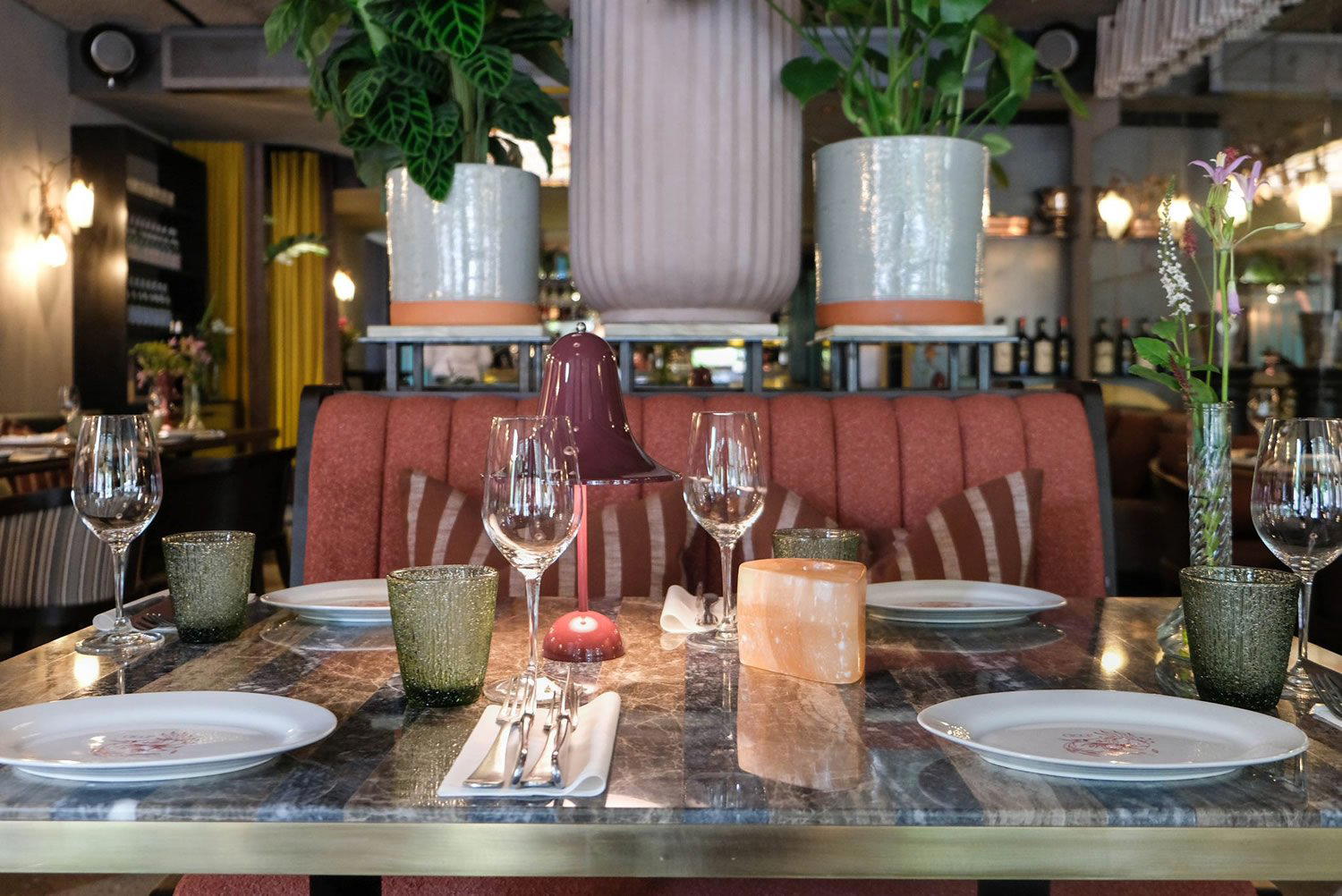
Ontspannen en warme omgeving with peaceful countryside and sea views.