Het Spijshuys
Het Spijshuys sits in Boornbergum, a quiet Frisian village where the Dutch tradition of grounding a meal in its immediate landscape carries genuine weight. The address alone signals a deliberate remove from urban dining circuits, placing this spot within a regional pattern of destination eating built around place and proximity rather than prestige and volume. For the full northern Netherlands dining picture, see our full Boornbergum restaurants guide.
Pearl is the En Primeur Club membership app — saves, bookings, and concierge access live there. Same editors, same standards.
- Address
- Westerbuorren 2, 9212 PL Boornbergum, Netherlands
- Phone
- +31512548850
- Website
- het-spijshuys.nl
- Directions
- Get directions
 Saves & bookings on Pearl
A Frisian Village and What It Means for the Plate
Boornbergum is not a dining destination by accident. The village sits in the province of Friesland, a part of the Netherlands where agricultural identity runs deep and where the distance from Amsterdam or Rotterdam is felt not just in kilometres but in culinary orientation. Het Spijshuys is a Modern Dutch Seafood Bistro in Boornbergum, with a smart casual dress code, essential reservations, and an average price of about $45 per person. Frisian cuisine has historically organised itself around what the land and water immediately offer: dairy from polderland cattle, freshwater fish from the lakes and canals of the Friese meren, and game and produce from a landscape that changes slowly with the seasons. Restaurants that operate here do not have the same supply logic as their urban peers. They work closer to source, by necessity as much as by conviction, and that proximity tends to show up in what arrives on the table. Het Spijshuys, addressed at Westerbuorren 2 in this small Frisian settlement, sits within that tradition.
The name itself carries weight. Spijshuys is an archaic Dutch rendering of a place where food is served, closer in spirit to an inn or eating house than to a contemporary restaurant. That etymological nod is not decoration. It signals a grounding in an older Dutch hospitality model, one where the building, the table, and the food were part of a single coherent offer shaped by local supply rather than imported ambition. Across the northern Netherlands, a handful of addresses have sustained that model into the present, and the better ones sit in a peer group defined less by star counts than by sourcing discipline and seasonal fidelity.
For comparison, consider the broader Dutch fine-dining pattern. Houses like De Librije in Zwolle and 't Nonnetje in Harderwijk have built their reputations inside urban centres with recognisable Michelin footprints and menus that synthesise regional ingredients through a modernist lens. Rural addresses operate differently. The supply chain is shorter, the menu changes faster, and the relationship between kitchen and producer is often direct rather than brokered. De Groene Lantaarn in Staphorst and De Lindenhof in Giethoorn occupy a similar position in the Overijssel and Drenthe regions, where village settings anchor the sourcing story rather than limit it.
What Ingredient Proximity Looks Like in Practice
The organising principle of Frisian table cooking is not minimalism for its aesthetic appeal but rather an economy of intervention that follows from sourcing. When dairy is produced within a few kilometres, it does not need to be augmented to justify its presence on the plate. When freshwater fish comes from water you can see from the dining room window in many provincial addresses, the preparation tends toward simplicity not as a statement but as respect for the ingredient's own argument. This is a different creative logic from what drives the menu architecture at, say, Ciel Bleu in Amsterdam or FG in Rotterdam, where global supply chains and technical ambition shape the offer in equal measure.
Across the Netherlands, the farm-to-table conversation has matured past its early-2010s branding phase. At De Nieuwe Winkel in Nijmegen, the commitment to organic sourcing has been formalised into a recognisable identity that Michelin has acknowledged. In Friesland, the equivalent commitment tends to be quieter, expressed through seasonal menus and producer relationships rather than positioning language. The region's dairy and livestock sector is among the more productive in Europe, which means a kitchen working seriously with local supply has genuine raw material to work with, not a compromise forced by geography.
The Setting and What It Asks of the Visitor
Arriving in Boornbergum requires intent. There is no passing trade of the kind that sustains urban restaurants. The village has the character of interior Friesland: flat, open, threaded with water, quiet in a way that registers immediately after the motorway noise falls away. Het Spijshuys at Westerbuorren 2 sits within that context, and the approach to the address is part of what the meal means. Destination eating of this kind functions on a different psychological register from urban dining. The effort of getting there becomes part of the experience's value, and kitchens that understand this tend to programme accordingly, offering formats that reward the journey rather than simply filling a table.
Visitors coming from Amsterdam should allow roughly two hours. Those travelling from the German border towns of the east will find the drive somewhat shorter through Groningen province.
The regional dining circuit around Boornbergum connects to a broader northern Netherlands itinerary. Inter Scaldes in Kruiningen anchors the Zeeland end of Dutch destination dining, while De Bokkedoorns in Overveen and Aan de Poel in Amstelveen serve the Randstad corridor. The Frisian stretch has its own logic, slower and less trafficked, with addresses that do not always surface in international rankings but carry weight with the Dutch dining public who travel north specifically to eat in the province.
Where Het Spijshuys Sits in the Wider Pattern
Dutch restaurants in village settings have occasionally crossed into international conversation. Brut172 in Reijmerstok operates in a comparably rural Limburg setting and has developed a programme grounded in regional produce and natural wine. De Treeswijkhoeve in Waalre and Tribeca in Heeze anchor the Brabant stretch of non-urban destination dining. The pattern across these addresses is consistent: smaller capacity, seasonal menus tied to regional supply, and a booking process that typically requires advance planning rather than same-week availability. De Lindehof in Nuenen and 't Amsterdammertje in Loenen aan de Vecht complete a picture of Dutch dining that extends well beyond the Randstad's well-mapped territory.
For international reference, the sourcing-first approach that defines addresses like Het Spijshuys finds parallels in how destination coastal kitchens operate globally. Le Bernardin in New York City and Atomix in New York City approach ingredient integrity from different cultural starting points, but the underlying commitment to supply chain as creative foundation connects across contexts.
Planning Your Visit
Reservations are essential. Visiting during Frisian summer, roughly June through August, gives the longest daylight hours for the drive and the widest seasonal produce window. Autumn brings game and mushroom season, a period when northern Dutch kitchens typically shift their menus toward heavier, more warming preparations that suit the region's turn in character.
At-a-Glance Comparison
Comparable venues nearby, for context on price, style, and recognition.
| Venue | Cuisine | Price | Notes |
|---|---|---|---|
| Het SpijshuysThis venue — the venue you are viewing | Modern Dutch Seafood Bistro | $$$ | Not listed |
| Brandsøn | Modern Seafood & International Fine Dining | $$$ | Stokstraat Quarter |
| Rosemary | Modern Seafood & European Fine Dining | $$$$ | Joure |
| Vis op de Dijk | Classic Dutch Seafood | $$ | Kralingen West |
| Café CENC | Southern European Seafood Apéro | $$ | Van Loonbuurt |
| Kasteel De Vanenburg | French-Classical Fine Dining | $$$ | Putten |
Continue exploring
More in Boornbergum
At a Glance
- Cozy
- Intimate
- Elegant
- Rustic
- Date Night
- Special Occasion
- Celebration
- Open Kitchen
- Standalone
- Sommelier Led
- Farm To Table
- Local Sourcing
- Organic
Current opening hours
- Monday
- Closed
- Tuesday
- 5:30 PM–12 AM
- Wednesday
- 5:30 PM–12 AM
- Thursday
- 5:30 PM–12 AM
- Friday
- 5:30 PM–12 AM
- Saturday
- 12–4 PM, 5:30 PM–12 AM
- Sunday
- 12–4 PM, 5:30 PM–12 AM
Hours can change for holidays and private events. Last verified .
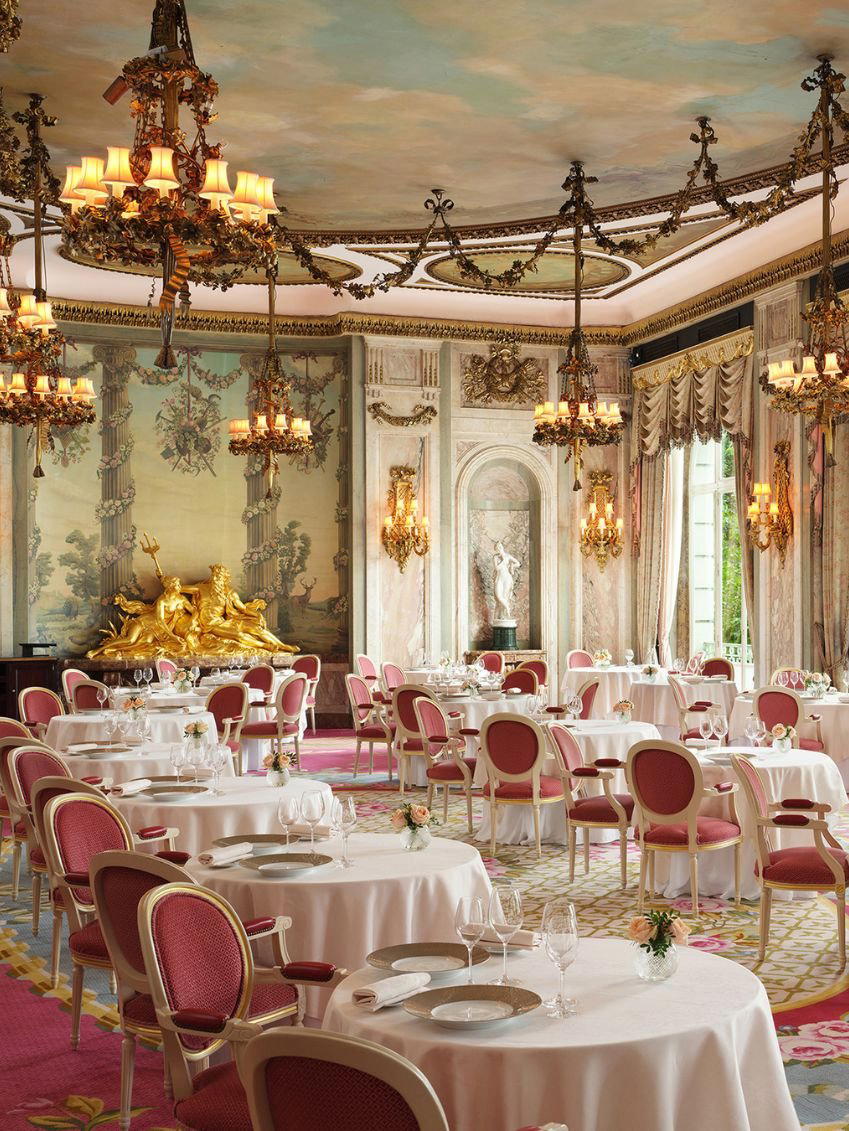
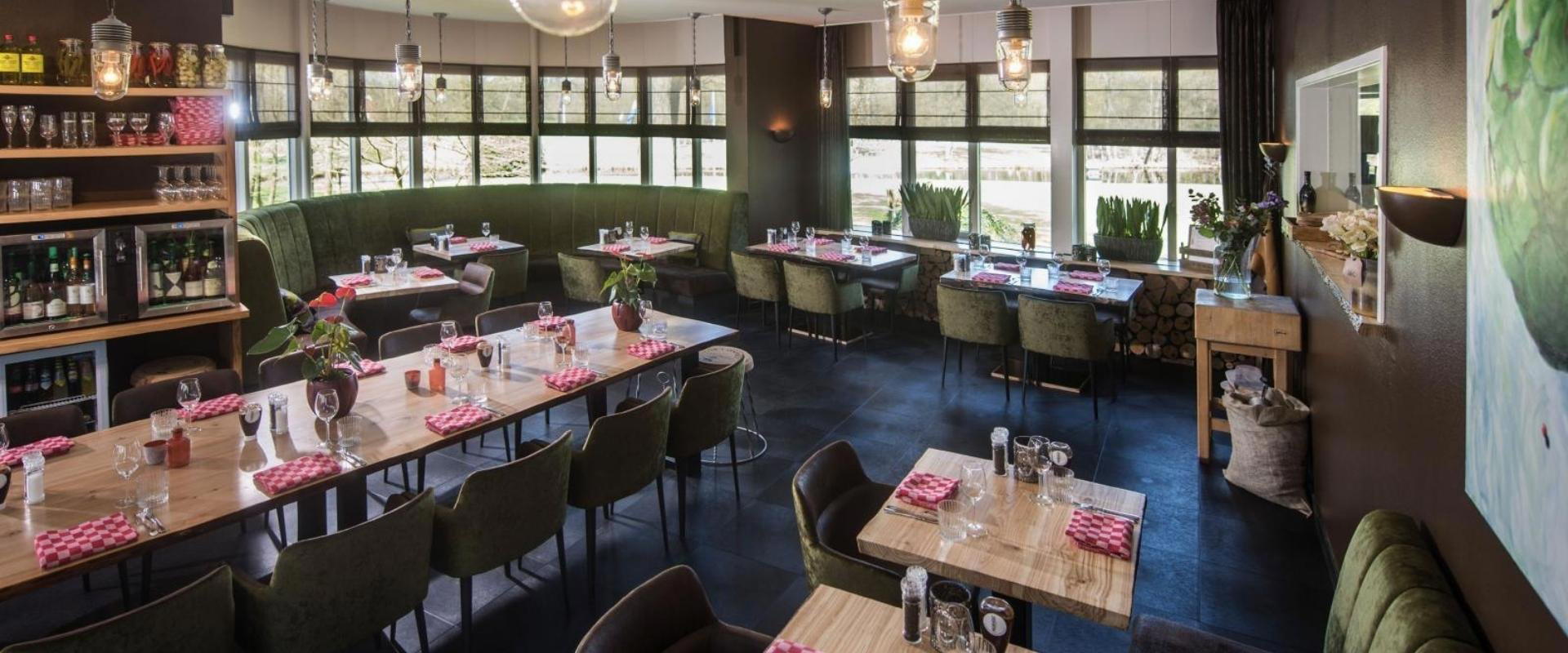
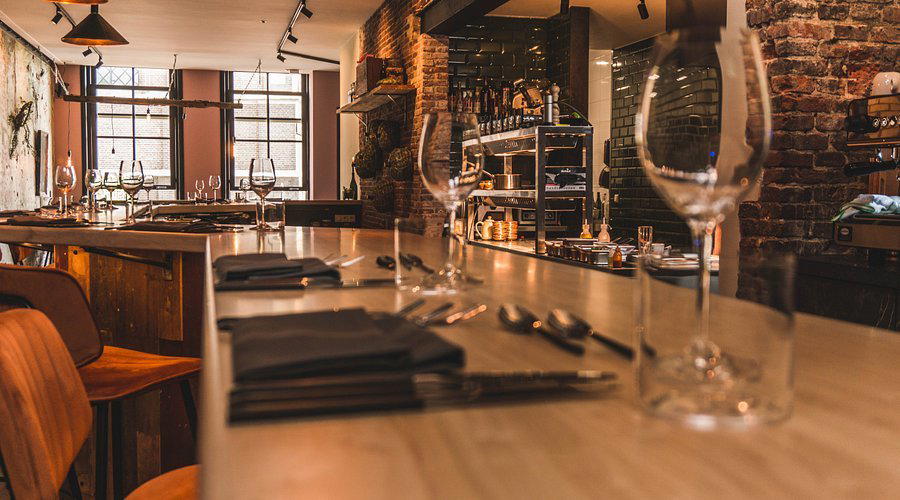
Warm, gastvrij atmosphere with friendly service in a casual bistro setting; some guests note the acoustics can be loud during peak hours.