De Betere Tijden
De Betere Tijden occupies a spot on Gelkingestraat in central Groningen, sitting within a city whose dining scene has quietly developed a seriousness that outsiders tend to underestimate. With a name that translates loosely as 'better times,' the venue carries a particular resonance in a university city that has long cultivated independent, idea-led hospitality over chain formats. It warrants attention from anyone tracing the genuine character of northern Dutch dining.
 Discover on Pearl
Pearl is the En Primeur Club membership app — saves, bookings, and concierge access live there. Same editors, same standards.
- Address
- Gelkingestraat 52, 9711 NE Groningen, Netherlands
- Phone
- +31503059918
- Website
- debeteretijden.nl
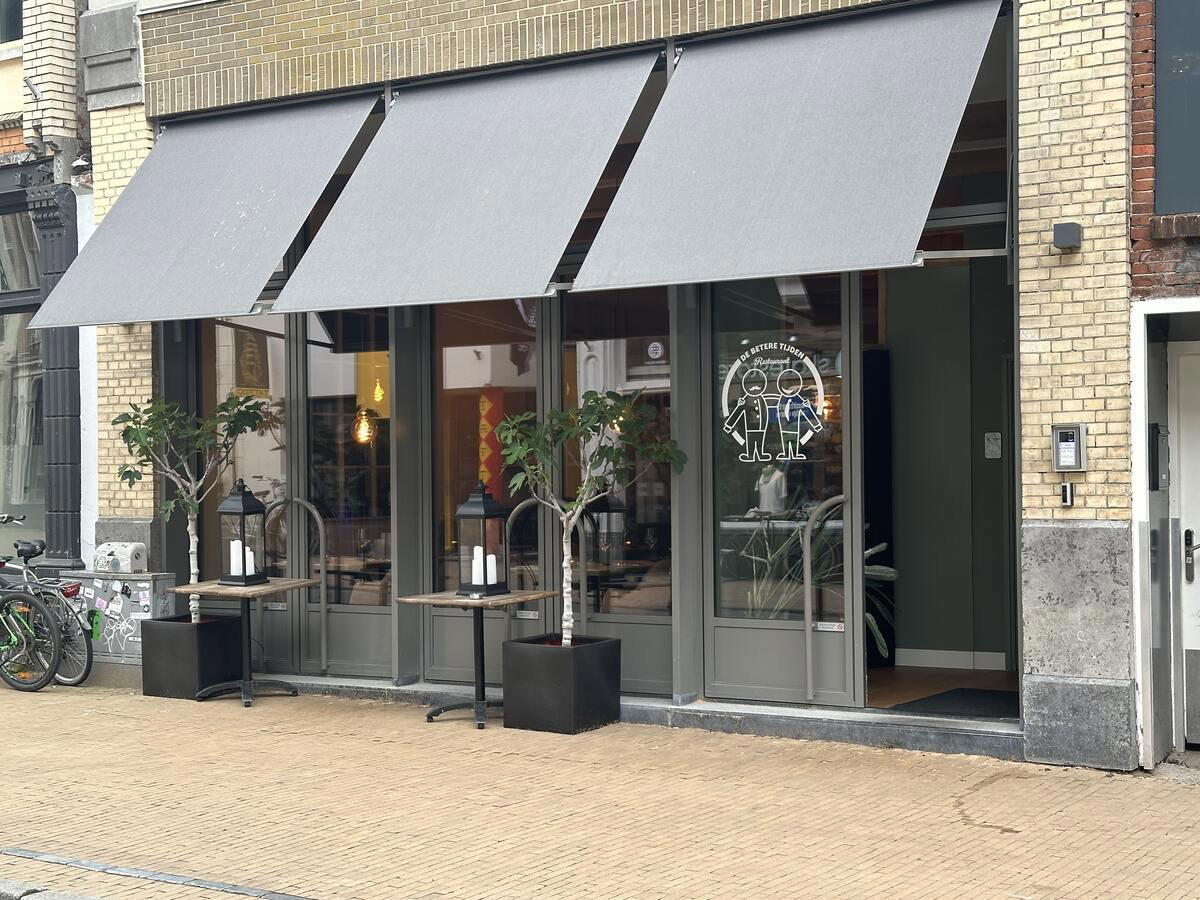
Groningen's Dining Identity and Where De Betere Tijden Fits
Northern Netherlands dining has operated in the shadow of Amsterdam and Rotterdam for decades, but that gap has narrowed considerably. Groningen, a compact university city of roughly 230,000 people, has developed a food scene that rewards those who look past the obvious. The city's restaurant mix runs from farm-to-table bistros like De Grote Frederik through creative mid-market spots like Dokjard, up to more formal addresses such as Blumé (€€€ · Modern French) and Bisque (€€€ · Modern French). De Betere Tijden on Gelkingestraat sits within this evolving context, on a street that cuts through the older commercial fabric of the city centre.
What the name signals matters here. 'De Betere Tijden', better times, is a phrase with deep roots in Dutch pub and café culture, where it tends to evoke a certain unhurried, convivial quality. That framing shapes expectations before you step inside: this is not a venue announcing itself with minimalist branding or chef-forward positioning. It speaks in a register that Groningen's residents understand instinctively, which is part of what gives it staying power in a city where student turnover is high but the permanent population has developed genuine loyalty to its independent establishments.
Menu Architecture: What the Structure Reveals
In Dutch dining, the structure of a menu often communicates more about a venue's ambition than any single dish does. The shift away from à la carte dominance toward tighter, more curated formats has played out across the Netherlands over the past decade, with multi-course set menus becoming the default at addresses that take their kitchens seriously. Provincial cities like Groningen have followed that pattern, with venues across the €€ to €€€ range increasingly building menus that reflect a point of view rather than simply offering optionality.
At the €€€ tier in Groningen, addresses such as Nassau (Modern Cuisine) and Hanasato (Japanese) have demonstrated that a northern Dutch city can sustain serious, committed cooking without anchoring itself to Amsterdam's approval. De Betere Tijden occupies a space in this conversation, a venue whose address on Gelkingestraat 52 places it in the working heart of the city, suggesting an orientation toward the community it serves rather than a destination-dining model that depends on visitors arriving from elsewhere.
The menu architecture at venues of this character in the Netherlands typically uses seasonal availability as a structural organizer, with the kitchen's supplier relationships determining what appears rather than a fixed canon of signature dishes. That approach has become standard at the more considered end of Dutch independent dining, visible at celebrated addresses including De Nieuwe Winkel in Nijmegen and De Lindehof in Nuenen, and at destination-level restaurants such as De Librije in Zwolle and Inter Scaldes in Kruiningen. For a Groningen address, that context places the bar: northern Dutch cooking has proven it can carry serious ambition, and diners arriving at De Betere Tijden bring those reference points with them.
The Gelkingestraat Address and Its Neighbourhood Logic
Gelkingestraat is one of those central Groningen streets that functions differently at different hours. During the day it moves with the rhythm of the city's commercial core; by evening it quietens into something more considered, with the restaurant and café trade taking over from retail. That shift gives venues on the street a particular role: they are not destination addresses that people travel across the city to reach, but they are also not casual walk-ins. They occupy the middle register that Dutch urban dining does well, approachable enough to feel genuinely local, composed enough to reward a planned visit.
For comparison, Groningen's more overtly ambitious restaurants, including Argo and Bellami's - Bar à Manger, tend to position themselves more explicitly within the city's fine-dining conversation. De Betere Tijden's name and location suggest a different register: less interested in signalling than in delivering. That positioning has a market in Groningen, where the resident population, educated, international by student-city standards, with disposable income distributed across a wide demographic, has appetite for places that earn trust through consistency rather than spectacle.
Those tracing the broader Dutch independent restaurant scene will find useful reference points beyond Groningen. The farm-sourced, community-oriented model has produced some of the Netherlands' most decorated tables: De Groene Lantaarn in Staphorst, De Lindehof in Giethoorn, and De Bokkedoorns in Overveen all demonstrate how provincial Dutch addresses can develop reputations that extend well beyond their immediate geography. Internationally, the committed community-dining model has parallels at venues such as Lazy Bear in San Francisco, where the menu structure itself communicates the kitchen's values. At the other end of the formality spectrum, precision-led seafood addresses like Le Bernardin in New York City show how rigorous menu architecture can define a restaurant's identity across decades.
Visiting De Betere Tijden: What to Know Before You Go
De Betere Tijden's address, Gelkingestraat 52, 9711 NE Groningen, puts it within easy walking distance of the city's main rail station and the historic centre. Groningen's compact footprint means that most of the city's better restaurants are reachable on foot from one another, which makes it practical to plan an evening that takes in a drink at one address before moving to dinner. Groningen's independent bar scene, anchored around the Poelestraat and the streets south of the Grote Markt, pairs naturally with the restaurant strip along and around Gelkingestraat.
Tribeca in Heeze, Brut172 in Reijmerstok, and Bramble within Groningen itself.
Awards and Standing
Comparable venues nearby, for context on price, style, and recognition.
| Venue | Cuisine | Price | Awards | Notes |
|---|---|---|---|---|
| De Betere TijdenThis venue — the venue you are viewing | Modern Dutch | $$$ | , | |
| Laberinto GastroTails | Modern Mediterranean GastroTails | $$$ | , | Martinitoren |
| Buurman&Buurman | Neapolitan Pizza | $$ | , | Korrewegwijk |
| Bellami’s - Bar à Manger | Classic French Bistro | $$$ | 1 recognition | Binnenstad (Grote Kromme Elleboog) |
| News Cafe | International Casual Café | $$ | , | Stadscentrum |
| Konbu streetfood | Southeast Asian Street Food with Pho and Ramen | $$ | , | Binnenstad-Zuid |
Continue exploring
More in Groningen
Restaurants in Groningen
Browse all →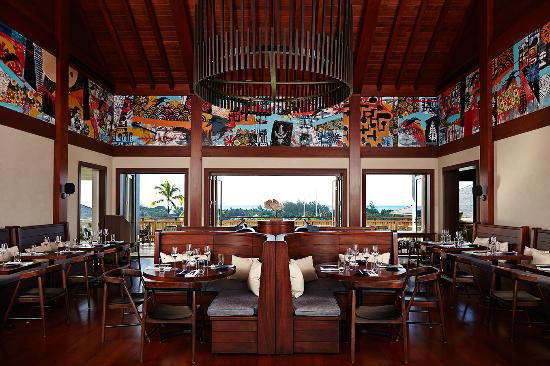
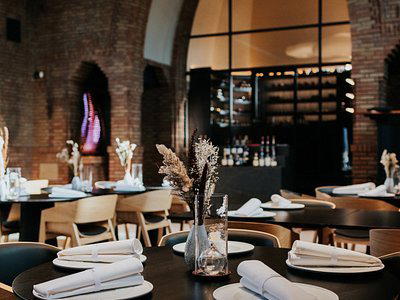
Hotels in Groningen
Browse all →
At a Glance
- Cozy
- Intimate
- Elegant
- Date Night
- Special Occasion
- Open Kitchen
- Extensive Wine List
- Local Sourcing
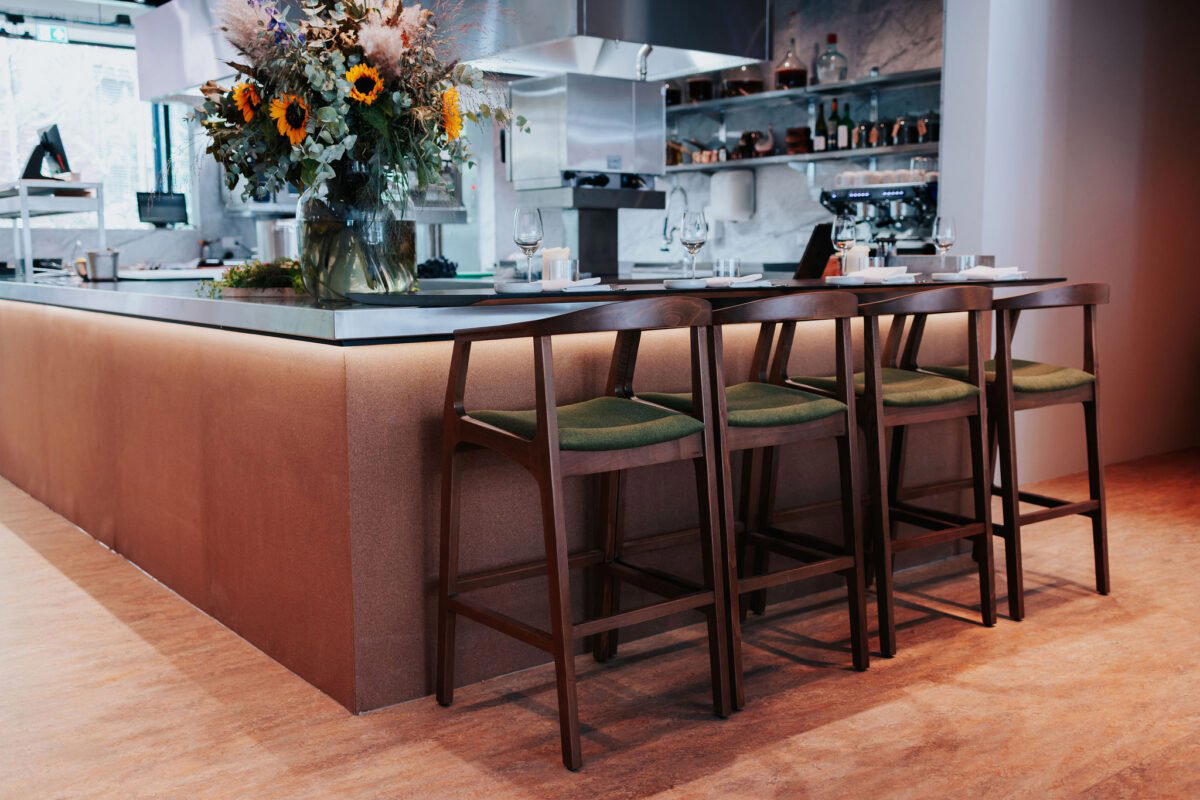
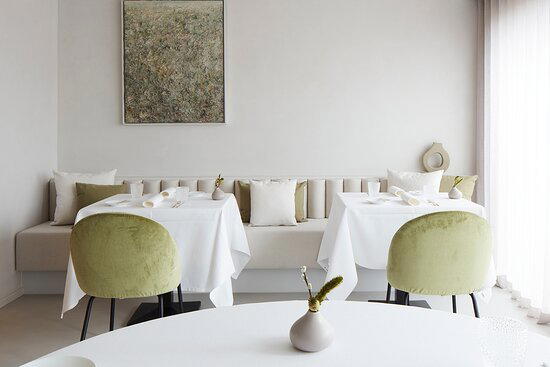
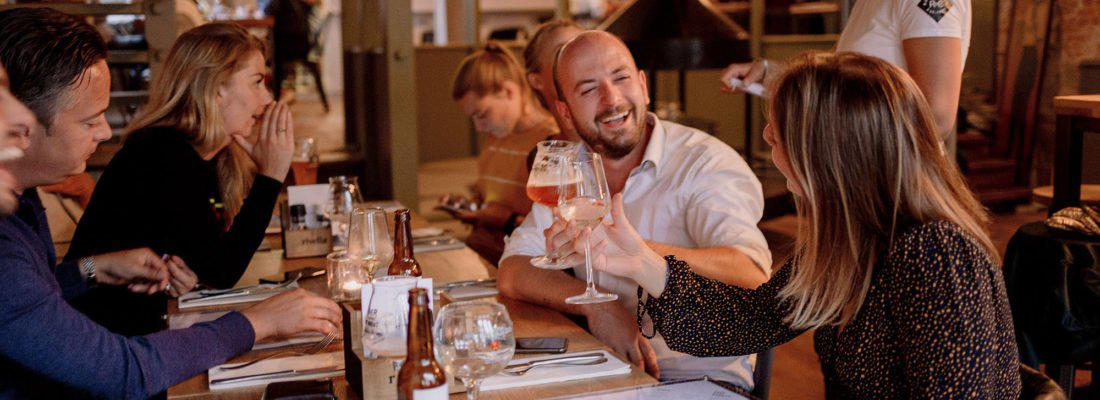
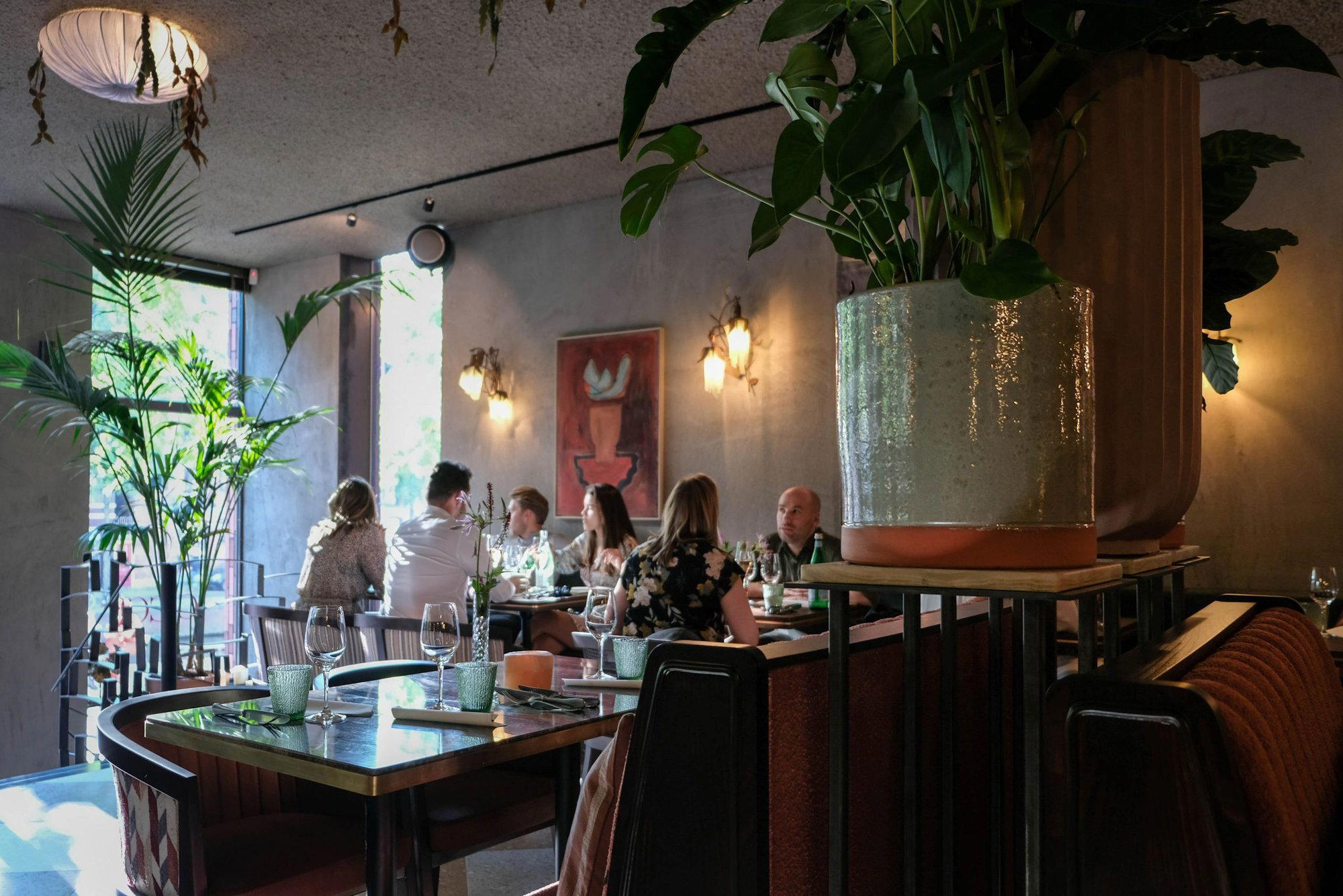
Warm, unpretentious living-room atmosphere with intertwined kitchen and service staff creating a cozy and welcoming dining experience.