De Loohoeve
Our verdict
De Loohoeve sits on Hoofdstraat in Schoonloo, a village at the quiet heart of Drenthe's heathland. The address places it within one of the Netherlands' most produce-rich rural corridors, where the sourcing logic of the surrounding landscape shapes what lands on the plate. For those willing to travel beyond the urban dining circuit, it represents the kind of destination meal that rural Dutch hospitality does well.

Pearl is the En Primeur Club membership app — saves, bookings, and concierge access live there. Same editors, same standards.
- Address
- Hoofdstraat 20, 9443 PA Schoonloo, Netherlands
- Phone
- +31592501490
- Website
- herbergdeloohoeve.nl
- Directions
- Get directions
- Booking
- Book on the venue's website
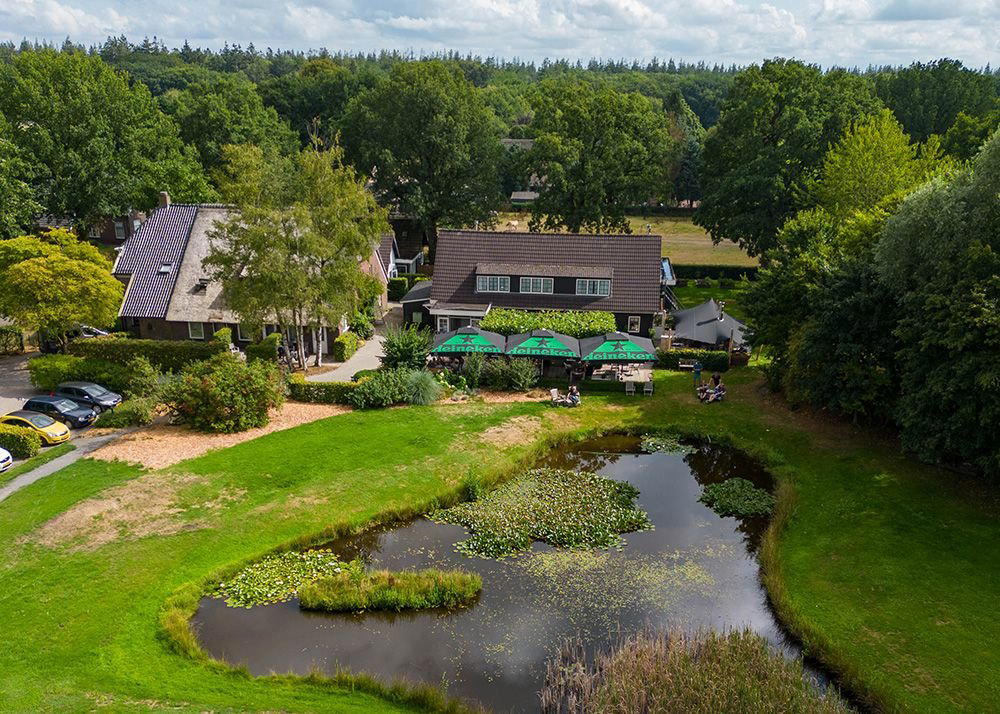
Where Drenthe's Landscape Becomes the Menu
Schoonloo sits at the centre of one of the Netherlands' least-visited provinces, and that geographical remove is precisely the point. The village occupies the Drentsche Aa National Landscape, a protected corridor of heath, peat bog, and farmland that has remained largely intact since the early twentieth century. Arriving along Hoofdstraat, the low, rural character of the setting is immediate: no urban density, no neighbouring restaurant strip. De Loohoeve at number 20 is the kind of address that requires a decision to travel to it, and in Dutch fine dining, that deliberateness tends to be rewarded.
This pattern of the destination-outside-the-city is well established across the Netherlands. De Lindenhof in Giethoorn, De Groene Lantaarn in Staphorst, and Brut172 in Reijmerstok all operate on the premise that serious cooking does not require a city postcode. These kitchens draw from the agricultural and natural resources immediately around them, and the resulting menus carry a geographical logic that urban restaurants can approximate but rarely match. De Loohoeve occupies a similar position within the northern Dutch dining scene.
The Sourcing Logic of Drenthe
The Drentsche Aa region is not merely scenic backdrop. It is one of the few areas in the Netherlands where traditional land use — small-scale livestock farming, market gardening, and wild-harvested produce from heath and woodland — has continued alongside protected-status conservation. That combination creates a sourcing environment that is genuinely distinct from the intensively farmed polders that supply much of the country's restaurant industry.
In the broader context of Dutch gastronomy, the conversation around provenance has sharpened considerably over the past decade. Kitchens at venues like De Nieuwe Winkel in Nijmegen have built reputations around plant-forward, ecologically conscious sourcing that goes well beyond box-ticking. The same impulse, applied to a rural northern setting, produces a different result: here, the ingredients are shaped by the heath rather than the greenhouse, and the seasonal rhythms are those of a working agricultural landscape rather than a curated kitchen garden.
What this means practically is that the cooking at a venue like De Loohoeve is grounded in the produce calendar of a specific, identifiable place. Drenthe's short growing season, its game tradition, and its dairy heritage provide a framework that is legible on the plate in a way that sourcing from anonymous wholesale supply chains simply is not. This kind of geographical specificity is what separates destination rural dining from a countryside location that happens to have a restaurant in it.
Rural Dutch Hospitality: A Distinct Register
The hospitality register of village restaurants in the Netherlands operates differently from their urban counterparts. The pacing is generally slower, the formality calibrated to a setting where a guest may have driven an hour or more through open heathland to arrive. That journey changes expectations on both sides of the table: the kitchen understands it is the sole reason for the trip; the guest arrives without the optionality of a city dining evening where another reservation is twenty minutes away.
This dynamic has produced some of the Netherlands' most committed cooking outside the main cities. De Librije in Zwolle and Inter Scaldes in Kruiningen are the benchmark examples at the top of that register, both operating in smaller Dutch cities or villages and holding Michelin recognition that would be credible in Amsterdam or Paris. The category runs wide, from three-star ambition to more modest neighbourhood-level execution, but the underlying premise is consistent: rural and small-town kitchens in the Netherlands take their role as destination restaurants seriously.
Venues such as Tribeca in Heeze, De Treeswijkhoeve in Waalre, and De Lindehof in Nuenen illustrate how this model plays across different Dutch regions. In each case, the kitchen's relationship to local produce and the hospitality's relationship to the travelling guest define the experience more than any single dish or decoration choice.
Planning a Visit to Schoonloo
Schoonloo is reached most directly by car from Assen, the provincial capital of Drenthe, which is approximately fifteen kilometres to the north and served by direct rail connections from Amsterdam Centraal. The drive south from Assen through the national landscape is itself part of the transition from urban pace to rural register. Public transport to the village itself is limited, making private transport the practical choice for most visitors.
For those combining a meal at De Loohoeve with broader exploration of the Drenthe region, the area offers prehistoric hunebedden (megalithic tombs), the Drents Museum in Assen, and extensive cycling and walking routes through the Drentsche Aa. The region draws a quieter, more nature-oriented visitor than the coastal or Randstad destinations, and the dining scene reflects that character: considered, unhurried, rooted in what the land produces rather than what trend demands. Our full Schoonloo restaurants guide provides additional context on the village's dining options.
For comparison points at the opposite end of the Dutch dining spectrum, urban reference restaurants such as Ciel Bleu in Amsterdam, FG - François Geurds in Rotterdam, and 't Nonnetje in Harderwijk offer a sense of where the northern rural destination-dining category sits relative to the country's urban fine dining tier. Aan de Poel in Amstelveen and Central Park in Voorburg represent the suburban edge of that urban cluster. De Loohoeve operates at a different latitude in every sense. For international context, the commitment to place-driven sourcing in rural settings echoes approaches at Lazy Bear in San Francisco and the seafood provenance focus at Le Bernardin in New York City, where what the kitchen sources and from where functions as the primary editorial statement of the menu. De Bokkedoorns in Overveen offers a Dutch coastal parallel to the same provenance-led approach.
Frequently asked questions
Does De Loohoeve work for a family meal?
Schoonloo's village scale and the unhurried pacing typical of rural Dutch restaurants in Drenthe make De Loohoeve a reasonable fit for families looking for a relaxed, unpressured meal. The setting at Hoofdstraat 20 in a small agricultural community suggests an informal register rather than a formal dining room. check the venue's official channels to confirm current table availability and any provisions for children.
How would you describe the vibe at De Loohoeve?
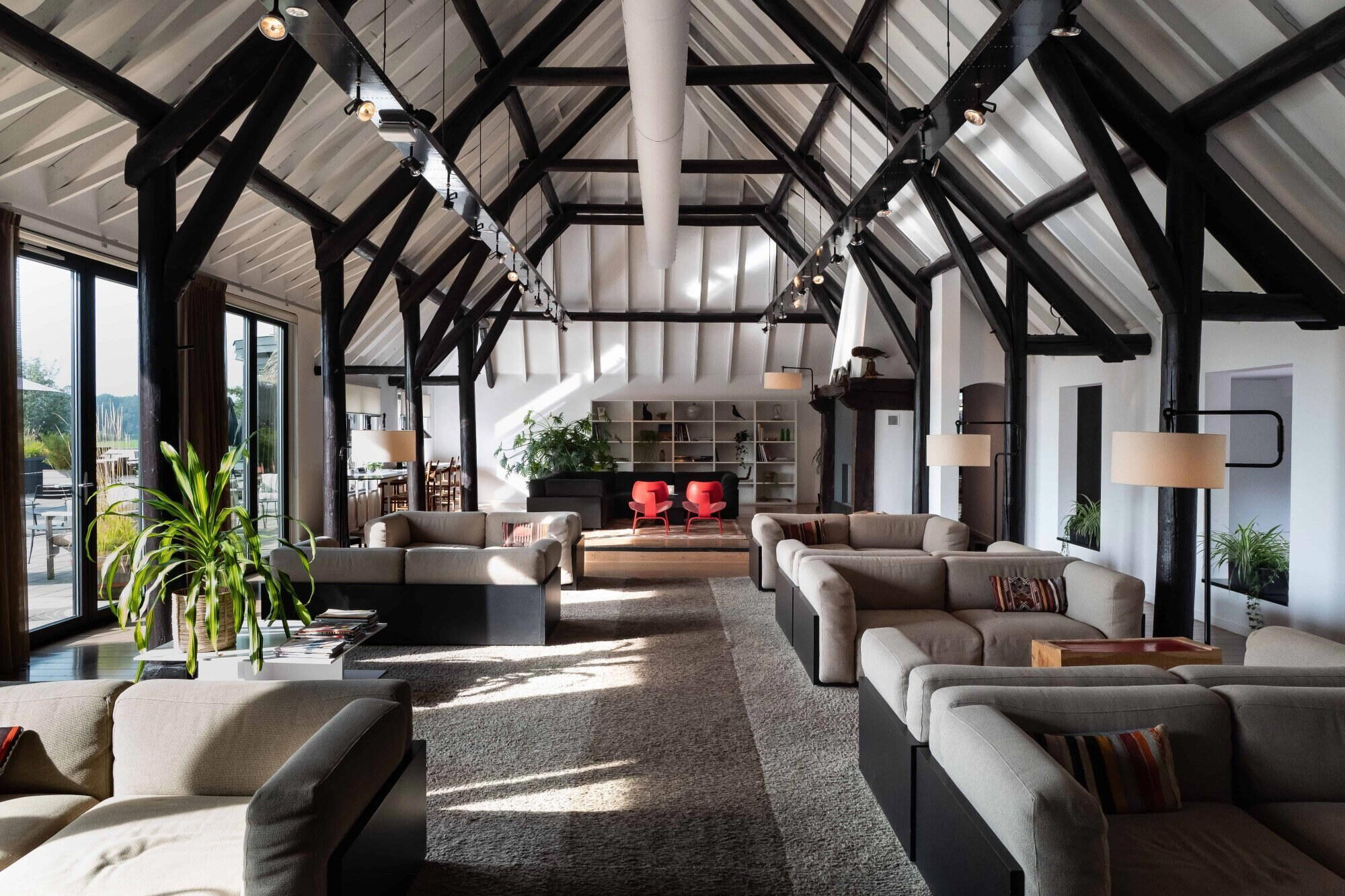
Rural Dutch hospitality in a province like Drenthe operates at a different tempo from city restaurants: expect attentive but unhurried service, low ambient noise, and a room where the agricultural surroundings are visible context rather than decorative afterthought. De Loohoeve sits in Schoonloo, a village with no particular dining district, which tends to concentrate local regulars and deliberate visitors rather than passing trade.
Is De Loohoeve worth the drive from Assen to Schoonloo?
Assen, the provincial capital of Drenthe, sits roughly fifteen kilometres north of Schoonloo, making the drive a short commitment by rural Dutch standards. For visitors already exploring the Drentsche Aa national landscape, De Loohoeve at Hoofdstraat 20 provides a logical dining stop rooted in the same agricultural territory. The distance alone is not the obstacle; the limited public transport links to Schoonloo mean a car is essentially required.
What's the best thing to order at De Loohoeve?
What the Drentsche Aa region does supply consistently is small-scale livestock farming and traditional land-use produce, which typically shapes what kitchens in this area put on the plate. Check directly with the restaurant for current offerings before visiting.
Side-by-Side Snapshot
| Venue | Cuisine | Price | Awards | Notes |
|---|---|---|---|---|
| De LoohoeveThis venue — the venue you are viewing | Dutch-French Bistro | $50–100 | Not listed | Not listed |
| De Librije | Modern Dutch Fine Dining | $200–300 | 3 Michelin Stars · World's 50 Best #46 | Modern Cuisine |
| De Nieuwe Winkel | Botanical Fine Dining | $300–500 | 2 Michelin Stars · La Liste Top Restaurants | Organic |
| De Lindenhof | Classic French Fine Dining | Not listed | 2 Michelin Stars · La Liste Top Restaurants | Creative |
| De Lindehof | Surinamese-Hindustani French Fusion | Not listed | 2 Michelin Stars · La Liste Top Restaurants | Contemporary Dutch, Creative |
| Fred | Modern French Fine Dining | $200–300 | 2 Michelin Stars · La Liste Top Restaurants | Creative French |
Continue exploring
More in Schoonloo
Restaurants in Schoonloo
Browse all →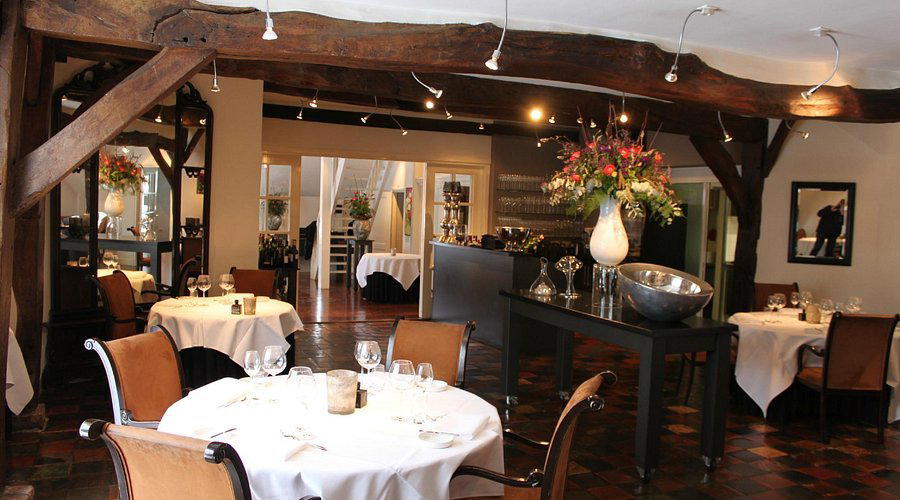
De Loohoeve
The wine
- Wine program
- Curated wine list
- Extensive wine list
Details
- Cozy
- Rustic
- Scenic
- Elegant
- Special Occasion
- Date Night
- Terrace
- Extensive Wine List
- Local Sourcing
- Garden
- A La Carte
- Vegetarian Friendly
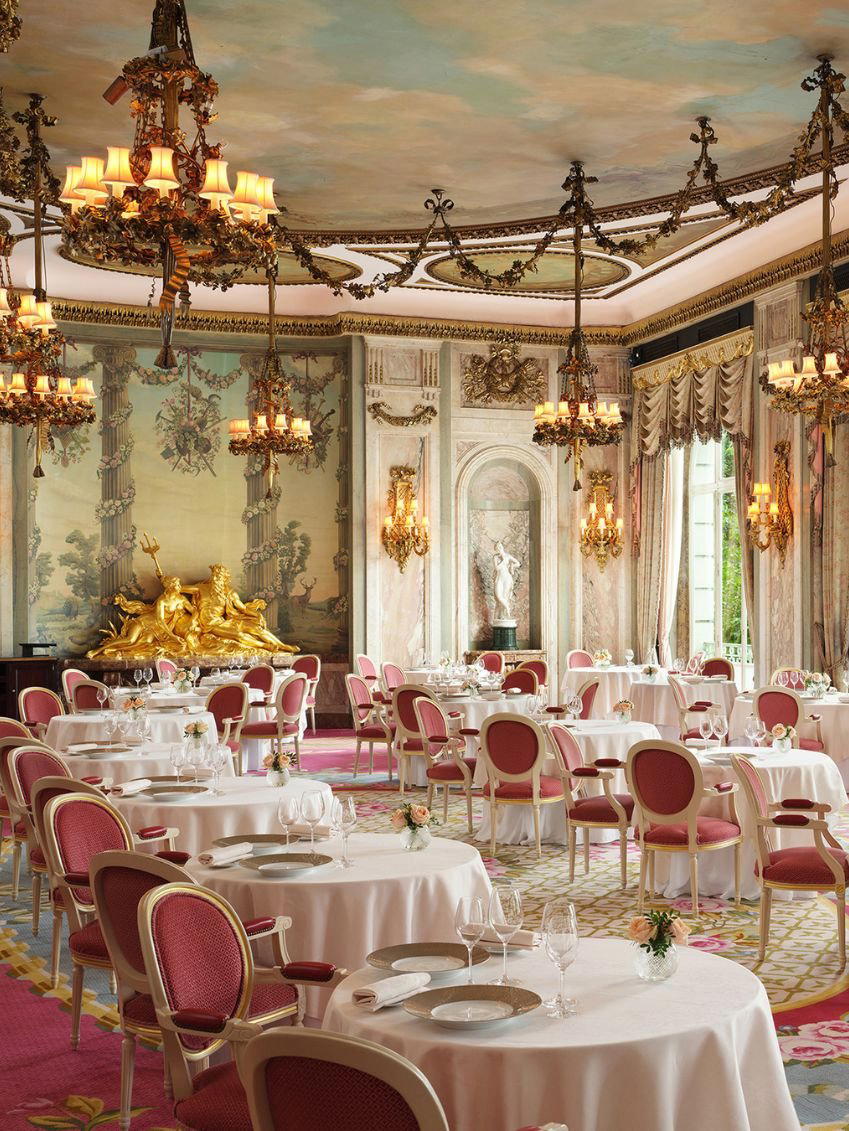
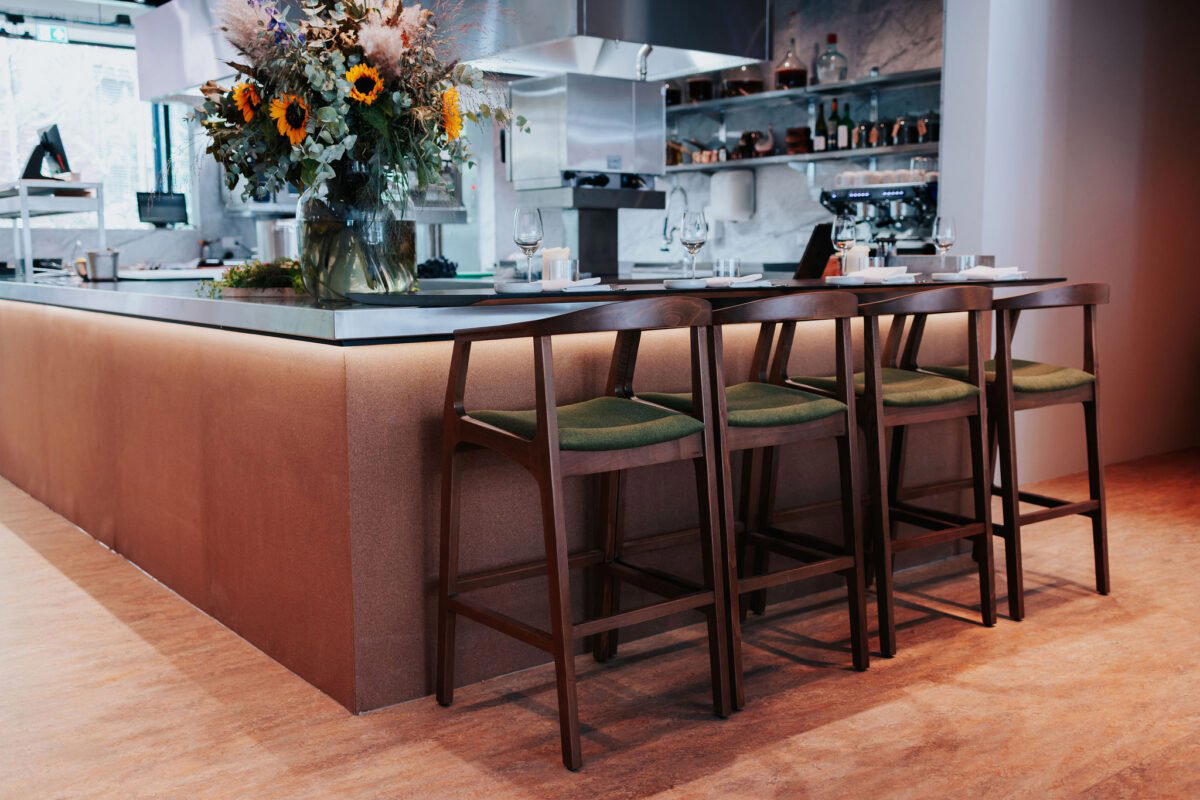
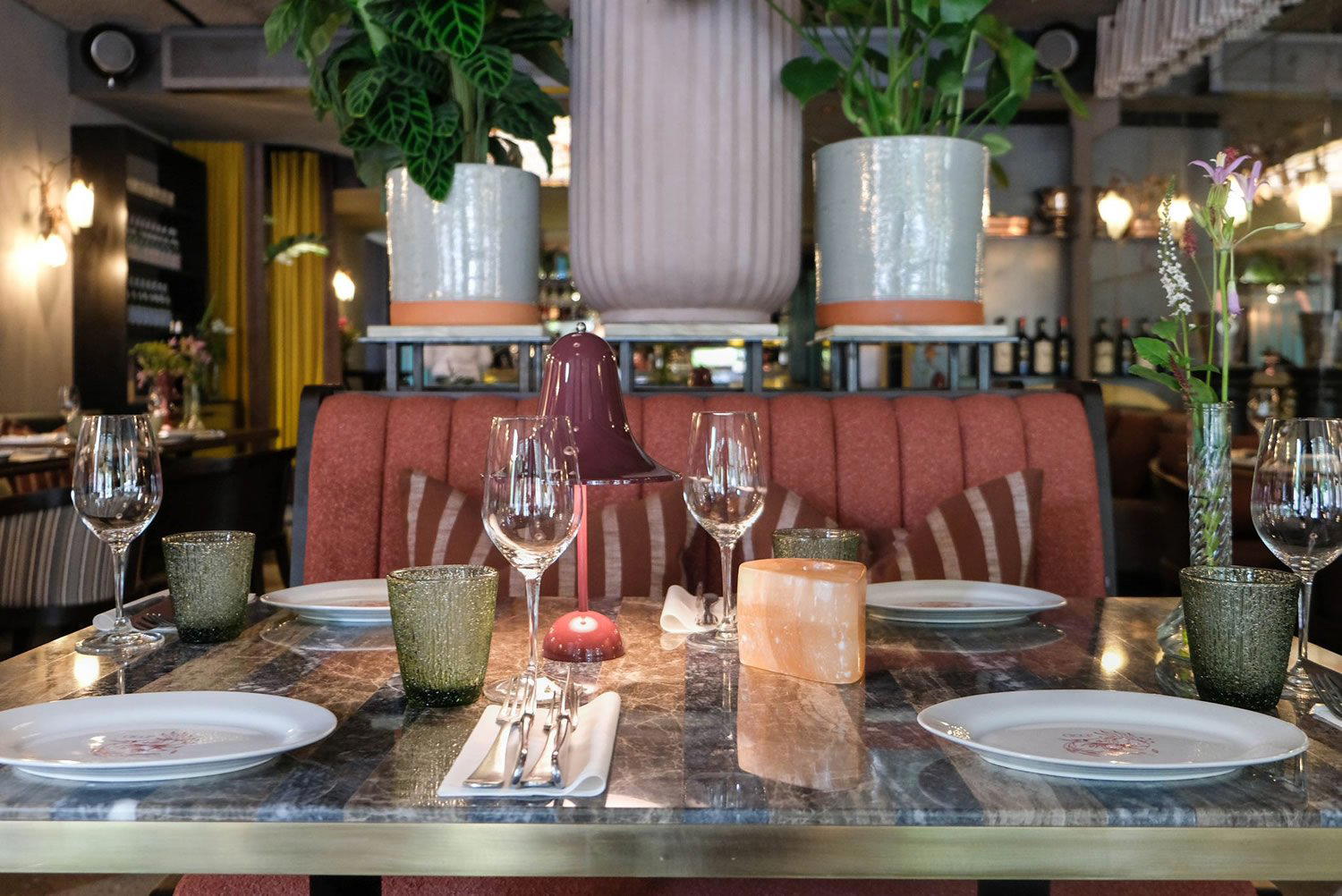
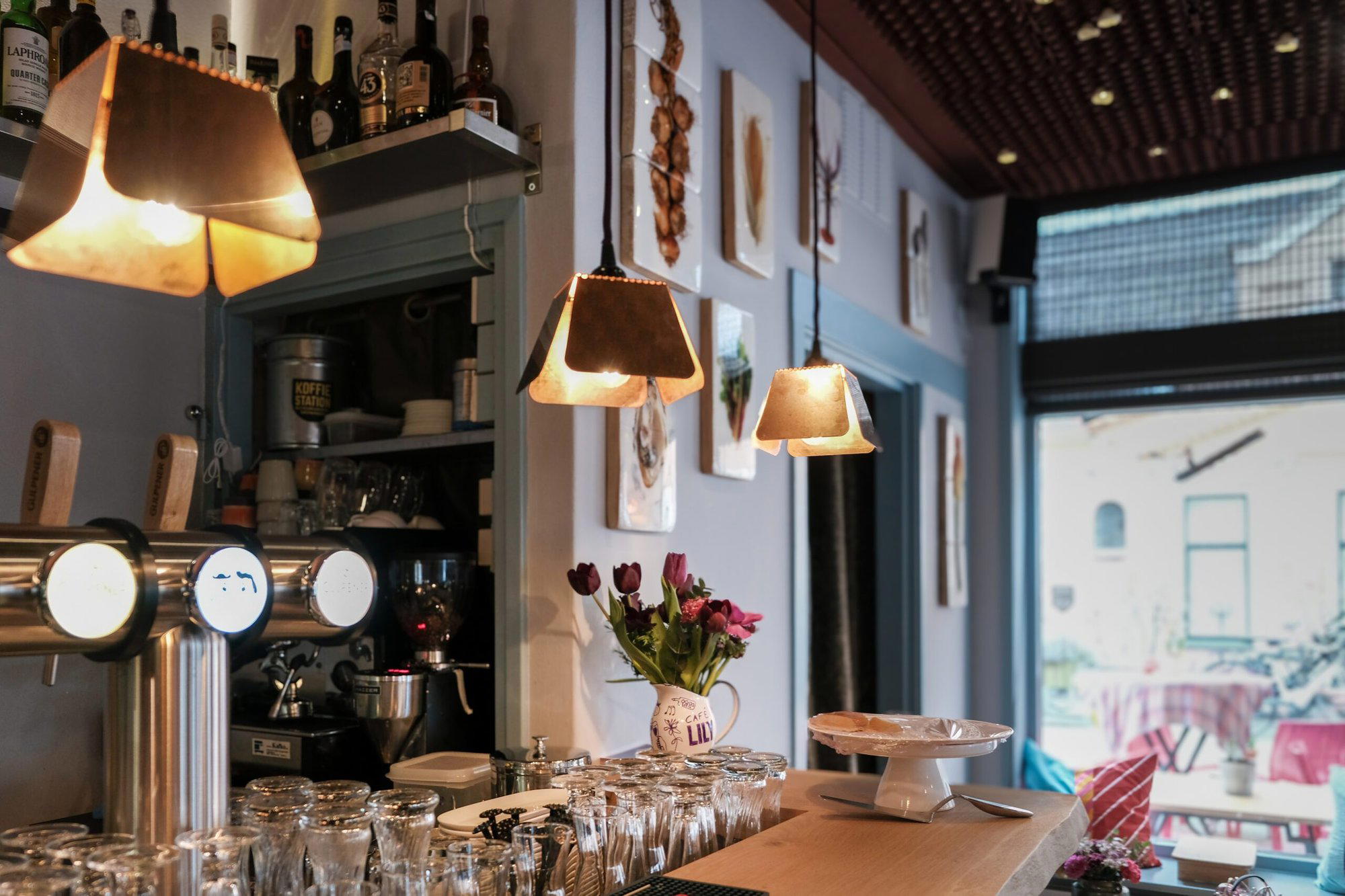
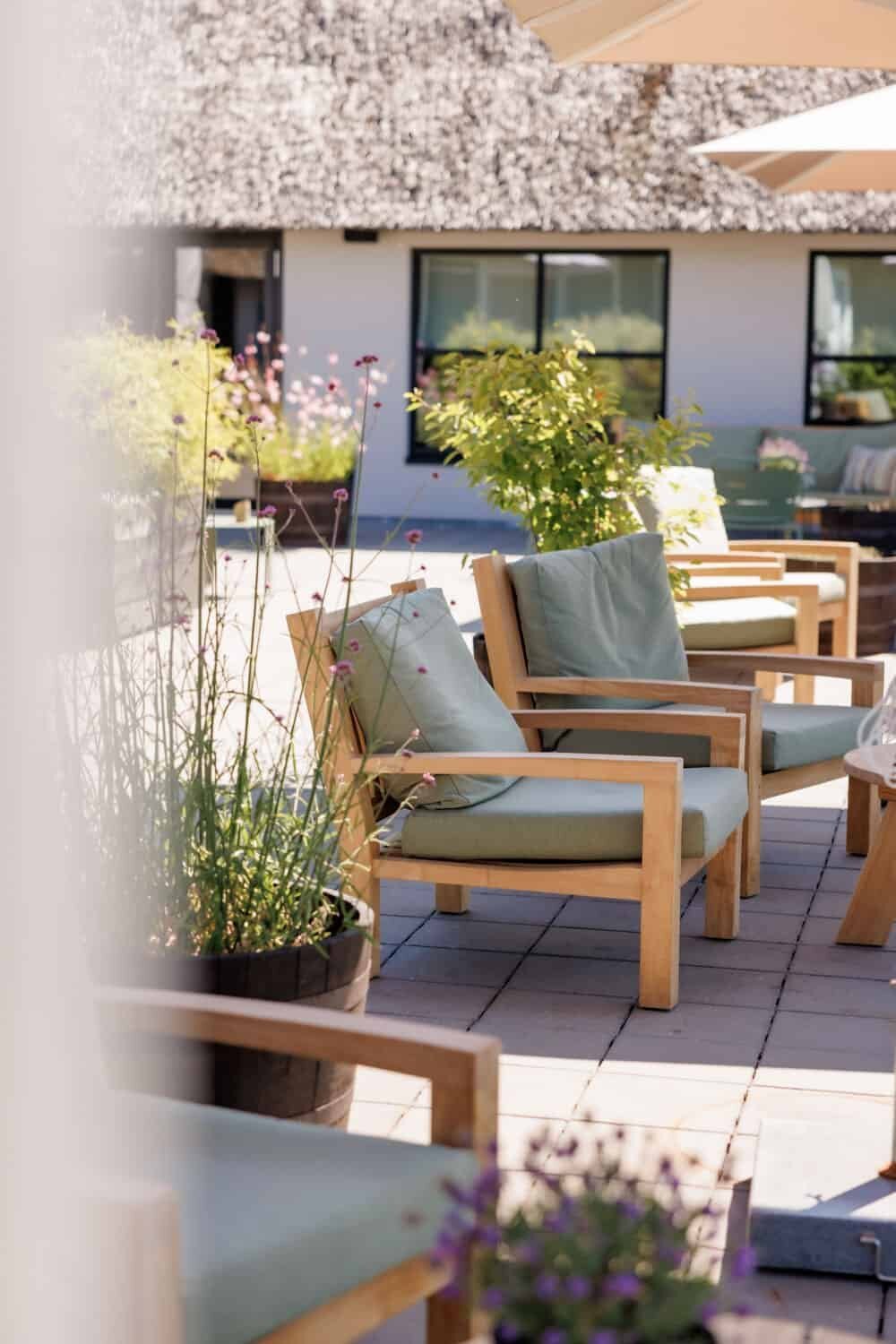
Warm bistro atmosphere with cozy, sfeervolle hotel ambiance and scenic terrace.