Steef.
Steef. occupies a address on Tweebaksmarkt in central Leeuwarden, joining a small tier of destination restaurants that have made the Frisian capital worth a detour. The restaurant fits into a local dining scene that has grown steadily more ambitious, sitting comfortably alongside neighbouring options without quite replicating any of them. Visitors planning a table here should book ahead and arrive with time to settle in.
Pearl is the En Primeur Club membership app — saves, bookings, and concierge access live there. Same editors, same standards.
- Address
- Tweebaksmarkt 47, 8911 KW Leeuwarden, Netherlands
- Phone
- +31630815678
- Website
- restaurant-steef.nl
- Directions
- Get directions
 Saves & bookings on Pearl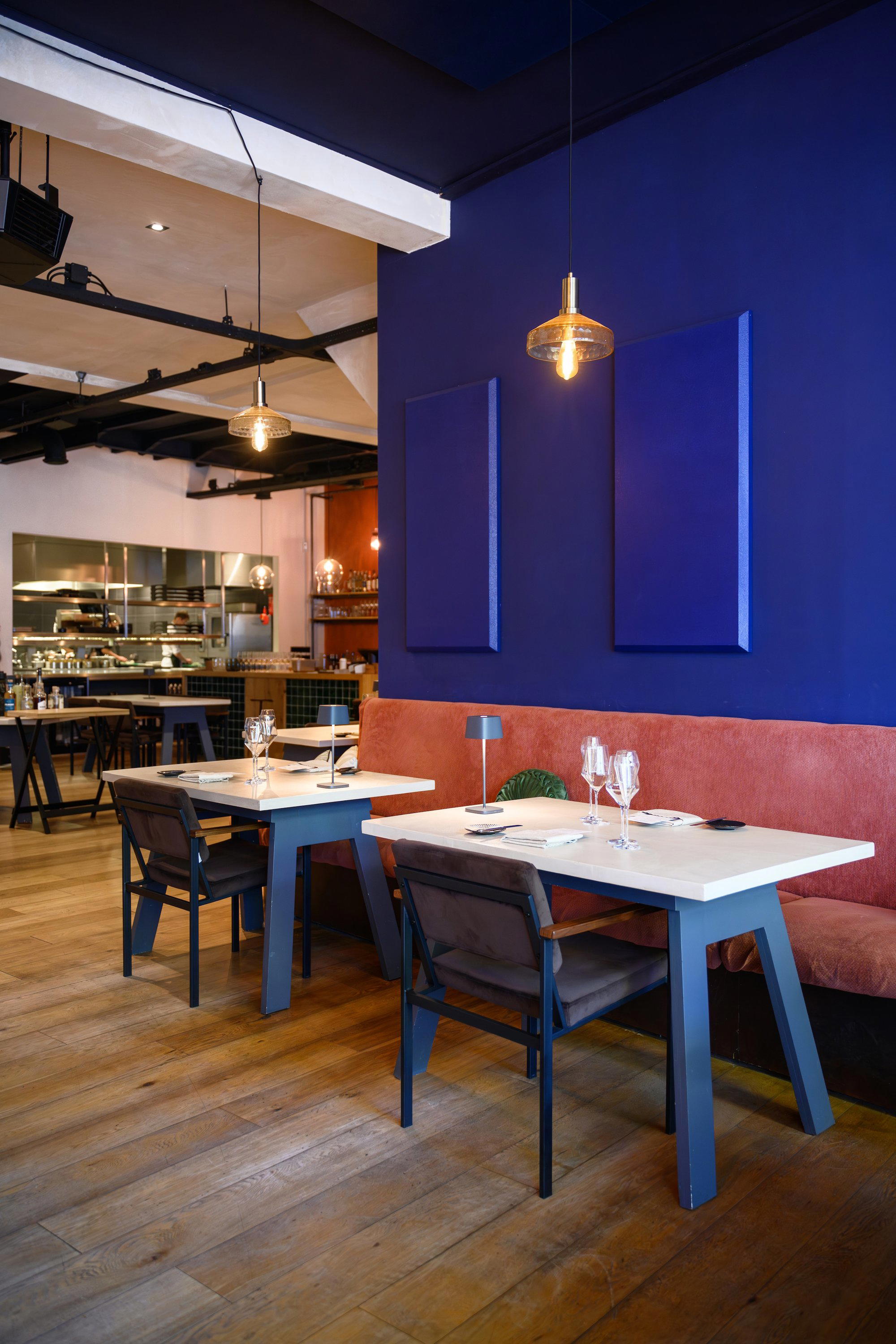
Tweebaksmarkt and the Dining Shift in Leeuwarden's Centre
Leeuwarden's central restaurant strip has changed character over the past decade. What was once a city known primarily as a regional administrative hub, overshadowed in culinary terms by Amsterdam and the bigger Dutch cities, has developed a more confident dining identity — partly a legacy of its 2018 European Capital of Culture year, which accelerated investment in hospitality infrastructure and brought lasting foot traffic from visitors who had never previously considered Friesland a food destination. Tweebaksmarkt, one of the older market squares threading through the city centre, sits within that evolving context. The address at number 47 places Steef. in a location that rewards those who know where to look — accessible, but not on the most obvious tourist circuit.
The square itself carries a quieter register than Leeuwarden's busier thoroughfares. Stone paving, canal-adjacent architecture, and the particular flat northern light that defines this part of the Netherlands combine to create an approach that feels unhurried before you have even reached the door. For a restaurant whose format appears pitched at an audience that values atmosphere as much as food, the physical setting does a significant amount of work.
Where Steef. Sits in Leeuwarden's Current Dining Tier
Leeuwarden's restaurant scene operates across a fairly well-defined set of price and format tiers. At the accessible end, casual European and international spots like Jamuna and Fellini Leeuwarden serve a broad local audience. In the mid-range, venues such as Bistro Aragosta (€€ · French) and Pecorino Wijn & Eetbar have established credible wine-forward formats that compete with comparable options in Groningen and Zwolle. Then there are spots like Burgemeester van Napels, which occupy a distinct casual niche. Steef. appears to operate in that mid-to-upper middle register, a bracket where format discipline, sourcing, and the overall experience of an evening matter more than sheer occasion dining.
This is, broadly, the most competitive tier in any regional Dutch city right now. The venues that succeed in it tend to combine a legible identity (a cuisine type, a service style, a room character) with enough flexibility to draw both local regulars and visitors making a specific trip. How well Steef. has executed that combination is something our full Leeuwarden restaurants guide tracks across the city's evolving options.
The Sensory Register: What the Room Communicates
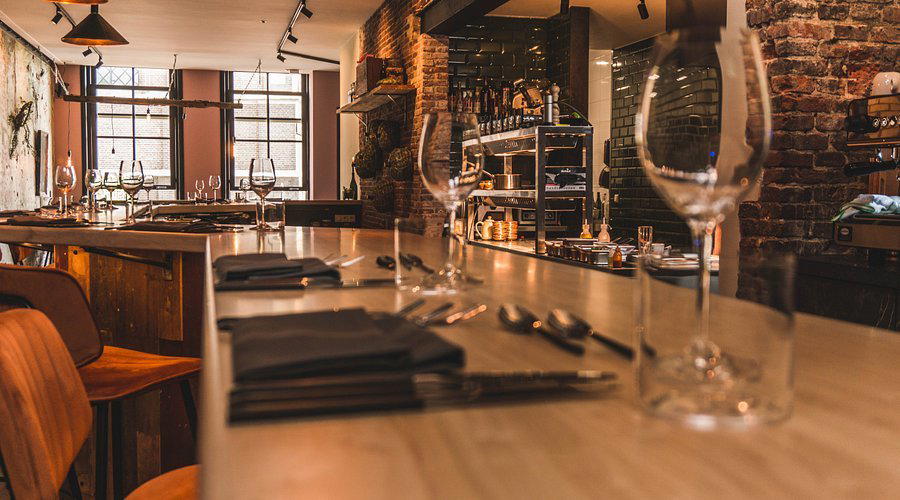
Dutch restaurant design in this price bracket has moved decisively away from the starched, ceremony-heavy rooms of an earlier generation. The prevailing aesthetic favours natural materials, raw oak, linen, unglazed ceramics, paired with lighting that flattens the distinction between afternoon service and a late evening. Sound levels tend to be calibrated for conversation rather than atmosphere-by-volume; the expectation is that the food and the company generate the energy, not a curated playlist at threshold-crossing levels.
Steef. positioned in a building stock characteristic of Leeuwarden's inner core, likely operates within some version of this template. The Tweebaksmarkt address suggests proportions that work in favour of intimacy, narrower canal-city building footprints tend to produce rooms that feel contained without feeling cramped. For a dining format built around attention to detail, that scale is an advantage rather than a limitation. The northern Dutch preference for restrained hospitality, where service is present and knowledgeable without being performative, fits this kind of room well.
Frisian Seasonality and What It Means for the Plate
Friesland's agricultural identity is among the most distinct in the Netherlands. Dairy production, lamb from the coastal clay polders, freshwater fish from the IJsselmeer, and a vegetable-growing tradition shaped by the flat, mineral-rich soil all feed into what regional kitchens can credibly put on a plate. The seasons here are pronounced: late autumn brings root vegetables and preserved ingredients; spring arrives with asparagus and the first lamb; summer opens up the herb and brassica range. Any kitchen in this region operating at a serious level is expected to reflect that calendar in its menu construction, and diners who visit in different seasons should expect meaningfully different dishes rather than a static menu cycled through the year.
This seasonal specificity is one of the reasons that northern Dutch restaurants, even those without the name recognition of De Librije in Zwolle or Aan de Poel in Amstelveen, can hold their own in critical terms. Proximity to distinctive ingredients is an argument in itself. Compared to urban Dutch kitchens that source from the same national wholesale networks, a Frisian kitchen with genuine regional supply relationships has a material advantage in ingredient quality and provenance narrative, a factor that matters increasingly to the audience these restaurants are trying to attract.
The broader Dutch fine dining conversation, driven by venues like Ciel Bleu in Amsterdam, De Nieuwe Winkel in Nijmegen, De Bokkedoorns in Overveen, and De Groene Lantaarn in Staphorst, has put regional sourcing at its centre. Steef. operates downstream of that conversation, in a city where the expectation of regional identity on the plate is now a baseline rather than a differentiator.
Planning a Visit: What to Know Before You Go
Steef. is located at Tweebaksmarkt 47 in central Leeuwarden, within walking distance of the main train station, which makes it accessible from Groningen (roughly 45 minutes by rail) and Amsterdam (under two hours via Zwolle) without requiring a car. For those combining a visit with other serious tables in the region, options including 't Nonnetje in Harderwijk, Brut172 in Reijmerstok, or De Lindenhof in Giethoorn and De Lindehof in Nuenen can be woven into a northern or central Netherlands itinerary. For international context, the format Steef. represents has parallels in how destination-serious restaurants at venues like Le Bernardin in New York City or Atomix in New York City position themselves relative to their city's dining culture, specific, considered, and operating with a clear sense of audience.
Booking directly is advisable, particularly on weekends when Leeuwarden draws visitors from across the northern provinces. The city's accommodation stock has expanded since 2018, and a Friday or Saturday reservation should be secured at least two to three weeks in advance for peak season, which in this part of the Netherlands runs from late spring through early September.
How Steef. Leeuwarden compares with similar nearby venues.
| Venue | Cuisine | Price |
|---|---|---|
| Restaurant Eindeloos | Modern Cuisine | €€€ |
| Bistro Aragosta | French | €€ |
Continue exploring
More in Leeuwarden
At a Glance
- Intimate
- Elegant
- Sophisticated
- Date Night
- Special Occasion
- Celebration
- Open Kitchen
- Historic Building
- Standalone
- Craft Cocktails
- Sommelier Led
- Local Sourcing
Current opening hours
- Monday
- Closed
- Tuesday
- Closed
- Wednesday
- 6 PM–12 AM
- Thursday
- 6 PM–12 AM
- Friday
- 6 PM–12 AM
- Saturday
- 12 PM–12 AM
- Sunday
- Closed
Hours can change for holidays and private events. Last verified .
Warm, welcoming atmosphere in a historic monumental building with refined, filigree plating and professional yet relaxed service; intimate setting conducive to focused dining experiences.
Know Before You Go
- Getting there
- Tweebaksmarkt 47, 8911 KW Leeuwarden, Netherlands