De Koolputten

Michelin Plate
Our verdict
De Koolputten holds a Michelin Plate for 2024 and 2025, placing it inside a recognisable tier of French Contemporary cooking in the Waasland region. The address — a rural road outside Waasmunster's village core — sets the tone before you arrive: this is not a city-centre operation. At the €€€ price point, it represents one of the more considered options in a province better known for casual dining than formal French technique.

Pearl is the En Primeur Club membership app — saves, bookings, and concierge access live there. Same editors, same standards.
- Address
- Koolputten 2, 9250 Waasmunster, Belgium
- Phone
- +32 52 50 60 60
- Website
- dekoolputten.be
- Directions
- Get directions
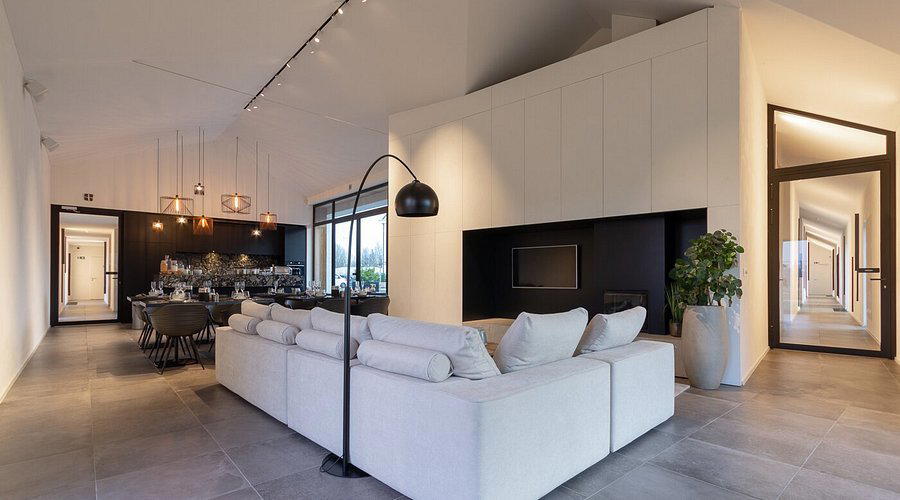
French Contemporary Cooking at the Edge of the Waasland
The approach to Waasmunster along the Koolputten road gives little away. The Waasland is flat agricultural country between Ghent and Antwerp, a corridor of farmland and canal towns that does not advertise itself the way Belgium's more celebrated dining regions do. Yet that geography is precisely the context in which to read De Koolputten. French Contemporary cooking planted in a rural Flemish setting is not unusual in Belgium — the country has a long tradition of ambitious kitchens operating far outside the major cities, from Hof van Cleve in Kruishoutem to Boury in Roeselare — but each setting carries its own implications about sourcing, pace, and what the kitchen treats as a reference point.
De Koolputten has held a Michelin Plate in both 2024 and 2025, a signal that the Guide's inspectors consider the cooking worthy of attention even if it has not yet crossed into the starred tier. The Michelin Plate designates restaurants with good cooking, sitting below the starred categories but above the general population of listed addresses. In Belgium's dense competitive field, where Castor in nearby Beveren carries two stars and Cuchara in Lommel operates at two stars in the €€€€ bracket, holding a Plate at the €€€ price point positions De Koolputten as the serious local option for diners who want French technique without the price escalation that defines the starred tier.
Terroir and the Waasland Table
The editorial angle that French Contemporary cooking demands, particularly in a rural Belgian context, is provenance. Belgium's leading kitchens have increasingly oriented around regional identity: the polders near the coast, the Ardennes forests, the river valleys of the interior. The Waasland, with its market gardens, waterway systems, and proximity to the Scheldt, offers its own agricultural character. French Contemporary cuisine in this setting works well when the technique serves the ingredient rather than overriding it, when the classical framework becomes a way of clarifying what the land produces rather than imposing an imported identity onto it.
The price tier at €€€ also suggests a kitchen working with serious produce without the cost structure that grand-format starred menus require. For comparison, addresses in the €€€€ bracket like Boury or Zilte in Antwerp are making different economic calculations about sourcing and labour. The €€€ position leaves room for a tighter, more focused menu built around what is available locally and seasonally.
That pattern, regional produce channelled through French technique at a price point that keeps the operation accessible, is what has sustained many of Belgium's most respected smaller kitchens over the past two decades. It is the model that made the country's rural dining tradition worth following in the first place.
Where De Koolputten Sits in the East Flanders Scene
East Flanders as a dining region is anchored by Ghent at one end and the Antwerp metropolitan influence at the other, with Waasmunster sitting in the in-between. The town itself does not have a large critical mass of high-end restaurants, which means De Koolputten operates in a relatively uncrowded local competitive set. Waasmunster's other notable addresses include Sense, which takes a Modern French approach, and Roosenberg, which works in a more traditional register. Against those peers, De Koolputten's French Contemporary positioning and consecutive Michelin Plate recognition make it the address with the clearest external validation in the immediate area.
Beyond Waasmunster, the comparison set widens. French Contemporary as a category runs across a broad range internationally, from Amber in Hong Kong to Odette in Singapore, but the Belgian expression of the genre has its own character, shaped by proximity to France, access to exceptional produce, and a dining culture that has always valued substance over spectacle. De Koolputten, as a Plate-level address in a rural Flemish setting, represents the regional variant of that tradition: technically grounded, not theatrically ambitious, oriented toward the table rather than the performance.
For diners approaching from Antwerp or Ghent, the context of the Waasland drive itself is part of the proposition. This is not the same proposition as a city restaurant where the neighbourhood provides its own energy. The rural address asks something of the guest, a deliberate decision to make the trip, and that tends to filter toward a particular kind of diner: one who is coming specifically for the food.
At over a thousand data points, the score reflects a broad and sustained pattern of positive experience rather than a clustering of enthusiast responses. For a restaurant at the €€€ tier in a rural Belgian location, that volume also indicates consistent draw over time: diners are making the trip, returning, and bringing others. Belgian addresses at higher price points and starred level, such as Bozar Restaurant in Brussels
Planning a Visit
De Koolputten is at Koolputten 2, 9250 Waasmunster, in East Flanders. The €€€ pricing positions it in the mid-upper range for the region, below the €€€€ starred tier represented by addresses like Castor in Beveren or Cuchara in Lommel, and above casual local dining. For those planning a broader East Flanders visit maps the town's dining options in full context. Complementary planning resources include, and the Waasmunster experiences guide for a fuller picture of the area. Diners specifically interested in wine destinations in. Contacting the restaurant directly in advance of any visit is the reliable approach. Those travelling from further afield and connecting De Koolputten to other notable Belgian addresses might also consider d'Eugénie à Emilie in Baudour and Willem Hiele in Oudenburg as part of a broader East Belgium and Flemish coastal itinerary.
Frequently asked questions
How much does it cost to eat at De Koolputten?
Pricing at De Koolputten is listed as €€€.
Do I need a reservation for De Koolputten?
At €€€ pricing and Michelin Plate recognition for two consecutive years, De Koolputten draws a committed local and regional audience from the Ghent–Antwerp corridor. Booking ahead is advisable, particularly for weekend service. The address is Koolputten 2, 9250 Waasmunster.
What's De Koolputten best at?
De Koolputten's Michelin Plate in both 2024 and 2025 signals consistent kitchen execution in the French Contemporary register. Its positioning in Waasmunster, between Ghent and Antwerp, puts it among the more serious dining options in East Flanders outside the two main cities, at a price point that sits below the region's starred establishments.
At-a-Glance Comparison
| Venue | Cuisine | Price | Awards |
|---|---|---|---|
| De KoolputtenThis venue — the venue you are viewing | French Contemporary Fine Dining | $50–100 | Michelin Plate |
| Boury | Modern Frlemish, Creative French | Not listed | Michelin 3 Star |
| Comme chez Soi | French - Belgian, Classic Cuisine | Not listed | Michelin 1 Star |
| Hertog Jan at Botanic | Modern Flemish, Creative | Not listed | Michelin 2 Star |
| L'Eau Vive | French, Modern French | Not listed | Michelin 2 Star |
| La Durée | French-Belgian, Creative | Not listed | Michelin 2 Star |
Recognition history
Dated appearances from independent guides and award organizations, with the underlying list record or original source where available.
Michelin Plate
Michelin
Full recognition history (2 entries)
Michelin Plate
Michelin
Continue exploring
More in Waasmunster
Restaurants in Waasmunster
Browse all →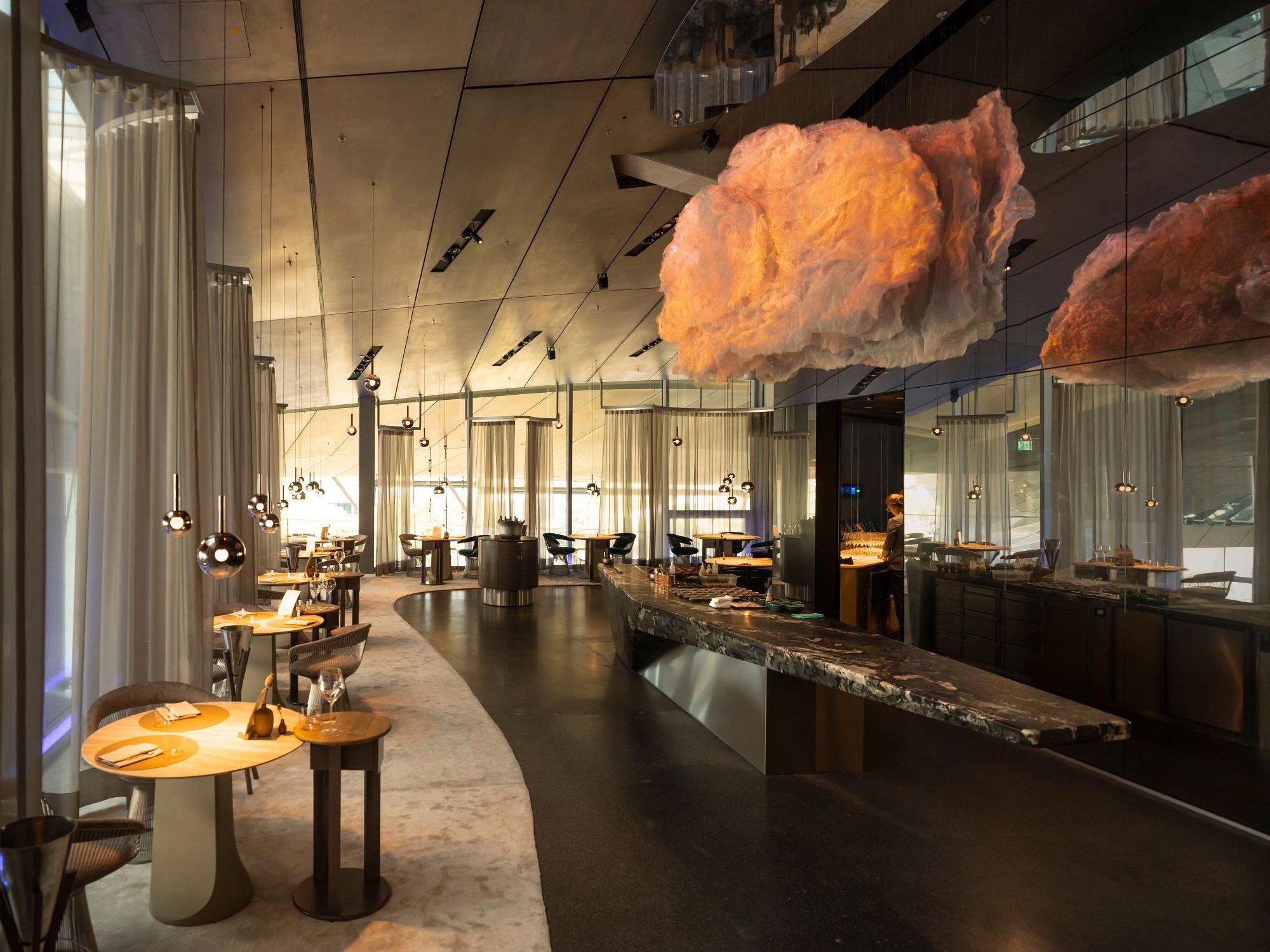
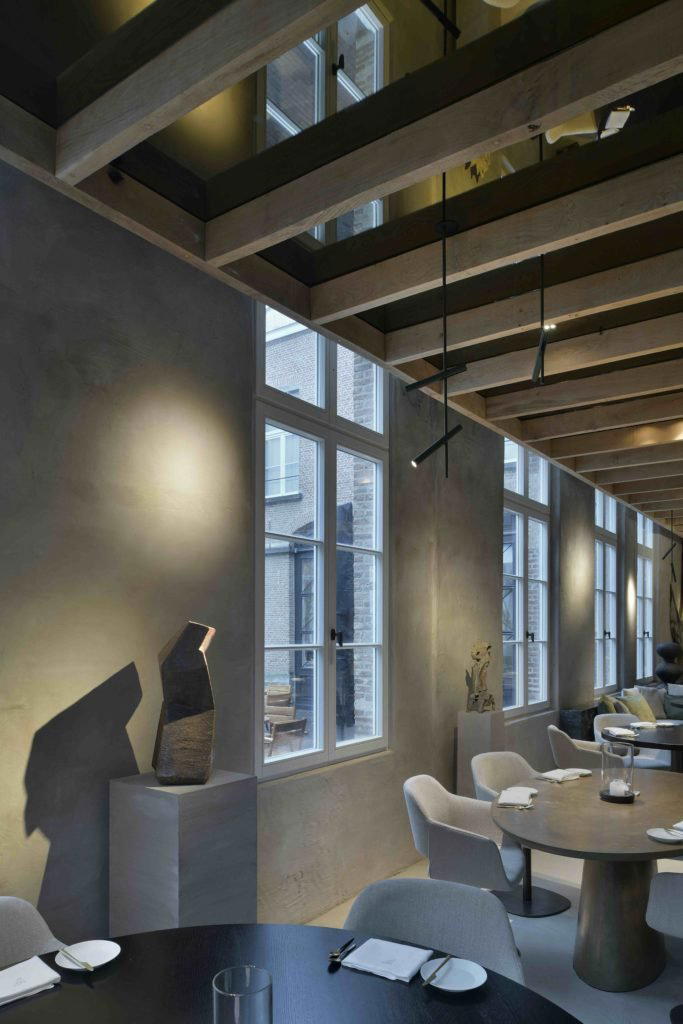
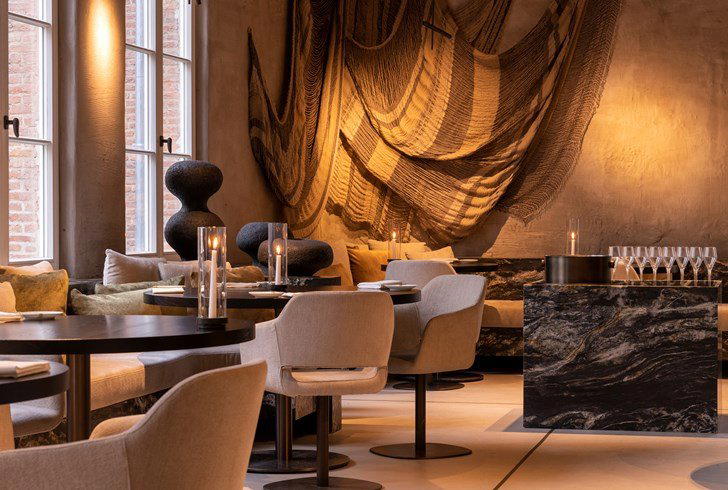
Bars in Waasmunster
Browse all →
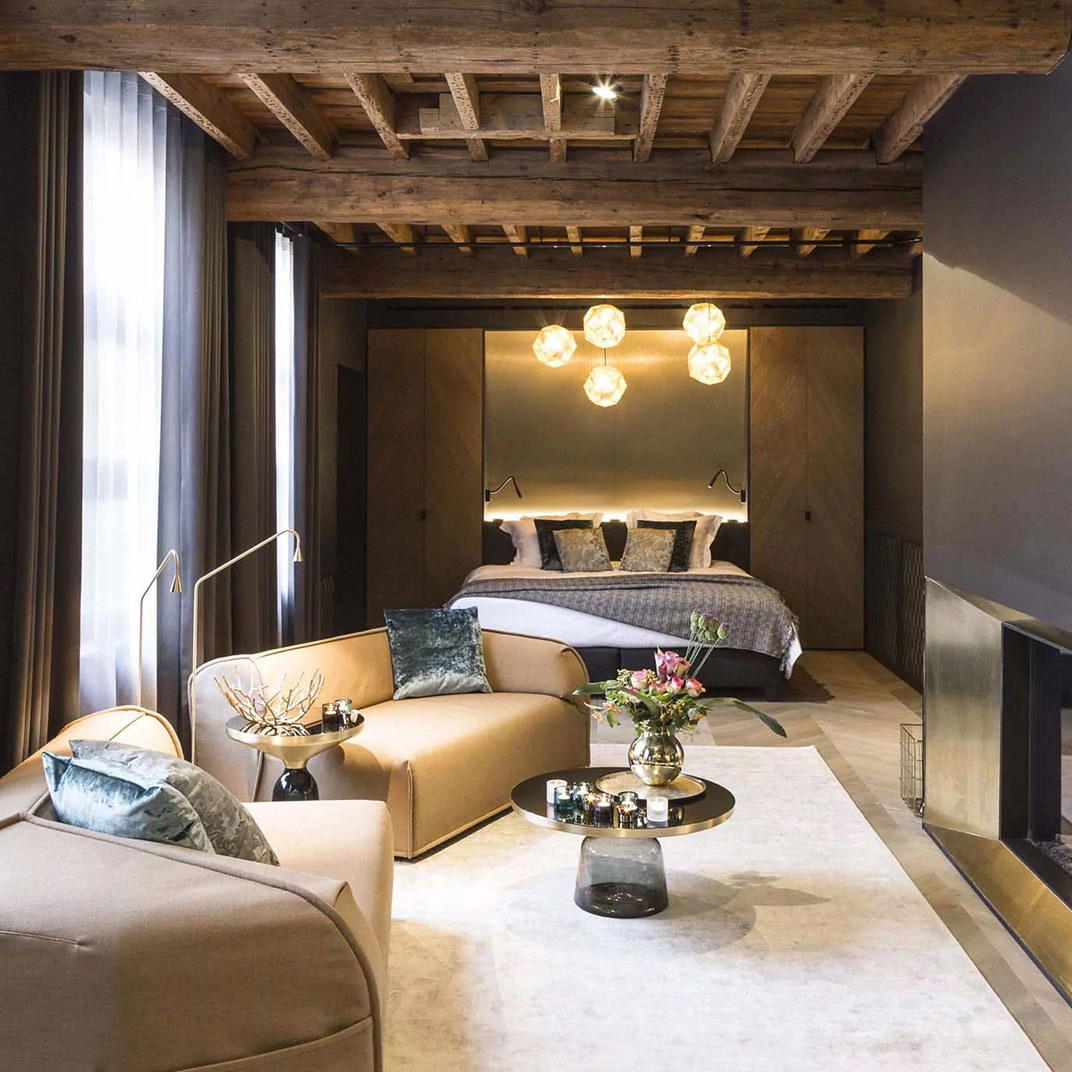
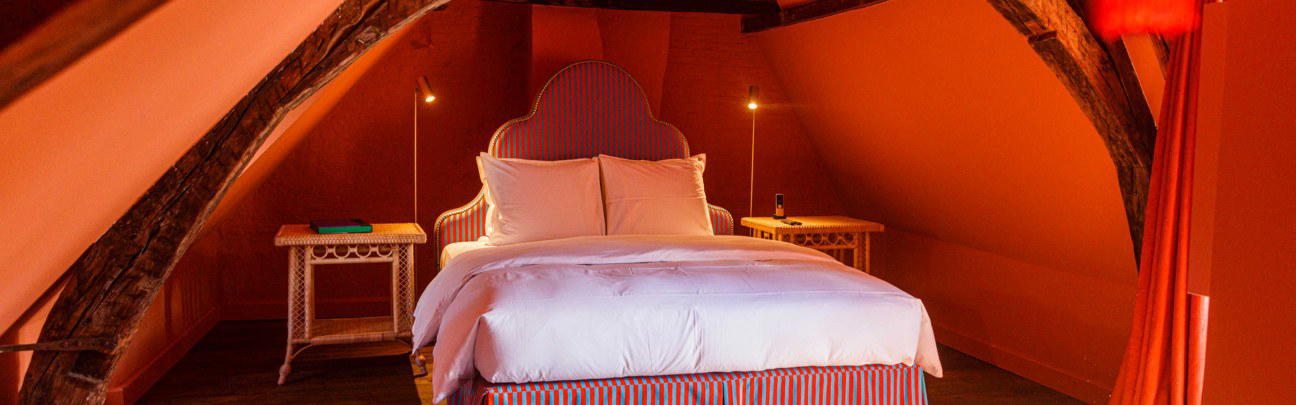
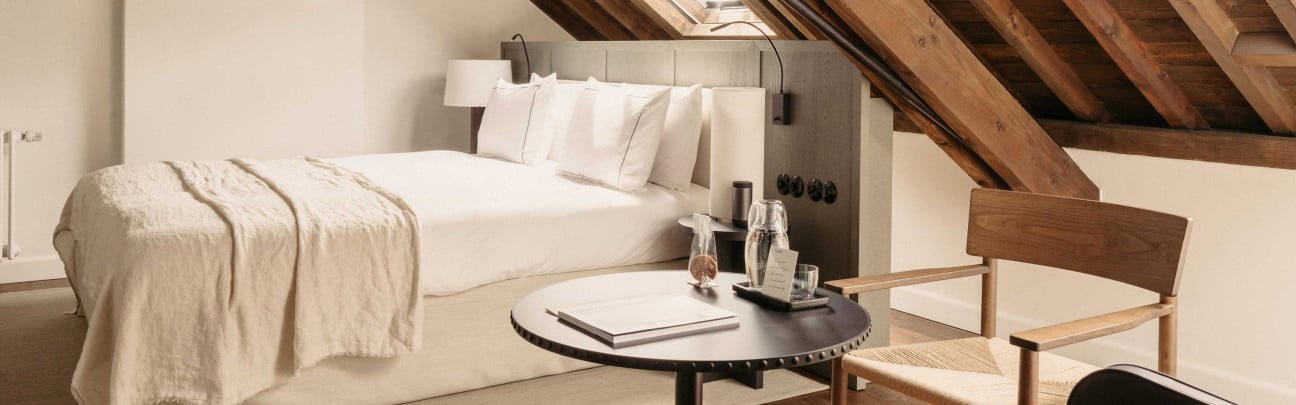
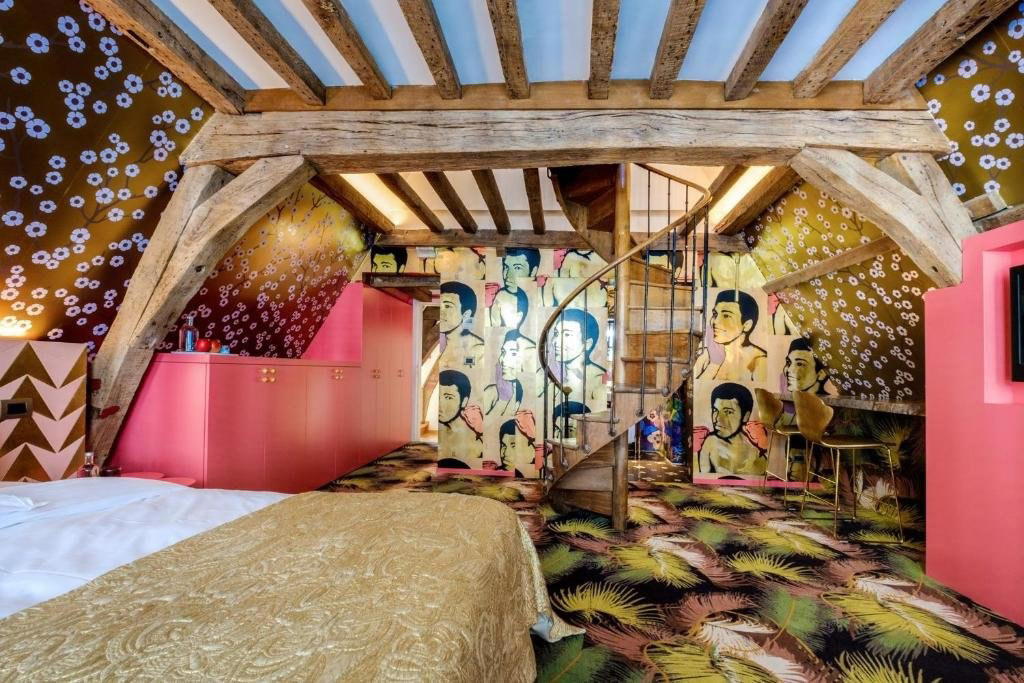
De Koolputten
The wine
- Wine program
- Curated wine list
- Extensive wine list
Details
- Modern
- Elegant
- Scenic
- Intimate
- Date Night
- Special Occasion
- Waterfront
- Historic Building
- Extensive Wine List
- Local Sourcing
- Waterfront
- Tasting Menu
- A La Carte
- Vegetarian Friendly
- Gluten Free Options
- Vegan Options
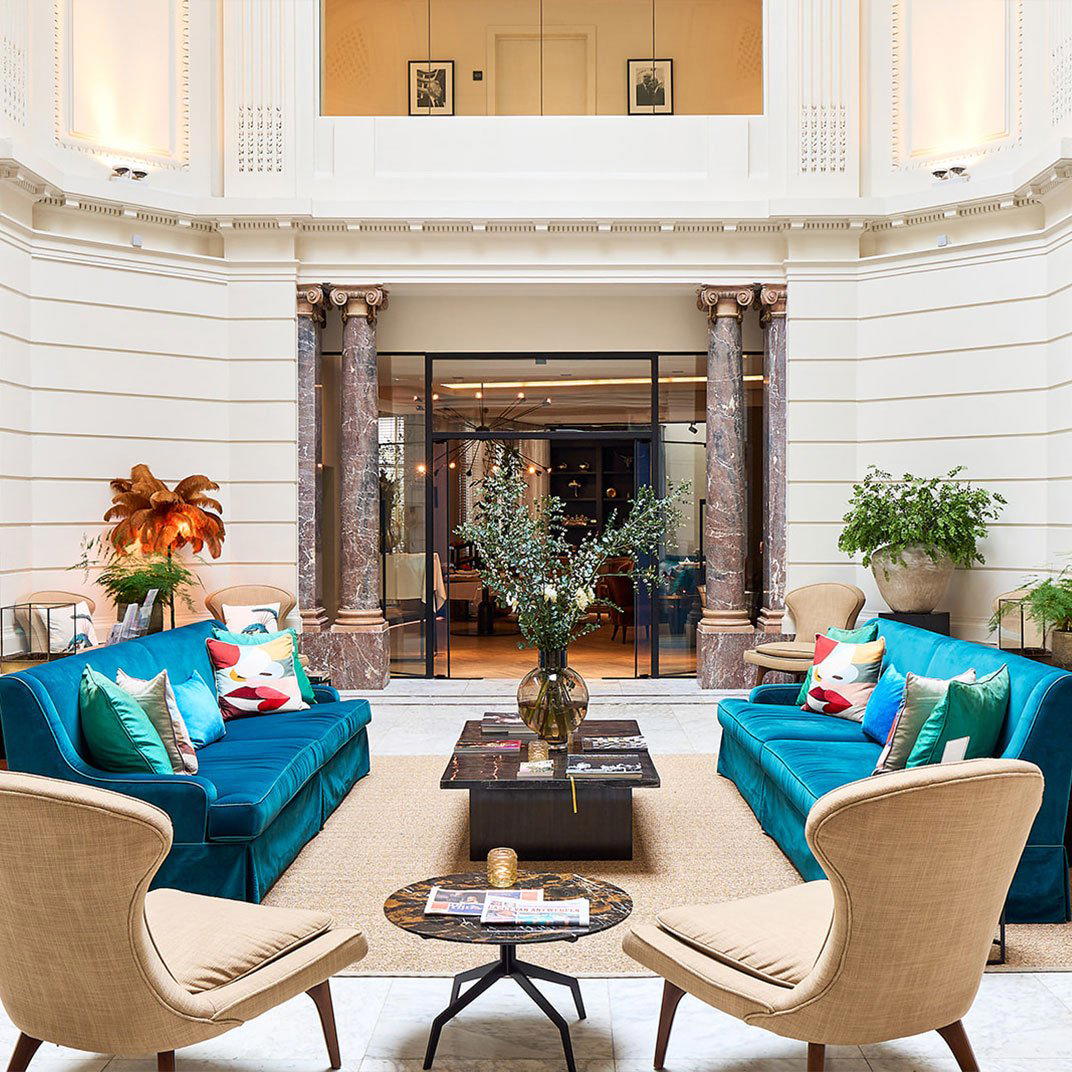
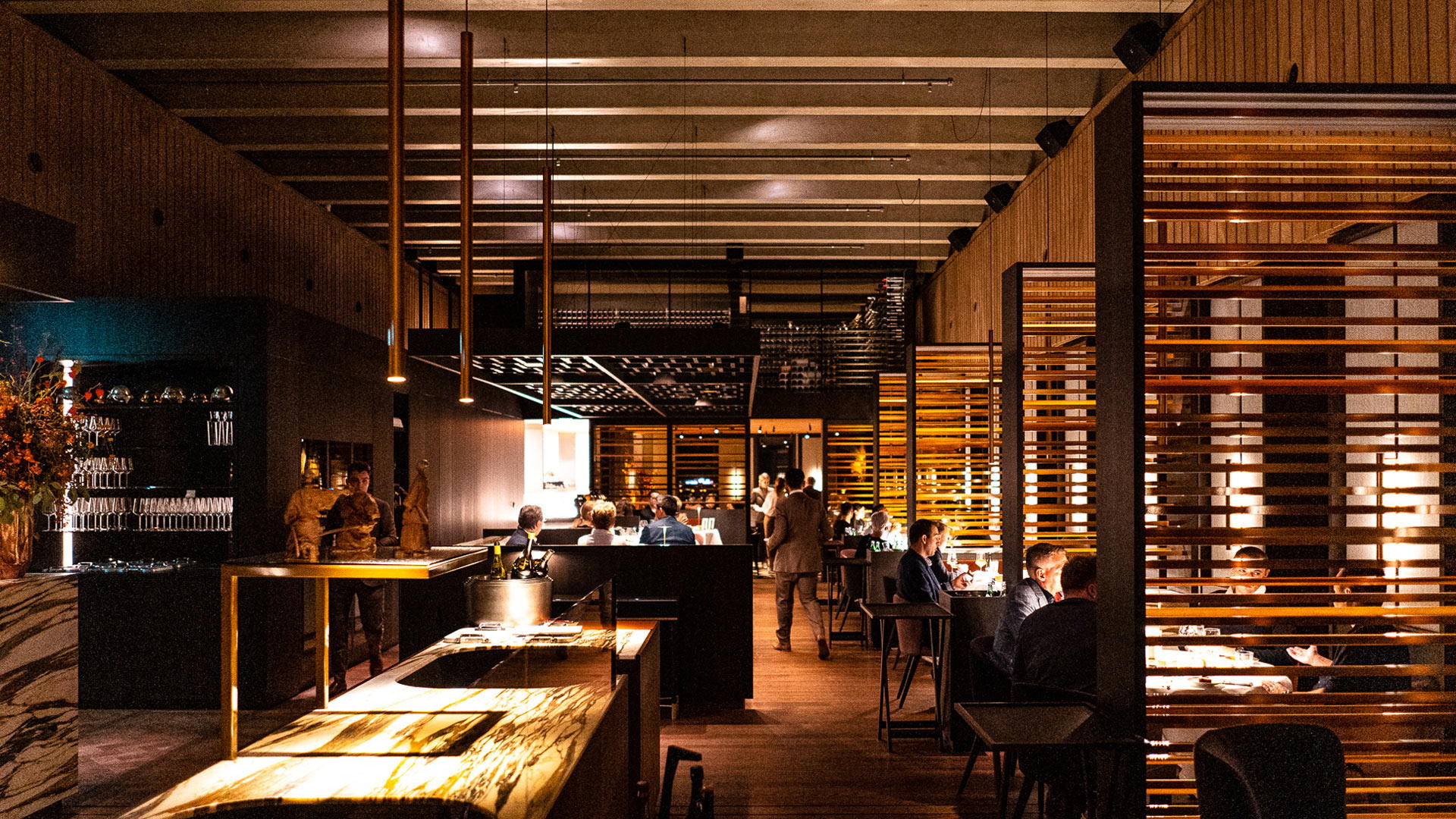
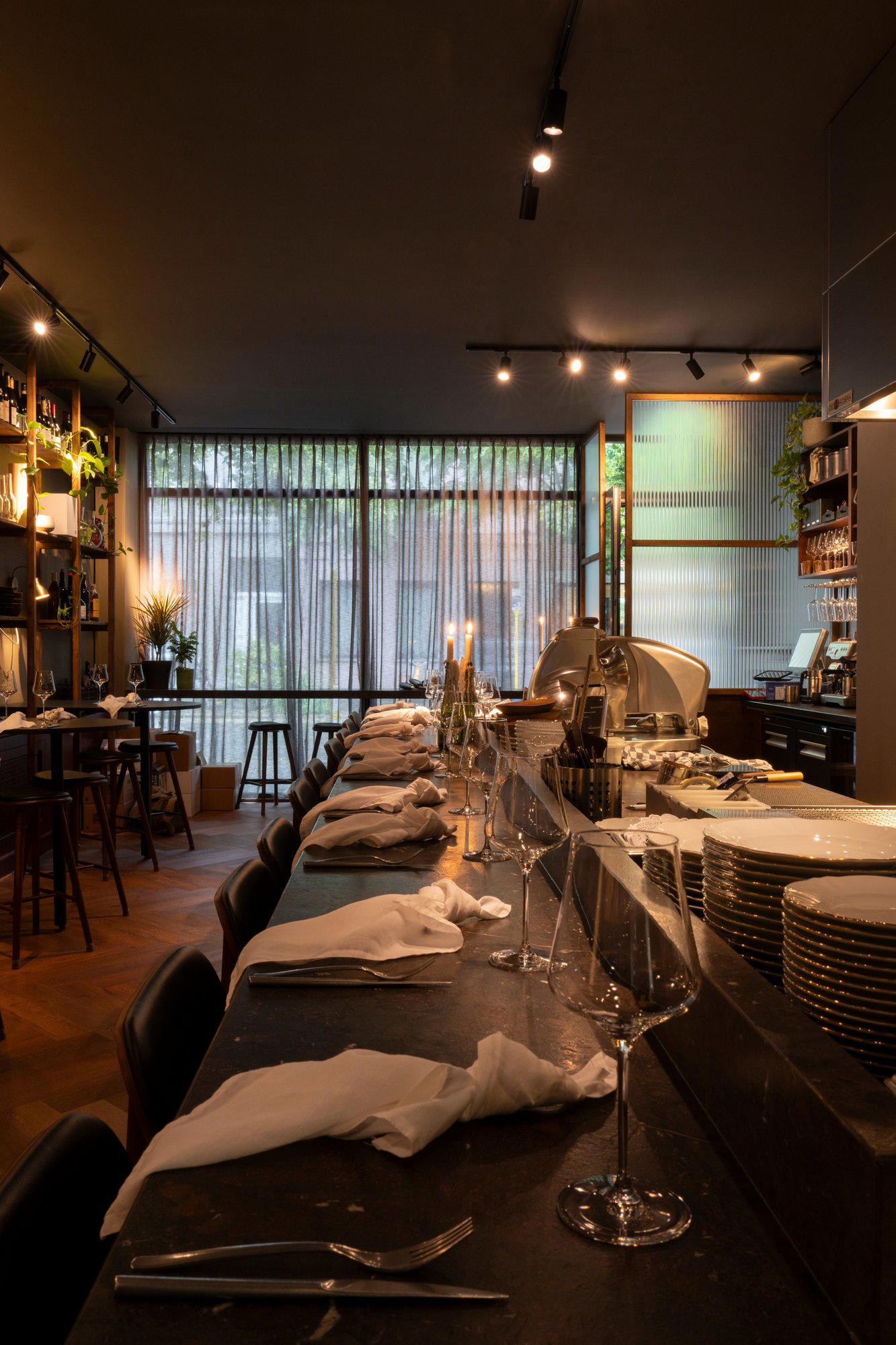
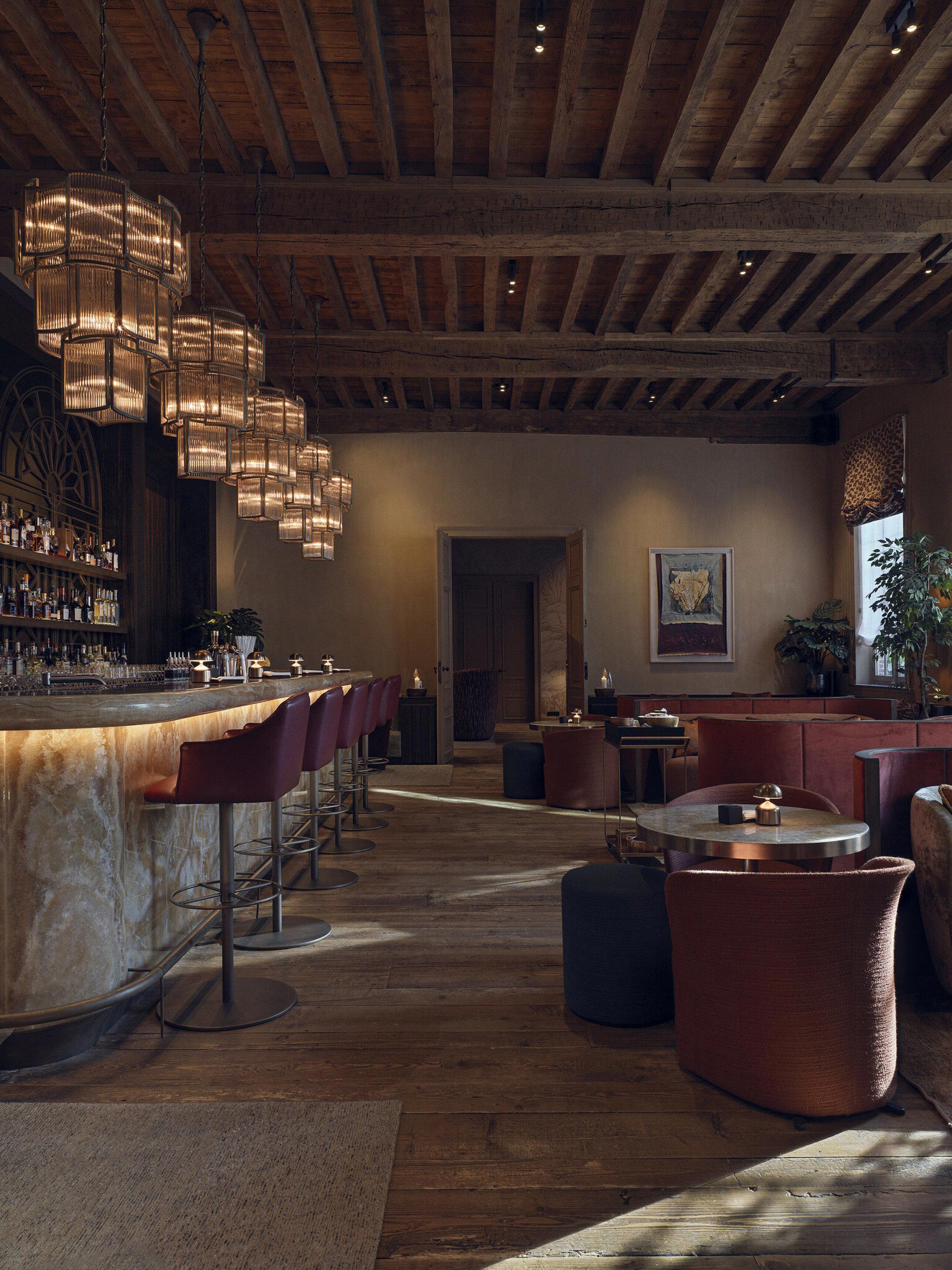
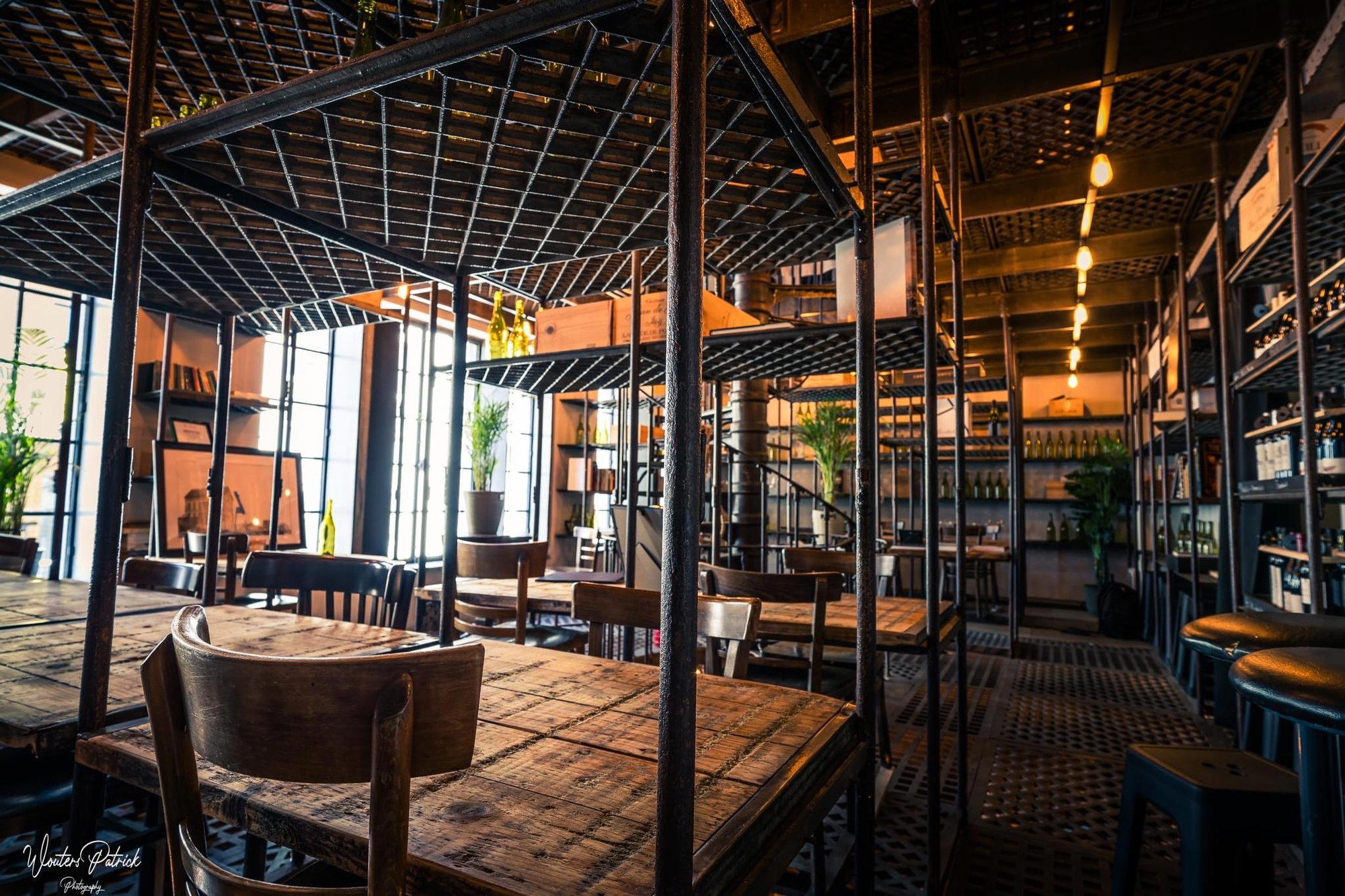
Trendy and pleasant modern interior with high ceilings, sleek design in black and blue tones, open feel, and beautiful waterfront views.