Roosenberg

Roosenberg holds a Michelin Plate recognition for 2024 and 2025, placing it within Waasmunster's small but serious dining scene. The kitchen works in the traditional cuisine register, a category that prizes technique and product fidelity over novelty.
Pearl is the En Primeur Club membership app — saves, bookings, and concierge access live there. Same editors, same standards.
- Address
- Patotterijstraat 1, 9250 Waasmunster, Belgium
- Phone
- +32 3 722 06 00
- Website
- roosenberg.be
- Directions
- Get directions
 Saves & bookings on Pearl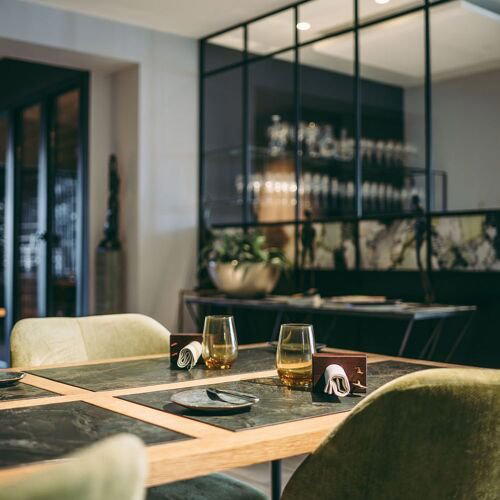
Traditional Cooking in the Flemish Countryside
Belgium's most celebrated restaurants tend to cluster around Antwerp, Ghent, and the coast, where peer density and urban foot traffic sustain ambitious kitchens. The Waasland region, by contrast, has always operated on a different rhythm. In a municipality like Waasmunster, a serious restaurant doesn't compete with a dozen neighbours for the same cover; it becomes, instead, a fixed point for a loyal catchment that takes the table seriously. Roosenberg, at Patotterijstraat 1, occupies exactly that position: a traditional cuisine address holding Michelin Plate recognition in both 2024 and 2025, drawing a consistent crowd in a setting defined by Flemish countryside rather than city-centre visibility.
The Michelin Plate is a marker worth parsing. It sits below the star tiers but represents an explicit editorial endorsement from the guide: kitchens that receive it are, in the guide's assessment, producing food worth the detour. Across Belgium, the Plate cohort is sizeable, but the consistency of back-to-back recognition in 2024 and 2025 signals a kitchen operating at a stable level rather than a one-cycle anomaly. In a region without the concentration of fine dining found in Antwerp's Zilte or the creative ambition of Boury in Roeselare, that consistency carries particular weight.
What Traditional Cuisine Means Here
The traditional cuisine designation in Belgian fine dining is neither nostalgic nor static. It describes a specific culinary stance: one that prioritises classical technique, product provenance, and the discipline of doing familiar things with care rather than chasing novelty through format or concept. Across Western Europe, this register has become more contested as diners and critics alike gravitate toward the theatrical or the avant-garde. Yet Belgium has a particularly coherent lineage of traditional cooking, rooted in French-Belgian hybridity and a deep respect for seasonal product, that continues to sustain restaurants outside the tasting-menu arms race.
In that context, Waasmunster's traditional kitchens sit in a broader national pattern. Venues like d'Eugénie à Emilie in Baudour and L'Eau Vive in Arbre represent a similar proposition: carefully executed classical cooking, away from major urban centres, for a clientele that values craft over spectacle. At the more ambitious end of the spectrum, three-star destinations like Hof van Cleve in Kruishoutem show what the Flemish countryside can sustain when conditions and talent align. Roosenberg operates in a different tier, but it draws on the same regional instinct: that serious cooking doesn't require a city address.
The comparison with peer traditional cuisine houses elsewhere reinforces this point. Auberge Grand'Maison in Mûr-de-Bretagne and Auga in Gijón occupy analogous positions in their respective regions: Michelin-recognised traditional kitchens embedded in non-metropolitan settings, serving communities that understand and expect a certain standard at the table.
Waasmunster's Small Dining Circuit
For a municipality of its size, Waasmunster carries a disproportionate amount of culinary weight. Roosenberg is not the only address worth noting: Sense offers Modern French cooking, while De Koolputten works in the French Contemporary register. That three distinct restaurants with identifiable culinary positions coexist in a single small commune is a quiet indicator of the area's appetite for serious dining.
In a rural Flemish setting, a volume of 374 reviews points to consistent traffic rather than occasional destination visits. The score itself reflects the usual distribution found in traditional cuisine venues: some diners arrive expecting the format and register of a creative tasting menu and score against that expectation; the core audience, familiar with the proposition, tends to return. Michelin's sustained Plate recognition, drawn from anonymous professional inspection rather than public aggregation, functions as the more reliable guide to kitchen quality at this level.
For visitors building a wider Belgian itinerary, the surrounding region offers context. Bozar Restaurant in Brussels represents the capital's formal dining end, while coastal options like Bartholomeus in Heist and Willem Hiele in Oudenburg map the West Flemish register. Roosenberg's position in the Waasland, between Antwerp and Ghent, makes it a plausible stop within a broader gastronomic sweep of Flanders, particularly for those exploring the region by car. See our full Waasmunster restaurants guide for the complete picture of what the commune offers at the table.
Planning a Visit
At about $85 per person, Roosenberg sits in the mid-to-upper tier of Belgian provincial dining, comparable to the price positioning of traditional cuisine addresses like La Durée in Izegem, and below the €€€€ bracket occupied by creative Flemish destinations such as Boury or the more ambitious end of the Belgian market. For the Plate-recognised traditional cuisine category in a non-urban setting, that positioning is consistent with the comparable set.
The address at Patotterijstraat 1 in Waasmunster is most easily reached by car; the commune is not on a major rail corridor, and the setting assumes guests arriving under their own arrangements. Reservations are recommended, and the dress code is smart casual. For broader trip planning in the area, our guides to Waasmunster hotels, bars, wineries, and experiences cover the full range of what the municipality offers beyond the restaurant table.
What Regulars Order
What the traditional cuisine classification and Michelin Plate recognition together imply is a kitchen oriented around classical French-Belgian technique: careful saucing, seasonal product selection, and preparations that reward attention rather than surprise. In this register across Belgium and northern France, the repeating patterns tend toward well-sourced proteins, classically constructed starters, and desserts that lean on technique rather than concept. Regulars at venues in this category typically return for consistency and the comfort of a kitchen that executes the same things well across seasons, rather than for novelty or rotation. The 383-review base at Roosenberg suggests that consistency is the operative draw for its core audience.
Booking and Cost Snapshot
Comparable venues nearby, for context on price, style, and recognition.
| Venue | Cuisine | Price | Awards | Notes |
|---|---|---|---|---|
| RoosenbergThis venue — the venue you are viewing | Traditional Cuisine | $$$$ | Michelin Plate | Not listed |
| Romé | Not listed | $$$$ | Not listed | Waasmunster, Classical French-Belgian Brasserie |
| W-ilt | Waasmunster, Modern Belgian Bistro | $$$ | Not listed | Not listed |
| Tastu | Waasmunster, Modern Belgian Bistro | $$$ | Not listed | Not listed |
| De Koolputten | Not listed | $$$ | Michelin Plate | Waasmunster, French Contemporary Fine Dining |
| Sense | Waasmunster, Modern French Fine Dining | $$$$ | Michelin 1 Star | Not listed |
Recognition history
Dated appearances from independent guides and award organizations, with the underlying list record or original source where available.
Michelin Plate
Michelin
Michelin Plate
Michelin
Michelin Plate
Michelin
Continue exploring
More in Waasmunster
Restaurants in Waasmunster
Browse all →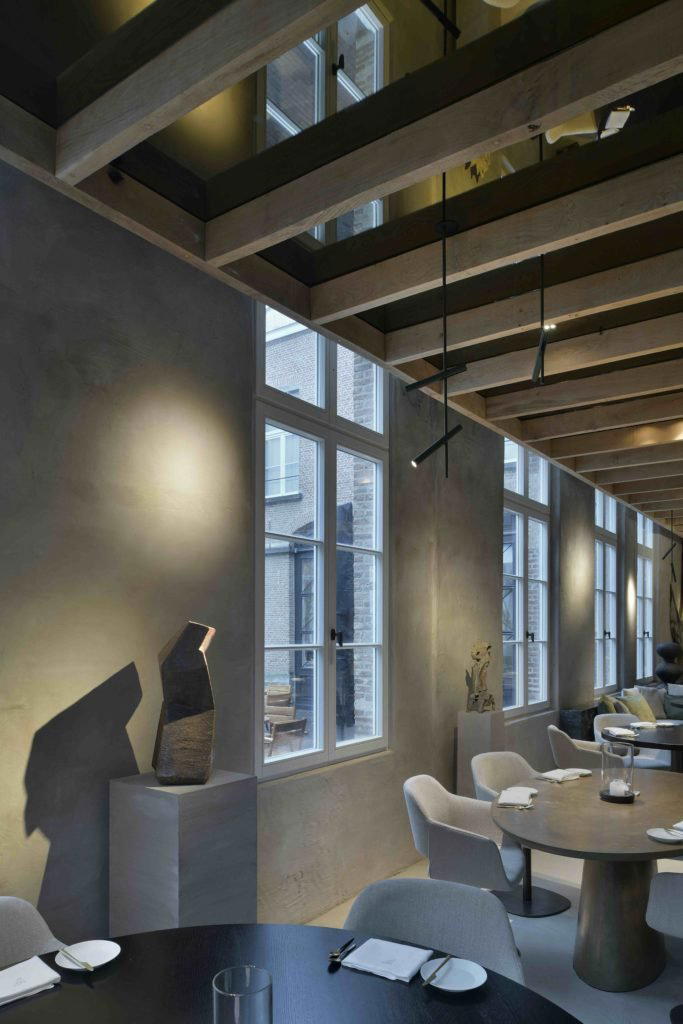
Bars in Waasmunster
Browse all →

At a Glance
- Elegant
- Classic
- Sophisticated
- Cozy
- Date Night
- Business Dinner
- Special Occasion
- Wine Cellar
- Terrace
- Open Kitchen
- Private Dining
- Extensive Wine List
- Sommelier Led
- Local Sourcing
Current opening hours
- Monday
- 11 AM–11 PM
- Tuesday
- 11 AM–11 PM
- Wednesday
- 11 AM–11 PM
- Thursday
- 11 AM–11 PM
- Friday
- 11 AM–11 PM
- Saturday
- 11 AM–11 PM
- Sunday
- Closed
Hours can change for holidays and private events. Last verified .
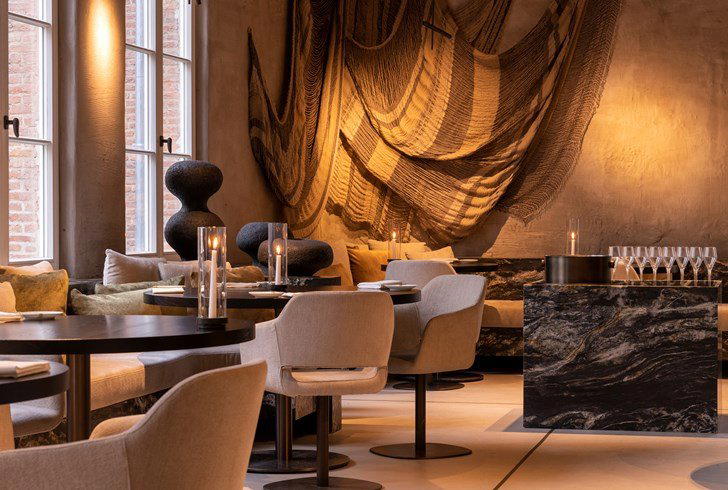
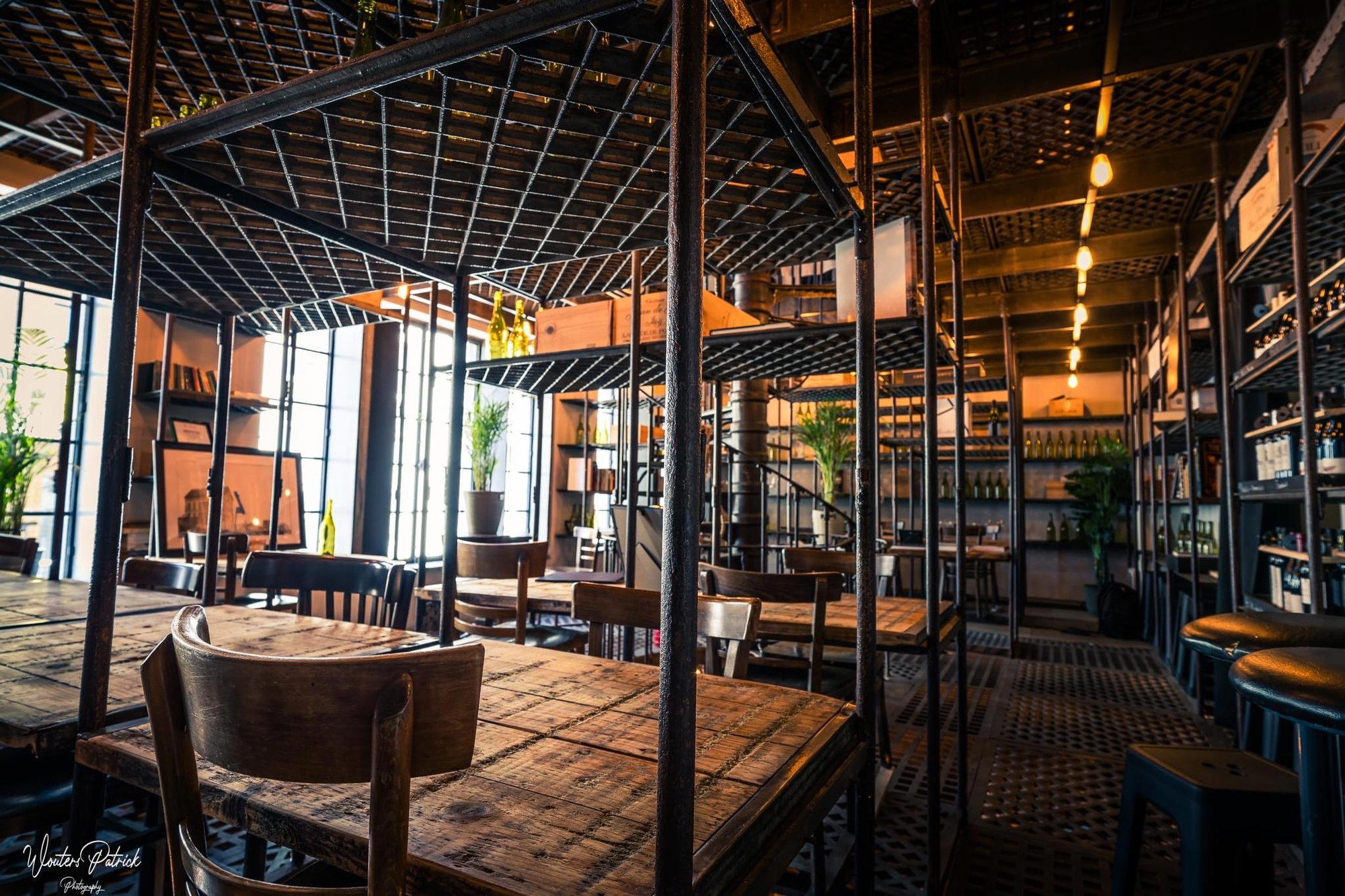
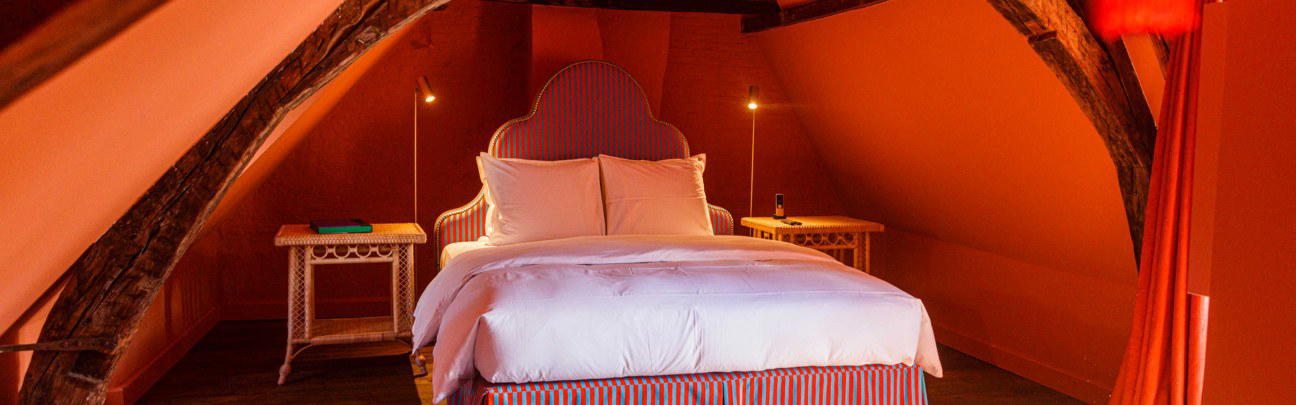
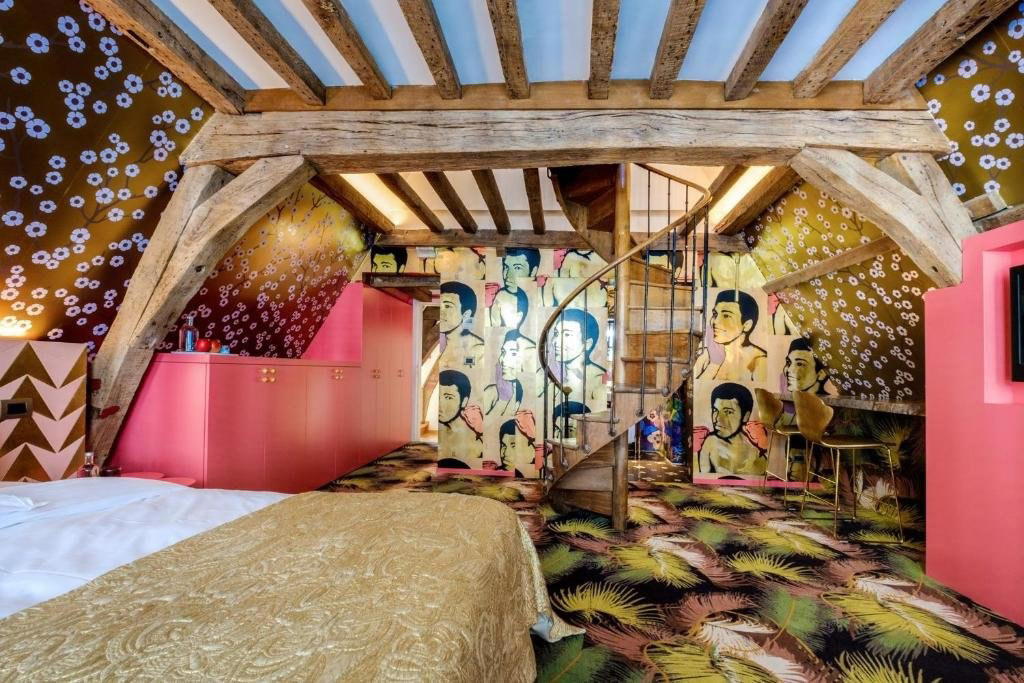
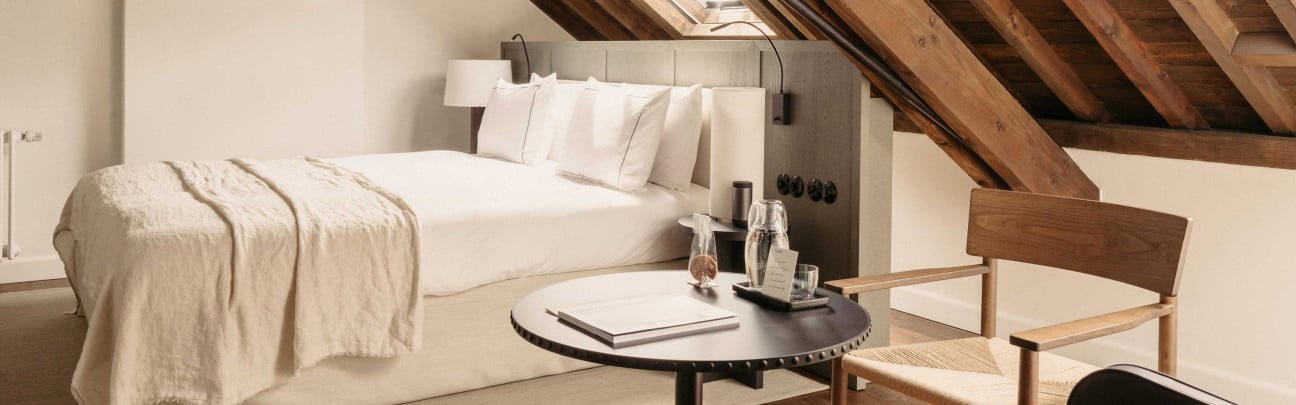
Elegant but unpretentious dining room with soft lighting, classic furniture, and original architectural details; outdoor terrace overlooking calm grounds.