W-ilt
W-ilt occupies a quietly specific position in Waasmunster's dining scene, operating from Stationsstraat 2 in a municipality that has accumulated a striking concentration of serious restaurants relative to its size.
Pearl is the En Primeur Club membership app — saves, bookings, and concierge access live there. Same editors, same standards.
- Address
- Stationsstraat 2, 9250 Waasmunster, Belgium
- Phone
- +3252529559
- Website
- wilt.be
- Directions
- Get directions
 Saves & bookings on Pearl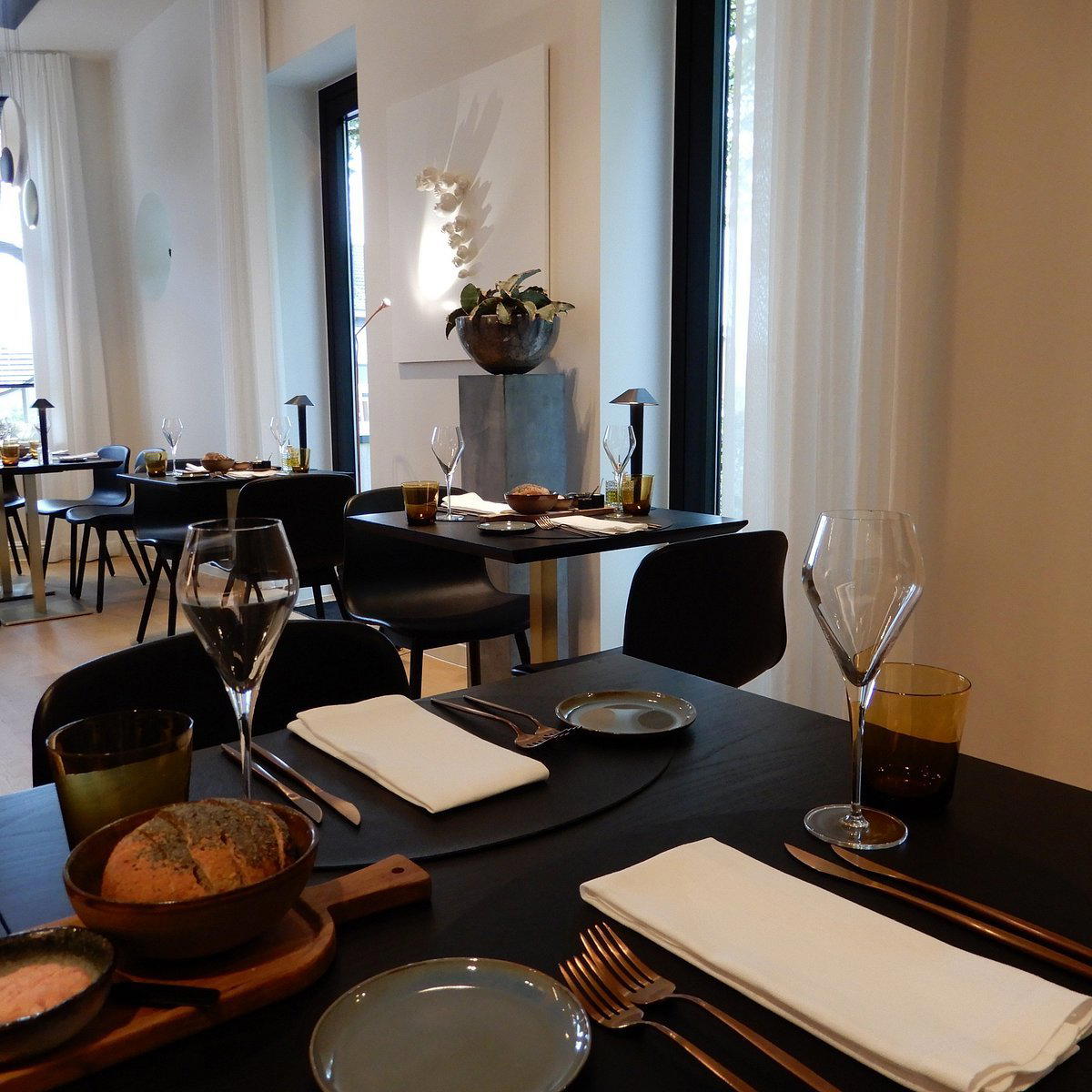
A Small Town with a Serious Table Count
Waasmunster is not a place most travellers arrive at by accident. The East Flemish municipality sits roughly between Ghent and Antwerp, close enough to both cities to draw from their dining cultures but far enough to have developed something distinct: a local restaurant scene whose ambition outpaces its population. That dynamic is worth understanding before you arrive at any address on Stationsstraat, because it shapes what the kitchens here are competing against and what they are choosing to do differently. In a small Belgian town where residents can also choose Sense (Modern French), Balance, De Koolputten (French Contemporary), Romé, and Roosenberg (Traditional Cuisine) within a few minutes of each other, the local standard is higher than outsiders tend to expect.
Where W-ilt Sits in That Context
W-ilt occupies Stationsstraat 2, the kind of address that places it at the functional centre of local movement: station-adjacent, readable from the road, approachable rather than hidden behind a courtyard or a long gravel drive. In Belgian dining, that positioning often signals a deliberate choice to be part of the everyday fabric of a town rather than a destination that requires its own occasion to justify. The comparison set in Waasmunster spans French contemporary cooking at De Koolputten and more classically grounded traditions at Roosenberg, and the range of those neighbours tells you something about the breadth of appetite this municipality has sustained. W-ilt is a Modern Belgian Bistro at Stationsstraat 2 in Waasmunster.
The Belgian Sourcing Tradition This Region Represents
To understand why ingredient sourcing matters in a conversation about East Flemish restaurants, it helps to look at what the broader Belgian dining scene has built over the past two decades. Belgium has developed a sourcing culture that is less loudly proclaimed than in some northern European countries but no less rigorous in practice. The Flemish kitchen, in particular, has long drawn from a compact geography where estuary produce, polderland agriculture, and the market garden traditions of the Waasland region converge. Restaurants operating between Ghent and Antwerp have access to a supply corridor that includes particularly productive agricultural land in Western Europe, and the better kitchens in this corridor tend to use proximity as a competitive tool rather than a talking point.
That tradition connects W-ilt to a wider Flemish pattern visible at destination addresses across the country. At Hof van Cleve in Kruishoutem, sourcing decisions have been central to the kitchen's three-Michelin-star identity for years. At Willem Hiele in Oudenburg, the connection between coastal terroir and menu composition is explicit and consistent. Even at Zilte in Antwerp, urban proximity does not dilute the sourcing conversation. In East Flanders, the expectation that a serious kitchen will maintain legible relationships with its supply chain is not a trend: it is an operating assumption.
Placing W-ilt Against Peer Addresses Beyond the Region
The density of accomplished Belgian cooking extends well beyond Waasmunster and its immediate neighbours. In Roeselare, Boury represents the kind of formally polished French-influenced kitchen that has become a benchmark in West Flanders. Along the coast, Bartholomeus in Heist operates from a marine sourcing position that is as geographically specific as any kitchen in the country. In Beveren, not far from Waasmunster, Castor works within the same East Flemish supply corridor. The pattern, across all of these addresses, is one of kitchens that have built their identities around what is available close to them rather than importing a style from elsewhere and applying it to local produce after the fact.
The broader Belgian restaurant conversation also connects to addresses in other provinces. Bozar Restaurant in Brussels occupies a culturally specific position that no Flemish countryside address replicates. d'Eugénie à Emilie in Baudour operates in the Walloon register, where French influence sits closer to the surface. L'air du temps in Liernu has long been associated with a nature-led approach that resonates with international reference points. And De Jonkman in Sint-Kruis holds its own in the Bruges periphery. For visitors arriving in Waasmunster from further afield, a frame of reference built from these Belgian benchmarks will calibrate expectations more accurately than comparisons drawn from, say, Le Bernardin in New York City or Atomix in New York City, where format and scale diverge sharply from the Flemish countryside register.
Planning a Visit
Waasmunster sits within easy reach of both Ghent and Antwerp, each under thirty minutes by road in normal conditions. The Stationsstraat 2 address is direct to reach by car and accessible from Waasmunster station for those arriving by rail from either city. Reservations are recommended. For visitors building a broader East Flanders itinerary, the concentration of restaurants within Waasmunster makes it practical to combine W-ilt with a visit to one of the town's other addresses. A fuller picture of what the municipality offers is available in our full Waasmunster restaurants guide.
How It Stacks Up
Comparable venues nearby, for context on price, style, and recognition.
| Venue | Cuisine | Price | Awards | Notes |
|---|---|---|---|---|
| W-iltThis venue — the venue you are viewing | Modern Belgian Bistro | $$$ | Not listed | Not listed |
| Tastu | Modern Belgian Bistro | $$$ | Not listed | Waasmunster |
| Romé | Classical French-Belgian Brasserie | $$$$ | Not listed | Waasmunster |
| De Koolputten | French Contemporary Fine Dining | $$$ | Michelin Plate | Waasmunster |
| Roosenberg | Belgian Fine Dining with French Influences | $$$$ | Michelin Plate | Waasmunster |
| Balance | Refined French with Global Influences | $$$ | Not listed | Waasmunster |
Continue exploring
More in Waasmunster
Restaurants in Waasmunster
Browse all →
Bars in Waasmunster
Browse all →
At a Glance
- Modern
- Cozy
- Elegant
- Date Night
- Open Kitchen
- Local Sourcing
Current opening hours
- Monday
- Closed
- Tuesday
- 12–2 PM
- Wednesday
- 12–2 PM
- Thursday
- 12–2 PM
- Friday
- 12–2 PM
- Saturday
- Closed
- Sunday
- Closed
Hours can change for holidays and private events. Last verified .
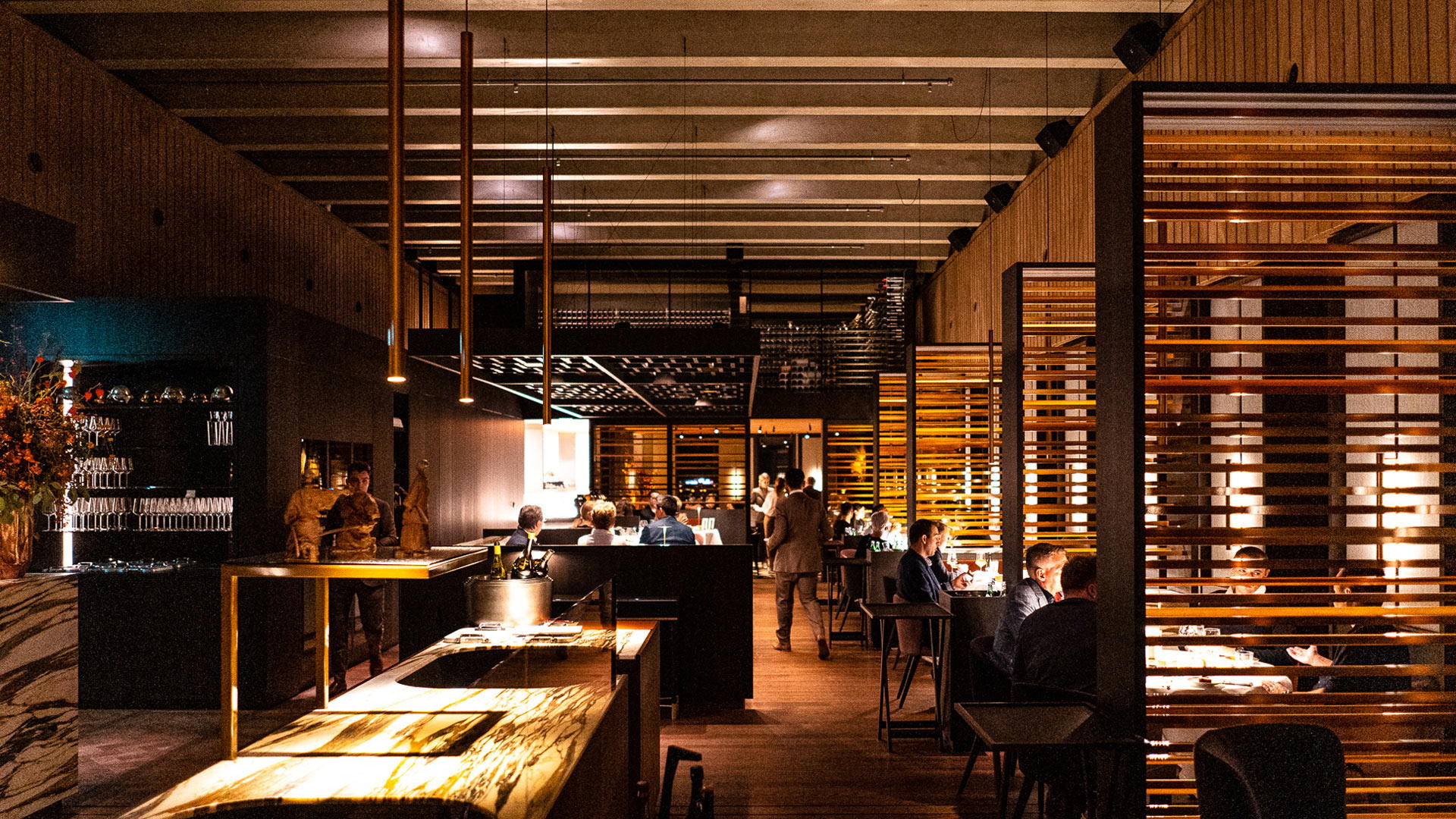
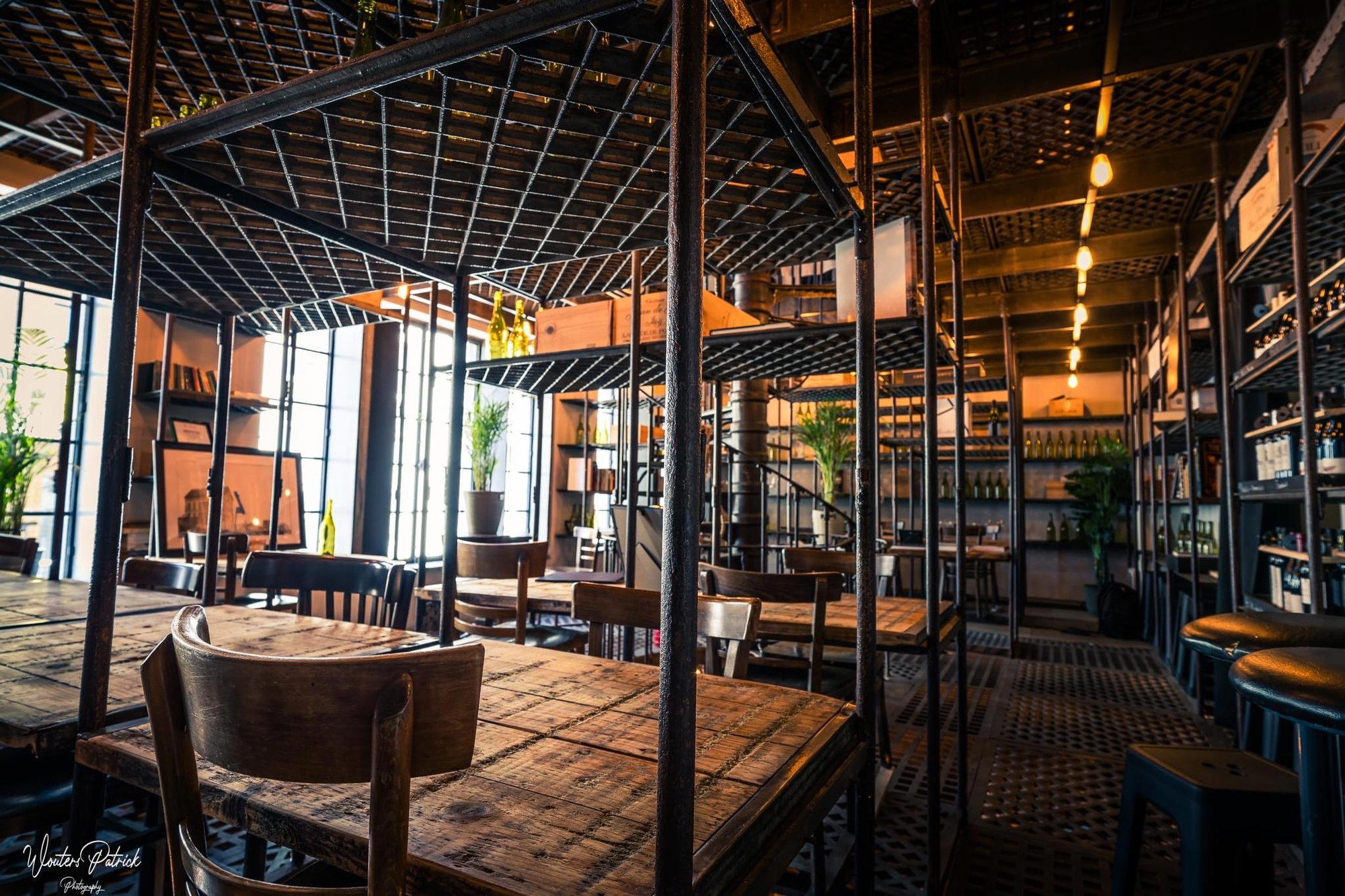
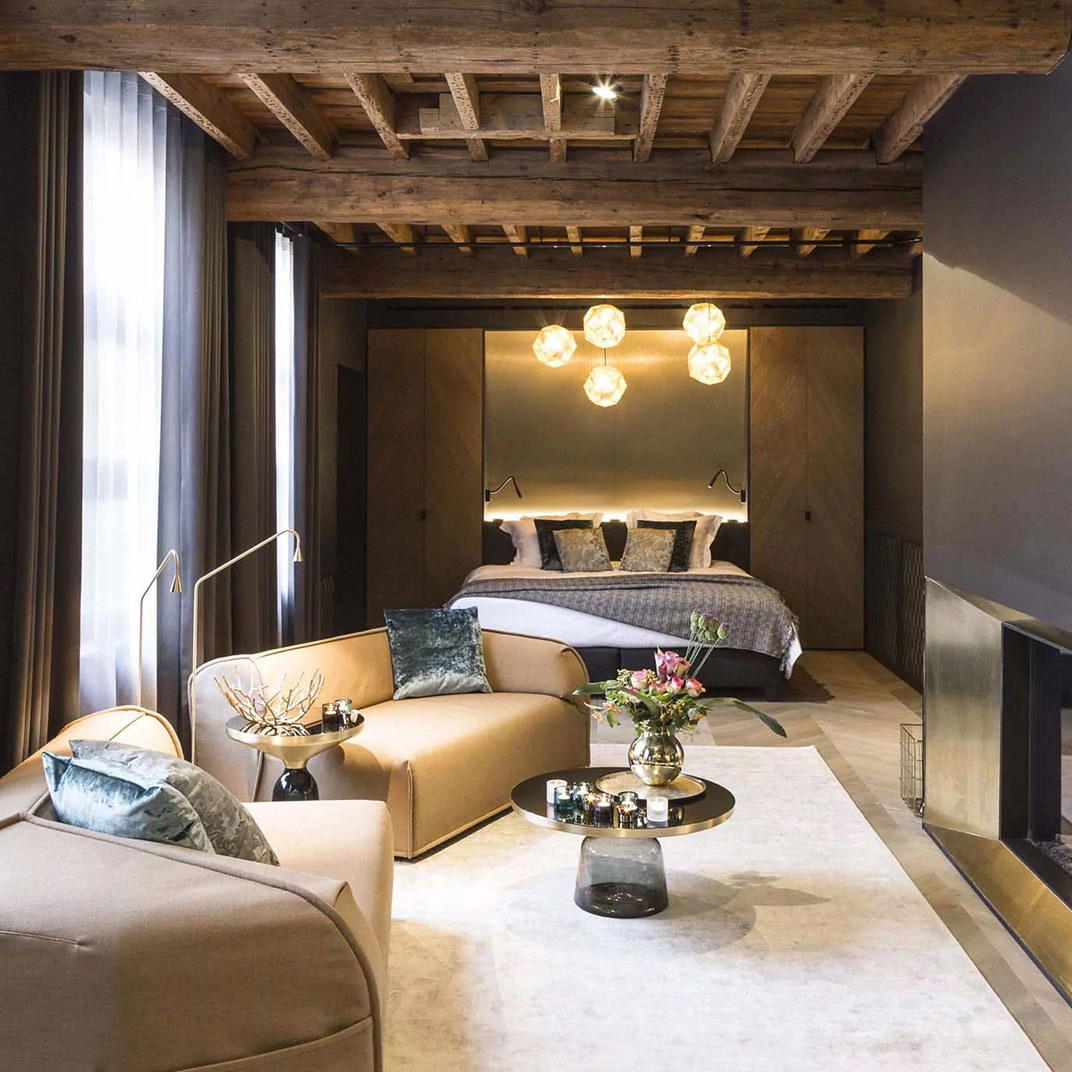
Strak ogend eigentijds interieur with friendly service and cosy relaxing atmosphere.