Romé
Romé occupies a considered position in Waasmunster's growing fine-dining circuit, a town in the East Flanders municipality where French-rooted technique meets Belgian produce culture. Located on Palingstraat, Romé sits within a local restaurant scene that includes Modern French and French Contemporary peers. Specific menu, pricing, and booking details are best confirmed directly with the venue before visiting.
Pearl is the En Primeur Club membership app — saves, bookings, and concierge access live there. Same editors, same standards.
- Address
- Palingstraat 2, 9250 Waasmunster, Belgium
- Phone
- +32469162321
- Website
- xn--rom-dma.be
- Directions
- Get directions
 Saves & bookings on Pearl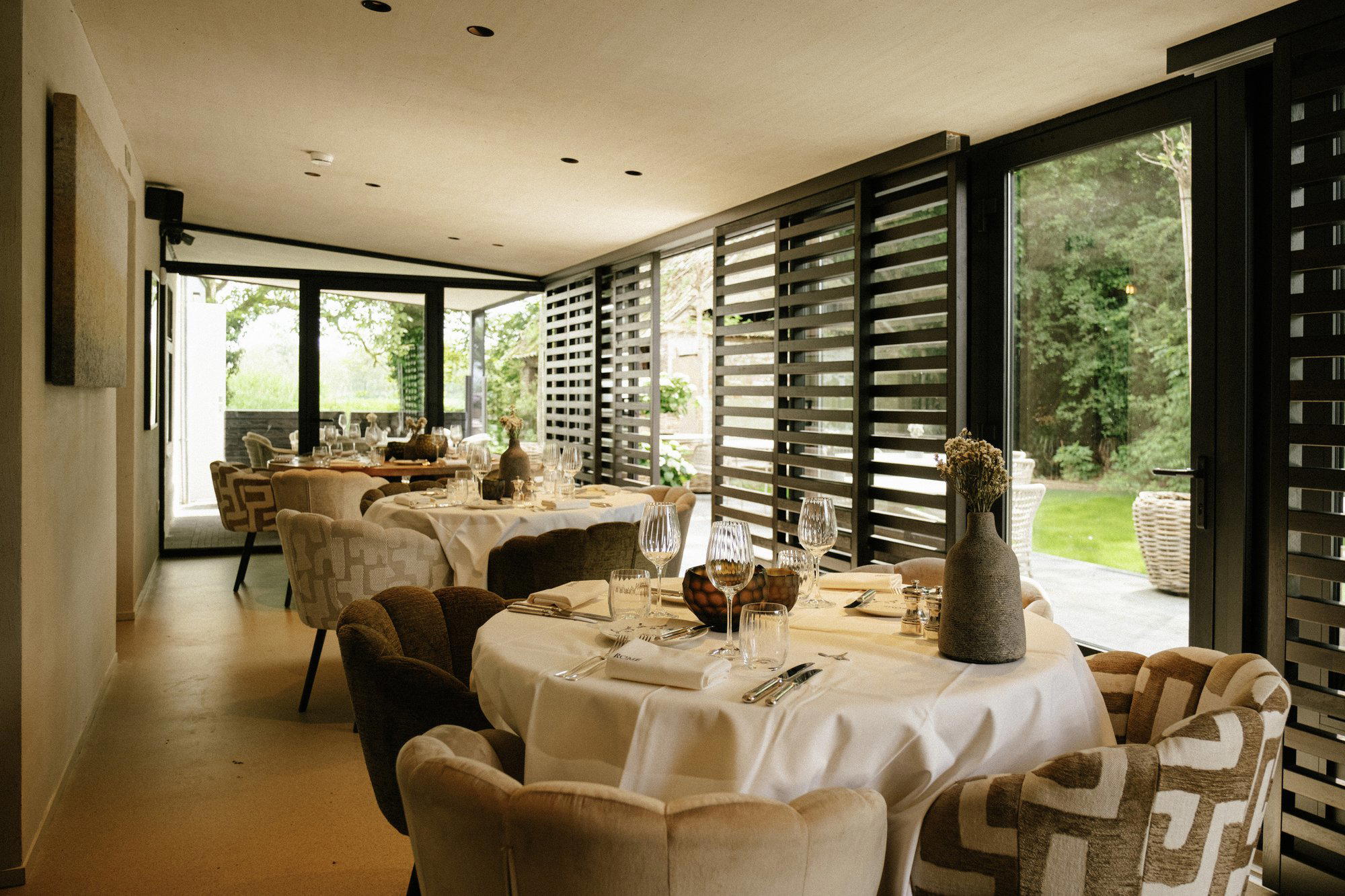
A Small Town With Serious Table Culture
Waasmunster is not a name that travels far beyond East Flanders, yet the municipality has accumulated a concentration of serious restaurants that would be notable in a city twice its size. The pattern here follows a broader Belgian tendency: fine dining roots itself in smaller towns, where rents are lower, local producers are accessible, and regulars can sustain a kitchen that takes its work seriously. Romé is a restaurant on Palingstraat 2 in Waasmunster, Belgium. It is one of several restaurants in Waasmunster operating at a level that rewards deliberate travel rather than casual discovery.
Belgium's provincial fine-dining model has been well-documented in the context of institutions like Hof van Cleve - Floris Van Der Veken in Kruishoutem and Boury in Roeselare, both of which demonstrate that Flanders has long supported serious kitchens outside its major urban centres. Romé participates in that same geographic logic. The town is reachable from Ghent or Antwerp within a reasonable drive, making it viable as a destination meal.
The Cultural Grounding of Belgian Table Cooking
Belgian cuisine occupies an underappreciated middle ground in European cooking traditions. It draws heavily on French classical technique while maintaining a distinct attachment to regional produce: North Sea fish, East Flemish beef, game from the Ardennes, and a vegetable culture rooted in market gardening rather than imported supply chains. This is not fusion or synthesis; it is a layered inheritance that the leading Belgian kitchens treat as living material rather than historical reference.
The French influence is structural. Stocks, sauces, and the discipline of mise en place came through culinary borders that were culturally porous long before they were politically defined. But Belgian cooking at its most confident adds its own registers: a willingness to pair richness with acid, an affinity for offal and secondary cuts, and a beer culture that informs sauce-making in ways that wine-centric French tradition does not. Restaurants in a municipality like Waasmunster often benefit from proximity to this dual inheritance, drawing on French rigour while remaining embedded in Flemish ingredient reality.
Peers in the local scene illustrate how this plays out across different registers. Sense (Modern French) operates at the €€€€ tier with a modern French framework, while De Koolputten (French Contemporary) works a €€€ price point with French Contemporary as its reference. Roosenberg (Traditional Cuisine) anchors the more classical end at €€€. This range gives Waasmunster genuine depth across price tiers and culinary orientations, and positions Romé within a scene rather than as an isolated outpost. Also worth noting in the local circuit are Balance and Tastu.
Where Romé Sits in the East Flanders Picture
East Flanders has quietly developed a restaurant culture that punches above its demographic weight. The region has produced kitchens that compete at a national level, and the provincial circuit here connects outward to broader Flemish references: Zilte in Antwerp, operating from the MAS museum at a different scale entirely, and Castor in Beveren, a closer geographic neighbour that reflects the same instinct toward serious cooking in non-urban settings.
The logic of why these kitchens persist in smaller towns is worth understanding before booking. Belgian diners have historically been willing to drive for a meal in a way that their French or British counterparts often are not. The country's density means no destination is remote, and the culture of the long Sunday lunch at a quality provincial table has deep roots. Romé is positioned to serve that appetite. Its address on Palingstraat places it in the residential fabric of Waasmunster rather than on a tourist route, which typically signals a kitchen sustained by returning local diners and deliberate out-of-town visitors.
For a wider view of what Flanders produces at the highest tier, Willem Hiele in Oudenburg and Bartholomeus in Heist show how coastal Flemish kitchens develop their own distinct vocabulary. On the Walloon side, L'air du temps in Liernu and d'Eugénie à Emilie in Baudour demonstrate how French technique reads differently through a Walloon lens. These comparisons help calibrate what a kitchen like Romé is working within and against.
Planning Your Visit
What the address and local context confirm is that this is a sit-down restaurant in a dedicated dining town, reachable from Ghent (roughly 20 kilometres west) or Antwerp (roughly 30 kilometres north) by car.
Belgium's restaurant culture generally supports advance booking at any serious table, and a municipality with this density of quality restaurants tends to see weekend covers fill early. Reaching out well ahead of a planned trip is advisable regardless of what the specific booking window at Romé turns out to be.
Those building a longer Belgian itinerary around serious dining might also consider how Romé sits in relation to Bozar Restaurant in Brussels or De Jonkman in Sint-Kruis, both of which operate with a different urban or Bruges-adjacent register. For international reference points that illustrate what serious French-influenced technique looks like at the summit of its register, Le Bernardin in New York City and Atomix in New York City show how the French classical framework travels and transforms across contexts.
Cost and Credentials
Comparable venues nearby, for context on price, style, and recognition.
| Venue | Cuisine | Price | Awards | Notes |
|---|---|---|---|---|
| RoméThis venue — the venue you are viewing | Not listed | $$$$ | Not listed | Not listed |
| De Koolputten | Not listed | $$$ | Michelin Plate | Waasmunster, French Contemporary Fine Dining |
| W-ilt | Waasmunster, Modern Belgian Bistro | $$$ | Not listed | Not listed |
| Roosenberg | Not listed | $$$$ | Michelin Plate | Waasmunster, Belgian Fine Dining with French Influences |
| Balance | Not listed | $$$ | Not listed | Waasmunster, Refined French with Global Influences |
| Tastu | Waasmunster, Modern Belgian Bistro | $$$ | Not listed | Not listed |
Continue exploring
More in Waasmunster
Restaurants in Waasmunster
Browse all →
Bars in Waasmunster
Browse all →
At a Glance
- Cozy
- Elegant
- Intimate
- Date Night
- Family
- Business Dinner
- Terrace
- Extensive Wine List
- Sommelier Led
Current opening hours
- Monday
- Closed
- Tuesday
- 12–2:30 PM, 6:30–9:30 PM
- Wednesday
- 12–2:30 PM, 6:30–9:30 PM
- Thursday
- 12–2:30 PM, 6:30–9:30 PM
- Friday
- 12–2:30 PM, 6:30–9:30 PM
- Saturday
- 6:30–9:30 PM
- Sunday
- 12–2:30 PM, 6:30–9:30 PM
Hours can change for holidays and private events. Last verified .
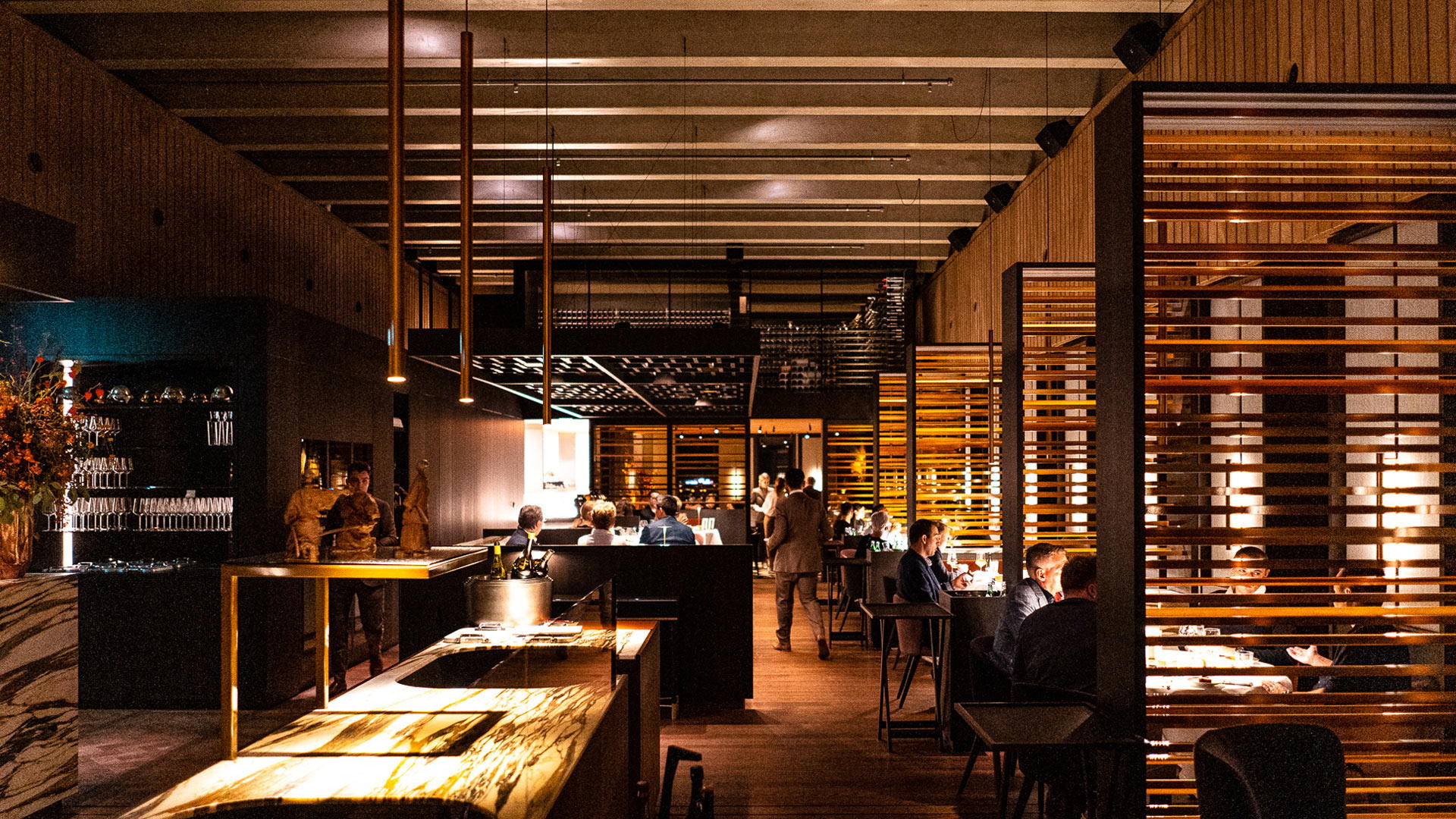
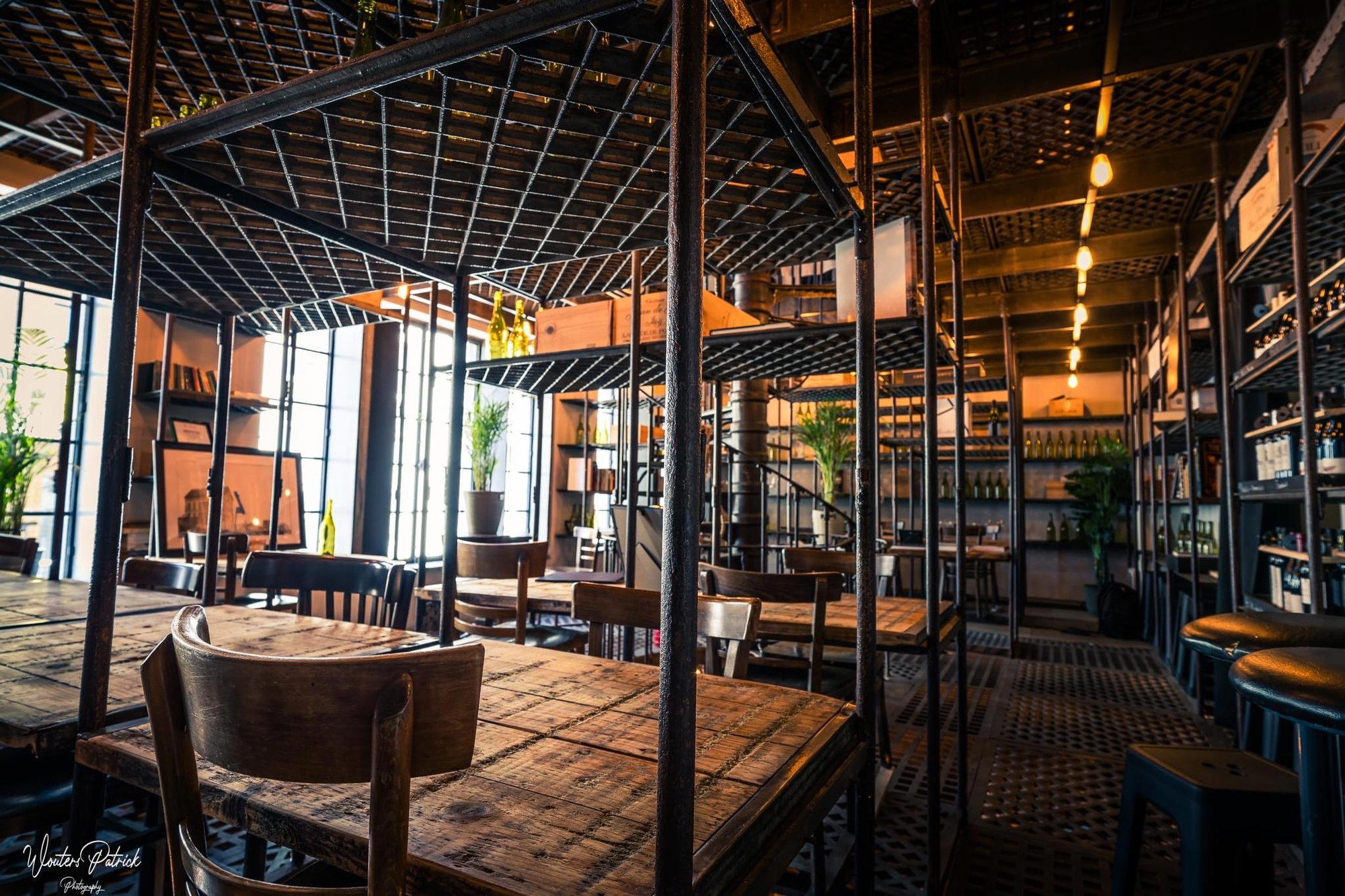
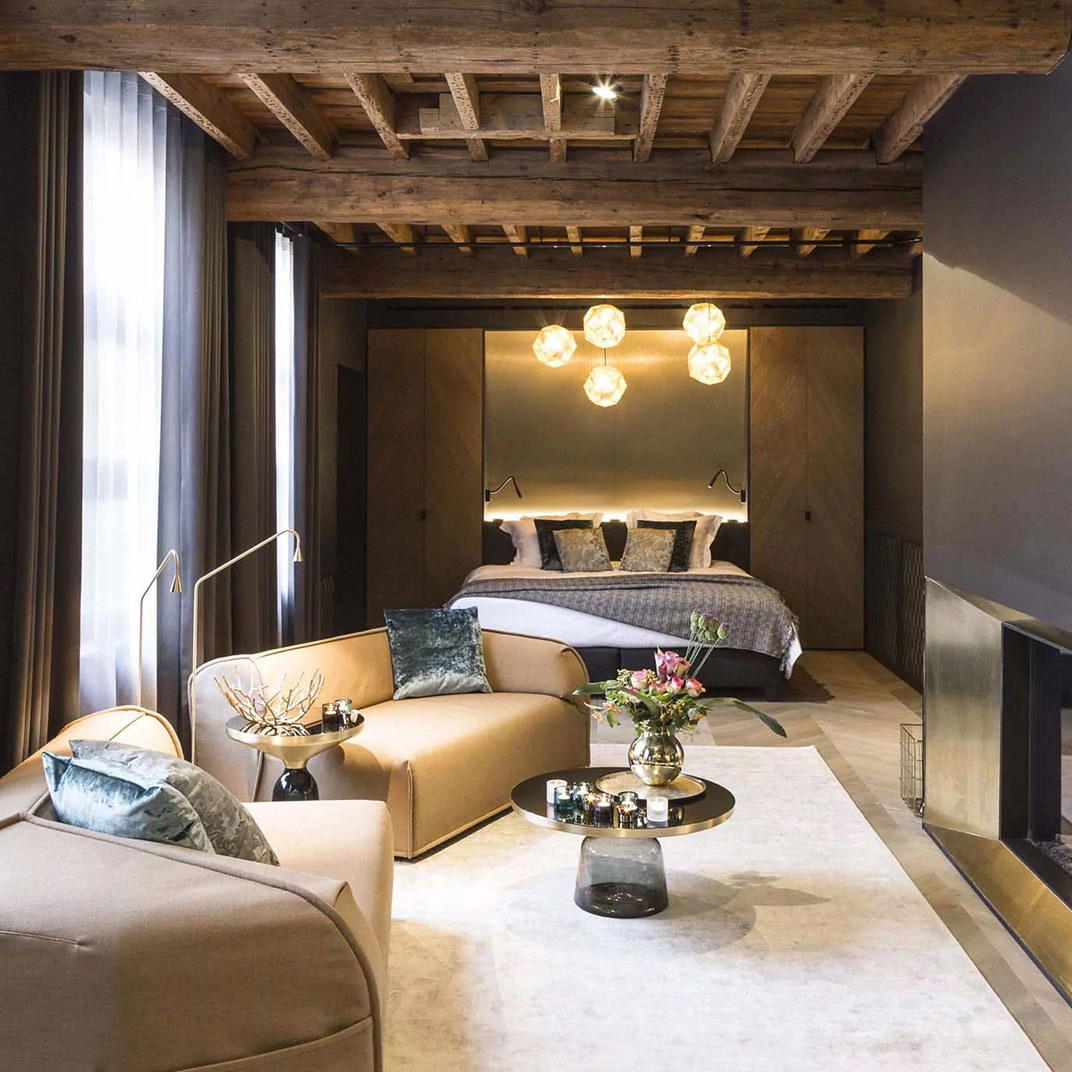
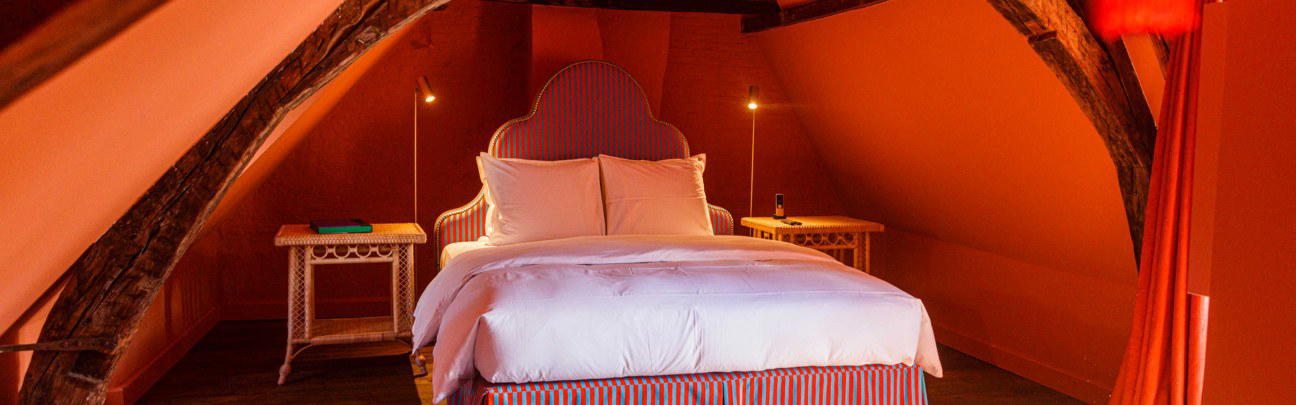
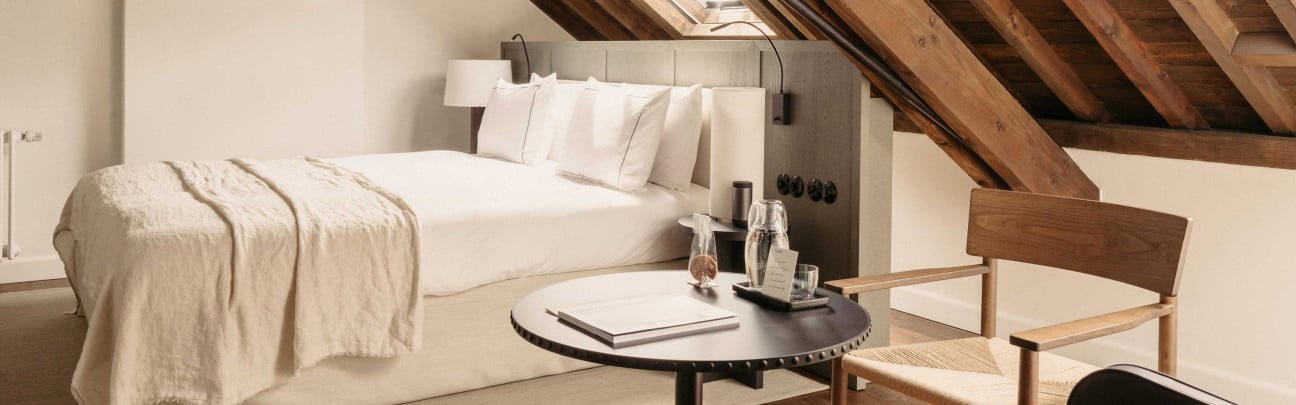
Cozy and stylish interior in soft earth tones with a pleasant, welcoming atmosphere.