A seafront address on Koksijde's Strandlaan, De Kokkel sits within Belgium's West Flemish coastal dining corridor, where proximity to the North Sea shapes what ends up on the plate. The restaurant occupies a stretch of the Belgian coast that has quietly developed a credible mid-range dining identity alongside the region's better-known fine dining names. Worth understanding before you book what that positioning means in practice.
Pearl is the En Primeur Club membership app — saves, bookings, and concierge access live there. Same editors, same standards.
- Address
- Strandlaan 6, 8670 Koksijde, Belgium
- Phone
- +3258628348
- Website
- dekokkel.be
- Directions
- Get directions
 Saves & bookings on Pearl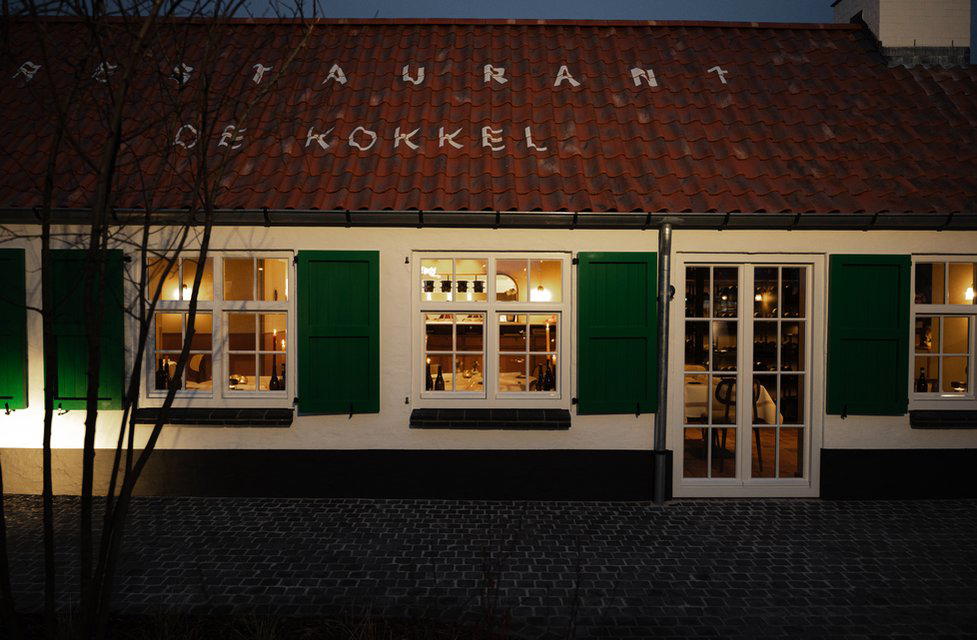
Where the North Sea Coast Meets the Plate
De Kokkel is a restaurant in Koksijde, Belgium, serving modern Belgian fine dining at about $150 per person. Strip away the summer crowds and the seaside architecture, and what remains is a supply chain that most continental restaurants would trade for: day-boat shellfish landed at Nieuwpoort, North Sea sole and plaice available with a freshness that makes the journey to Ghent or Brussels unnecessary, and a local appetite for seafood that has kept a serious range of coastal restaurants alive year-round rather than just through July and August. De Kokkel, at Strandlaan 6 in Koksijde, sits inside that supply logic. Its address on the main coastal boulevard places it among a concentration of dining options that ranges from traditional Flemish bistros to more considered modern kitchens.
Koksijde itself is a municipality that splits between the dune-backed inland village and the seafront strip of Sint-Idesbald and Koksijde-aan-Zee. Restaurants along the Strandlaan operate with the sea as an implicit context, it informs expectation before anyone has read a menu. The coastal corridor here supports a wider range of dining registers than the resort reputation might suggest, from the traditional approach at De Huifkar (Traditional Cuisine) to the more technique-forward kitchens of Bistronomie Eglantier and BOÎTE.
Reading the Menu as a Document
Menu architecture at coastal Belgian restaurants tends to follow one of two philosophies. The first is encyclopaedic: long lists of classics, each executed to a serviceable standard, designed to satisfy the broadest possible range of holidaymakers. The second is editorial: fewer dishes, each chosen to reflect the kitchen's actual priorities, with the shellfish and day-catch sections doing the argumentative work. The distinction matters because it tells you something about who is cooking and why. A restaurant with twenty starters and a different preparation for every North Sea species is making a commercial statement. A restaurant that edits that list down to eight or ten dishes, with the shellfish section carrying real weight, is making an aesthetic one.
De Kokkel's positioning on Strandlaan places it within a Koksijde dining market that has been moving, gradually, toward the second model. This shift mirrors what has happened across Belgium's better coastal addresses over the past decade, where the competition from inland fine dining houses, Boury in Roeselare, Zilte in Antwerp, and the sustained influence of Hof van Cleve in Kruishoutem, has raised the baseline expectation that diners carry when they travel to the coast. Visitors who have eaten at Willem Hiele in Oudenburg, a restaurant that has made the North Sea its explicit subject matter, arrive at coastal addresses with a different calibration than they would have brought fifteen years ago.
That context is relevant because it explains the pressure on Koksijde restaurants to be more than seasonal. The cooking at addresses like Carcasse and 't Blekkertje reflects different answers to that pressure. The restaurant represents another answer, shaped by its seafront address and the particular expectations that come with a location visible from the dunes.
The Coastal Dining Tier De Kokkel Occupies
Among the Koksijde comparison set, the price positioning of the Belgian coast runs from accessible bistro (the €€ range represented by De Huifkar) through a mid-market band where most coastal seafood restaurants cluster, up to the €€€ tier occupied by Mondieu, De Normandie, and Nils. The mid-market coastal position is a specific commercial and culinary space. It demands enough ambition to justify a meaningful meal out, while staying accessible enough to capture the family and couple trade that drives coastal restaurant economics outside the summer peak.
What distinguishes a kitchen operating at that level is often less about individual dish quality than about how the menu is organised to guide the diner. Do the starters lead logically toward the mains? Does the shellfish section function as an opening argument, establishing what the kitchen cares about before the composed plates arrive? Is there a through-line in the ingredient sourcing that makes the menu cohere as a statement rather than a list? These are the questions that separate a considered coastal kitchen from a competent one, and they apply as much to the restaurant as to any address along the Strandlaan.
Belgium's coastal dining scene sits in an interesting relationship with the country's fine dining infrastructure. The technical ambition visible at Vrijmoed in Gent, La Durée in Izegem, and d'Eugénie à Emilie in Baudour has filtered outward over the past decade, raising expectations at restaurants that operate at lower price points and without the formal infrastructure of tasting menu kitchens. The result is a coastal dining tier that is, on the whole, more technically aware than it was, even when the format remains casual. The parallel internationally is the shift that happened in port cities with strong fish-cooking traditions: the leading brasseries in coastal Brittany or the fish houses of coastal New England operate at a level that would have been considered ambitious fine dining a generation ago. For a sense of what stronger examples from that international curve looks like, Le Bernardin in New York City and Lazy Bear in San Francisco represent different but instructive reference points for what considered menu architecture can achieve in a seafood-adjacent context.
The Koksijde coastal strip also connects to Belgium's broader gastronomic conversation through addresses like Bozar Restaurant in Brussels and Ralf Berendsen in Neerharen and Cuchara in Lommel, which represent the regional spread of serious cooking across Flemish Belgium. The coast is no longer a culinary outlier in that map.
Planning a Visit
The restaurant is at Strandlaan 6, 8670 Koksijde, directly on the coastal boulevard. Reservations are essential, especially in July and August when the Koksijde seafront is busiest. The shoulder seasons, April through June and September through October, give a cleaner reading of what the kitchen can do without the pressure of peak summer service.
Awards and Standing
Comparable venues nearby, for context on price, style, and recognition.
| Venue | Cuisine | Price | Notes |
|---|---|---|---|
| De KokkelThis venue — the venue you are viewing | Modern Belgian Fine Dining | $$$$ | Not listed |
| Carcasse | Premium Meat & Grills | $$$$ | Sint-Idesbald |
| 't Blekkertje | French Steakhouse with Belgian Classics | $$ | Koksijde-bad |
| BOÎTE | Modern World Fusion | $$$ | Sint-Idesbald |
| De Kelle | Belgian Seafood Fine Dining | $$$ | Koksijde-Bad |
| Oh Restaurant | Modern French Gastronomic | $$$$ | Sint-Idesbald |
Continue exploring
More in Koksijde
Restaurants in Koksijde
Browse all →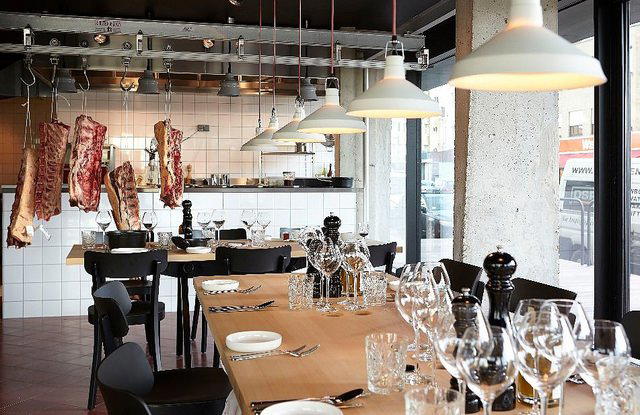
Bars in Koksijde
Browse all →
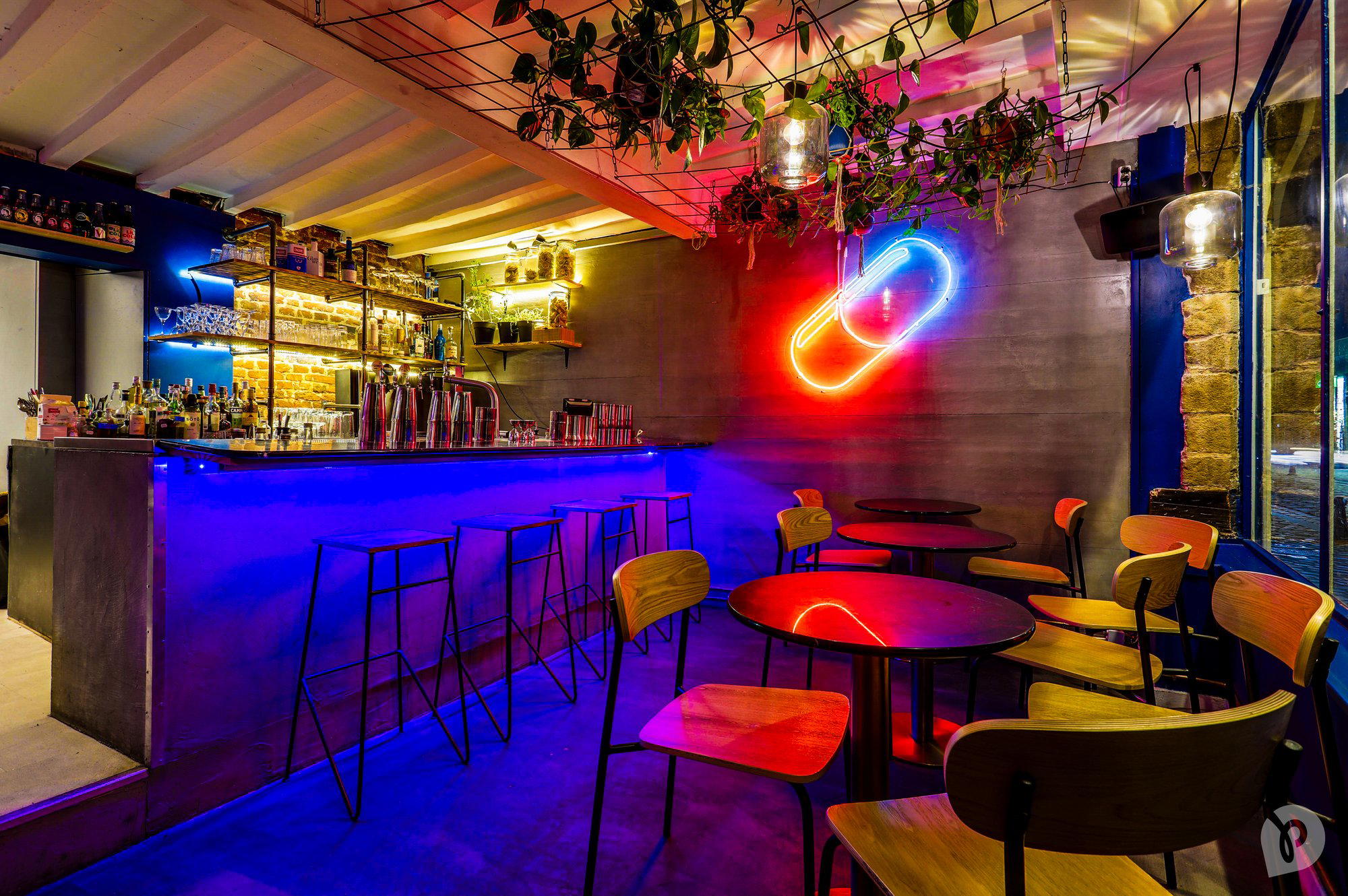
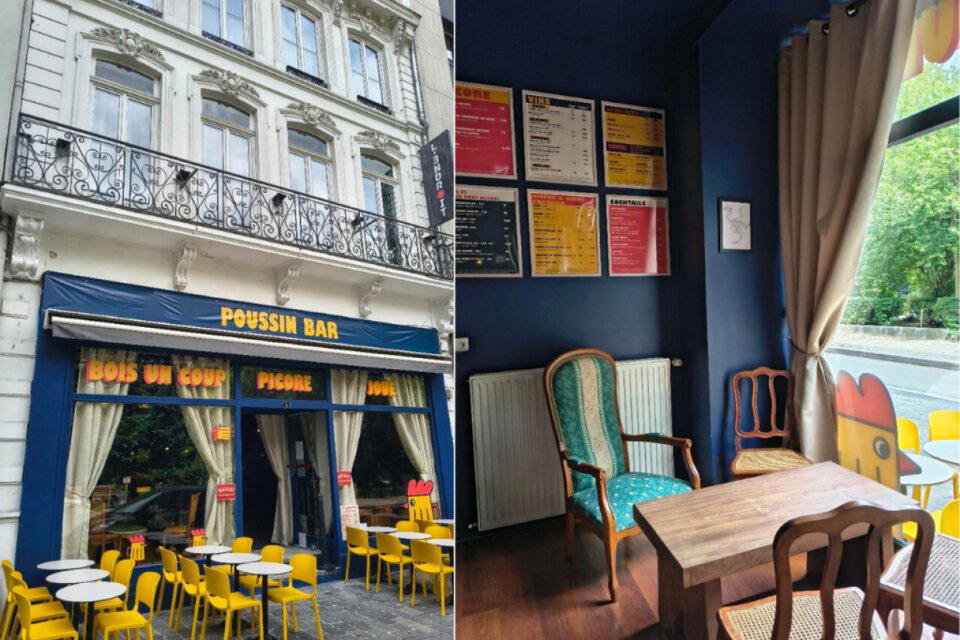
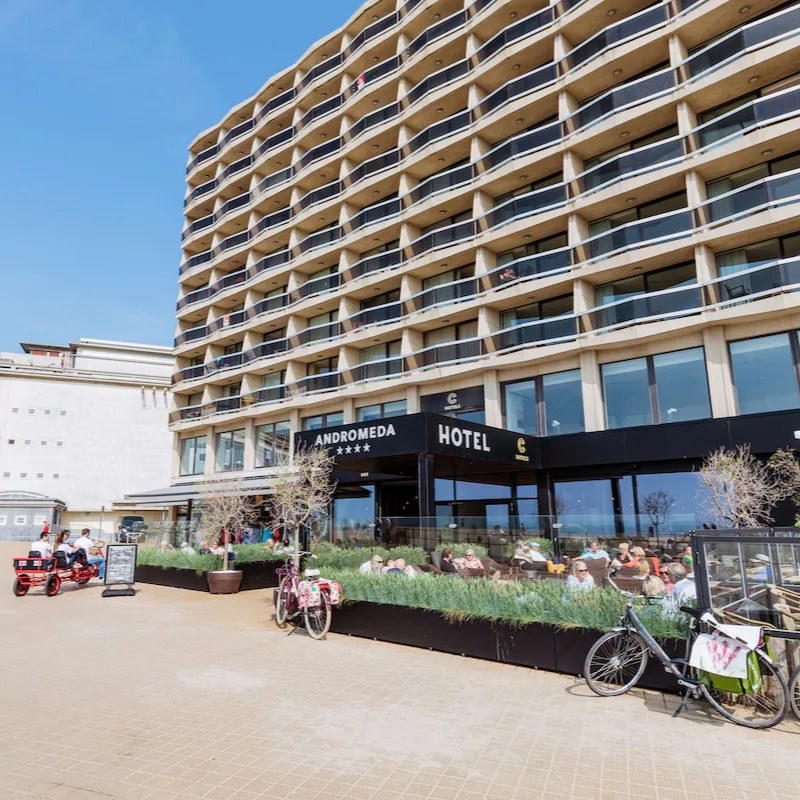
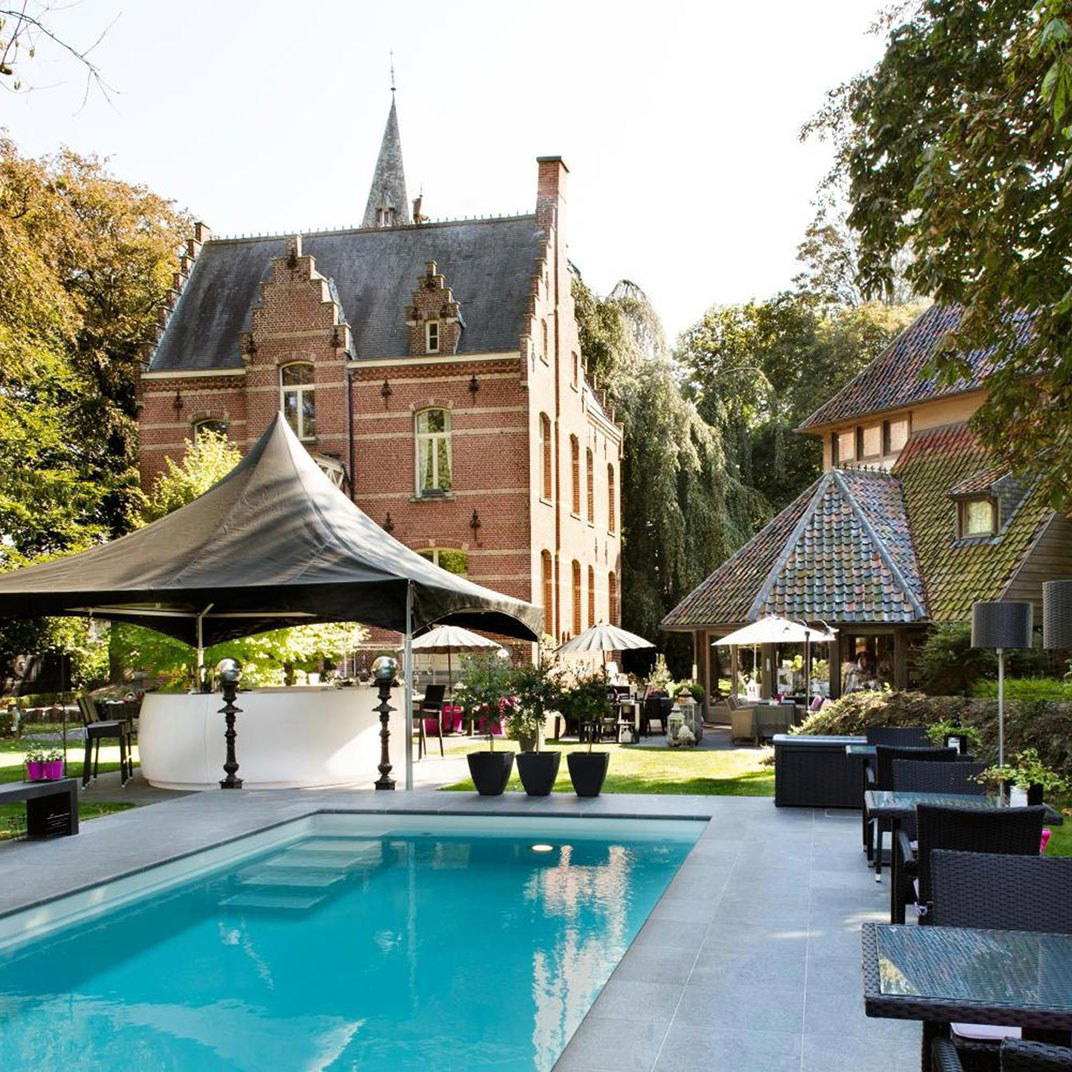
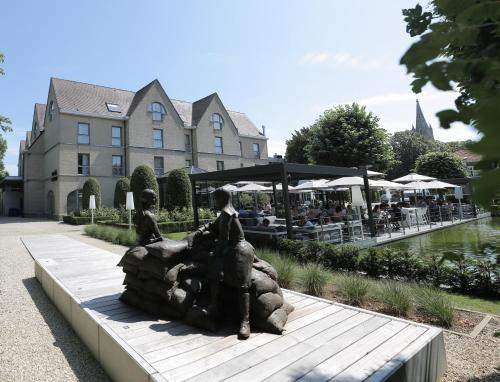
Hotels in Koksijde
Browse all →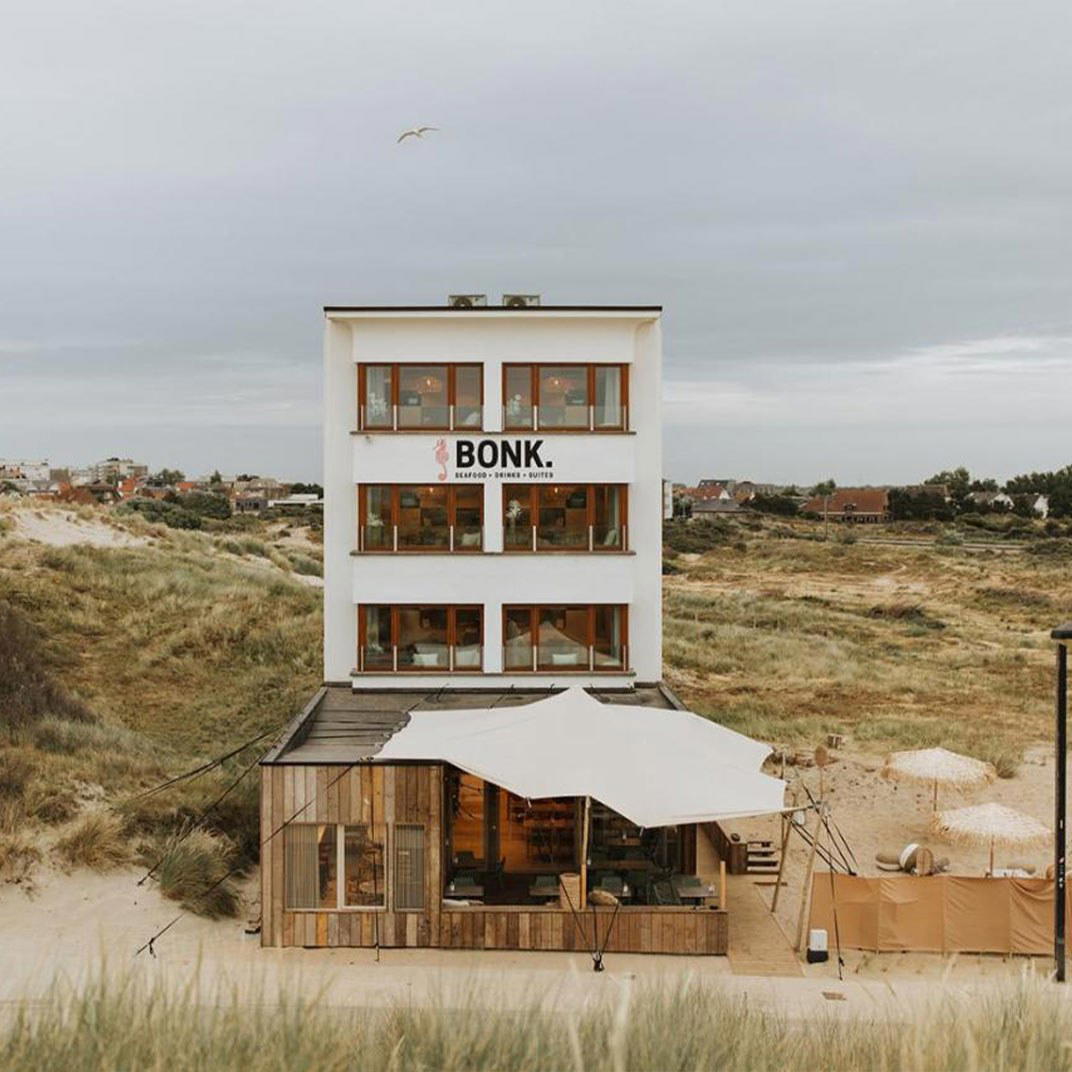
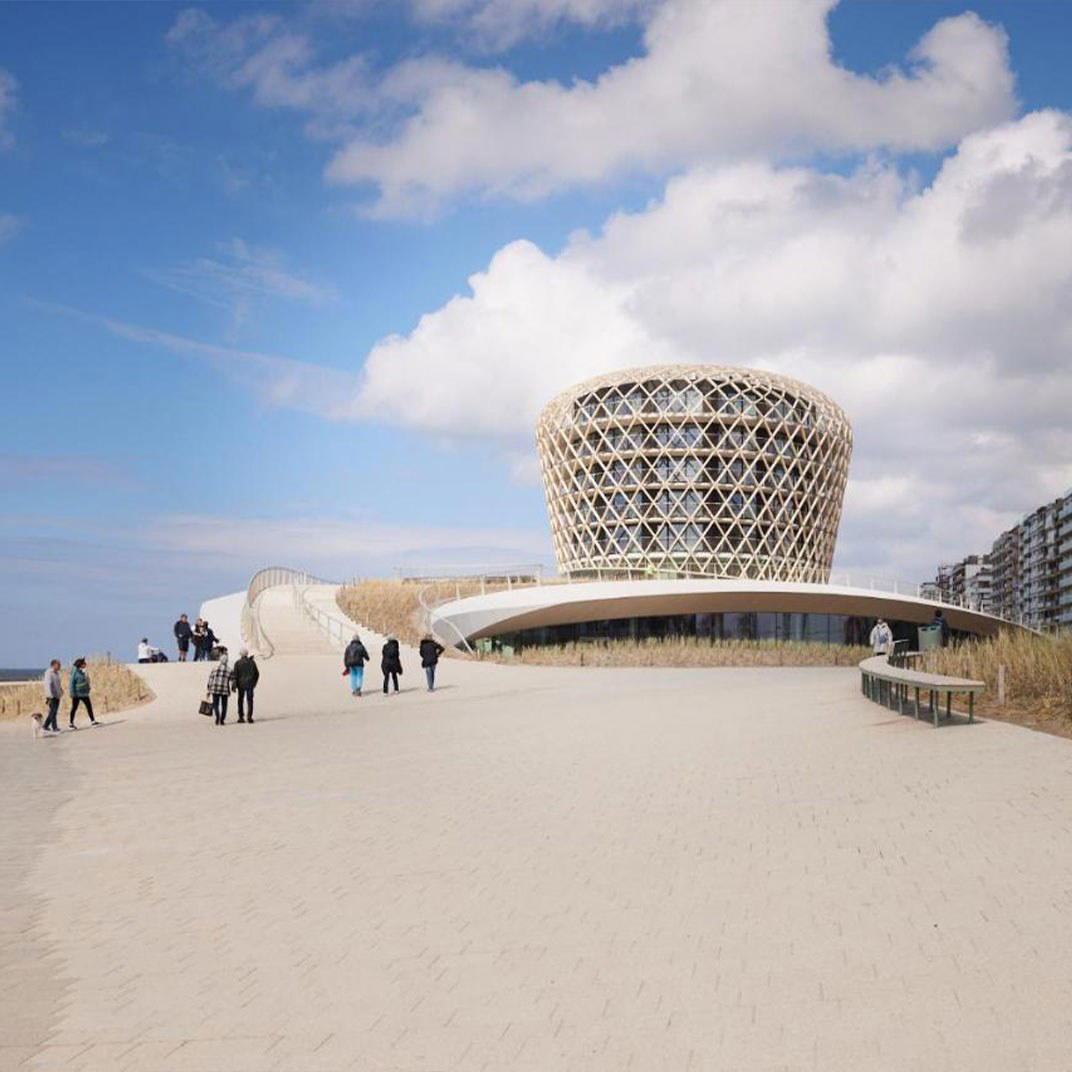
Wineries in Koksijde
Browse all →
At a Glance
- Romantic
- Intimate
- Charming
- Cozy
- Date Night
- Special Occasion
- Terrace
Current opening hours
- Monday
- Closed
- Tuesday
- 12–1 PM, 7–8 PM
- Wednesday
- 12–1 PM, 7–8 PM
- Thursday
- 12–1 PM, 7–8 PM
- Friday
- 12–1 PM, 7–8 PM
- Saturday
- 12–1 PM, 7–8 PM
- Sunday
- Closed
Hours can change for holidays and private events. Last verified .
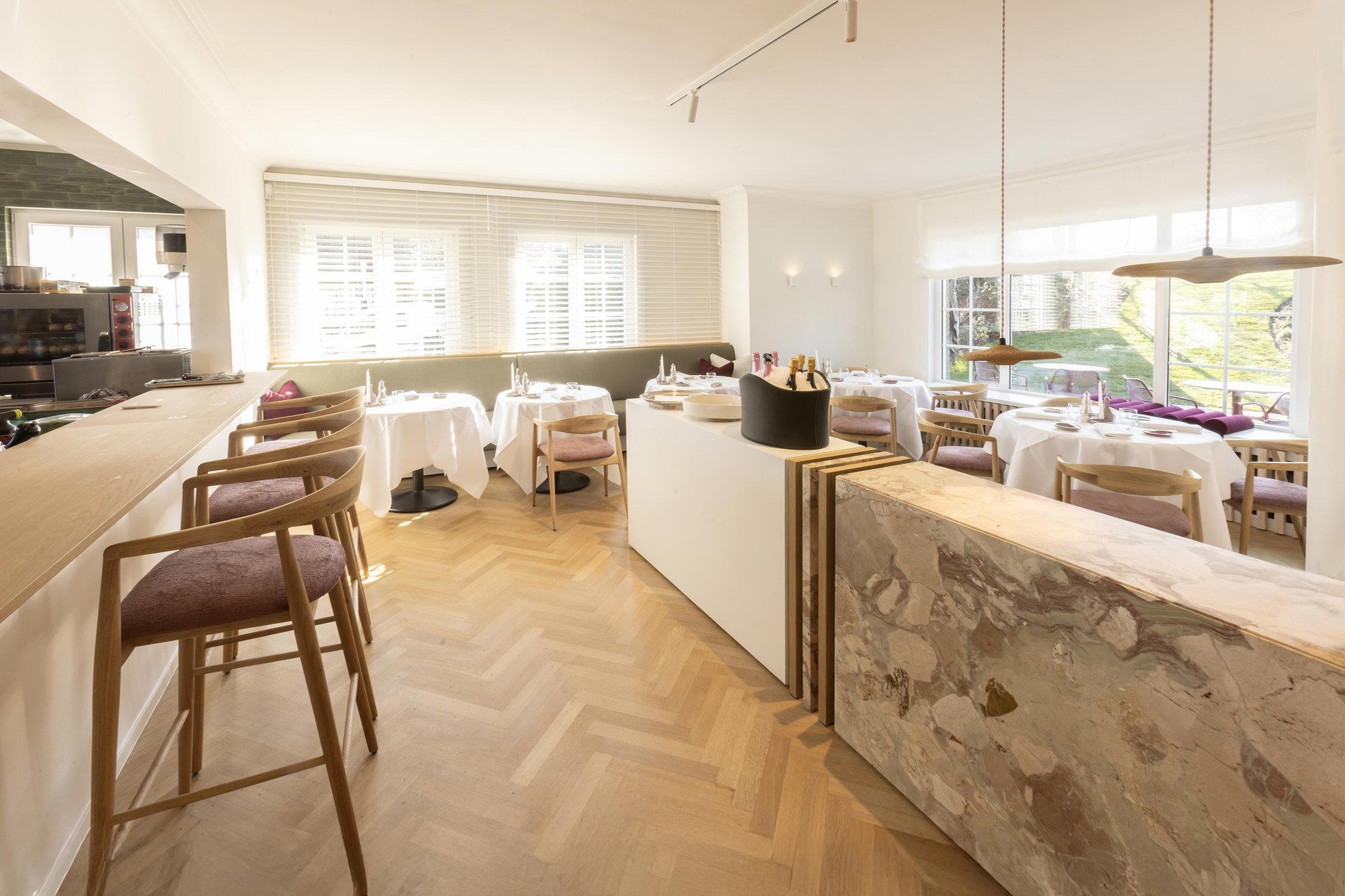
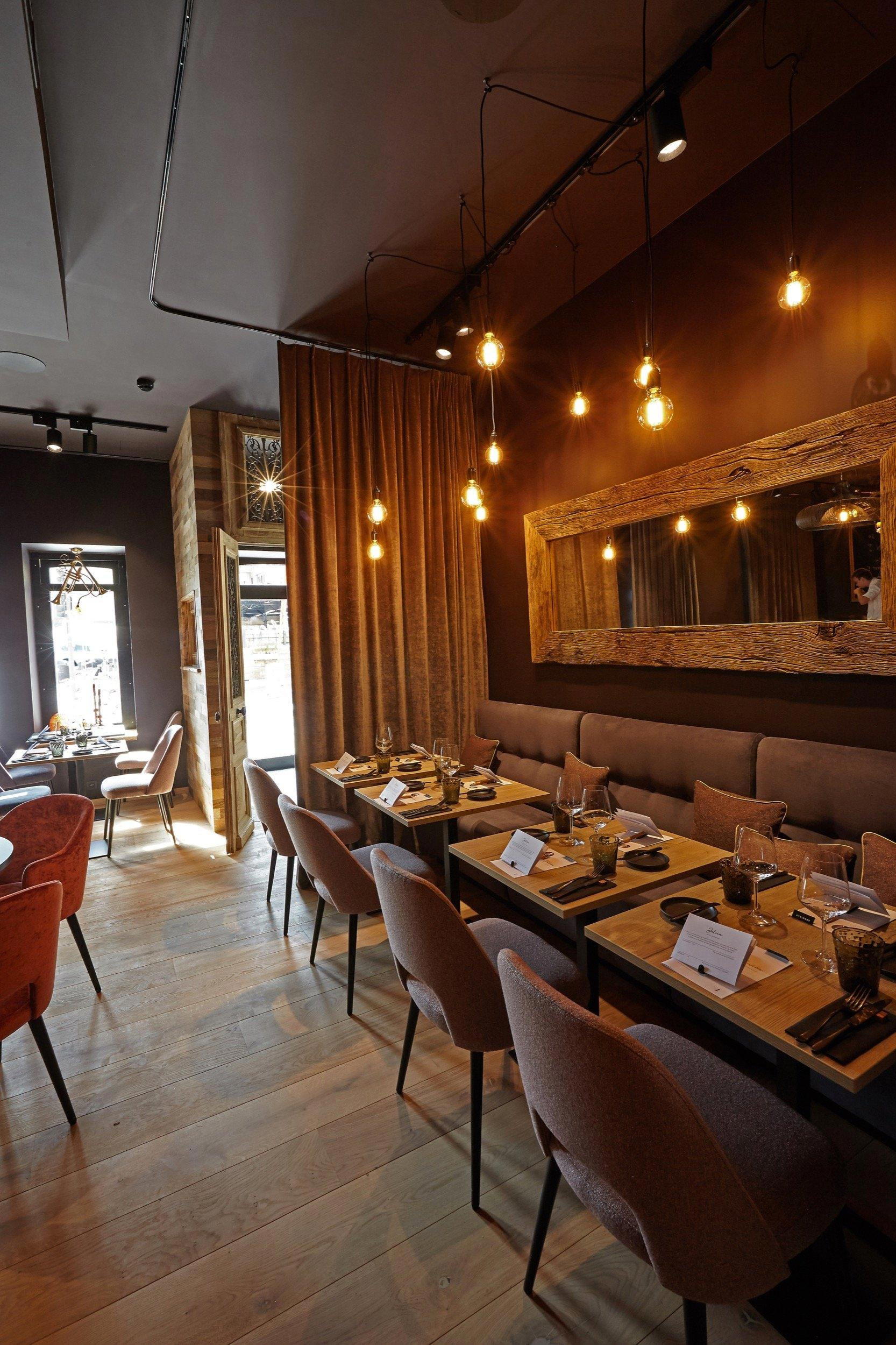
Intimate and relaxing atmosphere in a charming old fisherman's cottage with red tiled floors, low raftered ceilings, and convivial unpretentious vibe.