Where the Dunes Meet the Table: De Kelle in Koksijde Koksijde sits at the far western edge of the Belgian coast, where the dune reserves of the Westhoek push into town and the pace of life drops several registers below what you find in busier...
Pearl is the En Primeur Club membership app — saves, bookings, and concierge access live there. Same editors, same standards.
- Address
- Zeelaan 265, 8670 Koksijde, Belgium
- Phone
- +3258511855
- Website
- restaurantdekelle.be
- Directions
- Get directions
 Saves & bookings on Pearl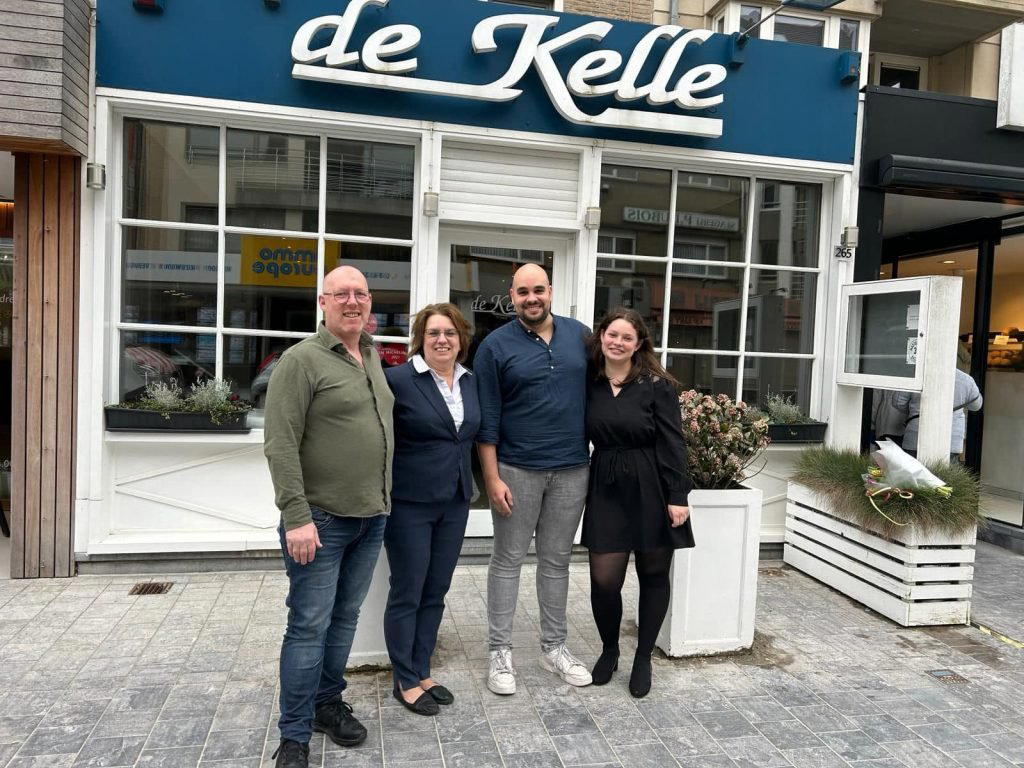
Where the Dunes Meet the Table: De Kelle in Koksijde
Koksijde sits at the far western edge of the Belgian coast, where the dune reserves of the Westhoek push into town and the pace of life drops several registers below what you find in busier resort strips like Oostende or Knokke. Zeelaan, the main commercial artery threading through the municipality, carries a particular kind of seaside energy: unhurried, local in character, oriented toward the rhythms of the tidal calendar rather than the weekend tourist circuit. It is on this street, at number 265, that De Kelle occupies its position in the town's dining fabric. De Kelle is a Belgian seafood fine dining restaurant in Koksijde, Belgium, with a casual dress code and reservations recommended.
The setting matters more than it might elsewhere. Koksijde has spent years building a dining scene that punches above the expectations of a small coastal commune. It is not a city with deep restaurant infrastructure, which means the places that do earn a following here tend to earn it on genuine terms: repeat visits from locals and second-home owners, word-of-mouth among Belgian coastal regulars, and a kind of earned loyalty that tourism-dependent restaurants rarely accumulate. De Kelle sits within that pattern, on a street where restaurants compete for the attention of an audience that knows what it wants and returns because it gets it.
The Koksijde Context: A Small Town with Serious Tables
To understand what the restaurant represents, it helps to map the broader dining geography of the area. Koksijde's restaurant scene spans a range of registers. At the accessible end, De Huifkar (Traditional Cuisine) holds ground in the traditional Belgian mode, the kind of cooking rooted in classical Flemish bistro habits. Moving up in register, places like Bistronomie Eglantier and BOÎTE occupy the contemporary mid-tier, where the cooking carries ambition without the formality of a tasting menu format. Carcasse takes a more focused, product-driven approach, while 't Blekkertje holds its own place in the local dining conversation. The restaurant operates within this network, a town where the density of options is low enough that each restaurant develops a distinct identity and a specific audience rather than competing on volume.
That scarcity creates conditions that favour quality over throughput. Koksijde's dining culture is in some ways more honest than what you find in cities with bloated restaurant markets: there is less room to coast on novelty, and the locals who sustain these places across the off-season are not impressed by trend signals alone.
Belgian Coastal Dining and What It Demands
The Belgian coast has a specific culinary character. North Sea seafood anchors much of the serious cooking along this stretch, with grey shrimp, sole, and seasonal catches from local fleets informing menus in ways that mirror what you find at establishments like Willem Hiele in Oudenburg, where the relationship between kitchen and coastline is treated as foundational rather than decorative. That coastal sensibility is distinct from what drives the fine dining conversation in Ghent or Antwerp, where Vrijmoed or Zilte operate against different expectations of what a meal should do.
In smaller coastal towns, the leading tables tend to be neighbourhood anchors as much as dining destinations. They serve the town's permanent population through the grey months of November through March, when the summer visitors have cleared out and the restaurant's character becomes most visible. The audiences that sustain restaurants in places like Koksijde are typically more demanding than weekend tourists, in the useful sense that they are informed, return frequently, and notice when something changes. That is the audience the restaurant is oriented toward, and the Zeelaan address places it squarely in the town's year-round residential flow rather than at the seasonal resort periphery.
Placing De Kelle Within the Wider Belgian Dining Circuit
Koksijde is not an obvious stop on the Belgian fine dining circuit that runs through Kruishoutem, Roeselare, and Brussels. Hof van Cleve in Kruishoutem and Boury in Roeselare operate in a national conversation that requires a different scale of infrastructure and reputation. Bozar Restaurant in Brussels plays a capital city role with a different kind of cultural weight. What Koksijde offers instead is a more compressed and intimate version of Belgian restaurant culture, without the self-consciousness that sometimes accompanies aspirational dining in larger cities.
Further afield, Belgian restaurants in less expected locations have demonstrated that geography does not determine ceiling. La Durée in Izegem, Ralf Berendsen in Neerharen, and Cuchara in Lommel all operate in towns that require deliberate travel, yet they have built reputations that justify the detour. The comparison is instructive: restaurants in Belgium's smaller towns often develop more specific identities than those in competitive city markets, precisely because they cannot rely on urban foot traffic and must earn every cover. The restaurant holds that kind of position in Koksijde, a restaurant whose address on Zeelaan makes it part of the town's permanent character rather than a seasonal addition to the tourist strip.
For readers who engage with the international dining conversation, the contrast is sharpest when placed against destination restaurants in completely different contexts. The format discipline and booking depth that define places like Le Bernardin in New York City or the community-driven model of Lazy Bear in San Francisco represent different ends of a spectrum. Koksijde's leading tables, including the restaurant, occupy a middle register: less formally programmed than the destination models, more culinarily focused than the average coastal brasserie. That is a specific and defensible place to occupy.
For a fuller picture of what the town has to offer across price points and styles, our full Koksijde restaurants guide maps the scene in detail. Elsewhere in West Flanders, d'Eugénie à Emilie in Baudour illustrates how Belgian regional cooking continues to develop in unexpected pockets across the country.
Planning a Visit
The restaurant is located at Zeelaan 265 in Koksijde, Belgium. Zeelaan is accessible by car from the E40 motorway with a direct approach through the Koksijde municipality. For visitors arriving from Ghent or Brussels, the drive runs under two hours, making Koksijde a realistic day-trip or weekend destination rather than a major expedition. The town's rail connection via De Panne and bus links to the coastal tram service provide alternatives to driving, though the tram stops place Zeelaan within walking distance of the main coastal transport corridor. The restaurant is recommended for reservations, opens Tuesday through Saturday from 12 to 4 PM and 6 to 10 PM, and Sunday from 12 to 4 PM; it is closed Monday. The price per person is about $75.
A Tight Comparison
Comparable venues nearby, for context on price, style, and recognition.
| Venue | Cuisine | Price | Notes |
|---|---|---|---|
| De KelleThis venue — the venue you are viewing | Not listed | $$$ | Not listed |
| 't Blekkertje | Not listed | $$ | Koksijde-bad, French Steakhouse with Belgian Classics |
| De Kokkel | Not listed | $$$$ | Sint-Idesbald, Modern Belgian Fine Dining |
| Mondieu | Not listed | $$$ | Koksijde, Light French with Mediterranean influences |
| Carcasse | Sint-Idesbald, Premium Meat & Grills | $$$$ | Not listed |
| Willem Hiele Lunch & Gastentafel | Not listed | $$$ | Koksijde, Modern French-Belgian Fine Dining |
Continue exploring
More in Koksijde
Restaurants in Koksijde
Browse all →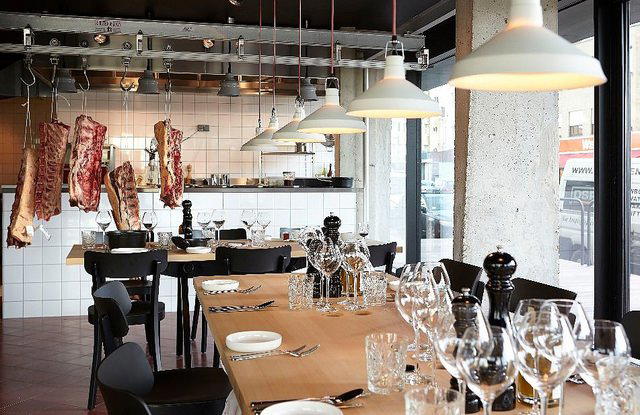
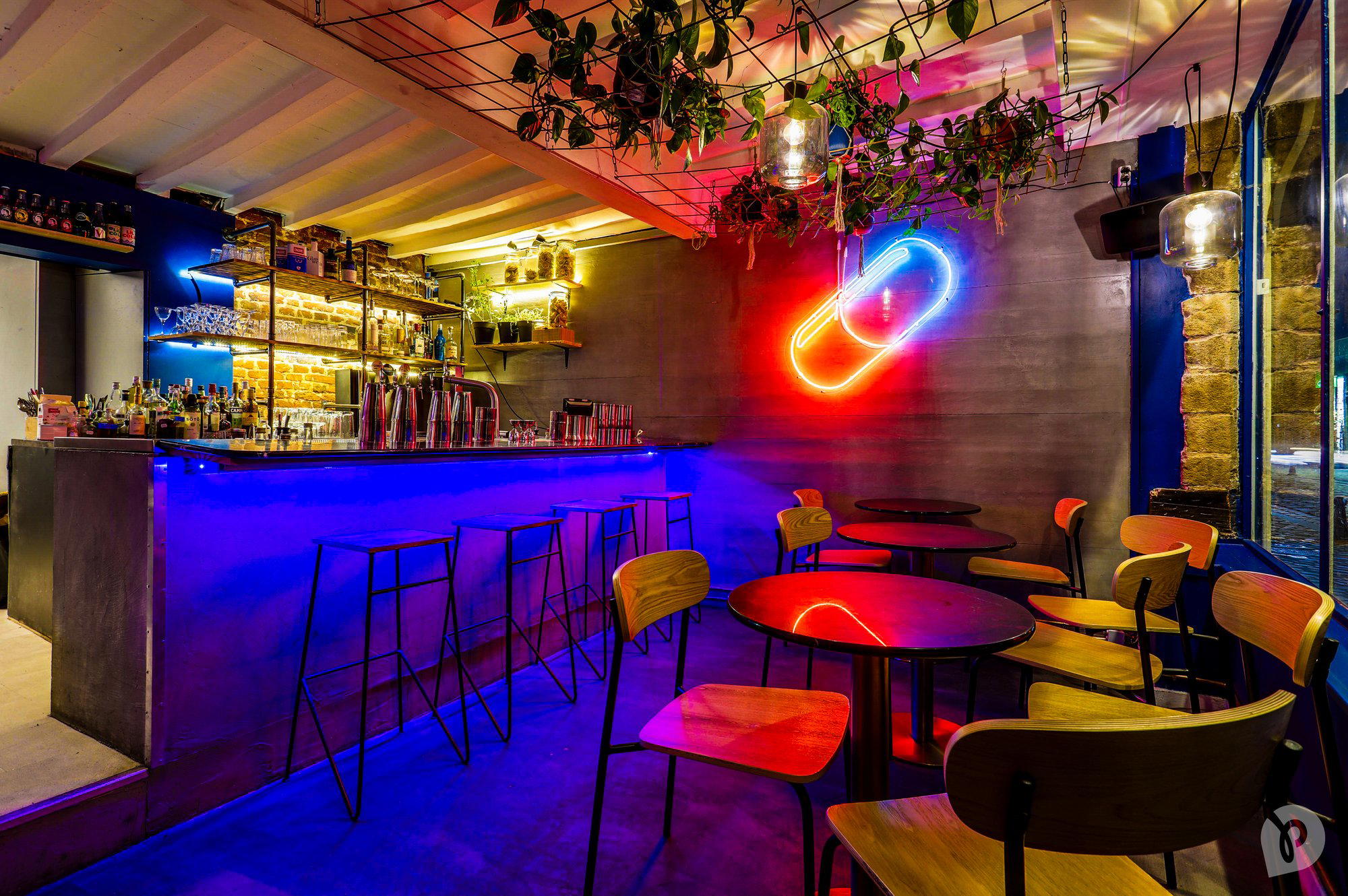
Bars in Koksijde
Browse all →
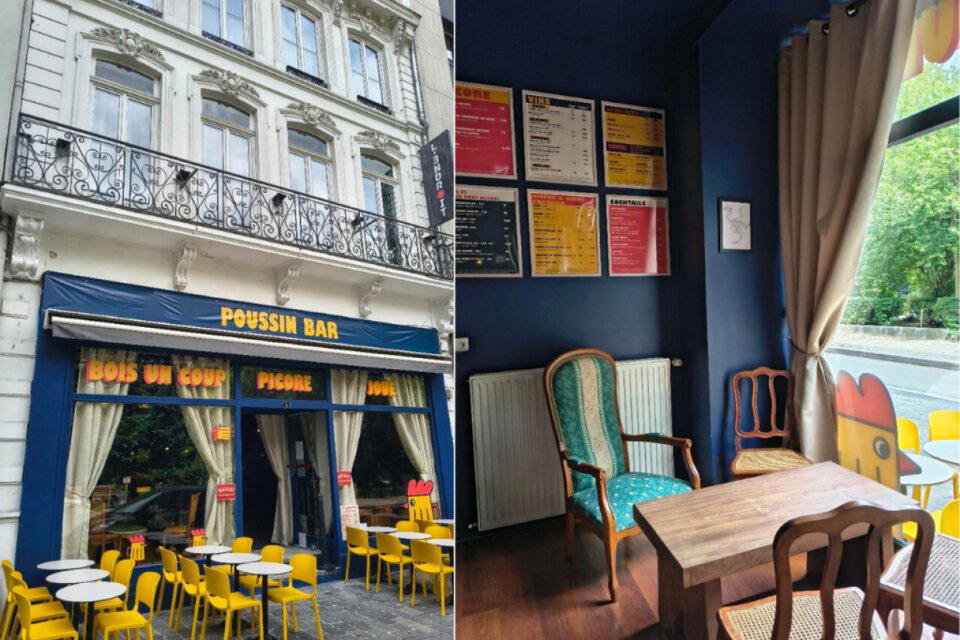
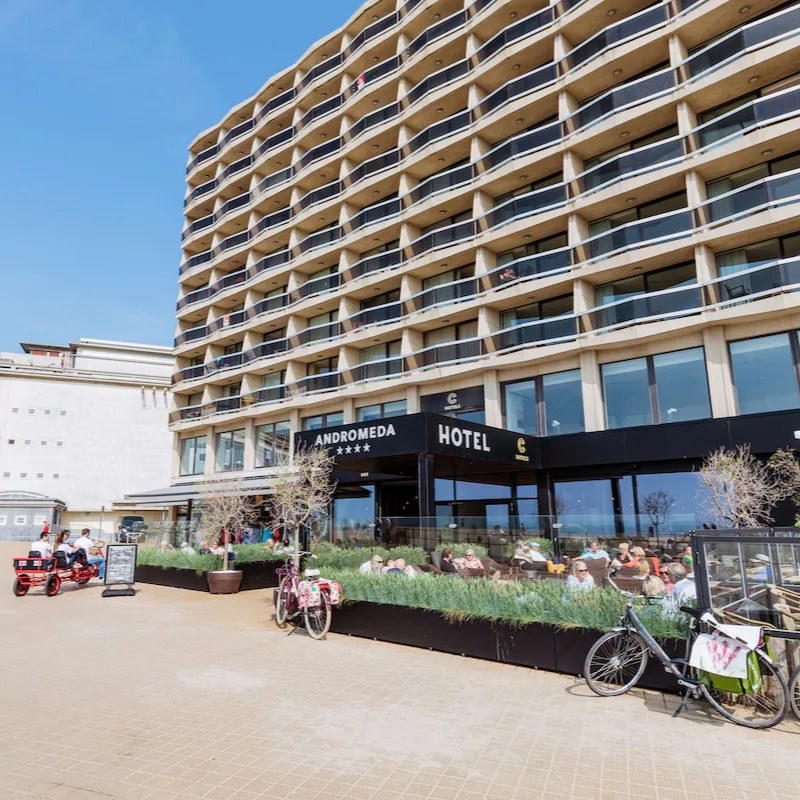
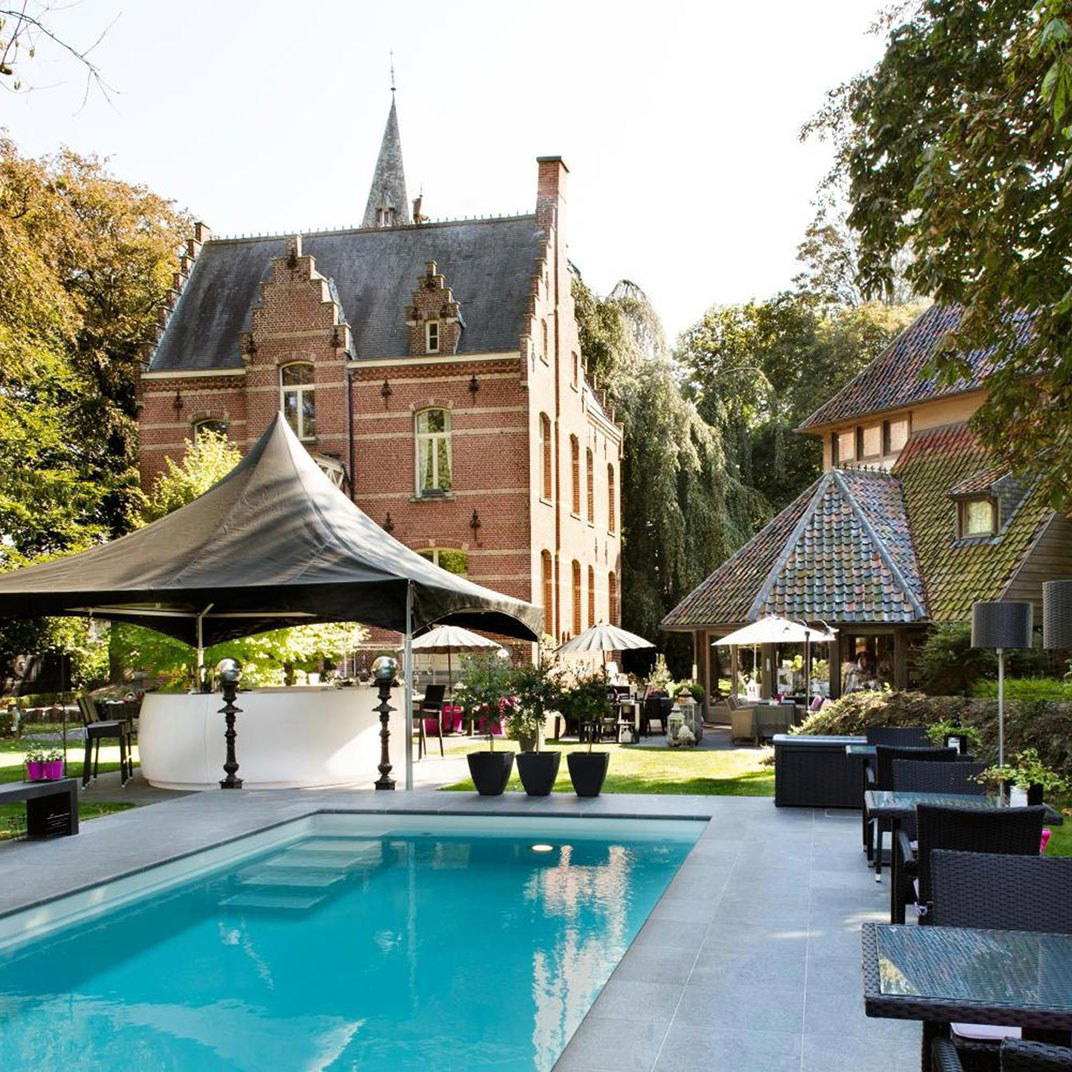
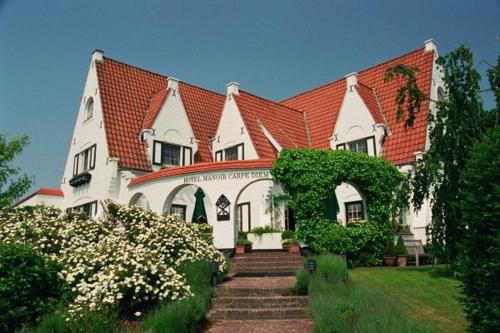
Hotels in Koksijde
Browse all →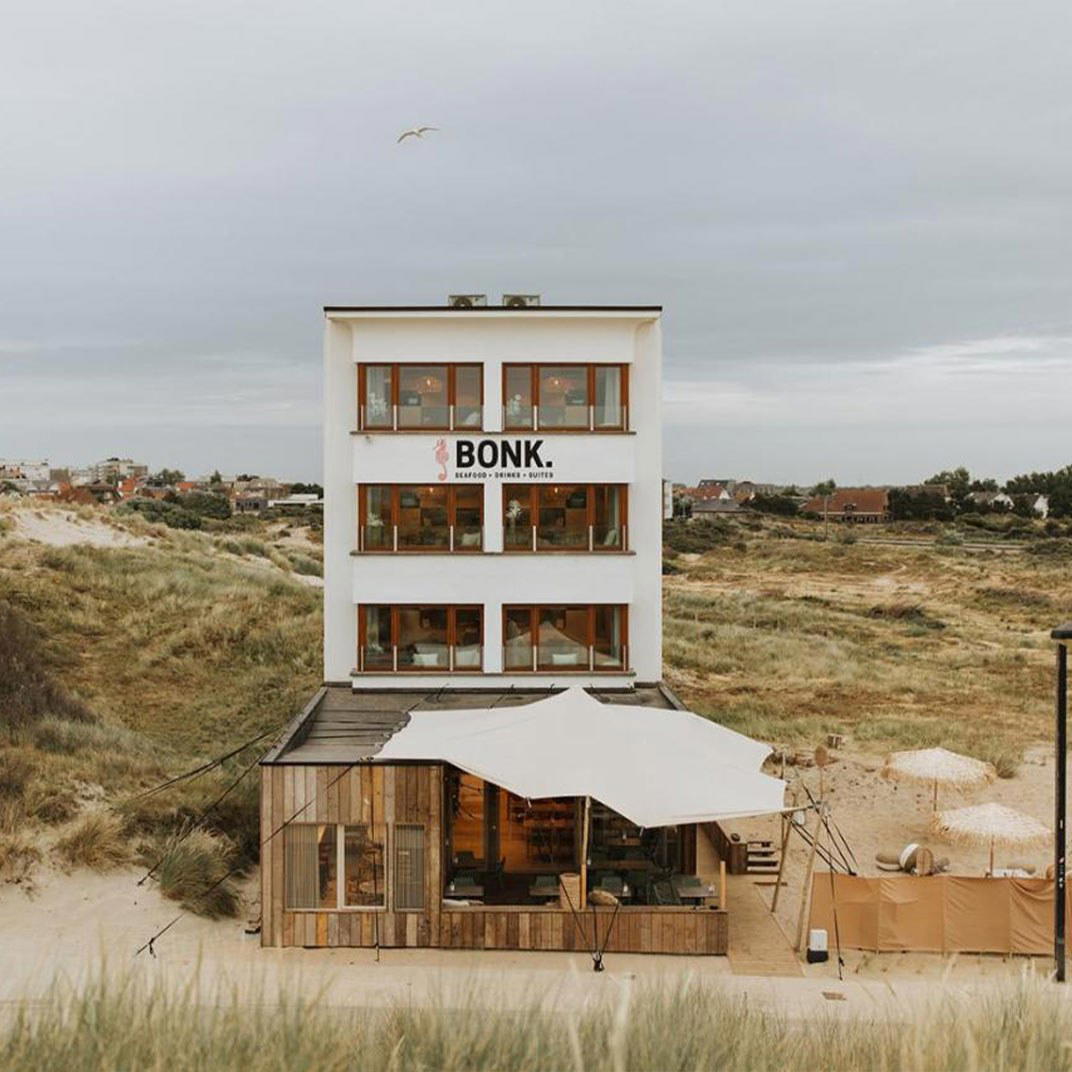
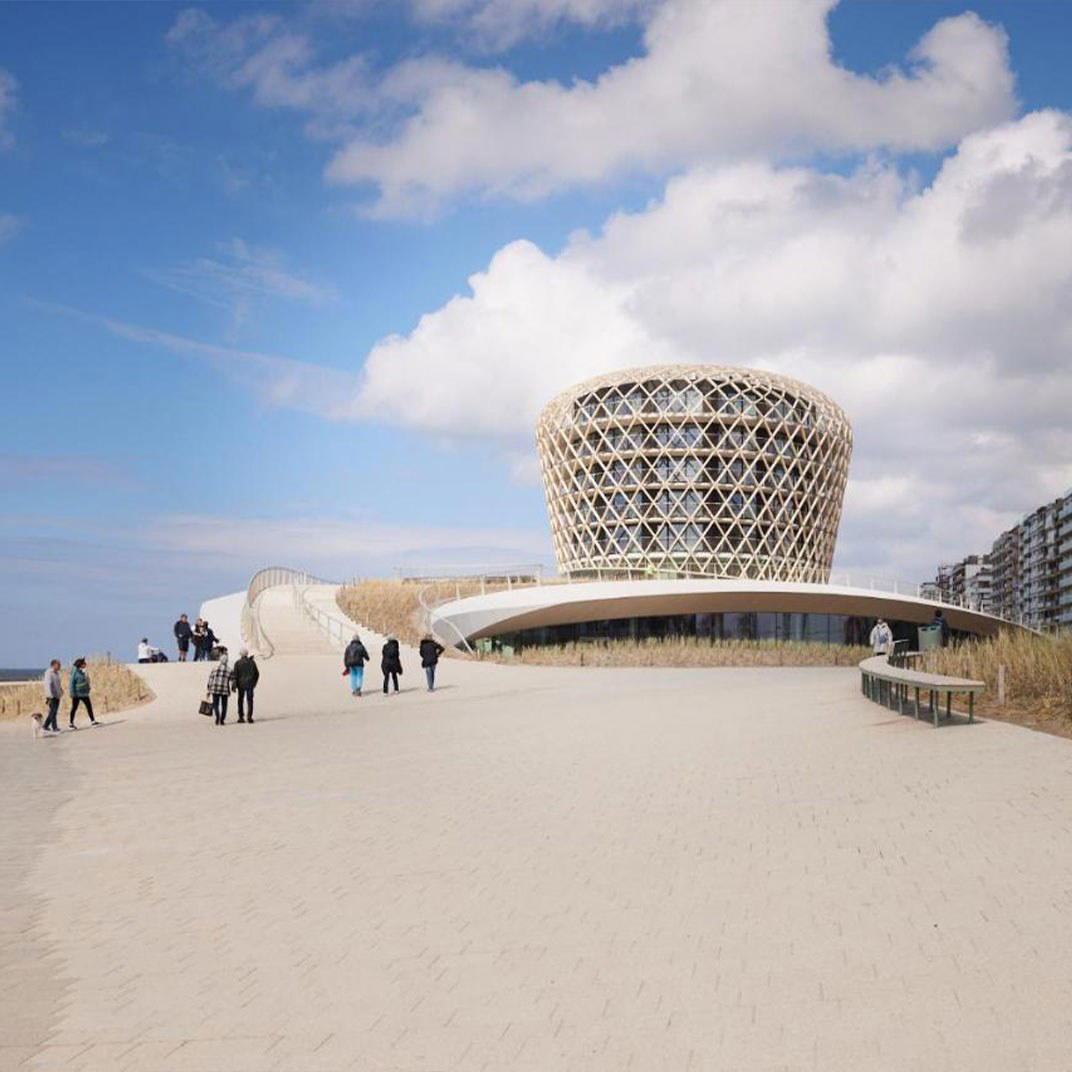
Wineries in Koksijde
Browse all →
At a Glance
- Elegant
- Cozy
- Special Occasion
- Date Night
- Standalone
- Extensive Wine List
- Local Sourcing
Current opening hours
- Monday
- Closed
- Tuesday
- 12–4 PM, 6–10 PM
- Wednesday
- 12–4 PM, 6–10 PM
- Thursday
- 12–4 PM, 6–10 PM
- Friday
- 12–4 PM, 6–10 PM
- Saturday
- 12–4 PM, 6–10 PM
- Sunday
- 12–4 PM
Hours can change for holidays and private events. Last verified .
Magnifiek decor where guests can enjoy cozy and elegant dining with a focus on high-quality seafood preparations.