Bistronomie Eglantier sits on Albert I Laan in Koksijde, Belgium's coastal strip where North Sea produce and Belgian farming traditions converge. The bistronomie format positions it between casual brasserie dining and serious kitchen ambition, a combination that defines the more interesting end of West Flanders' coastal restaurant scene. For visitors exploring the area, it warrants a place on the considered shortlist alongside Koksijde's other independent tables.
Pearl is the En Primeur Club membership app — saves, bookings, and concierge access live there. Same editors, same standards.
- Address
- Albert I Laan 141, 8670 Koksijde, Belgium
- Phone
- +3258513241
- Website
- bistronomie-eglantier.be
- Directions
- Get directions
 Saves & bookings on Pearl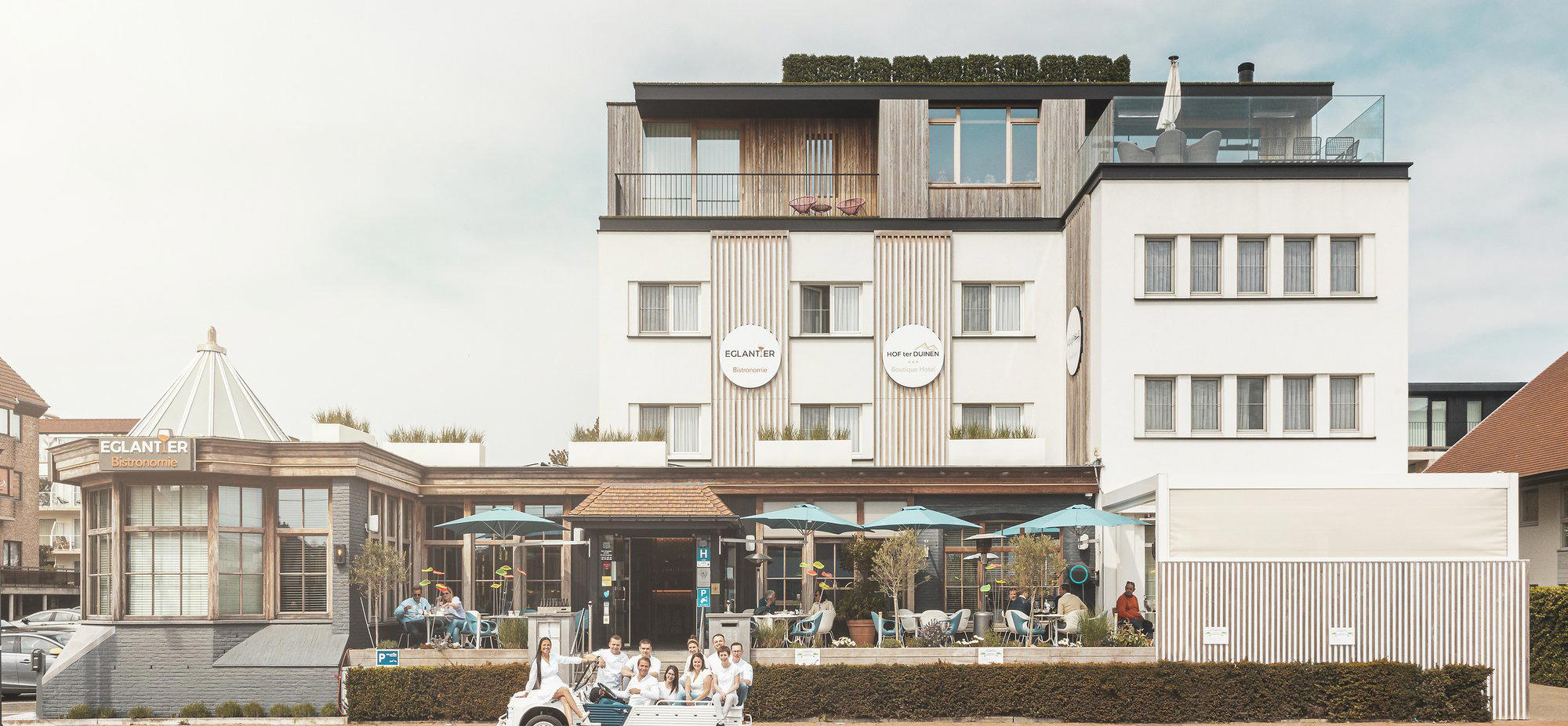
The Coast as Kitchen: Bistronomie on the Belgian Shoreline
Bistronomie Eglantier is a Modern French Bistro at Albert I Laan 141, 8670 Koksijde, Belgium. The bistronomie format here means serious cooking in a relaxed room, with fewer courses than formal gastronomy and more craft than a standard brasserie. The format demands that the kitchen carry the weight, and along this stretch of the North Sea coast, the supply chain available to any cook willing to source carefully is considerable.
Belgian coastal cuisine has historically been defined by proximity to the sea rather than sophistication of technique. That equation has shifted over the past fifteen years. Venues like Willem Hiele in Oudenburg demonstrated that the region's raw materials, grey shrimp from the Flemish banks, flatfish from inshore waters, coastal herbs, and polders vegetables, could anchor cooking of genuine ambition. That precedent filtered down through the coastal tier, and Koksijde's better tables now operate with more sourcing discipline than the resort-town model of two decades ago would have suggested possible.
What Bistronomie Actually Means Here
The bistronomie designation carries specific weight in Belgium. It arrived from France in the early 2000s as a label for restaurants offering technically serious cooking at prices closer to bistro than gastronomic, typically with shorter menus, fewer courses, and a room that prioritises comfort over ceremony. In practice, the format separates restaurants that apply genuine craft to accessible formats from those that simply price down without adjusting ambition upward. The coastal Belgian version of bistronomie tends to lean on the North Sea's seasonal rhythms: spring brings the first shrimp and sea vegetables, summer opens flatfish season fully, autumn shifts toward game from the polders and Ardennes, and winter draws the kitchen back toward richer preparations and preserved components.
In Koksijde, this sits in a local restaurant market that spans a fairly wide range. De Huifkar anchors the traditional end of the spectrum with classic Belgian cuisine. Carcasse and De Kelle occupy their own distinct positions. BOÎTE and 't Blekkertje represent the neighbourhood's more informal side. Eglantier's bistronomie positioning places it above casual and below destination-driven, a middle tier that, done well, is often the useful register for a coastal town where guests range from weekend visitors to year-round locals.
Ingredient Logic Along the Flemish Coast
The editorial angle that matters most here is sourcing geography. Koksijde sits at the western end of the Belgian coast, a few kilometres from the French border and within reach of a supply network that most restaurant markets would find enviable. The North Sea fishing port at Nieuwpoort is the closest significant landing point, providing access to day-boat catch without the volume pressures of larger ports like Ostend. Inland, the West Flanders polders produce chicory, leeks, and root vegetables across the autumn and winter seasons. The broader Flemish agricultural belt, extending toward Roeselare and inland Flanders, supplies a range of producers whose output has become the backbone of Belgian cuisine at every level, from the three-Michelin-star precision of Hof van Cleve in Kruishoutem to the market-driven spontaneity of Vrijmoed in Gent.
For a bistronomie format, these sourcing networks are most visible in menu brevity. A kitchen that changes its card frequently, tracking what fishing boats landed and what the local markets moved, is operating in the tradition the format describes. The format signals ingredient-led cooking shaped by the coast and nearby markets.
Koksijde in the Belgian Dining Picture
Belgium's serious restaurant culture is heavily weighted toward its cities. Brussels houses addresses like Bozar Restaurant. Roeselare's Boury has built a strong national profile. Antwerp's Zilte operates at the summit of the urban fine-dining tier. Provincial coastal towns have, historically, been the places Belgian food culture went on holiday rather than places it advanced. That has changed with some speed. The generation of chefs now running kitchens in West Flanders coast towns includes a number trained in more technically demanding environments, and the bistronomie format has given them a commercially sustainable vehicle for that training. Elsewhere in Belgium, comparable precision shows up in places like La Durée in Izegem or Ralf Berendsen in Neerharen, provincial addresses that punch above their postal codes.
Internationally, the pattern has precedent. The coastal bistronomie model that works in Koksijde rhymes with what Le Bernardin in New York City established at a far grander scale: that seafood deserves the same technical rigour applied to meat and game. At the accessible end, venues like Lazy Bear in San Francisco showed that format informality and kitchen seriousness are not in conflict. The bistronomie register sits between those poles and is proving to be a durable one.
Planning a Visit
Koksijde is accessible by train from Brussels via Ghent and De Panne, with a journey of roughly two hours on direct connections. The town sees its highest visitor volumes in summer, when the coast draws weekend and holiday traffic from across Belgium and northern France, meaning tables at the better addresses fill more quickly in July and August. A reservation made a week or two ahead is advisable in that window. Albert I Laan is walkable from the central tram stop, making the address reachable without a car from the coastal tram network that runs the full length of the Belgian coast. Visitors combining Eglantier with other independent tables might also consider d'Eugénie à Emilie in Baudour or Cuchara in Lommel as part of a wider Flemish dining itinerary.
Comparable Venues
Comparable venues nearby, for context on price, style, and recognition.
| Venue | Cuisine | Price | Awards | Notes |
|---|---|---|---|---|
| Bistronomie EglantierThis venue — the venue you are viewing | Modern French Bistro | $$$ | Not listed | Not listed |
| Sea Horse | French-Belgian Seafood | $$$$ | Not listed | Koksijde Bad |
| Willem Hiele Lunch & Gastentafel | Modern French-Belgian Fine Dining | $$$ | Not listed | Koksijde |
| Nils | Modern French Fine Dining | $$$ | Michelin Plate | Koksijde |
| Oh Restaurant | Modern French Gastronomic | $$$$ | Not listed | Sint-Idesbald |
| 't Blekkertje | French Steakhouse with Belgian Classics | $$ | Not listed | Koksijde-bad |
Continue exploring
More in Koksijde
Restaurants in Koksijde
Browse all →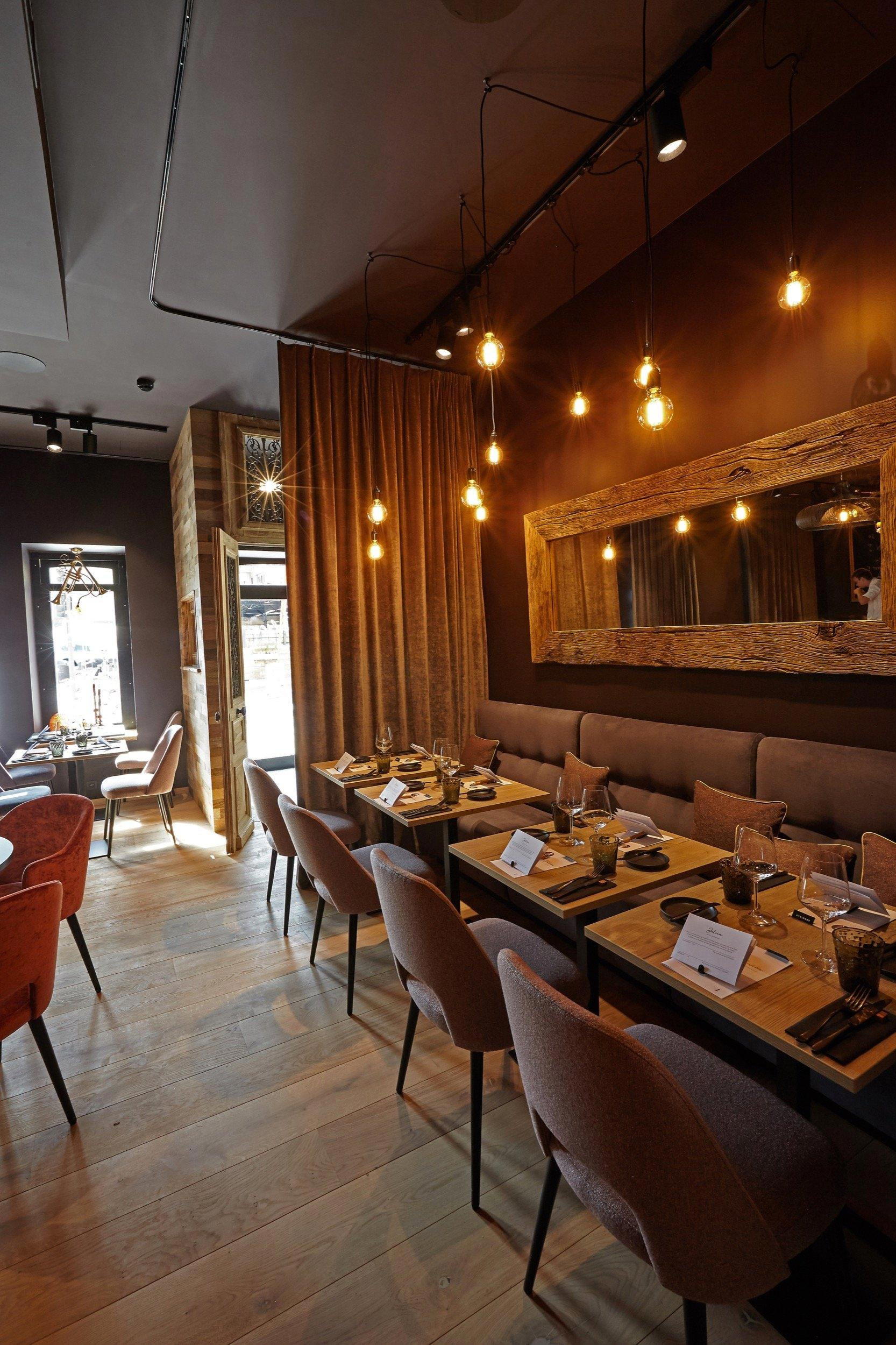
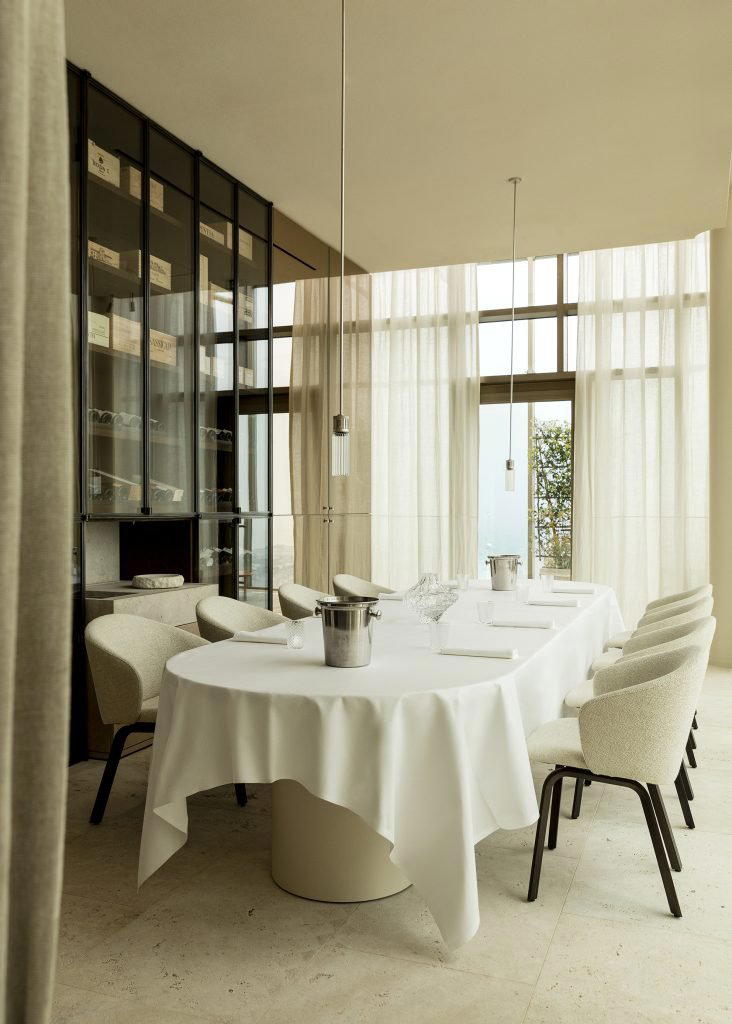
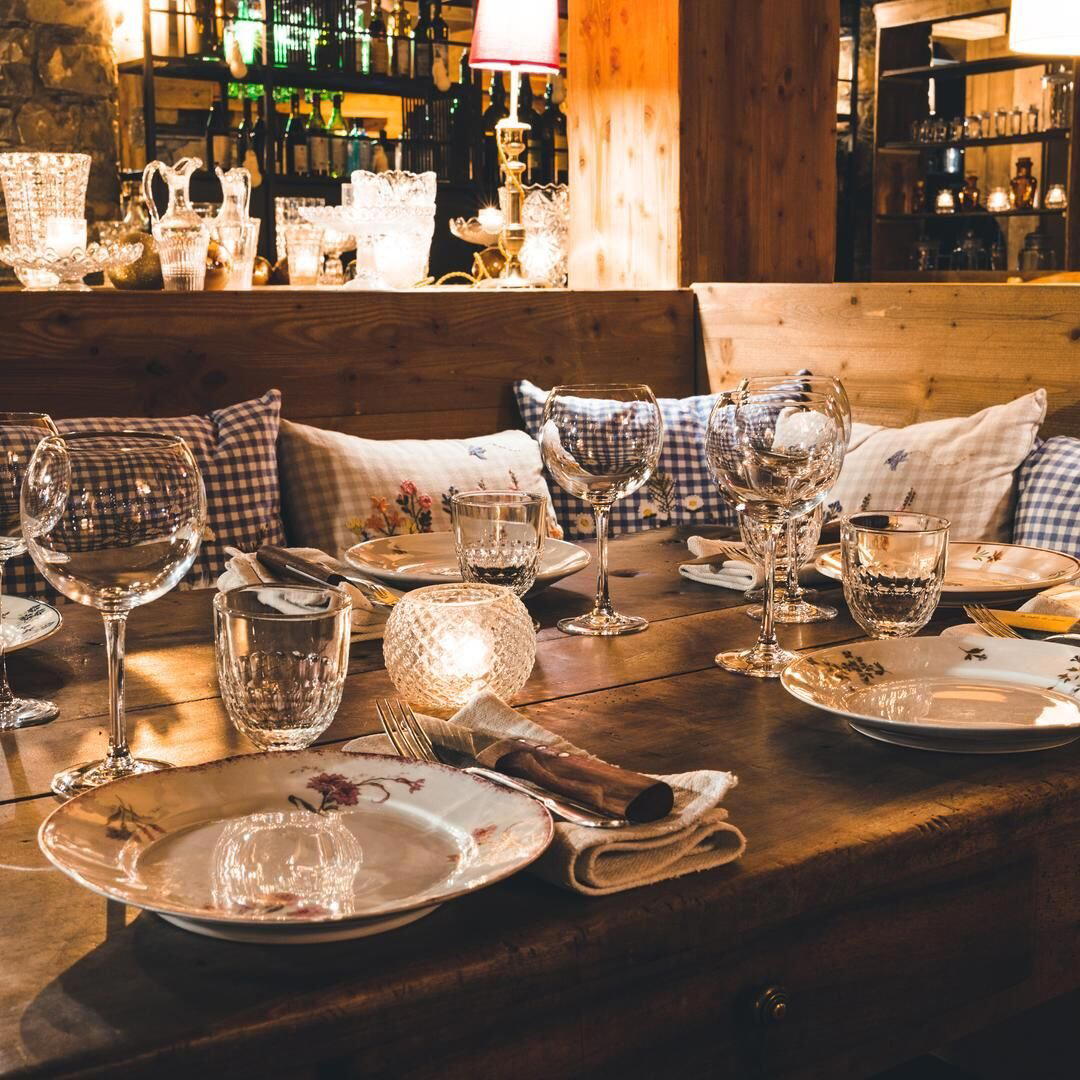
Bars in Koksijde
Browse all →
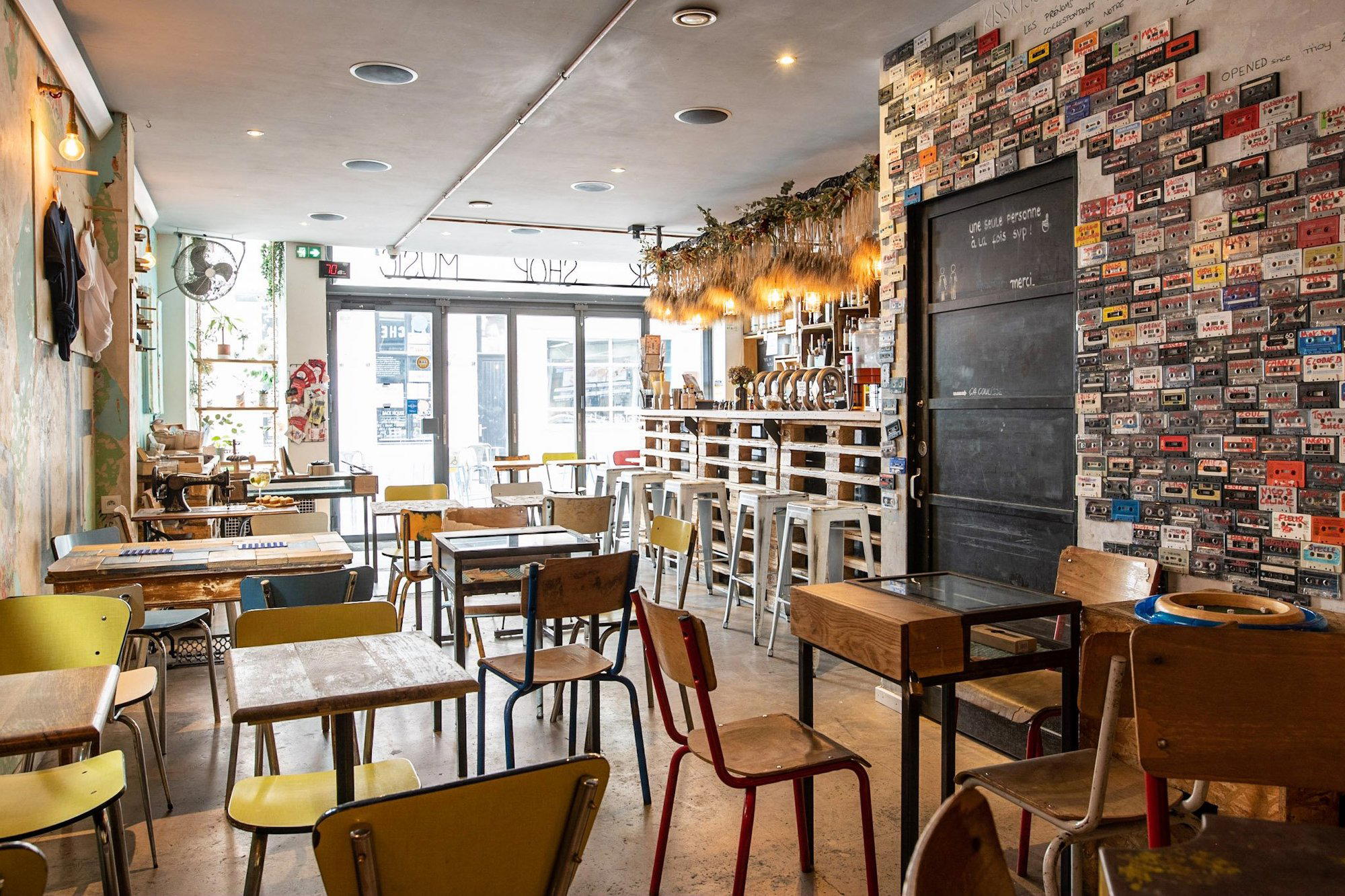
Hotels in Koksijde
Browse all →
Wineries in Koksijde
Browse all →
At a Glance
- Cozy
- Elegant
- Modern
- Date Night
- Special Occasion
- Terrace
- Hotel Restaurant
- Extensive Wine List
- Local Sourcing
- Waterfront
Current opening hours
- Monday
- Closed
- Tuesday
- 5:30–11 PM
- Wednesday
- 9 AM–11 PM
- Thursday
- 9 AM–11 PM
- Friday
- 9 AM–11 PM
- Saturday
- 9 AM–11:30 PM
- Sunday
- 9 AM–4 PM
Hours can change for holidays and private events. Last verified .
Lovely design with cozy, elegant atmosphere and great service.