On Koksijde's Koninklijke Baan, Oh Restaurant operates within Belgium's coastal dining tradition, where proximity to the North Sea shapes what lands on the plate. The address places it among a small cluster of destination restaurants in a town better known for dunes and summer tourism than for serious cooking. Visitors looking to map the local scene should cross-reference with our full Koksijde restaurants guide.
Pearl is the En Primeur Club membership app — saves, bookings, and concierge access live there. Same editors, same standards.
- Address
- Koninklijke Baan 289, 8670 Koksijde, Belgium
- Phone
- +32468321954
- Website
- ohrestaurant.be
- Directions
- Get directions
 Saves & bookings on Pearl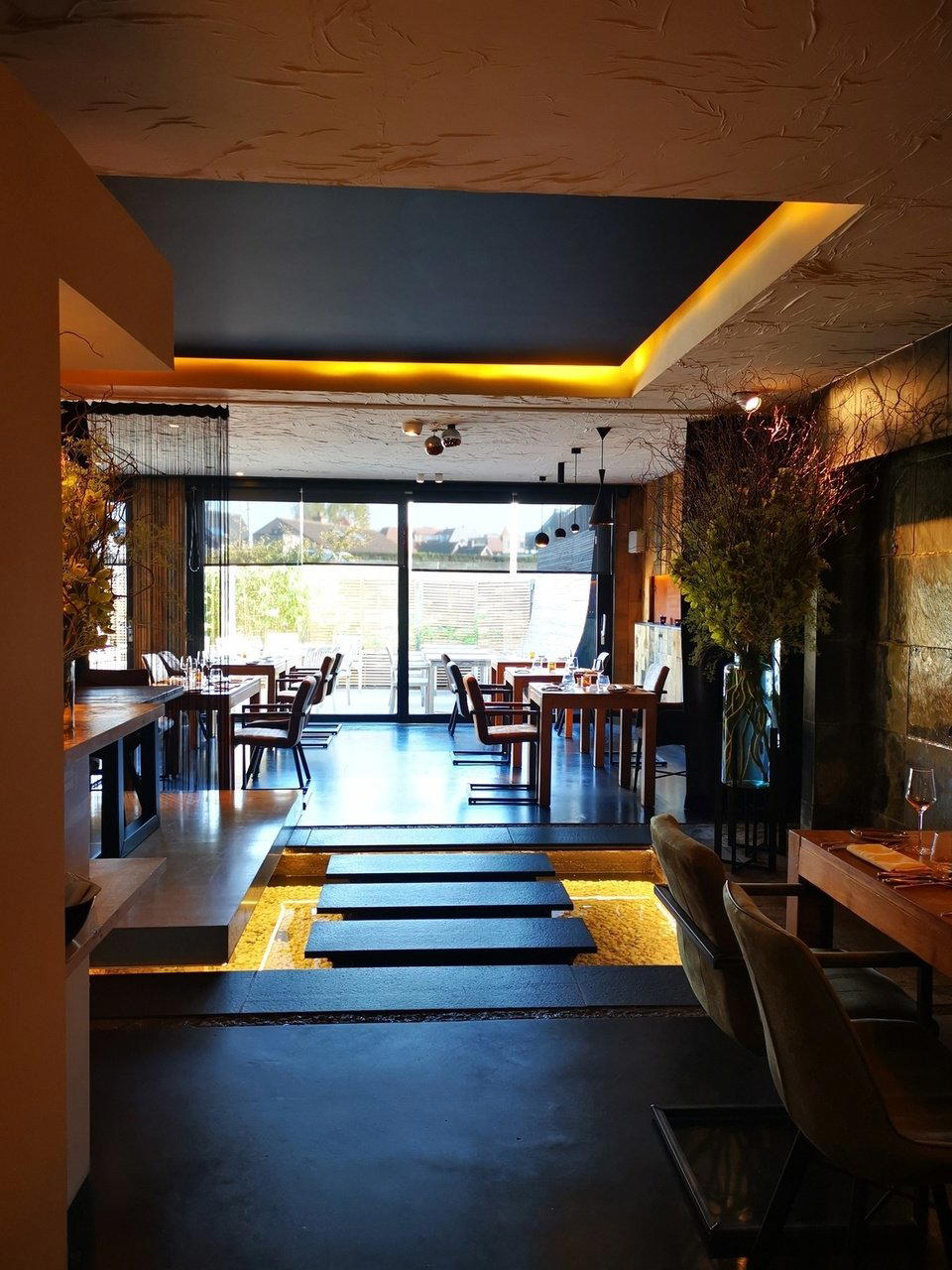
The North Sea Table: Coastal Cooking in Belgium's West Flanders
Belgium's coastal strip runs roughly 67 kilometres, and for most of its length the culinary logic is the same: the sea provides, and the kitchen follows. In Koksijde, that principle is tested by a short tourist season that compresses demand and rewards the restaurants willing to maintain a serious kitchen year-round. The town draws weekend visitors from Ghent and Brussels during summer, then quiets to a pace that suits slower, more deliberate cooking. Oh Restaurant, at Koninklijke Baan 289, occupies this context, a stretch of road that functions as Koksijde's main artery and connects the dining room to both the local residential community and the seasonal influx that defines the coastal calendar.
West Flanders has produced a strand of Belgian cooking that is less celebrated internationally than the Michelin-dense corridor around Brussels and Ghent, but it is no less coherent. The region's kitchens draw on a tradition of treating seafood with directness: sourced close, prepared without excessive intervention, and grounded in the Flemish instinct for generosity over showmanship. That tradition runs through properties like Bartholomeus in Heist, which has built a reputation on North Sea-facing cooking, and Willem Hiele in Oudenburg, where the surrounding farmland and coastline dictate the ingredient logic. Oh Restaurant sits within this same West Flemish framework, where geography is not an aesthetic choice but a structural constraint.
Koksijde's Restaurant Scene: Where Oh Fits
Koksijde's dining options span a wider range than the town's modest profile might suggest. At the traditional end, De Huifkar (Traditional Cuisine) anchors the classic Flemish register at the €€ price tier, the kind of kitchen that has been serving the same well-executed regional dishes long enough that locals measure other restaurants against it. Stepping up, Bistronomie Eglantier represents the bistronomie wave that reshaped Belgian casual fine dining over the past decade: seasonal menus, natural wine sympathies, and a price point that sits between neighbourhood trattoria and destination restaurant. 't Blekkertje and BOÎTE each add distinct registers, while Carcasse leans into a different product focus altogether.
Oh Restaurant occupies a position within this comparable set that becomes clearer when mapped against the comparison venues active in the area. Modern cuisine at the €€€ tier, exemplified locally by Nils, signals a kitchen working with classical technique and contemporary plating, aimed at a customer who travels for dinner rather than stumbles in from the promenade. Farm-to-table at the same tier, as practised by De Normandie, reflects a different sourcing priority but a similar commitment level. The Belgian coastal €€€ diner is a specific profile: someone who has likely also eaten at Boury in Roeselare or tracked the reputation of Zilte in Antwerp, and who brings comparative expectations to the table.
Belgian Coastal Cuisine: The Cultural Roots
Understanding what a coastal Belgian kitchen is doing requires some familiarity with how Belgium's culinary culture actually works. Unlike France, where regional identity is codified and protected, or the Netherlands, where a functional plainness once dominated, Belgium operates in a productive tension between Flemish directness and French technical influence. The coast amplifies this: fishing culture is embedded in the local economy, but the proximity to France (the border runs through Dunkirk, less than 30 kilometres south) means technique flows easily across the line.
The result, at its leading, is cooking that treats a sole meunière or a bowl of grey shrimp croquettes not as nostalgic comfort but as a precise technical problem. How do you source at the peak of the season? How do you handle a product that was swimming this morning? Belgian coastal kitchens at the serious end of the market, from Bartholomeus to the destination dining rooms further inland like Hof van Cleve - Floris Van Der Veken in Kruishoutem, have been answering those questions with increasing rigour. The conversation is no longer purely local: Le Bernardin in New York City and Atomix in New York City demonstrate that fish-forward fine dining has a global reference frame, and the leading Belgian coastal kitchens are aware of it.
This is the tradition that gives coastal Koksijde restaurants their cultural weight, and within which the restaurant operates. The address on Koninklijke Baan places the kitchen in a town where the sea is not a distant abstraction but a five-minute walk from most tables in any restaurant in the neighbourhood.
Reading the Room: What the Koksijde Coastal Setting Demands
Seasonal rhythm matters more on the Belgian coast than in a city like Brussels, where Bozar Restaurant operates against a year-round metropolitan calendar. Coastal restaurants manage a demand curve that spikes in July and August and drops sharply in the off-season. The kitchens that survive and develop their cooking tend to treat the quiet months as creative time and the high season as execution time. Visitors arriving outside peak summer often find a more considered experience and easier access, the trade-off being that some venues reduce hours or close intermittently.
For those building a broader West Flanders itinerary around serious eating, the regional map extends beyond the coast. De Jonkman in Sint-Kruis, Castor in Beveren, and further afield in Wallonia, L'air du temps in Liernu and d'Eugénie à Emilie in Baudour all represent the breadth of Belgian cooking across its linguistic and geographical zones. Koksijde is a useful entry point for the coastal register specifically.
Planning Your Visit
The restaurant is located at Koninklijke Baan 289, 8670 Koksijde, Belgium. The address sits on Koksijde's primary commercial route, accessible by car from the E40 motorway corridor that connects the coast to Ghent and Brussels. Koksijde has a rail station with connections to De Panne and Bruges, making arrival without a car viable, though the final stretch to Koninklijke Baan is more practical by taxi or local transport. Please verify opening times and reservations directly before travelling, particularly outside the summer season when coastal schedules shift.
Price and Positioning
Comparable venues nearby, for context on price, style, and recognition.
| Venue | Cuisine | Price | Awards | Notes |
|---|---|---|---|---|
| Oh RestaurantThis venue — the venue you are viewing | Sint-Idesbald, Modern French Gastronomic | $$$$ | Not listed | Not listed |
| Bistronomie Eglantier | Oostduinkerke-Bad, Modern French Bistro | $$$ | Not listed | Not listed |
| Nils | Koksijde, Modern French Fine Dining | $$$ | Michelin Plate | Not listed |
| Carcasse | Sint-Idesbald, Premium Meat & Grills | $$$$ | Not listed | Not listed |
| Sea Horse | Koksijde Bad, French-Belgian Seafood | $$$$ | Not listed | Not listed |
| Mondieu | Not listed | $$$ | Michelin Plate | Koksijde, Light French with Mediterranean influences |
Continue exploring
More in Koksijde
Restaurants in Koksijde
Browse all →
Bars in Koksijde
Browse all →
Hotels in Koksijde
Browse all →
Wineries in Koksijde
Browse all →
At a Glance
- Elegant
- Sophisticated
- Intimate
- Romantic
- Date Night
- Special Occasion
- Celebration
- Business Dinner
- Open Kitchen
- Terrace
- Standalone
- Sommelier Led
- Farm To Table
- Local Sourcing
Current opening hours
- Monday
- Closed
- Tuesday
- 12–2:30 PM, 6:30–8:30 PM
- Wednesday
- 12–2:30 PM, 6:30–8:30 PM
- Thursday
- 12–2:30 PM, 6:30–8:30 PM
- Friday
- 6:30–8:30 PM
- Saturday
- 12–2:30 PM, 6:30–8:30 PM
- Sunday
- Closed
Hours can change for holidays and private events. Last verified .
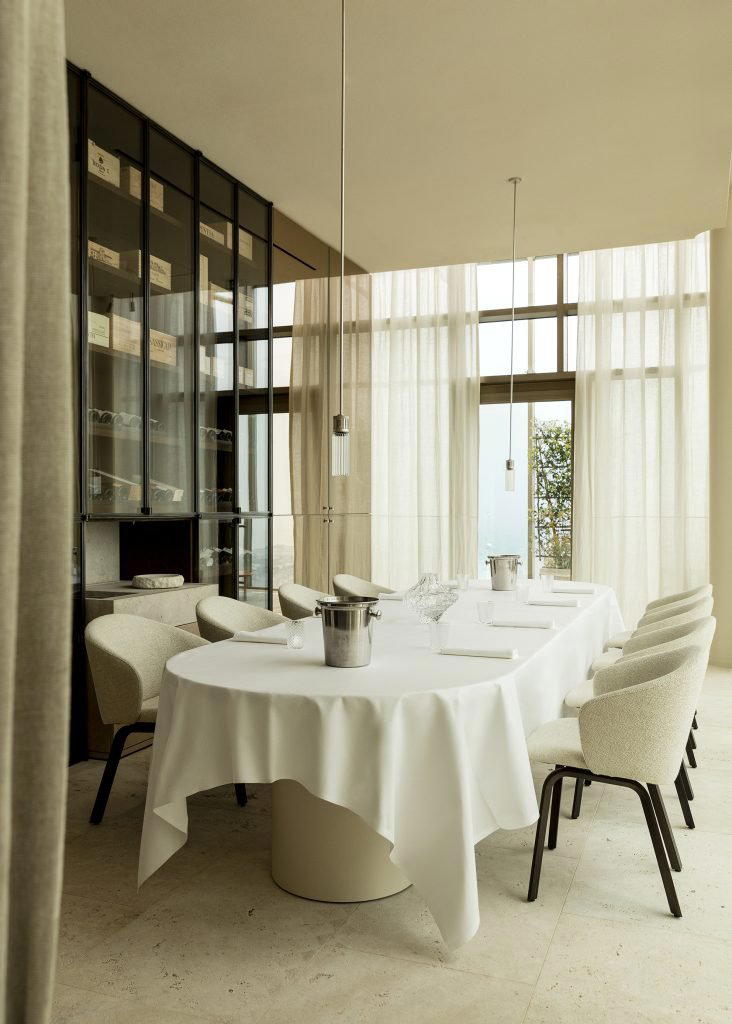
Zen and pleasant atmosphere with refined, contemporary decor; water-themed elements create a sophisticated yet welcoming environment for intimate dining experiences.