De Gastendonk
Our verdict
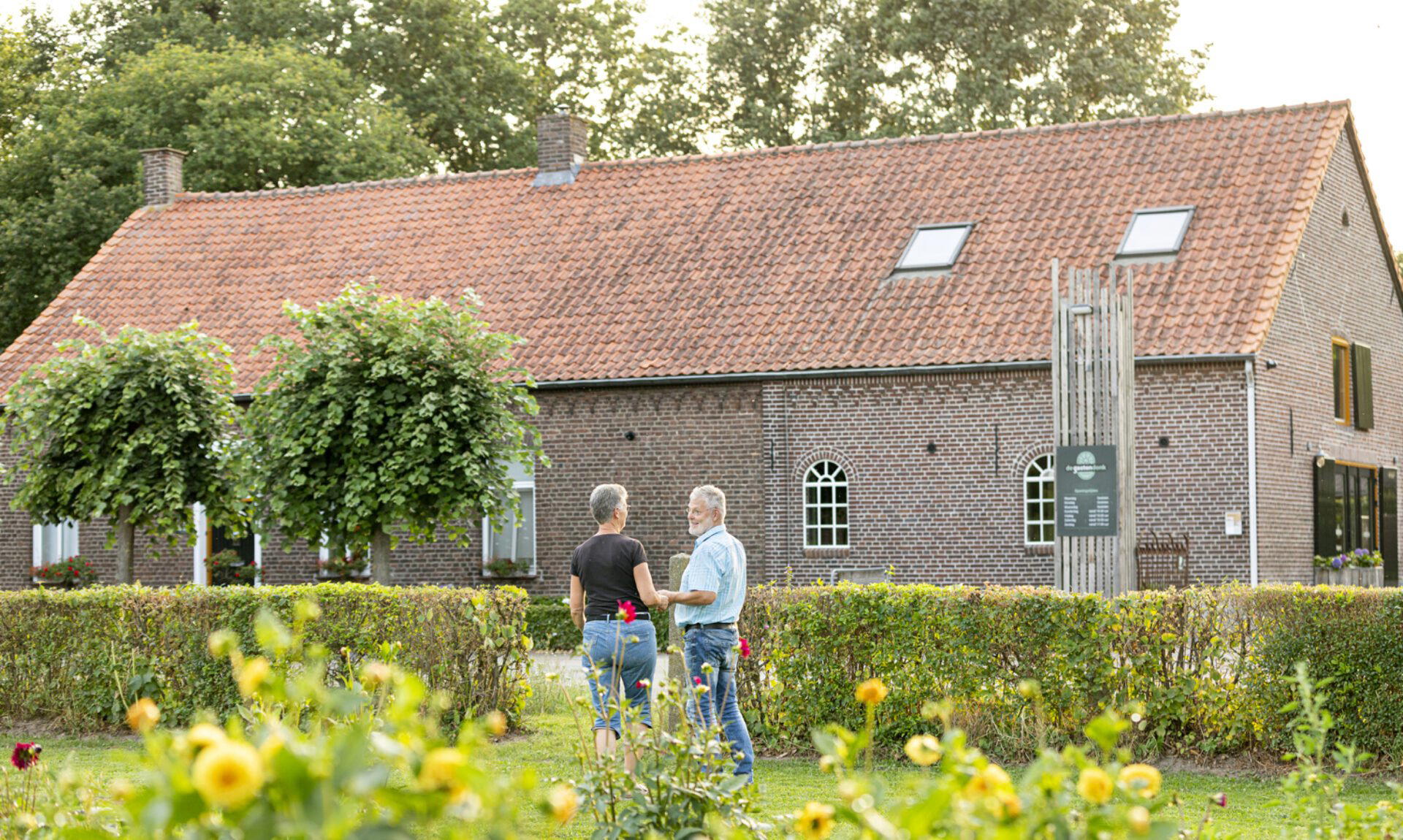
De Gastendonk sits on Gastendonkstraat in Horst, a quiet corner of North Limburg where the agricultural character of the region shapes what ends up on the plate. The address places it firmly in the Dutch province known for its market gardens and livestock farms, a setting that informs a particular kind of ingredient-led cooking. For visitors exploring fine dining in the Limburg and Brabant corridor, it belongs on the same research list as the serious kitchens further south and west.

Pearl is the En Primeur Club membership app — saves, bookings, and concierge access live there. Same editors, same standards.
- Address
- Gastendonkstraat 39, 5961 JW Horst, Netherlands
- Phone
- +31773985356
- Hours
- Mon–Wed ClosedThu–Sat 6 PM–12 AMSun 5 PM–12 AM
- Website
- gastendonk.nl
- Directions
- Get directions
- Booking
- Book on Zenchef
Where the Land Comes to the Table
North Limburg is not a dining destination that announces itself. The province sits between the German border and the Brabant clay, and its agricultural rhythm has historically been the story here, not its restaurant scene. But that agricultural density is precisely what makes addresses like De Gastendonk on Gastendonkstraat in Horst worth examining. When a kitchen operates inside a farming region rather than adjacent to one, the logic of sourcing changes. Proximity to the ingredient is not a marketing position; it is a structural condition of how the kitchen functions.
Horst itself is a compact municipality in the northern part of Limburg, surrounded by the glasshouse horticulture and open-field vegetable production that makes this stretch of the Netherlands one of the country's most productive agricultural zones. What reaches a kitchen here can, in principle, have left the ground that morning. That kind of supply chain is structurally different from what even the most committed urban restaurants in Amsterdam or Rotterdam can arrange, regardless of how many farm relationships they cultivate from a distance.
The Ingredient Argument for Regional Dutch Cooking
Dutch fine dining has, over the past decade, built a credible international case through a handful of high-profile addresses. De Librije in Zwolle and Ciel Bleu in Amsterdam represent the urban end of that argument, where technical ambition and wine programs carry the weight. At the other end of the spectrum, rural addresses in provinces like Limburg and Brabant carry a different kind of authority: the authority of place. De Lindehof in Nuenen and De Treeswijkhoeve in Waalre both operate in this tradition, where the surrounding countryside functions as a direct supplier rather than a decorative backdrop.
The broader Dutch creative dining scene has also pushed hard toward organic and plant-forward frameworks. De Nieuwe Winkel in Nijmegen has made that argument at the highest competitive level, earning recognition for a fully plant-based approach that treats the vegetable as primary rather than secondary. The Limburg region, with its concentration of specialist growers, provides the raw conditions for kitchens to pursue similar sourcing discipline without having to engineer supply chains from scratch.
Across the wider Netherlands, this pull toward terroir-conscious cooking has reached restaurants well outside the major cities. De Groene Lantaarn in Staphorst and De Lindenhof in Giethoorn both draw on their immediate geography as a structural element of their identity, not an afterthought. That pattern is worth keeping in mind when considering what De Gastendonk's Horst address implies about its kitchen's relationship with its suppliers.
North Limburg in the Context of Dutch Fine Dining
The serious dining corridor in the southern Netherlands runs roughly from North Brabant into Limburg, with a cluster of ambitious kitchens that operate at a remove from the Amsterdam-Rotterdam axis. Tribeca in Heeze and Aan de Poel in Amstelveen sit at the more polished end of that regional tier, as does Brut172 in Reijmerstok, which has positioned itself within the Limburg fine dining conversation specifically through its wine program and format discipline.
Further afield, the contrast with what Dutch kitchens are doing internationally becomes instructive. Le Bernardin in New York City and Atomix in New York City operate at a tier where technique and narrative architecture drive the experience. The Dutch regional model works from different premises: fewer courses of theatrical complexity, more direct engagement with what the surrounding land is producing at a given moment. Neither approach is inherently superior, but they serve different reader intentions, and knowing which framework you are choosing matters when planning a serious trip.
Restaurants like Inter Scaldes in Kruiningen, operating in the agricultural flatlands of Zeeland, and FG in Rotterdam demonstrate how wide the stylistic range is even within high-end Dutch dining. Horst, by its geography, positions a kitchen toward the ingredient-led end of that range rather than the urban-technical end.
Visiting Horst: Practical Orientation
Horst is most efficiently reached by car from Eindhoven or Venlo, both of which have rail connections from Amsterdam and other major Dutch cities. The address at Gastendonkstraat 39 sits within the municipality, and the surrounding area is rural enough that a car is the practical choice for anyone combining this visit with other Limburg or Brabant destinations. Given the limited density of major restaurants in this specific corridor, building a two-day itinerary that includes an address in Venlo or further into Limburg rewards the travel investment. For anyone researching the broader regional scene before planning, our full Horst restaurants guide provides additional context on the local dining environment.
Comparable destination-dining trips in the Dutch south tend to involve overnight stays, since the drive from Amsterdam is roughly two hours and the kitchens worth visiting are often spread across a thirty-kilometre radius. The regional hotel infrastructure in North Limburg is functional rather than design-led, which means accommodation choices are unlikely to add significantly to the experience in the way they might in, say, the Zeeland coast or the Veluwe.
What This Address Signals
An address in Horst, on a street named for the estate itself, operating within one of the Netherlands' most agriculturally dense municipalities, carries a specific implication: that sourcing is structural rather than aspirational. The kitchens that have built the most durable reputations in Dutch fine dining outside the major cities have typically done so by making that argument with consistency over time, rather than through single seasons of attention. 't Nonnetje in Harderwijk, De Bokkedoorns in Overveen, and 't Amsterdammertje in Loenen aan de Vecht each demonstrate how a non-metropolitan address, sustained over years, accumulates its own form of authority.
De Gastendonk's position in this geography places it in that same category of restaurants worth tracking: not because of a headline award or a celebrity kitchen, but because the structural conditions for serious, grounded cooking are present at the address level. For travellers who prioritise the relationship between land and plate over urban spectacle, North Limburg deserves a place in the research.
Frequently asked questions
Is De Gastendonk a family-friendly restaurant?
De Gastendonk occupies an estate address in Horst, a municipality with a strongly agricultural character, which tends to shape a grounded rather than strictly formal setting. Whether the format accommodates younger diners depends on the kitchen's current programme, which is best confirmed directly with the venue before visiting.
What is the atmosphere like at De Gastendonk?
The address on Gastendonkstraat in Horst — named for the estate itself — signals a setting tied to the land rather than to an urban dining room. North Limburg operates at a remove from the Dutch restaurant publicity circuit, which gives venues here a quieter, more locally anchored character than equivalents in Amsterdam or Rotterdam.
What makes De Gastendonk different from other restaurants in the Venlo and North Limburg area?
De Gastendonk operates from an estate address in Horst — a Limburg municipality defined by its agricultural density rather than tourism infrastructure — placing it outside the more visible southern Dutch dining corridor that runs through Roermond and Maastricht. That position, on a street carrying the estate's own name, suggests a kitchen drawing directly on its immediate land rather than sourcing through the same supply chains as city restaurants. For diners travelling from Venlo or Eindhoven, it represents a deliberate detour into North Limburg's quieter culinary identity.
What's the must-try dish at De Gastendonk?
Given the estate's location in one of the Netherlands' most agriculturally dense municipalities, the kitchen is positioned to draw on produce grown within close range — the strongest case for visiting lies in that regional specificity rather than any single fixed dish.
A Quick Peer Check
Comparable venues nearby, for context on price, style, and recognition.
| Venue | Cuisine | Price | Notes |
|---|---|---|---|
| De GastendonkThis venue — the venue you are viewing | Dutch Seasonal Fine Dining | $100–150 | Not listed |
| Rosemary | Modern Seafood & European Fine Dining | Not listed | Joure |
| Brandsøn | Modern Seafood & International Fine Dining | $50–100 | Stokstraat Quarter |
| Seafarm | Fresh Seafood & Shellfish | $30–50 | Kamperland |
| John Dory | Dutch Fishtronomy Fine Dining | $50–100 | Van Loonbuurt |
| Roemer | Modern French Fine Dining | $100–150 | Leidsche Rijn |
Continue exploring
More in Horst
Restaurants in Horst
Browse all →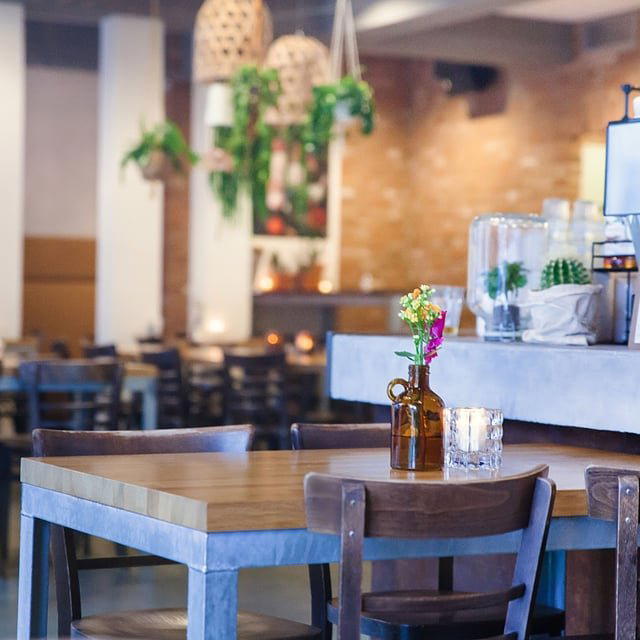
Details
- Cozy
- Elegant
- Rustic
- Intimate
- Date Night
- Special Occasion
- Celebration
- Garden
- Private Dining
- Standalone
- Beer Program
- Farm To Table
- Local Sourcing
- Organic
- Garden
- Tasting Menu
- Set Menu
- Wine
- Beer
- Vegetarian Friendly
- Vegan Options
- Gluten Free Options
Current opening hours
- Monday
- Closed
- Tuesday
- Closed
- Wednesday
- Closed
- Thursday
- 6 PM–12 AM
- Friday
- 6 PM–12 AM
- Saturday
- 6 PM–12 AM
- Sunday
- 5 PM–12 AM
Hours can change for holidays and private events. Last verified .
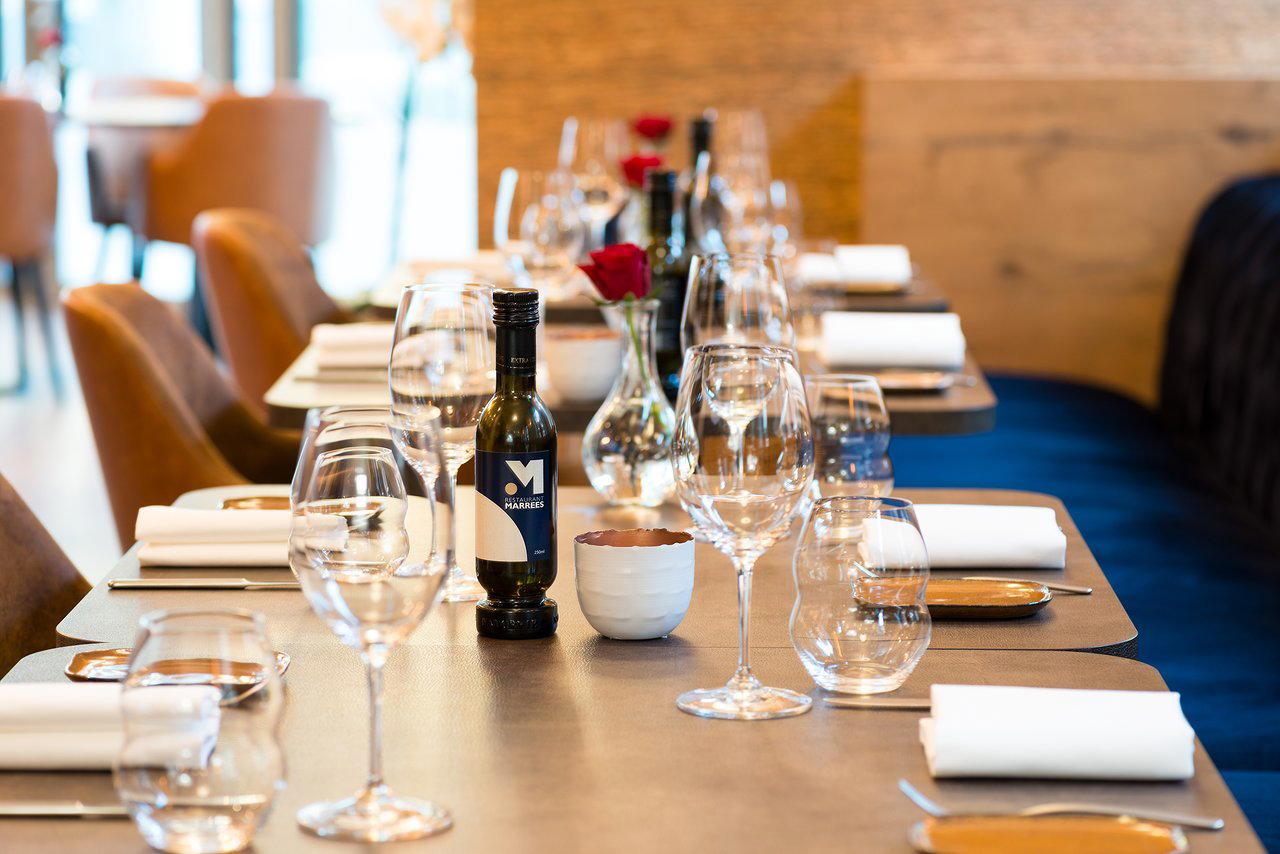
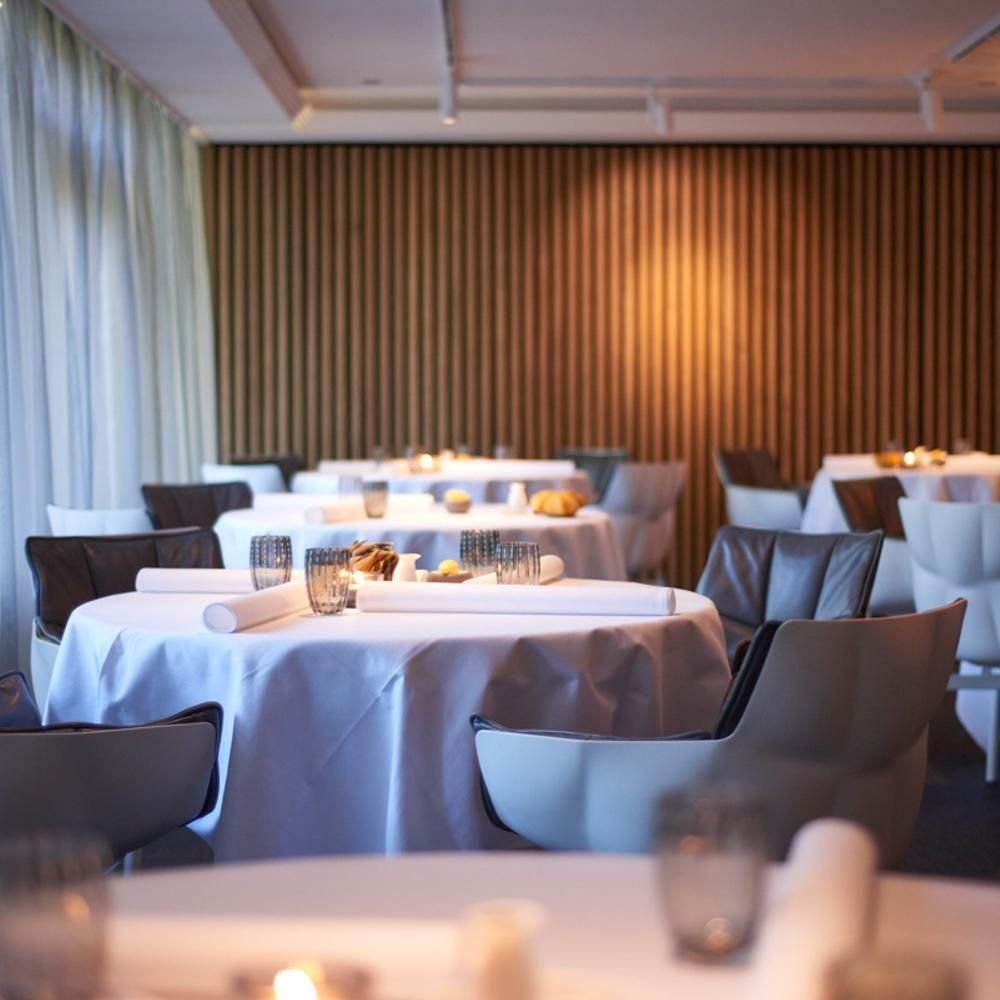
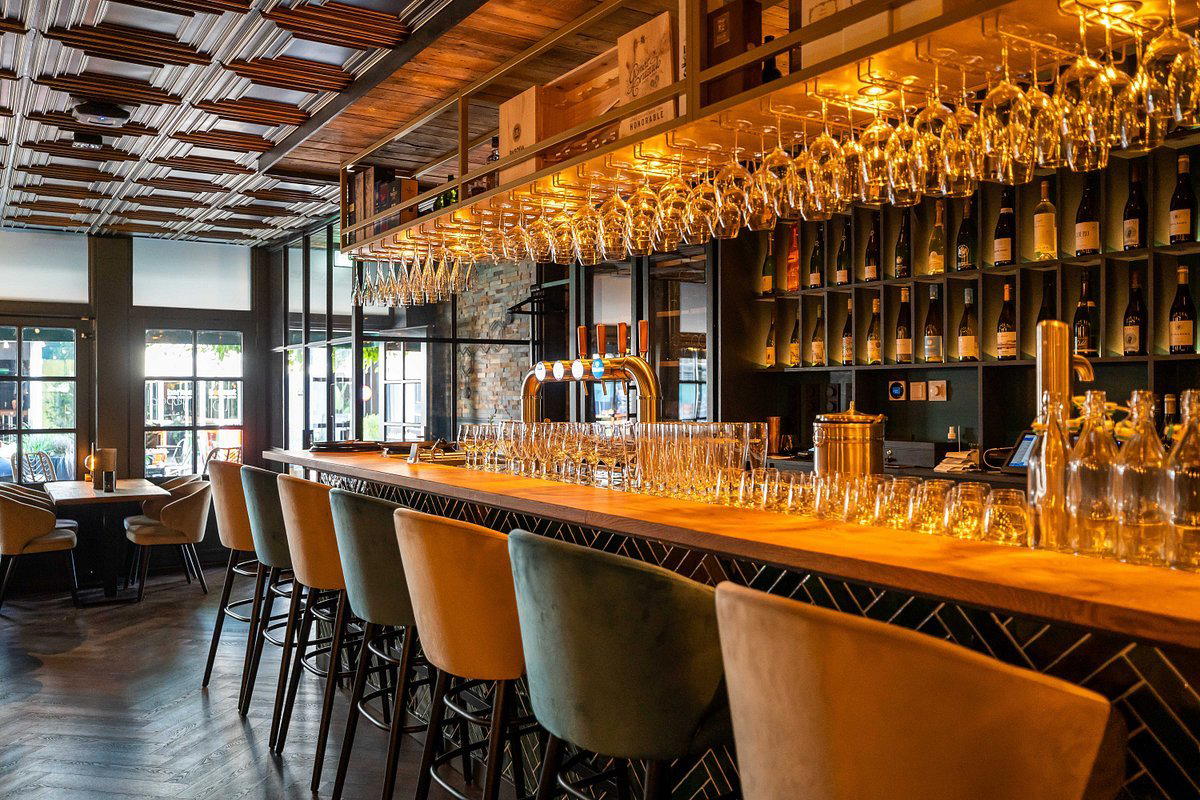
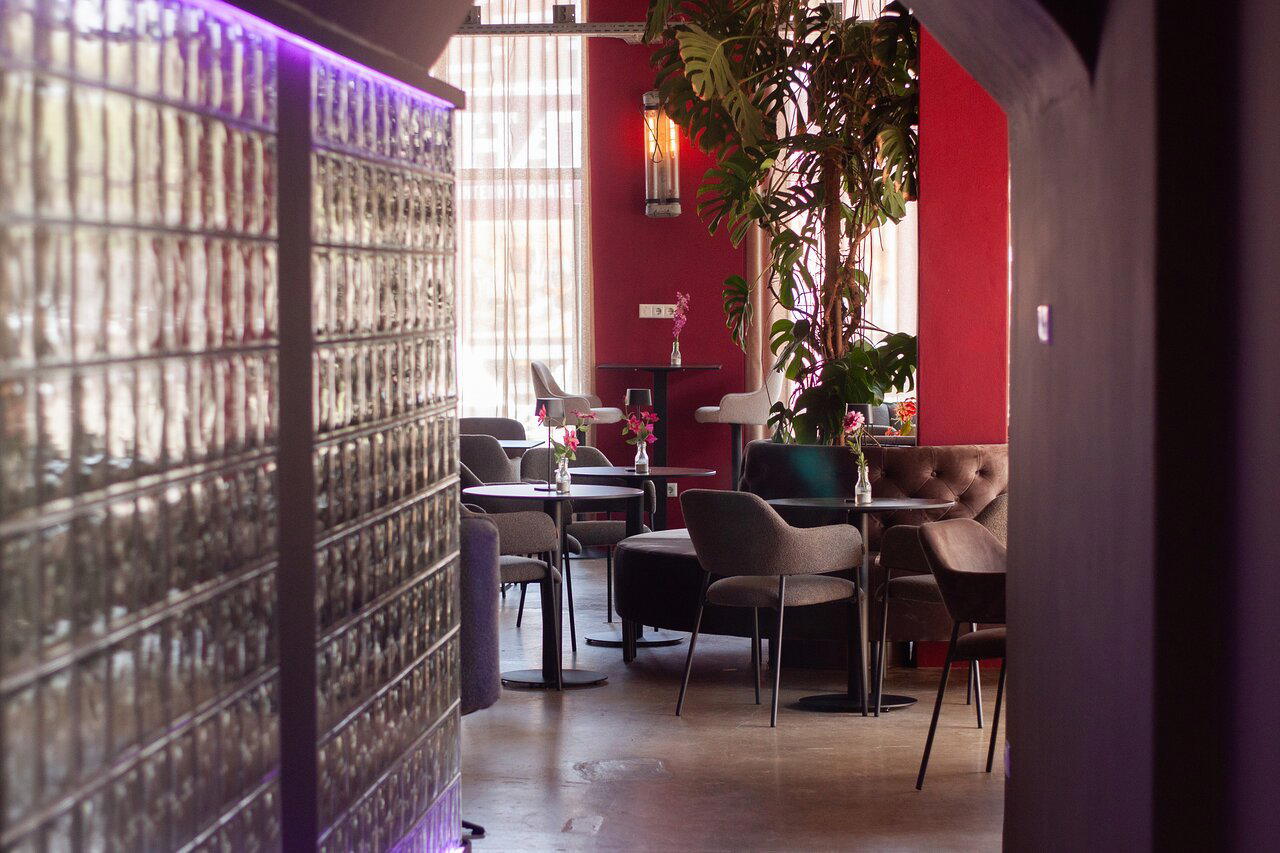
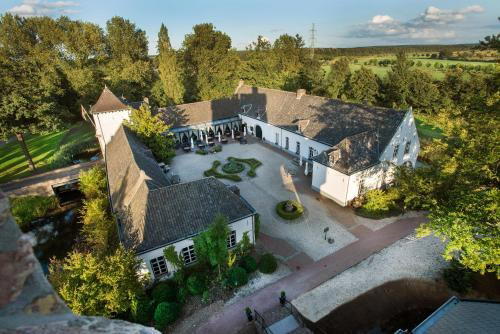
Charming and warmly decorated with a homely, intimate atmosphere in a historic farmhouse setting that has been family-owned since the late 19th century.