Rosemary
Rosemary sits on Douwe Egberts Plein in Joure, a small Frisian town better known for coffee heritage than fine dining. The restaurant occupies a distinctive address in a compact dining scene where ingredient sourcing and regional produce carry real weight. For travellers passing through Friesland, it represents a considered stop in a city that rewards slower attention.
Pearl is the En Primeur Club membership app — saves, bookings, and concierge access live there. Same editors, same standards.
- Address
- Douwe Egberts Plein 1A, 8501 AB Joure, Netherlands
- Phone
- +31513785324
- Website
- restaurantrosemary.nl
- Directions
- Get directions
 Saves & bookings on Pearl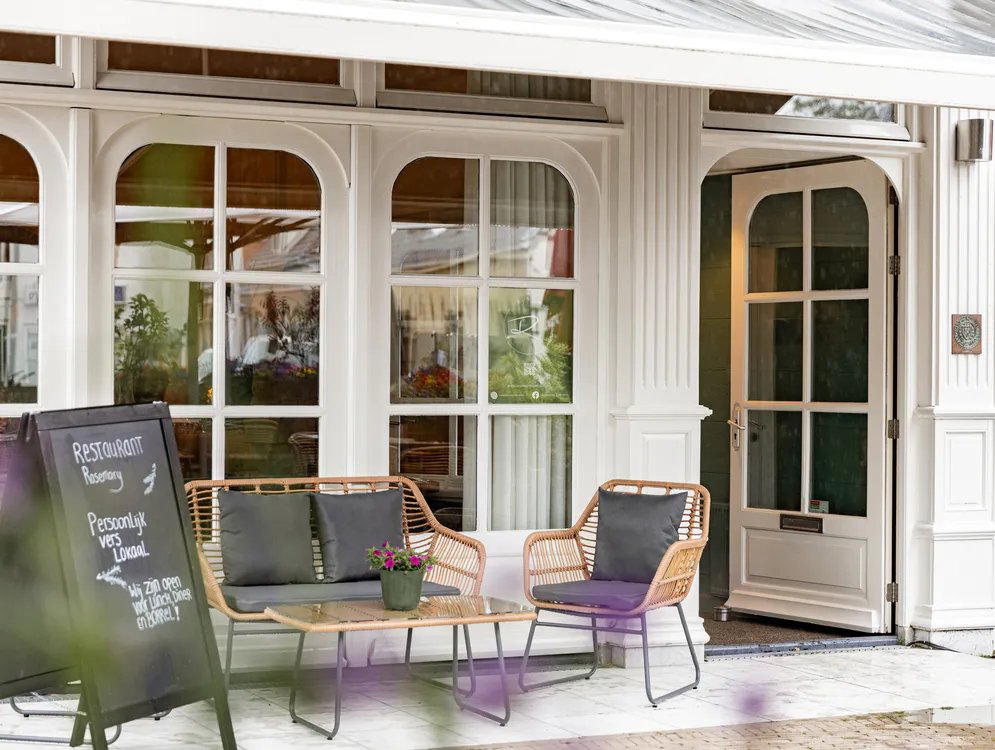
Frisian Dining and the Question of Provenance
Joure is the kind of town that Dutch food culture tends to overlook. Its Frisian identity is rooted in agriculture and a centuries-old trading tradition, and Douwe Egberts Plein, the square that gives Rosemary its address, carries that mercantile history in its name. The Netherlands has developed a generation of kitchens acutely focused on where ingredients come from, a movement most visible in the Michelin-starred tier: De Nieuwe Winkel in Nijmegen has built its reputation almost entirely on organic sourcing, while De Lindehof in Nuenen frames contemporary Dutch cooking through regional produce. Rosemary operates in a smaller, quieter register than those starred addresses, but its Joure location places it inside a region whose agricultural credentials, dairy, lamb, freshwater fish from Frisian lakes, are genuinely compelling raw material for a kitchen with intent.
Friesland's produce network is not incidental context. The province is one of the Netherlands' primary dairy regions, and its range of waterways and polder farmland creates conditions for ingredients that rarely appear on menus in Amsterdam or Rotterdam. Kitchens willing to work with local suppliers in this part of the country have access to a supply chain that larger urban restaurants often bypass in favour of consolidated wholesale channels. That regional specificity is the editorial story worth telling about dining in Joure, and it is the lens through which a venue like Rosemary is most usefully assessed.
The Setting: Douwe Egberts Plein
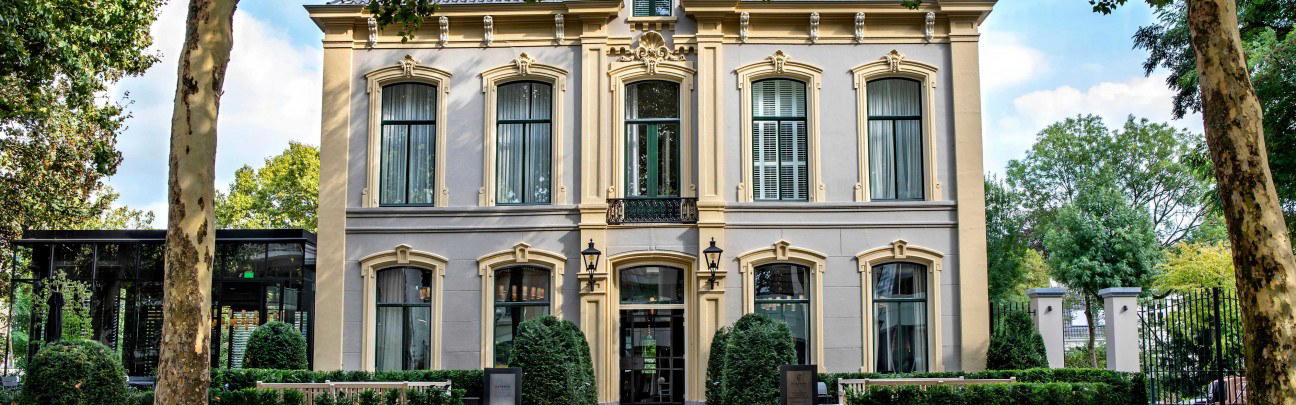
Approaching the square from the town centre, the scale shifts noticeably from the narrow canal-side streets typical of Frisian market towns. The plein carries a civic weight, it was named for the coffee and tea trading company that defined Joure's commercial identity for generations, and a restaurant occupying this address inherits that sense of place whether it chooses to or not. The architectural character of the square is Dutch commercial vernacular: solid, horizontal, with the kind of proportions that feel neither intimate nor monumental. A dining room in this setting tends toward the generous rather than the cosy, a spatial logic that suits a certain kind of unhurried meal.
For practical planning, Joure sits in southwest Friesland, roughly equidistant between Heerenveen and Sneek, accessible by train from Leeuwarden with a connection, or by car from the A6 and A7 motorways. It is not a destination that rewards a rushed visit: the town's appeal is cumulative, and a meal at Rosemary fits most naturally into an itinerary that includes the broader Frisian lakes region. Rosemary is recommended for reservations and is open Tuesday through Saturday from 12 to 11 PM.
Where Rosemary Sits in the Dutch Dining Context
The Netherlands' serious restaurant tier has consolidated significantly around a handful of star-holding addresses. In the north and east of the country, that means names like De Librije in Zwolle, a three-Michelin-star operation that has defined ambitious Dutch cooking for more than two decades, and 't Nonnetje in Harderwijk, which holds two stars and works in a creative register influenced by Japanese technique. Below that tier, the country has a broader and less-documented set of neighbourhood and regional restaurants that serve a different function: they anchor local dining culture rather than drawing destination travellers.
Rosemary occupies the regional category. Its comparable set is less the Michelin-awarded houses referenced above and more the competent, locally embedded kitchens that every serious food region needs as infrastructure. Venues like De Jouster Toer, also in Joure, represent this same local tier, and together they form the basis of what a considered dining evening in the town actually looks like.
The contrast with destination-tier Dutch addresses is instructive. Ciel Bleu in Amsterdam operates at the summit of the market with two Michelin stars and a city-centre location that draws an international clientele. Inter Scaldes in Kruiningen and De Bokkedoorns in Overveen represent the kind of regionally embedded fine dining that commands serious attention and advance planning. Brut172 in Reijmerstok, De Groene Lantaarn in Staphorst, and De Treeswijkhoeve in Waalre similarly occupy distinct regional niches. Rosemary is not in direct competition with any of these; it serves a different need in a smaller market.
Further afield, for readers whose itinerary extends to the south of the Netherlands, Tribeca in Heeze and De Lindenhof in Giethoorn, the latter geographically closer to Friesland, offer points of regional comparison. And for those approaching from a broader European or international frame, the ingredient-sourcing philosophy visible across the Dutch serious dining tier has clear counterparts in international kitchens: FG - François Geurds in Rotterdam applies a technical, produce-led approach in a major urban setting, while addresses like Le Bernardin in New York City and Atomix in New York City demonstrate how sourcing philosophy translates across culinary traditions and continents. Aan de Poel in Amstelveen provides a useful Dutch mid-tier reference point for readers calibrating expectations across the country's restaurant spectrum.
Planning a Visit
Joure does not have the hotel infrastructure of a larger Frisian city, so most visitors arrive from Leeuwarden, Sneek, or the Afsluitdijk corridor. A meal at Rosemary fits most naturally into an evening that begins with time in the town, which repays a slow walk around its canal system and the Egbert Douwes Museum if the Douwe Egberts heritage is of interest. Rosemary is recommended for reservations and open Tuesday through Saturday from 12 to 11 PM.
Comparison Snapshot
Comparable venues nearby, for context on price, style, and recognition.
| Venue | Cuisine | Price | Notes |
|---|---|---|---|
| RosemaryThis venue — the venue you are viewing | Modern Seafood & European Fine Dining | $$$$ | Not listed |
| De Jouster Toer | Modern Dutch Seafood Bistro | $$$ | Joure |
| Het Spijshuys | Modern Dutch Seafood Bistro | $$$ | Boornbergum |
| Chefsbar Seinpost | Modern Dutch Seafood Fine Dining | $$$$ | Scheveningen |
| De Oude Sluis | Regional Dutch Seafood | $$$ | Zoutkamp |
| De Ridderhof | Dutch Seafood with European Fusion | $$$$ | Maassluis |
Continue exploring
More in Joure
Restaurants in Joure
Browse all →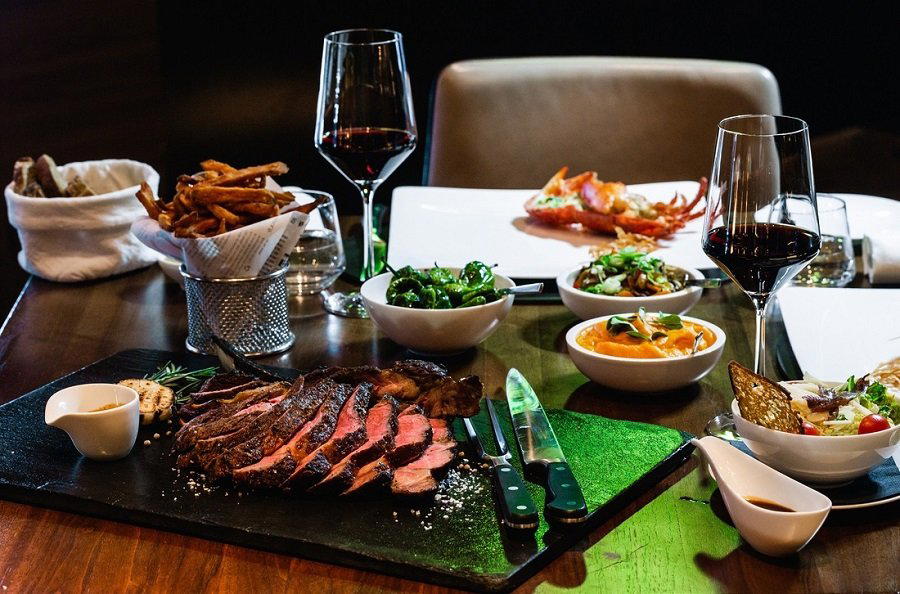
At a Glance
- Intimate
- Elegant
- Cozy
- Date Night
- Special Occasion
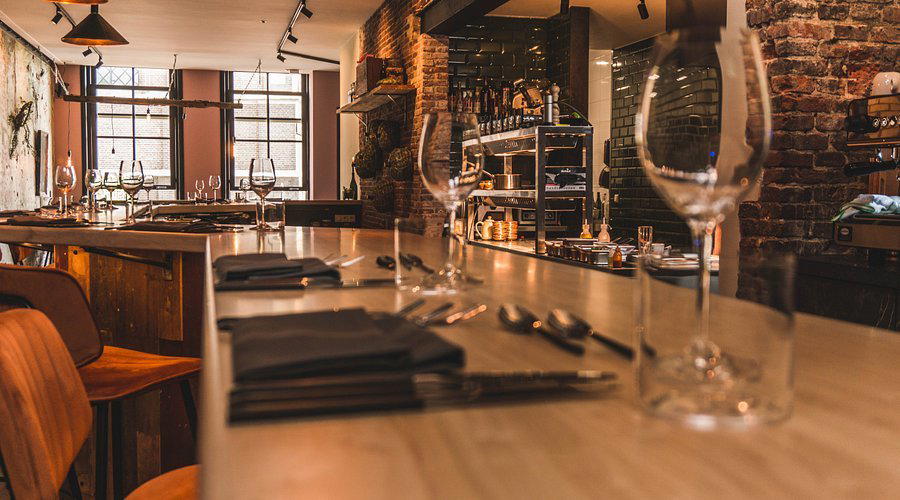
- Open Kitchen
- Extensive Wine List
Current opening hours
- Monday
- Closed
- Tuesday
- 12–11 PM
- Wednesday
- 12–11 PM
- Thursday
- 12–11 PM
- Friday
- 12–11 PM
- Saturday
- 12–11 PM
- Sunday
- Closed
Hours can change for holidays and private events. Last verified .
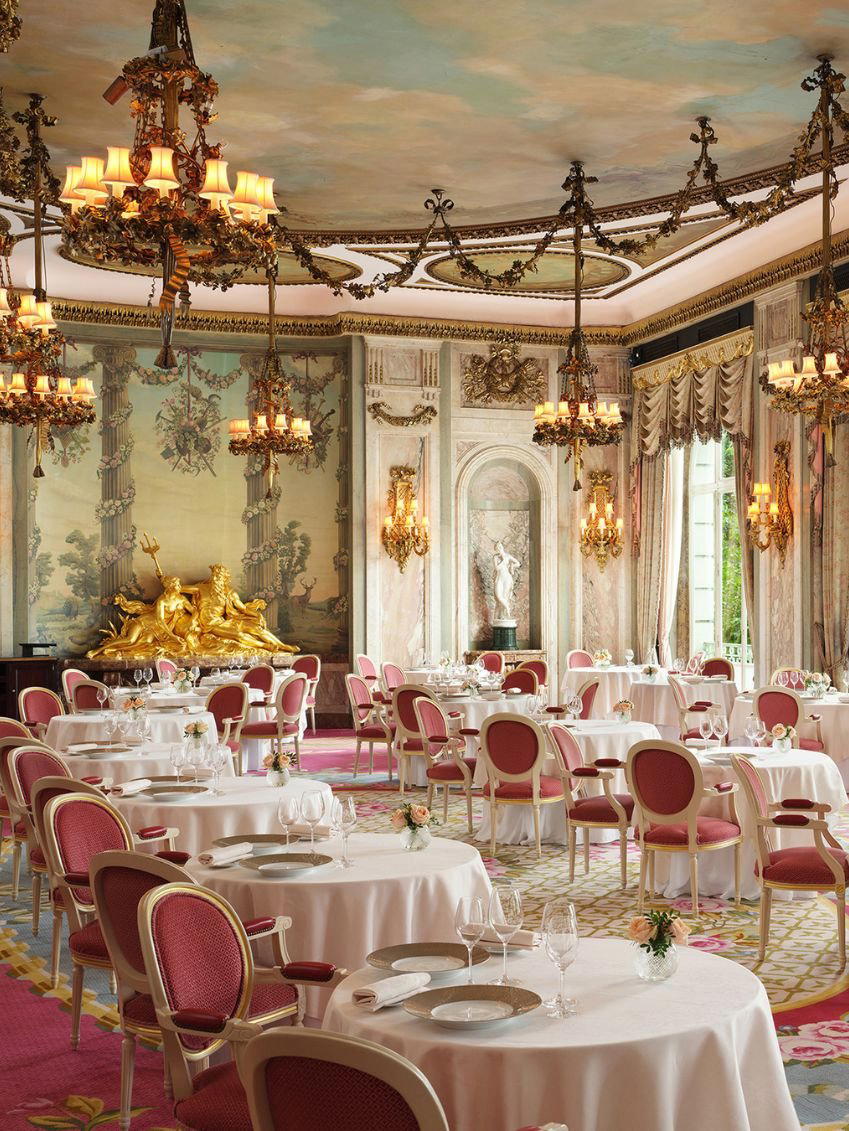
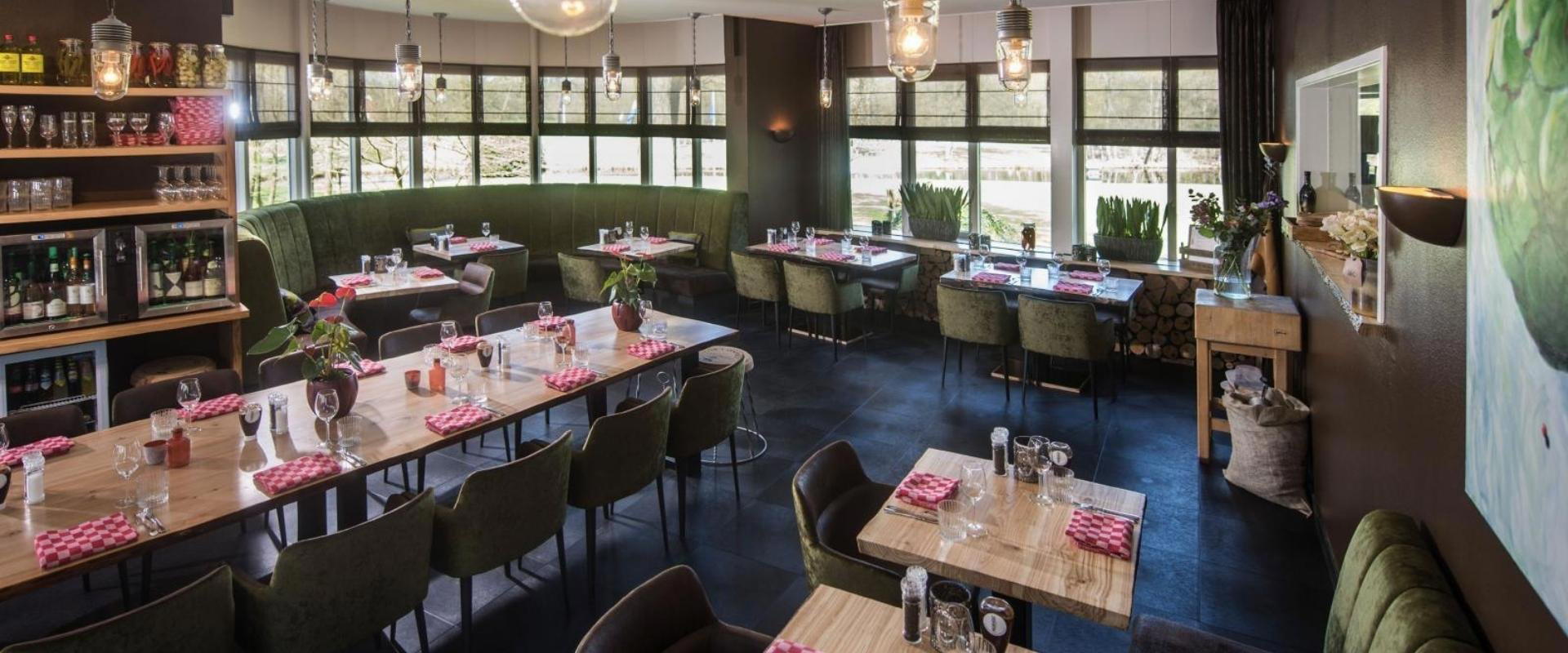
Bright, comfortable interior with nice ambiance, cozy chairs for leisurely dining, and a relaxing atmosphere.