Thijm occupies a setting on Kasteeldreef in Schilde, a Flemish municipality that punches above its size in serious dining. The restaurant sits within a small but competitive local scene that includes Modern French and modern cuisine addresses in the same postcode, placing it in a peer group that rewards considered cooking and deliberate pacing rather than volume or spectacle.
Pearl is the En Primeur Club membership app — saves, bookings, and concierge access live there. Same editors, same standards.
- Address
- Kasteeldreef 2, 2970 Schilde, Belgium
- Phone
- +32478558170
- Website
- thijm.be
- Directions
- Get directions
 Saves & bookings on Pearl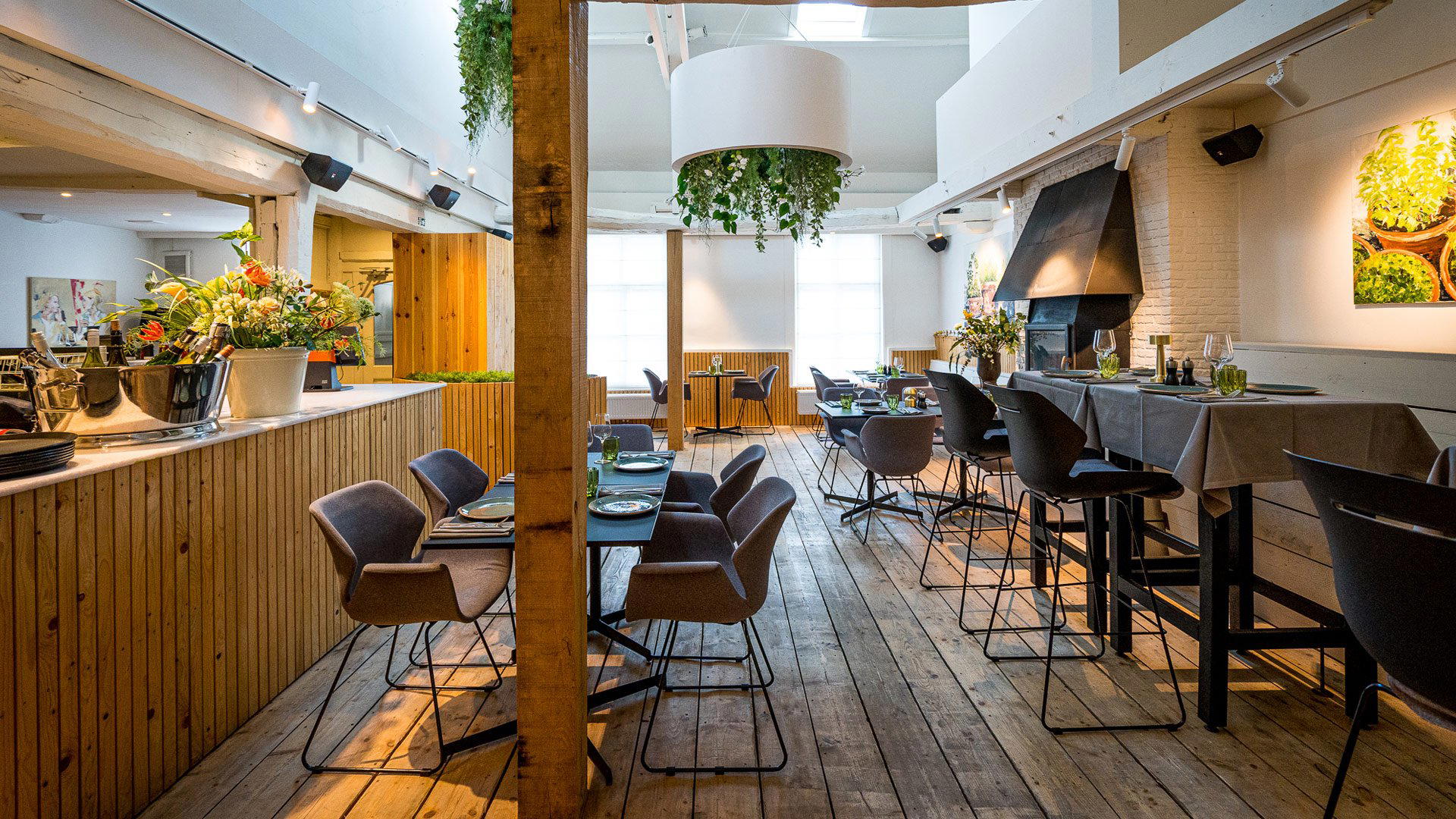
A Schilde Address Worth the Drive
The approach along Kasteeldreef in Schilde sets a particular expectation before any menu arrives. This is a corner of the Antwerp province where residential quiet and serious dining coexist without apology, and the address at number 2 carries the quiet authority that comes from a building and street that predate most of the restaurants in the province by generations. Belgium has a long tradition of destination dining in villages and small municipalities, where the absence of foot traffic forces a kitchen to earn its audience rather than inherit it. Thijm operates in that tradition.
The Schilde Scene: Small Geography, Concentrated Ambition
Schilde is not a dining district in any conventional sense. It is a Flemish residential municipality east of Antwerp, and yet its restaurant cluster includes addresses that trade at the €€€ tier and compete against larger city venues for the same informed audience. That concentration matters because it shapes what any individual address in Schilde must do: it cannot rely on novelty alone, and it cannot coast on location in the way that a hyped urban neighbourhood might. The dining is the argument.
For a fuller picture of how this cluster fits together, the EP Club Schilde restaurants guide maps the full range of options across the municipality.
The Ritual of the Meal in Flemish Fine Dining
Belgian fine dining, particularly in the Flemish tradition, tends to treat the meal as a structured event rather than a flexible transaction. The rhythm is deliberate: courses arrive with considered spacing, the table is not turned, and the progression from aperitif through to digestif is understood as a complete arc rather than a series of optional additions. This is a country where restaurants at the serious tier, from Hof van Cleve in Kruishoutem to Boury in Roeselare, have built reputations on precisely that kind of pacing discipline. The meal is not something to be hurried through; it is the point of the evening.
That custom shapes what a guest should bring to a table at this level in Schilde. Arriving with a reservation rather than a walk-in expectation, allowing two to three hours, and engaging with the progression rather than editing it are all part of the implied contract. Belgium's most decorated kitchens, including Zilte in Antwerp and Willem Hiele in Oudenburg, have demonstrated that the slow build of a tasting sequence is where the kitchen's logic becomes legible. The same principle holds at the village level.
Positioning Within the Broader Belgian Fine Dining Map
Belgium's serious restaurant culture is distributed in a way that distinguishes it from most European countries. Rather than concentrating prestige in one capital, the country has recognised kitchens in small municipalities, coastal towns, and rural addresses for decades. Bartholomeus in Heist, Castor in Beveren, De Jonkman in Sint-Kruis, and L'air du temps in Liernu all sit outside major urban centres and yet draw audiences willing to travel for a single meal. Schilde fits that pattern. The destination-dining logic that sends a guest from Antwerp or Brussels out to a Flemish village for dinner is the same logic that sustains the Michelin-decorated addresses scattered across Wallonia and the coast.
That broader map also connects outward. Bozar Restaurant in Brussels, La Durée in Izegem, and d'Eugénie à Emilie in Baudour are all part of a national scene that rewards the willingness to leave the city. For Belgian diners, this is already a default mode; for international visitors arriving via Antwerp or Brussels, the detour to Schilde is short enough in distance to warrant inclusion in a wider dining itinerary.
The International Reference Points
The benchmark for what a serious tasting-format restaurant can achieve at the top of the global tier is useful context even for a Flemish village address. Le Bernardin in New York City and Atomix in New York City represent different poles of that global conversation: one defined by decades of product-driven classicism, the other by a precision-forward Korean tasting format that has reshaped how critics think about sequence and intention. What connects them, and what connects them to the serious end of Belgian dining, is the understanding that a meal at this level is a structured argument made with ingredients, timing, and sequence. The ambition may differ by degree; the underlying ritual logic does not.
Planning a Visit to Thijm
Schilde sits east of Antwerp, accessible by car in under thirty minutes from the city centre and reachable from Brussels in roughly an hour depending on traffic on the E313 corridor. The address at Kasteeldreef 2 places Thijm in a setting that rewards arriving with time to spare rather than rushing from a motorway exit. As with most serious Flemish restaurants operating outside major urban centres, advance booking is the practical baseline: this is not a neighbourhood where casual walk-ins find a table at the serious tier. Specific hours, booking methods, and current pricing are best confirmed directly with the restaurant, as those details are subject to change in ways that any published source, including this one, cannot guarantee in real time.
For those building a wider Antwerp-province itinerary, the Schilde cluster makes a logical focal point for an evening, with the city itself available for pre-dinner exploration or post-dinner accommodation. The combination of proximity to Antwerp and the contained, unhurried quality of village dining is precisely what makes this corner of the province worth a deliberate visit rather than a passing curiosity.
How Thijm Schilde compares with similar nearby venues.
| Venue | Cuisine | Price |
|---|---|---|
| Casello | Modern Cuisine | €€€ |
| Brabohoeve | Modern French | €€€ |
At a Glance
- Cozy
- Elegant
- Romantic
- Intimate
- Date Night
- Business Dinner
- Group Dining
- Special Occasion
- Terrace
- Standalone
- Craft Cocktails
- Local Sourcing
Current opening hours
- Monday
- Closed
- Tuesday
- 11:30 AM–1:30 PM, 5:30–8:30 PM
- Wednesday
- 5:30–8:30 PM
- Thursday
- 11:30 AM–1:30 PM, 5:30–8:30 PM
- Friday
- 11:30 AM–1:30 PM, 5:30–9 PM
- Saturday
- 5:30–9 PM
- Sunday
- Closed
Hours can change for holidays and private events. Last verified .
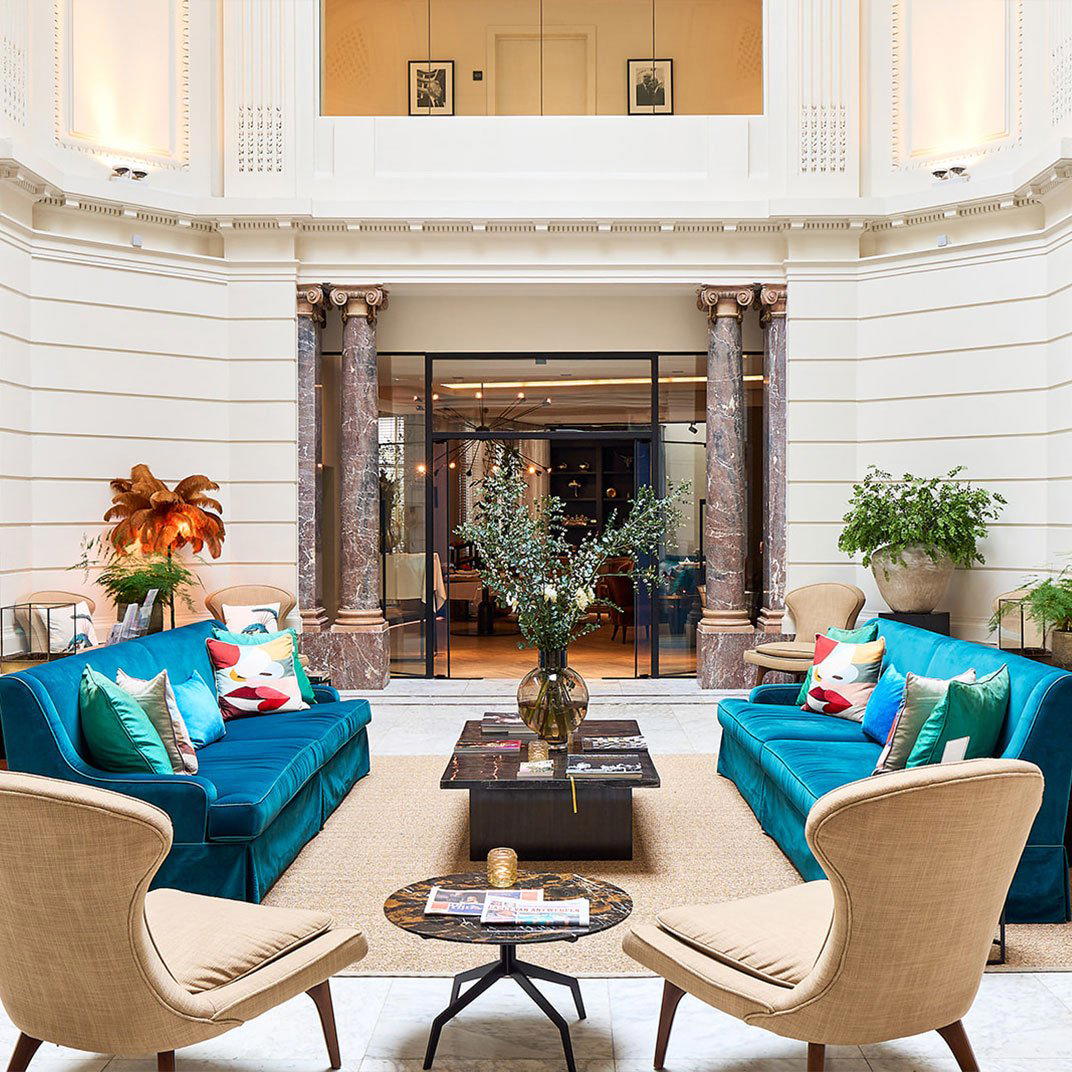
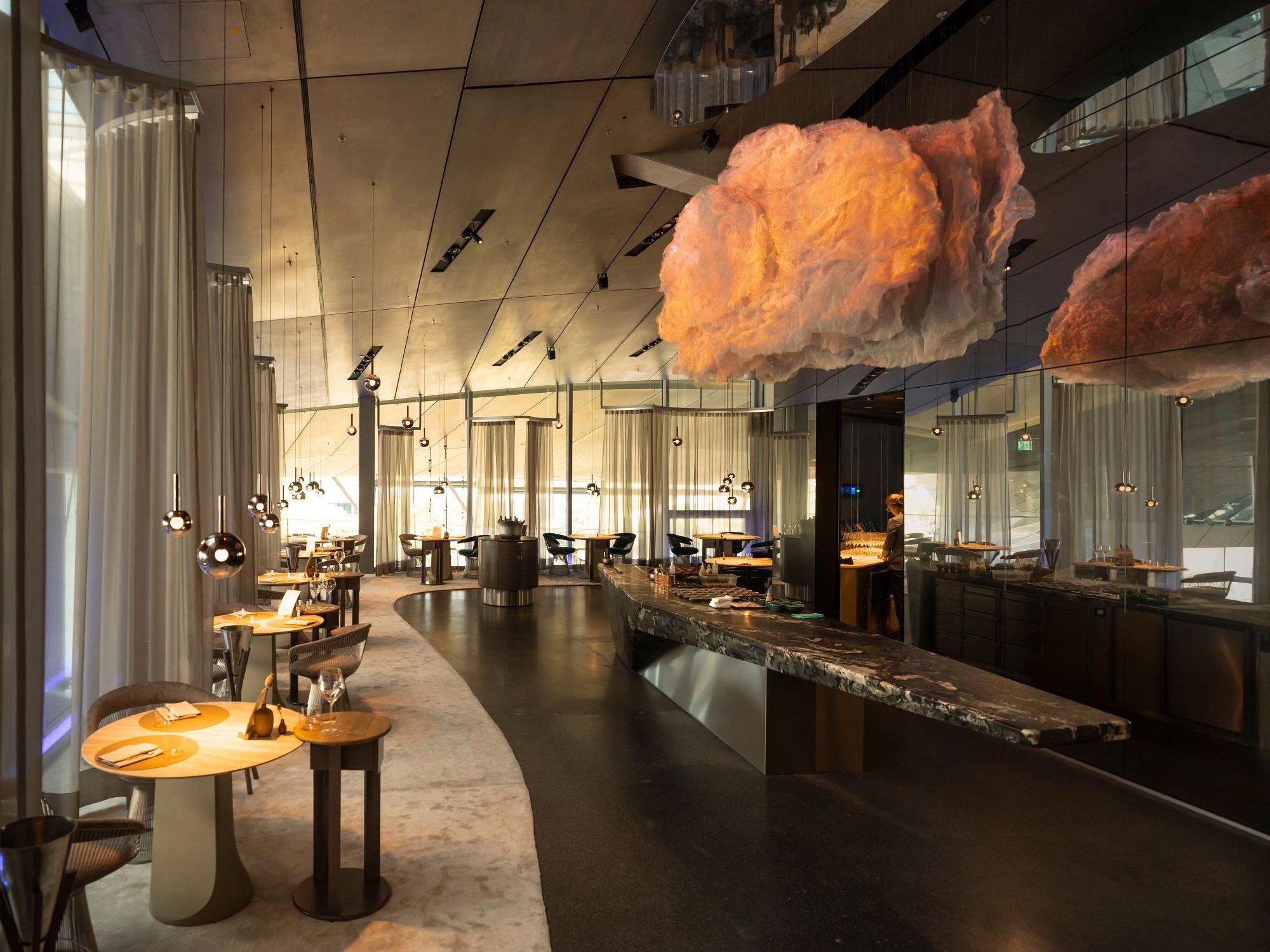
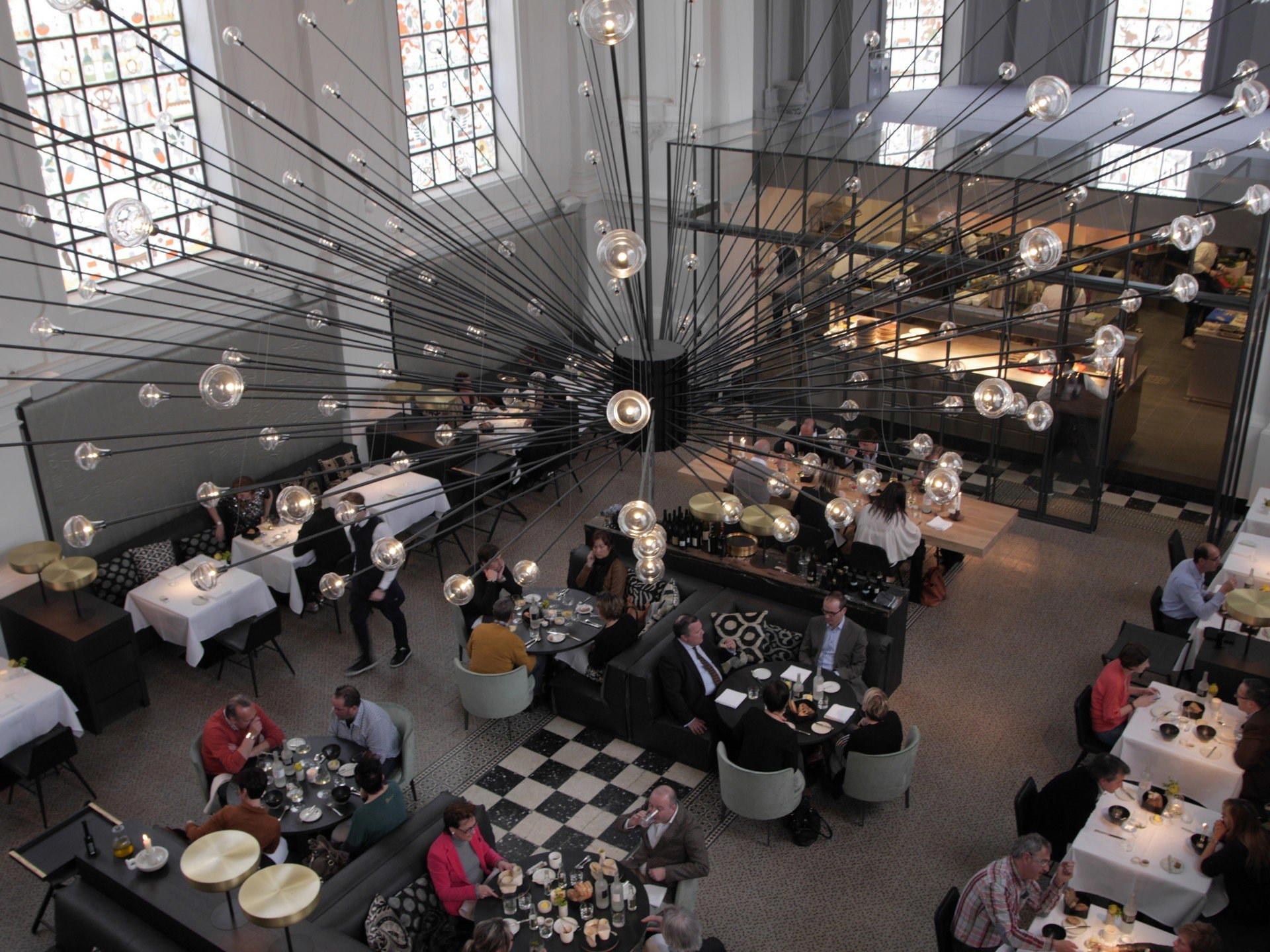
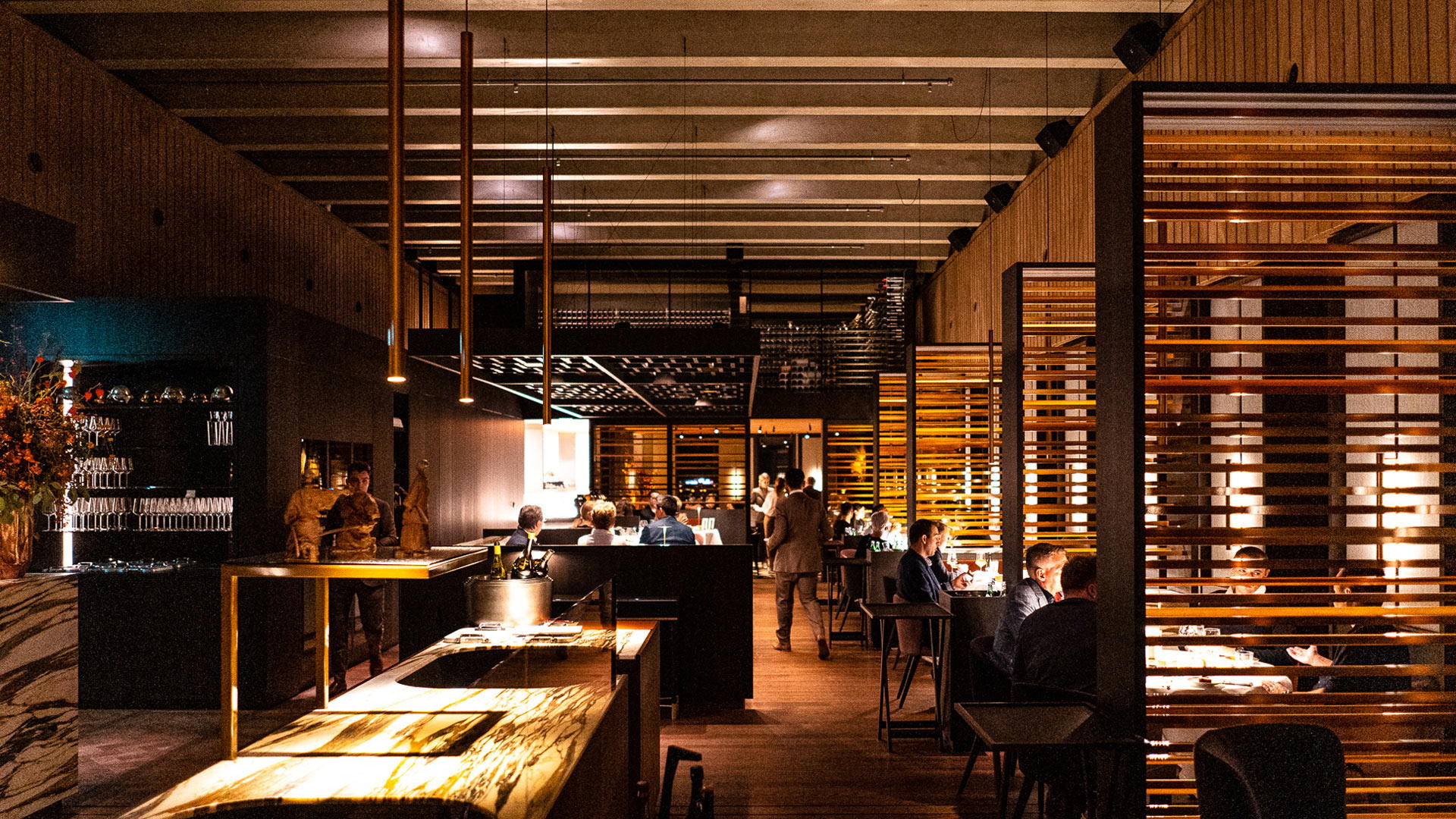
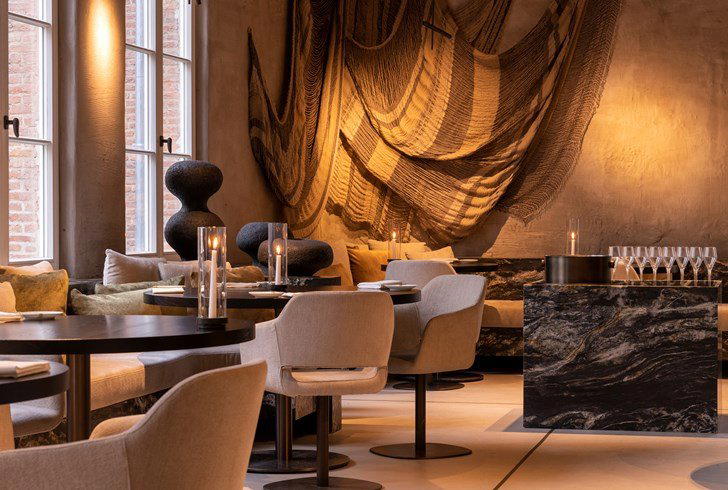
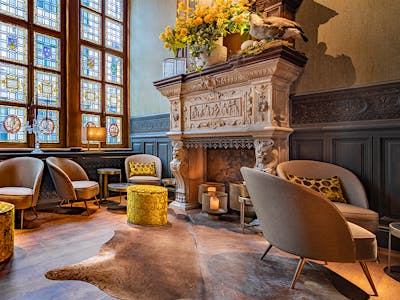
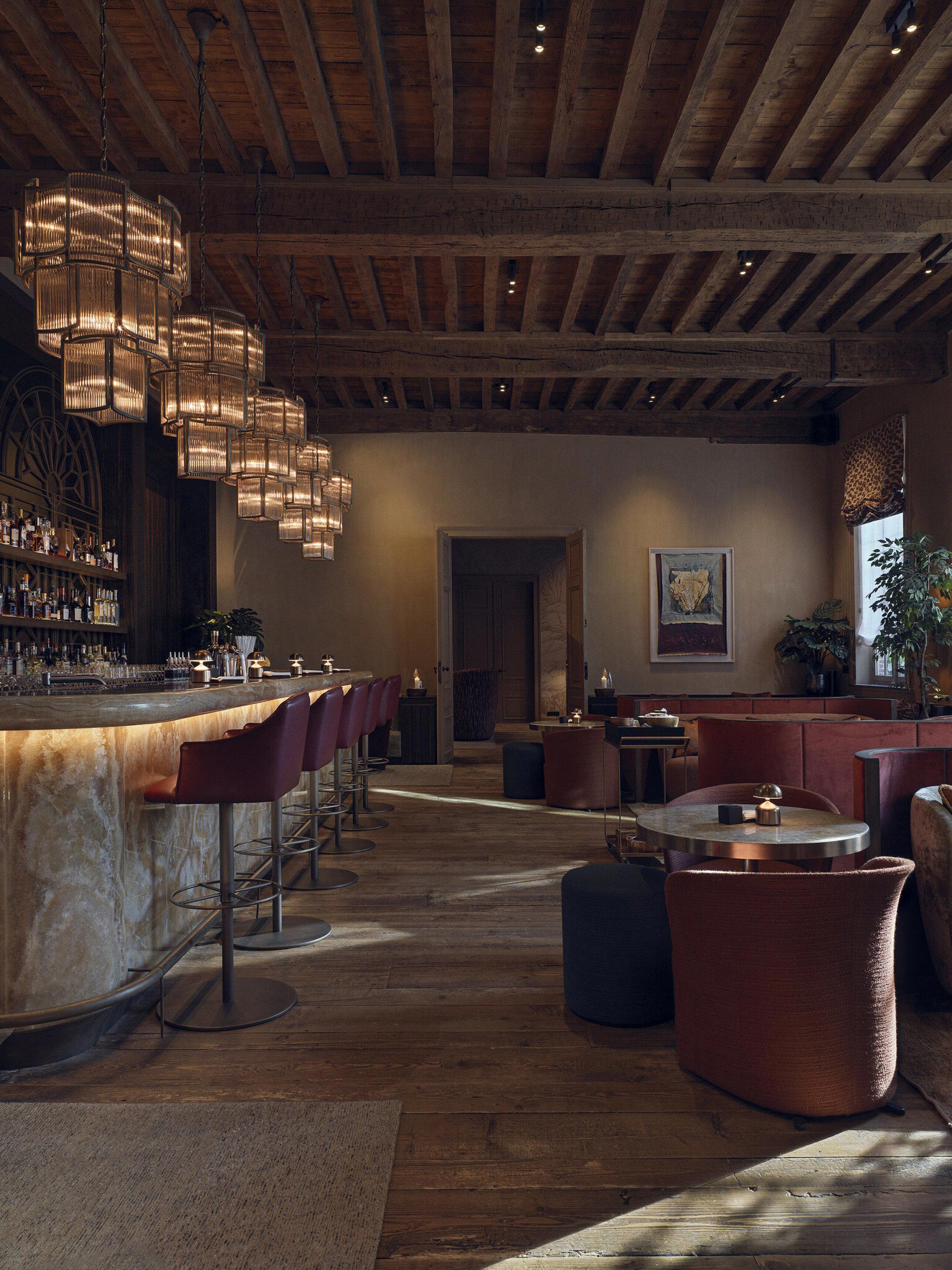
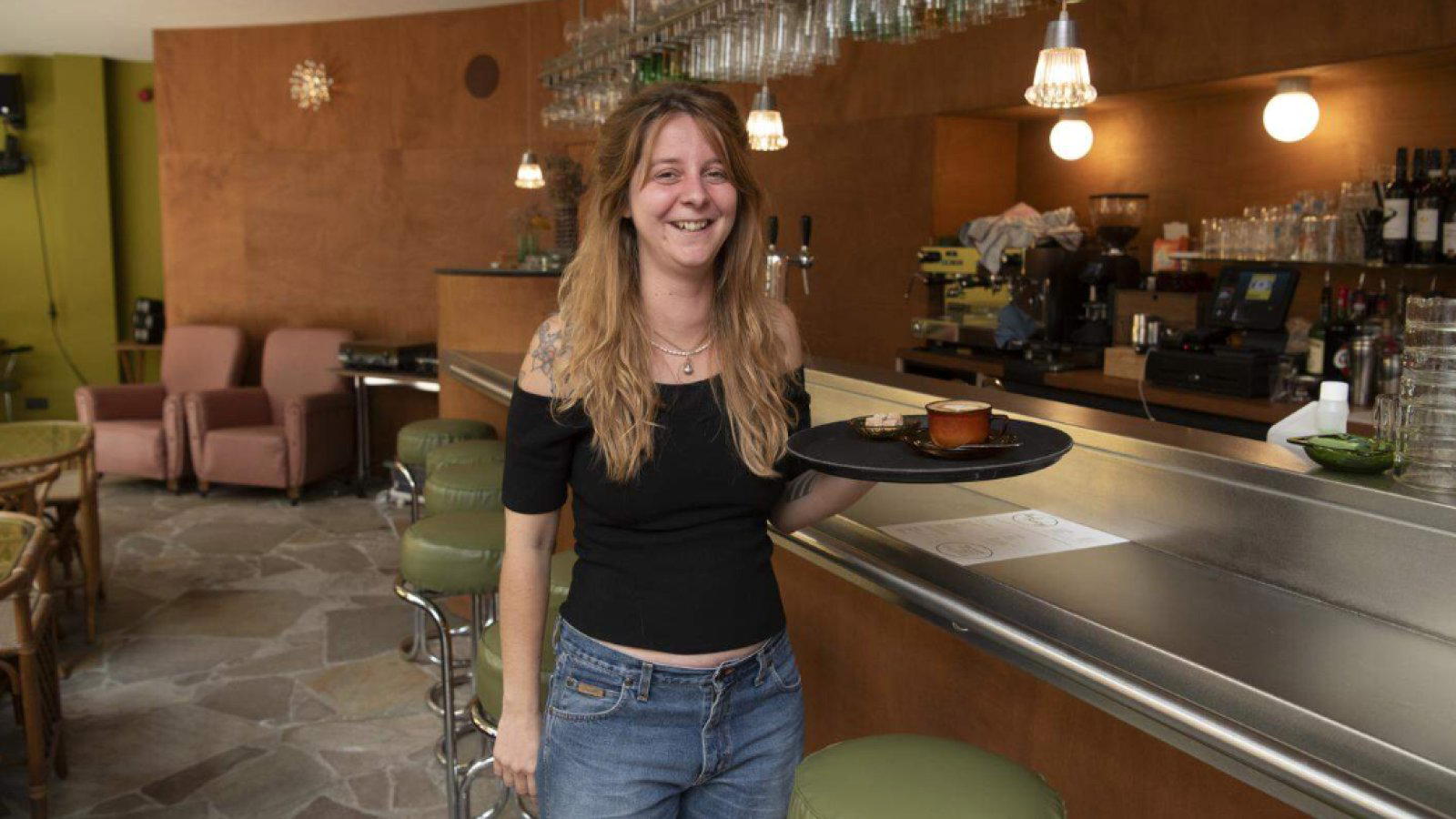
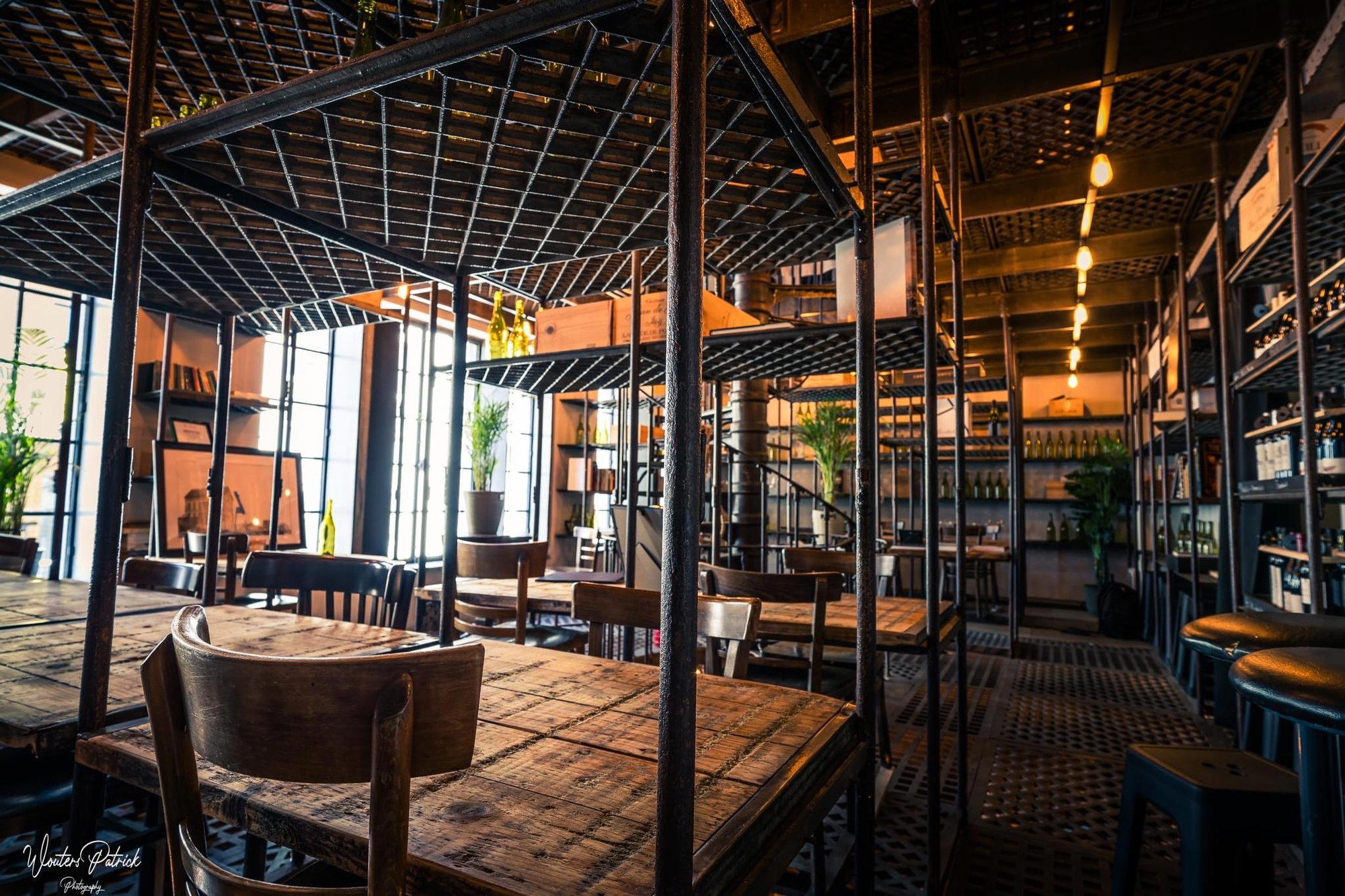
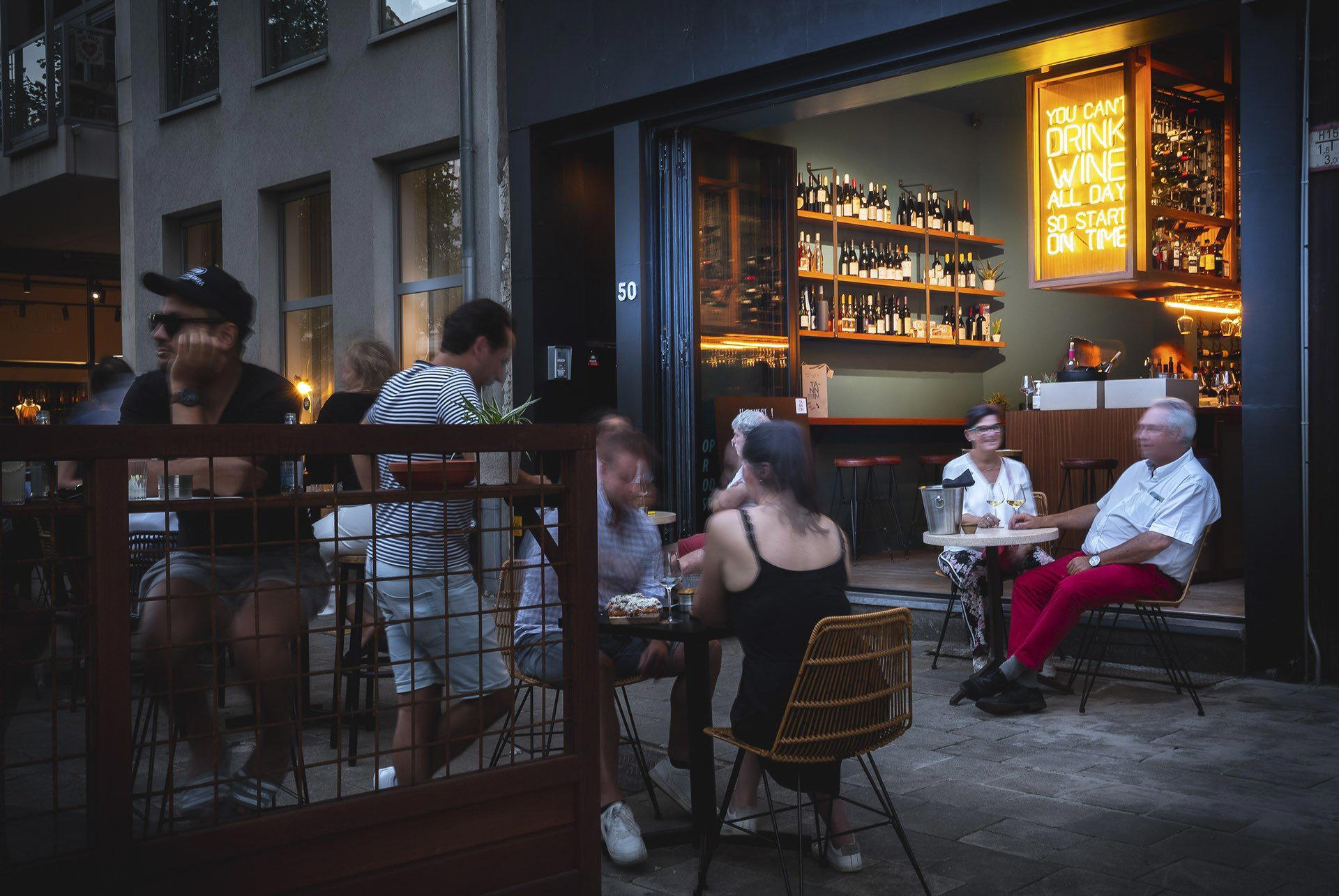
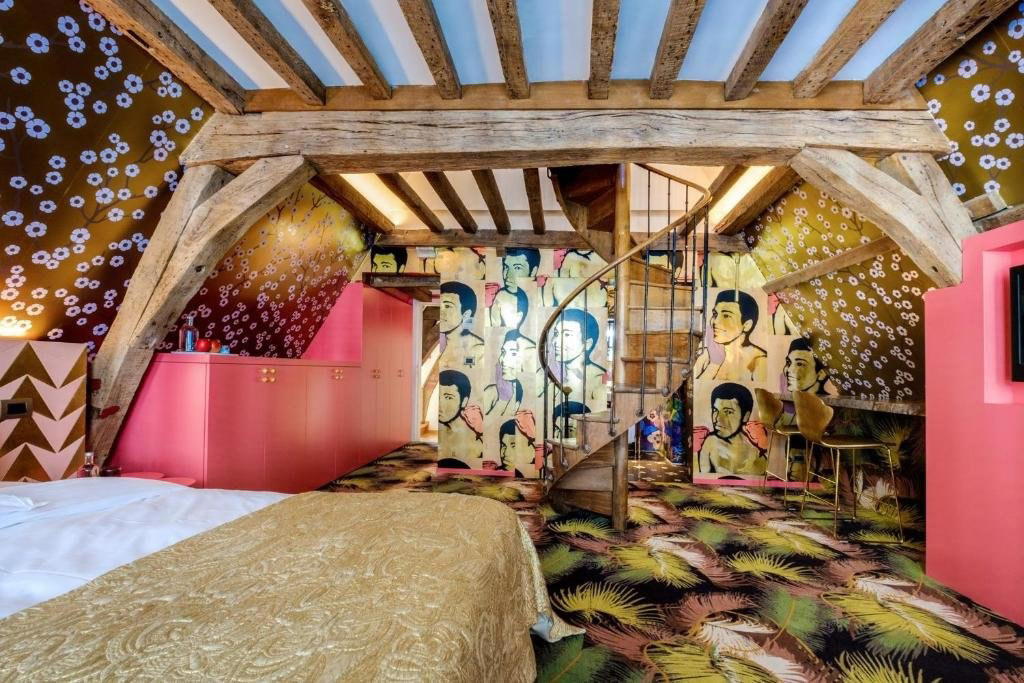
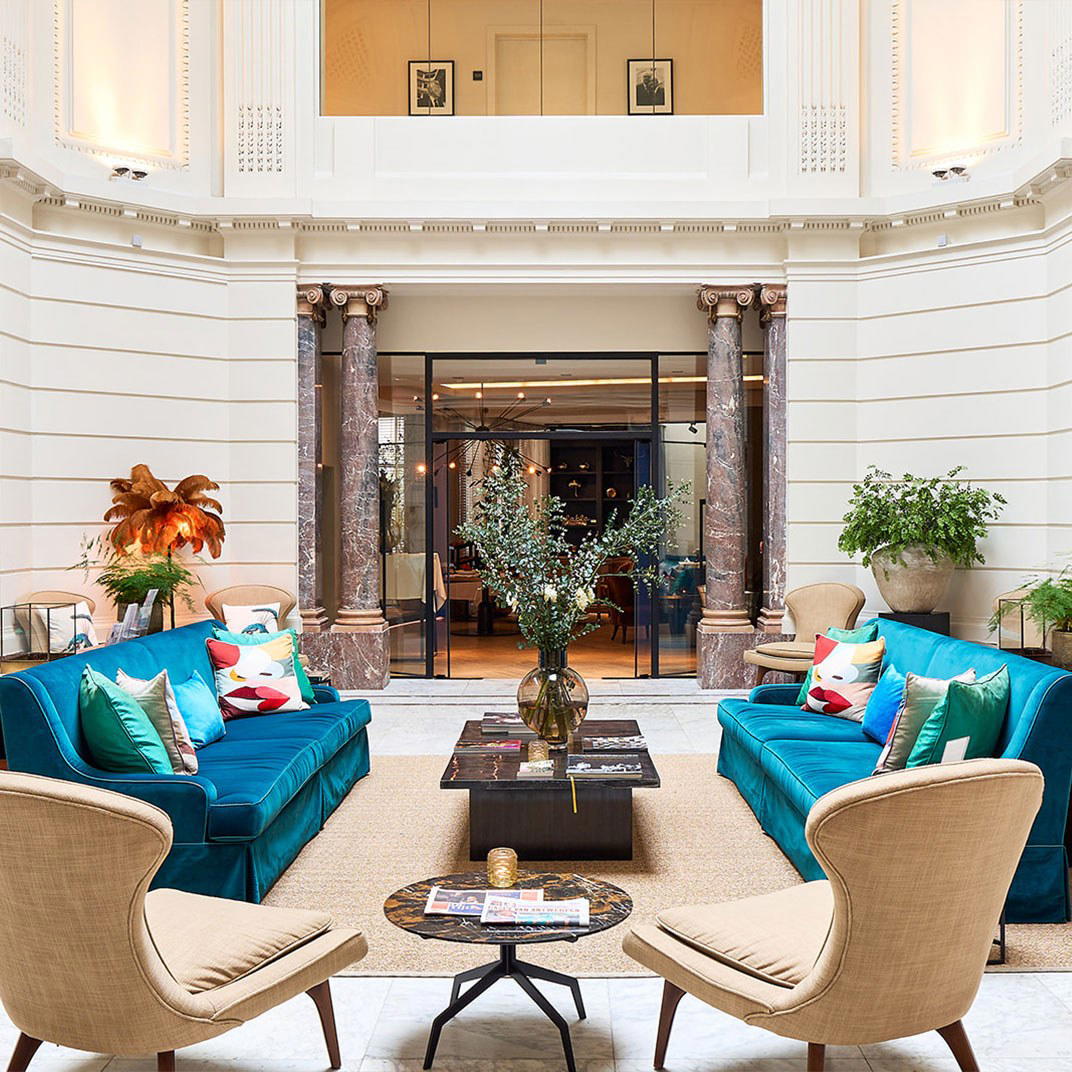
Warm and inviting with fresh, modern interior design, pleasant acoustics, and non-intrusive music; heated terrace provides comfortable outdoor dining.
Know Before You Go
- Getting there
- Kasteeldreef 2, 2970 Schilde, Belgium