
De Ceder holds a Michelin Plate for 2024 and 2025, placing it among the recognised modern cuisine addresses in the Waasland region east of Antwerp. For travellers moving between Antwerp and Ghent, it represents a credible stop in territory that rarely makes international dining itineraries.
Pearl is the En Primeur Club membership app — saves, bookings, and concierge access live there. Same editors, same standards.
- Address
- Molenstraat 1, 9150 Beveren-Kruibeke-Zwijndrecht, Belgium
- Phone
- +32 3 774 30 52
- Website
- restaurantdeceder.be
- Directions
- Get directions
 Saves & bookings on Pearl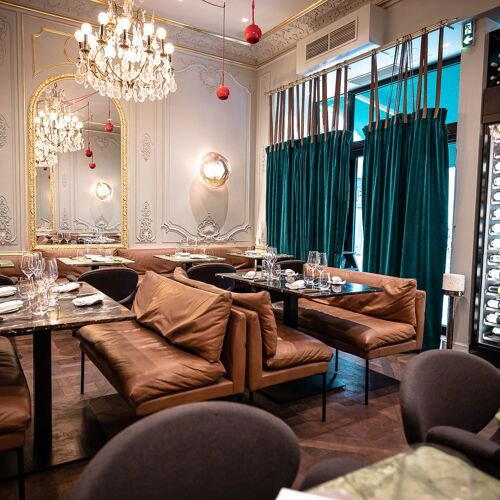
Kruibeke and the Quiet Waasland Dining Scene
The polder country between Antwerp and Ghent does not feature heavily in Belgian fine dining conversations. Most of those conversations centre on Antwerp's Michelin-dense core, or on the creative Flemish kitchens further west in places like Roeselare or Oudenburg. The Waasland region, of which Kruibeke forms a southern edge, operates at a different register: smaller populations, tighter local economies, and a dining culture built more on loyal regulars than on destination tourism. In that context, a restaurant that holds consecutive Michelin Plates, as De Ceder has done in both 2024 and 2025, is functioning well above the baseline of its immediate geography.
In a region like Waasland, where the starred competition thins out quickly, it represents a meaningful floor on what a kitchen can produce. De Ceder's consecutive recognition signals a kitchen that has met that threshold in back-to-back years, which is a more useful indicator than a single-year mention.
What the Address Tells You
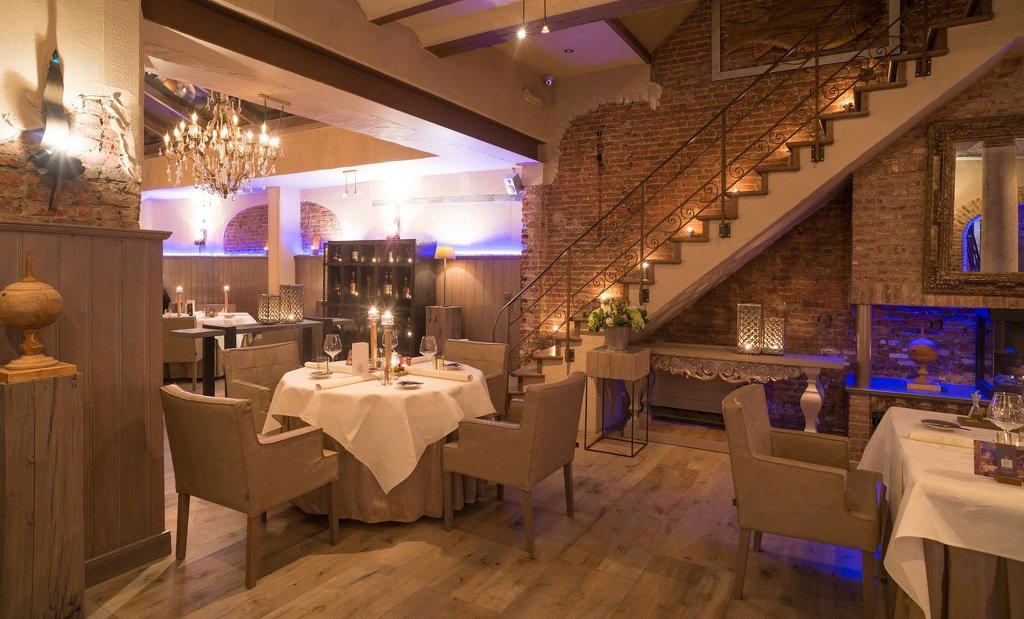
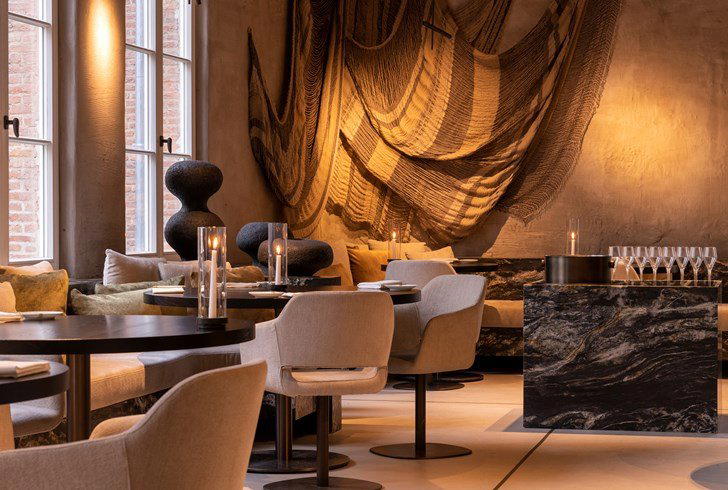
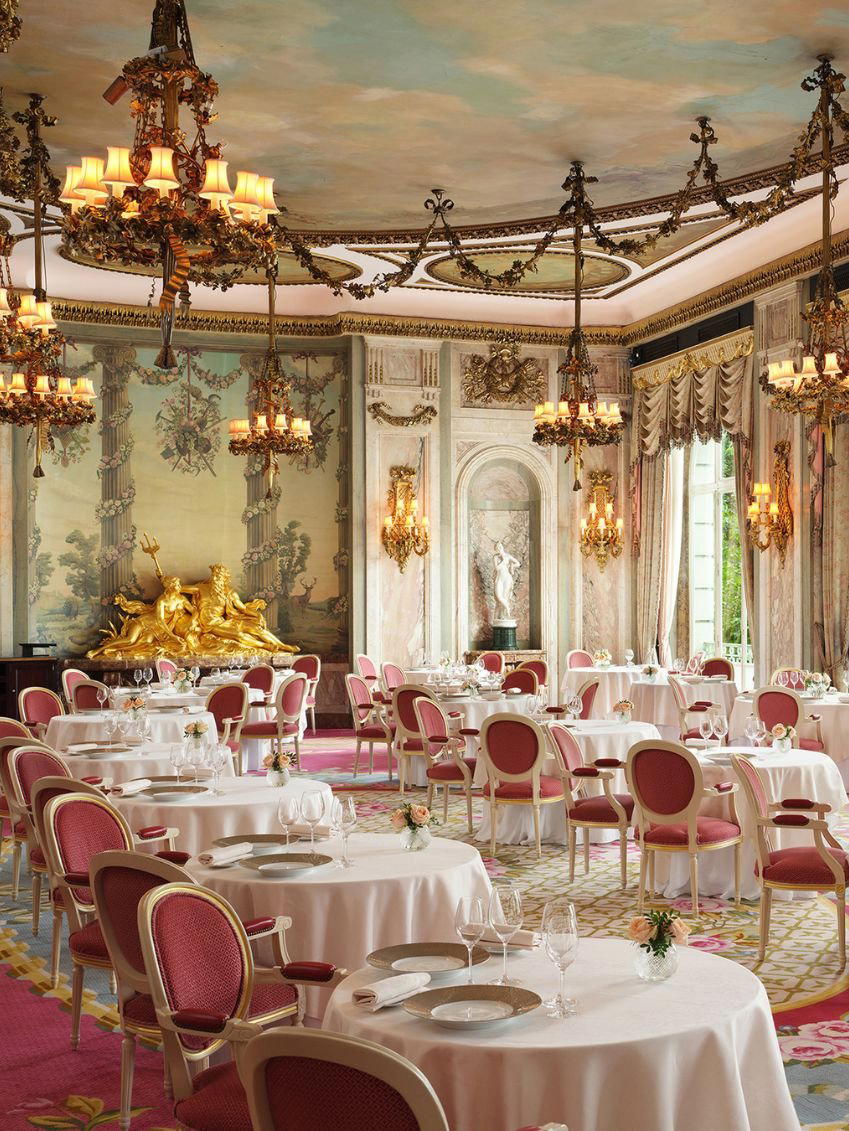
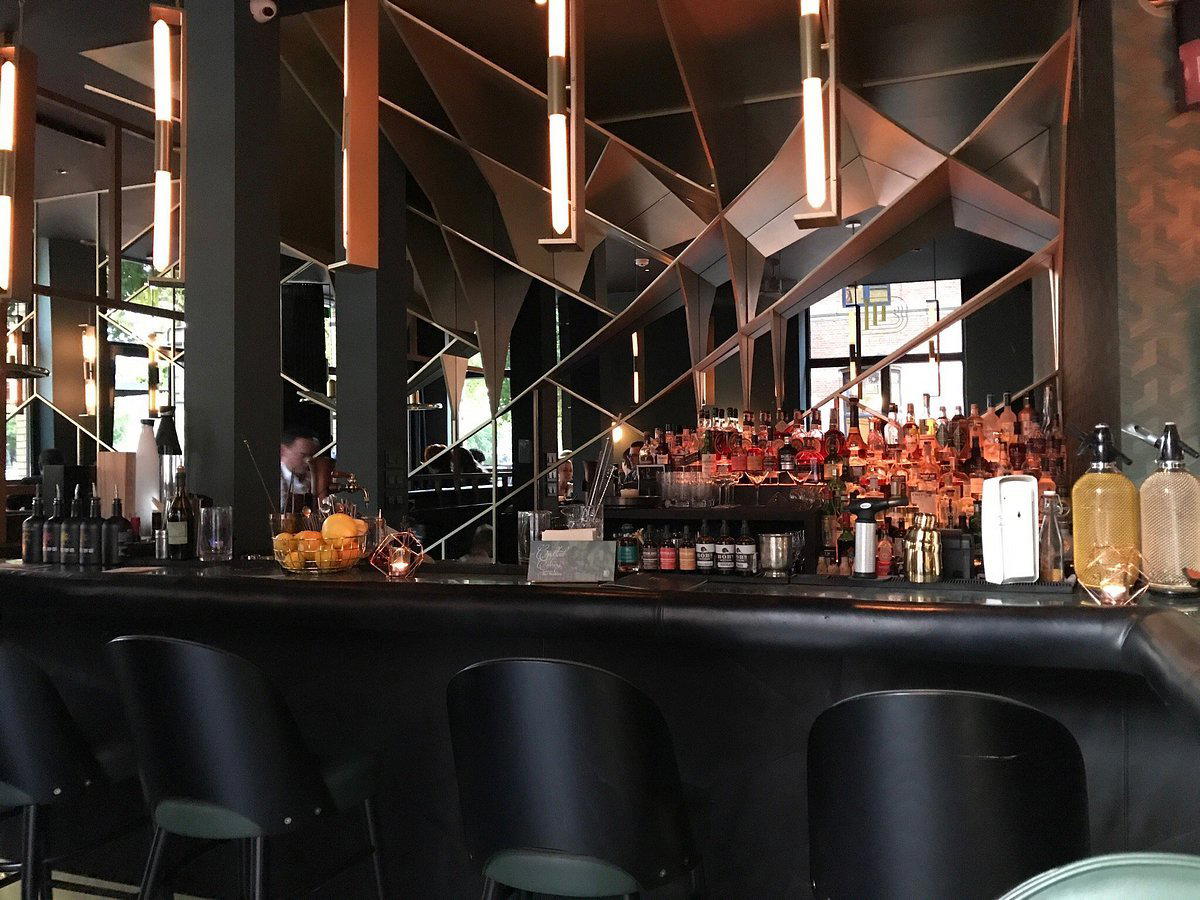
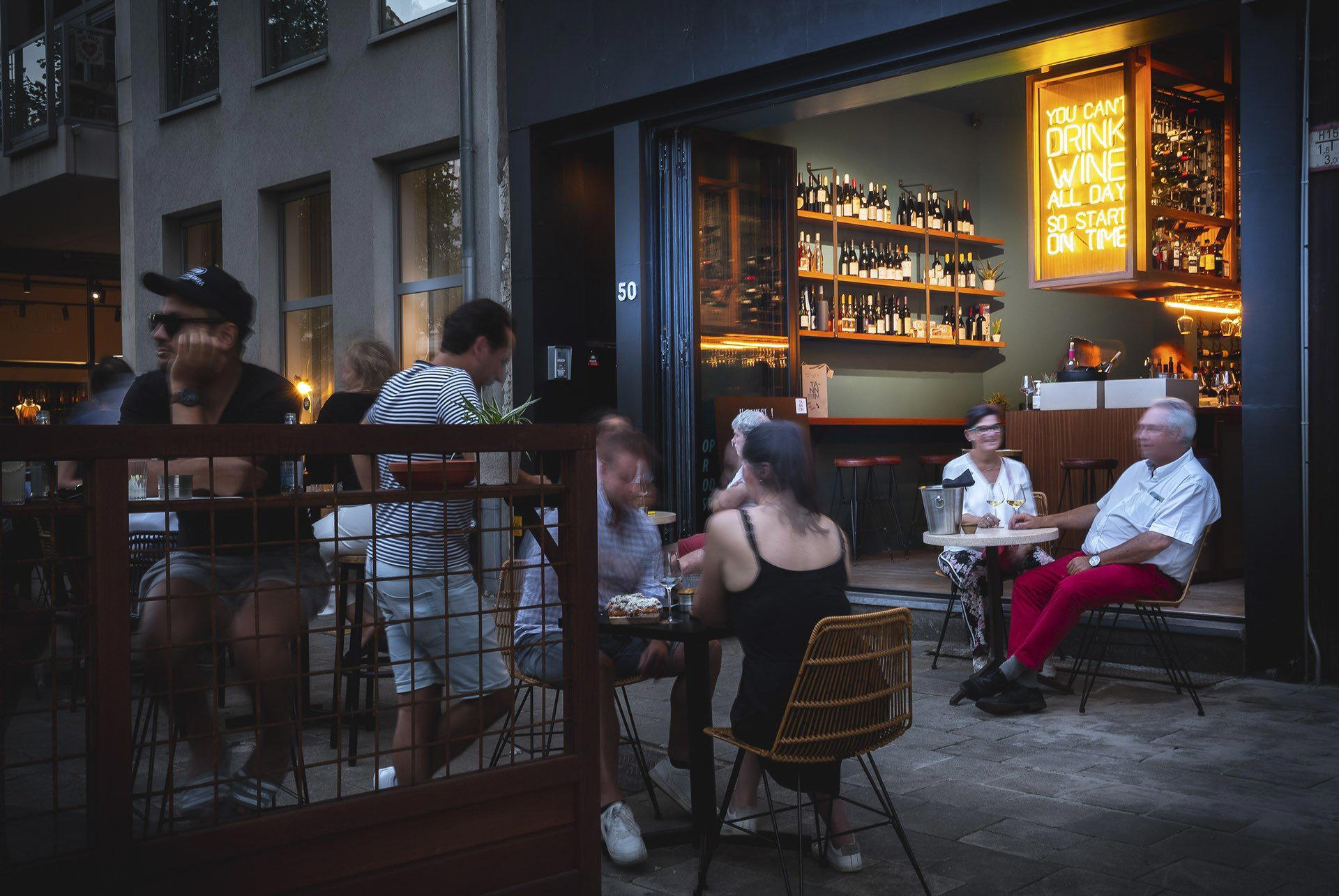
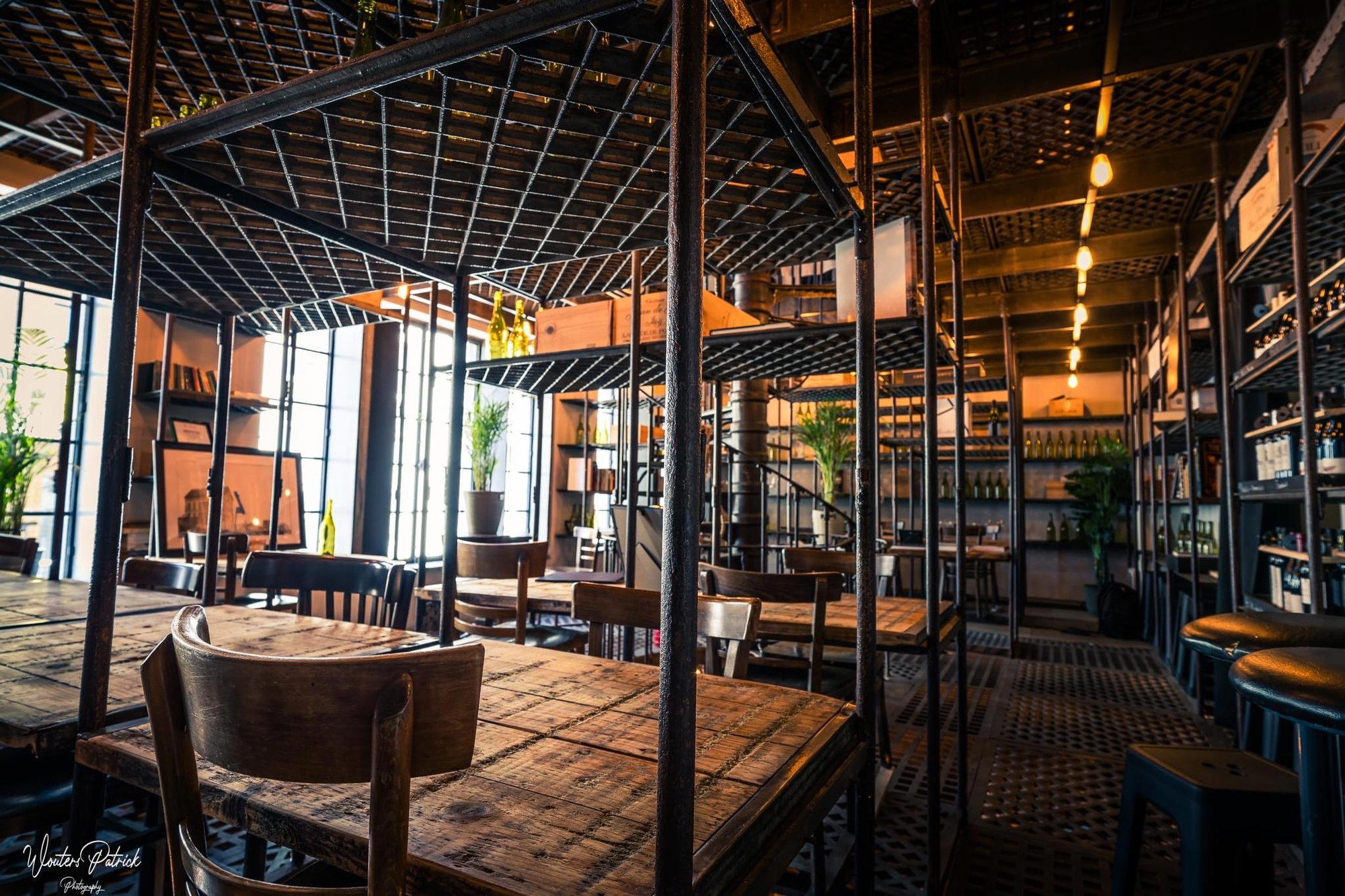
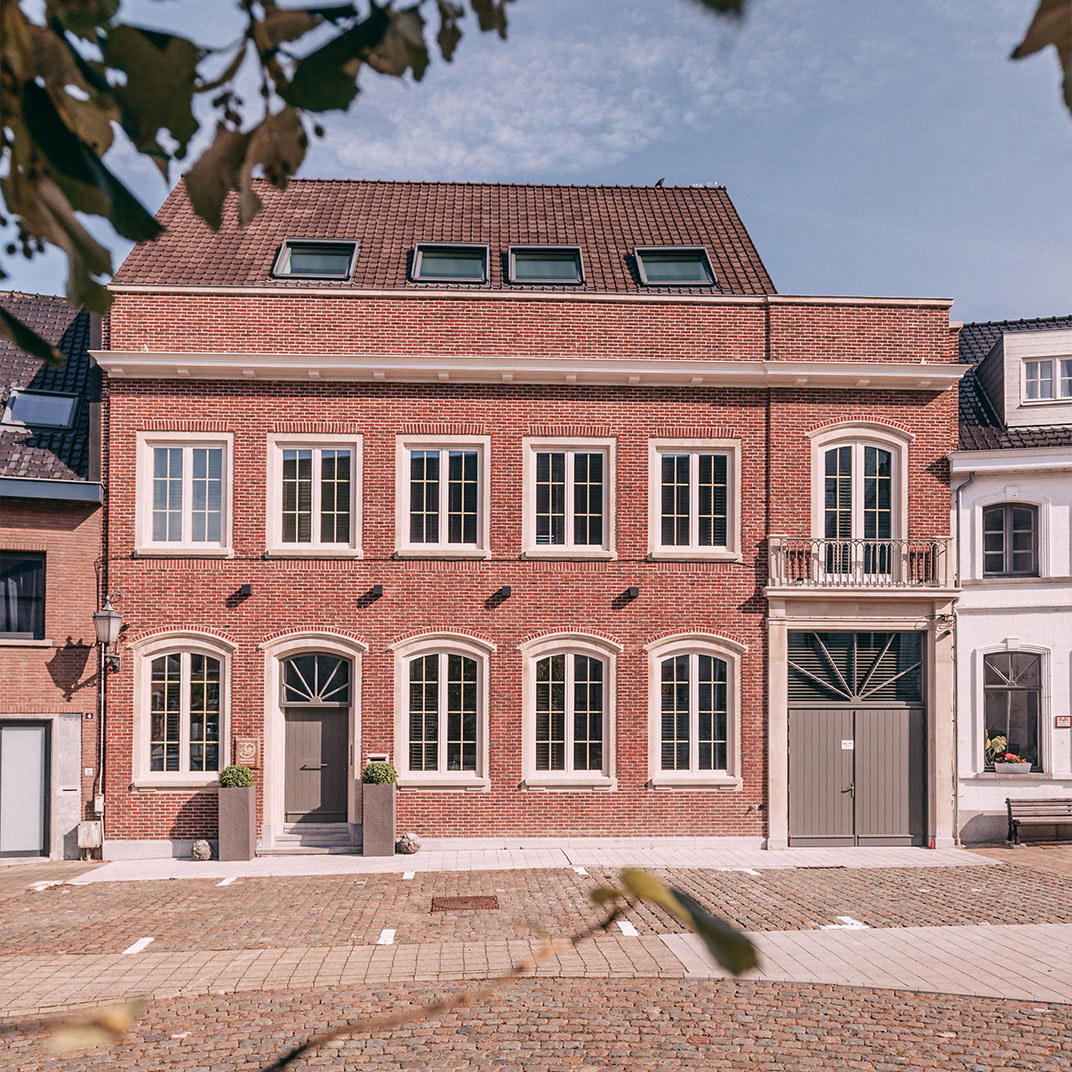
Molenstraat 1, the address of record, places De Ceder in central Kruibeke proper, in the merged municipality of Beveren-Kruibeke-Zwijndrecht that was formalised under recent Belgian administrative restructuring. The Molenstraat location in a small Flemish town typically means a converted townhouse or a former commercial ground floor, the kind of building that gives Belgian provincial restaurants their characteristic mix of domestic intimacy and formal service. The physical approach, a quiet street in a town most visitors pass through rather than stop in, is part of what defines the experience. The room's appeal comes from the dining experience itself.
The price tier sits at €€€, positioning the restaurant in a mid-to-upper band for the region. For comparison, the Michelin-starred neighbours that draw more external attention operate predominantly at €€€€: Castor in Beveren, with two stars, and Boury in Roeselare, with three, both price accordingly. The restaurant's €€€ positioning means it occupies a slightly different market slot, recognised quality at a price point that does not require the same level of premeditated commitment as a full tasting-menu evening at a starred address. That is neither a criticism nor a selling point in isolation; it is a structural fact about where the restaurant sits in the regional tier.
Modern Cuisine in a Flemish Provincial Frame
The cuisine classification, Modern Franco-Belgian, points to classical French-Flemish technique with contemporary presentation and seasonal sourcing discipline. This is the dominant grammar of serious Belgian cooking outside the explicitly creative or avant-garde registers, and it has proven durable. The restaurants recognised at this level in Belgium's Michelin landscape, from De Jonkman in Sint-Kruis to Willem Hiele in Oudenburg, each inflect the Modern Cuisine label differently, but all share a commitment to sourcing that gives the style its coherence.
In Flanders specifically, the sourcing question is inseparable from the ingredient quality question. The polders and waterways of East Flanders produce distinctive vegetables, eels, and freshwater species that appear in serious kitchens because they genuinely differ from alternatives sourced further afield, not because local provenance functions as a marketing label. A Modern Cuisine kitchen in Kruibeke has access to that regional larder: the Scheldt estuary runs along the western boundary of the municipality, the agricultural hinterland of Waasland supplies root vegetables and poultry, and the network of smaller Flemish producers who supply kitchens of this calibre operates within a relatively short radius. The ingredients available to a serious kitchen in this part of Flanders are distinctive.
The broader Belgian modern cuisine scene, for context, includes addresses like L'air du Temps in Liernu and Bozar Restaurant in Brussels, and internationally the Modern Cuisine designation connects to the approach of kitchens like Frantzén in Stockholm or FZN by Björn Frantzén in Dubai, where seasonal sourcing and technical precision define the register. The restaurant operates at a different scale and in a different market, but the cuisine category places it in that same broad conversation about what serious contemporary cooking looks like.
The Guest Reception Signal
7 across 468 reviews is a more interesting data point than it might appear. Volume matters here: 460 reviews over time for a restaurant in a small Flemish town represents a genuinely broad sampling of guest experience, not a cluster of early enthusiast reviews. Maintaining 4.7 across that volume means the kitchen and front-of-house are performing consistently rather than delivering occasional peaks. For restaurants at the Michelin Plate level, the gap between guide recognition and guest satisfaction is sometimes wide, the guide evaluates the plate, guests evaluate the whole evening. A 4.7 suggests the two are aligned here, or close to it. For comparison points in this region, see our guides to Cuchara in Lommel and d'Eugénie à Emilie in Baudour.
Planning a Visit
Kruibeke sits roughly 15 kilometres south of Antwerp's city centre and is most practically reached by car. The municipality is not on a major rail corridor, and the restaurant's Molenstraat address is not walkable from a rail hub. Visitors combining the restaurant with Antwerp proper, or routing between Antwerp and Ghent, will find it sits reasonably well as a detour from the E17 motorway corridor. The €€€ price point positions a dinner here as a considered evening rather than a spontaneous stop, and booking in advance is standard practice for restaurants holding Michelin recognition at any level. For further planning in the area, see our guides to Kruibeke hotels, Kruibeke bars, Kruibeke wineries, and Kruibeke experiences. Those interested in the wider Flemish fine dining circuit should also consider Hof van Cleve in Kruishoutem and Bartholomeus in Heist as contrasting points on the same regional map.
Fast Comparison
Comparable venues nearby, for context on price, style, and recognition.
| Venue | Cuisine | Price | Awards | Notes |
|---|---|---|---|---|
| De CederThis venue — the venue you are viewing | Modern Franco-Belgian | $$$ | Michelin Plate | Not listed |
| De Eenhoorn | Classical French-Belgian Bistro | $$$ | Not listed | Bazel |
| Bazalia | Authentic Italian Trattoria | $$ | Not listed | Bazel |
| De l'Ogenblik | Classic French-Belgian Brasserie | $$$ | Michelin Plate | Pl. de Brouckere |
| Bistro R | Modern French Bistro | $$$ | Michelin Plate | Nossegem |
| GLASS | Modern French Wine Bistro | $$$ | Michelin Plate | Zuid |
Recognition history
Dated appearances from independent guides and award organizations, with the underlying list record or original source where available.
Michelin Plate
Michelin
Michelin Plate
Michelin
Michelin Plate
Michelin
At a Glance
- Elegant
- Cozy
- Modern
- Sophisticated
- Date Night
- Business Dinner
- Special Occasion
- Standalone
- Extensive Wine List
Current opening hours
- Monday
- Closed
- Tuesday
- 12–4:30 p.m., 6:45 p.m.–12:30 a.m.
- Wednesday
- 12–4:30 p.m.
- Thursday
- 12–4:30 p.m., 6:45 p.m.–12:30 a.m.
- Friday
- 12–4:30 p.m., 6:45 p.m.–12:30 a.m.
- Saturday
- 6:45 p.m.–12:30 a.m.
- Sunday
- Closed
Hours can change for holidays and private events. Last verified .
Fresh, stylish interior with vintage black and white photos, old bicycle, and Berkel slicer creating a warm, elegant atmosphere.