Our verdict
On a quiet residential street in Ciney, 97 Rue Piervenne occupies a niche in the Condroz's small but growing dining scene. Details on cuisine, format, and booking remain limited, making it a venue worth investigating directly before a visit. For broader context on the region's table, our Ciney restaurant guide maps the full picture.

Pearl is the En Primeur Club membership app, where members save venues, book tables and use the concierge.
The menu
What to order
- Côte à l'os BBB
- Toast aux champignons sauvages
Eating in the Condroz: What Ciney's Dining Scene Actually Looks Like
Belgium's premium dining conversation tends to start in Flemish cities, where addresses like Zilte in Antwerp and Boury in Roeselare have built international reputations on produce-led tasting menus and long Michelin track records. The Walloon interior, and the Condroz plateau in particular, operates on a different register entirely. Here, dining out is less about destination restaurants and more about the relationship between kitchen and countryside, where the sourcing story is short because the farms are close.
Ciney sits at the centre of this agricultural zone, a market town surrounded by cattle pasture and arable land that has supplied Belgian tables for generations. The Blanc-Bleu Belge breed, raised extensively across the Condroz, is a reference point for beef quality throughout the country. That proximity to primary production shapes what restaurants in the area can plausibly offer: freshness measured in kilometres rather than food miles, and menus that reflect seasonal cycles because the supply chain demands it rather than as a marketing gesture.
Into this context sits 97 Rue Piervenne, an address on one of Ciney's residential streets. What that absence signals, in a town this size, is a venue operating outside the review circuit rather than within it, a pattern common to locally embedded restaurants that rely on repeat custom and word of mouth over editorial visibility.
Where 97 Rue Piervenne Sits in Ciney's Dining Tier
Ciney's restaurant options are small in number but varied in register. RectoVerso represents the town's French Contemporary strand at a mid-range price point, while Auberge du Château de Leignon anchors the area's château hospitality tradition a short distance away. Le Rempart and Sigoji extend the range, and Chocolaterie du Château de Leignon covers the artisan sweet end of the local food map. For anyone building a broader picture of what's available, the full Ciney restaurants guide lays out the options in comparative detail.
Belgian rural addresses at the residential scale frequently operate as neighbourhood restaurants, serving a fixed menu or plat du jour format that changes weekly, priced to reflect local expectations rather than destination-dining premiums. Whether that describes this venue requires direct verification.
The Ingredient Sourcing Question: Why It Matters in the Condroz
Belgium's most praised kitchens, from Hof van Cleve in Kruishoutem to L'air du Temps in Liernu, have built their reputations partly on rigorous sourcing frameworks: named producers, controlled supply, and menus that treat the farm relationship as a culinary argument, not a footnote. L'air du Temps, located in Wallonia not far from the Condroz, is particularly referenced for its garden-to-table discipline, a model that has influenced how the Belgian countryside positions quality dining.
Addresses in smaller Walloon towns rarely operate at that register of complexity, but they benefit from the same underlying geography. A kitchen in Ciney drawing on Condroz beef, local dairy, and seasonal vegetables from the surrounding communes has an inherent sourcing advantage over urban venues working through distribution chains. The question for any restaurant in this zone is not whether local ingredients are available, but whether the kitchen is organised to use them with enough craft to make the provenance legible on the plate.
For context on what that craft looks like at the highest Belgian level, Willem Hiele in Oudenburg and De Jonkman in Sint-Kruis represent the Flemish coast's version of that argument, built on North Sea produce. Bartholomeus in Heist and Castor in Beveren pursue similar sourcing logic from different geographic starting points. Internationally, the model finds its most complete expression at addresses like Le Bernardin in New York City, where ingredient provenance is effectively the menu's organising principle, or Atomix in New York City, which applies the same discipline to Korean culinary traditions. The gap between those reference points and a residential-street address in Ciney is considerable, but the underlying question, where does the food come from and how directly does it travel from field to plate, is the same one worth asking at any scale.
Belgium's broader dining conversation also runs through Brussels, where Bozar Restaurant occupies a distinct cultural position at the intersection of fine dining and arts programming. And in Wallonia, d'Eugénie à Emilie in Baudour represents another strand of regional French-inflected cooking that rewards attention outside the capital. These points of comparison are useful for understanding how Ciney's restaurant options fit into the wider national picture.
Planning a Visit: What to Confirm Before You Go
Given the absence of confirmed booking details, hours, and cuisine type in public records, any visit to 97 Rue Piervenne requires direct contact in advance. For restaurants at this scale in Belgian market towns, the practical advice is consistent: call or visit in person, confirm whether the kitchen operates on a reservation-only basis, and establish the current format before planning around it. Rural Belgian restaurants frequently keep irregular hours or close for seasonal periods, and without a published website or phone number on record here, advance verification is the only reliable approach.
Ciney is accessible by train from Namur and Liège, both of which connect to Brussels. The town's compact centre means most addresses are walkable from the station. For visitors building a Condroz itinerary around food, the combination of market-town restaurants like those listed in the Ciney guide and the château dining at Auberge du Château de Leignon gives the broadest cross-section of what the area offers across different price registers.
Frequently asked questions
What's the address for 97 Rue Piervenne?
97 Rue Piervenne is located at Rue Piervenne 97, 5590 Ciney, Belgium, Ciney.
Is 97 Rue Piervenne a good option for dinner when visiting the Condroz region of Wallonia?
Ciney functions as a practical base for the wider Condroz plateau, and 97 Rue Piervenne is one of the local addresses worth factoring into a stay in this part of Wallonia.
What dish is 97 Rue Piervenne famous for?
That said, Ciney sits at the centre of Condroz cattle country, and restaurants in this part of Wallonia tend to draw on local beef and game as the backbone of their menus. Contacting the venue directly will give you the clearest picture of what they are currently serving.
Do they take walk-ins at 97 Rue Piervenne?
No walk-in policy has been confirmed for this address. Smaller restaurants in Walloon market towns like Ciney often operate with limited covers and prefer advance bookings, particularly on weekend evenings. Calling ahead before any visit to Rue Piervenne 97, 5590 Ciney is the safest approach.
Comparable Spots, Quickly
| Venue | Cuisine | Price | Awards |
|---|---|---|---|
| 97 Rue PiervenneThis venue (the venue you are viewing) | Franco-Belgian Bistro | Not listed | Not listed |
| RectoVerso | Contemporary French Seasonal | $50–100 | Michelin Plate |
| Auberge du Château de Leignon | Refined French Market Cuisine | Not listed | Not listed |
| Le Rempart | French Gastronomic Fine Dining | $50–100 | Not listed |
| Chocolaterie du Château de Leignon | Artisan Chocolaterie | Not listed | Not listed |
| Sigoji | Artisanal Belgian Chocolates | Not listed | Not listed |
Continue exploring
More in Ciney
Restaurants in Ciney
All restaurants in Ciney →
Bars in Ciney
Browse all →
Hotels in Ciney
Browse all →

Wineries in Ciney
Browse all →

Details
- Cozy
- Elegant
- Intimate
- Date Night
- Special Occasion
- Open Kitchen
- Local Sourcing
- Street Scene
- A La Carte
- Vegetarian Friendly
- Vegan Options
- Gluten Free Options
Current opening hours
- Monday
- 12–10 PM
- Tuesday
- 12–3 PM, 6:30–10 PM
- Wednesday
- 12–3 PM, 6:30–10 PM
- Thursday
- 12–10 PM
- Friday
- 12–3 PM, 6:30–10 PM
- Saturday
- 12–3 PM, 6:30–10 PM
- Sunday
- 12–2:30 PM
Hours can change for holidays and private events. Hours as of .
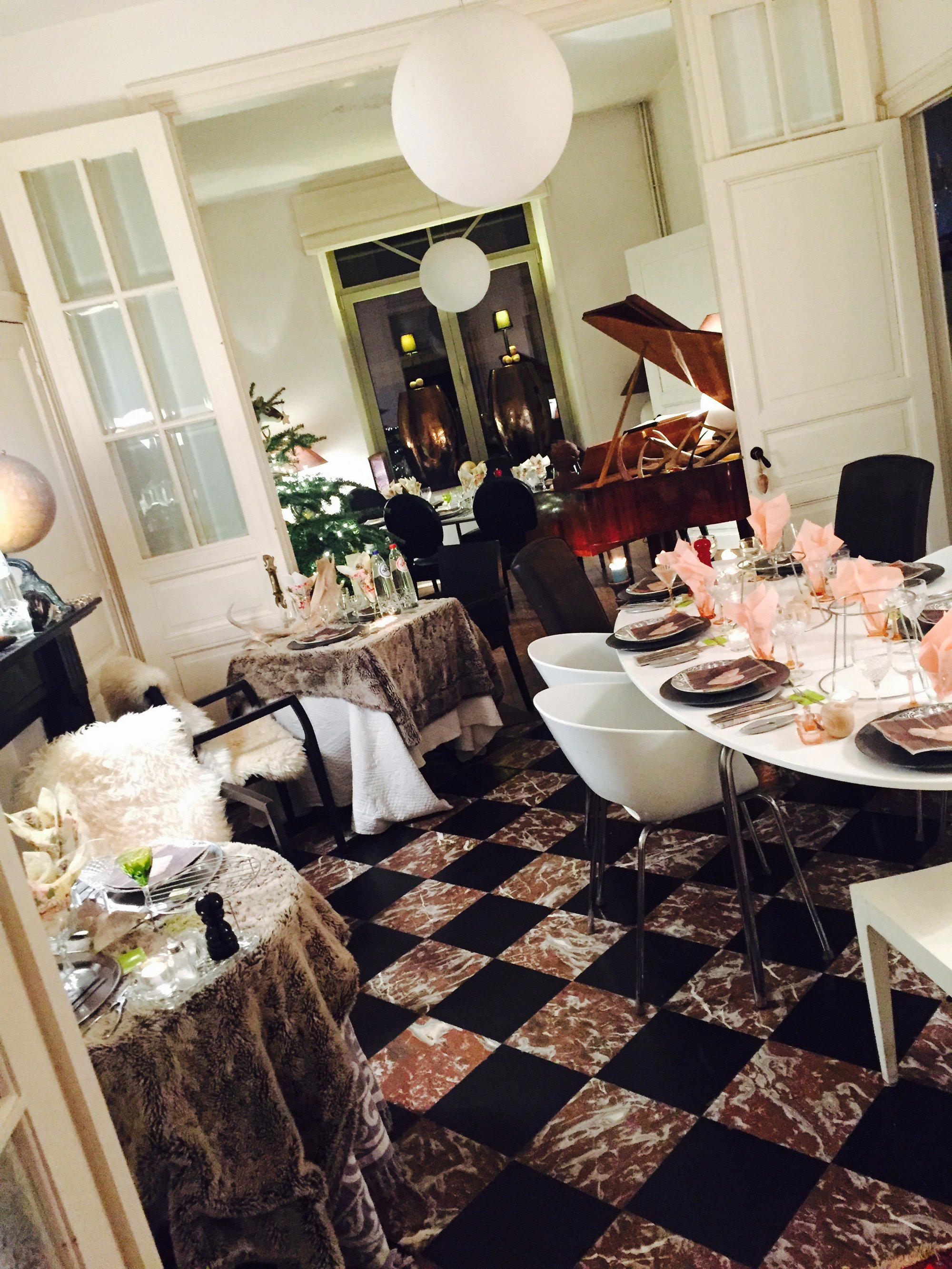
Feutrée et jazzy ambiance in a cozy, intimate historic mansion with open kitchen view, warm and home-like atmosphere.