Das Walz
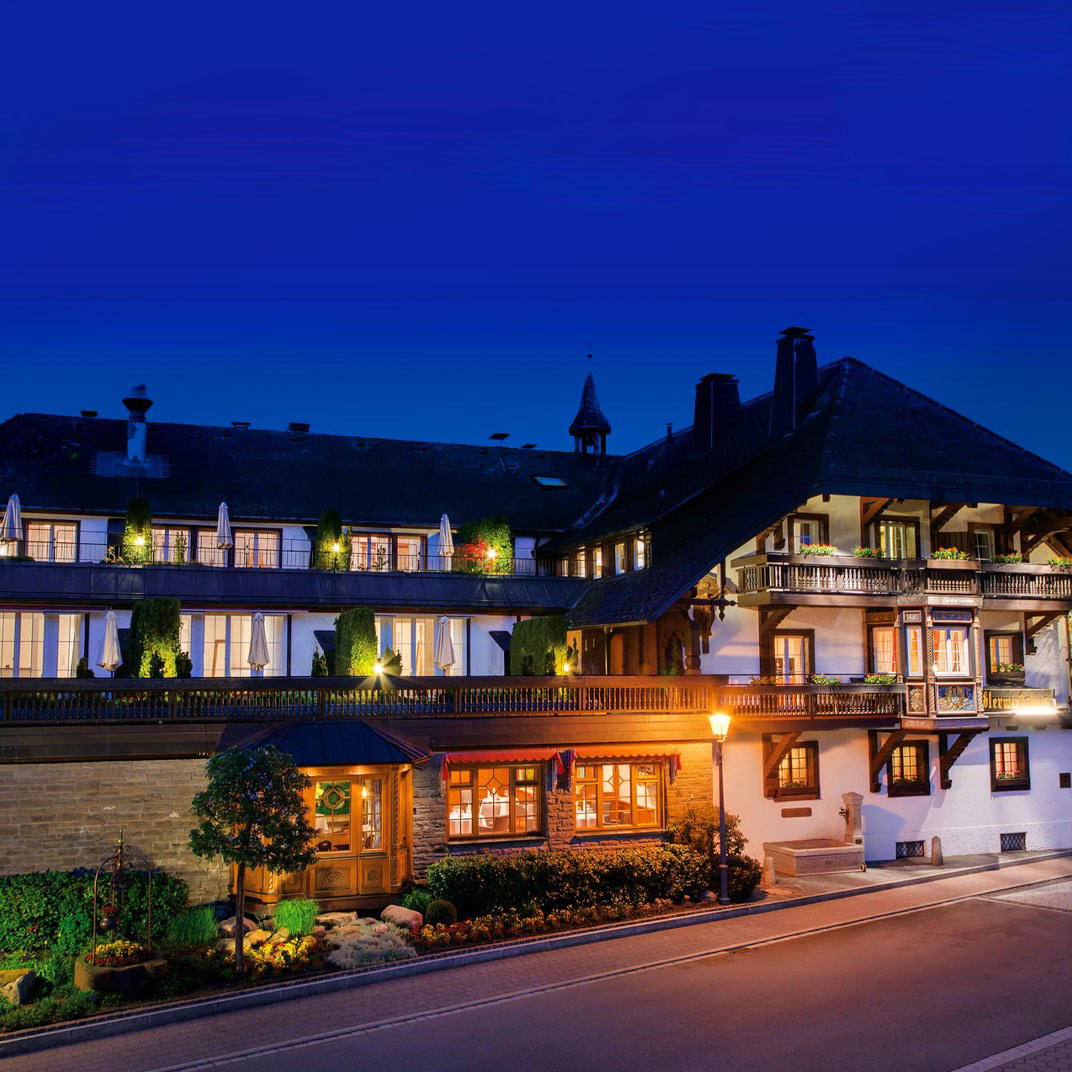
Das Walz sits on Friedrichstraße in Bad Dürrheim, a Black Forest spa town in Baden-Württemberg where the regional dining tradition runs toward produce sourced from the surrounding landscape.
Pearl is the En Primeur Club membership app — saves, bookings, and concierge access live there. Same editors, same standards.
- Address
- Friedrichstraße 9, 78073 Bad Dürrheim, Germany
- Phone
- +49497726261
- Website
- das-walz.com
- Directions
- Get directions
 Saves & bookings on Pearl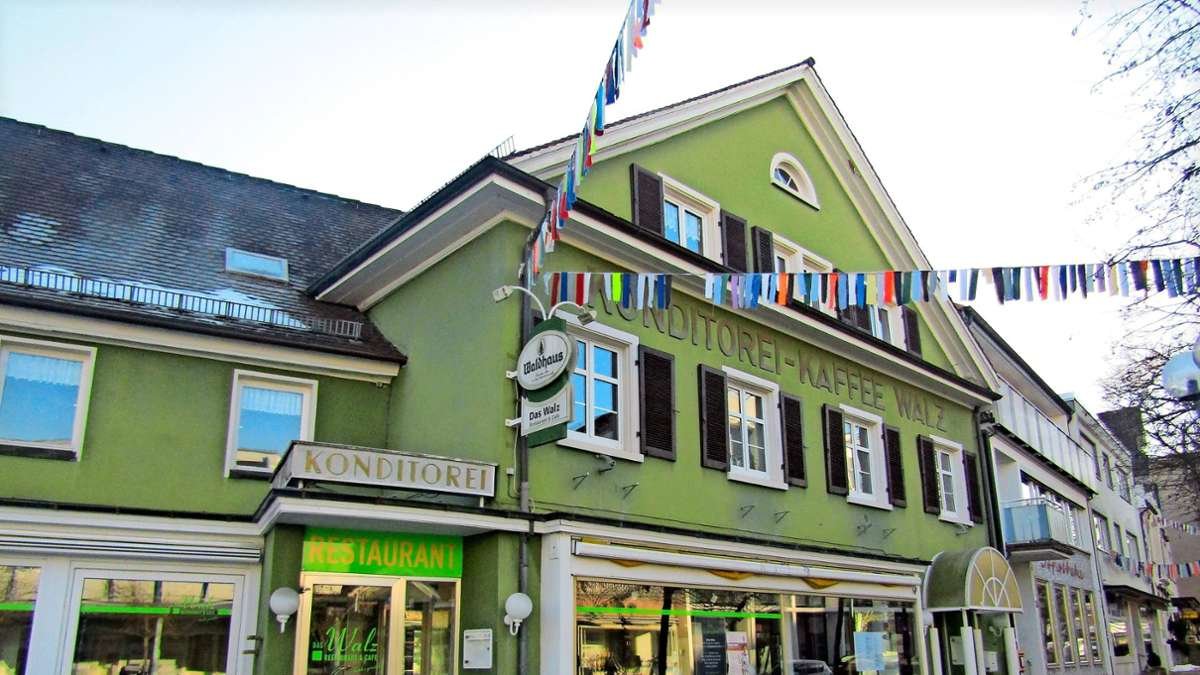
Dining in a Black Forest Spa Town
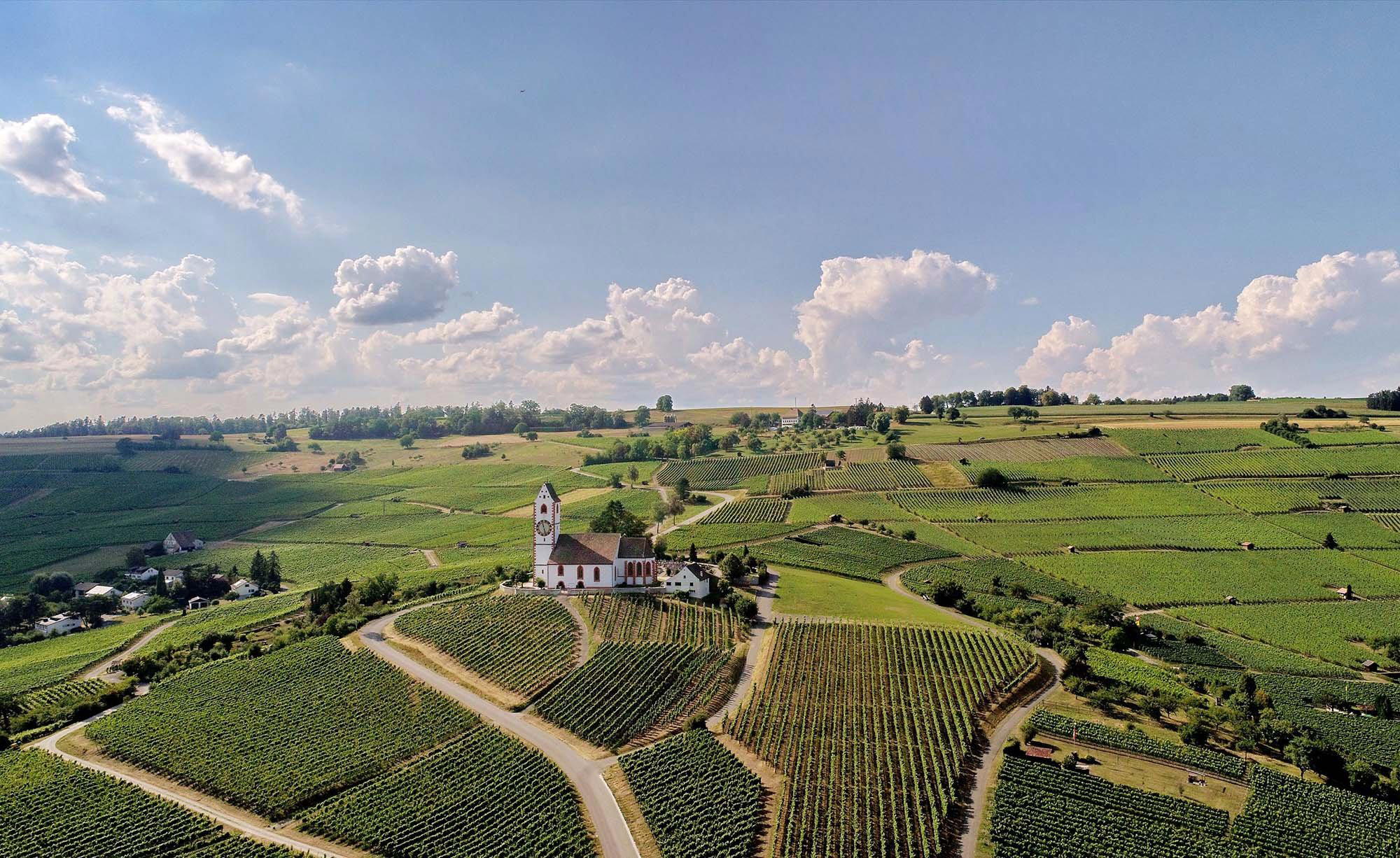
Bad Dürrheim occupies a specific position in the German dining map that most visitors overlook. The town sits in the Schwarzwald-Baar district of Baden-Württemberg, a region whose culinary credentials are anchored in the Black Forest to the west and the agricultural flatlands of the Rhine Valley beyond. This geography matters: the southern Black Forest corridor that runs through towns like Bad Dürrheim toward the Swiss border has historically supplied German kitchens with wild game, forest mushrooms, trout from cold-water streams, and dairy from alpine meadows. Restaurants that work within this supply chain are operating in one of Germany's most ingredient-rich environments, even when the venues themselves sit in smaller, quieter towns rather than in the high-profile restaurant cities further north.
The town functions primarily as a Kneipp and mineral spa destination, which shapes its hospitality character. Spa towns in Germany occupy a particular culinary register: the guest base skews toward longer stays, which typically supports more considered dining rather than high-turnover tourist eating. That context positions Das Walz, on Friedrichstraße 9, within a local scene that rewards venues willing to work at a slower, more deliberate pace. For a broader orientation to what the area offers, see our full Bad Dürrheim restaurants guide.
The Regional Ingredient Tradition
The Black Forest region's influence on German fine dining is documented and traceable. The Schwarzwaldstube in Baiersbronn established decades ago that this forested stretch of Baden-Württemberg could anchor three-Michelin-star cooking, drawing directly on the forest's wild and cultivated produce. That benchmark shifted expectations for the whole region: when a kitchen in a small Black Forest town can earn that level of recognition, it signals that sourcing discipline and ingredient quality in the region are capable of sustaining serious cooking at any level of the price spectrum.
What makes the southern Black Forest specifically productive for restaurants is the density of overlapping supply sources within a short radius. Wild boar, venison, and river fish exist alongside the dairy and grain agriculture of the Baar plateau, the vineyards of the Kaiserstuhl and Markgräflerland to the west, and proximity to Alsatian producers across the Rhine. A restaurant in Bad Dürrheim sits within reach of all of these without requiring the extended supply chains that constrain urban kitchens in Frankfurt or Hamburg. Across Germany's top tier, venues like Aqua in Wolfsburg and Vendôme in Bergisch Gladbach have built reputations on creative sourcing discipline; in the Black Forest region, the raw material is simply closer at hand.
Germany's non-urban fine-dining scene has grown more legible over the past decade. The concentration of decorated restaurants in smaller towns and rural settings across Baden-Württemberg, Rhineland-Palatinate, and Bavaria has established a clear pattern: kitchens working with strong regional supply and a local guest base that includes both resort visitors and destination diners tend to operate at a different rhythm from their city counterparts. Venues like Waldhotel Sonnora in Dreis and Schanz in Piesport illustrate this pattern: serious cooking in small towns, anchored by regional produce and sustained by a guest mix that treats the meal as a destination event rather than a convenience.
Das Walz on Friedrichstraße occupies a comparable position within its own locality. Bad Dürrheim is not a major restaurant destination in the way that the Baiersbronn valley or the Moselle wine towns are, which means that venues here operate with less built-in destination traffic. That can be a constraint, but it also tends to produce a more grounded local character. Spa-town dining in Germany often rewards the guest who arrives without expectations shaped by press coverage and Michelin maps, and finds instead a kitchen working consistently for a local and regional audience.
Das Walz operates in a quieter register, which is precisely the point of seeking it out.
The Sourcing Context for This Kitchen
Baden-Württemberg's position as a sourcing environment for serious kitchens is not incidental. The state produces more wine appellations than any other in Germany, supplies wild game from protected forest land, and sits adjacent to Switzerland and Alsace, expanding the effective sourcing radius for any kitchen willing to use it. Restaurants in the region's smaller towns have historically drawn on this without the overhead of city rents or the pressure to program aggressively for press coverage.
The editorial parallel internationally is instructive. In the United States, destination restaurants in smaller towns, like Lazy Bear in San Francisco or the sourcing-driven approach seen at Le Bernardin in New York City, have demonstrated that ingredient provenance and supply discipline translate directly into the guest experience, regardless of urban or rural setting. In the Black Forest context, the sourcing argument is geographic before it is philosophical: the produce is simply there, and the question for any kitchen is how seriously it engages with it.
Further afield in Germany's non-urban fine-dining circuit, Victor's Fine Dining by Christian Bau in Perl, GästeHaus Klaus Erfort in Saarbrücken, and ES:SENZ in Grassau all demonstrate that Germany's serious restaurant culture extends well beyond Munich, Hamburg, and Berlin. Bad Dürrheim sits within that broader tradition, even if its own dining scene remains less documented than those of more prominent spa and wine towns.
Planning Your Visit
Das Walz is located at Friedrichstraße 9 in the centre of Bad Dürrheim, a town that is most easily reached by car from Freiburg im Breisgau, roughly 30 kilometres to the west, or from Villingen-Schwenningen, the nearest significant rail hub, approximately 10 kilometres north. For visitors exploring the wider region's dining scene, nearby reference points include Ösch Noir in Donaueschingen, which sits within 20 kilometres and represents the more formally documented end of the local fine-dining spectrum. For those building a wider itinerary across Germany's decorated restaurant towns, the circuit connecting Baden-Württemberg venues with Rhineland counterparts like Bagatelle in Trier, L.A. Jordan in Deidesheim, and northern venues like Restaurant Haerlin in Hamburg and Jante in Hanover rewards multi-stop planning rather than single-destination visits.
A Quick Peer Check
| Venue | Cuisine | Price | Awards |
|---|---|---|---|
| Das WalzThis venue — the venue you are viewing | This venue | Not listed | Not listed |
| Schwarzwaldstube | French, Classic French | €€€€ | Michelin 3 Star |
| Aqua | Contemporary German, Italian/Japanese, Creative | €€€€ | Michelin 3 Star |
| Vendôme | Modern European, Creative | €€€€ | Michelin 2 Star |
| CODA Dessert Dining | Creative | €€€€ | Michelin 2 Star |
| Tantris | Modern French, French Contemporary | €€€€ | Michelin 2 Star |
Continue exploring
More in Bad Durrheim
Restaurants in Bad Durrheim
Browse all →
Bars in Bad Durrheim
Browse all →
Hotels in Bad Durrheim
Browse all →

At a Glance
- Cozy
- Classic
- Casual Hangout
- Family
- Local Sourcing
Welcoming and friendly atmosphere, homely and comfortable.
Know Before You Go
- Getting there
- Friedrichstraße 9, 78073 Bad Dürrheim, Germany