Our verdict
Das Kimchi brings Korean fermentation tradition to Vienna's 3rd district, operating from a street address in Marxergasse that sits well outside the city's fine-dining corridor. In a city where the high-end restaurant conversation is dominated by Michelin-weighted Austrian and Modern European kitchens, a focused Korean offer occupies a distinct and largely uncrowded tier. The kitchen's relationship to fermented ingredients places it in a different production logic from most of what surrounds it.

Pearl is the En Primeur Club membership app, where members save venues, book tables and use the concierge.
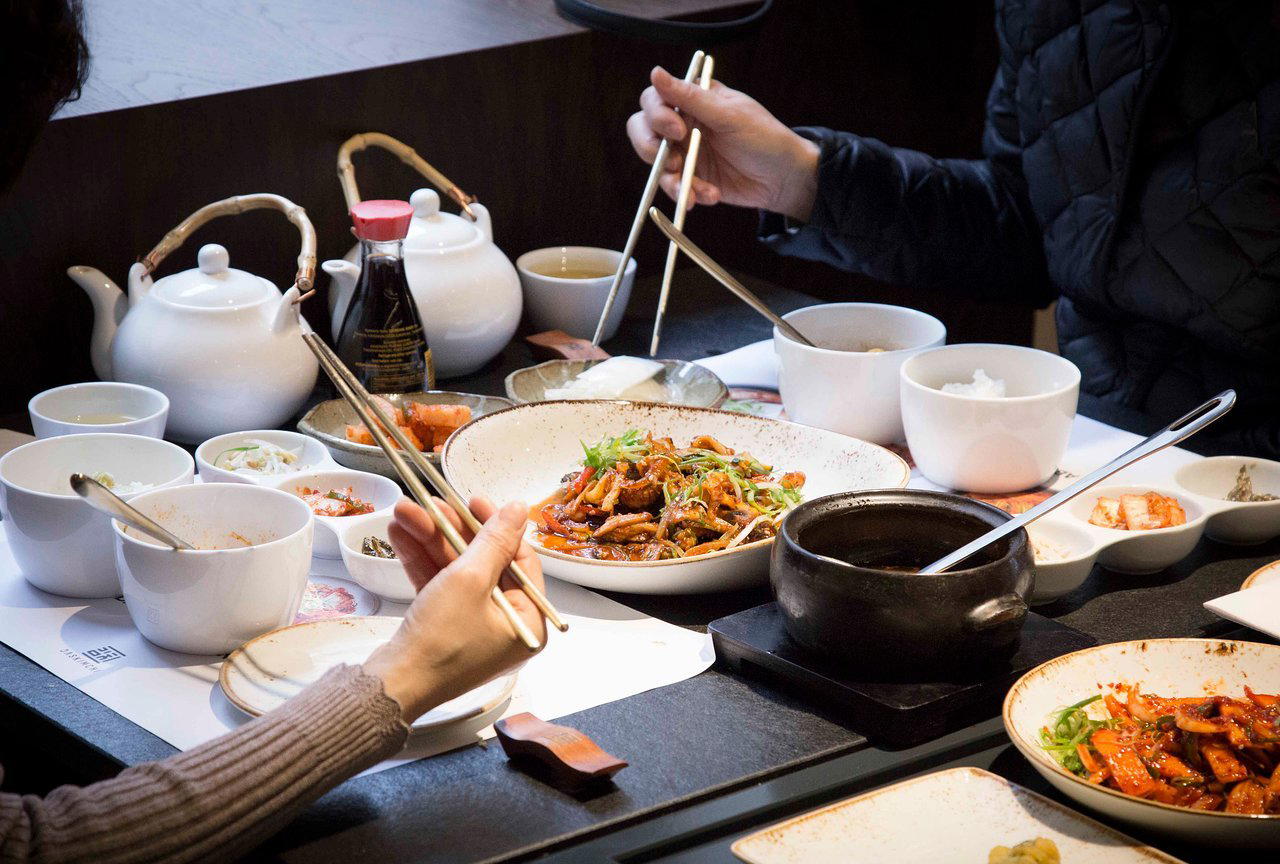
Fermentation in a City That Understands It
Vienna has its own long relationship with fermented food. Sauerkraut, vinegar-cured fish, and lactic-preserved vegetables run through Austrian culinary history in ways that rarely get acknowledged as fermentation culture, even though that is precisely what they are. The city's dining conversation tends to focus on technique and produce provenance, with places like Steirereck im Stadtpark and Mraz & Sohn setting the reference points for what serious ingredient sourcing looks like at the leading end. Korean cooking, built around a fundamentally different fermentation grammar, kimchi and doenjang and gochujang aged across weeks or months, sits in productive tension with that tradition rather than outside it.
Das Kimchi operates from Marxergasse 15 in the 3rd district, a part of Vienna that sits between the formal museum quarter and the quieter residential streets east of the Ringstrasse. It is not a neighbourhood associated with destination dining, and that positioning says something about the operation: this is not a venue chasing the Michelin-weighted fine-dining circuit that defines places like Amador or Konstantin Filippou. It is a more specific proposition, and one that makes more sense understood through the logic of what Korean fermentation actually requires.
Where the Food Comes From
Korean cuisine's sourcing logic is not primarily about local provenance in the way that contemporary Austrian cooking frames it. The essential condiments, gochugaru (dried red pepper flakes), salted shrimp, doenjang (fermented soybean paste), cannot be sourced from Austrian producers without becoming something categorically different. Authenticity here is tied to ingredient origin in a way that cuts against the hyper-local sourcing model that dominates the broader Vienna fine-dining conversation. A kitchen committed to Korean fermentation tradition has to make a deliberate choice about where its core inputs come from and hold to that against the ambient pressure to localise.
That sourcing discipline matters because fermentation is time-dependent. Kimchi made with the right napa cabbage, the right salted shrimp, and the right ratio of gochugaru across a proper lacto-fermentation cycle produces a result that a substituted version cannot replicate. The same logic applies to doenjang, which develops its depth across months of microbial activity in specific conditions. Restaurants in European cities that serve serious Korean food are, by necessity, managing supply chains that reach back to Korea for core inputs, even when they source vegetables and proteins locally. This is a different sourcing model from what you find at, say, Doubek, where Austrian regional produce is the architectural centre of the cooking.
For Vienna diners accustomed to the farm-to-table framing that Austrian haute cuisine has made central to its identity, this requires a small recalibration. The quality signal in Korean fermentation tradition is not field proximity but process fidelity: how long something has been aged, what the microbial culture looks like, whether the fermentation was rushed or given time. These are craft signals, just expressed through a different set of variables.
The Korean Restaurant Tier in Central Europe
Korean dining in European capitals has expanded considerably over the past decade, but it has done so unevenly. London and Paris have seen the emergence of Korean restaurants operating at a level that engages seriously with the fine-dining conversation, complete with wine pairings and tasting menus. In Vienna, the tier remains thinner. The city's immigrant food culture has historically been shaped by Eastern European and former Yugoslav communities, with Korean and other East Asian cuisines occupying a smaller, less-developed segment of the restaurant market.
That context positions Das Kimchi in a relatively uncrowded category. The relevant peer comparison is not with the €€€€ Austrian creative kitchens that dominate the city's award recognition, but with other Korean operations in Vienna and with the broader Central European Korean dining scene. In that frame, a kitchen committed to fermentation-centred cooking, where kimchi is a process and not just a garnish, represents a specific stance. Austrian dining institutions like Landhaus Bacher and Obauer have built their reputations partly on commitment to a regional culinary logic; the same kind of commitment, applied to Korean fermentation tradition rather than Wachau or Salzburg terroir, operates on a recognisably similar intellectual basis.
What Fermentation-Centred Korean Cooking Actually Involves
The backbone of Korean table culture is banchan: small shared dishes that arrive alongside a main, built around fermented, pickled, and seasoned vegetables. The quality of a Korean kitchen is often most legible in its banchan, because those dishes are where fermentation discipline shows most clearly. A well-fermented kimchi has a complexity that develops across its lactic acid cycle, producing layers of acidity, heat, and umami that a quickly assembled version cannot approximate. Doenjang jjigae, the fermented soybean paste stew that is among the most common Korean preparations, depends entirely on paste that has been properly aged.
Restaurants operating at the more serious end of this tradition in European cities tend to make their fermentation timeline explicit, because it is the credential that separates them from kitchens using commercially produced shortcuts. For diners used to reading Austrian wine lists and understanding that a Grüner Veltliner from a specific producer in the Wachau carries information about soil and season, the equivalent literacy in Korean fermentation is about understanding what a properly aged doenjang or a well-developed kimchi signals about kitchen practice.
Across Austria, regional specificity remains a strong organising principle for serious cooking. Mountain-focused kitchens like Gourmetrestaurant Tannenhof in Sankt Anton and Stüva in Ischgl draw their identity from Alpine ingredients and tradition. Kräuterreich by Vitus Winkler in Sankt Veit im Pongau builds around herb cultivation. Taubenkobel in Schützen am Gebirge takes Pannonian produce as its reference point. In each case, the kitchen's identity is inseparable from a specific sourcing geography. Das Kimchi applies an analogous logic, just with a different geographical anchor and a fermentation tradition that is centuries old in its own right.
Diners who have eaten at technically serious Korean restaurants in Seoul or at the emerging generation of Korean-influenced tasting menus in cities like New York, where Le Bernardin has long set the standard for ingredient-first thinking, or San Francisco, where Lazy Bear represents the communal tasting format, will bring a useful reference frame. Korean fermentation-centred cooking is not a lesser version of something else; it is a distinct culinary tradition with its own internal hierarchy of quality signals.
Planning Your Visit
| Factor | Das Kimchi | Steirereck im Stadtpark | Konstantin Filippou |
|---|---|---|---|
| Cuisine tier | Korean, fermentation-focused | Creative Austrian, €€€€ | Modern European, €€€€ |
| Location | 3rd district, Marxergasse | Stadtpark, 3rd district | 1st district |
| Booking lead time | Not confirmed | Several weeks minimum | Several weeks minimum |
| Price range | Not confirmed | €€€€ | €€€€ |
| Awards | None confirmed | Michelin-starred | Michelin-starred |
Das Kimchi is at Marxergasse 15, 1030 Wien. For a fuller picture of where Das Kimchi sits within Vienna's broader dining scene, and to explore the other kitchens shaping the city's restaurant conversation, see our full Vienna restaurants guide. Regional Austrian cooking of a different register is represented by kitchens including Döllerer in Golling an der Salzach, Schwarzer Adler in Hall in Tirol, Restaurant 141 by Joachim Jaud in Mieming, and Ois in Neufelden.
Frequently asked questions
What should I order at Das Kimchi?
The kitchen's identity is built around fermentation, which means the kimchi preparations and any fermented-paste-based dishes are the most direct expression of what the kitchen does that differs from surrounding Vienna restaurants. In Korean cooking more broadly, the quality of a kitchen's banchan, its small shared fermented and pickled dishes served alongside mains, is the clearest signal of fermentation discipline. These are the preparations where sourcing and process fidelity show most legibly, rather than in dishes where sauce or heat can mask shortcuts.
How difficult is it to get a table at Das Kimchi?
Vienna's Korean dining segment is smaller than the city's Austrian and Modern European fine-dining tier, where places like Amador and Mraz & Sohn operate with multi-week booking windows due to Michelin recognition and limited covers.
Is Das Kimchi a good option for diners exploring Korean food for the first time in Vienna?
Vienna's Korean restaurant offer is notably smaller than what comparable cities like Berlin or London provide, which means a kitchen focused on fermentation-centred Korean cooking occupies a relatively open space in the local dining market. For diners without an existing reference frame for Korean cuisine, the fermented condiments and banchan culture at a kitchen like this offer a more structurally complete introduction than a dish-only approach would. The 3rd district address, close to central Vienna, makes logistics direct for visitors staying in or near the 1st district.
Awards and Standing
Comparable venues nearby, for context on price, style, and recognition.
| Venue | Cuisine | Price | Notes |
|---|---|---|---|
| Das KimchiThis venue (the venue you are viewing) | Korean | $20–30 | Not listed |
| Sura | Korean BBQ & Japanese | $20–30 | Innere Stadt |
| Little Korae | Korean Egg Drop Sandwiches | $10–20 | Neubau |
| Kim kocht | Korean-Viennese Fusion Fine Dining | $100–150 | Alsergrund |
| Ramen Makotoya Landstraße | Japanese Ramen | $10–20 | Wien-Mitte |
| Gaia Kitchen | Vegan Levantine Fusion | $10–20 | Praterstern Wien Nord |
Continue exploring
More in Vienna
Restaurants in Vienna
All restaurants in Vienna →
Bars in Vienna
All bars in Vienna →
Hotels in Vienna
All hotels in Vienna →

Details
- Cozy
- Trendy
- Casual Hangout
- Group Dining
- Open Kitchen
- A La Carte
- Small Plates
- Vegetarian Friendly
- Vegan Options
- Gluten Free Options
Current opening hours
- Monday
- 11 AM–3 PM, 6–11 PM
- Tuesday
- 11 AM–3 PM, 6–11 PM
- Wednesday
- 11 AM–3 PM, 6–11 PM
- Thursday
- 11 AM–3 PM, 6–11 PM
- Friday
- 11 AM–3 PM, 6–11 PM
- Saturday
- 11 AM–3 PM, 6–11 PM
- Sunday
- 11 AM–3 PM, 6–11 PM
Hours can change for holidays and private events. Hours as of .
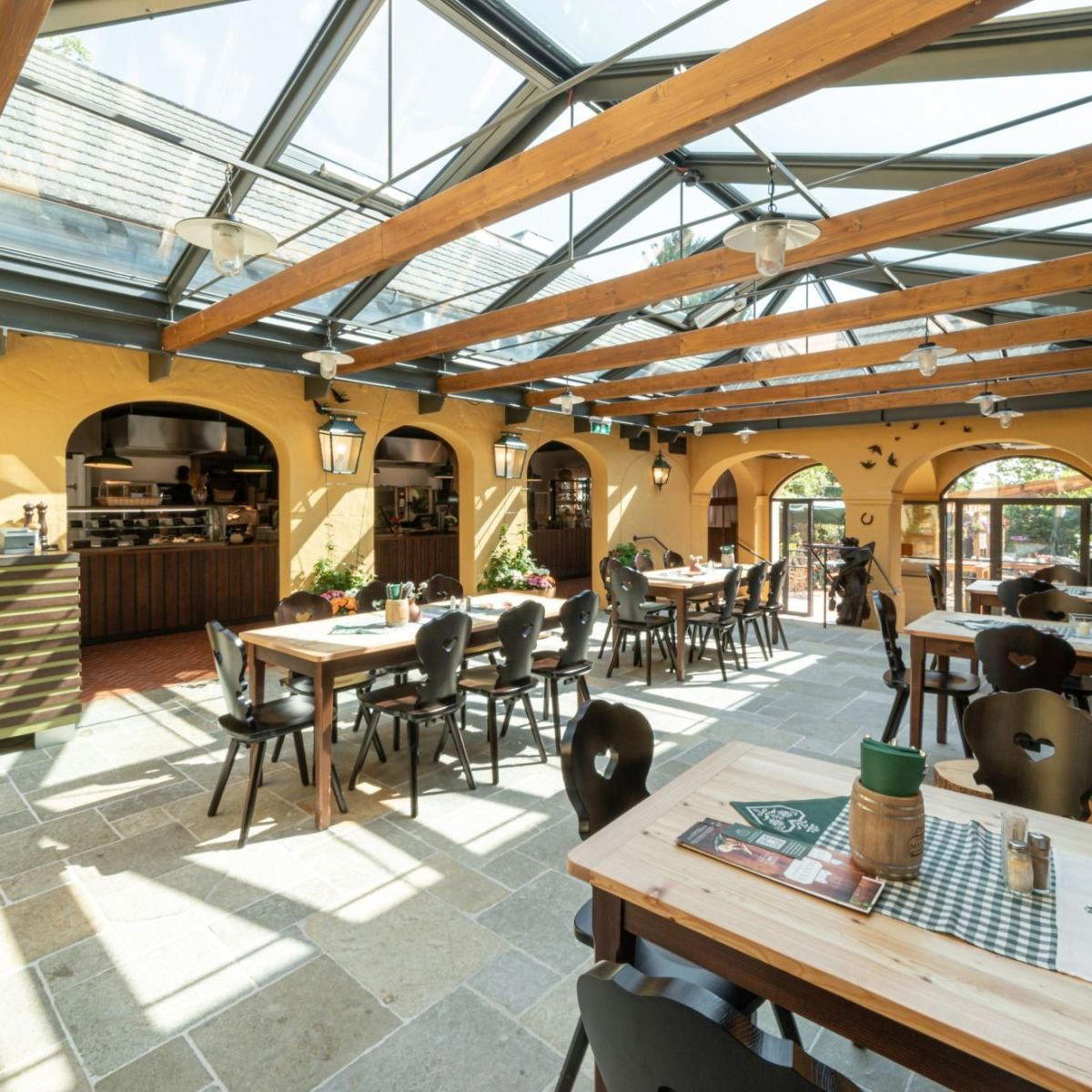
Understated and inviting atmosphere with a cozy, no-frills vibe suitable for casual dining.