Das Herrenhaus occupies a address on Hauptplatz in Straßburg, Carinthia, placing it at the centre of one of Austria's quieter provincial towns. The region's agricultural depth and Alpine proximity shape the kind of cooking that defines rural Austrian dining at its most considered. For travellers moving through Carinthia, it represents the category of destination that rewards advance planning rather than impulse visits.
Pearl is the En Primeur Club membership app — saves, bookings, and concierge access live there. Same editors, same standards.
- Address
- Hauptpl. 3, 9341 Straßburg, Austria
- Phone
- +43 4266 2251
- Website
- dasherrenhaus.at
- Directions
- Get directions
 Saves & bookings on Pearl
A Square, a Building, and What Austrian Provincial Dining Looks Like From the Inside
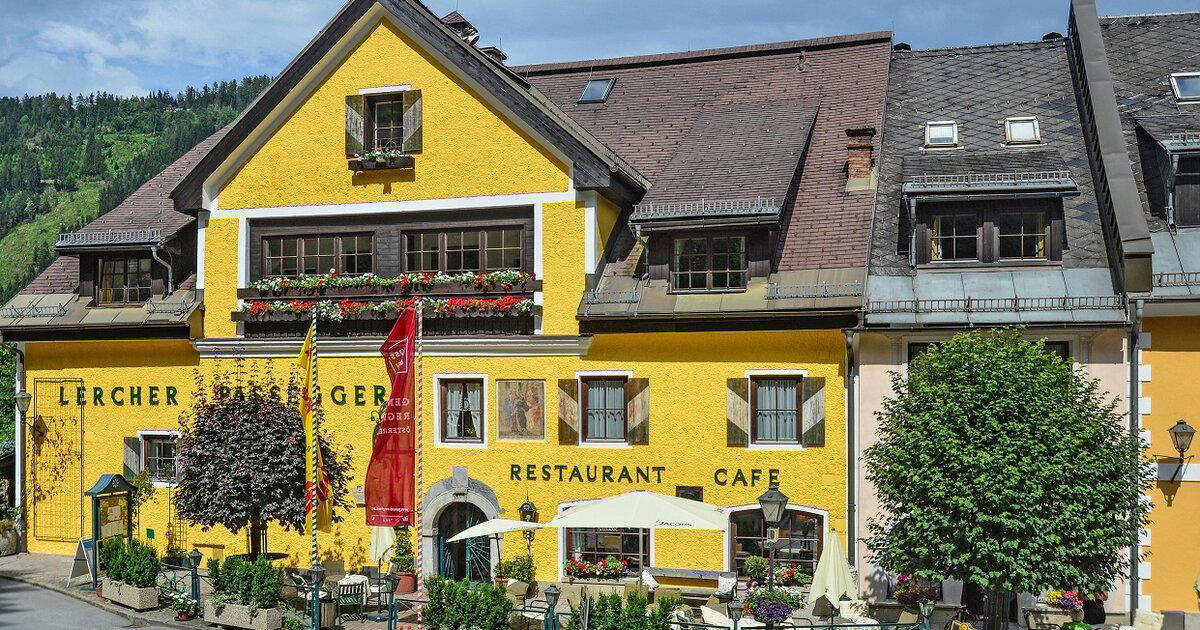
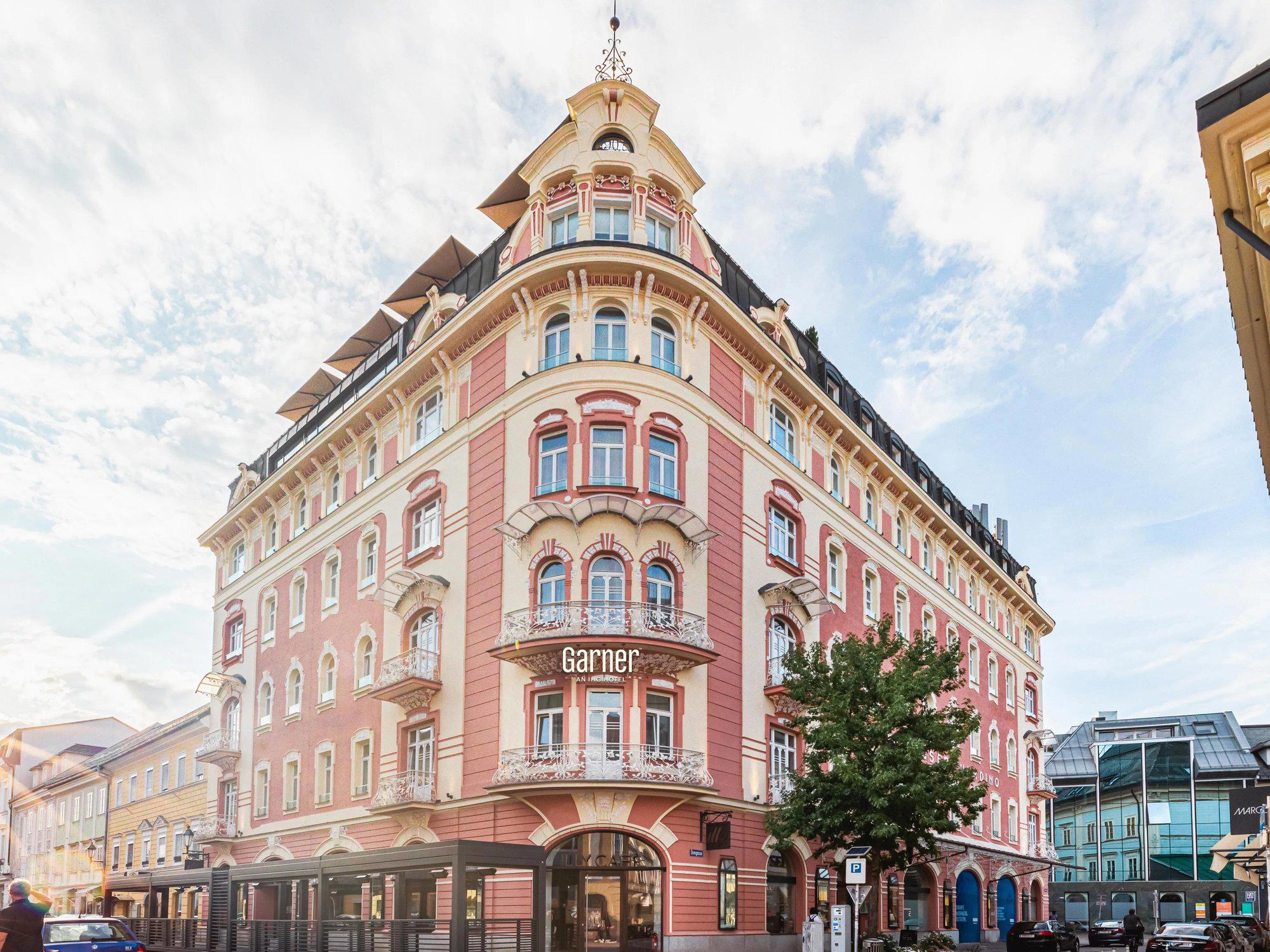
Das Herrenhaus is a restaurant in Straßburg, Austria, serving Traditional Austrian & European cuisine at Hauptpl. 3. Hauptplatz in Straßburg, Carinthia, still functions as the social and commercial anchor it was designed to be, and Das Herrenhaus sits directly on it at number three. The building announces itself before you reach the door. In a town of this scale, a property on the main square carries a certain civic weight, the kind of address that in Austrian provincial culture has historically meant something between a civic hall and a serious table. Whether that architectural promise extends to the plate is the question worth asking before you make the drive.
Straßburg itself occupies the Gurk Valley in central Carinthia, a region that does not appear on many international restaurant itineraries but has a genuine agricultural character. The valley's farms produce dairy, game, and grain at a proximity to any kitchen on the square that most urban restaurants spend considerable effort trying to simulate. In that sense, the editorial question around a venue like Das Herrenhaus is not whether it has a sourcing philosophy in the modern marketing sense, but whether a location this close to primary production actually shows up in the cooking. That is the axis on which Carinthian provincial dining either justifies itself or retreats into generic comfort food.
Carinthia's Ingredient Geography and Why It Matters Here
Austria's fine dining conversation concentrates heavily on Vienna and the western Alpine corridor. Steirereck im Stadtpark in Vienna and Döllerer in Golling an der Salzach set the reference points at the summit of that conversation, both operating at €€€€ with sustained critical recognition. Further west, Gourmetrestaurant Tannenhof in Sankt Anton am Arlberg and Stüva in Ischgl serve a seasonal ski-resort clientele with the kind of produce relationships that altitude and farming tradition allow. Carinthia sits outside that well-mapped circuit, which means venues here operate with less external scrutiny and, more freedom to reflect the region honestly.
The Gurk Valley's proximity to the Nockberge mountains means game is a serious local category, venison and wild boar moving from estate to kitchen at distances that coastal or metropolitan restaurants cannot match. Freshwater fish from Carinthian lakes, including carp and trout, have been a feature of the regional table for centuries. Dairy from the valley floor, particularly butter and soft cheeses, carries the specific flavour profiles that come from animals grazing at elevation on diverse mountain pasture. A kitchen at Hauptplatz 3 has access to all of this without the supply chain friction that turns sourcing into performance elsewhere. Whether Das Herrenhaus uses that proximity with intention or takes it for granted is a distinction worth investigating before your visit.
Where This Address Sits in Austria's Broader Dining Tier
Austrian provincial dining in 2024 has bifurcated in a way that mirrors broader European patterns. On one side, a smaller group of destination restaurants in rural settings, venues like Obauer in Werfen and Landhaus Bacher in Mautern an der Donau, have built international reputations on the back of classic technique applied to regional ingredients, holding €€€€ positioning and drawing visitors who plan trips around the table. On the other side, a much larger group of Gasthaus and Herrenhaus-style operations serve local populations with honest cooking that rarely attracts outside attention but quietly sustains regional food culture.
The restaurant, with its address on the main square of a small Carinthian town, occupies a position that could belong to either category or sit somewhere between them. The name and the address suggest civic ambition. That does not diminish its potential as a regional table; particularly direct and honest Austrian cooking happens in precisely this tier. It does mean that the traveller arriving with expectations calibrated to Taubenkobel in Schützen am Gebirge or Ikarus in Salzburg should arrive with different reference points.
A more useful peer comparison might be Thaller Gasthaus in Sankt Veit am Vogau or Ois in Neufelden, venues that operate in similarly sized Austrian towns with strong regional identities and cooking that draws from the immediate landscape. The question of which tier the restaurant belongs to is one that requires a visit rather than desk research, which is itself a signal about the kind of discovery this address represents.
The Provincial Herrenhaus Format Across Austria
The word Herrenhaus in Austrian and German-speaking contexts carries specific architectural and social connotations. These are properties built as manor houses or civic residences, typically from the 17th to 19th centuries, and their conversion into restaurants and guesthouses is a well-established pattern across rural Austria. The format tends toward formal dining rooms with high ceilings, heavy joinery, and the sense that the building itself is the primary hospitality gesture. Cooking in these spaces has historically leaned toward the classical Austrian register: roast meats, schnitzel, dumplings, and game preparations that suit both the physical environment and the expectations of a local clientele. Venues like Schwarzer Adler in Hall in Tirol and Restaurant 141 by Joachim Jaud in Mieming represent what happens when that traditional format is pushed toward more contemporary ambition. The restaurant, operating on Hauptplatz in Straßburg, sits within this broader architectural and cultural category.
Planning a Visit to Straßburg, Carinthia
Straßburg is roughly 60 kilometres north of Klagenfurt, accessible by road through the Gurk Valley. The town does not have major rail connections, so a car is the practical choice for most visits. Carinthia rewards slow travel, with the Gurk Cathedral in the nearby village of Gurk warranting a stop on any itinerary that brings you to this part of the valley. For travellers using the region as a base, the Nockberge Biosphere Park is within reasonable driving distance and provides the mountain and farming context that makes Carinthian ingredient culture legible. Reservations are recommended. Travellers with broader Austrian itineraries should also consider how this stop connects to the wider Carinthian restaurant scene, which remains underrepresented in international editorial relative to its agricultural resources. For reference points on what Austrian provincial cooking looks like at its most ambitious international expressions, Kräuterreich by Vitus Winkler in Sankt Veit im Pongau and Griggeler Stuba in Lech show the range of what the Alpine ingredient tradition can support when applied with sustained focus. Even at the international level, the commitment to regional sourcing that defines the leading Austrian tables finds parallels in how venues like Le Bernardin in New York City and Lazy Bear in San Francisco have built their reputations around sourcing specificity as a core editorial and culinary proposition. The principle travels; the ingredients do not, which is precisely what makes a Carinthian address like this one worth the detour when it delivers on its regional promise. Atelier Fischer in Sankt Gilgen offers a comparable case study in what a committed regional kitchen in a smaller Austrian town can achieve with lake and mountain produce.
A Quick Peer Check
Comparable venues nearby, for context on price, style, and recognition.
| Venue | Cuisine | Price | Notes |
|---|---|---|---|
| Das HerrenhausThis venue — the venue you are viewing | Traditional Austrian & European | $$ | Not listed |
| gellius | Modern Austrian | $$ | Dorfstraße |
| Zum Troadkastl | Traditional Austrian Gastropub | $$ | Tauplitz |
| Waldhäuslalm | Traditional Styrian Alpine | $$ | Rohrmoos-Untertal |
| Jedermann's | Austrian | $$ | Innsbruck city center |
| Berggasthof Steinerhaus | Traditional Austrian Mountain Cuisine | $$ | Stoderzinken |
Continue exploring
More in Stra Burg
Restaurants in Stra Burg
Browse all →
Bars in Stra Burg
Browse all →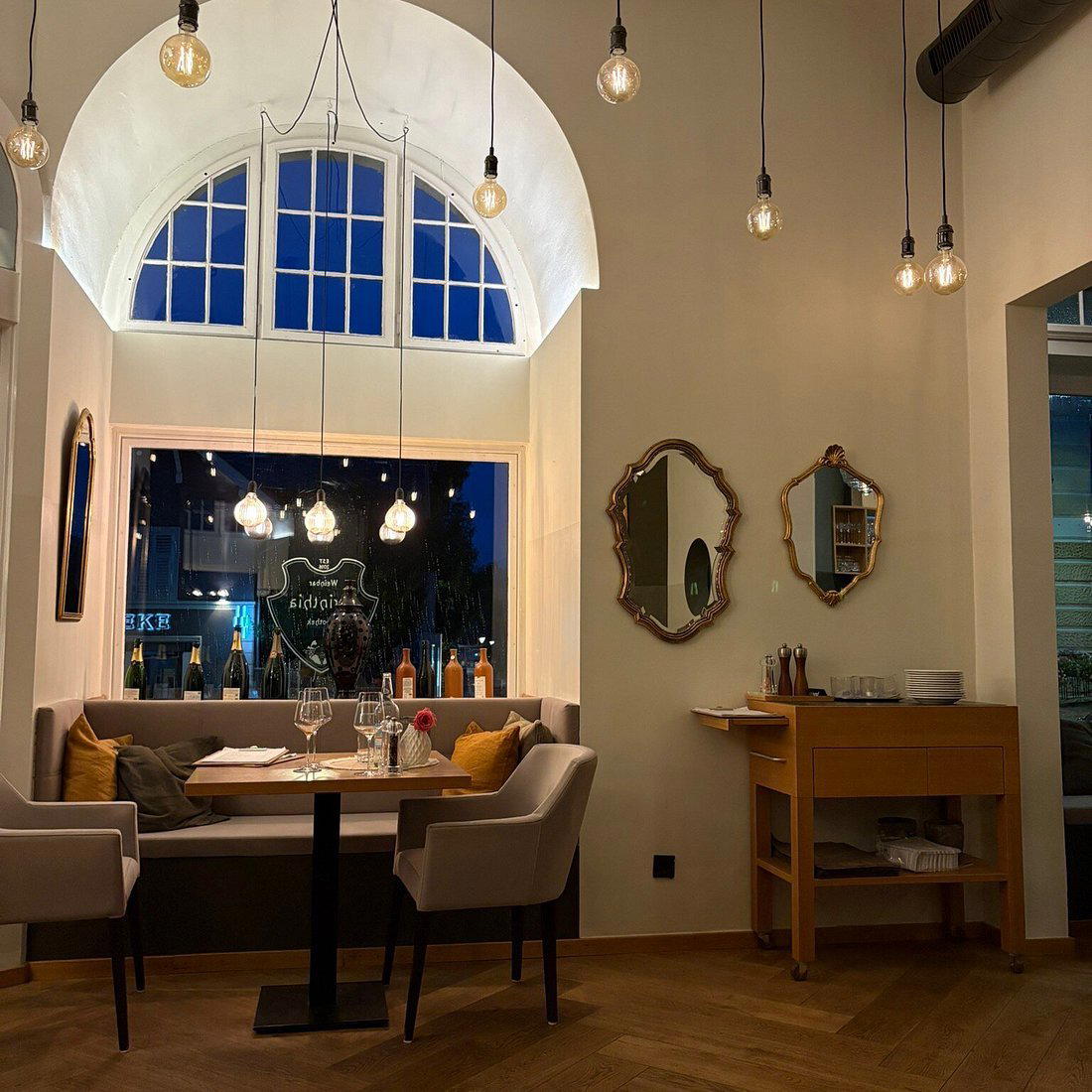

At a Glance
- Cozy
- Classic
- Rustic
- Casual Hangout
- Group Dining
- Historic Building
- Terrace
- Local Sourcing
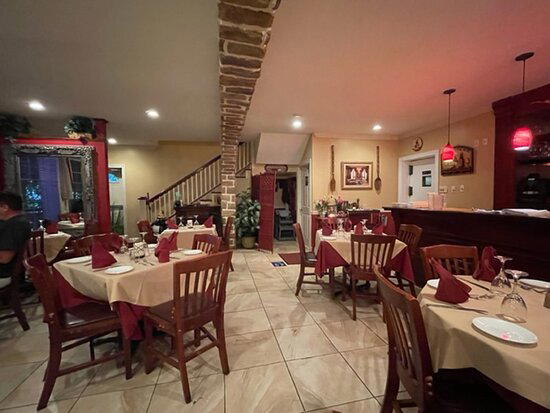
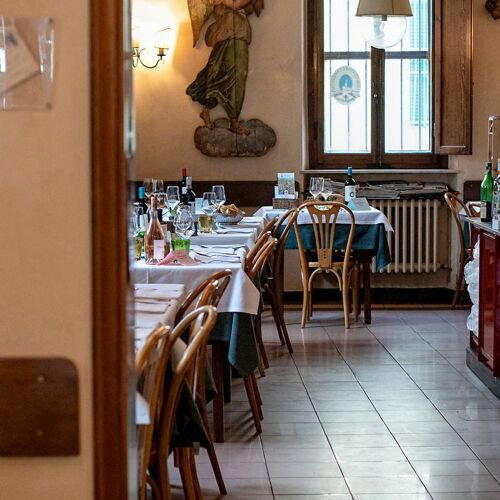
Warm and inviting atmosphere with historical architectural elements, cozy nooks, and leather seating creating an intimate yet welcoming environment.