gellius
Gellius occupies a quiet address on Dorfstraße in Bad Kleinkirchheim, a Carinthian alpine village better known for its thermal spas and ski terrain than its restaurant scene. The setting places it inside a small but serious cluster of dining options in the Nockberge foothills, where Austrian alpine cooking traditions — root vegetables, cured meats, freshwater fish — remain the dominant culinary reference points.
Pearl is the En Primeur Club membership app — saves, bookings, and concierge access live there. Same editors, same standards.
- Address
- Dorfstraße 74, 9546 Bad Kleinkirchheim, Austria
- Phone
- +436642126526
- Website
- gellius.at
- Directions
- Get directions
 Saves & bookings on Pearl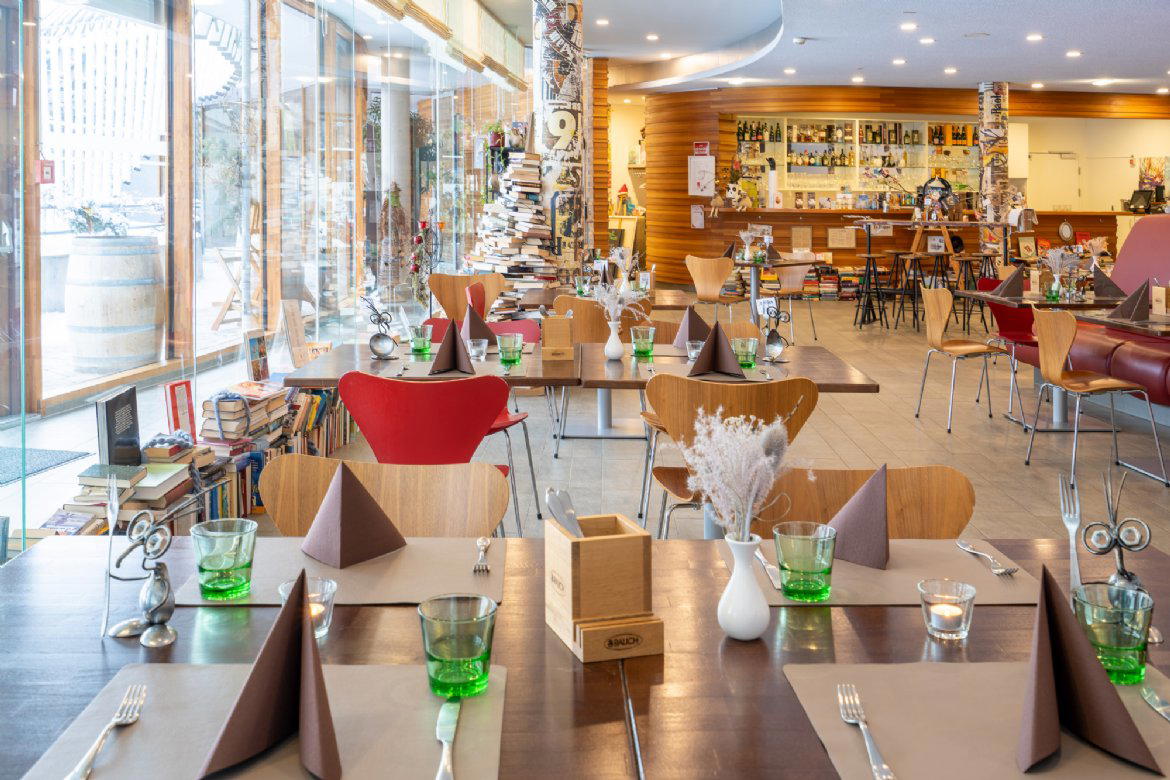
Carinthian Alpine Dining and Where Gellius Fits
Bad Kleinkirchheim sits in the Nockberge range of Carinthia, a region that draws visitors primarily for the Römerbad and St. Kathrein thermal baths and the ski lifts connecting to over 100 kilometres of piste. Its restaurant scene reflects that dual-season rhythm: kitchens here serve a guest base that arrives cold and hungry, and the regional cooking tradition answers with dishes built around alpine produce — Nockbergen lamb, Carinthian Kasnudeln (the region's distinctive pasta parcels filled with potato, ricotta, and mint), cured lake trout from the Millstätter See, and root vegetables that come into their own in the colder months. Gellius, at Dorfstraße 74, operates within that tradition and within the compact dining circuit that makes Bad Kleinkirchheim worth attention beyond its thermal reputation.
Carinthia's alpine cooking is often overshadowed in Austrian fine-dining conversations by Viennese high tables such as Steirereck im Stadtpark in Vienna or by the rural precision kitchens of Salzburg and Styria, including Döllerer in Golling an der Salzach and Obauer in Werfen. Those kitchens have built international reputations over decades. The Carinthian south, by contrast, operates at a quieter register — closer to the Slovenian border, with Italian inflections entering through the Gailtal valley, and a local food culture that prizes comfort alongside craft.
The Village Setting and What It Signals
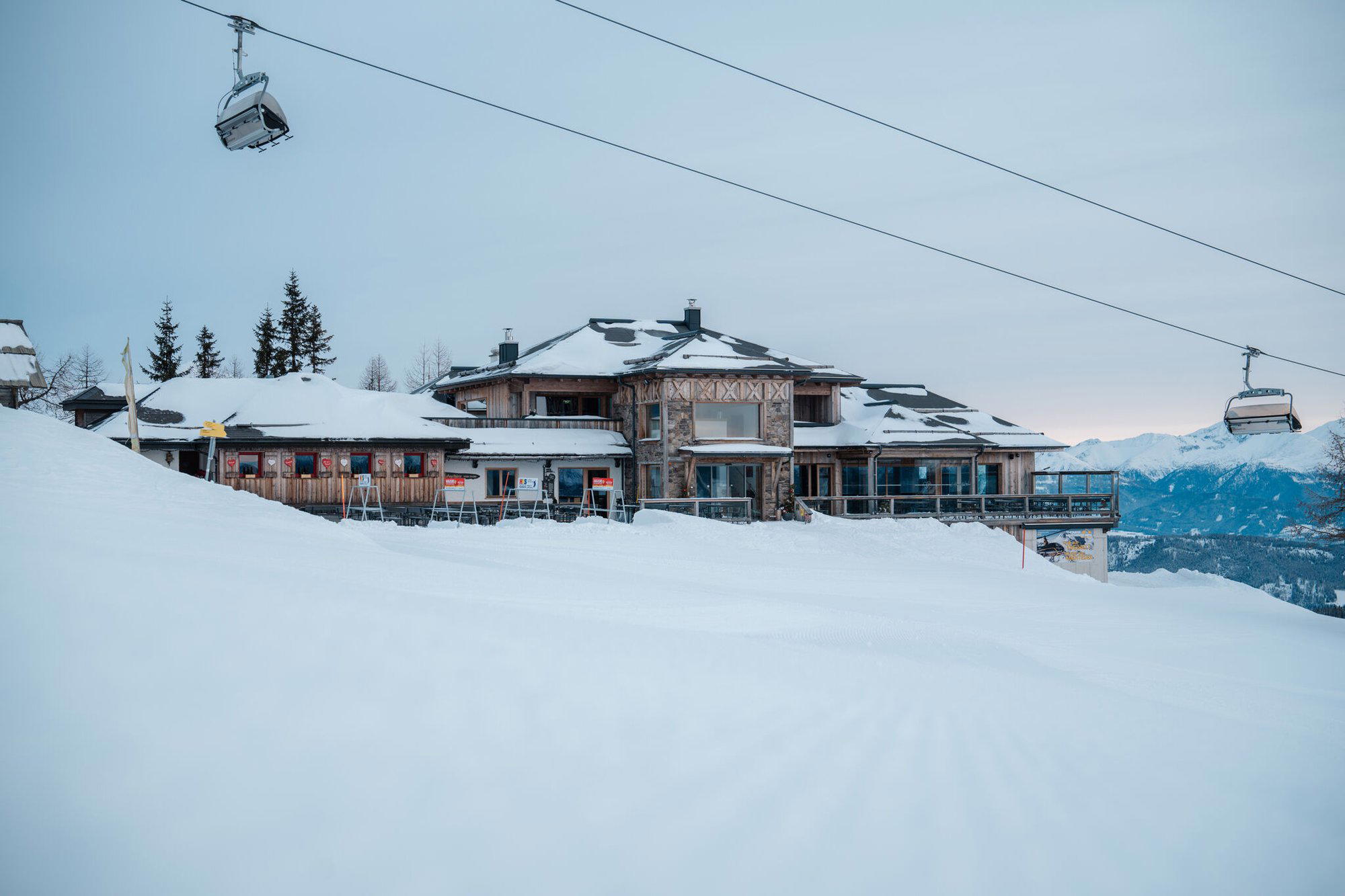
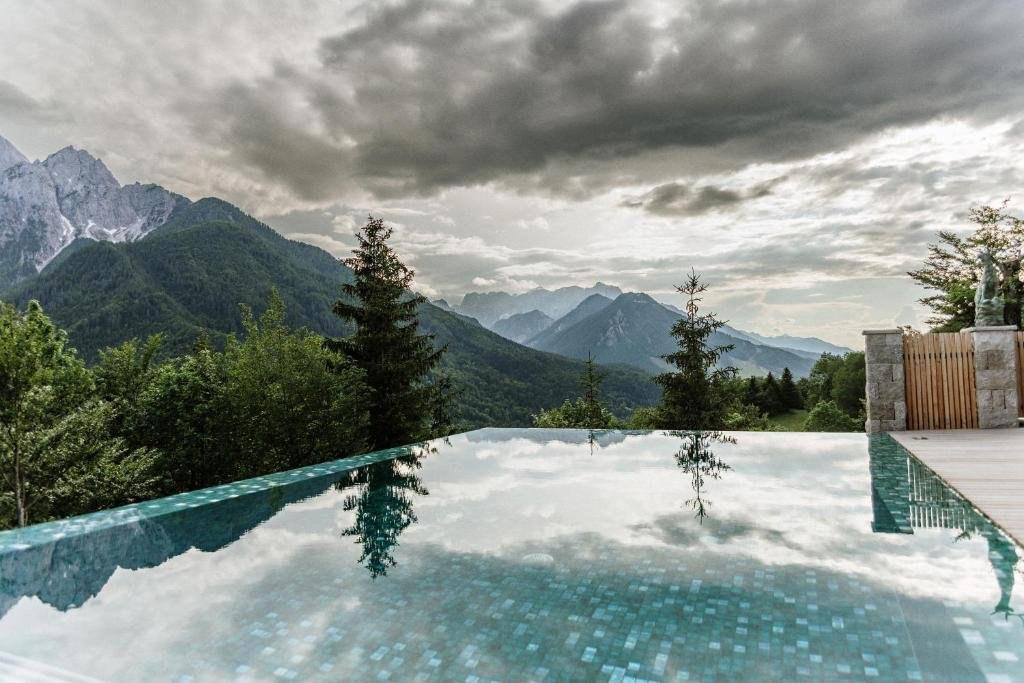
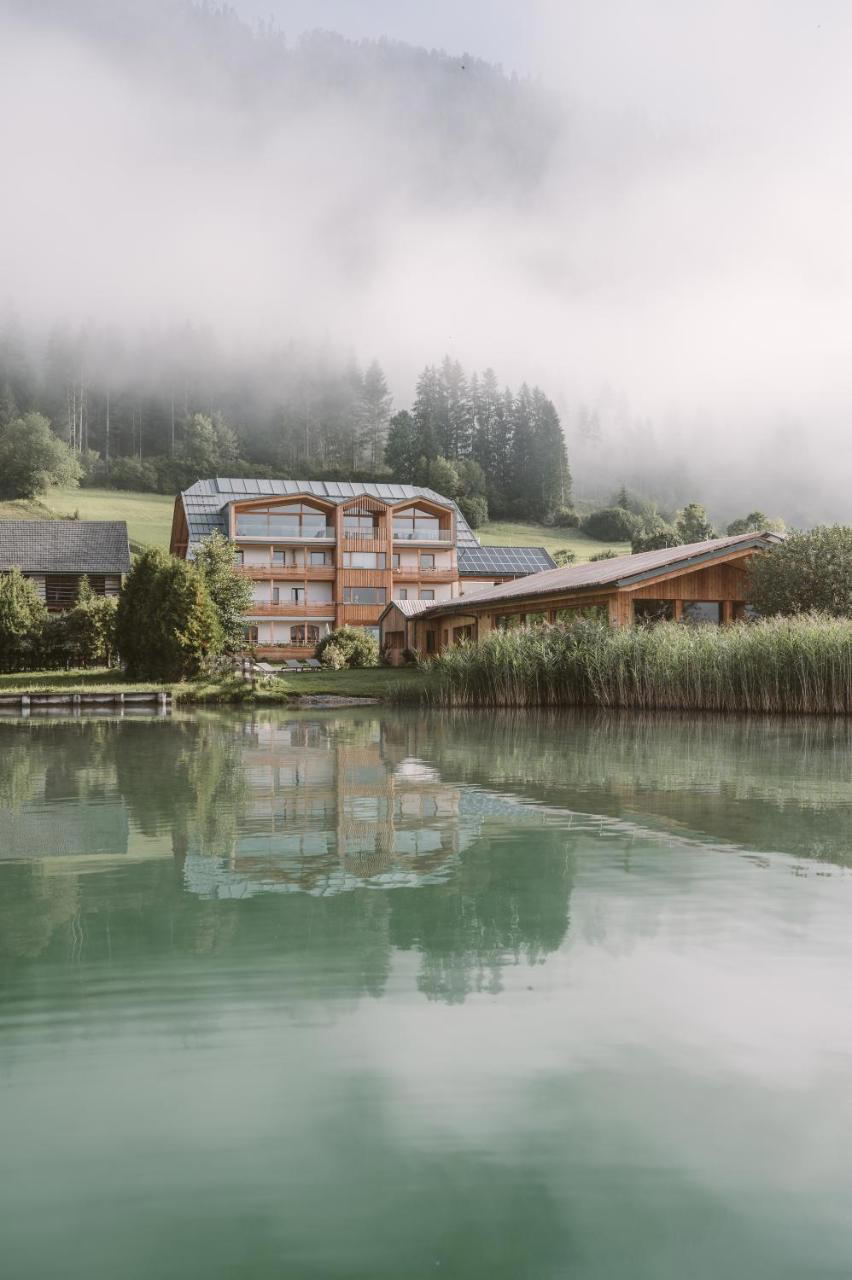
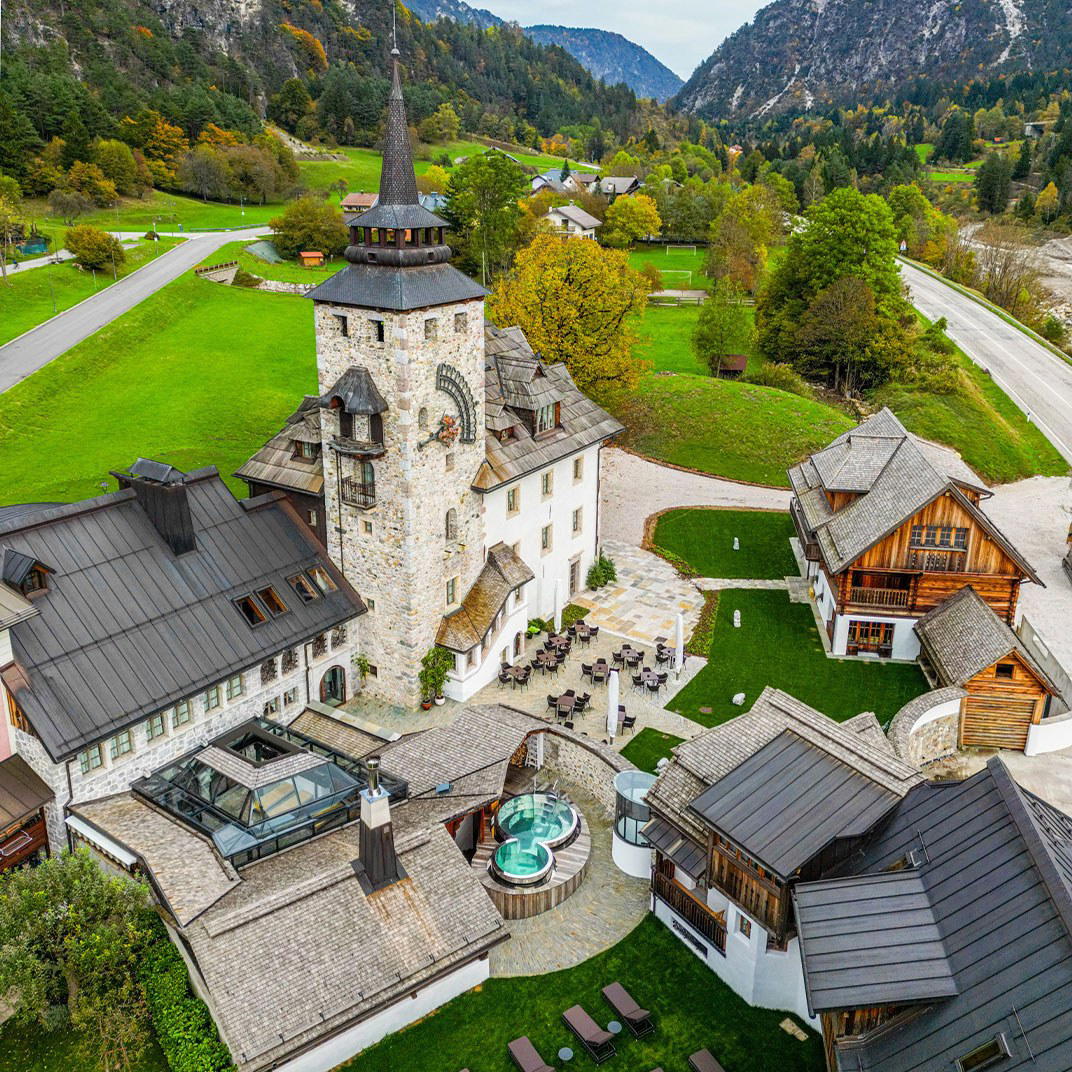
Arriving at a restaurant on a Dorfstraße, literally a village street, in an alpine spa resort carries specific expectations. The physical surroundings in Bad Kleinkirchheim tend toward the traditional Carinthian aesthetic: low-pitched rooflines, timber cladding, and interiors that balance warmth with a certain spareness. The village itself is compact; most of its dining addresses sit within walking distance of the main thermal bath complexes, and the guest demographic shifts noticeably between ski season (December through April) and the summer hiking months. Restaurants that survive both seasons in a place like this develop a menu pragmatism that single-season resort kitchens never need to acquire.
The broader Bad Kleinkirchheim dining circuit includes Das Ronacher, Loystubn, NockResort, Restaurant Adriana, and Trattlers Einkehr. That cluster is small by city standards, but it means visitors have genuine choices rather than a single default. Gellius occupies its own position within that set, drawing on the same alpine-resort context while maintaining a distinct address and identity. For a full picture of where each sits, the EP Club Bad Kleinkirchheim restaurants guide maps the options with editorial comparisons.
Austrian Alpine Cooking: The Cultural Frame
Understanding any Carinthian restaurant requires some grounding in what alpine Austrian cooking actually means at its most considered. This is not a cuisine of reduction sauces or elaborate plate architecture in the French sense. It is, at its core, a preservation culture: smoking, curing, fermenting, and pickling were not techniques adopted for modernity's sake but survival responses to the long mountain winter. The leading practitioners in the alpine south today work with that heritage deliberately, using cold-smoking and brine not as affectation but as direct continuation of a centuries-old larder logic.
Carinthia adds another layer: the Kasnudel is perhaps its most culturally specific dish, a half-moon pasta whose filling varies by valley and family but almost always includes mint alongside the potato-and-cheese base. It appears at rustic Gasthöfe and in refined versions at the region's more ambitious kitchens. Where a restaurant places that dish on its menu, or whether it appears at all, is often a reliable indicator of how the kitchen positions itself relative to local tradition. Comparable alpine-influenced craft kitchens further afield, such as Schwarzer Adler in Hall in Tirol, Gourmetrestaurant Tannenhof in Sankt Anton am Arlberg, and Stüva in Ischgl, each interpret that alpine inheritance through a distinct regional lens. The Carinthian version, with its southerly Italian proximity, tends to be slightly softer in flavour profile and more generous with dairy.
Herb-forward cooking is another regional marker worth noting. Carinthia's meadow herbs, sorrel, lovage, mountain thyme, appear in serious kitchens throughout the province, a tradition that finds a contemporary expression in places like Kräuterreich by Vitus Winkler in Sankt Veit im Pongau. The herb relationship in Salzburg and Carinthia is not decorative; it reflects altitude-specific growing conditions that produce concentrated aromatics unavailable at lower elevations.
Planning a Visit to Bad Kleinkirchheim
Bad Kleinkirchheim is accessible by car from Klagenfurt in roughly an hour, and the village infrastructure is oriented almost entirely around the resort calendar. The practical implication for dining is that peak booking pressure falls in February (ski season high point) and July-August (summer hiking peak). Restaurants in the village tend to operate on reduced schedules in the shoulder months of November and May, so confirming opening days in advance matters more here than in a city setting.
Visitors planning a broader Austrian alpine dining itinerary might pair Bad Kleinkirchheim with stops at Landhaus Bacher in Mautern an der Donau or Ois in Neufelden for a cross-regional comparison. Those with a particular interest in the craft end of alpine cooking might also look at Restaurant 141 by Joachim Jaud in Mieming in Tyrol. For the record, the alpine resort dining format has international equivalents worth benchmarking: the community-dining model at Lazy Bear in San Francisco and the refined tasting-counter approach of Le Bernardin in New York City both illustrate how place-specific cuisine identity can sustain serious culinary ambition. The Carinthian version operates at a different scale and register, but the underlying logic, cuisine rooted in geography, is the same.
Booking and Cost Snapshot
| Venue | Price |
|---|---|
| gelliusThis venue — the venue you are viewing | This venue |
Continue exploring
More in Bad Kleinkirchheim
Restaurants in Bad Kleinkirchheim
Browse all →
Bars in Bad Kleinkirchheim
Browse all →

Hotels in Bad Kleinkirchheim
Browse all →

At a Glance
- Modern
- Cozy
- Casual Hangout
- Family
- Hotel Restaurant
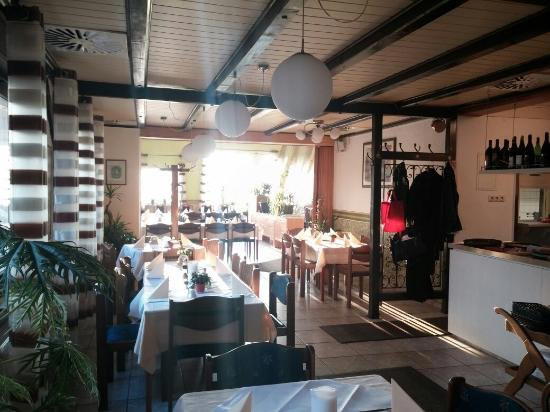
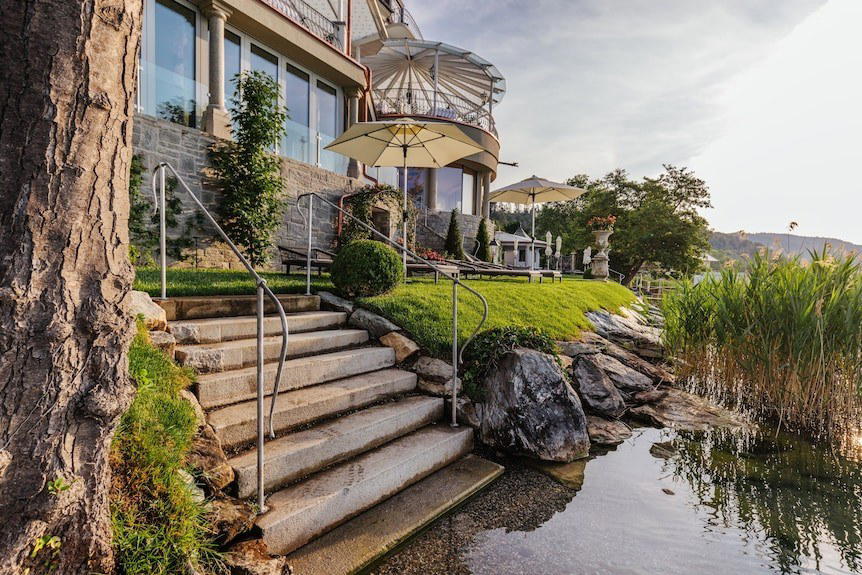
Polished yet cordial atmosphere suitable for relaxation after spa visits.