Skip to Main Content
Nordic Fine Dining
← Collection
Skane Tranas, Sweden

Daniel Berlin i Skåne Tranås

Dress CodeSmart Casual
ServiceFormal
NoiseQuiet
CapacityIntimate

In the rural heart of Skåne, Daniel Berlin i Skåne Tranås occupies a position at the sharper end of Swedish destination dining, drawing guests from across Scandinavia to a converted setting where the surrounding farmland and forest define what arrives on the table. The kitchen operates within a broader Nordic tradition of hyper-local sourcing, where geography is both constraint and creative engine.

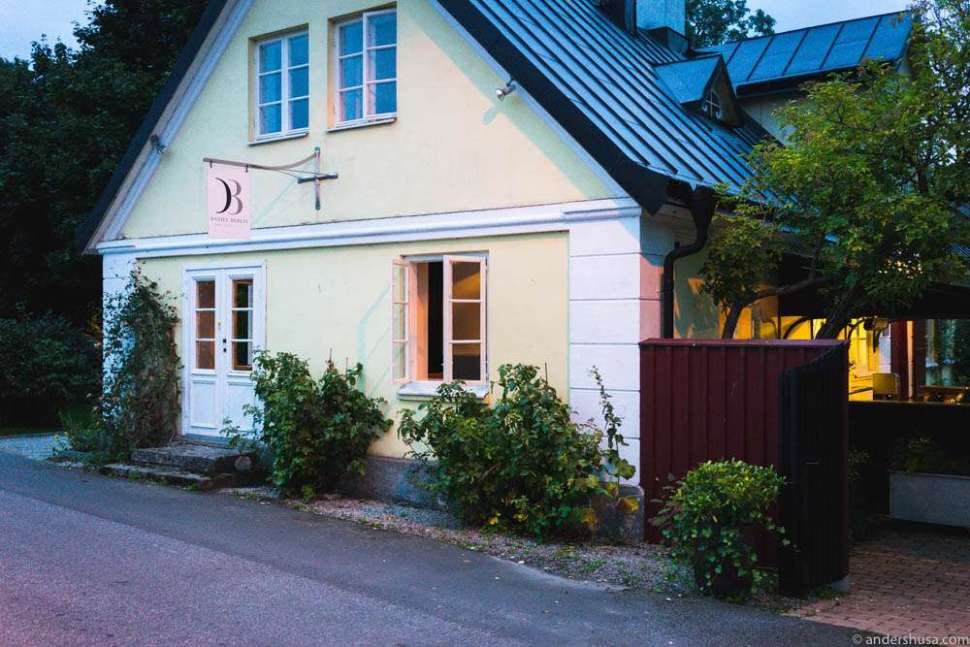
Daniel Berlin i Skåne Tranås restaurant in Skane Tranas, Sweden
About

Where the Fields Set the Menu

Destination restaurants in Sweden's southern province of Skåne tend to share a common logic: the landscape around them is not backdrop but supply chain. The flat agricultural plains, the coastal wetlands, the beech forests that distinguish this corner of the country from the granite archipelagos further north, all of these become culinary raw material in the hands of kitchens serious about provenance. Daniel Berlin i Skåne Tranås, addressed at Diligensvägen 21 in the small village of Skåne Tranås, sits squarely inside that tradition. To arrive here is to understand almost immediately that the food will be shaped by what grows, swims, or forages within reach of the kitchen.

For context on how Sweden's high-end restaurant scene has developed, it helps to look at the broader arc. Frantzén in Stockholm represents the urban, multi-referential pole of Swedish fine dining, drawing on Japanese technique and global luxury ingredients alongside Nordic ones. What has happened in parallel, and more quietly, is that a tier of rural destination restaurants has emerged in the countryside, where chefs work with a tighter geographic radius and the sourcing discipline becomes more radical. VYN in Simrishamn and Vollmers in Malmö operate in adjacent registers of the same New Nordic tradition, and Daniel Berlin i Skåne Tranås belongs to that same current, placed further from the city and closer to the source.

The Logic of Skåne as a Larder

Skåne is sometimes called Sweden's breadbasket, a description that undersells its diversity as a food-producing region. Grain and root vegetables dominate the agricultural output, but the province also produces game from managed forests, freshwater fish from inland lakes, shellfish from the straits between Sweden and Denmark, and wild-harvested produce from hedgerows and coastal margins. A kitchen anchored here has access to a genuinely broad seasonal larder, and the discipline required is knowing which of those ingredients to use at which moment in the year.

This is the framework that gives ingredient-led restaurants in the region their distinctive character. Rather than building menus around imported luxury items and supplementing with local produce, the approach inverts that hierarchy: local and seasonal ingredients become the non-negotiable foundation, and technique exists to reveal rather than transform them. Across the wider Swedish scene, restaurants like ÄNG in Tvååker and Knystaforsen in Rydöbruk have built reputations on comparable sourcing principles, each shaped by the specific ecology of their respective regions.

Format and Atmosphere at the Address

The village of Skåne Tranås is not a town that appears on most tourist itineraries. It sits in the interior of the province, away from the coastal towns and the urban pull of Malmö. Arriving at a restaurant in this kind of location carries a different set of expectations than booking a table in a capital city. The journey itself signals commitment, and restaurants that ask this of their guests tend to respond in kind: the experience is unhurried, the format typically extended, and the setting calibrated to justify the travel.

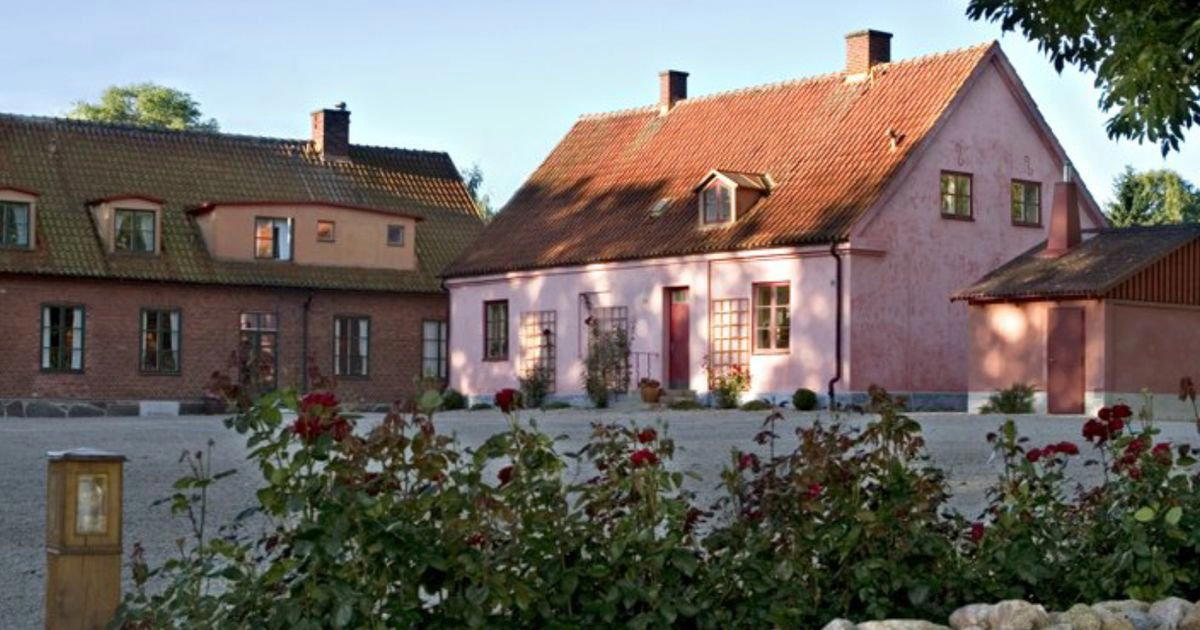
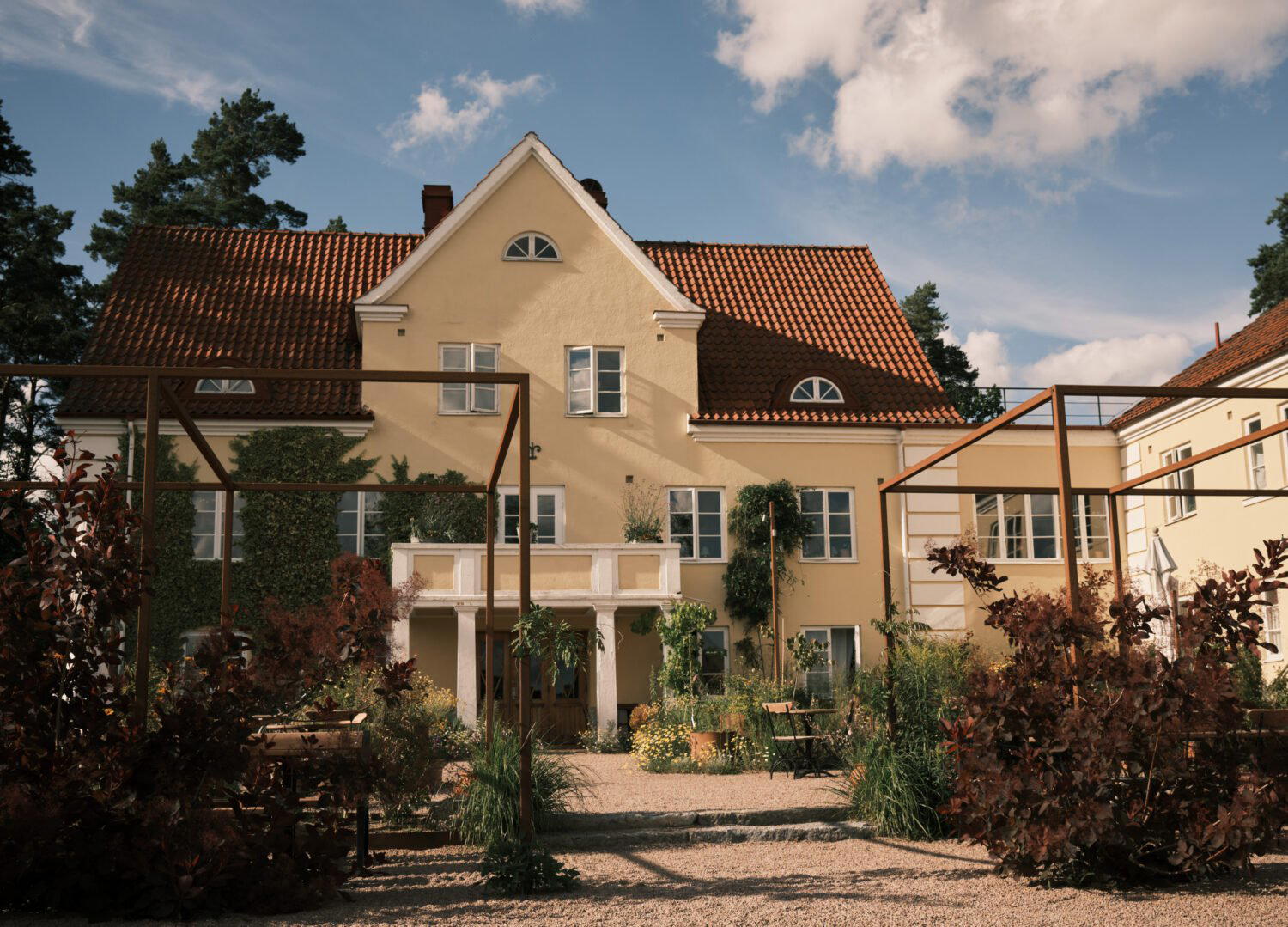
At the level of atmosphere, rural Skåne destination dining generally occupies converted farm buildings or historic rural structures, where the architecture speaks to the agricultural history of the region. The physical environment and what comes from the kitchen are meant to be legible together. This coherence between setting and sourcing is one of the things that separates the more serious rural restaurants from those that simply use countryside imagery as aesthetic garnish.

For those travelling from further afield, the planning logic for reaching Skåne Tranås starts with Malmö or Kristianstad as rail hubs, with onward travel by car being the practical reality for most guests. This is a deliberate journey, not a spontaneous dinner decision, and the booking and travel planning should be approached accordingly. Other Swedish destinations with comparable travel profiles include Lilla Bjers in Visby on Gotland and Camp Ripan in Kiruna, both of which require guests to commit to a journey rather than a neighbourhood decision.

Skåne Tranås in the Wider Swedish Dining Picture

Swedish fine dining has diversified considerably over the past decade. The New Nordic movement, which established the intellectual framework for sourcing, fermentation, and seasonal discipline, has matured into something less monolithic. Some restaurants have pushed toward more international reference points, as seen at Signum in Mölnlycke or 28+ in Gothenburg, while others have doubled down on regional specificity. Daniel Berlin i Skåne Tranås sits in the latter camp, where the regional identity of Skåne is not a marketing claim but a structural commitment that shapes what is possible on any given service.

The comparison set for a restaurant at this level and in this location extends internationally. At the level of rural destination dining built around hyper-local sourcing, the peer conversation runs from Noma's legacy in Copenhagen to the farm-anchored formats that have emerged across Norway and Finland. Within Sweden, PM & Vänner in Växjö and Adrian Restaurang in Borås represent different price points and formats within the broader Swedish regional dining tradition. For international guests accustomed to urban destination restaurants such as Le Bernardin in New York City or Atomix in New York City, the register here is fundamentally different: the luxury is in the sourcing discipline and the setting, not in the material opulence of the room.

Other Swedish venues in the region worth tracking alongside a visit include Brasserie Park in Jönköping, Enoteket in Norrköping, John's Place in Varberg, and Veto in Örebro, each representing distinct interpretations of Swedish hospitality at different scales and price tiers. For a full survey of what the region offers, our Skåne Tranås restaurants guide maps the broader dining picture.

Planning a Visit

Because specific operational details including current booking methods, hours, and pricing are subject to change at any restaurant of this type, the most reliable approach is to seek current information directly from the venue ahead of planning travel. For destination restaurants in rural Sweden at this level of ambition, advance booking is standard practice rather than optional, and enquiring several weeks ahead is the baseline assumption. The journey from Malmö by car takes roughly an hour through central Skåne, making a same-day return feasible for guests based in the city, though the format of the experience tends to suit overnight accommodation in the region.

Signature Dishes
charcoal-grilled celeriac
Frequently asked questions

In Context: Similar Options

These are the closest comparables we have in our database for quick context.

At a Glance
Vibe
  • Intimate
  • Elegant
  • Cozy
  • Sophisticated
Best For
  • Special Occasion
Experience
  • Open Kitchen
  • Private Dining
Sourcing
  • Local Sourcing
  • Farm To Table
Views
  • Garden
Dress CodeSmart Casual
Noise LevelQuiet
CapacityIntimate
Service StyleFormal
Meal PacingExtended Experience

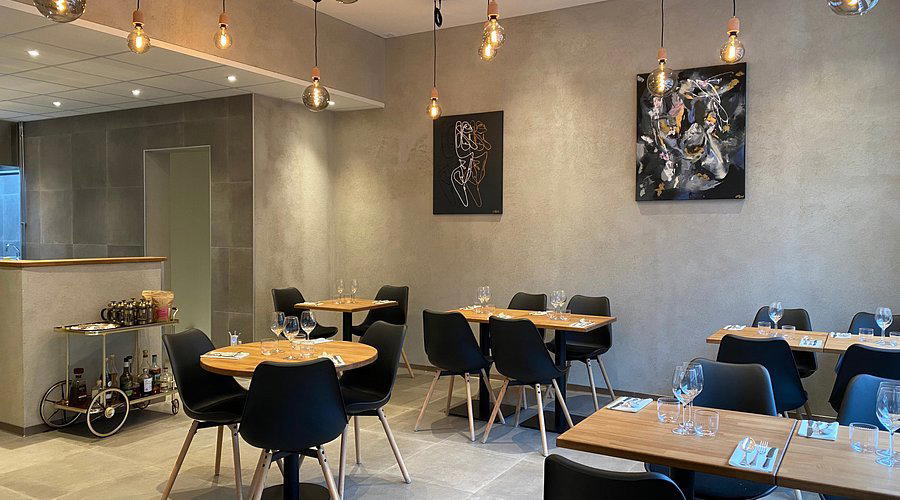
Intimate cottage-style dining room with stylish furniture, luxurious linens, fresh garden flowers, and a warm, grand atmosphere.

Signature Dishes
charcoal-grilled celeriac