






1 Michelin Star · Star Wine List · White Guide Sweden Restaurants - Very Fine Level
Our verdict
A Michelin-starred former sawmill on the banks of a Swedish forest river, Knystaforsen serves a terroir-driven tasting menu built around fire, embers, and wild local ingredients. Chef Nicolai Tram's outdoor cooking format earned a place on the Opinionated About Dining European Top 200 (ranked #136 in 2025), and overnight stays deepen the experience considerably. At €€€€ pricing, it occupies a narrow tier of destination dining that rewards the journey.

Pearl is the En Primeur Club membership app — saves, bookings, and concierge access live there. Same editors, same standards.
- Address
- Rydöforsvägen 4, 314 42 Rydöbruk, Sweden
- Phone
- +46 72 883 41 15
- Hours
- Mon–Wed ClosedThu–Sat 5–11 PMSun Closed
- Website
- knystaforsen.se
- Directions
- Get directions
The menu
What to order
- Charred leek with buttermilk and pike roe
- Moose tartare
- Duck hearts with wild garlic
Where the Forest Sets the Menu
The approach to Knystaforsen tells you what kind of meal is coming. A path through Swedish woodland, the sound of the river audible before the building comes into view, wood smoke rising from fires lit along the route — the environment is not backdrop but prologue. Scandinavia has produced a generation of restaurants where landscape and larder operate as a single system, and this former sawmill in Rydöbruk sits at a serious point within that tradition. The building itself, set directly beside a river in the forests of Halland county, was chosen for reasons that have nothing to do with accessibility and everything to do with what grows, swims, and roams nearby.
That choice carries a cost. Rydöbruk is not a city with a dining scene — see our full Rydöbruk restaurants guide for the wider picture, and reaching Knystaforsen requires deliberate travel. The restaurant draws guests who have already decided to commit, which shapes the atmosphere inside. Tables here are not filled by people who wandered past. They are filled by people who planned months ahead and drove into the forest on purpose.
Fire as Method, Not Aesthetic
The fire-and-embers cooking format that defines Knystaforsen is not a design statement borrowed from the broader open-fire trend that swept European fine dining over the past decade. It is the operative logic of the kitchen. In a region where winter arrives early and the surrounding forest provides birch, beech, and oak, cooking over wood is the most direct connection between the fuel and the food. The tasting menu reflects this: dishes built from moose, trout, wild garlic, duck hearts, and lingonberries, ingredients that are geographically specific rather than seasonally fashionable in the abstract sense.
One course is served outside by the campfire, which is less a theatrical gesture than a logical extension of the cooking method. Guests encounter the heat source directly. The Michelin inspectors who awarded the restaurant its star in 2025 noted the terroir-driven approach and the wild nature emphasis explicitly, which places Knystaforsen in a small peer group of Scandinavian addresses where the award reflects provenance rigour rather than classical technique. Among Swedish Michelin holders in this price bracket, the outdoor cooking component is a genuine differentiator. Comparable New Nordic addresses like ÄNG in Tvååker and Daniel Berlin in Tomelilla operate within the same regional-ingredient logic, but neither shares the sawmill-and-river setting or the fire-as-primary-method emphasis that defines this kitchen.
Chef Nicolai Tram and the Halland Terroir
The editorial angle on Knystaforsen's cooking is less about individual biographical arc and more about what happens when a trained chef commits to a single geography. Nicolai Tram, who runs the restaurant alongside Eva Tram, has built a program that reads as a long-term engagement with one forest rather than a career survey. The credential structure here is the place itself: a former sawmill chosen for its proximity to wild ingredients, not for its infrastructure or urban access. That decision positions the cooking within a tradition that has more in common with the forager-chef model than with the city-based tasting-menu circuit.
The comparison set for Knystaforsen is not Stockholm's top tier, where Frantzén operates in a different register entirely, nor is it the urban New Nordic addresses like Vollmers in Malmö or VYN in Simrishamn. The more instructive comparisons are the rural destination restaurants of southern and central Sweden, places where the decision to drive or take a train into the countryside is baked into the experience from the first booking interaction. PM & Vänner in Växjö and Hotell Borgholm in Borgholm occupy adjacent territory on the map of Swedish fine dining outside the major cities.
Globally, the model of a destination restaurant anchored to a specific natural setting has precedents in places like Maison Lameloise in Chagny, where the argument for travelling to a small French town rests entirely on what the kitchen does with its regional context. Knystaforsen makes a similar case for Halland county.
Recognition and Where It Sits
On the Opinionated About Dining ranking of European restaurants, it placed at #136 in 2025, a position that puts it in the upper tier of recognisable addresses without placing it in the ultra-competitive leading fifty that requires multiple international trips to assess. That score reflects repeat visitors and destination travellers rather than incidental passing trade.
For context within the Swedish Michelin landscape, addresses like Signum in Mölnlycke, 28+ in Gothenburg, and Fyr in Halmstad represent the broader field of recognised Swedish modern cooking. Knystaforsen differentiates itself within that group through the outdoor-fire method and the overnight stay option, neither of which is common across the Michelin-starred tier in Sweden. The beverage program includes both wine pairings and non-alcoholic alternatives, a pairing format that has become standard at this price point across Scandinavian fine dining but that matters here given the remote location and the likelihood that most guests are staying overnight.
The Overnight Question
The option to stay at Knystaforsen is not incidental. The Michelin guide text notes explicitly that staying the night enhances the experience, and the logic is direct: a forest restaurant reached by a deliberate journey, serving a multi-course tasting menu with drinks pairings, at €€€€ pricing, in a setting where the sensory environment is part of what you are paying for. Leaving after dinner means missing the river at dawn, the smell of the forest without the wood smoke, and the quieter understanding of why someone built a restaurant here in the first place. Accommodation options in Rydöbruk beyond the restaurant are limited, the Rydöbruk hotels guide covers what exists, which reinforces the case for booking room and table together.
For those exploring the broader area, the Rydöbruk bars guide, Rydöbruk wineries guide, and Rydöbruk experiences guide map the surrounding options, though the honest assessment is that Knystaforsen is the draw and everything else is supplementary. The restaurant address is Rydöforsvägen 4, 314 42 Rydöbruk.
Who This Is For
At €€€€ price range, Knystaforsen is not a casual weeknight decision for anyone. It is a destination booking that requires travel planning, advance reservation, and a genuine interest in the fire-and-forest format rather than a preference for classical fine dining service. The guest profile that fits this restaurant is someone who has already engaged with the tasting-menu tier in urban settings, in Sweden or elsewhere, perhaps including places like JH Matbar in Ystad or FZN by Björn Frantzén in Dubai, and wants the contrast of a rural, nature-anchored experience. The family suitability question depends heavily on the children involved: the format is a slow, multi-course tasting menu eaten partly outdoors in a forest setting, which suits older children with genuine curiosity about food and fire, and is less suited to young children who require abbreviated meals or predictable menus. The smoke, the outdoor element, and the length of service are worth factoring into that decision before booking.
The atmosphere is described consistently as warm and familial in tone, Eva and Nicolai Tram run the operation with a hosting approach that reviewer records describe as treating guests like family, but the physical environment and format remain those of serious destination dining. The two are not in conflict; they simply need to be understood as a pair before arriving.
Practical Notes
Knystaforsen sits at Rydöforsvägen 4 in Rydöbruk, a village in Halland county in southwest Sweden. Driving is the practical approach from most directions; the nearest larger cities are Halmstad to the west and Jönköping to the northeast. Given the rural location, the absence of nearby alternatives, and the overnight stay option, booking table and accommodation simultaneously is the most efficient approach. The tasting menu format means the kitchen paces the evening, not the guest, build the day around the meal rather than fitting the meal into a day. Hours and current booking availability should be confirmed directly with the restaurant before travel.
Frequently asked questions
Is Knystaforsen good for families?
Knystaforsen is a multi-hour tasting menu experience at the €€€€ price point, set in a remote woodland location in Rydöbruk that requires deliberate travel planning. The setting is genuinely immersive for older children or teenagers with an interest in nature and food, since courses draw on wild local ingredients and one course is served outdoors at a campfire. Younger children would find the format and duration difficult. It suits families travelling as a considered destination stay rather than a casual meal.
What should I expect atmosphere-wise at Knystaforsen?
The restaurant occupies a former sawmill beside a river in the Swedish forest, and the atmosphere is shaped entirely by that setting: panoramic windows frame the woodland, wood smoke is part of the sensory fabric, and at least one course is served outside by an open fire. Owners Eva and Nicolai Tram run the house in a way the Michelin guide describes as treating guests like family, which places the tone closer to a hosted private dinner than a formal fine-dining room. The OAD ranking of 136th in Europe (2025) and the Michelin star sit alongside that informality rather than contradicting it.
Is Knystaforsen award-winning?
Knystaforsen has received recognition including: There’s something special about walking down the path to Knystaforsen: you smell the forest and hear the river in the background. A fire burns along the way, and the scent of wood smoke rising into th...; Opinionated About Dining Top Restau….
What do people recommend at Knystaforsen?
The Michelin guide specifically references moose tartare, trout with lingonberries, and duck hearts with wild garlic as representative dishes, each tied to the local Halland terroir and the wood-fire cooking method that defines the kitchen. The non-alcoholic pairings draw as much attention as the wine list. Staying overnight is also consistently noted as the way to get the full experience, with the Michelin text explicitly stating that an overnight stay enhances the meal.
At-a-Glance Comparison
| Venue | Cuisine | Price | Awards |
|---|---|---|---|
| KnystaforsenThis venue — the venue you are viewing | Modern Nordic Open-Fire Cuisine | $200–300 | 1 Michelin Star · Star Wine List |
| Operakällaren | Swedish, Modern Cuisine | Not listed | Michelin 1 Star |
| AIRA | Modern European, Modern Cuisine | Not listed | Michelin 2 Star |
| Vollmers | New Nordic, Contemporary | Not listed | Michelin 2 Star |
| VYN | New Nordic, Creative | Not listed | Michelin 2 Star |
| Adam / Albin | New Nordic | Not listed | Michelin 1 Star |
Recognition history
Dated appearances from independent guides and award organizations, with the underlying list record or original source where available.
Michelin 1 Star
Michelin
Star Wine List
Star Wine List
Falstaff Restaurant - 93 Falstaff Points
Falstaff
Opinionated About Dining Top Restaurants in Europe Ranked #122
Opinionated About Dining
White Guide Sweden Restaurants - Very Fine Level
White Guide
Full recognition history (10 entries)
Forbes 10 Coolest Restaurants
Forbes
Michelin 1 Star
Michelin
Opinionated About Dining Top Restaurants in Europe Ranked #136
Opinionated About Dining
The Best Chef Two Knives
The Best Chef
Michelin 1 Star
Michelin
Continue exploring
More in Rydöbruk
Restaurants in Rydöbruk
Browse all →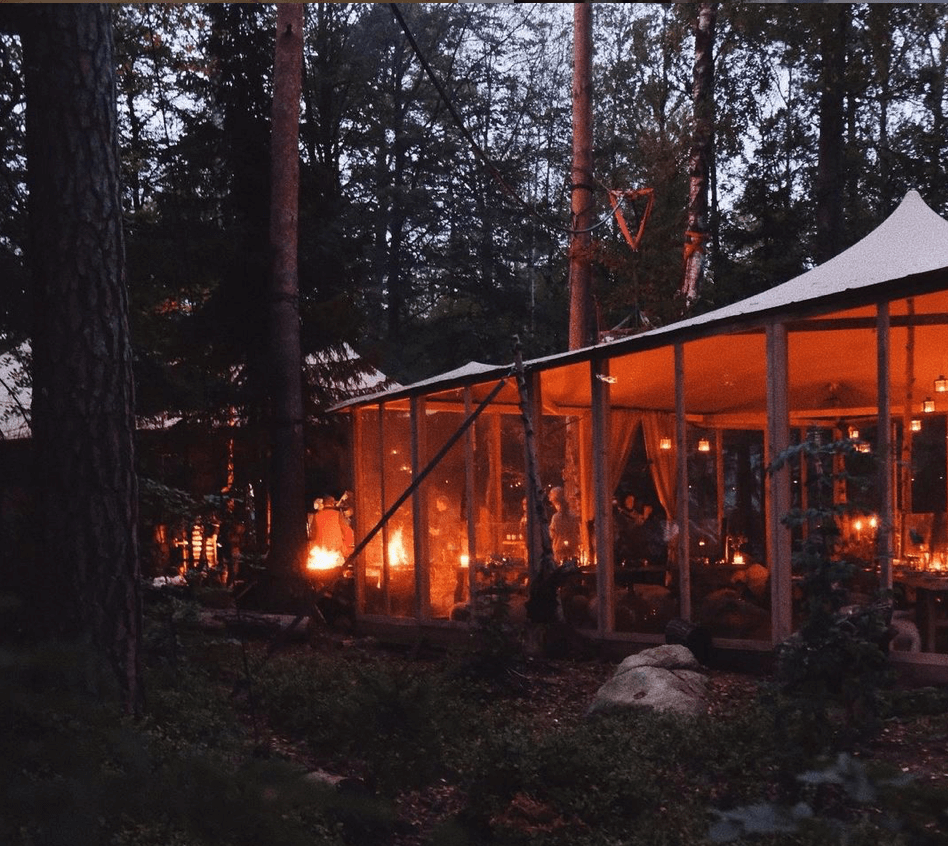
Bars in Rydöbruk
Browse all →

Hotels in Rydöbruk
Browse all →
Details
- Romantic
- Cozy
- Rustic
- Scenic
- Intimate
- Date Night
- Special Occasion
- Waterfront
- Open Kitchen
- Historic Building
- Sommelier Led
- Farm To Table
- Local Sourcing
- Waterfront
- Garden
- Tasting Menu
Current opening hours
- Monday
- Closed
- Tuesday
- Closed
- Wednesday
- Closed
- Thursday
- 5–11 PM
- Friday
- 5–11 PM
- Saturday
- 5–11 PM
- Sunday
- Closed
Hours can change for holidays and private events. Last verified .
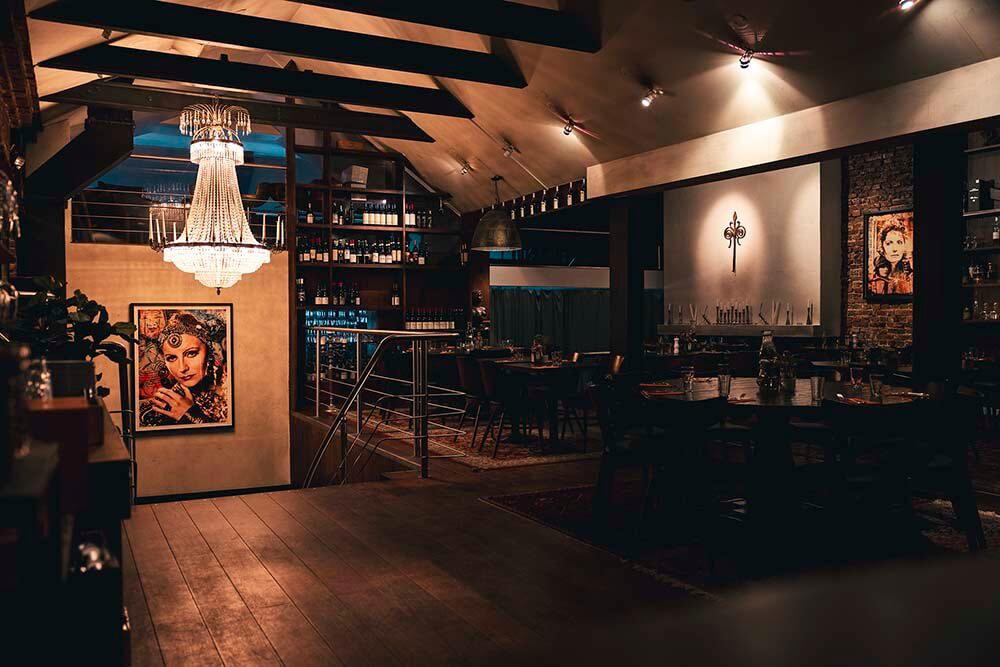
Warm, welcoming, and relaxed atmosphere with fire pits, panoramic nature views, and cozy wood-fired elements.