
We're Smart World 3 Radishes
Our verdict
Tucked into the forests of Österlen, Tastecelebration Residence in Brösarp operates as a plant-based residence where seasonal produce from the surrounding landscape drives every meal. Hosts Isabel and Joost run the kitchen and the table together, with the Big Green Egg central to much of the cooking. It reads as a deliberate counterpoint to urban fine dining — slower, rooted, and tied to what the woods and fields are actually offering.

Pearl is the En Primeur Club membership app — saves, bookings, and concierge access live there. Same editors, same standards.
- Address
- Jägmästarbostaden 101, 273 57 Brösarp, Sweden
- Phone
- +46 70 815 39 55
- Hours
- Mon–Thu ClosedFri–Sat 6–10 PMSun 1–3 PM, 6–9 PM
- Website
- tastecelebrationresidence.se
- Directions
- Get directions
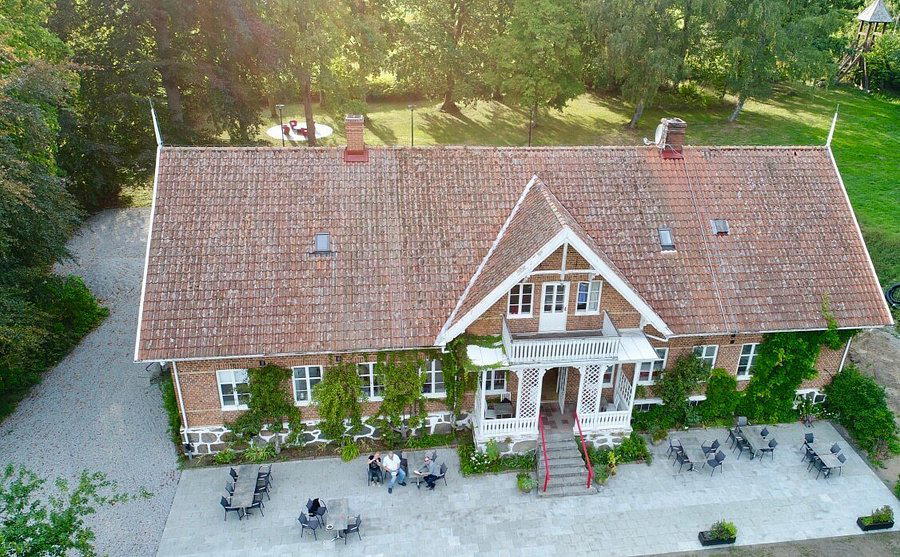
Coming Off the Road in Österlen
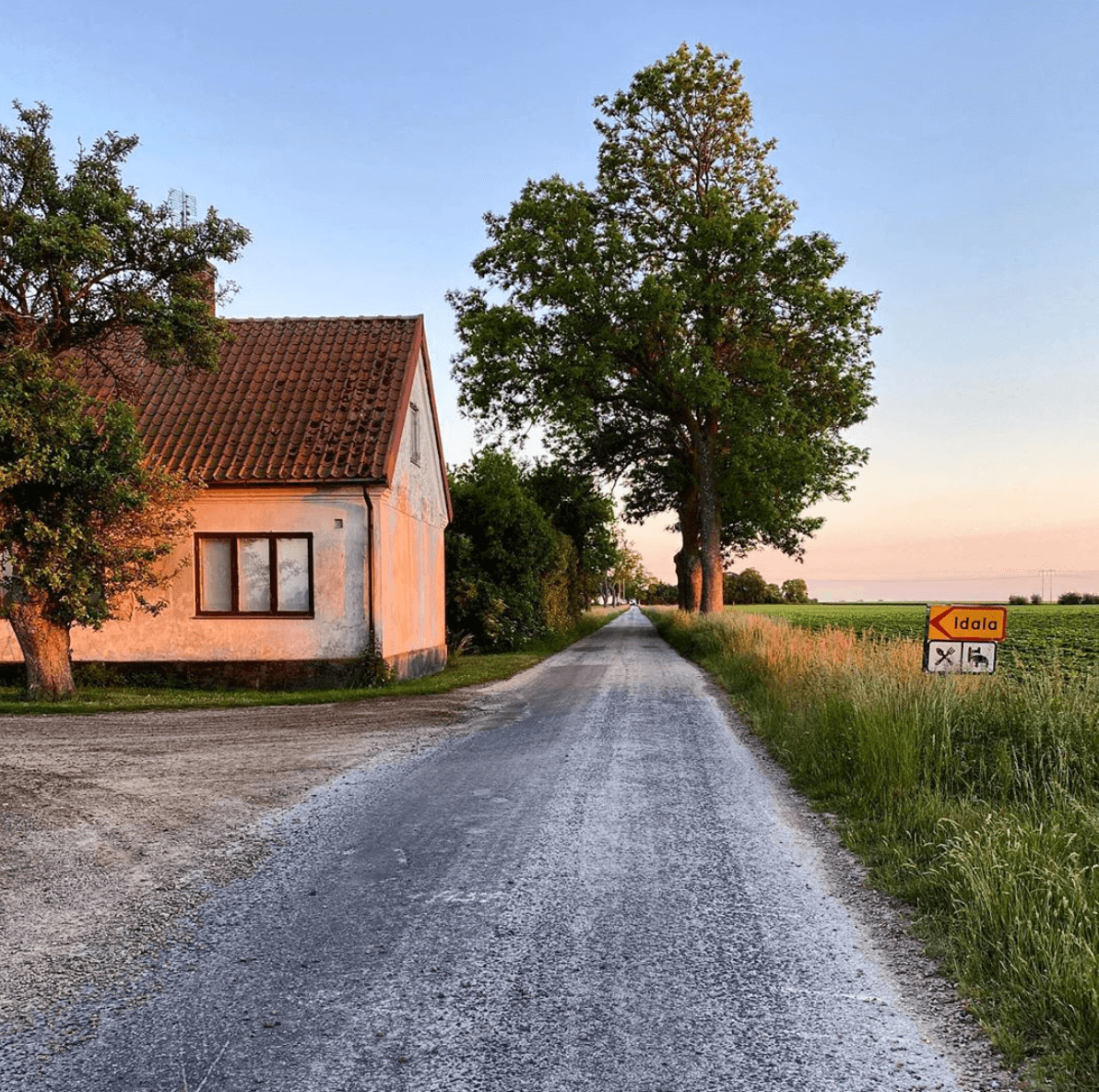
The drive into Brösarp sets expectations before you arrive. This corner of Skåne — southeastern Sweden, angled toward the Baltic coast — is farming country punctuated by beech forest and open heath. The address, Jägmästarbostaden 101, translates roughly to the gamekeeper's residence, and the name carries weight: this was never meant to be a restaurant in the conventional sense. It is a residence that happens to feed people, and that distinction shapes everything about the experience.
Plant-based cooking in Scandinavia has split into two distinct tracks. One runs through the high-concept urban kitchens of Stockholm and Malmö, where chefs at tables like Vollmers in Malmö and VYN in Simrishamn apply technical precision to vegetable cookery inside formal tasting-menu formats. The other runs through the countryside, where the logic is simpler and more direct: cook what the season has produced, cook it well, and serve it at a table where the setting is part of the meal. Tastecelebration Residence sits firmly on that second track.
The Ritual of a Meal Here
The pacing at a place like this is not accidental. Residence-format dining in rural Sweden operates on a rhythm closer to a private dinner than a restaurant service. There is no à la carte menu to negotiate, no server cycling through upsell prompts. The meal unfolds according to what has been foraged, sourced, or grown, and the hosts, Isabel and Joost, set that pace together. That joint presence at the table and the fire is part of what defines the format: you are eating with people who cooked for you, not being served by staff who plated a chef's mise en place.
The Big Green Egg, a ceramic kamado cooker that retains heat with unusual consistency, is a recurring instrument here. In Swedish rural cooking, live-fire techniques applied to vegetables, charring, smoking, slow-roasting inside retained heat, produce results that are structurally different from stovetop or oven work. The exterior caramelises while interior moisture is preserved, and the smoke character becomes part of the dish rather than an afterthought. This is not a trend adopted from a menu-design brief; it is a practical tool for working with seasonal produce at its limits of flavour.
Customs of the meal matter as much as what is on the plate. You are not moving through courses at a tempo set by kitchen expediting. The conversation, the light changing outside, Isabel bringing something she found that morning, these are structural elements of the experience, not ambient texture. That is the dining ritual specific to this format, and it is what distinguishes a residence table from even the most informal restaurant. For comparison, the Nordic countryside dining tradition has produced places like ÄNG in Tvååker and Knystaforsen in Rydöbruk, where a similar logic, small scale, seasonal drive, place as protagonist, shapes the offer. Each operates in a different key, but the underlying argument is the same.
Plant-Based as Everyday Fare, Not a Statement
There is a category of plant-based dining that positions itself as a corrective, a manifesto served in courses. That is not the register here. The framing at Tastecelebration Residence is closer to what plant-based eating looks like when it has been the default for long enough that it no longer needs to announce itself. The vegetables are not standing in for meat; they are simply what is for dinner.
That distinction has practical implications for the meal. Isabel's approach involves ongoing exploration of the surrounding landscape, identifying seasonal produce and finding applications not yet attempted. This is characteristic of how forager-led kitchens in rural Scandinavia operate: the season does not repeat exactly, and neither does the menu. Dishes are simple in the sense that they are not obscured by technique, but simplicity in this context requires precise timing and material knowledge that takes years to develop. The result is cooking that reads as effortless and is not.
Swedish plant-forward cooking at the level of tasting menus in Stockholm, as seen at Frantzén in Stockholm, operates with brigade kitchens, elaborate mise en place, and a formality that the residence format explicitly rejects. Neither approach is superior; they are answering different questions. Frantzén and its peers in the urban fine-dining tier are asking what Swedish cuisine can achieve at maximum complexity. Tastecelebration Residence is asking what it tastes like when the distance between field and plate is as short as possible.
Where It Sits in the Brösarp Scene
Brösarp is not a dining destination in the way that nearby Simrishamn or Malmö are. It is a small village in Österlen with a character shaped by the surrounding nature reserve and the slower tourism that comes with it. The dining options in the immediate area are limited, and that scarcity is part of what makes a residence-format table like this the right answer to the question of where to eat. For those staying locally, Brösarps Gästgifveri & Spa and Talldungens Gårdshotell cover more conventional hotel-restaurant formats. Tastecelebration Residence operates in a different register entirely.
For readers planning a broader circuit of southern Swedish cooking, the region rewards sequencing. PM & Vänner in Växjö, Signum in Mölnlycke, 28+ in Gothenburg, and Fyr in Halmstad each represent distinct positions in the Swedish culinary conversation. Tastecelebration Residence is not competing with any of them; it is answering a different need. EP Club's full Brösarp restaurants guide, hotels guide, bars guide, wineries guide, and experiences guide cover the wider picture for those planning time in the area.
Planning a Visit
Tastecelebration Residence is reached via Jägmästarbostaden 101, 273 57 Brösarp, Sweden. Given the residence format and the small-scale nature of the operation, booking in advance is the only reliable approach, this is not a walk-in venue, and the capacity by definition is limited. Specific hours, pricing, and booking channels are not publicly listed; contact through available channels before visiting. The experience is framed as an ideal stop on a through-journey across Sweden, which positions it naturally within a road itinerary rather than as a standalone urban destination. For international reference points on what plant-forward seasonal cooking looks like at different scales of operation, Le Bernardin in New York City and Emeril's in New Orleans illustrate how produce-led philosophy translates across very different formats and markets, the contrast, if anything, clarifies what makes the residence model distinct.
Frequently asked questions
Does Tastecelebration Residence have a Michelin star or similar recognition?
Tastecelebration Residence has received recognition including: In the middle of Sweden's beautiful nature, there is Tastecelebration where plant-based is everyday fare. The dishes are simple, the Green Egg is never far away, as well as the hostess Isabel and host Joost! Here you come home and experienc….
Where do I go for Tastecelebration Residence?
Tastecelebration Residence is located at Jägmästarbostaden 101, 273 57 Brösarp, Sweden, Brösarp.
What do regulars order at Tastecelebration Residence?
The menu is seasonal and driven by what host Isabel finds in the surrounding Österlen countryside, so there is no fixed signature dish to point to. The Green Egg — a ceramic kamado-style cooker — features regularly in preparation, and plant-based cooking from local produce is the constant across visits. Expect the menu to shift with the season rather than anchor around repeating items.
Do they take walk-ins at Tastecelebration Residence?
The residence format at Jägmästarbostaden 101 operates on a small-scale, private-dinner rhythm, which makes advance contact essential before visiting. No booking channel is publicly listed, so reaching out directly through any available contact is the practical first step. Arriving without prior arrangement carries real risk of finding no service running.
What's Tastecelebration Residence best at?
The editorial record for Tastecelebration cites plant-based cooking as everyday fare rather than a concept, with seasonal produce from the Brösarp region and Green Egg cooking as the defining tools. It is specifically noted as an ideal stop on a drive through Sweden, which suggests its strength is in the unhurried, home-like pace of the meal rather than in formal tasting-menu ceremony.
What if I have allergies at Tastecelebration Residence?
Given that the menu is plant-based, many common animal-derived allergens are structurally absent from the cooking. However, because the menu changes with what Isabel sources seasonally, the safest approach is to communicate any allergy before arrival rather than on the day. The residence format — with Isabel and Joost hosting directly — means dietary needs are handled personally rather than through a front-of-house relay.
Where It Fits
Comparable venues nearby, for context on price, style, and recognition.
| Venue | Cuisine | Price | Awards | Notes |
|---|---|---|---|---|
| Tastecelebration ResidenceThis venue — the venue you are viewing | Vegan Fine Dining | Not listed | We're Smart World 3 Radishes | Not listed |
| Brösarps Gästgifveri & Spa | Traditional Swedish Scanian | Not listed | Star Wine List | Brösarp |
| Talldungens Gårdshotell | Rustic Local European | $50–100 | Star Wine List · White Guide Sweden Restaurants - Very Fine Level | Brösarp |
| Skansen Båstad | Modern Scandinavian with Local Bjäre Ingredients | $50–100 | Star Wine List | central Båstad |
| Hos Talevski | European Pizza and Brunch | $20–30 | Star Wine List | Centrum |
| Gastro Gaspari | Nordic Gastro | Not listed | White Guide Sweden Restaurants - Fine Level | Flyingeby |
Recognition history
Dated appearances from independent guides and award organizations, with the underlying list record or original source where available.
We're Smart World 3 Radishes
We're Smart World
Continue exploring
More in Brösarp
Restaurants in Brösarp
Browse all →
Bars in Brösarp
Browse all →
Hotels in Brösarp
Browse all →
Wineries in Brösarp
Browse all →
Details
- Romantic
- Cozy
- Elegant
- Rustic
- Intimate
- Date Night
- Special Occasion
- Garden
- Extensive Wine List
- Organic
- Local Sourcing
- Garden
- Tasting Menu
- Vegan Options
- Vegetarian Friendly
- Organic Focus
Current opening hours
- Monday
- Closed
- Tuesday
- Closed
- Wednesday
- Closed
- Thursday
- Closed
- Friday
- 6–10 PM
- Saturday
- 6–10 PM
- Sunday
- 1–3 PM, 6–9 PM
Hours can change for holidays and private events. Last verified .
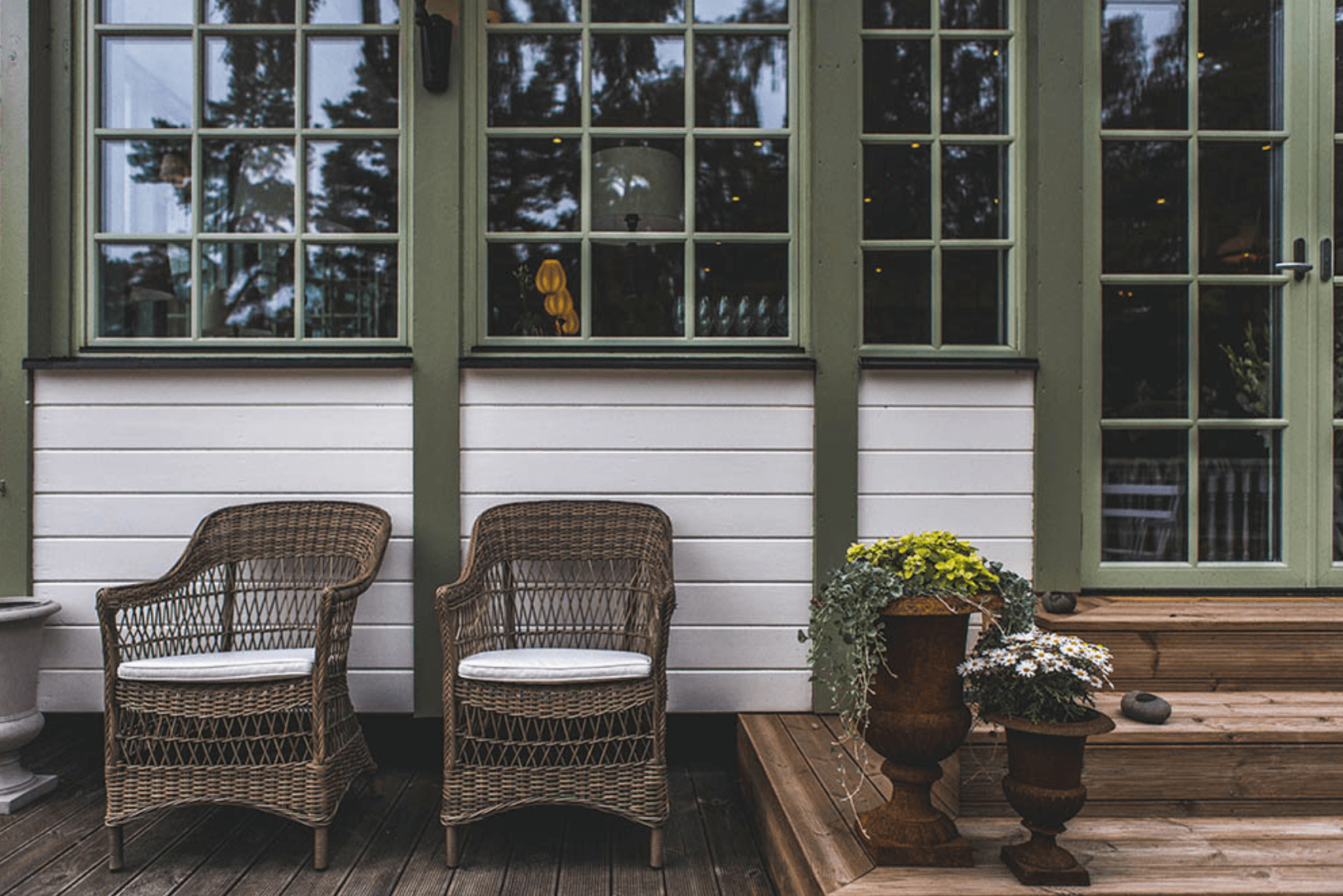
Warm, relaxing atmosphere with art, warm colors, candlelight, and views of nature.