Our verdict
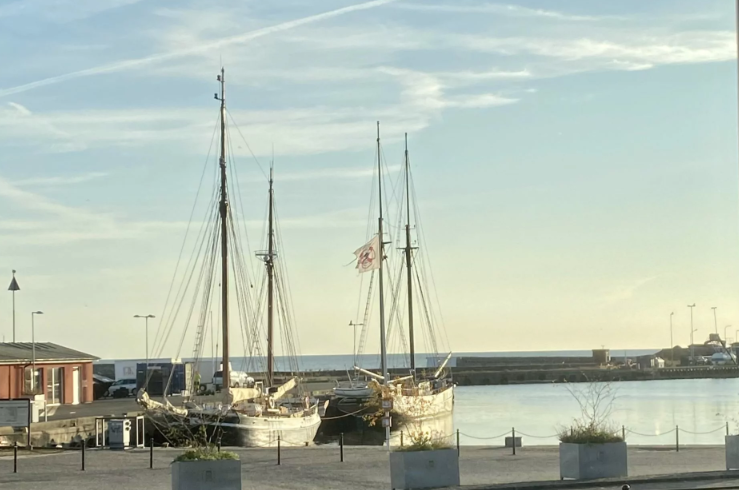
At the edge of Kivik's small harbour on the Österlen coast, Buhres på Kivik draws on the produce-dense countryside of southern Skåne and the cold waters of the Baltic. The restaurant occupies a position typical of the region's most grounded dining rooms: proximity to source is the editorial premise, not a marketing footnote. For anyone moving along Sweden's southern coastline, it earns a stop on the merits of place alone.

Pearl is the En Primeur Club membership app — saves, bookings, and concierge access live there. Same editors, same standards.
- Address
- Kiviks hamn, Brogatan 7, 277 30 Kivik, Sweden
- Phone
- +4641470212
- Hours
- Mon–Fri 10 AM–6 PMSat–Sun 10 AM–4 PM
- Website
- buhres.se
- Directions
- Get directions
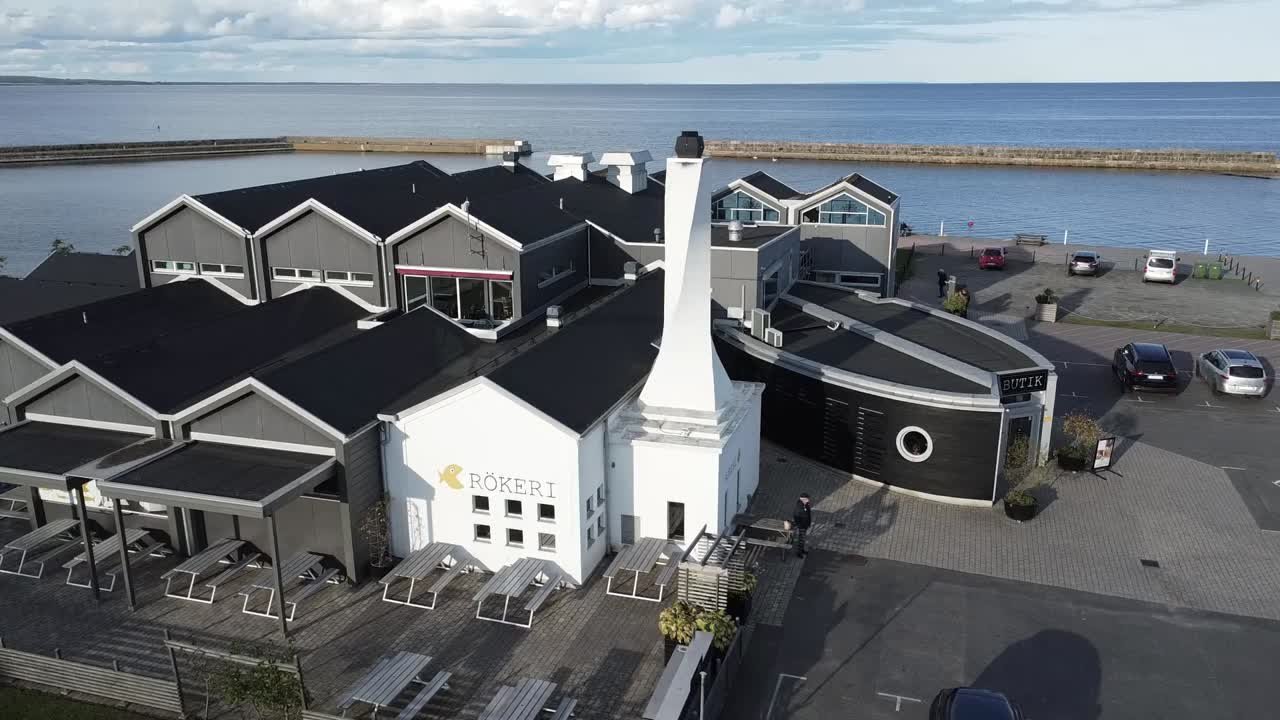
Harbour's Edge, Skåne's Larder
Kivik sits on the Österlen coast of Skåne, a stretch of southeastern Sweden that has quietly accumulated more serious food attention per square kilometre than almost anywhere else in the country. The approach to Buhres på Kivik along Brogatan confirms the logic: the harbour is immediately present, the scale is small, and the surrounding countryside — apple orchards, root vegetable farms, fishing boats turning over Baltic catches within sight of the kitchen — makes the sourcing argument before a single dish arrives. In a region where VYN in Simrishamn has pushed New Nordic formalism to its furthest expression, Buhres occupies a different register, one rooted in the immediate rather than the conceptual.
The physical setting matters here in the way it matters at any restaurant where geography is the real menu. Österlen's appeal to serious cooks and serious eaters rests on density of supply: the coastal plain between Kristianstad and Ystad produces strawberries, apples, heritage-breed pork, wild mushrooms, and cold-water fish in concentrations that urban restaurants pay a premium to access. A restaurant at Kiviks hamn doesn't need a supply chain for any of that. The Baltic is a short walk away; the farms are closer still.
The Österlen Sourcing Model
Swedish fine dining has increasingly bifurcated over the past decade. On one side sit the tasting-menu-forward rooms, the Michelin-tracked operations in Stockholm and Malmö, places like Vollmers in Malmö or Frantzén in Stockholm, where sourcing is cited but the kitchen's transformation of ingredient is the primary subject. On the other side are the smaller, more place-specific rooms where geography does most of the editorial work. Buhres på Kivik belongs in the latter category.
That distinction shapes what a visit here is actually about. The Skåne countryside doesn't require a chef to reinvent it; it requires a kitchen that respects seasonal rhythm and doesn't impose unnecessary distance between field and plate. This is the sourcing model that smaller Österlen restaurants have quietly practised for years, predating the moment when farm-to-table became a hospitality cliché in larger cities. At its finest, the approach produces food that reads as self-evident: vegetables at their correct moment of maturity, fish handled with minimal intervention, proteins from animals raised on land you can see from the dining room window.
Internationally, the closest analogy is the kind of regional French cooking that made auberges in Burgundy and the Basque country worth driving hours for, not because of transformation or technique, but because of proximity and timing. In the Swedish context, Kivik's position on the coast gives it an additional argument: the Baltic provides flatfish, herring, and shellfish that carry a particular salinity and texture different from the North Sea catches further west. That specificity of supply is the restaurant's competitive advantage, whether or not it is framed explicitly as such.
Where Buhres Sits in the Regional Picture
The southern Swedish dining circuit has expanded considerably. Restaurants like Signum in Mölnlycke, PM & Vänner in Växjö, and ÄNG in Tvååker have established that serious food doesn't require a Stockholm postcode. Österlen, specifically, has developed a micro-cluster of food-serious destinations, and Kivik sits at the northern anchor of that cluster. The town is renowned for its apple orchards, Kiviks Musteri, the cider and juice producer, has put the name on Swedish supermarket shelves for decades, but the harbour gives it a second identity, one tied to fishing culture and coastal supply.
For a traveller working through the region, the practical logic is direct. Buhres på Kivik addresses the question of where to eat on the Österlen coast without requiring a long detour. The address at Kiviks hamn places it directly on the waterfront; the scale of the town means the restaurant is easy to locate. Visitors combining it with a stay further south along the coast, or using it as a lunch point on a day trip from Malmö, roughly 100 kilometres to the southwest, find it fits naturally into a route that might also include Sydkustens at Pillehill in Skivarp or a stop at the coast near Simrishamn. For context on the broader regional dining picture, our full Kivik restaurants guide maps the options in more detail.
Comparisons to destination restaurants built around similar sourcing logic are useful. Fäviken in Kall represented the extreme version of the model, radical geographic isolation turned into a dining premise, while the Archipelago of Gothenburg in Styrsö demonstrates how island supply chains can shape a restaurant's identity on Sweden's west coast. Buhres på Kivik is neither as remote as Fäviken nor as elaborately framed as the Styrsö operation, but the underlying logic, let the geography do the arguing, connects them.
Planning a Visit
Kivik is a seasonal town, and the coastal restaurant trade here follows agricultural and tourist rhythms closely. The apple harvest in early autumn draws visitors who might not otherwise find themselves this far along the Österlen coast; summer brings the broader Scandinavian coastal tourism that fills small harbour towns across the region. Timing a visit to Buhres between those peaks, late spring or early September, generally means more manageable access and produce that is still at or near its seasonal high. Travellers arriving from Malmö or Kristianstad by car will find Kivik reachable in under two hours from either direction along the coastal road. Given the venue's harbour address, parking near the waterfront is the practical arrival point. For further restaurant options in the broader Swedish south, Bistro Jarlen in Halmstad, Knystaforsen in Rydöbruk, Hoze in Gothenburg, Claesgatan 8 in Malmo, Kitchenette Ågatan 3 in Örebro, Ribersborgs open-air bath in Slottsstaden, and Le Bernardin in New York City or Lazy Bear in San Francisco offer reference points across price tiers and formats for the kind of sourcing-led dining that Österlen represents at a regional scale.
Frequently asked questions
Is Buhres på Kivik okay with children?
Kivik is a working harbour town with a relaxed seasonal character, and the restaurant sits directly on the waterfront at Brogatan 7, which suggests an informal setting more typical of harbour-side dining than a strict adult-only room. That said, no specific family policy is published, so contacting the venue directly before visiting with young children is advisable. The seasonal rhythm of the town points toward an atmosphere that accommodates a broad range of guests.
Is Buhres på Kivik formal or casual?
A harbour address in a small Österlen coastal town like Kivik rarely demands black-tie formality, and Buhres på Kivik fits that pattern. The setting at Kiviks hamn leans toward the kind of relaxed confidence common to serious regional Swedish restaurants that prioritise produce over ceremony. Smart-casual clothing is a reasonable baseline, though the venue has not published a stated dress code.
How does Buhres på Kivik compare to other restaurants on the Österlen coast?
The Österlen stretch of Skåne has attracted growing editorial attention over the past decade, placing Buhres in a peer group of regional Swedish restaurants that prioritise local sourcing over tasting-menu theatrics. Its harbour position in Kivik at Brogatan 7 differentiates it geographically from inland Skåne operations, giving it direct access to coastal produce that restaurants further from the water cannot match. Within the southern Swedish dining circuit, Österlen venues have increasingly been discussed alongside recognised rooms such as ÄNG in Tvååker as evidence of a broader regional shift away from Stockholm-centric fine dining.
What should I order at Buhres på Kivik?
Buhres draws on the Österlen agricultural belt and the adjacent Skåne coastline, which means the strongest choices tend to follow whatever is in season locally. Skåne is noted for its apple orchards, root vegetables, and North Sea catch, so dishes built around those ingredients reflect the sourcing model that defines restaurants in this corridor. No fixed menu is published, so asking the kitchen what arrived that morning is the most reliable approach.
Side-by-Side Snapshot
| Venue | Cuisine | Price | Awards | Notes |
|---|---|---|---|---|
| Buhres på KivikThis venue — the venue you are viewing | Swedish Seafood | $20–30 | Not listed | Not listed |
| Operakällaren | Modern Scandinavian Fine Dining | $150–200 | 1 Michelin Star · World's 50 Best #27 | Swedish, Modern Cuisine |
| VYN | Modern Scandinavian Fine Dining | $300–500 | 2 Michelin Stars · World's 50 Best #47 | New Nordic, Creative |
| Vollmers | Modern New Nordic with Scanian Terroir | $150–200 | 2 Michelin Stars · La Liste Top Restaurants | New Nordic, Contemporary |
| AIRA | Modern Nordic Seasonal Tasting Menu | $200–300 | 2 Michelin Stars · La Liste Top Restaurants | Modern European, Modern Cuisine |
| PM & Vänner | Modern Småland Regional Cuisine | $150–200 | 1 Michelin Star · La Liste Top Restaurants | Nordic, Creative |
Continue exploring
More in Kivik
Restaurants in Kivik
Browse all →
Bars in Kivik
Browse all →
Hotels in Kivik
Browse all →
Wineries in Kivik
Browse all →
Details
- Rustic
- Cozy
- Scenic
- Casual Hangout
- Waterfront
- Local Sourcing
- Waterfront
- A La Carte
- Vegetarian Friendly
- Gluten Free Options
Current opening hours
- Monday
- 10 AM–6 PM
- Tuesday
- 10 AM–6 PM
- Wednesday
- 10 AM–6 PM
- Thursday
- 10 AM–6 PM
- Friday
- 10 AM–6 PM
- Saturday
- 10 AM–4 PM
- Sunday
- 10 AM–4 PM
Hours can change for holidays and private events. Last verified .
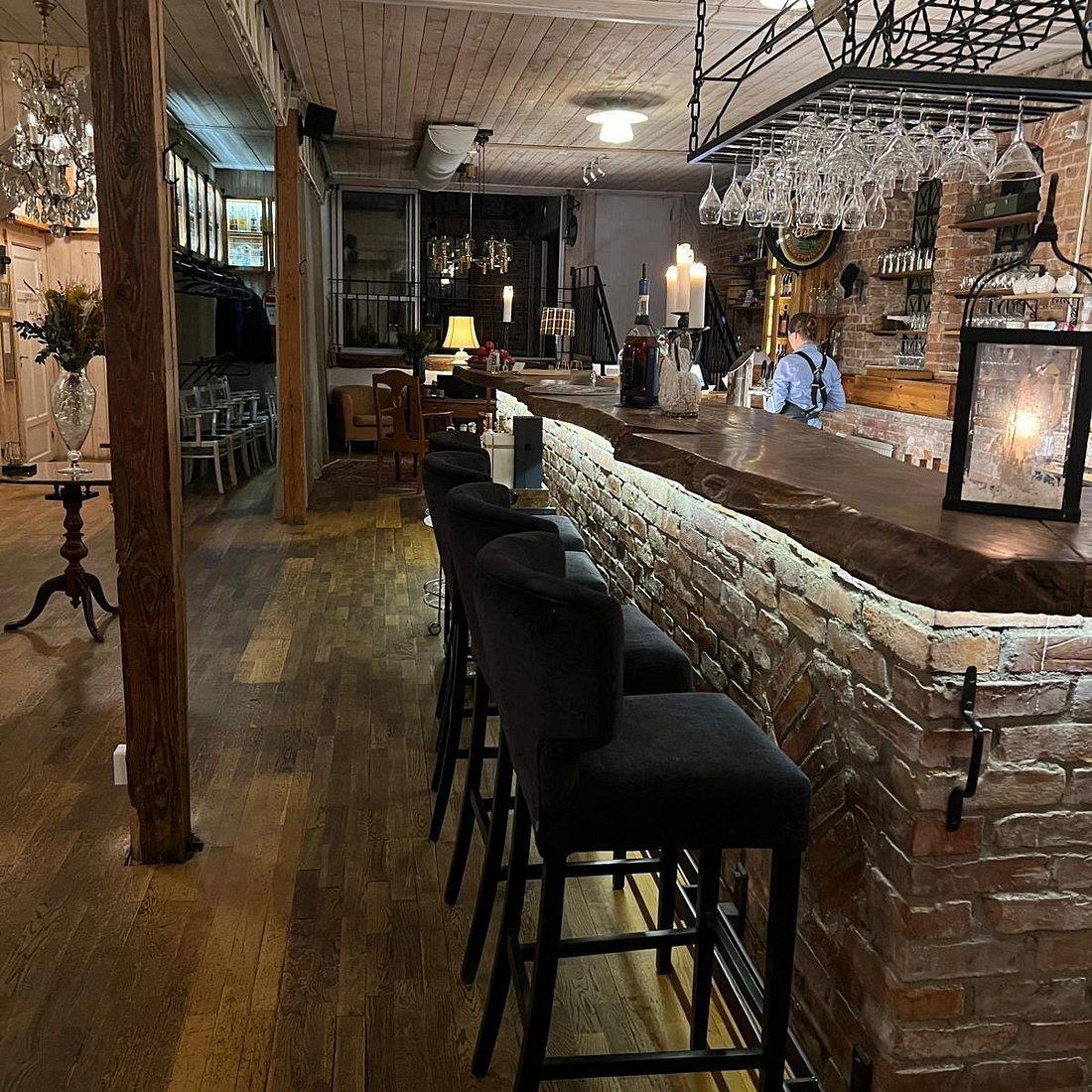
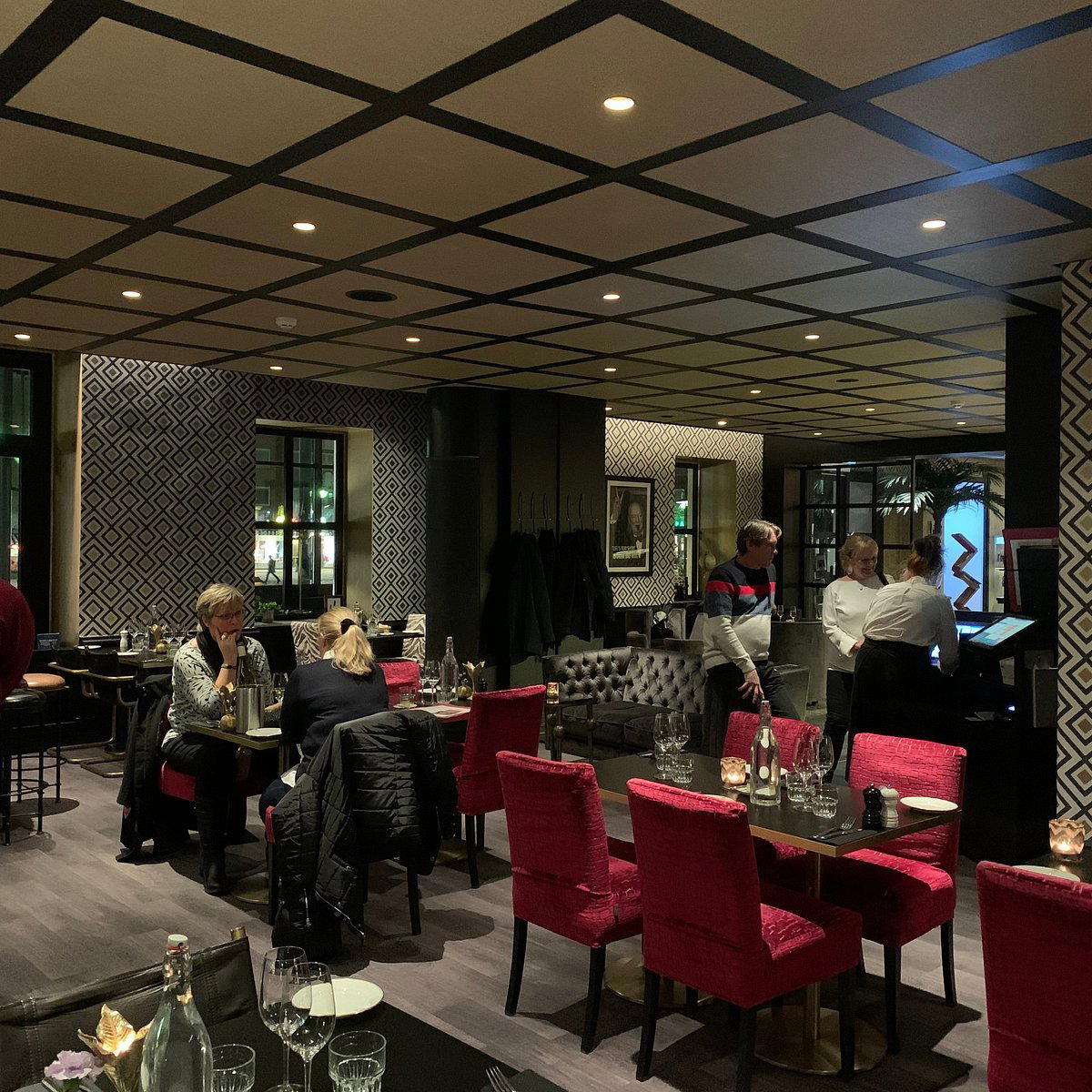
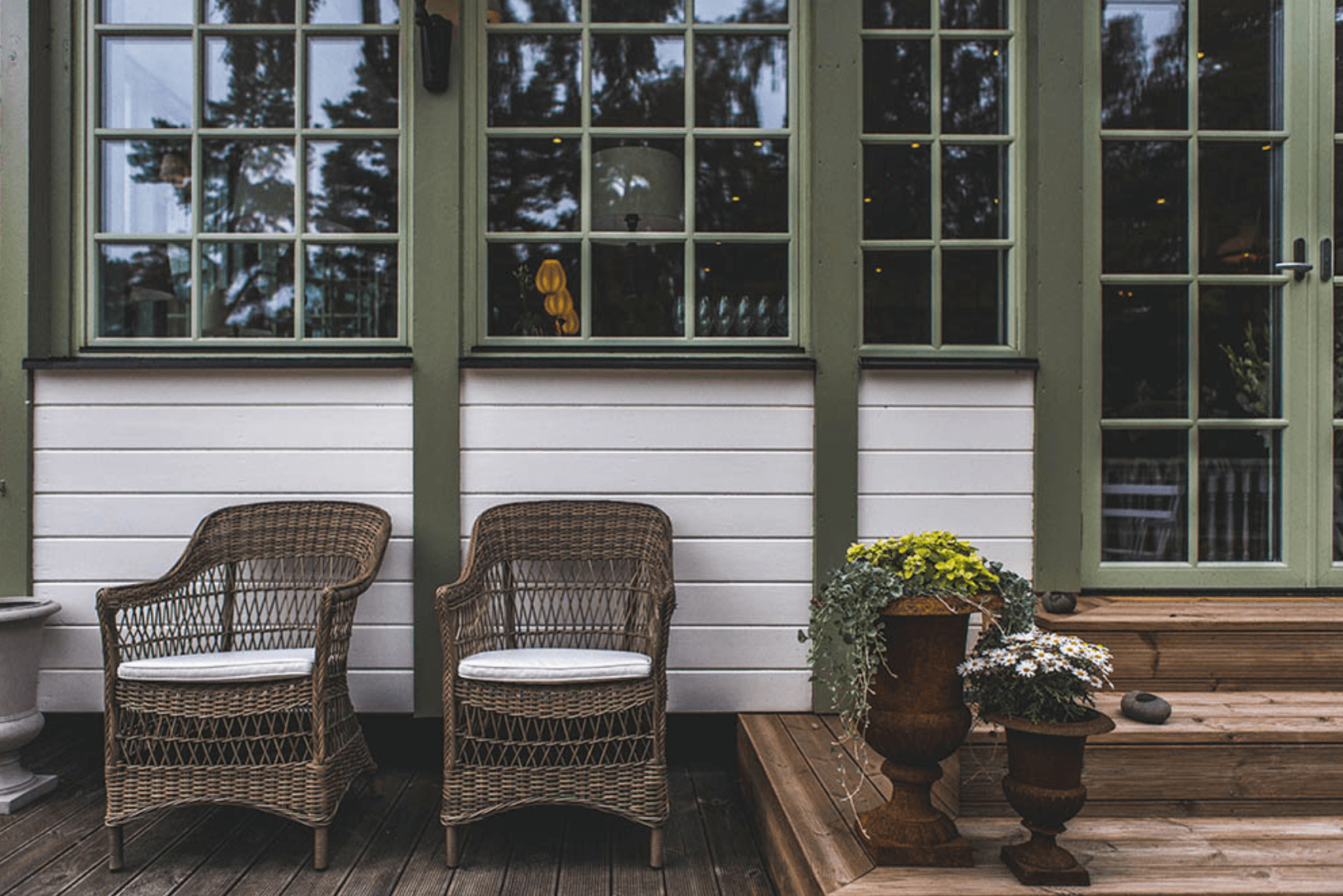
Bright and pleasant with harbor views, modern details, Österlen art on walls, and a relaxed, cheerful atmosphere.