
Lilla Bjers sits on the agricultural edge of Gotland, where the island's limestone-rich soils and short growing season define what arrives on the plate. The kitchen draws directly from the surrounding farmland, placing it within a Swedish tradition of land-anchored dining that has grown considerably in credibility over the past decade. For visitors to Visby, it represents a different register from the medieval-city restaurants closer to the ring wall.
Pearl is the En Primeur Club membership app — saves, bookings, and concierge access live there. Same editors, same standards.
- Address
- Lilla Bjers 410, 621 99 Visby, Sweden
- Phone
- +46 498 65 24 40
- Website
- lillabjers.se
- Directions
- Get directions
 Saves & bookings on Pearl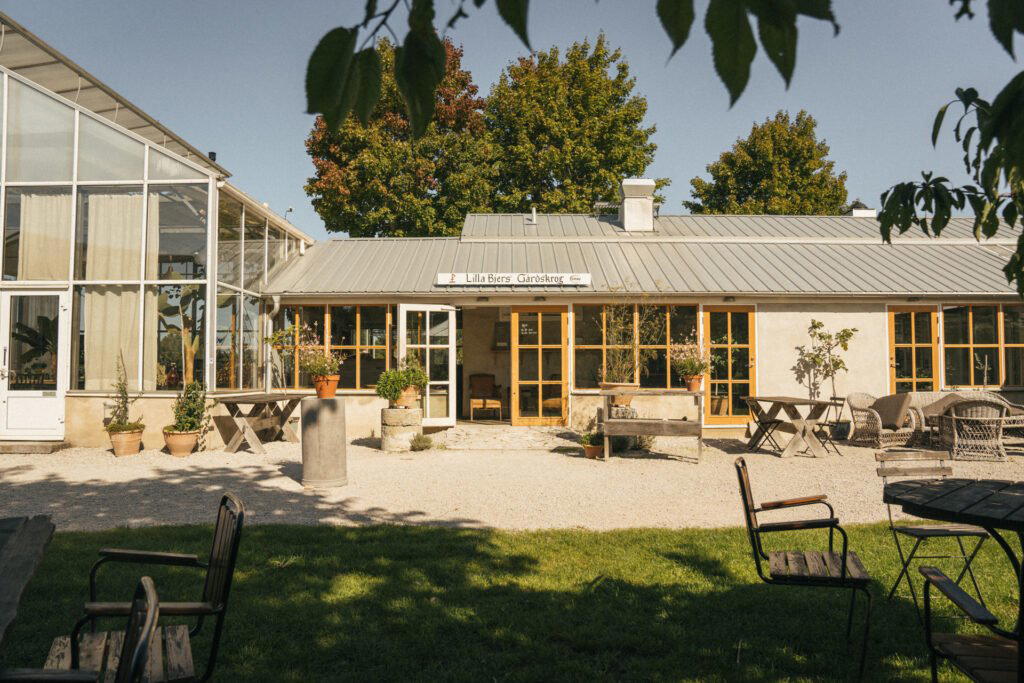
Farming Ground as Dining Premise
Gotland occupies an unusual position in Swedish food culture. The island's limestone bedrock produces lamb, root vegetables, and cereals with a mineral directness that chefs on the mainland regularly source specifically for that character. Restaurants from Frantzén in Stockholm to Vollmers in Malmö have long credited Gotlandic producers as anchor suppliers. What Lilla Bjers does is position itself at the source rather than at the end of that supply chain — the kitchen and the farm occupy the same address at Lilla Bjers 410, outside Visby's medieval ring wall to the south.
That proximity is not a styling choice. In Swedish farm-kitchen dining, the distance between field and plate is the central editorial argument of the menu. Comparable operations elsewhere in Scandinavia, including ÄNG in Tvååker and Knystaforsen in Rydöbruk, have demonstrated that rural Swedish kitchens can hold their own against urban fine dining by leaning harder into that argument rather than softening it. Lilla Bjers operates inside that same category of thinking.
What the Island Produces
Gotland's climate runs warmer and drier than the Swedish mainland average, which extends the growing season and concentrates flavour in field crops and pasture animals alike. Gotlandic lamb has a protected regional identity across Scandinavian culinary circles. The island also produces saffron — Sweden's only meaningful saffron cultivation sits here, along with heritage grain varieties and a notable truffle presence that has attracted serious foraging attention in recent years. Any kitchen operating directly from Gotlandic farmland is working with raw materials that carry genuine provenance weight, not marketing copy.
For context, this is the kind of sourcing infrastructure that kitchens at VYN in Simrishamn or Signum in Mölnlycke invest considerable effort in recreating through supplier networks. At Lilla Bjers, the argument is more direct: what grows here is what the kitchen uses. That structural advantage shapes everything from menu seasonality to the kitchen's relationship with preservation and fermentation, techniques that become more necessary and more interesting when you are working strictly within what a single farm system produces across the year.
Visby's Dining Tier and Where Lilla Bjers Sits
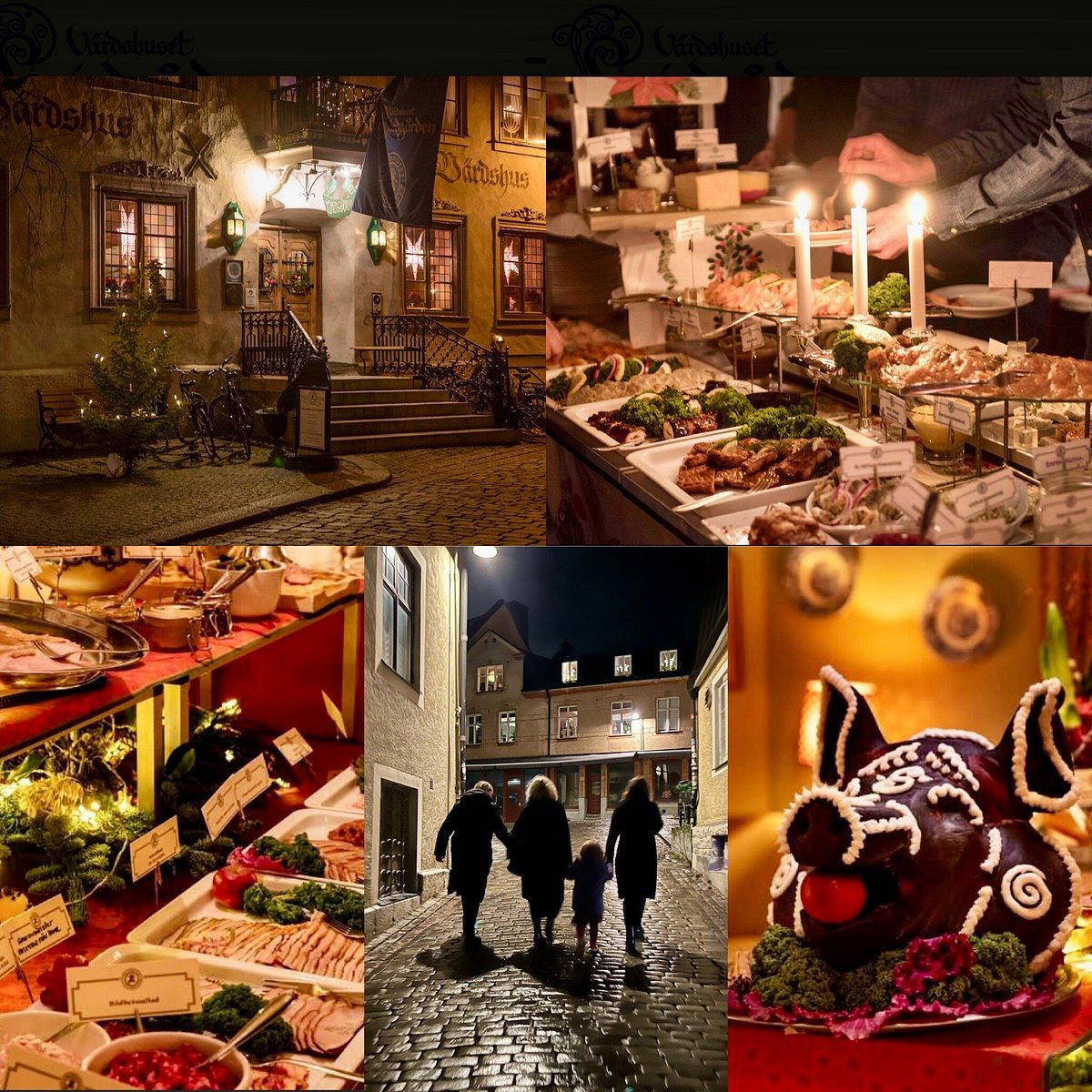
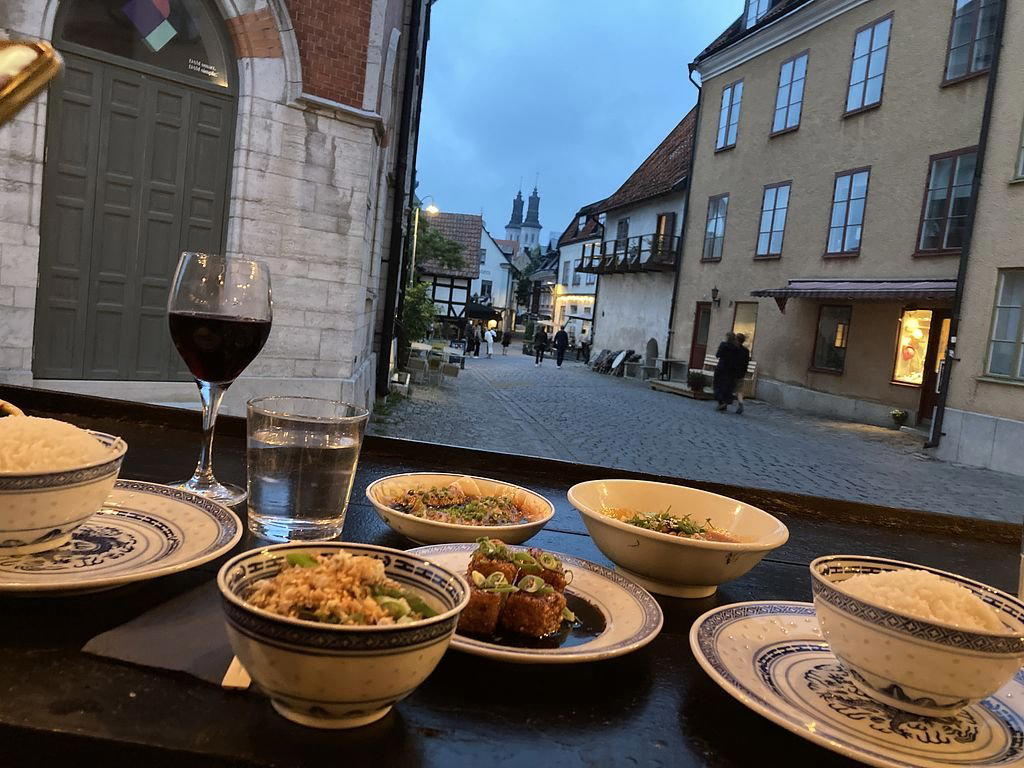
Visby's restaurant scene divides roughly along two axes. The first is the medieval-city cluster: restaurants operating inside or immediately adjacent to the ring wall, drawing on the town's UNESCO heritage status and a summer tourism peak that runs from late June through August. Gutekällaren, Munkkällaren, and Värdshuset Lindgården all operate in this register, trading on atmosphere and historical setting alongside their food programs. Restaurang Bolaget and Surfers Visby represent a more casual, contemporary strand of the town's dining.
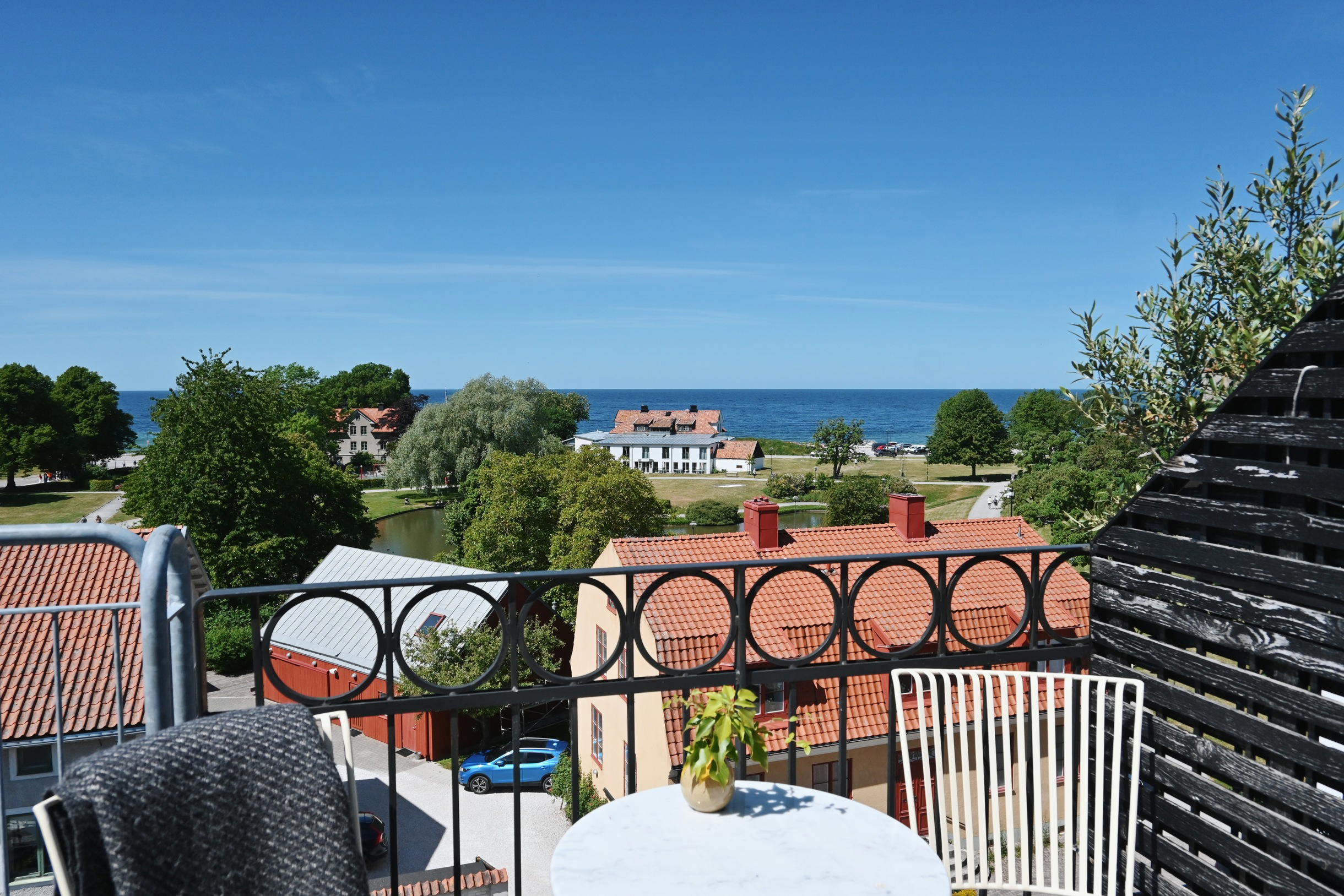
Lilla Bjers sits outside both axes. Its location on the agricultural fringe of Visby removes it from the ring-wall circuit entirely, which means the journey to dinner is part of the proposition. Diners arrive because of the farm, not despite being away from the city. That positioning aligns it more closely with destination rural kitchens across Sweden than with the summer-tourism restaurant cluster in the old town. The comparison set is less Visby peer restaurants and more the broader Swedish category of farm-anchored dining that has earned serious attention from Nordic food media over the past several years.
For a wider overview of where Lilla Bjers sits within Gotland's dining options, our full Visby restaurants guide maps the competitive field in detail.
Seasonality as Operating Logic
Gotland's shoulder seasons, spring, when lambing and early planting define the kitchen's tempo, and autumn, when root cellars fill and the truffle season opens, represent the island at its most materially interesting for food. The summer peak brings volume and visitor numbers, but the food itself may be more compelling when the tourist trade thins and the kitchen is working through a narrower, more local window of supply.
This is a pattern visible across Scandinavian farm kitchens. PM & Vänner in Växjö and 28+ in Gothenburg both operate with strong seasonal logic, but neither has the direct farm integration that makes true seasonality a structural constraint rather than a curatorial choice. At Lilla Bjers, what the farm produces in a given week is what the kitchen responds to. That constraint, when it works, produces the kind of menu coherence that more urbane kitchens with broader supplier access cannot easily replicate.
Equally relevant are venues like Brasserie Park in Jonkoping and Adrian Restaurang in Borås, which represent a different strand of Swedish regional dining, technically accomplished but operating within a more conventional urban supply framework. The contrast makes clear how unusual the Lilla Bjers premise actually is within the Swedish dining field.
For international context, the structural logic of farm-anchored tasting menus has precedent at highly regarded addresses like Atomix in New York City and Le Bernardin in New York City, though those kitchens express sourcing discipline through entirely different culinary traditions. The underlying argument, that provenance accountability translates directly to plate quality, is consistent.
Planning a Visit
Gotland is accessible by ferry from Nynäshamn south of Stockholm, with Destination Gotland operating the primary crossing; the crossing takes approximately three hours. A domestic flight from Stockholm Arlanda to Visby Airport is the faster option at roughly fifty minutes, with SAS and BRA both serving the route. The island's summer season runs intensively from midsummer through early August, when accommodation and restaurant bookings across Visby fill well in advance. Visiting in May, September, or October trades tourist volume for a more local rhythm and, at a farm kitchen like Lilla Bjers, a menu calendar that may be more representative of the island's true larder.
Recognition history
Dated appearances from independent guides and award organizations, with the underlying list record or original source where available.
White Guide Sweden Restaurants - Very Fine Level
White Guide

At a Glance
- Cozy
- Rustic
- Scenic
- Elegant
- Special Occasion
- Date Night
- Garden
- Natural Wine
- Farm To Table
- Organic
- Local Sourcing
- Garden
Current opening hours
- Monday
- Closed
- Tuesday
- Closed
- Wednesday
- Closed
- Thursday
- 6–11 PM
- Friday
- 11:30 AM–2 PM, 6–11 PM
- Saturday
- 11:30 AM–2 PM, 6–11 PM
- Sunday
- 11:30 AM–2 PM
Hours can change for holidays and private events. Last verified .
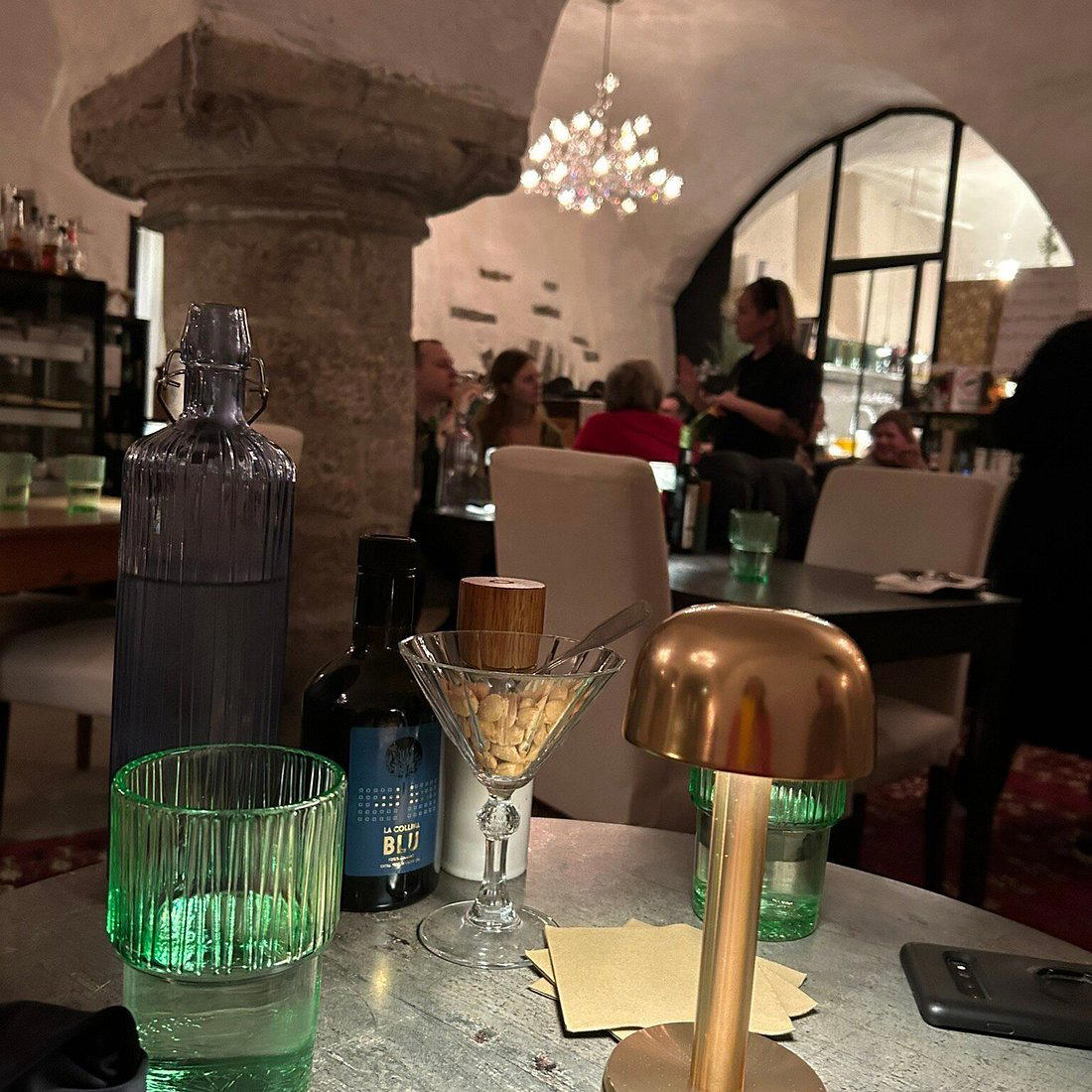
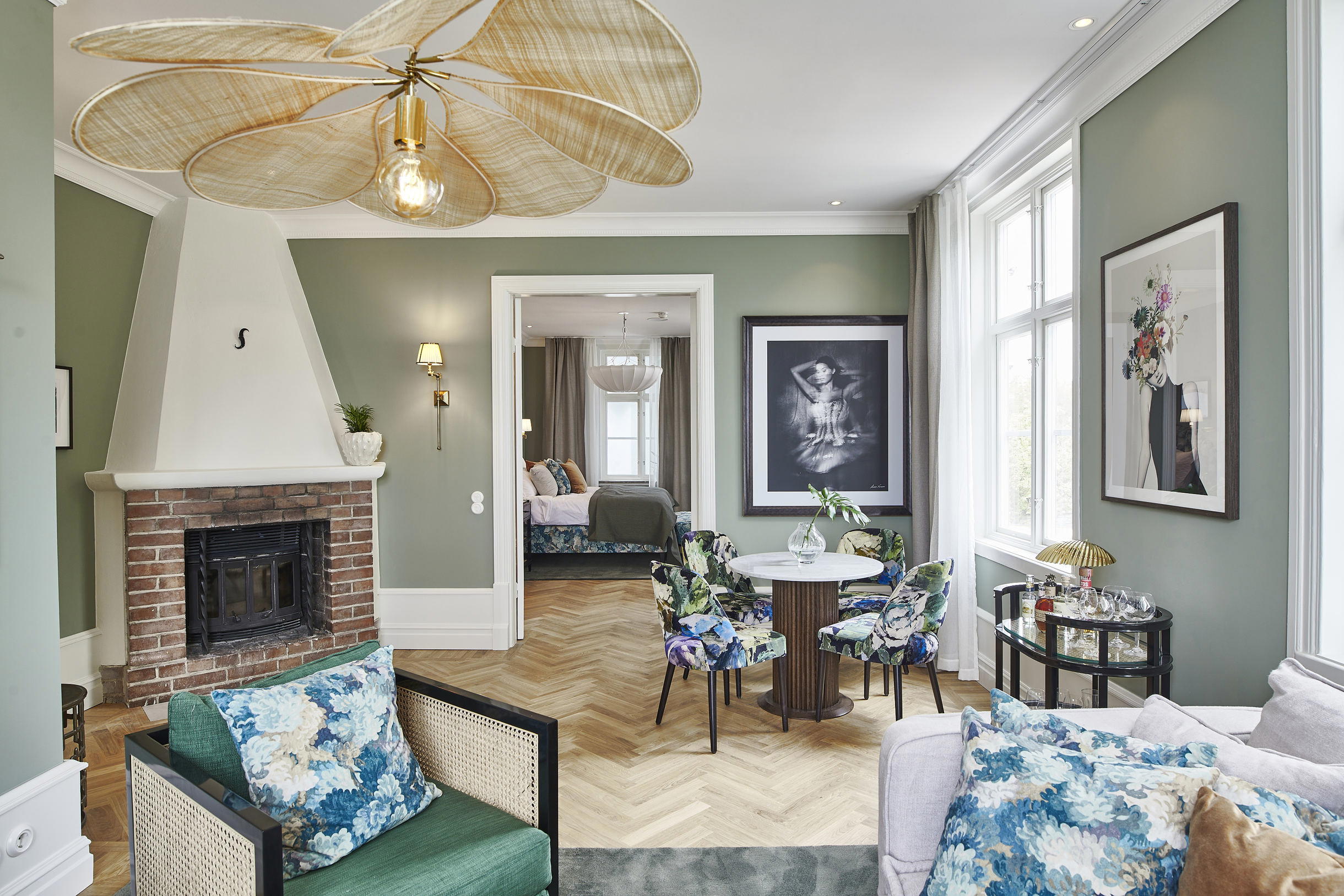
Warm, charming atmosphere surrounded by organic gardens with a focus on fresh, seasonal ingredients and eco-conscious dining.
Know Before You Go
- Getting there
- Lilla Bjers 410, 621 99 Visby, Sweden