Dam Sum sits on Parvis de la Trinité in Ixelles, positioning itself within a neighbourhood that has become one of Brussels' most contested dining corridors.
Pearl is the En Primeur Club membership app — saves, bookings, and concierge access live there. Same editors, same standards.
- Address
- Parv. de la Trinité 11, 1060 Ixelles, Belgium
- Phone
- +3226407427
- Website
- damsumrestaurant.com
- Directions
- Get directions
 Saves & bookings on Pearl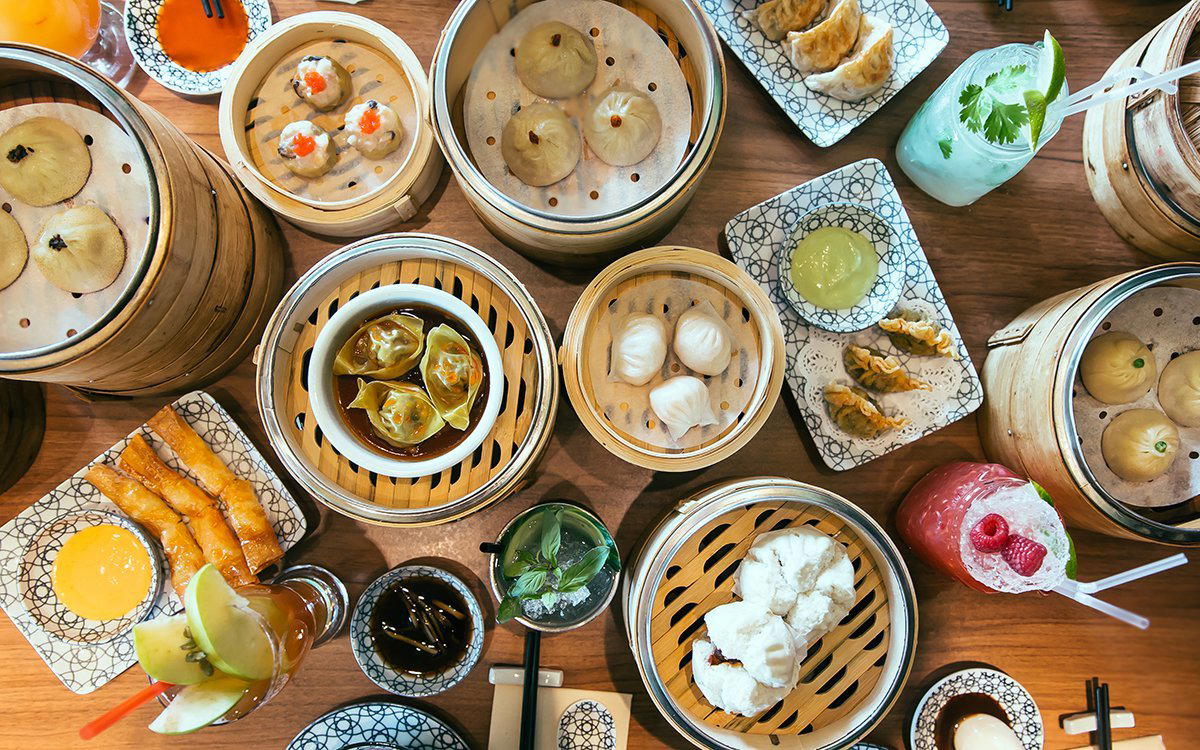
The Parvis de la Trinité Dining Corridor
The square around Parvis de la Trinité has quietly become one of Ixelles' more concentrated dining addresses. Unlike the overtly curated restaurant strips of the EU Quarter or the tourist-facing density of the Grand-Place perimeter, this pocket of the commune attracts a local crowd with specific expectations: food that takes a position, rooms that don't oversell themselves, and pricing that reflects the neighbourhood rather than a hotel group's yield management. Dam Sum occupies a spot at number 11 on that parvis, which places it in immediate conversation with a dining ecosystem that has shifted meaningfully over the past decade.
Ixelles as a whole operates as a kind of testing ground for Brussels' more considered restaurant ideas. The commune hosts Humus x Hortense, one of the city's more serious creative addresses, and Kamo, which holds its own against the Japanese counter format you'd find at considerably higher price points in other European capitals. Amen anchors the farm-to-table tier. That density of intent is relevant context for any new address here: the neighbourhood's regulars have developed calibrated expectations.
What the Name Signals
The name Dam Sum points toward the Cantonese dim sum tradition, a format built around sequential small dishes served across a long table spread rather than in a single composed plate per course. That sequencing matters editorially, because it changes how a meal is structured and experienced. In the classic Cantonese teahouse format, yum cha service moves in waves: har gow and siu mai early, then heavier steamed and baked pieces, then something rice or noodle-based to anchor the mid-meal, with egg tarts or sesame balls closing the arc.
That expectation is worth holding onto because the dim sum format, when executed with discipline, is one of the more coherent multi-course structures in Chinese culinary tradition. It has a built-in tasting progression that most Western tasting menus borrow from without acknowledging: lightness first, weight in the middle, sweetness to close. Restaurants in cities from London to Sydney have spent considerable energy adapting this logic to evening service, with varying success. The Ixelles address on Parvis de la Trinité is, by its name at least, working within that same structural conversation.
Reading the Meal as a Sequence
The editorial angle worth holding when approaching a dim sum-oriented address is progression rather than selection. In a standard dim sum service, the order of dishes is not arbitrary. The lightest, most delicate pieces, typically the translucent-skinned steamed dumplings, come first because they demand the freshest palate and the most precise execution. A kitchen that opens with a well-made har gow, where the wrapper has the right resistance and translucency, is signalling technical control before any flavour complexity has entered the picture.
From there, the meal typically moves toward more assertive textures: the char siu bao with its lacquered sweetness, the turnip cake with its pan-fried edges, the cheung fun rolled around prawns or beef. These are dishes that reward appetite rather than restraint. The pacing of this sequence, how quickly baskets arrive and whether the kitchen times heavier pieces to land when the table is ready for them, is where execution separates competent dim sum from something more considered.
For context on what high-end multi-course sequencing looks like at the far end of the Belgian dining spectrum, Hof van Cleve in Kruishoutem, Boury in Roeselare, and Zilte in Antwerp each demonstrate how a tasting arc can be structured with precision across fifteen or more courses. The dim sum format operates on similar logic at a different scale and price register.
Ixelles' Price Tier and Where This Address Sits
The Ixelles dining market currently spreads across a clear range. At the accessible end, addresses like Amore, Pasta e Gioia and Au Savoy serve a local crowd that wants quality without a tasting menu commitment. In the mid-to-upper tier, you find venues like Kamo at the €€€ level and Humus x Hortense at €€€€. Dim sum pricing in Brussels tends to sit below the leading tasting-menu tier, which makes it an accessible format for a wider range of visitors, but quality variance across the city's Chinese restaurant scene is significant enough that name alone carries limited predictive value.
For visitors cross-referencing against broader Brussels options, Bozar Restaurant in the centre represents a different register entirely. The full Ixelles restaurants guide maps the commune's current dining range in more granular detail. Beyond Belgium, the multi-course sequencing logic that underpins a serious dim sum service is also visible in internationally recognised tasting formats at Le Bernardin in New York City and Lazy Bear in San Francisco, where pacing and progression are treated as primary design decisions rather than afterthoughts.
Planning a Visit
Dam Sum is located at Parvis de la Trinité 11, 1060 Ixelles. The address is walkable from the Ixelles pond area and reasonably served by public transport from central Brussels. Given the neighbourhood's dining density, arriving with a reservation rather than walking in is the safer assumption, particularly on weekend evenings when the Parvis corridor sees consistent demand.
For comparable dining in the area while planning an Ixelles evening, Amen offers a farm-to-table anchor and Amore, Pasta e Gioia works well as a lower-commitment option if the dim sum format turns out to have limited availability. Outside Ixelles, Vrijmoed in Gent, Willem Hiele in Oudenburg, and La Durée in Izegem represent Belgium's broader dining range for those building a longer itinerary. Ralf Berendsen in Neerharen, Cuchara in Lommel, and d'Eugénie à Emilie in Baudour extend the map further for committed explorers of the Belgian scene.
Continue exploring
More in Ixelles
Restaurants in Ixelles
Browse all →
Bars in Ixelles
Browse all →
Hotels in Ixelles
Browse all →
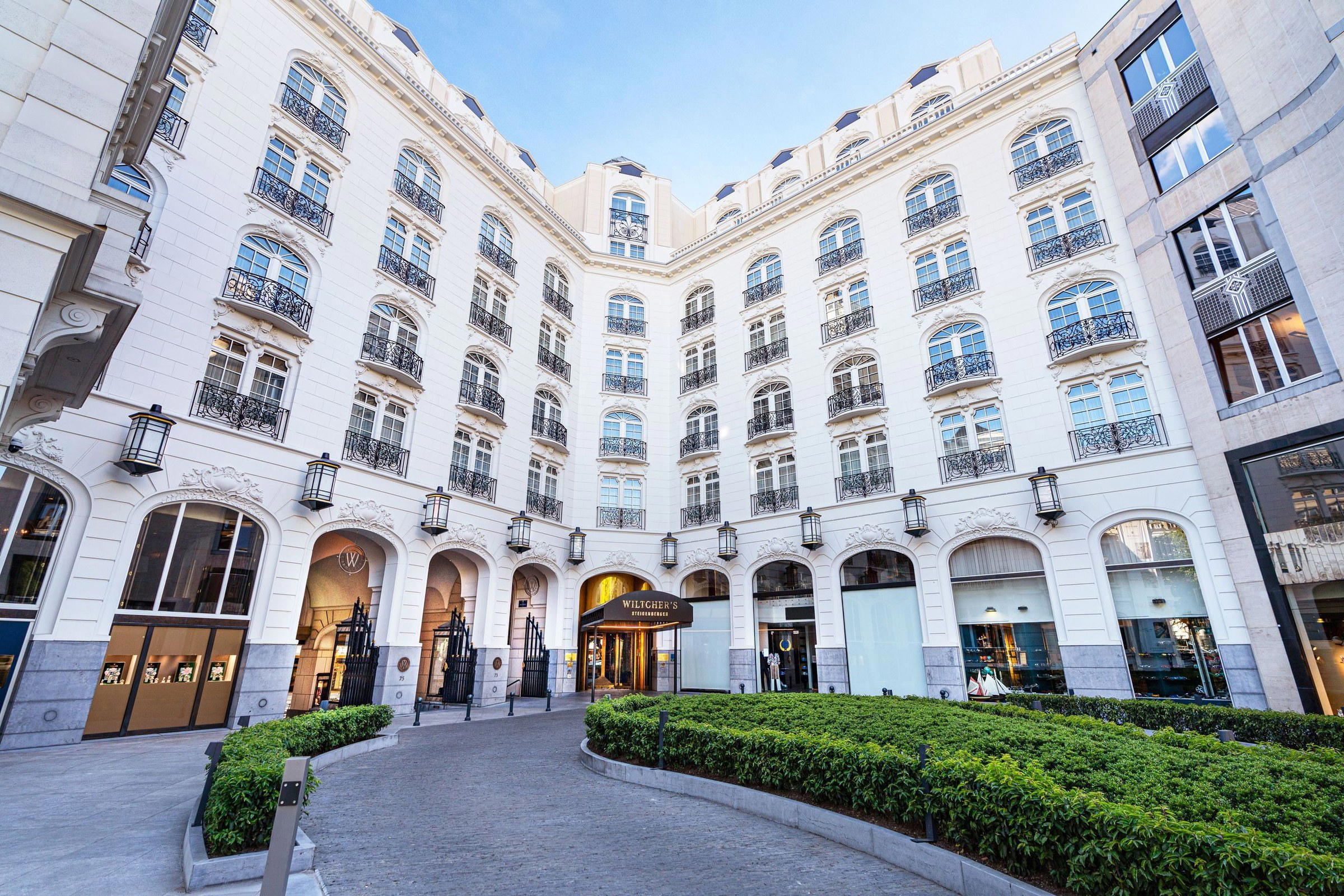
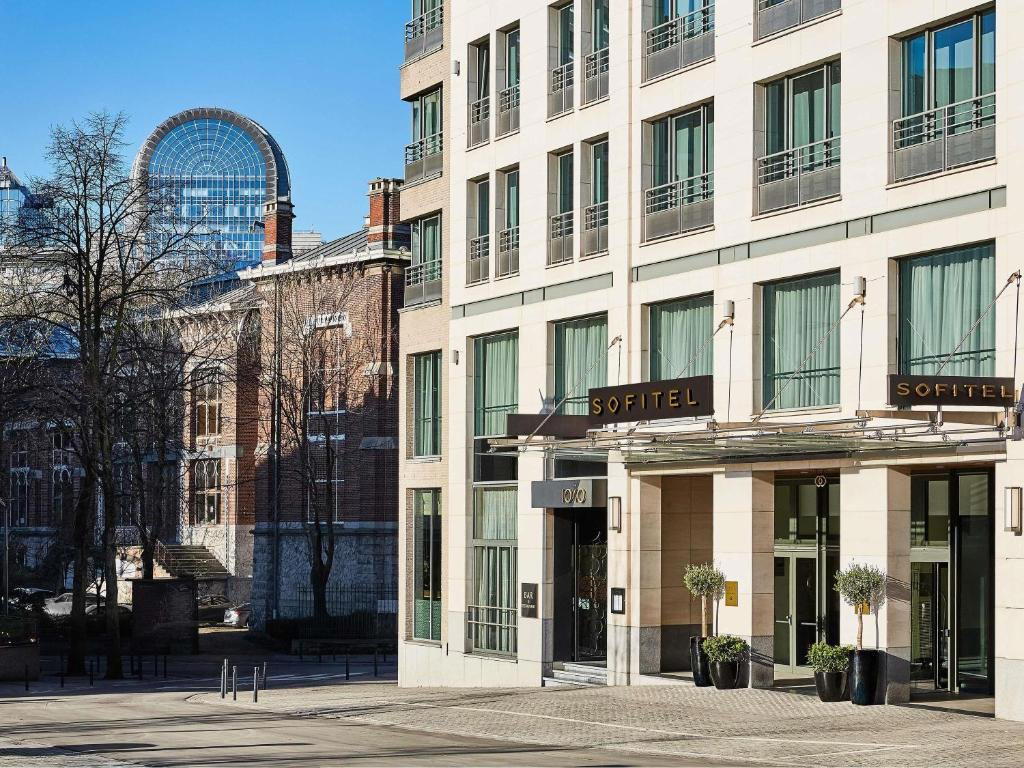
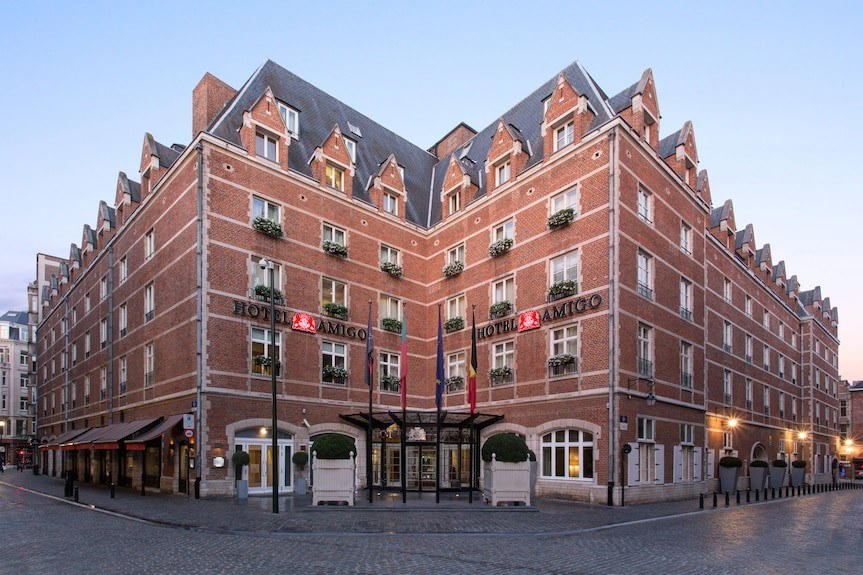
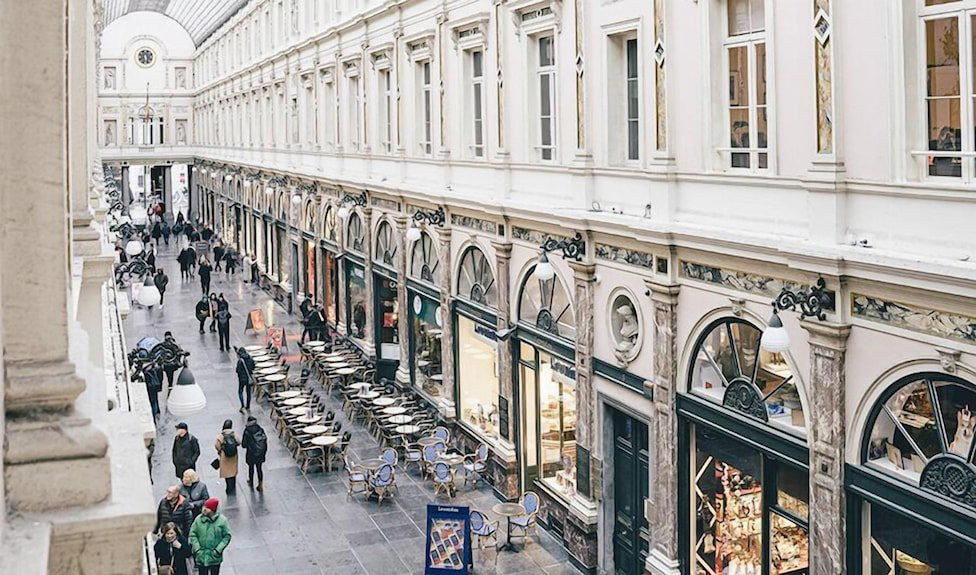
Wineries in Ixelles
Browse all →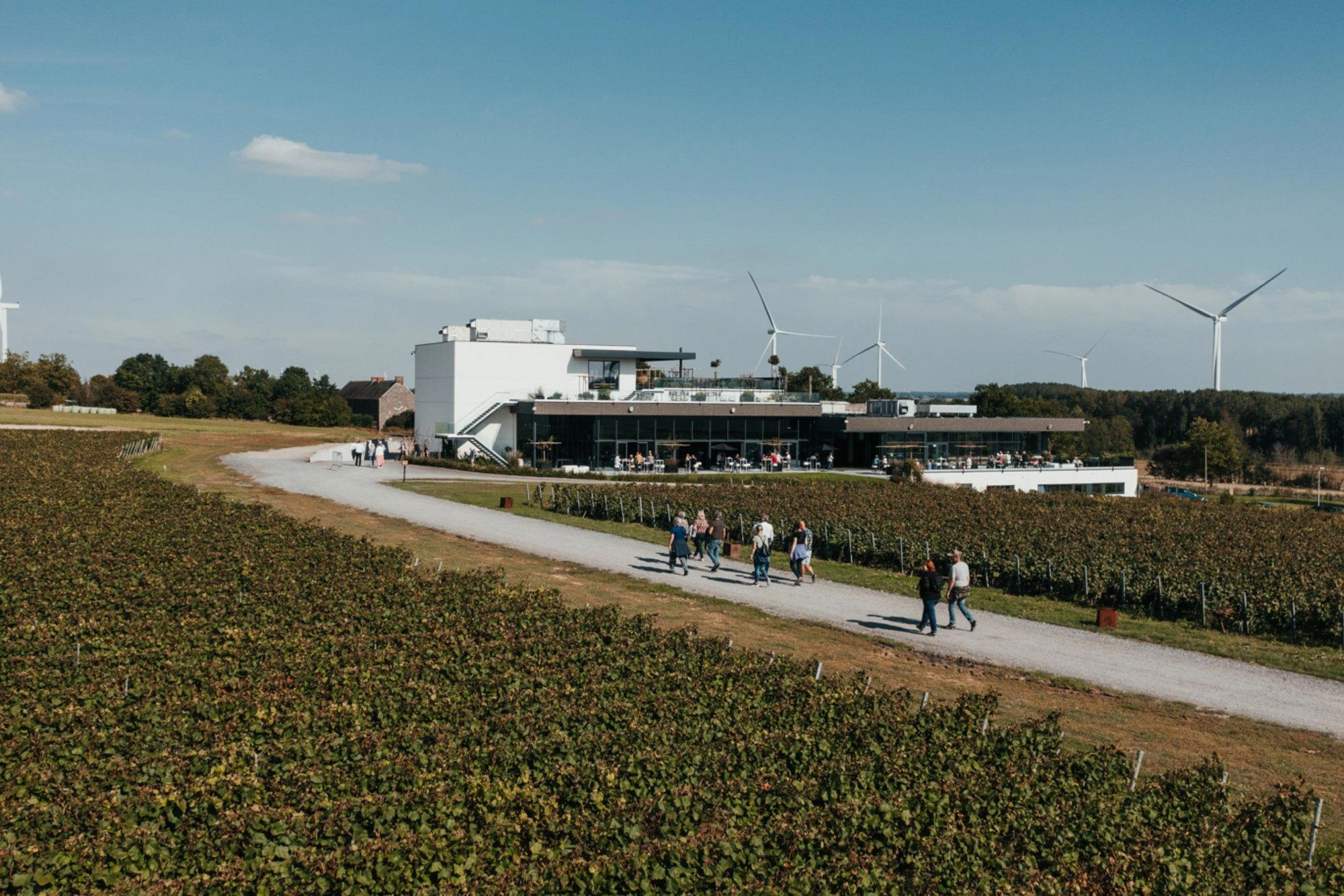
At a Glance
- Lively
- Modern
- Trendy
- Casual Hangout
- Group Dining
- After Work
- Open Kitchen
- Standalone
- Beer Program
- Local Sourcing
Current opening hours
- Monday
- Closed
- Tuesday
- Closed
- Wednesday
- 6:15–9:45 PM
- Thursday
- 6:15–9:45 PM
- Friday
- 12–2:30 PM, 6:15–10:15 PM
- Saturday
- 12–2:30 PM, 6:15–10:15 PM
- Sunday
- 12–2:30 PM, 6:15–9:45 PM
Hours can change for holidays and private events. Last verified .
Bright red and black modern decor with Asian-inspired elements like hanging lanterns and wall paintings; bustling and energetic with urban styling.
Know Before You Go
- Getting there
- Parv. de la Trinité 11, 1060 Ixelles, Belgium