Rota do Acarajé on Rua Martim Francisco in Santa Cecília brings the street-food traditions of Bahia into one of São Paulo's most densely layered neighbourhoods. The address positions it squarely within a part of the city where daytime foot traffic and evening culture pull in different directions, making the timing of your visit matter as much as the food itself. For anyone tracing Brazilian regional cooking beyond the tasting-menu circuit, this is a reference point worth understanding.
Pearl is the En Primeur Club membership app — saves, bookings, and concierge access live there. Same editors, same standards.
- Address
- R. Martim Francisco, 529/533 - Santa Cecilia, São Paulo - SP, 01226-001, Brazil
- Phone
- +5511945084488
- Website
- rotadoacaraje.com.br
- Directions
- Get directions
 Saves & bookings on Pearl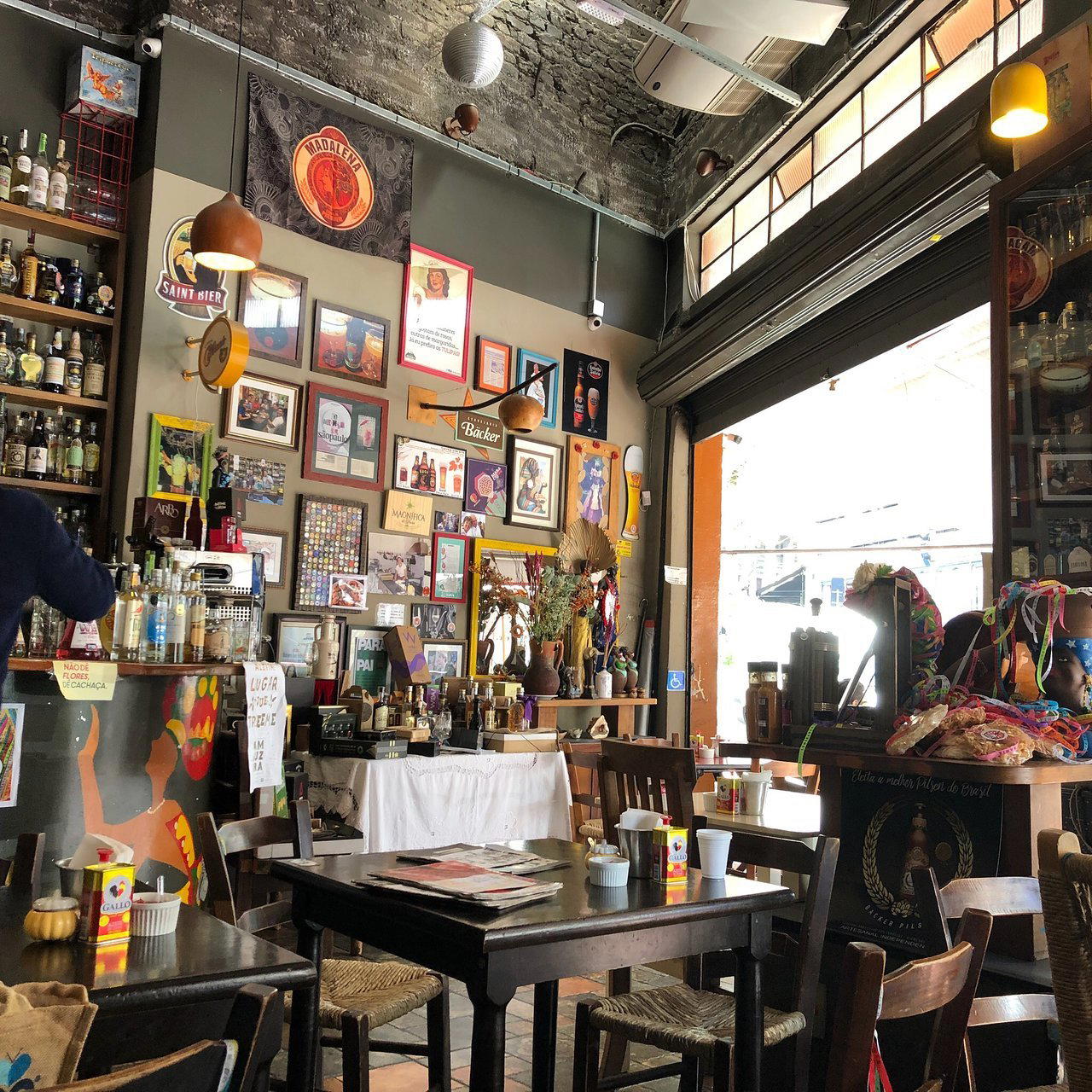
Bahian Street Food in a São Paulo Neighbourhood Context
São Paulo's relationship with regional Brazilian cooking has always been filtered through migration. The city absorbed waves of Northeastern Brazilians throughout the twentieth century, and their food traditions took root not in fine-dining rooms but in street corners, covered markets, and neighbourhood spots that operated outside the city's more visible restaurant culture. Acarajé, the black-eyed-pea fritter fried in dendê oil, filled with vatapá, caruru, and dried shrimp, arrived in this city as Bahian cooks did: quietly, and with deep cultural freight. It is temple food, historically prepared by Baianas de Acarajé whose role carries religious significance in Candomblé tradition, and that context sits behind every version of the dish served in São Paulo today.
Rota do Acarajé, at Rua Martim Francisco 529/533 in Santa Cecília, operates within that tradition. The address places it in one of central São Paulo's more characterful districts, a neighbourhood that sits between the density of Higienópolis and the bustle of Campos Elíseos, with a street-level culture shaped by independent commerce, long-standing residents, and the kind of daytime rhythm that distinguishes it from the city's flashier food corridors to the south.
Santa Cecília and the Daytime Logic of This Part of the City
The lunch-versus-dinner divide in São Paulo is a meaningful one, and it plays out differently depending on which part of the city you are in. In Itaim Bibi or Jardins, evening service at places like D.O.M. Evvai, or Tuju draws an audience willing to commit to multi-course formats and extended sittings. Santa Cecília operates on different terms. The neighbourhood's food culture is more pronounced during daylight hours, when the streets are active and the informal economy of the area is at full volume. A spot rooted in Bahian street-food tradition fits that daytime logic precisely: acarajé is not a dish designed for evening ceremony. It is quick, hot, intensely flavoured, and built for people moving through their day rather than settling into it.
Evening visits to this part of the city carry a different character. The foot traffic thins, the atmosphere shifts, and the context for eating regional street food changes accordingly. This is not a place where dinner service transforms the experience into something more elaborate. The food tradition itself resists that transformation. Dishes like Maní or Fame Osteria operate with distinct lunch and dinner personalities; a Bahian street-food address in Santa Cecília is more consistent across the day, which means the question of when to visit is a question of what kind of city experience you want around the food.
The Dish and Its Place in São Paulo's Regional Food Conversation
Acarajé sits at an interesting point in São Paulo's current food conversation. The city's most-discussed restaurants, including the creative Brazilian cooking at D.O.M. and the regional sourcing at Tuju, have spent the past decade drawing attention to Brazilian ingredients and techniques in fine-dining formats. That attention has had a trickle-down effect: diners who became curious about dendê oil or vatapá in a tasting-menu context have started seeking out the street-food originals. An address like Rota do Acarajé sits on the receiving end of that curiosity, offering the source material rather than a refined interpretation of it.
The comparison with Rio de Janeiro's food culture is also instructive. Rio maintains a stronger visible street-food tradition in its tourist-facing areas, while São Paulo's equivalent tradition is more embedded in specific neighbourhoods and less immediately legible to visitors. Finding a credible acarajé address in São Paulo requires more deliberate effort than it would in Salvador or even Rio, which is part of what gives neighbourhood spots in Santa Cecília their standing. For broader context on how this fits into the city's food geography, see our full São Paulo restaurants guide. Elsewhere in Brazil, regional specificity is also the story at places like Lasai in Rio de Janeiro and neighbourhood institutions across cities like Manaus, Santa Maria, and Bragança.
Planning Your Visit
Rota do Acarajé sits at Rua Martim Francisco 529/533 in Santa Cecília, reachable from the city centre without significant effort. The neighbourhood is served by public transport connections through Santa Cecília metro station on Line 2, and the address is walkable from several points in the surrounding area. For a food format rooted in street-food tradition, the daytime window is the natural entry point: arrive during lunch hours when the neighbourhood is at its most active and the context for the food works well. Regular opening hours are Monday closed; Tuesday through Friday 12 to 10 PM, Saturday 12 to 11 PM, and Sunday 12 to 10 PM. Reservations are recommended.
For visitors building a broader São Paulo itinerary, this address pairs logically with other neighbourhood-level exploration in central São Paulo rather than with the evening tasting-menu circuit in the southern districts. If your interest runs to the latter, Evvai and Maní represent the city's more structured creative end. The restaurant operates in a different register entirely, and that difference is the point.
Price and Positioning
Comparable venues nearby, for context on price, style, and recognition.
| Venue | Cuisine | Price | Notes |
|---|---|---|---|
| Rota do AcarajéThis venue — the venue you are viewing | Santa Cecilia, Bahian Brazilian | $$ | Not listed |
| Barbacoa | Pinheiros, Brazilian Rodizio Steakhouse | $$$ | Not listed |
| Bar da Dona Onça | Republica, Brazilian Comfort Food | $$ | Not listed |
| A Pizza da Mooca | Not listed | $$ | Pinheiros, Modern Neapolitan Pizza Pizzeria |
| Osaka Japanese Cusine | Not listed | $$ | Pinheiros, Nikkei Japanese-Peruvian Fusion |
| La Braciera Pizzaria | Santana, Neapolitan Pizza | $$ | Not listed |
Continue exploring
More in São Paulo
Restaurants in São Paulo
Browse all →
Bars in São Paulo
Browse all →
At a Glance
- Lively
- Cozy
- Casual Hangout
- Family
- Open Kitchen
- Craft Cocktails
Current opening hours
- Monday
- Closed
- Tuesday
- 12–10 PM
- Wednesday
- 12–10 PM
- Thursday
- 12–10 PM
- Friday
- 12–10 PM
- Saturday
- 12–11 PM
- Sunday
- 12–10 PM
Hours can change for holidays and private events. Last verified .
Casual and welcoming street-side atmosphere with attentive service when smooth.