Dallas Fish Market
Dallas Fish Market occupies a prominent address on Main Street in downtown Dallas, positioning itself within a city where serious seafood dining has long played second fiddle to steakhouses and barbecue. For regulars who return weekly, the draw is a kitchen that treats Gulf and coastal supply chains with the same discipline that Dallas's beef-focused peers apply to prime cuts. It earns its place in the downtown dining conversation on those terms.
Pearl is the En Primeur Club membership app — saves, bookings, and concierge access live there. Same editors, same standards.
- Address
- 1501 Main St, Dallas, TX 75201
- Phone
- +12147443474
- Website
- dallasfishmarket.com
- Directions
- Get directions
 Saves & bookings on Pearl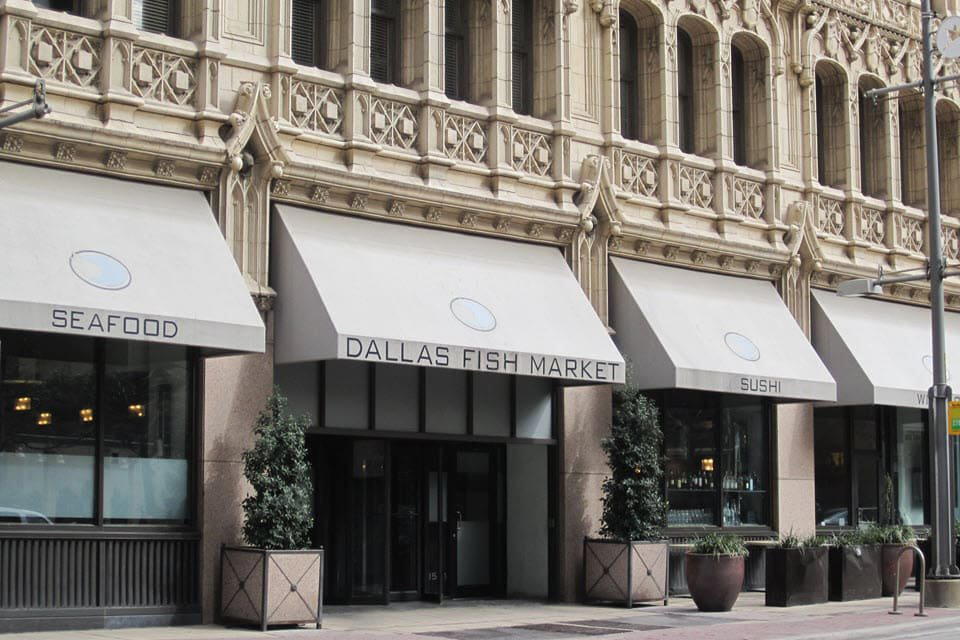
Downtown Dallas and the Seafood Question
Dallas has a well-documented identity as a red-meat city. The steakhouse lineage runs deep, reinforced by ranching history, deep-pocketed expense accounts, and a dining culture that treats a prime cut as a default celebration meal. Against that backdrop, a seafood-focused restaurant holding a Main Street address in the central business district is making a specific argument: that coastal supply and careful sourcing can anchor a menu with the same authority that beef commands across town.
The broader American seafood dining scene has bifurcated over the past decade. On one side sit the white-tablecloth fish houses trading on French technique, places like Le Bernardin in New York City or Providence in Los Angeles, where the kitchen's relationship with product is the editorial point. On the other side, a more accessible tier of market-style fish restaurants has grown in cities where seafood is not the default cultural anchor. Dallas Fish Market at 1501 Main St sits in that second tier, and its regulars understand the distinction clearly: this is a restaurant for consistent, supply-driven cooking in a city where that combination is not easy to find.
What Keeps the Regulars Coming Back
In seafood-focused restaurants that develop genuine local loyalty, the unwritten menu matters as much as the printed one. Regulars at fish-forward spots in inland cities tend to self-select: they are people who have eaten well on the coasts, who know the difference between a fish that arrived today and one that arrived three days ago, and who return precisely because the kitchen has demonstrated it can be trusted on that question.
The Main Street location places Dallas Fish Market at the intersection of the downtown business lunch circuit and the evening dining corridor that feeds off the nearby arts district. That geography creates a mixed clientele: weekday lunch regulars cycling through on expense accounts, weekend diners who plan around it specifically, and a hospitality-industry crowd that gravitates toward kitchens they respect. This mix is common to well-positioned urban fish restaurants that have established a reputation without relying on a single marquee moment or award cycle.
For comparison, Tatsu Dallas builds its regulars through a Japanese omakase format where the counter relationship between kitchen and guest is explicit. Dallas Fish Market operates differently: the loyalty here is built on repetition and reliability rather than ceremony, which is a harder thing to sustain and, when achieved, a stronger signal of kitchen discipline.
Dallas Seafood in Its Competitive Context
Within downtown Dallas's dinner tier, the restaurant's comparable set is not the steakhouses, even though those venues occupy the same price bracket and the same geographic corridor. The more useful comparison is with restaurants that have built identities around a specific ingredient category rather than a broad American or regional menu. Mamani does this through a focused Latin American lens. 3Eleven Kitchen and Cocktails anchors its identity to a particular cocktail-forward format. Category commitment, in each case, is what builds the core audience.
Nationally, the restaurants that have made seafood the organizing principle of serious American dining tend to operate at significant scale or prestige distance from their markets. Smyth in Chicago and Addison in San Diego each demonstrate how coastal or produce-driven sourcing can anchor high-commitment tasting menus. Single Thread Farm in Healdsburg and Blue Hill at Stone Barns in Tarrytown extend that logic to farm-sourced ingredients across the board. The restaurant is operating at a different register, but the underlying argument, that sourcing discipline is the product, is the same one those kitchens make.
Other Dallas options in the neighborhood offer a different angle on the downtown dinner circuit. 12 Cuts Brazilian Steakhouse confirms the city's appetite for meat-forward formats; 360 Brunch House captures a different daypart entirely.
The Gulf Coast Supply Advantage
One structural fact works in Dallas's favor for seafood dining that is easy to overlook from the outside: the city sits within driving distance of the Gulf Coast. That proximity, roughly four hours to Galveston and the broader Gulf supply chain, means a well-run kitchen can access day-boat catches and regional shellfish on timelines that a landlocked Midwestern city cannot match. The Gulf Coast produces redfish, snapper, flounder, shrimp, and oysters that rank among the more characterful in the country, and a restaurant with functioning relationships in that supply chain is working with genuinely interesting raw material.
This is the supply context in which diners make their decisions. They are not comparing the restaurant to Emeril's in New Orleans or The Inn at Little Washington. They are comparing it to the practical alternatives available to a Dallas diner who wants fish prepared with attention on a Tuesday night, and on that basis the calculus is different.
Japanese-influenced seafood dining, which has shaped premium fish restaurants across American cities through venues like Atomix in New York City and Atelier Moessmer Norbert Niederkofler in Brunico, represents one end of the global fish-dining spectrum. The restaurant operates at the other end: accessible, American in orientation, and anchored to the regional supply that its geography makes available. Neither is wrong; they are different arguments about what fish dining should accomplish.
At a Glance
Comparable venues nearby, for context on price, style, and recognition.
| Venue | Cuisine | Price | Notes |
|---|---|---|---|
| Dallas Fish MarketThis venue — the venue you are viewing | Downtown, Modern Seafood Fusion | $$$ | Not listed |
| Puerto Cocina | Not listed | $$$ | Dallas Market Center, Modern Baja California Seafood |
| Catch | Uptown, Seafood, Sushi & Steak | $$$$ | Not listed |
| Mar Y Sol | Not listed | $$$ | Knox-Henderson, Modern Peruvian-Latin Cocina |
| Tillman's Bishop Arts | Not listed | $$$ | Bishop Arts District, Upscale Southern American |
| Toulouse | Knox-Henderson, French-Belgian Bistro | $$$ | Not listed |
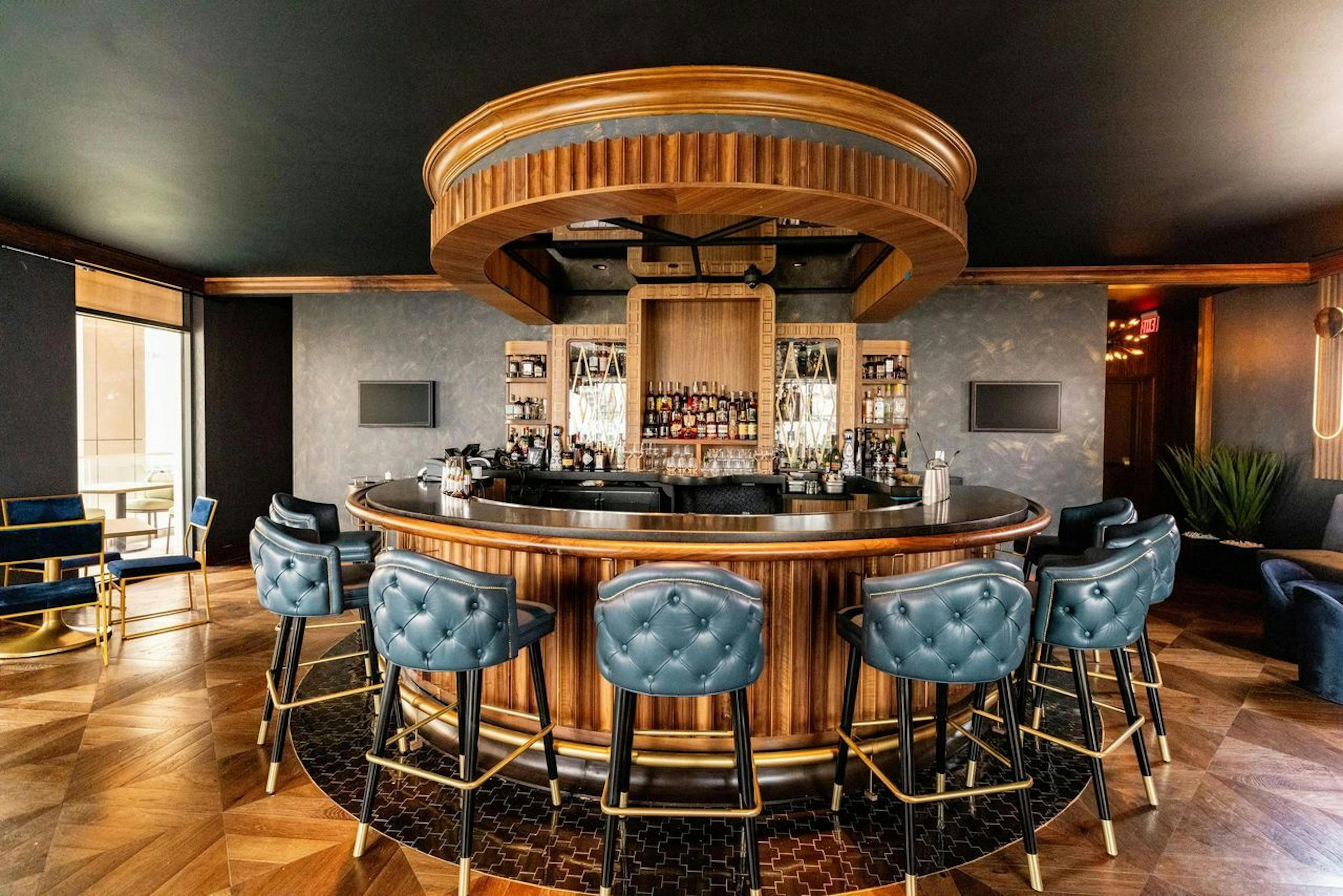
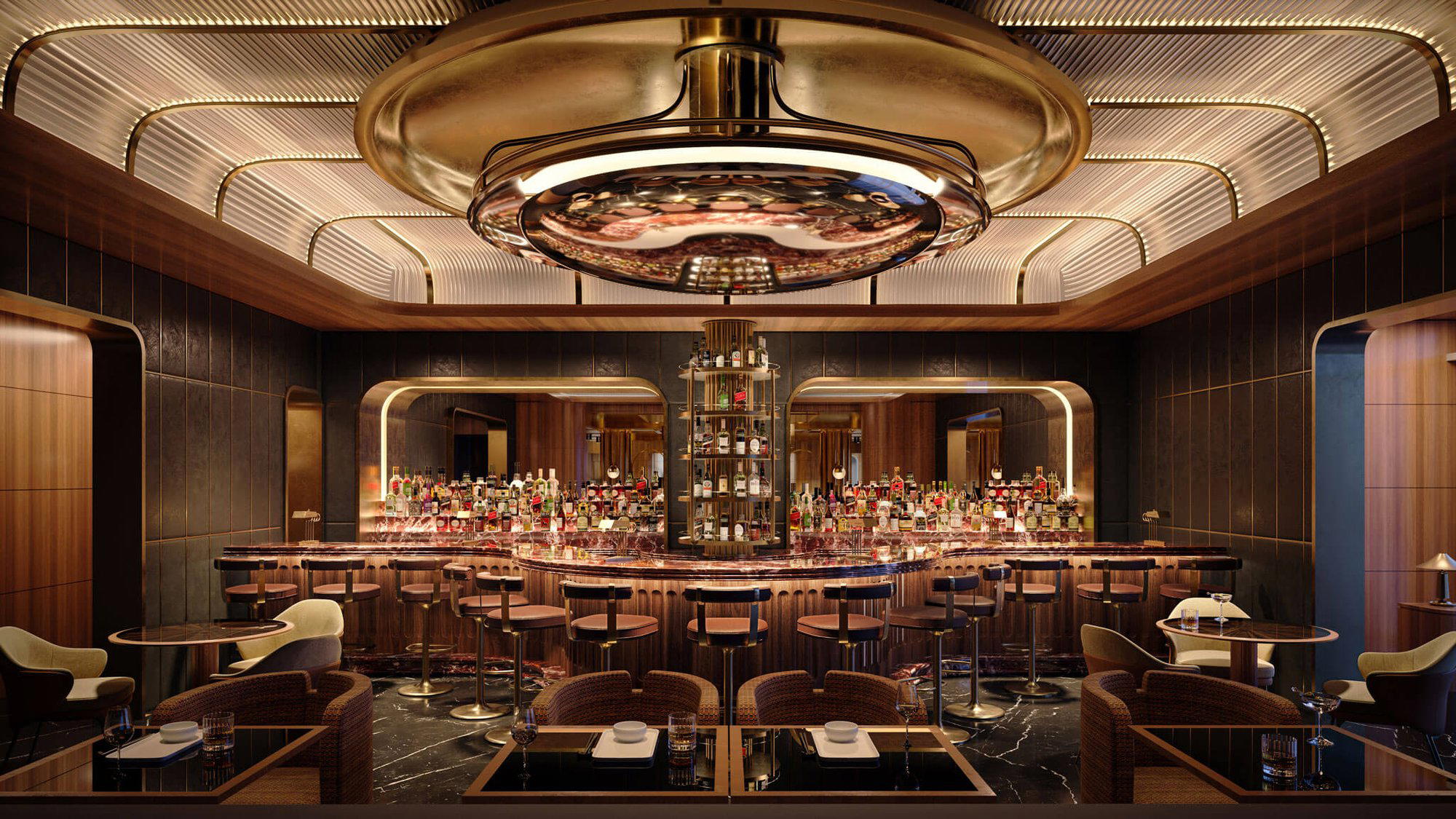
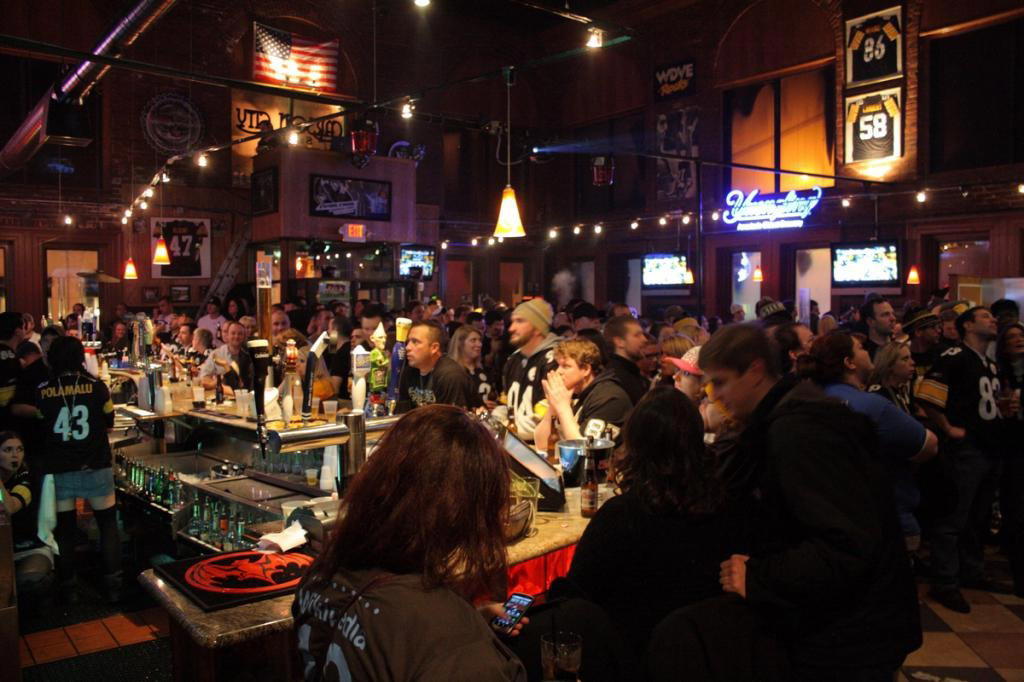

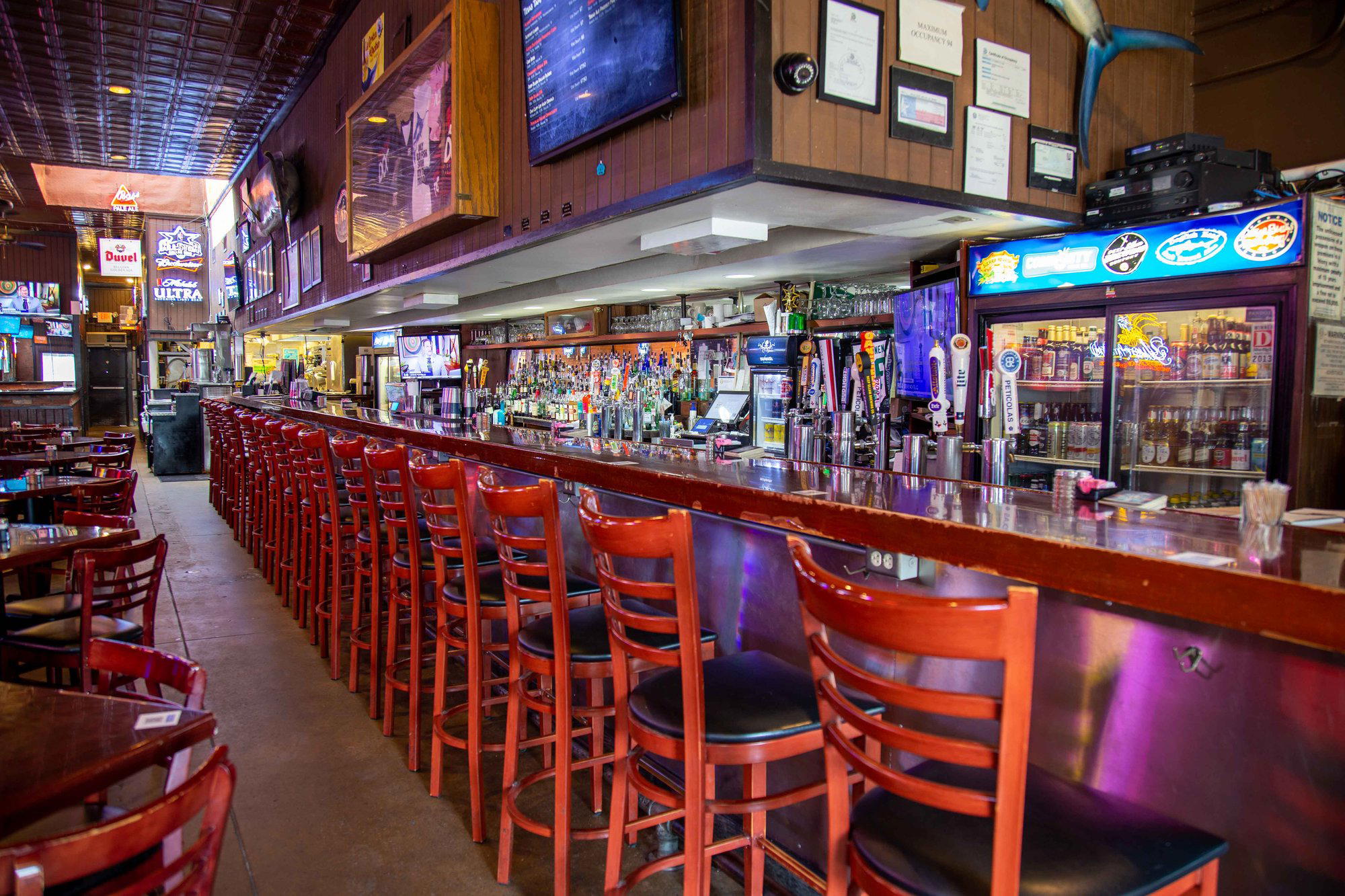




At a Glance
- Modern
- Sophisticated
- Date Night
- Business Dinner
- Special Occasion
- Open Kitchen
- Craft Cocktails
- Sustainable Seafood
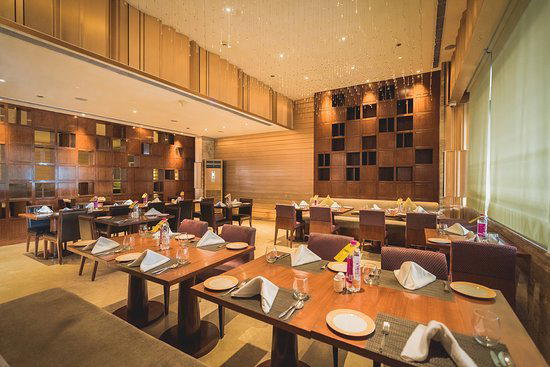
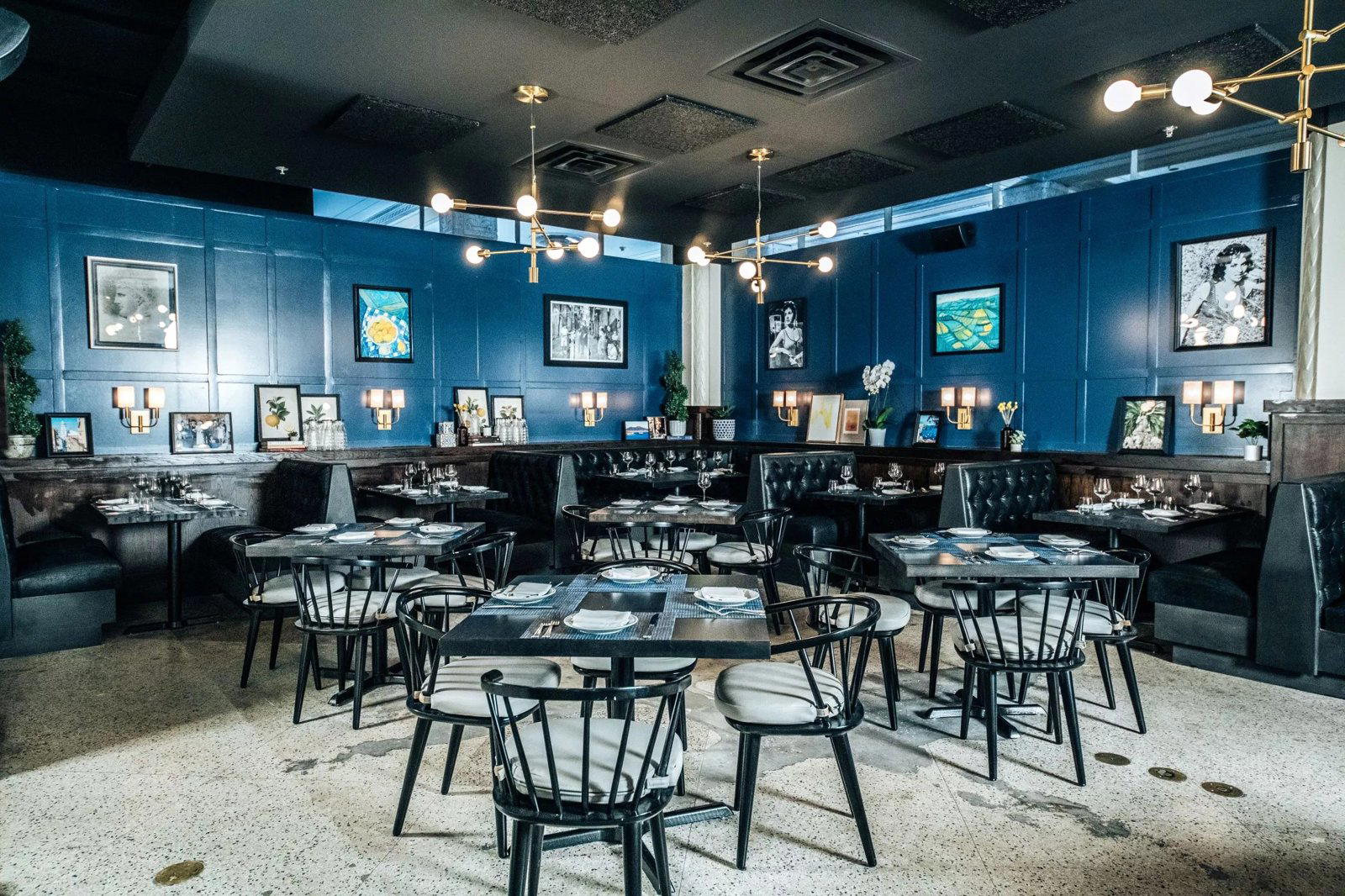
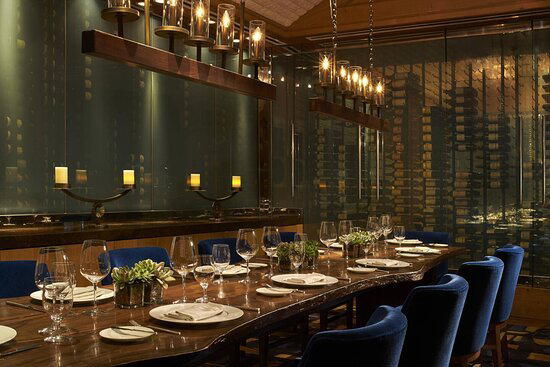
Contemporary setting with innovative presentations of fresh seafood and fusion elements.