Toulouse
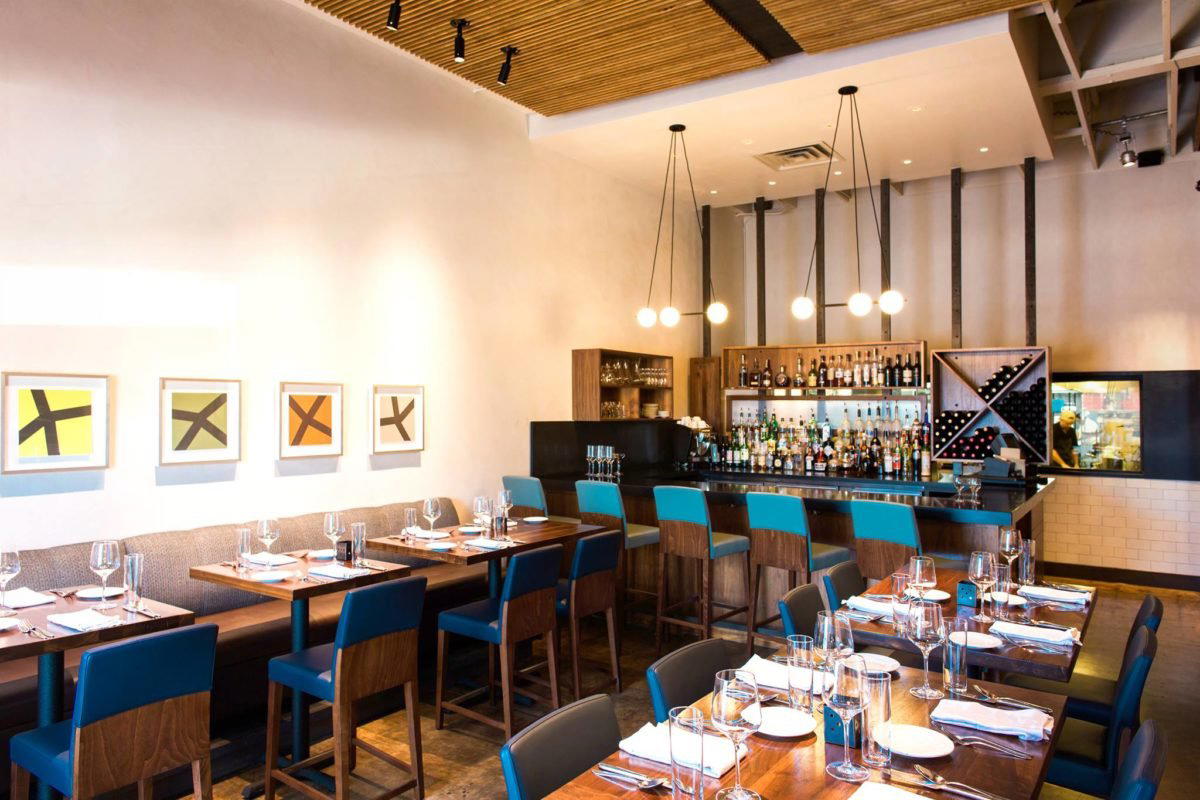
Toulouse: French-Belgian Bistro in Dallas with smart casual, open-kitchen dining, craft cocktails, and a pace that suits brunch, dinner, or late night.
Pearl is the En Primeur Club membership app — saves, bookings, and concierge access live there. Same editors, same standards.
- Address
- 3314 Knox St, Dallas, TX 75205
- Phone
- +12145208999
- Website
- toulousecafeandbar.com
- Directions
- Get directions
 Saves & bookings on Pearl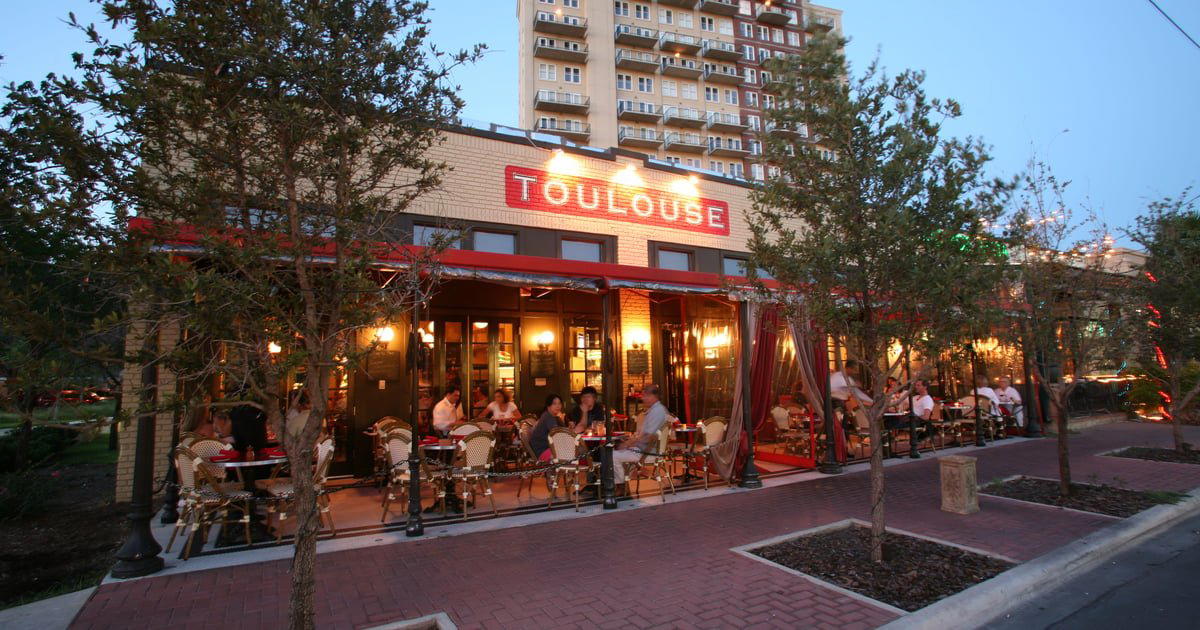
Knox Street and the French Dining Ritual in Dallas
Knox Street sits in one of Dallas's more composed residential-commercial corridors, where the pace drops relative to Uptown's denser blocks and the storefronts run toward independent operators rather than chains. It is the kind of address where a French-leaning dining room can sustain a particular kind of evening: unhurried, sequenced, attentive to the gap between courses. Toulouse occupies that address at 3314 Knox St, and the surrounding neighborhood does some of the atmospheric work before a guest even walks through the door.
French provincial dining in American cities has evolved through several phases. The white-tablecloth formalism of the 1980s gave way to bistro casualness in the 1990s, and the 2010s brought a renewed interest in the technical foundations of classical French cooking without the ceremony that once accompanied it. Dallas has tracked that arc with some lag, but Knox Street has proven a receptive neighborhood for the more settled, ritual-conscious end of that spectrum. A meal structured around recognizable French pacing, with proper attention to the transition from first courses through mains and into a cheese or dessert stage, asks something of its guests that faster formats do not: a willingness to let the kitchen set the tempo.
The Dining Ritual: Pacing, Sequence, and What It Asks of You
The French dining ritual is not simply a succession of dishes. It is a set of conventions about time, attention, and the relationship between a table and a kitchen. Bread arrives early and matters. Amuse-bouche, where offered, signal what the kitchen values. The division between cold and warm first courses, the handling of proteins, the cheese course as a deliberate pause before sweetness: each element is part of a grammar that French culinary tradition developed over centuries and that still structures how rooms like Toulouse organize an evening.
For a diner familiar with that grammar, the pleasure is partly in watching how a kitchen interprets the conventions. For a diner newer to the format, the risk is feeling rushed through something that rewards slower engagement. Dallas's French dining rooms, Toulouse among them, sit in a city where steakhouse-pace dining has historically been the dominant register. The contrast between a high-velocity chophouse service and a properly sequenced French meal is not trivial, and it shapes what a table needs to bring in terms of time and attention. A dinner at a room like this is not a two-hour commitment; budget closer to three if the kitchen is working through a full progression.
Across the United States, the restaurants that have most successfully sustained classical French ritual without tipping into stiffness tend to share a few characteristics: a room that reads as warm rather than austere, a service team comfortable with explanation rather than recitation, and a wine program that can move fluidly between Old World references and domestic producers. Places like The French Laundry in Napa and Le Bernardin in New York City represent the upper register of that format, where the ritual is inseparable from the technical ambition. Closer to mid-tier, rooms succeed by making the ritual feel accessible without stripping out its meaning.
Where Toulouse Sits in the Dallas Dining Conversation
Dallas's higher-end dining scene has consolidated around a handful of distinct traditions. Southwestern American, leading represented by Fearing's at the Ritz-Carlton, commands the $$$$ tier with regional ingredient sourcing and bold flavor profiles. The Italian bracket, led by operations like Mamani and Lucia, holds the $$$ range with handmade pasta programs and regional Italian wine lists. Japanese dining has grown considerably, with Tatsu Dallas occupying the $$$$ Japanese tier. French, by contrast, does not have a single dominant reference point in the city the way it might in New York or Chicago, which means rooms like Toulouse operate without an obvious ceiling or floor set by a more prominent peer.
That relative openness cuts both ways. There is room to define what French dining means in this specific Dallas context, without being measured constantly against a nearby three-star competitor. But it also means the dining ritual needs to carry its own authority. In cities where Alinea in Chicago or Atomix in New York City set the technical bar, French-leaning rooms are often measured against those adjacent reference points. In Dallas, the competitive framing is somewhat different, and a room that executes classical French service with consistency occupies meaningful territory.
For comparison with what the format can achieve at larger scale elsewhere in the country, Single Thread Farm in Healdsburg, Blue Hill at Stone Barns in Tarrytown, and Providence in Los Angeles each demonstrate how a disciplined service philosophy and sequenced tasting format can sustain a dining room over time. Internationally, 8 1/2 Otto e Mezzo Bombana in Hong Kong shows how European classical tradition translates into non-European markets. Toulouse operates at a different scale than any of those, but the underlying ritual logic is recognizable across all of them.
Other Dallas rooms worth considering in the same evening-out conversation include 3Eleven Kitchen and Cocktails and 360 Brunch House for different formats and price points, and 12 Cuts Brazilian Steakhouse if the evening calls for a more communal, tableside-service model. For a broader map of the city's dining options, the full Dallas restaurants guide covers the range from barbecue to formal dining.
French dining's American peers in the chef-driven bistro register include Emeril's in New Orleans, Lazy Bear in San Francisco, Addison in San Diego, and The Inn at Little Washington in Washington, each of which has found a way to translate European dining formality into an American context with varying degrees of strictness. What they share is an insistence that the meal has a shape, and that shape matters.
Planning Your Evening
| Venue | Cuisine | Price Tier | Format |
|---|---|---|---|
| Toulouse | French | Not confirmed | French bistro/dining room |
| Fearing's | Southwestern, American | $$$$ | Full-service, hotel-based |
| Lucia | Italian | $$$ | Intimate, neighborhood |
| Tei-An | Izakaya, Japanese | $$$$ | Counter and table service |
Address: 3314 Knox St, Dallas, TX 75205.
How Toulouse Dallas compares with similar nearby venues.
| Venue | Cuisine | Price |
|---|---|---|
| Knox Bistro | French | $$$ |
| Mister Charles | Contemporary | $$$$ |

At a Glance
- Elegant
- Sophisticated
- Cozy
- Date Night
- Brunch
- Open Kitchen
- Craft Cocktails
Current opening hours
- Monday
- 11 AM–10 PM
- Tuesday
- 11 AM–10 PM
- Wednesday
- 11 AM–10 PM
- Thursday
- 11 AM–10 PM
- Friday
- 11 AM–11 PM
- Saturday
- 9 AM–11 PM
- Sunday
- 9 AM–10 PM
Hours can change for holidays and private events. Last verified .
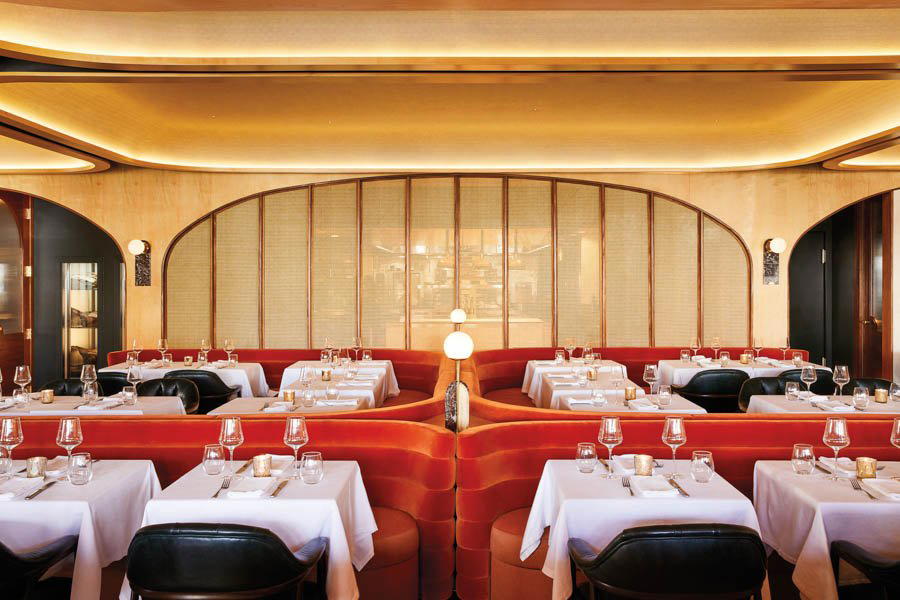
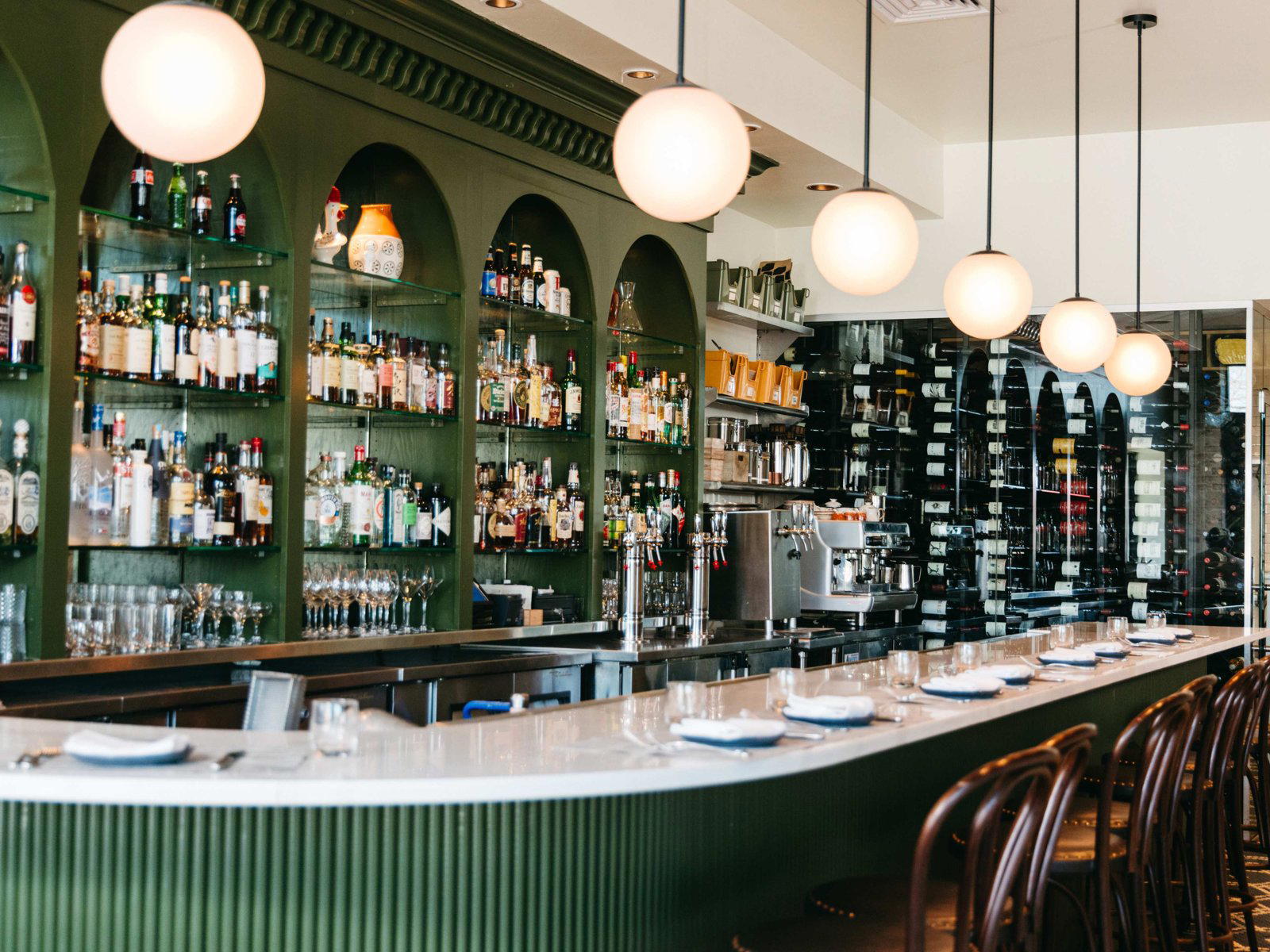
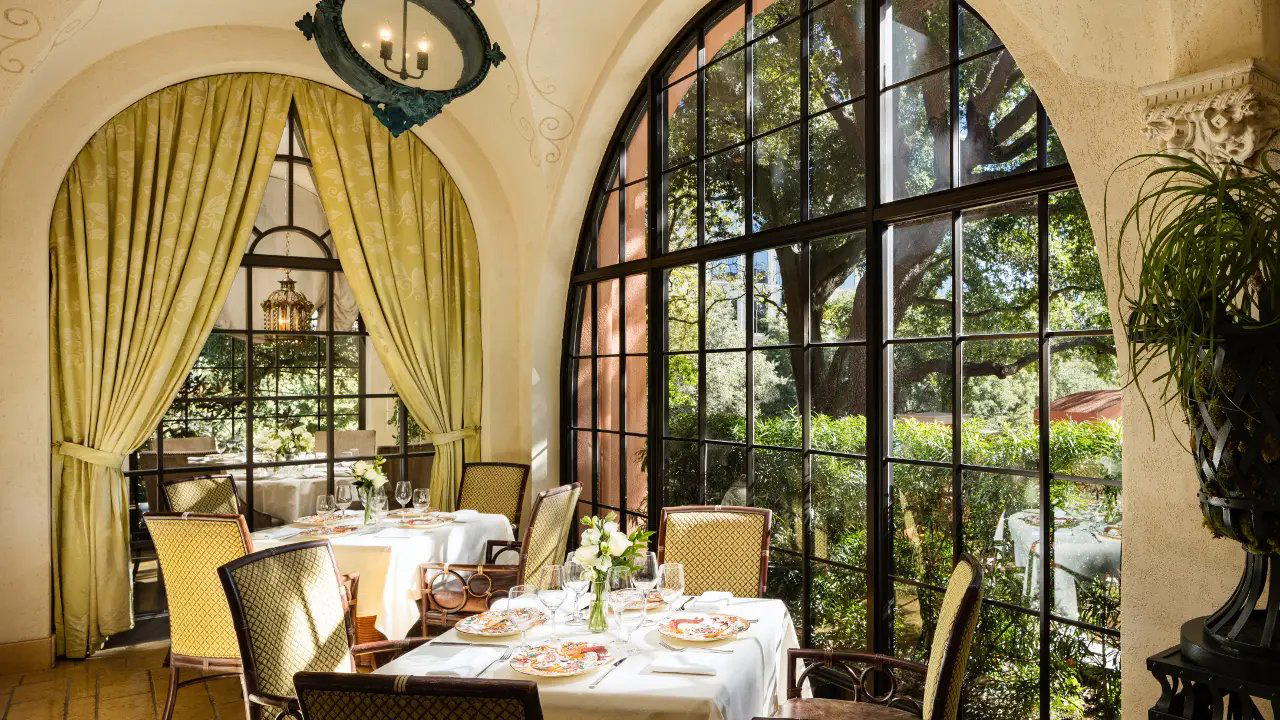
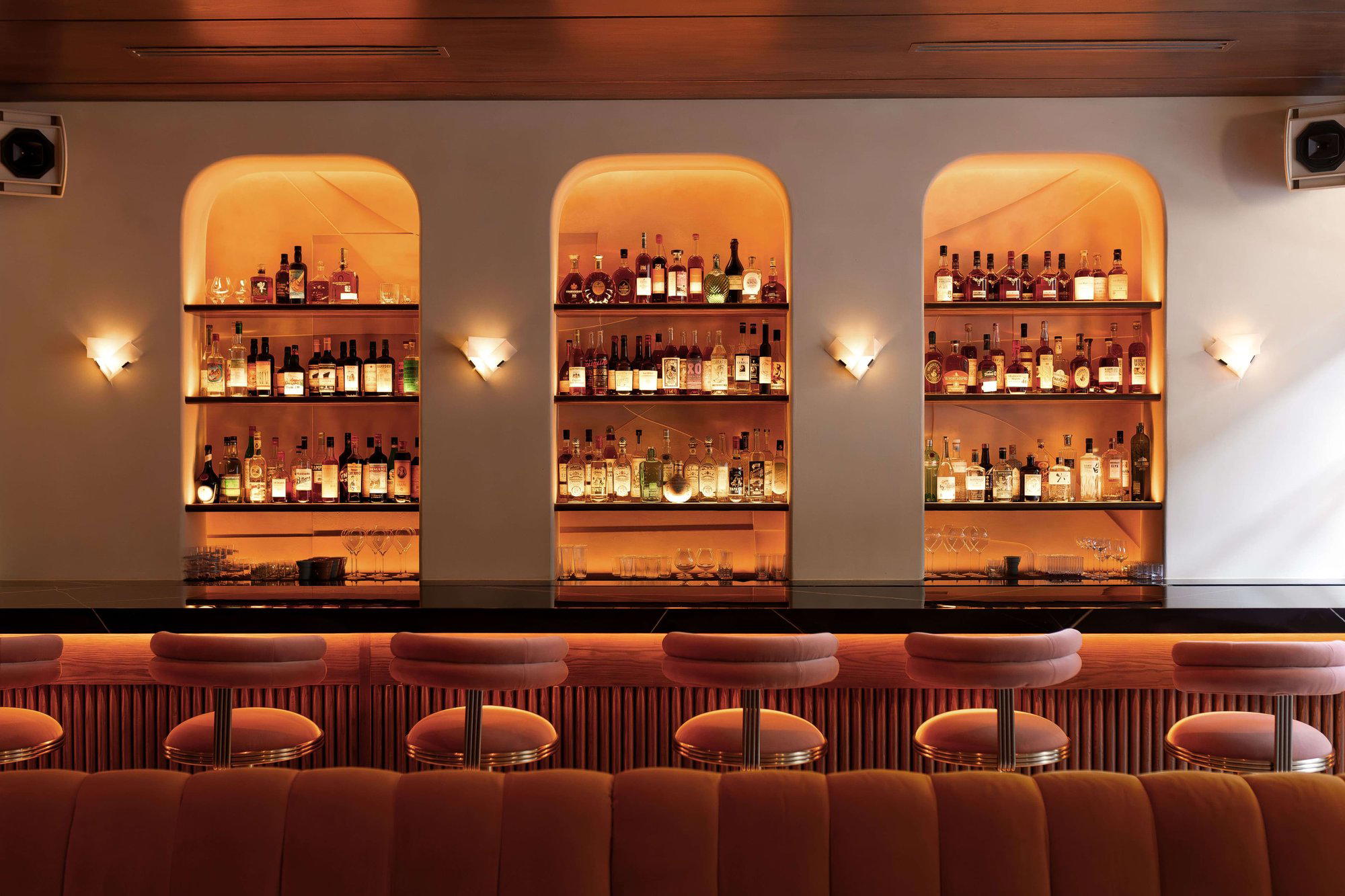
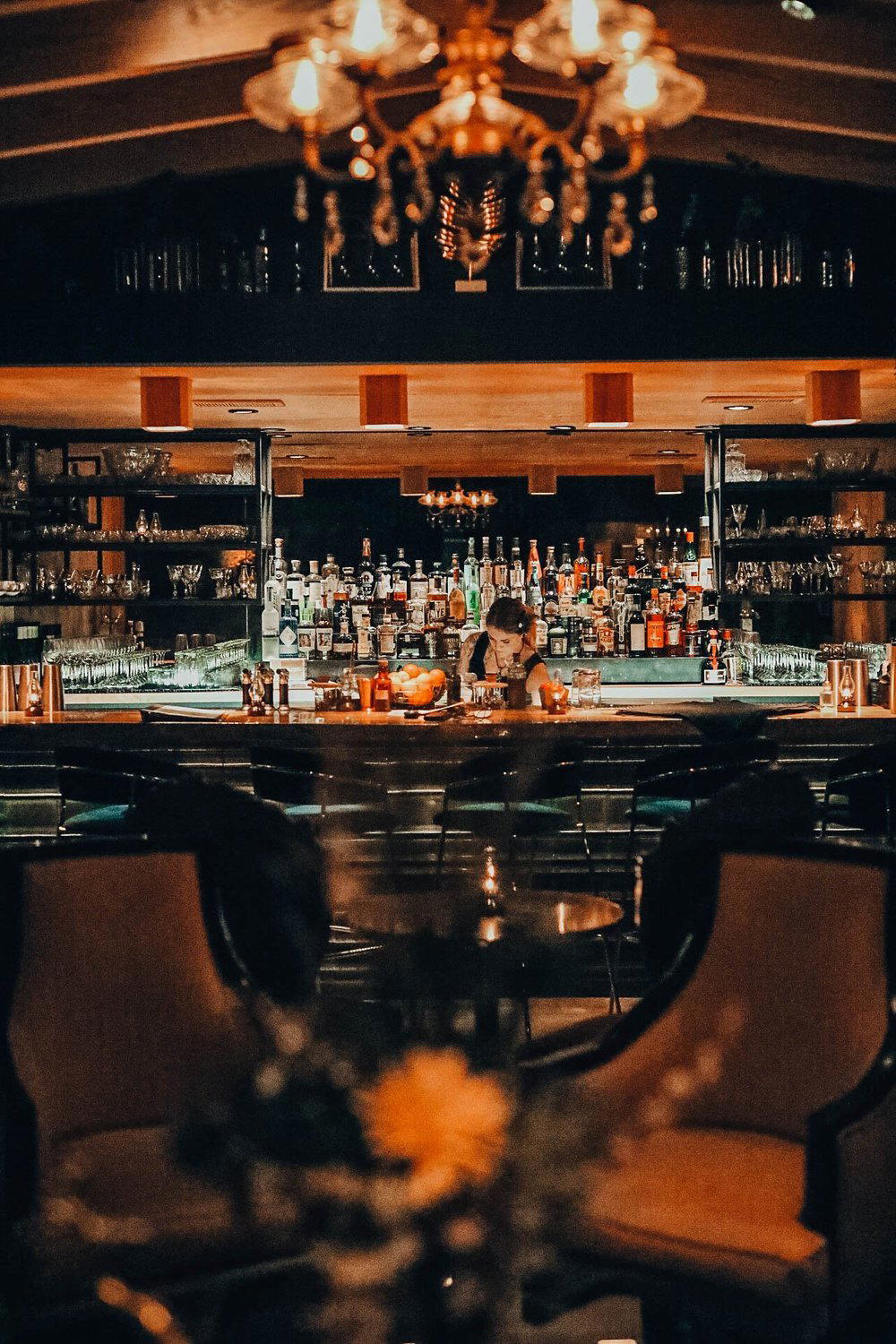
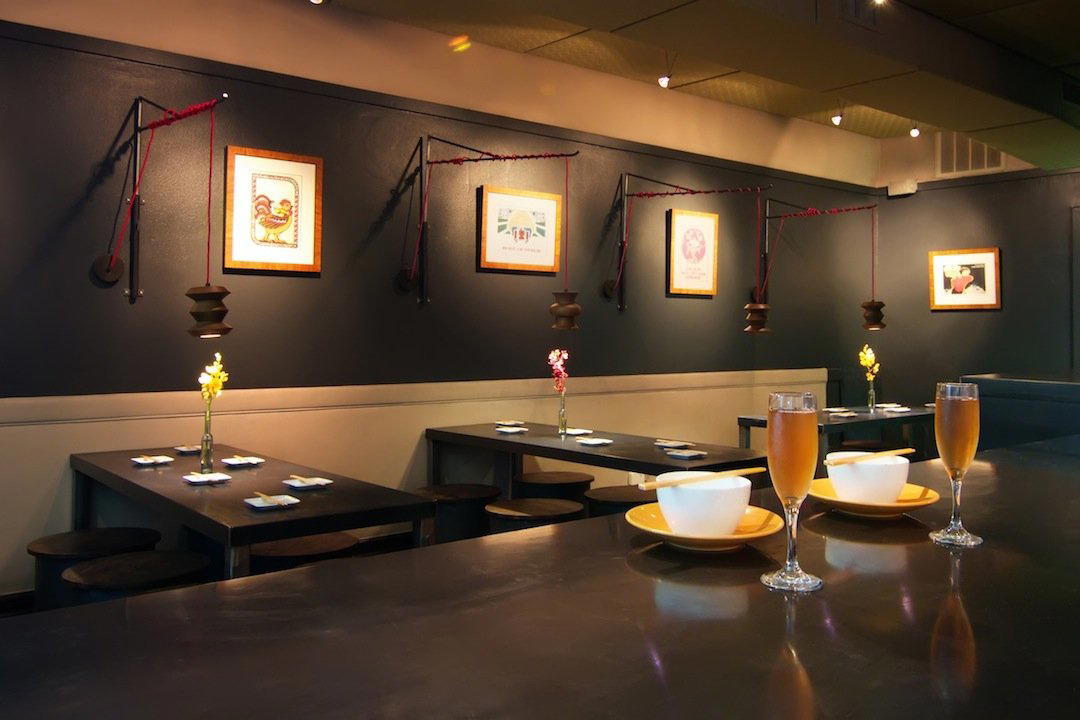
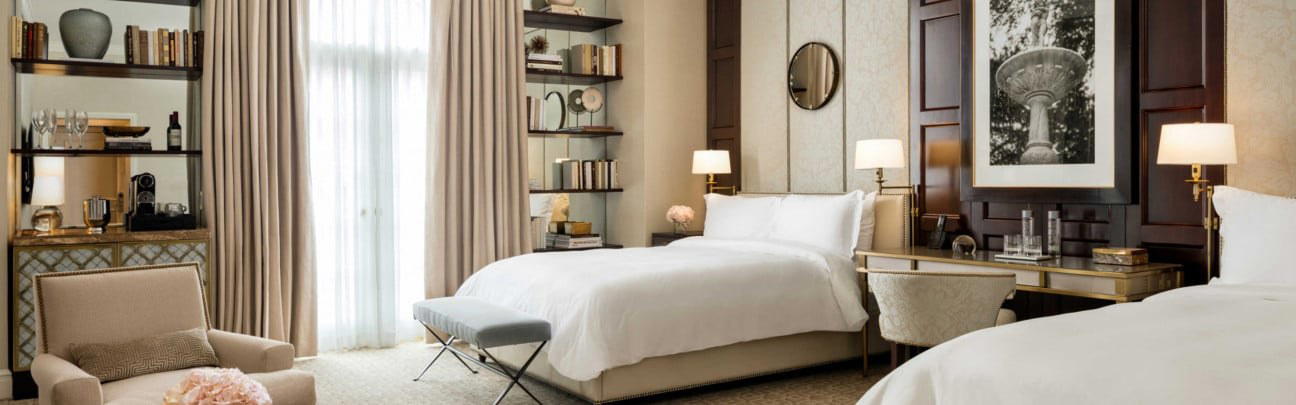
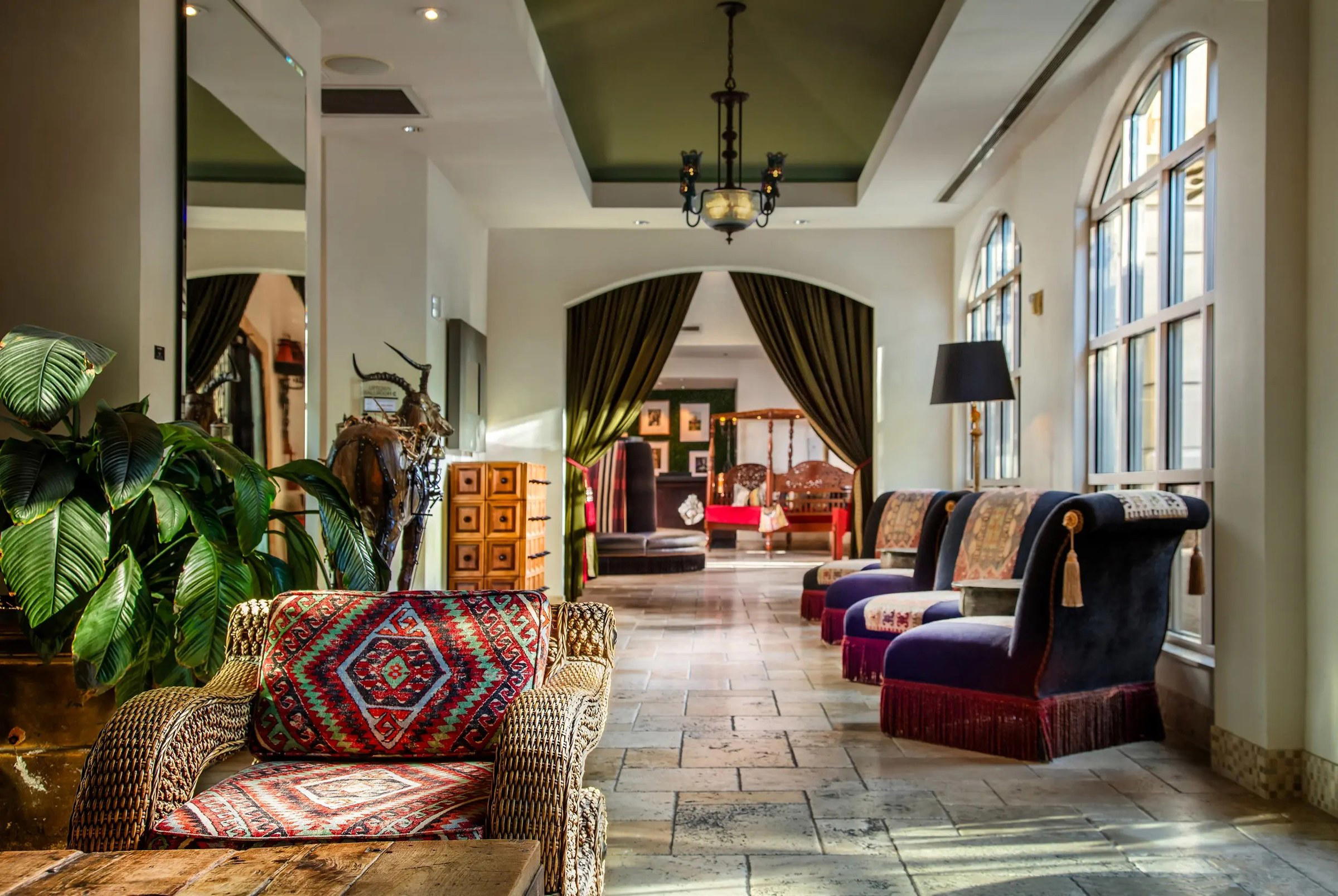
Cozy and elegant atmosphere on Knox Street with contemporary flair.
Know Before You Go
- Getting there
- 3314 Knox St, Dallas, TX 75205