Tillman's Bishop Arts
Our verdict
Tillman's Bishop Arts sits inside Dallas's most characterful dining corridor, where Oak Cliff's independent restaurant scene has built a genuine alternative to Uptown's polished formulas. The room draws a neighbourhood crowd that treats the space as a local institution rather than a destination event. For visitors arriving from outside Dallas, it offers a more grounded read on how the city actually eats.

Pearl is the En Primeur Club membership app — saves, bookings, and concierge access live there. Same editors, same standards.
- Address
- Dallas, United States
- Directions
- Get directions
The menu
What to order
- Fried Chicken and Texas-Shaped Waffle
Bishop Arts and the Neighbourhood That Built It
Oak Cliff's Bishop Arts District arrived at its current status through a decade of slow, deliberate accumulation rather than a developer's master plan. The roughly ten-block walkable core along Bishop Avenue and Davis Street filled in with independent operators, and the result is one of the few parts of Dallas where the dining character feels genuinely rooted in the surrounding residential community rather than imported wholesale from a national hospitality playbook. Tillman's Bishop Arts sits inside that fabric, drawing from a neighbourhood that has a clear opinion about what it wants from a restaurant: atmosphere over spectacle, consistency over novelty, and a room that functions as well on a Tuesday as on a Saturday.
That context matters for understanding what kind of experience Tillman's represents. In a city where the dominant dining narrative runs through Uptown's expense-account steakhouses and Knox-Henderson's trend-chasing openings, the Bishop Arts corridor operates on a different frequency. The comparison venues positioned at the higher end of the Dallas market — Tei-An's $$$$ izakaya counter, Fearing's Southwestern tasting programs at the Ritz-Carlton, or Tatsu Dallas's Japanese omakase — serve a visitor-facing clientele with corresponding price architecture. Bishop Arts skews local, and Tillman's has earned its position within that more neighbourhood-oriented tier.
The Room and What It Communicates
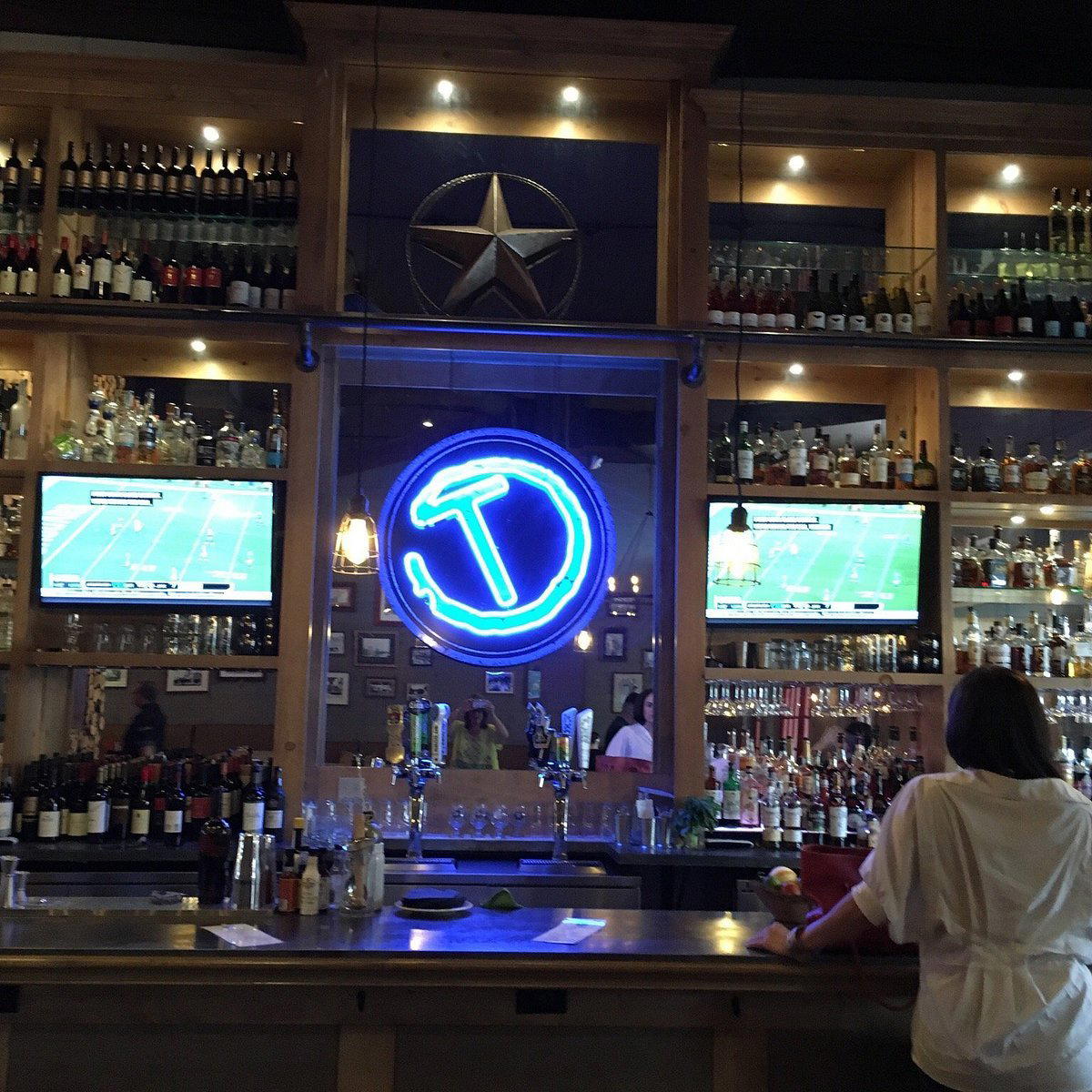
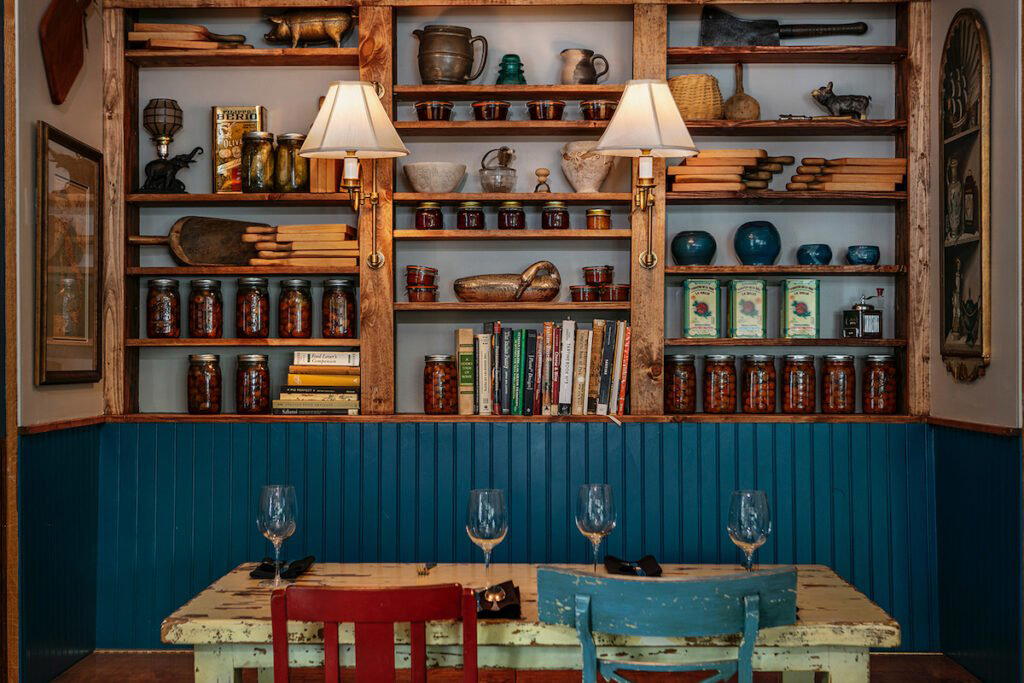
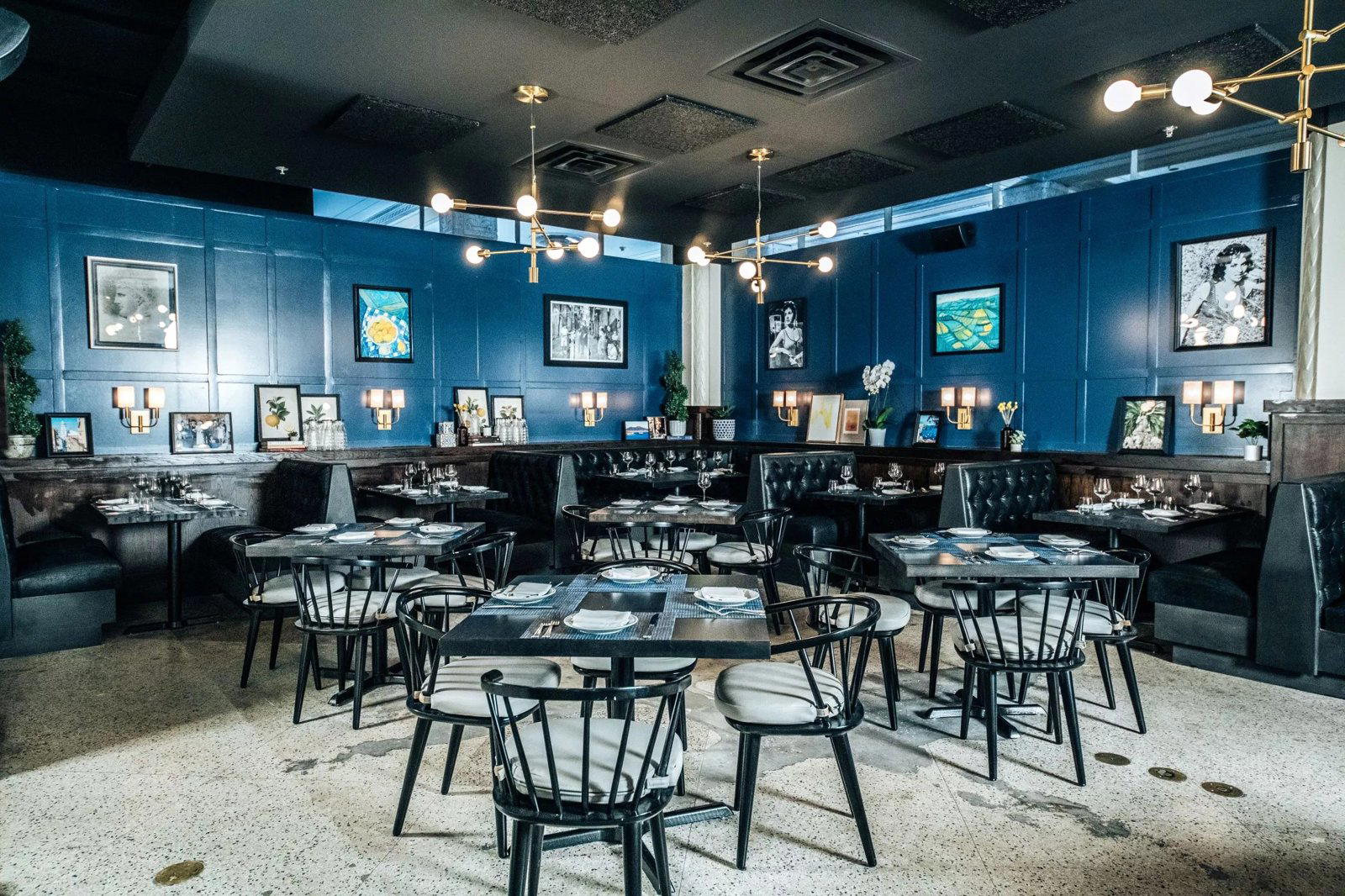
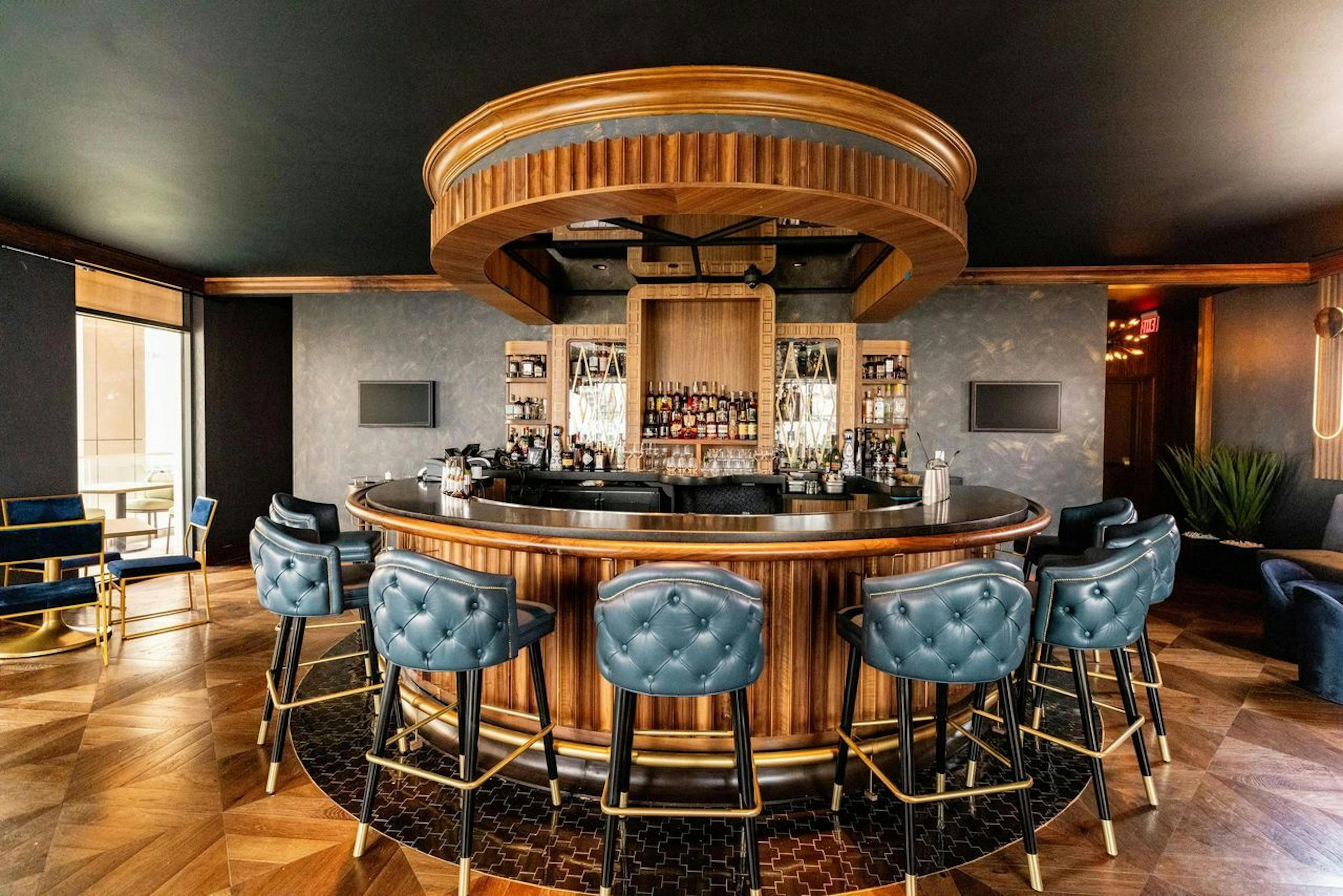
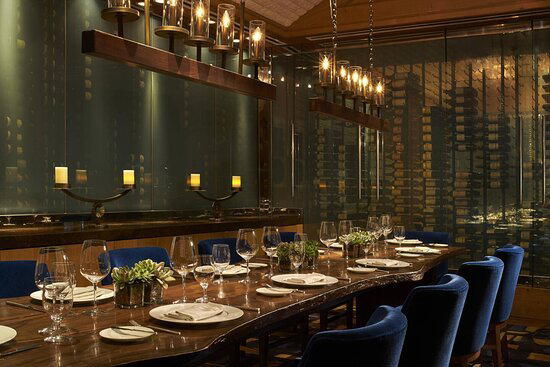
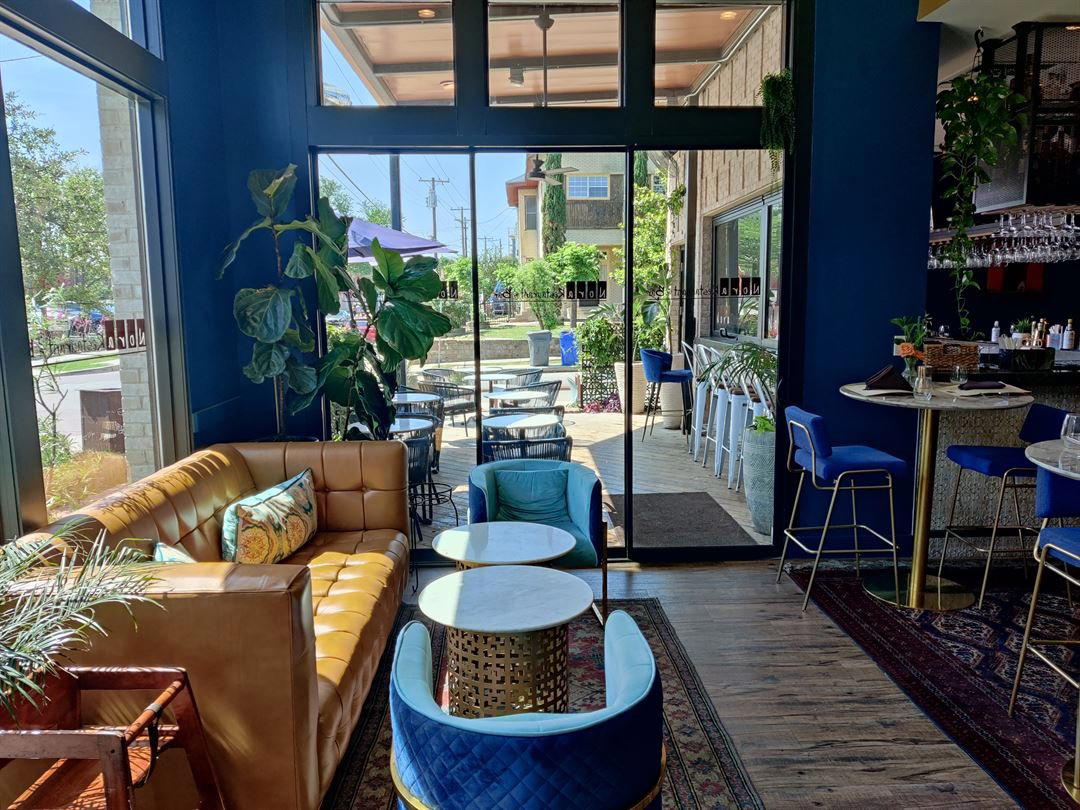
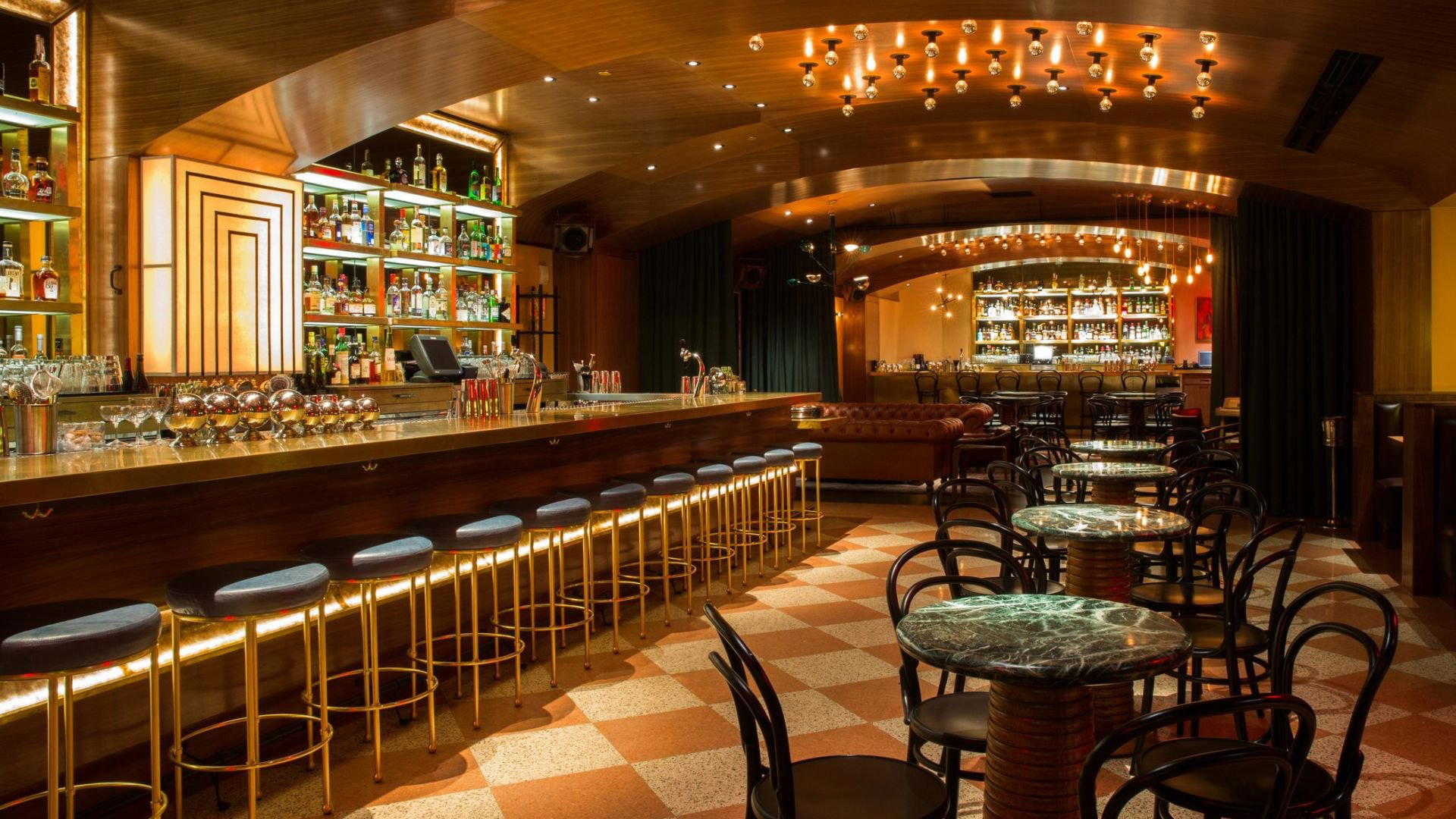
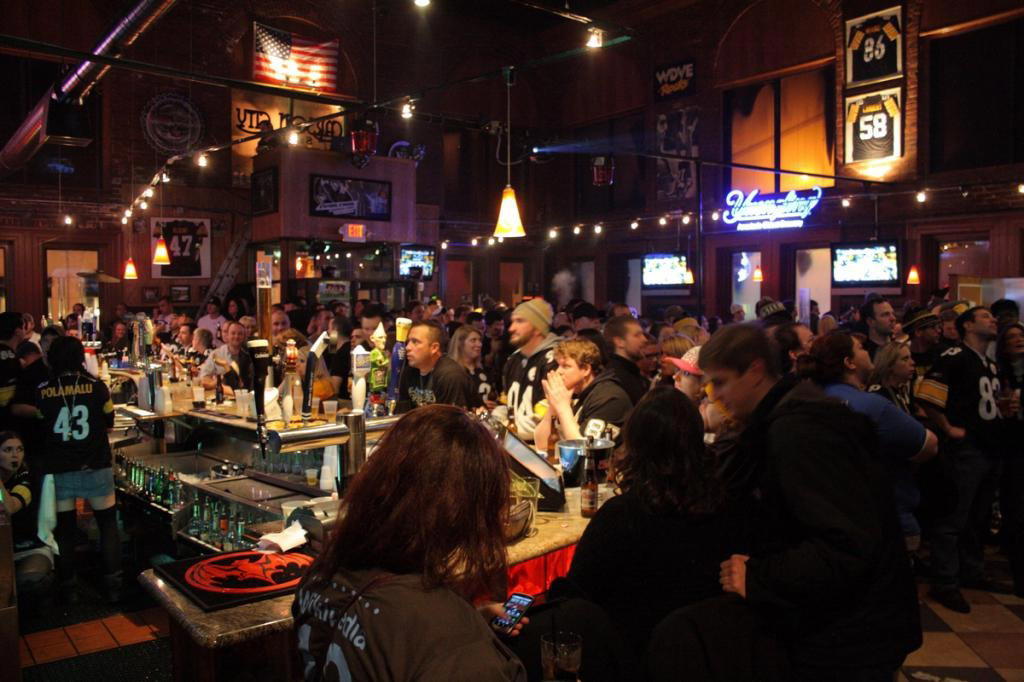
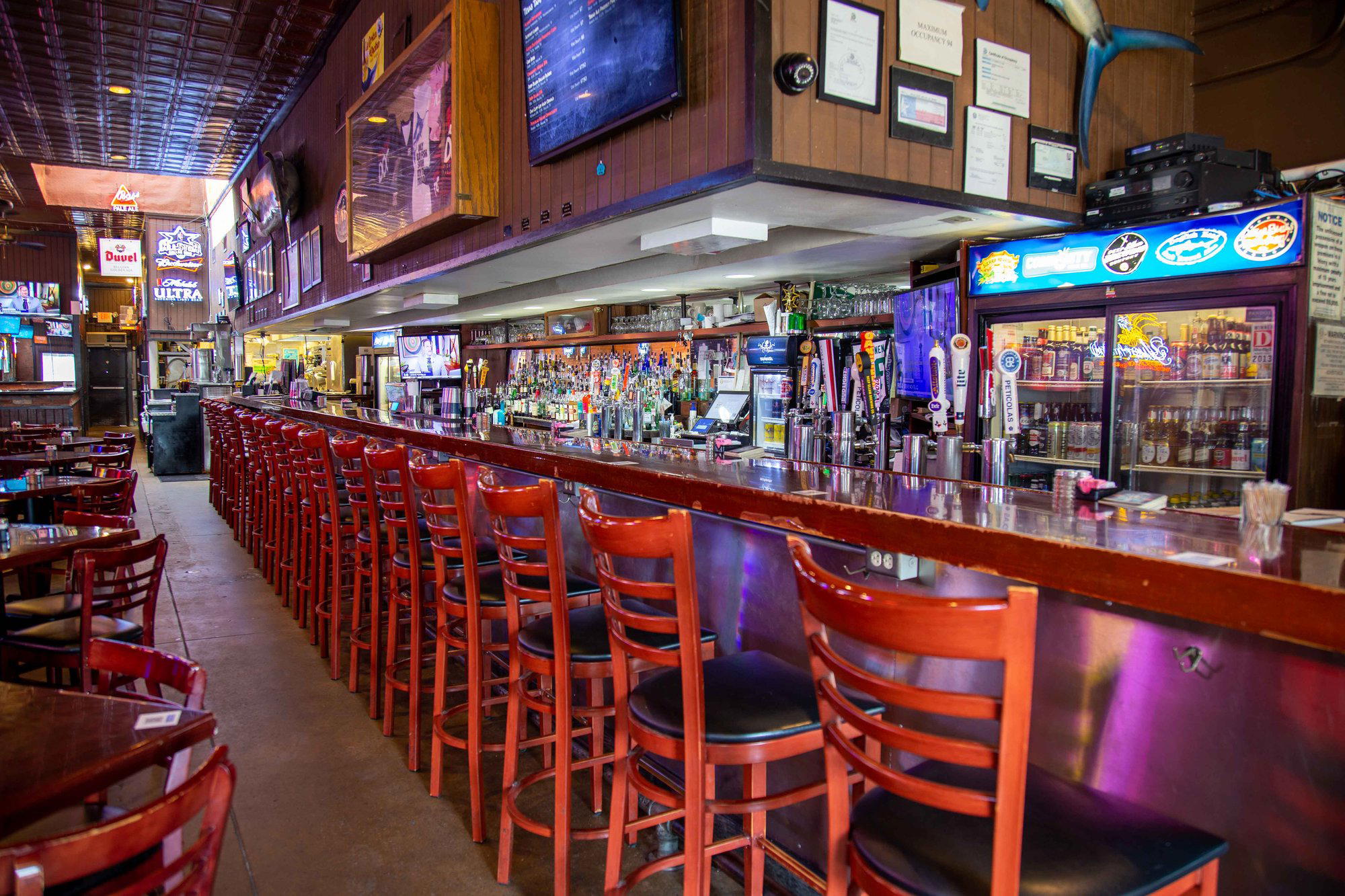
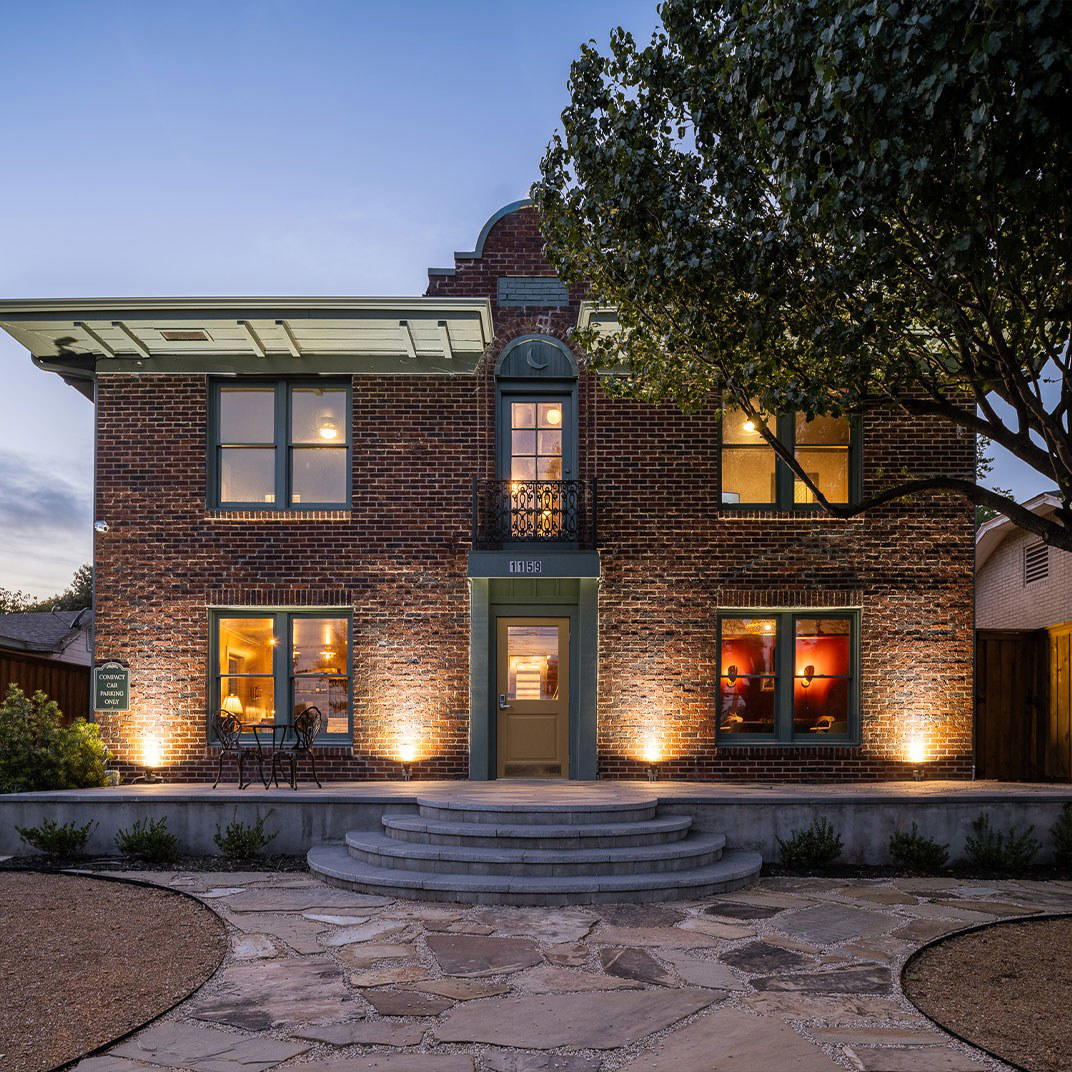
Approaching the Bishop Arts strip on foot communicates something the Uber drop-off at a downtown high-rise cannot: scale. The buildings are low, the sidewalks are shaded by old trees, and the storefronts retain the proportions of their previous commercial lives. Tillman's fits this physical logic. The interior reads as a considered interpretation of American tavern sensibility, dim enough to feel like evening even before dark, with the kind of acoustic texture that keeps conversations at the table rather than broadcasting them across the room.
This is a format that American cities have historically done well when they resist the temptation to over-design: the bar as centrepiece, the dining room as an extension of it, and a menu that treats comfort food as a discipline rather than a fallback. The Bishop Arts address reinforces all of that, because the neighbourhood has effectively pre-selected its audience. People arrive by choice, not because they happen to be staying nearby.
Where Tillman's Sits in the Dallas Dining Conversation
Dallas dining in 2024 is usefully divided between a handful of distinct tiers and neighbourhood identities. At the reference level, the city's nationally recognised operators, including concepts tracked alongside Mamani and 3Eleven Kitchen and Cocktails, occupy a segment defined by formal ambition and destination-dining pricing. Below that, and often more interesting to locals, is a mid-tier of neighbourhood anchors where repeat business and community integration define the model. Tillman's operates in this second category.
For visitors who have spent time at Le Bernardin in New York City, Smyth in Chicago, or Providence in Los Angeles, the Tillman's proposition is a different kind of value calculation. It is not competing with The French Laundry in Napa or Atomix in New York City on technical ambition. It is competing on place-making, consistency, and the specific pleasure of eating somewhere that has a genuine local constituency. That is its own form of credibility, and Bishop Arts gives Tillman's a stronger claim to it than the same concept would have in a more anonymous location.
The barbecue tradition at nearby Pecan Lodge represents one pole of Dallas's democratic food culture; the $$$$ omakase and Southwestern tasting-menu tier represents another. Tillman's occupies the approachable middle without apologising for it, which is where most cities' dining cultures actually live when you strip away the press-release version.
The Bishop Arts Effect on the Experience
Neighbourhood dining districts work because the physical act of walking to a restaurant changes the psychology of the meal. Bishop Arts delivers this reliably. Arriving on foot from a parked car a few blocks away, passing coffee shops, independent bookstores, and other restaurants doing their own versions of the same community-anchored model, creates a different headspace than a valet queue outside a tower hotel. Tillman's benefits from that ambient warmth before anyone sits down.
The district's independent character also sets a standard of expectation. Diners who choose Bishop Arts over Uptown are already signalling that they want something less polished and more inhabited. 360 Brunch House and 12 Cuts Brazilian Steakhouse represent the range of formats the corridor now supports, from casual daytime eating to evening protein-forward formats. Tillman's reads as a natural anchor in that mix: broad enough in its appeal to work for groups with different appetites, specific enough in its atmosphere to feel like a real place rather than a formula.
For context on what genuinely place-specific American dining can look like at higher price points, the comparison extends to operators like Lazy Bear in San Francisco, Blue Hill at Stone Barns in Tarrytown, Single Thread Farm in Healdsburg, Addison in San Diego, Emeril's in New Orleans, The Inn at Little Washington, and Atelier Moessmer Norbert Niederkofler in Brunico, all of which demonstrate how location identity can become a restaurant's primary credential. Tillman's works from the same principle at a different price point and scale.
See our full Dallas restaurants guide for broader coverage of how the city's dining districts compare.
Know Before You Go
- Location: Bishop Arts District, Oak Cliff, Dallas, Texas
- Getting There: Street parking is available in the surrounding residential blocks; the district is walkable once you arrive. Rideshare drop-off works well given the compact street grid.
- Booking: Reservation policies were not confirmed at time of publication.
- Timing: Weekday evenings offer a more neighbourhood-paced experience; weekends attract a broader audience drawn by the district's concentration of independent operators.
- Price Context: Sits in the mid-tier of the Dallas market, positioned below the $$$$-rated destination operators but above fast-casual. Suitable for a full dinner without the ceremony of a tasting-menu format.
- Dress Code: No confirmed dress code. The neighbourhood aesthetic favours casual-smart over formal.
Frequently asked questions
How would you describe the vibe at Tillman's Bishop Arts?
Tillman's fits the rhythm of Bishop Arts itself: low-scale buildings, walkable streets, and a room that doesn't compete with the neighbourhood so much as extend it. The energy reads as relaxed without being inattentive. Expect the kind of place where the table next to you is on a first date and the one across is on their third visit that month.
How does Tillman's Bishop Arts compare to other Oak Cliff restaurants for a date night in Dallas?
Tillman's sits inside one of Dallas's most walkable dining corridors, which changes the arithmetic on a date night compared to a high-rise downtown booking. Bishop Arts rewards arriving early, exploring the strip on foot, and treating dinner as one chapter rather than the whole evening. For Dallas diners who already know Uptown or the Design District, Oak Cliff offers a noticeably different pace and scale.
What do people recommend at Tillman's Bishop Arts?
Cross-referencing visitor patterns in the Bishop Arts District, crowd favourites at comparable spots tend to be shareable plates and drinks designed to extend the evening. Confirm the current menu directly with the venue.
Is Tillman's Bishop Arts reservation-only?
Given Bishop Arts District foot traffic, particularly on weekends, contacting the venue ahead of time is the practical move. Walk-ins can be viable on weekday evenings when the strip is quieter.
What's the signature at Tillman's Bishop Arts?
What is clear from the venue's Oak Cliff context is that Tillman's operates as a neighbourhood anchor rather than a destination concept built around one headline item. The through-line is consistent hospitality in a district that rewards return visits.
Can Tillman's Bishop Arts accommodate dietary restrictions?
The standard practice for any Bishop Arts restaurant is to call ahead if you have specific requirements rather than relying on online menus, which often lag behind kitchen changes. Tillman's Dallas location is your best direct contact.
Should I splurge on Tillman's Bishop Arts?
What the Bishop Arts setting does suggest is that Tillman's operates in a neighbourhood where the overall outing, dinner plus the walk, the district's bars and shops, carries the value rather than the bill alone. Factor the full evening into the calculus.
A Quick Peer Check
A quick peer reference to anchor this venue in its category.
| Venue | Cuisine | Price | Awards | Notes |
|---|---|---|---|---|
| Tillman's Bishop ArtsThis venue — the venue you are viewing | Upscale Southern American | Not listed | Not listed | Not listed |
| Lucia | Contemporary Italian | $50–100 | Michelin Bib Gourmand · James Beard Award Semi Finalist | Italian |
| Tei-An | Japanese Soba House | $100–150 | Michelin Plate | Izakaya, Japanese |
| Fearing's | Southwestern American Steakhouse | $100–150 | Michelin Plate · Wine Spectator Award of Excellence | Southwestern, American |
| Tatsu Dallas | Traditional Edomae Omakase | $150–200 | 1 Michelin Star | Japanese |
| Pecan Lodge | Texas BBQ | $20–30 | Diners, Drive-Ins and Dives Featured Restaurant | Barbecue |
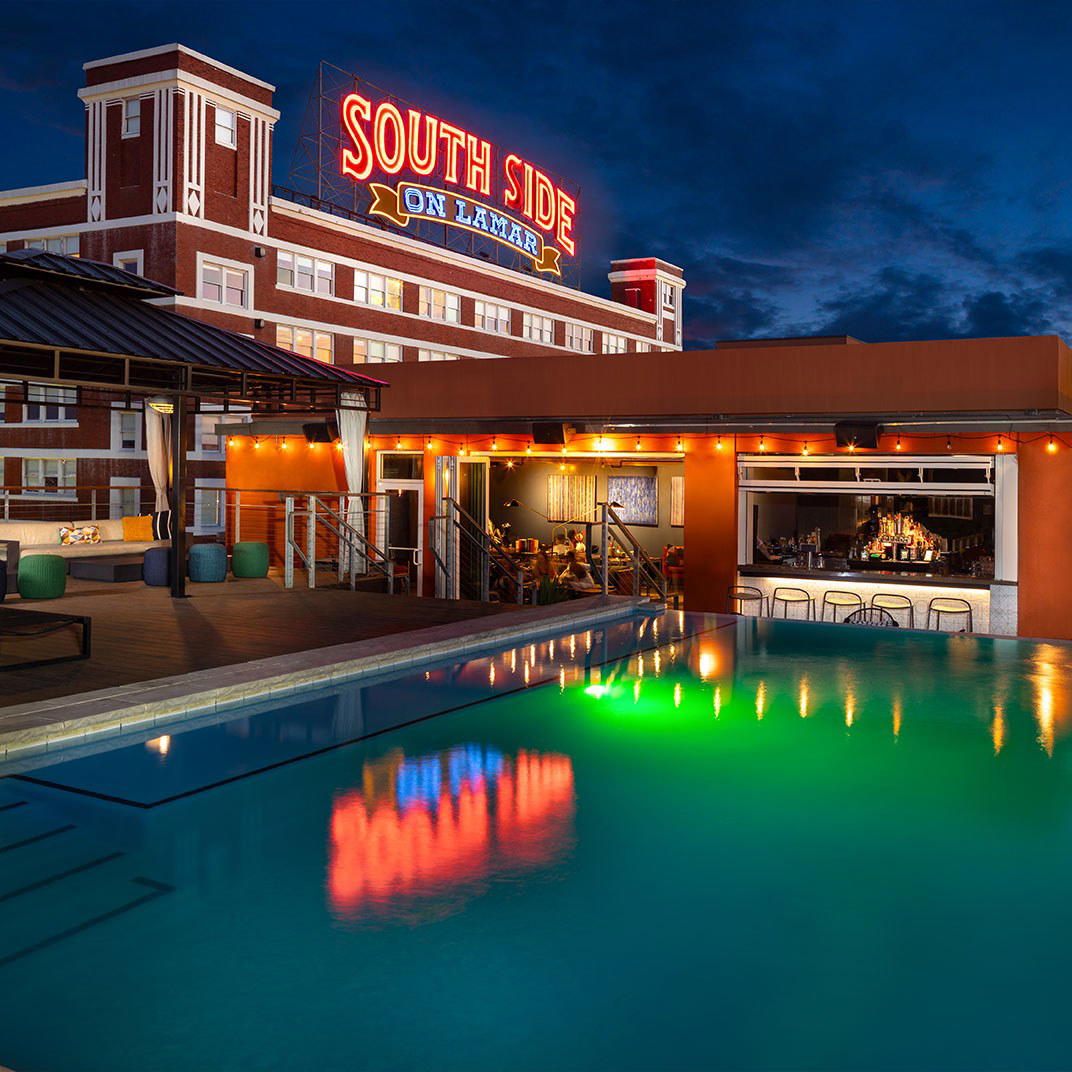
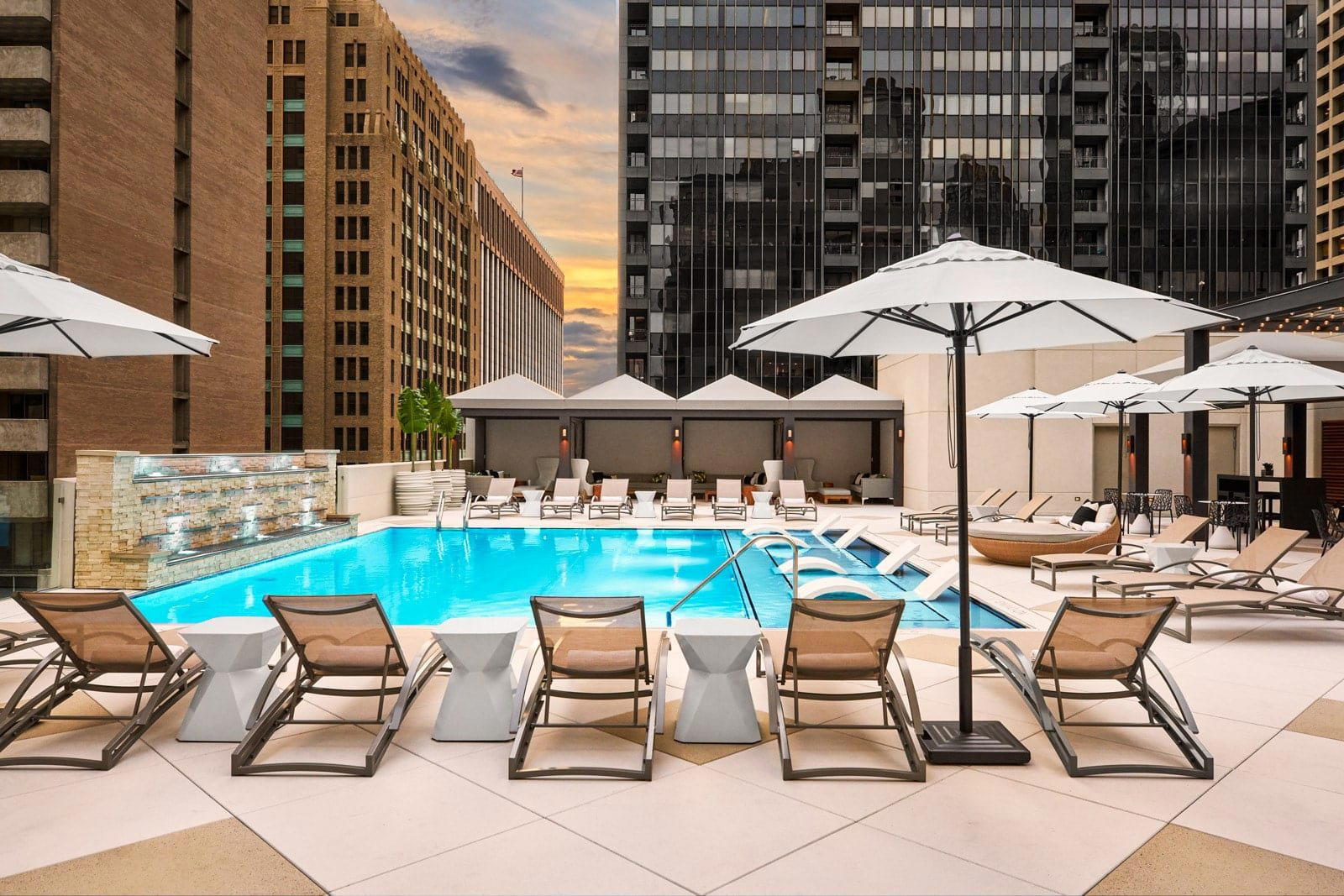
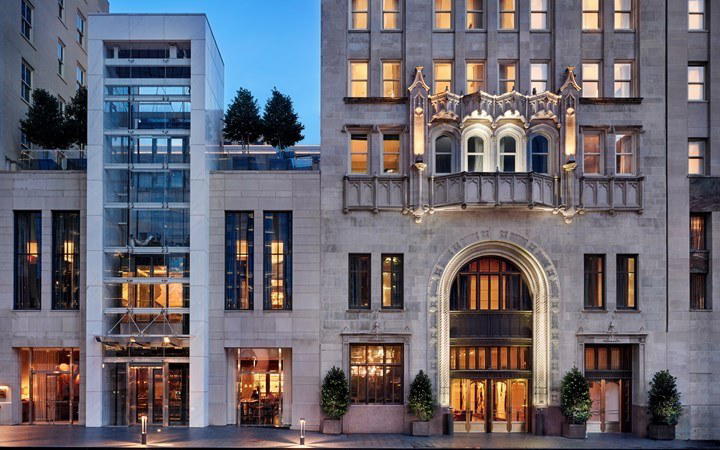
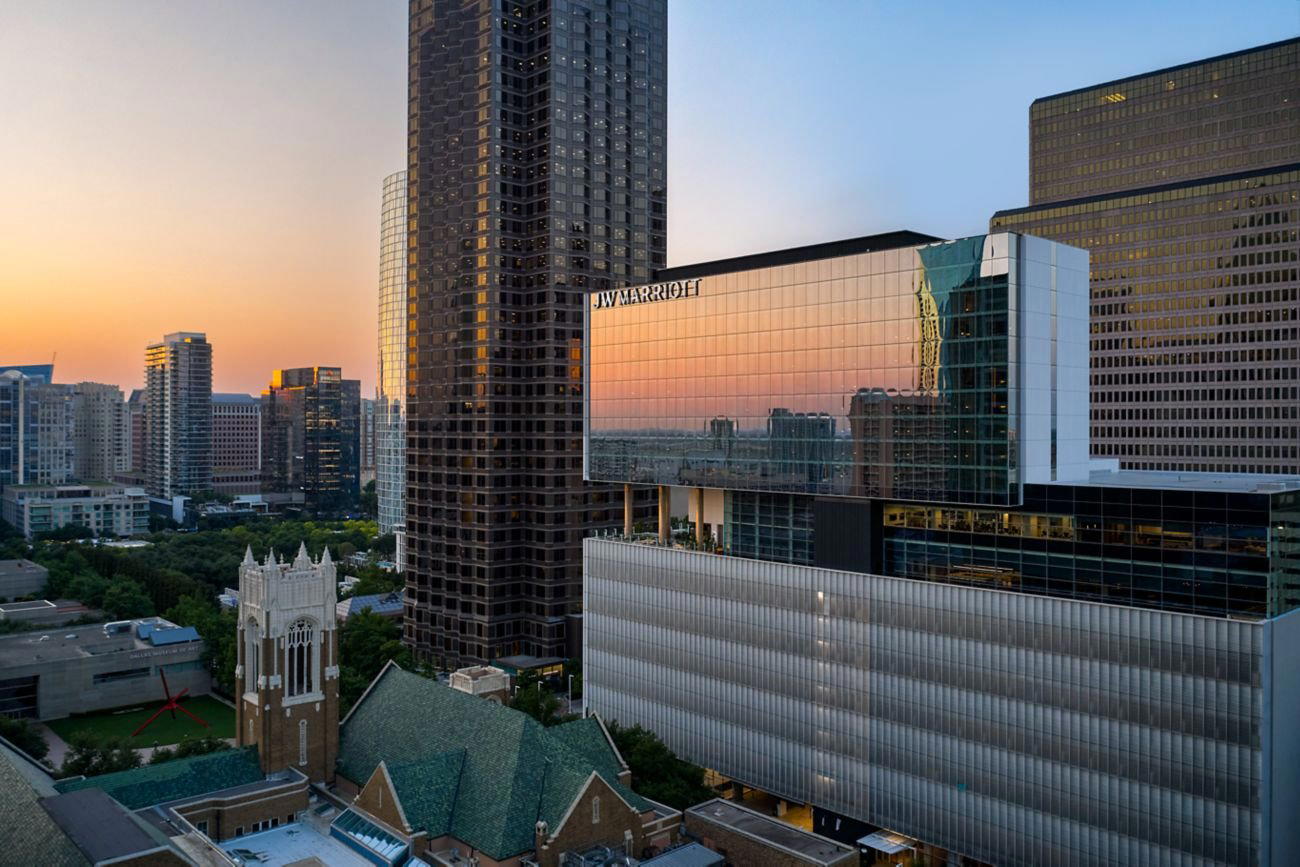
Tillman's Bishop Arts
The wine
- Wine program
- Curated wine list
- Craft cocktails
Details
- Trendy
- Lively
- Cozy
- Date Night
- Special Occasion
- Brunch
- Open Kitchen
- Craft Cocktails
- Local Sourcing
- A La Carte
- Craft Cocktails
- Gluten Free Options
Lively atmosphere with urban vibe, featuring creative dishes and cocktails in a trendy Bishop Arts setting.