Puerto Cocina
Puerto Cocina brings Baja California's coastal Mexican cooking to Dallas, where the genre sits in a distinct niche from the city's Tex-Mex mainstream. The emphasis on coastal preparations and an agave-forward spirits programme places it in a different competitive tier from casual taqueria formats. For Dallas diners tracking the broader shift toward regional Mexican specificity, it warrants attention.
 Discover on Pearl
Pearl is the En Primeur Club membership app — saves, bookings, and concierge access live there. Same editors, same standards.
- Address
- 155 Riveredge Dr Ste 119, Dallas, TX 75207
- Phone
- (214) 272-7243
- Website
- puertococina.com
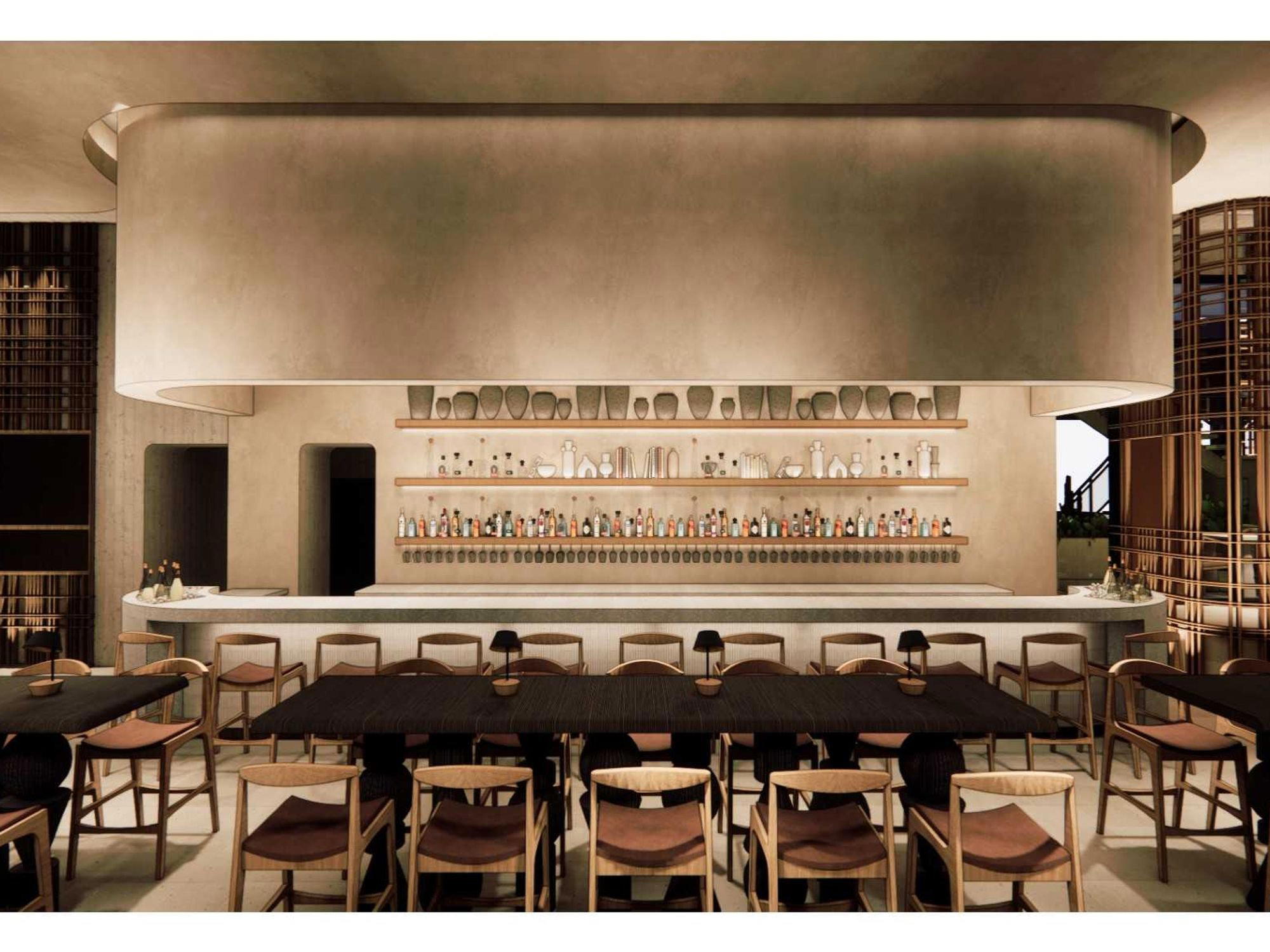
Coastal Mexican in Dallas: A Genre That Has Found Its Footing
Dallas has long operated with a bifurcated Mexican food identity: Tex-Mex on one end, a growing tier of regional Mexican restaurants on the other. Puerto Cocina is a Dallas restaurant serving Modern Baja California Seafood at 155 Riveredge Dr Ste 119. Baja California-inspired cooking sits firmly in that second category, and it arrives in Dallas with a distinct set of references, ceviche, aguachile, wood-fired fish, and a spirits programme built around agave rather than margarita blends. Puerto Cocina occupies this space in a city where the format is still relatively underrepresented compared to markets like Los Angeles, San Diego, or Houston.
For Dallas diners accustomed to the city's broader fine-casual arc, the steakhouse gravity of Al Biernat's, the Mediterranean reach of Avra Dallas, or the Italian focus at Babel, a Baja-leaning coastal Mexican address registers as a genuine category shift. The cuisine draws from the Pacific coast of Mexico, where proximity to the ocean and the Baja peninsula's wine and agricultural corridors have shaped a tradition that is lighter, more acid-driven, and more spirit-specific than interior Mexican cooking. Dallas is catching up to that tradition.
The Agave Programme as the Real Anchor
Across American cities, the conversation around Mexican restaurants has shifted from the food alone to the spirits shelf behind the bar. Mezcal, in particular, has moved from a niche curiosity to a full category, with serious programmes now distinguishing between Oaxacan espadin expressions, tobala, and single-village producers. Tequila, meanwhile, has stratified between mass-market blancos and small-production, additive-free bottles from the Jalisco highlands and lowlands. In the better Baja-inspired rooms, the spirits programme is not decoration, it is the architecture around which the food is organised.
Puerto Cocina's identity as a Baja California-inspired venue places it directly in this conversation. Coastal Mexican cooking and agave culture share geography: the Pacific corridor from Jalisco through Napa-adjacent Baja is where artisanal mezcal production, regional tequila, and fresh seafood all converge. A well-constructed agave programme at a restaurant like this should reflect that geography, offering bottles that map to specific Mexican states and production methods, not simply a wall of celebrity tequila brands. The quality of that selection is one of the primary signals by which this category of restaurant should be assessed.
In a Dallas context, this positions Puerto Cocina in a comparable set that includes other mezcal-attentive venues rather than the standard margarita-and-chips format. Compared to the Japanese programme at Tatsu Dallas or the Peruvian-inflected approach at Mamani, the agave focus here is category-specific and harder to replicate without genuine sourcing depth. That specificity matters in a city where restaurant differentiation is increasingly driven by what is behind the bar as much as what comes out of the kitchen.
What Baja California Cooking Actually Means on the Plate
The Baja California peninsula has developed a culinary identity that sits apart from both mainstream Mexican cooking and the Tex-Mex tradition that dominates much of the American Southwest. The Ensenada and Valle de Guadalupe corridors, the latter now carrying genuine wine-region credentials with wineries producing Nebbiolo, Grenache, and Mediterranean varieties alongside Cabernet, have given rise to a cooking style that prizes fresh Pacific seafood, fire, citrus, and fermented chiles. The fish taco, often traced to Ensenada's street stands, is the genre's most exported product, but it represents the entry point rather than the ceiling.
At the restaurant level, Baja cooking means ceviche built around structural acid rather than cloying sweetness, aguachile that should register heat and brightness in equal measure, and grilled or roasted fish preparations that allow the quality of the protein to carry the dish. Wood fire, where present, adds a regional authenticity that separates serious kitchens from those producing facsimiles. For Dallas diners who have engaged with comparable cooking at venues like Lazy Bear in San Francisco or who track regional American cooking at destinations like Single Thread Farm in Healdsburg, the coastal Mexican genre offers a different but parallel commitment to place-specific ingredients and technique.
Dallas as a Context for This Kind of Restaurant
Dallas has developed a restaurant culture that punches beyond its regional stereotype. The city's dining tier now includes Japanese precision at venues like Tei-An alongside Spanish and Mediterranean programs that would compete in any American market. What it has lacked, relative to coastal cities, is depth in the coastal Mexican register, a format that requires sourcing infrastructure, bartending knowledge, and a customer base willing to order mezcal instead of a house margarita. That base exists and is growing, particularly among Dallas diners who travel frequently and return with recalibrated expectations.
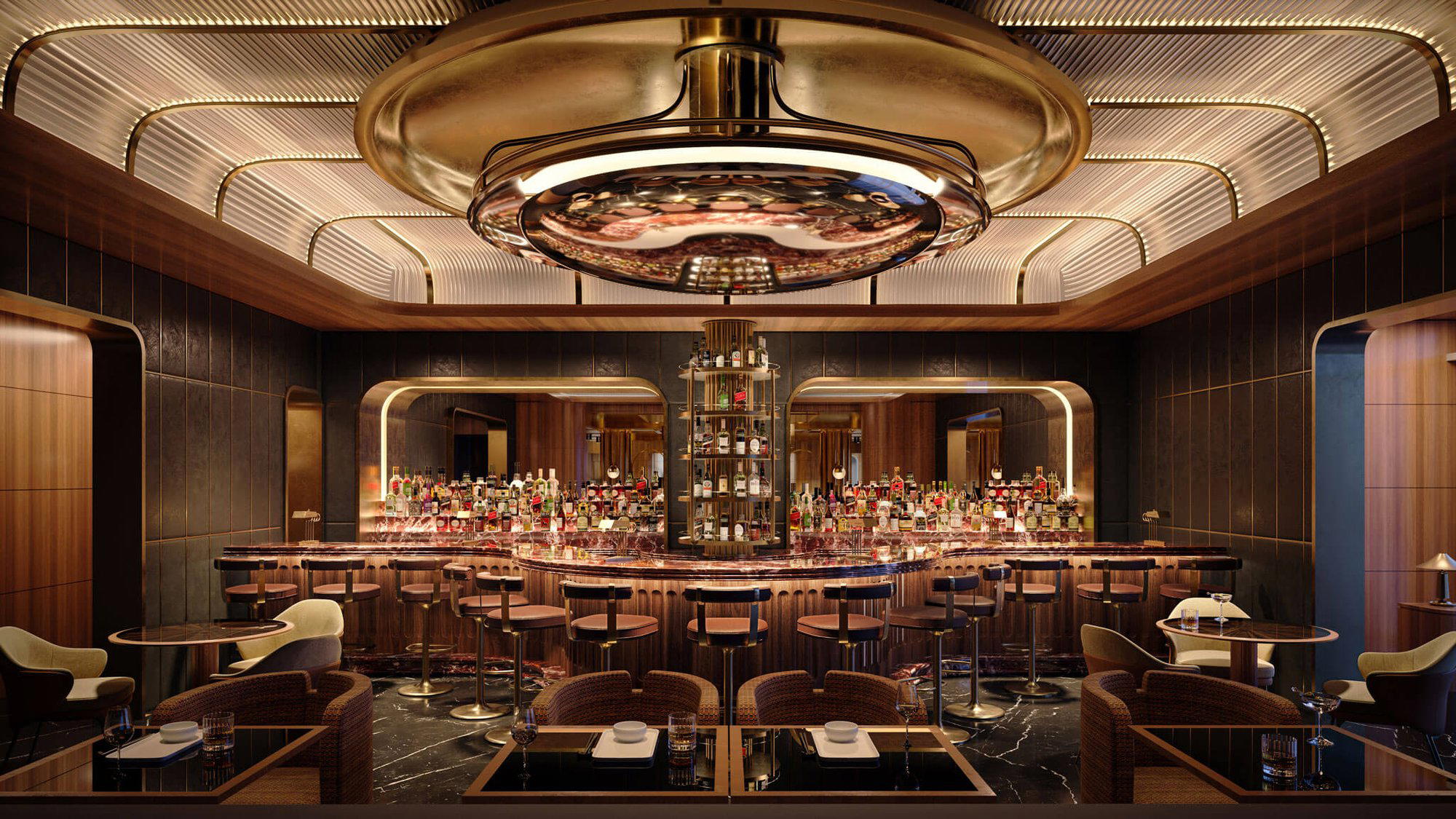
The Dallas bars guide tracks the cocktail and spirits scene specifically, including venues where the agave conversation has already taken hold.
Puerto Cocina sits in a different competitive tier from Tex-Mex casual, and below the ultra-premium bracket occupied by tasting-menu destinations. The comparison point is the informed mid-to-upper casual tier where the category expertise of the kitchen and bar matters more than ceremony. In American dining terms, that is the tier where the most interesting cooking currently happens, from coastal-influenced venues in Dallas to destination restaurants like Emeril's in New Orleans or technically ambitious formats like Alinea in Chicago.
Planning Your Visit
Coastal Mexican restaurants with genuine agave programmes tend to attract a crowd that knows what it is ordering, which means the bar and the table compete for attention in roughly equal measure. Visits that begin with a mezcal flight or a single-origin pour before moving to food generally reflect how the format is meant to work. For those unfamiliar with the agave category, arriving without a fixed cocktail order and asking about current mezcal selections by region is a reasonable approach, the quality of that conversation is itself a signal of how seriously the programme is maintained.
Reservations are recommended, particularly on weekends. Midweek visits tend to offer more attentive service and better access to the full bar programme. Puerto Cocina operates in a different register, but the principle holds: the seriousness of the spirits and sourcing programme is the primary differentiator from casual alternatives in the same cuisine category.
The Short List
Comparable venues nearby, for context on price, style, and recognition.
| Venue | Cuisine | Price | Notes |
|---|---|---|---|
| Puerto CocinaThis venue — the venue you are viewing | $$$ | ||
| Cafe Pacific | Oak Lawn, Seafood & Steakhouse | $$$ | |
| S & D Oyster Company | $$ | State Thomas, Gulf Coast Seafood & Oysters | |
| Archive & Alchemy | $$$ | Lower Greenville, Experimental Cocktail Bar with Shared Dinner Menu | |
| Velour | Victory Park, Southern-Asian Fusion | $$$ | |
| Salum | Cochran Heights, Contemporary American | $$$ |
Continue exploring
More in Dallas
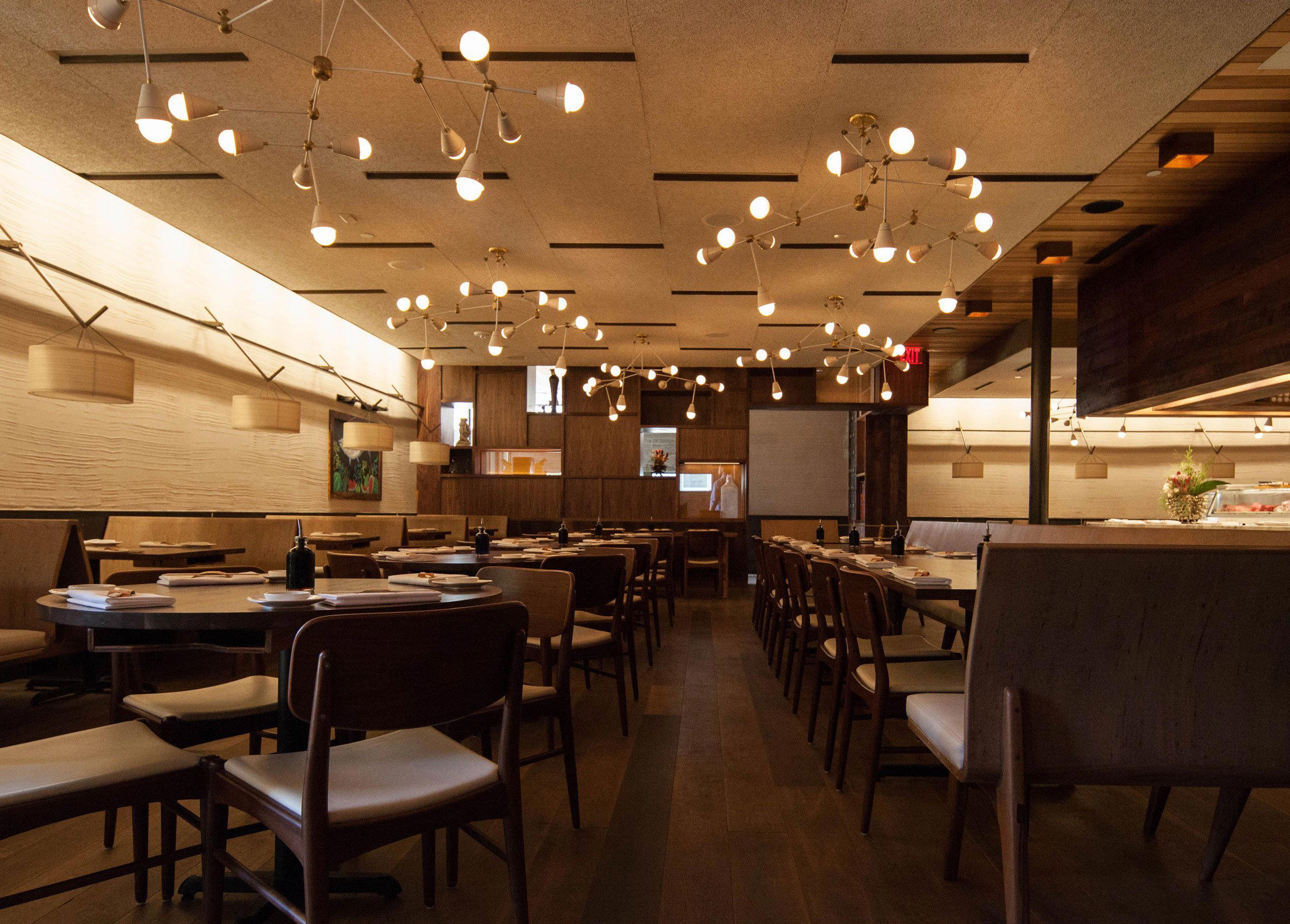
Restaurants in Dallas
Browse all →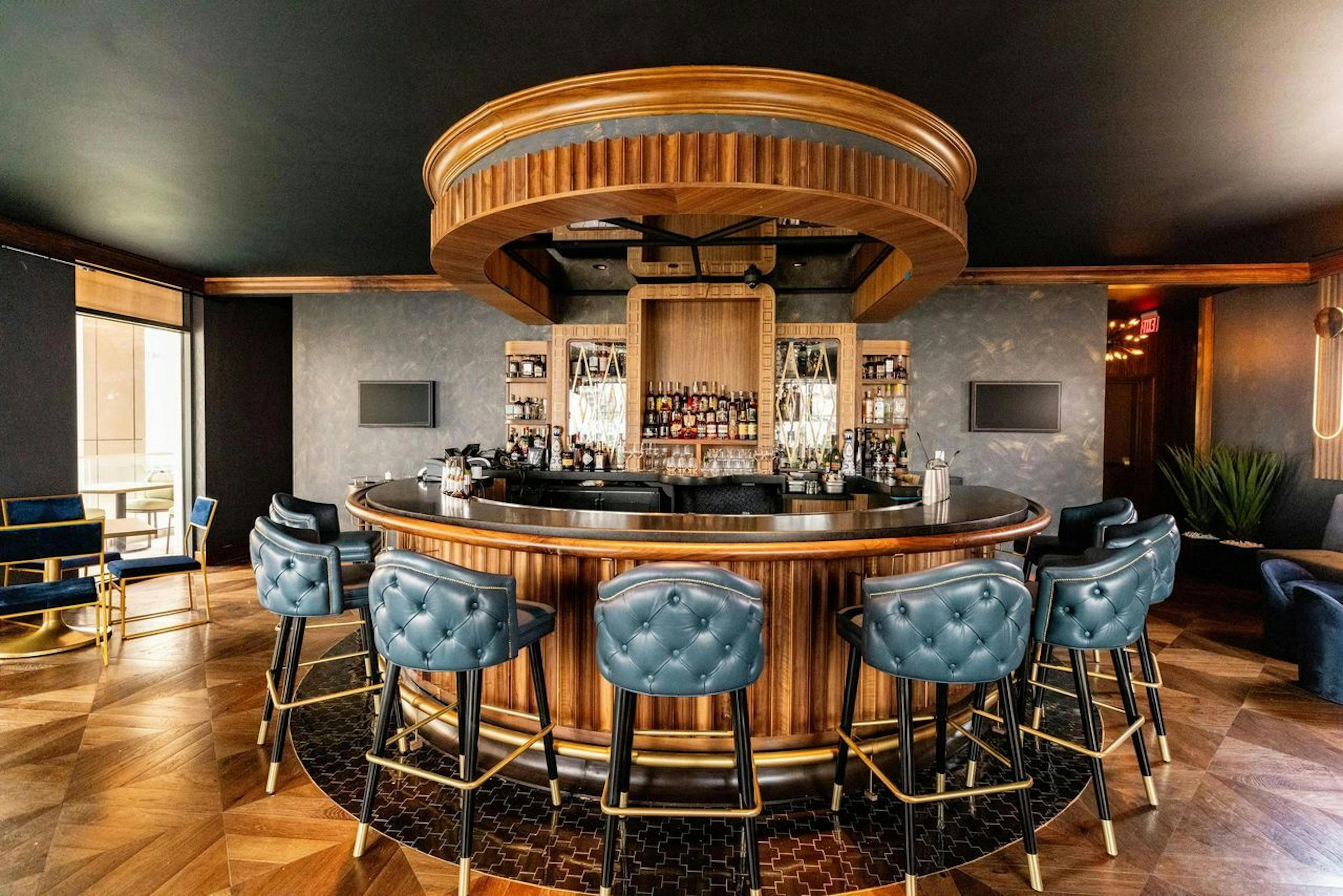
Bars in Dallas
Browse all →
Hotels in Dallas
Browse all →




At a Glance
- Modern
- Elegant
- Sophisticated
- Date Night
- Business Dinner
- Special Occasion
- Design Destination
- Standalone
- Craft Cocktails
- Sustainable Seafood
- Local Sourcing
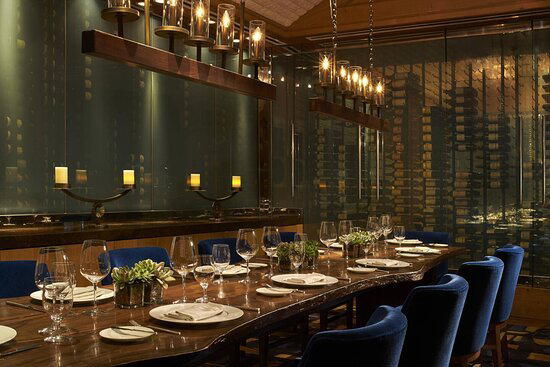
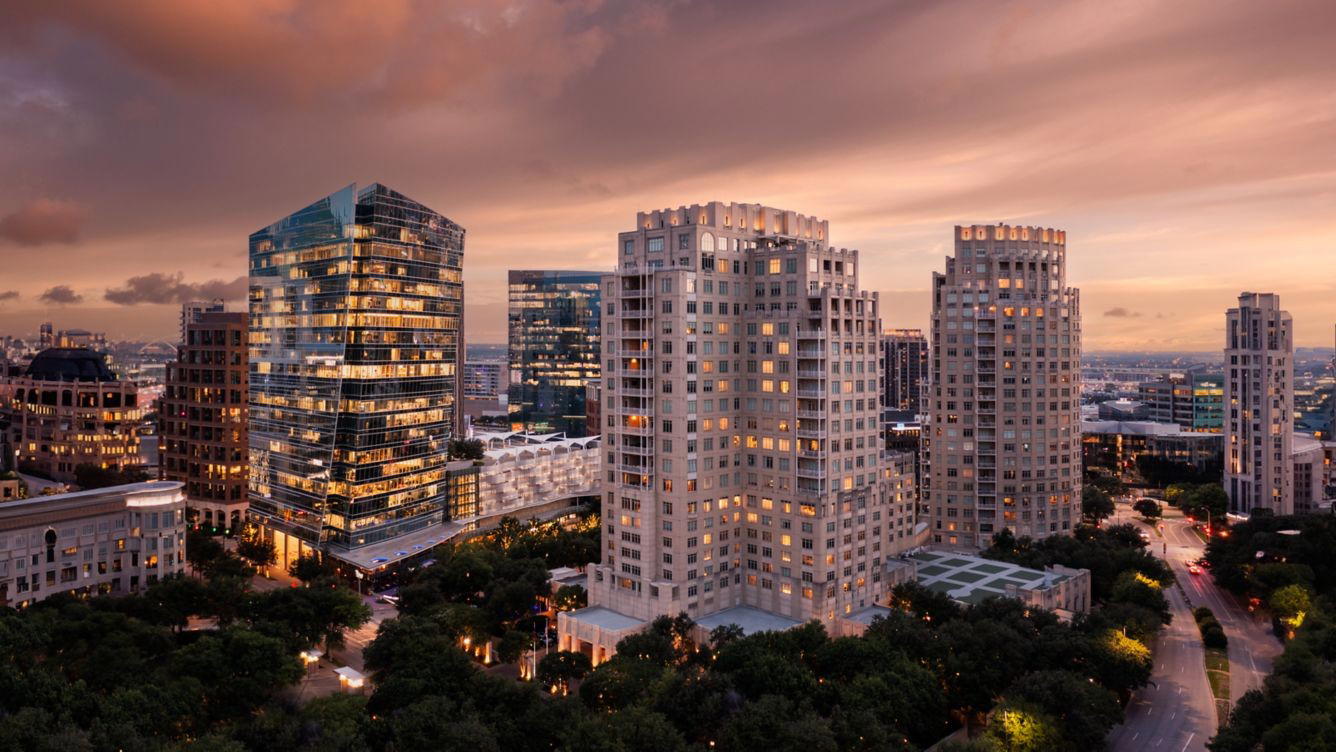
Classy and contemporary with modern design elements, featuring a comfortable blend of upscale dining aesthetics in a ground-floor location along River Edge.