Catch

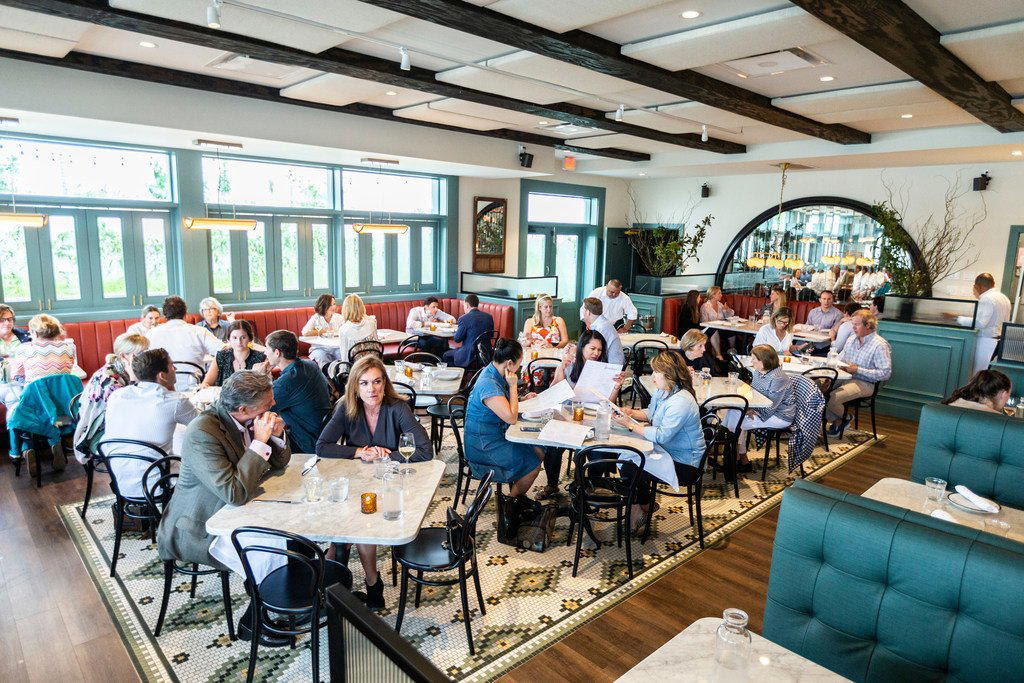
Catch occupies a Maple Avenue address in Dallas's Uptown corridor, positioning itself within a neighborhood that has become one of the city's more concentrated stretches of ambitious dining. The venue draws from the same energy that defines Uptown after dark, animated, image-conscious, and oriented toward a crowd that treats dinner as a social event as much as a meal.
Pearl is the En Primeur Club membership app — saves, bookings, and concierge access live there. Same editors, same standards.
- Address
- 3005 Maple Ave, Dallas, TX 75201
- Phone
- +12149831440
- Website
- catchrestaurants.com
- Directions
- Get directions
 Saves & bookings on Pearl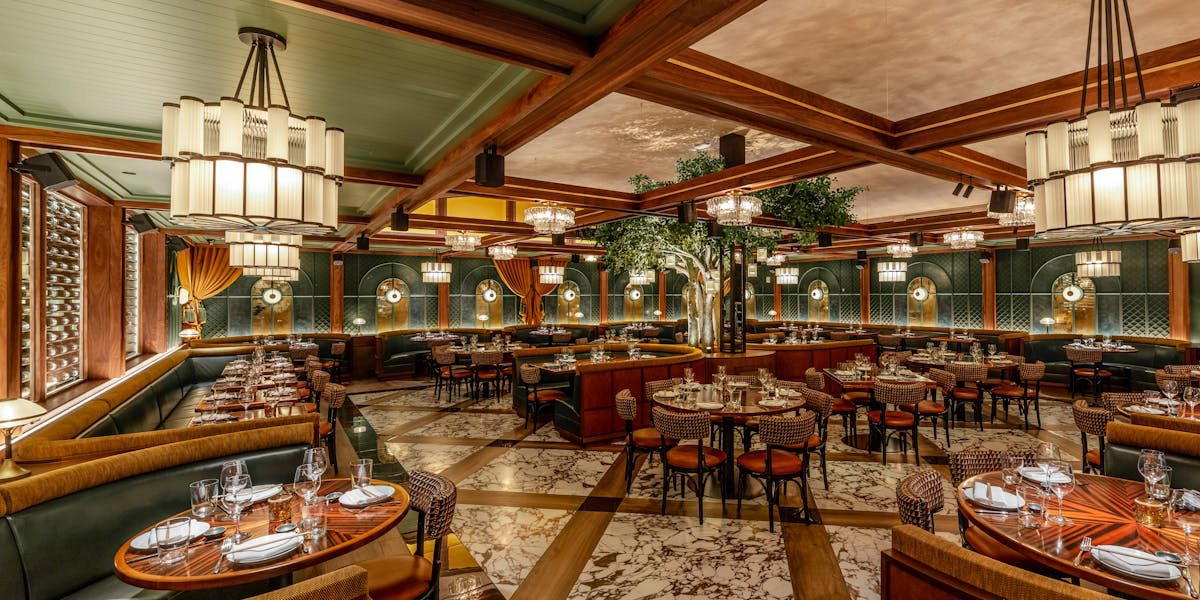
Uptown After Dark, and the Hour Before It
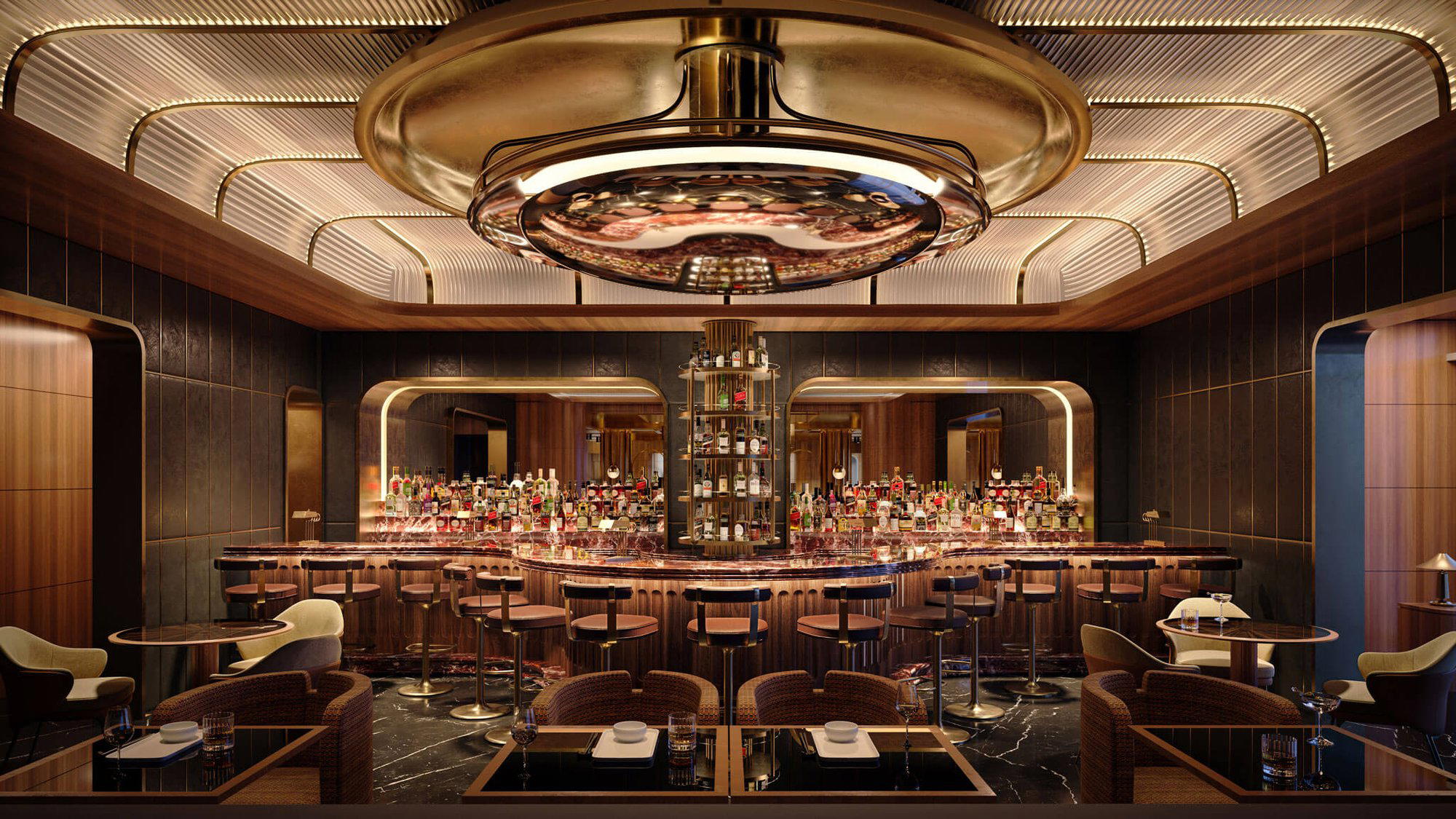
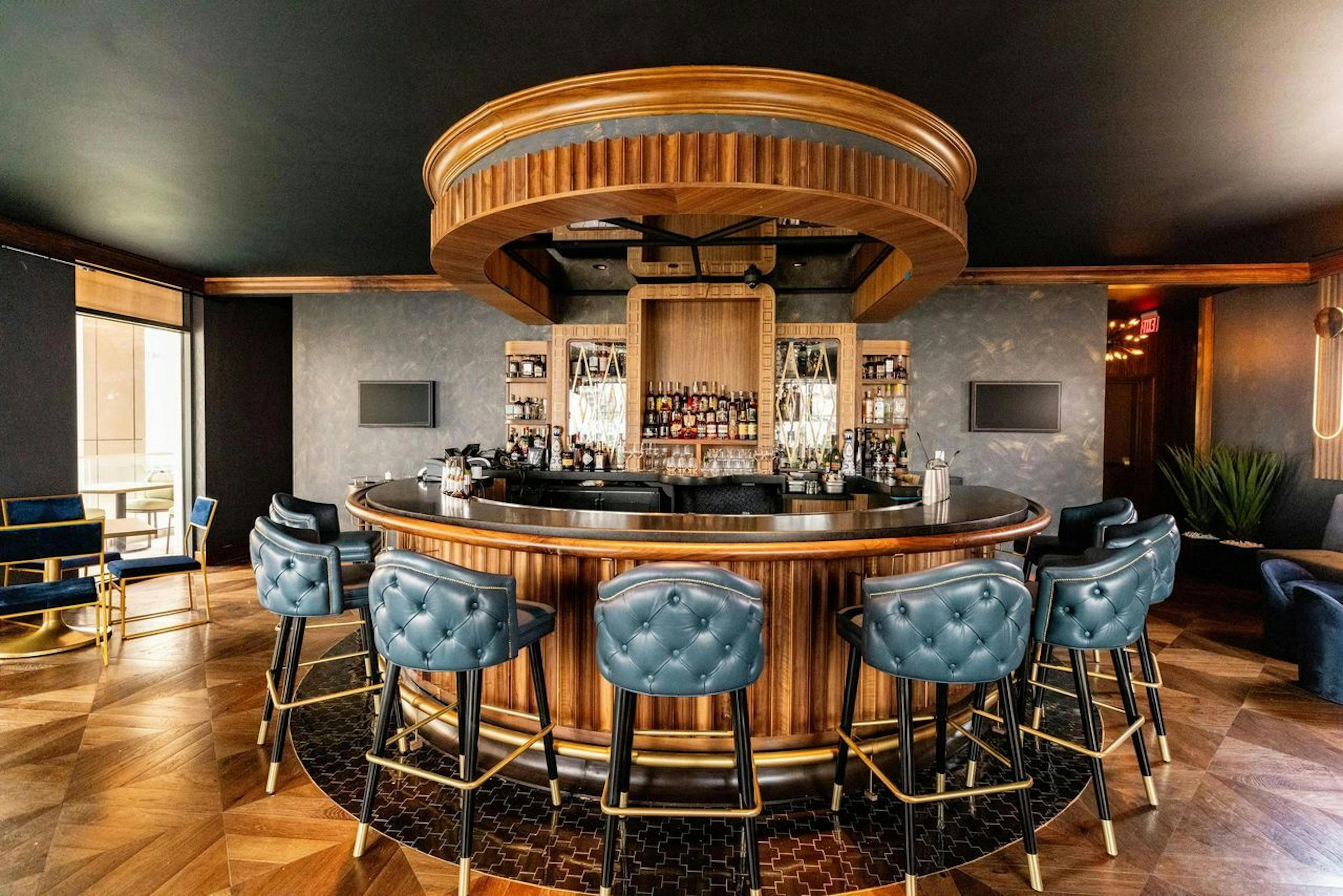
Maple Avenue in Dallas's Uptown district runs through one of the city's more densely layered dining corridors, a stretch where rooftop terraces, candlelit interiors, and open-air bars compete for the same evening crowd. Catch sits at 3005 Maple Ave, inside a neighborhood that has spent the better part of two decades sorting itself into something more than a bar row. What surrounds it matters: this is a restaurant that asks you to choose it over a half-dozen credible alternatives within a short walk. That pressure shapes how a venue like Catch has to operate, the atmosphere has to register quickly, the room has to read well, and the energy has to justify the decision before the first drink arrives.
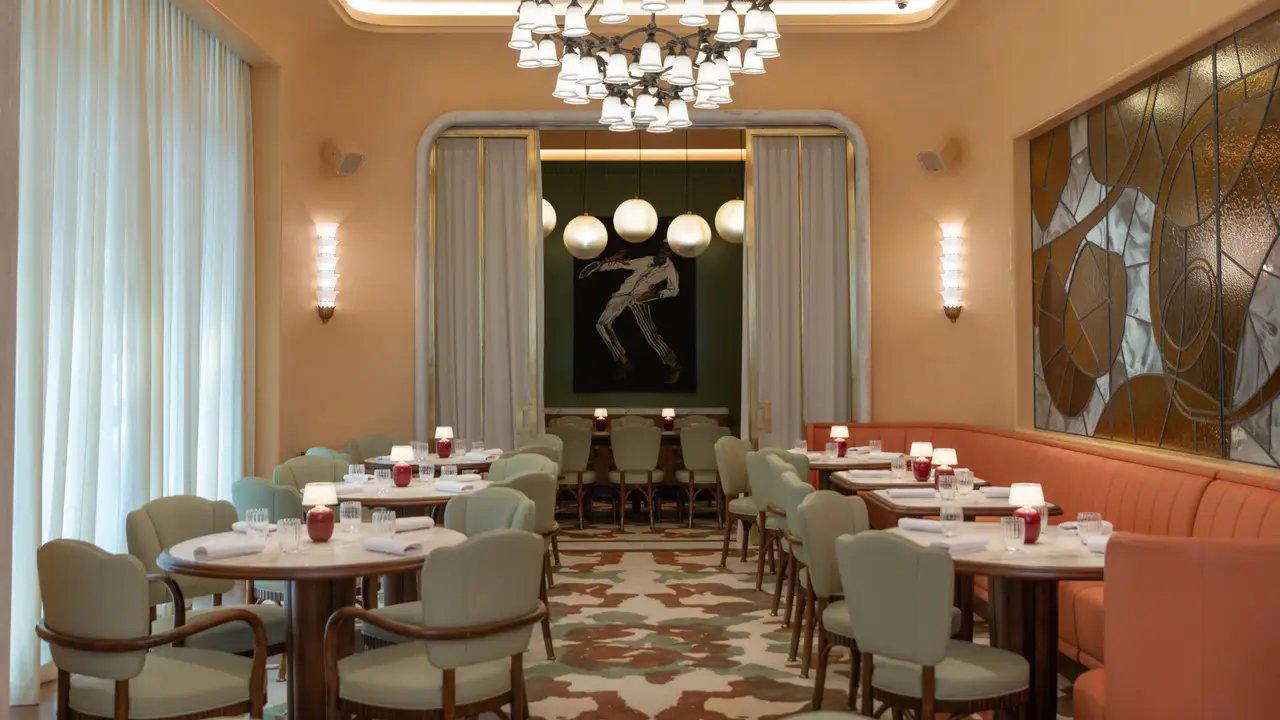
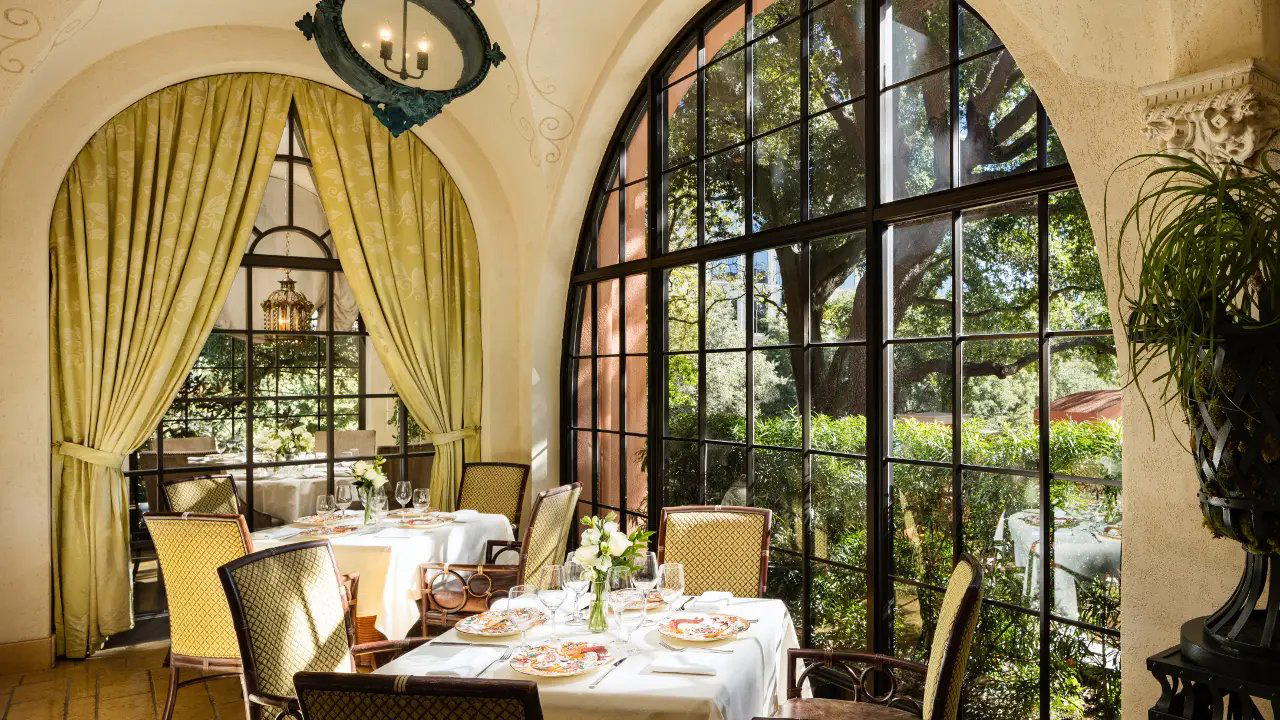
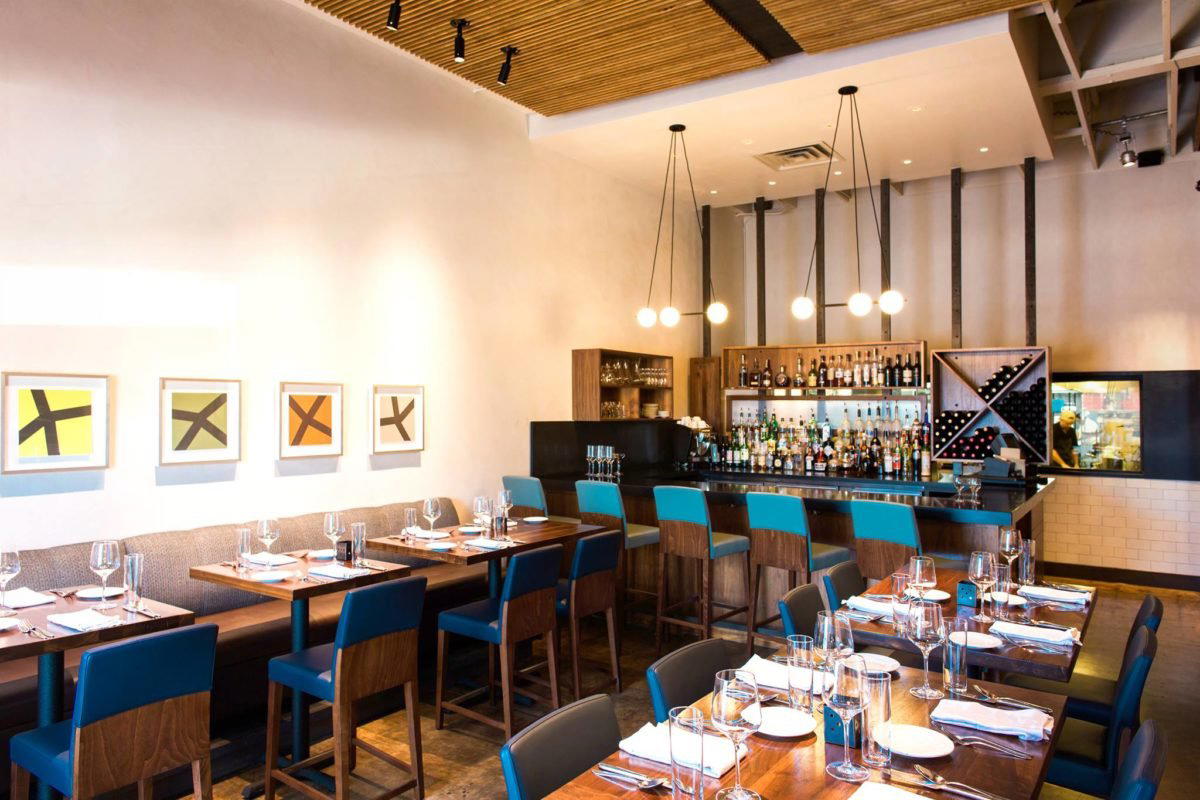
Dallas's Uptown has always rewarded venues that can hold the eye. The neighborhood draws a crowd that is attuned to visual cues, how a room is lit, how the bar is staffed, what the sight lines communicate about who else is there. In that context, the approach to atmosphere is not decoration but architecture. The leading rooms in Uptown work because their physical design produces a specific social temperature, and that temperature is calibrated differently at six in the evening than it is at ten.
The Lunch and Dinner Divide in Uptown Dallas
In American urban dining, the gap between lunch and dinner service has widened considerably over the past decade. What was once a matter of price and portion size has become a more fundamental split in mood, format, and who the room is designed for at any given hour. Uptown Dallas leans heavily into this divide. At lunch, the neighborhood's restaurants tend toward a more transactional register, faster pacing, more natural light, tables that turn. By evening, the same rooms are recalibrated: lighting drops, music rises, and the meal becomes more explicitly a social performance.
For a venue on Maple Avenue, this temporal shift is consequential. The daytime visitor and the evening visitor are often operating on entirely different frameworks of expectation. The daytime diner is frequently efficiency-minded, working nearby in one of Uptown's office-adjacent corridors, or arriving from the Knox-Henderson stretch to the east. The evening crowd skews toward occasion, birthday dinners, post-work gatherings, first dates, group celebrations. The room's ability to flex between these two registers without losing coherence is one of the more demanding things a restaurant in this neighborhood can be asked to do.
Comparable venues in Dallas's mid-to-upper tier illustrate the challenge. 3Eleven Kitchen and Cocktails operates in a similar mode, with a cocktail program that shifts from approachable afternoon formats to more considered evening builds. Mamani draws a crowd that arrives specifically for the evening atmosphere, while 360 Brunch House has committed almost entirely to the daytime register, a choice that simplifies the operational calculus considerably. Catch occupies a position that requires both, and in Uptown, that is a common and genuinely difficult ask.
Where Catch Sits in the Dallas Dining Conversation
Dallas has developed, particularly over the last ten years, a more layered dining culture than it is sometimes credited for. The city's restaurant scene has moved beyond the steakhouse-and-Tex-Mex binary that defined its earlier identity. Today it holds a range of formats: the Japanese precision of Tatsu Dallas, the Italian restraint of Lucia, the theatrical protein abundance of 12 Cuts Brazilian Steakhouse, the regional authority of Fearing's. Each of these venues has staked out a specific identity within the broader market. The question any newer or less prominently documented entrant faces is where it can credibly sit in that taxonomy.
At the national level, the benchmark for seafood-focused dining is set by places like Le Bernardin in New York City, which has held three Michelin stars for decades, or Providence in Los Angeles, a two-Michelin-star house whose tasting menu has defined California's approach to fine seafood. Further afield, Single Thread Farm in Healdsburg and Blue Hill at Stone Barns in Tarrytown represent the farm-integration model that has reshaped how American fine dining thinks about sourcing. In the Midwest, Smyth in Chicago operates as one of the more technically demanding tasting menu formats in the country. These are the structural reference points that anchor how serious American restaurants are assessed, and they form the backdrop against which any ambitious Dallas venue is implicitly measured.
For broader American dining context, the list extends to The French Laundry in Napa, Lazy Bear in San Francisco, Addison in San Diego, The Inn at Little Washington, Atomix in New York City, Emeril's in New Orleans, and internationally, Atelier Moessmer Norbert Niederkofler in Brunico. These venues share a common trait: their identity is legible. A diner walking in knows what the restaurant is for. That clarity of identity is worth studying for any venue operating in a competitive urban corridor.
For a full map of where Catch sits within the broader Dallas dining picture, EP Club's full Dallas restaurants guide provides the current neighborhood-by-neighborhood breakdown.
Know Before You Go
| Address | 3005 Maple Ave, Dallas, TX 75201 |
|---|---|
| Neighborhood | Uptown, Dallas |
| Booking | Reservations recommended |
| Hours | Mon: 5-10 PM; Tue: 5-10 PM; Wed: 5-11 PM; Thu: 5-11 PM; Fri: 5 PM-12 AM; Sat: 5 PM-12 AM; Sun: 11 AM-3 PM, 5-9 PM |
| Price Range | About $70 per person |
| Dress Code | Smart casual |
Where the Accolades Land
Comparable venues nearby, for context on price, style, and recognition.
| Venue | Cuisine | Price | Notes |
|---|---|---|---|
| CatchThis venue — the venue you are viewing | Seafood, Sushi & Steak | $$$$ | Not listed |
| Dallas Fish Market | Modern Seafood Fusion | $$$ | Downtown |
| The Landmark Prime Rib | Classic Prime Rib Steakhouse | $$$$ | Turtle Creek |
| Alara Modern Mediterranean | Modern Mediterranean | $$$$ | Design District |
| Montlake Cut | Pacific Northwest Seafood | $$$ | Devonshire |
| Kawa Omakase | Modern Japanese Omakase with French-Italian Techniques | $$$$ | Preston Hollow |
Recognition history
Dated appearances from independent guides and award organizations, with the underlying list record or original source where available.
Wine Spectator Best of Award of Excellence
Wine Spectator

At a Glance
- Lively
- Trendy
- Energetic
- Elegant
- Sophisticated
- Date Night
- Special Occasion
- Celebration
- Group Dining
- Open Kitchen
- Private Dining
- Terrace
- Craft Cocktails
- Extensive Wine List
- Sustainable Seafood
Current opening hours
- Monday
- 5–10 PM
- Tuesday
- 5–10 PM
- Wednesday
- 5–11 PM
- Thursday
- 5–11 PM
- Friday
- 5 PM–12 AM
- Saturday
- 5 PM–12 AM
- Sunday
- 11 AM–3 PM, 5–9 PM
Hours can change for holidays and private events. Last verified .