Our verdict
Edomae sushi in Tokyo spans a wide spectrum, from three-Michelin-star counters in Ginza to neighbourhood spots that earn their reputation through fish quality and consistency rather than ceremony. Daisan Harumi, on a quiet side street near Shimbashi Station in Minato-ku, sat firmly in the latter category, a small counter operation where the craft was visible in every detail, including the handmade pottery and handwritten menus produced by chef-owner Kazuo Nagayama himself. Nagayama's reputation extended beyond the kitchen: he is also recognised as an author on the subject of sushi, a credential that shaped the restaurant's approach to traditional Edomae technique and its pronounced focus on seasonal fish quality. Mackerel featured prominently among the specialties, alongside yellowtail, sea urchin, and tiger prawn, a roster that shifted with the seasons and reflected a sourcing philosophy rather than a fixed menu. The format was omakase, placing the selection entirely in Nagayama's hands. On Tabelog, Japan's most closely followed restaurant review platform, Daisan Harumi held a position among the leading-twenty sushi restaurants in Tokyo and, at certain points, carried the platform's highest rating for value among Tokyo sushi venues. That combination, serious Edomae technique, reported dinner prices in the ¥15,000–¥20,000 range, and a setting described consistently as modest and cosy rather than formal, made it an outlier in a city where comparable fish quality typically commands considerably more. The upstairs private room offered an alternative to the counter for those who preferred it, though the counter remained the more characterful option. Shimbashi itself is a working district, better known for its salarymen's izakayas than for destination dining, which meant Daisan Harumi drew an audience that knew specifically what it was looking for rather than one that arrived by proximity. That self-selecting clientele, combined with the intimacy of a small counter, gave the room a focused, unhurried atmosphere that larger or more prominent venues rarely sustain.
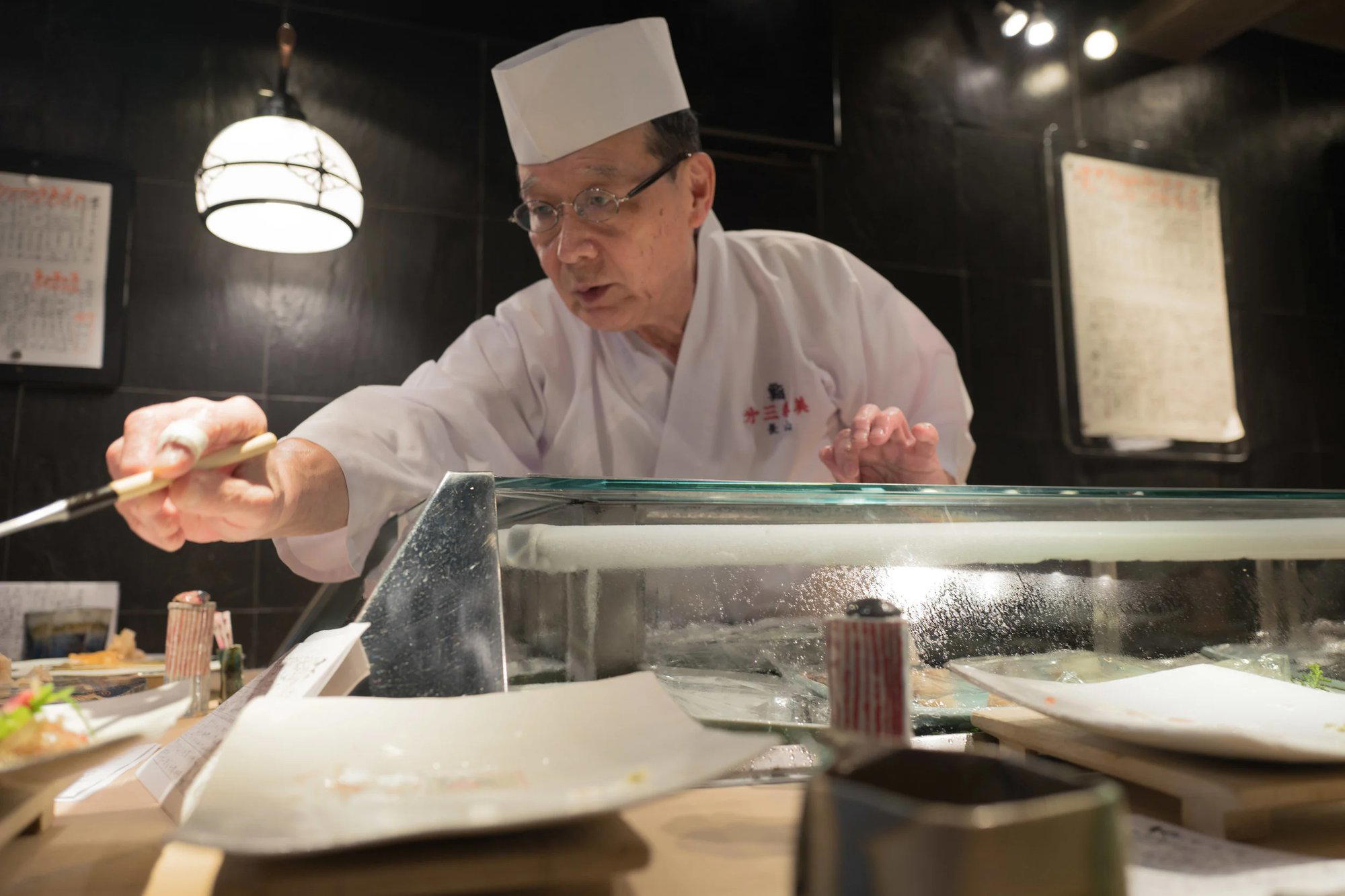
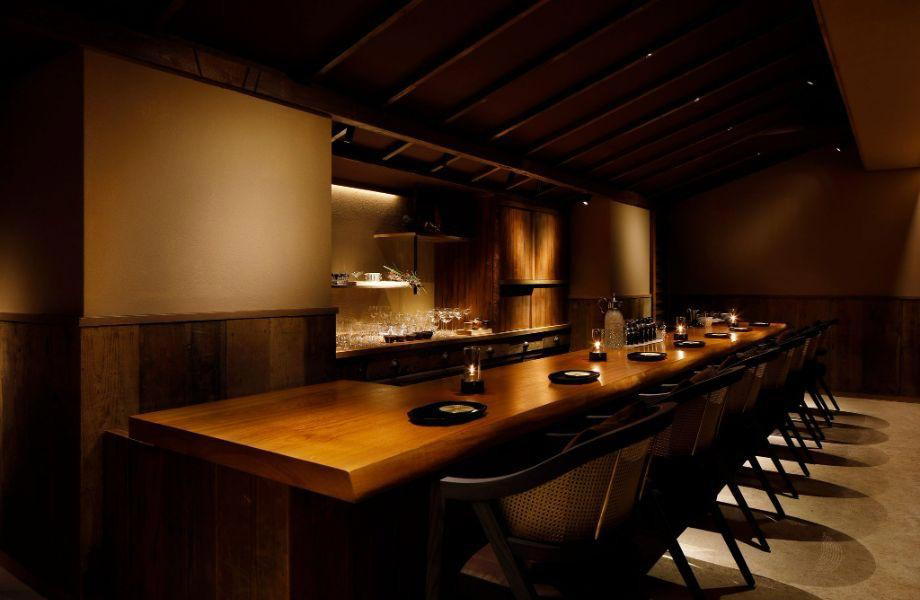
Edomae sushi in Tokyo spans a wide spectrum, from three-Michelin-star counters in Ginza to neighbourhood spots that earn their reputation through fish quality and consistency rather than ceremony. Daisan Harumi, on a quiet side street near Shimbashi Station in Minato-ku, sat firmly in the latter category, a small counter operation where the craft was visible in every detail, including the handmade pottery and handwritten menus produced by chef-owner Kazuo Nagayama himself.
Nagayama's reputation extended beyond the kitchen: he is also recognised as an author on the subject of sushi, a credential that shaped the restaurant's approach to traditional Edomae technique and its pronounced focus on seasonal fish quality. Mackerel featured prominently among the specialties, alongside yellowtail, sea urchin, and tiger prawn, a roster that shifted with the seasons and reflected a sourcing philosophy rather than a fixed menu. The format was omakase, placing the selection entirely in Nagayama's hands.
On Tabelog, Japan's most closely followed restaurant review platform, Daisan Harumi held a position among the leading-twenty sushi restaurants in Tokyo and, at certain points, carried the platform's highest rating for value among Tokyo sushi venues. That combination, serious Edomae technique, reported dinner prices in the ¥15,000–¥20,000 range, and a setting described consistently as modest and cosy rather than formal, made it an outlier in a city where comparable fish quality typically commands considerably more. The upstairs private room offered an alternative to the counter for those who preferred it, though the counter remained the more characterful option.
Shimbashi itself is a working district, better known for its salarymen's izakayas than for destination dining, which meant Daisan Harumi drew an audience that knew specifically what it was looking for rather than one that arrived by proximity. That self-selecting clientele, combined with the intimacy of a small counter, gave the room a focused, unhurried atmosphere that larger or more prominent venues rarely sustain.
How It Compares
Comparable venues nearby, for context on price, style, and recognition.
| Venue | Cuisine | Price | Awards | Notes |
|---|---|---|---|---|
| Daisan HarumiThis venue (the venue you are viewing) | Dining | Not listed | Not listed | Not listed |
| Michishirube | Yakitori Izakaya | $30–50 | Tabelog 100 #94 | Shinjuku |
| Bar Portillo de sal y amor | Traditional Spanish tapas & paella bar | $50–100 | Tabelog 100 #42 | Meguro |
| Sanmalo Toukyou ten | Specialty ramen (shoyu, niboshi & seasonal chilled bowls) | $10–20 | Tabelog 100 #35 | Chiyoda |
| Sansar Koiwa ten | Traditional Nepalese Home-Style Cuisine | $10–20 | Tabelog 100 #86 | Edogawa |
| Hatsudai Spice Shokudo Wakon Insai Tandoru | Japanese-inspired Indian curry & spice canteen | $10–20 | Tabelog 100 #6 | Shinjuku |
Continue exploring
More in Tokyo
Restaurants in Tokyo
All restaurants in Tokyo →
Bars in Tokyo
All bars in Tokyo →
Details
Current opening hours
- Monday
- 8 AM–10 PM
- Tuesday
- 8 AM–10 PM
- Wednesday
- 8 AM–10 PM
- Thursday
- 8 AM–10 PM
- Friday
- 11 AM–9 PM
- Saturday
- 11 AM–9 PM
- Sunday
- 11 AM–9 PM
Hours can change for holidays and private events. Hours as of .