Daikoku
Our verdict
On Avenida Insurgentes Sur in the Extremadura Insurgentes neighbourhood, Daikoku occupies a particular niche in Mexico City's Japanese-influenced dining scene. The address places it inside a corridor that has quietly attracted serious independent restaurants, and the operation reads as a counterpoint to the capital's more theatrical tasting-menu circuit, smaller in scale, deliberate in sourcing, and worth understanding in the context of the city's evolving conversation about ethical cooking.

Pearl is the En Primeur Club membership app, where members save venues, book tables and use the concierge.
The menu
What to order
- Salmón especial
- Tempura soba
- Maguro landin
- Ramen
- Teppanyaki
Insurgentes Sur and the Quieter Register of Mexico City Dining
Avenida Insurgentes Sur runs like a spine through the southern half of Mexico City, and the stretch around the Extremadura Insurgentes colonia has attracted a particular kind of restaurant: independent, format-conscious, and less interested in spectacle than in what ends up on the plate. Daikoku sits on that corridor at number 1261, in a part of Benito Juárez that does not trade on the cachet of Polanco or Roma Norte but has developed a reputation among the city's more attentive diners as a place to find operators who are thinking carefully about what they serve and where it comes from.
Mexico City's dining scene has spent the past decade sorting itself into distinct tiers. At the leading end, restaurants like Pujol and Quintonil anchor a globally recognised fine-dining bracket, both carrying Michelin recognition and seats that book out weeks in advance. One tier below, places like Em and Rosetta occupy a mid-premium position, where the emphasis falls on craft and ingredient sourcing without the full apparatus of a tasting-menu event. Daikoku's address and operational profile place it closer to this second cohort: deliberate in approach, priced for regular return visits rather than annual occasions, and operating with the kind of low profile that tends to signal conviction rather than a marketing gap.
The Sustainability Conversation in Mexico City's Japanese-Influenced Kitchens
The broader movement toward ethical sourcing and reduced waste has taken different forms across Mexico City's restaurant population. At the high-visibility end, chefs have made supply chains a public-facing story, naming producers on menus and building press narratives around farm relationships. The more interesting development, and the less documented one, is the quieter adoption of similar principles by smaller operators who lack the platform to make noise about it but whose purchasing decisions and kitchen practices reflect the same priorities.
Japanese cuisine, as practised in Mexico City, operates within a specific tension: the fish and seafood that define the tradition are sourced from ecosystems under measurable pressure, and the discipline the cuisine demands of its ingredients makes provenance a culinary question as much as an ethical one. A bluefin tuna that has been transported incorrectly or held too long fails on sensory grounds before it fails on environmental ones. That convergence of quality and ethics has pushed some of the city's more serious Japanese kitchens toward more intentional sourcing relationships, closer to what you see in sustainability-conscious European and North American operations like Le Bernardin in New York City, which has made responsible seafood sourcing a documented operational commitment, or Lazy Bear in San Francisco, where the sourcing story is embedded in the menu format itself.
Daikoku operates within this context. Without published sourcing documentation to cite directly, the editorial signal comes from the operational category it occupies: a focused independent on a non-destination strip, without the incentive structure that rewards large-volume, lower-care purchasing. That positioning tends to correlate with more deliberate supply chains, even when those supply chains are not formally narrated to guests.
What the Insurgentes Sur Address Tells You
Location functions as a credibility signal in Mexico City in ways that visitors sometimes underestimate. The Polanco and Condesa clusters attract restaurants that need foot traffic and visibility; the Roma Norte corridor has become dense enough that rents and competition have reshaped the kind of operator who can survive there. A restaurant on Insurgentes Sur, in Extremadura Insurgentes, is making a different calculation. The audience is more local, more likely to return, and less likely to be drawn by proximity to a hotel strip or a weekend walking crowd. Operators in that position live and die on the quality of the experience more directly than those with a built-in location premium.
That dynamic is visible in the broader pattern of Mexico's serious regional dining, where some of the most considered operations are found away from obvious tourist infrastructure. Animalón in Valle de Guadalupe built its reputation on terrain that required deliberate travel. KOLI Cocina de Origen in Monterrey and Alcalde in Guadalajara operate in cities that demand a specific reason to visit rather than casual walk-in traffic. Levadura de Olla in Oaxaca, Lunario in El Porvenir, Arca in Tulum, HA' in Playa del Carmen, Le Chique in Puerto Morelos, Pangea in San Pedro Garza García, and Olivea Farm to Table in Ensenada are all examples of the same pattern at different scales: operations that rely on the visit being intentional rather than convenient. Daikoku on Insurgentes Sur is the Mexico City version of that logic, compressed into an urban context.
Where Daikoku Sits in the City's Competitive Set
Among the range of Japanese-influenced or Japanese-format dining in Mexico City, Daikoku operates as an independent without the group backing or awards infrastructure of the top-tier fine-dining circuit. That places it alongside Sud 777 and others in the mid-tier creative category: restaurants that attract a following through consistency and kitchen focus rather than through trophy credentials. For our full Mexico City restaurants guide, we cover the full range of that competitive set, from Michelin-starred tasting menus to neighbourhood-anchored specialists.
Planning Your Visit
| Detail | Daikoku | Pujol (peer reference) | Rosetta (peer reference) |
|---|---|---|---|
| Neighbourhood | Extremadura Insurgentes, Benito Juárez | Polanco | Roma Norte |
| Price tier | Not published | $$$$ | $$ |
| Booking | Online reservation | Online reservation | |
| Format | Not published | Tasting menu | À la carte and tasting |
| Awards | Not published | Michelin-recognised | Michelin-recognised |
The address is Av. Insurgentes Sur 1261, Extremadura Insurgentes, Benito Juárez, 03740, Mexico City. Visiting in person or checking current local listings is the most reliable way to confirm service times.
Frequently asked questions
What's the overall feel of Daikoku?
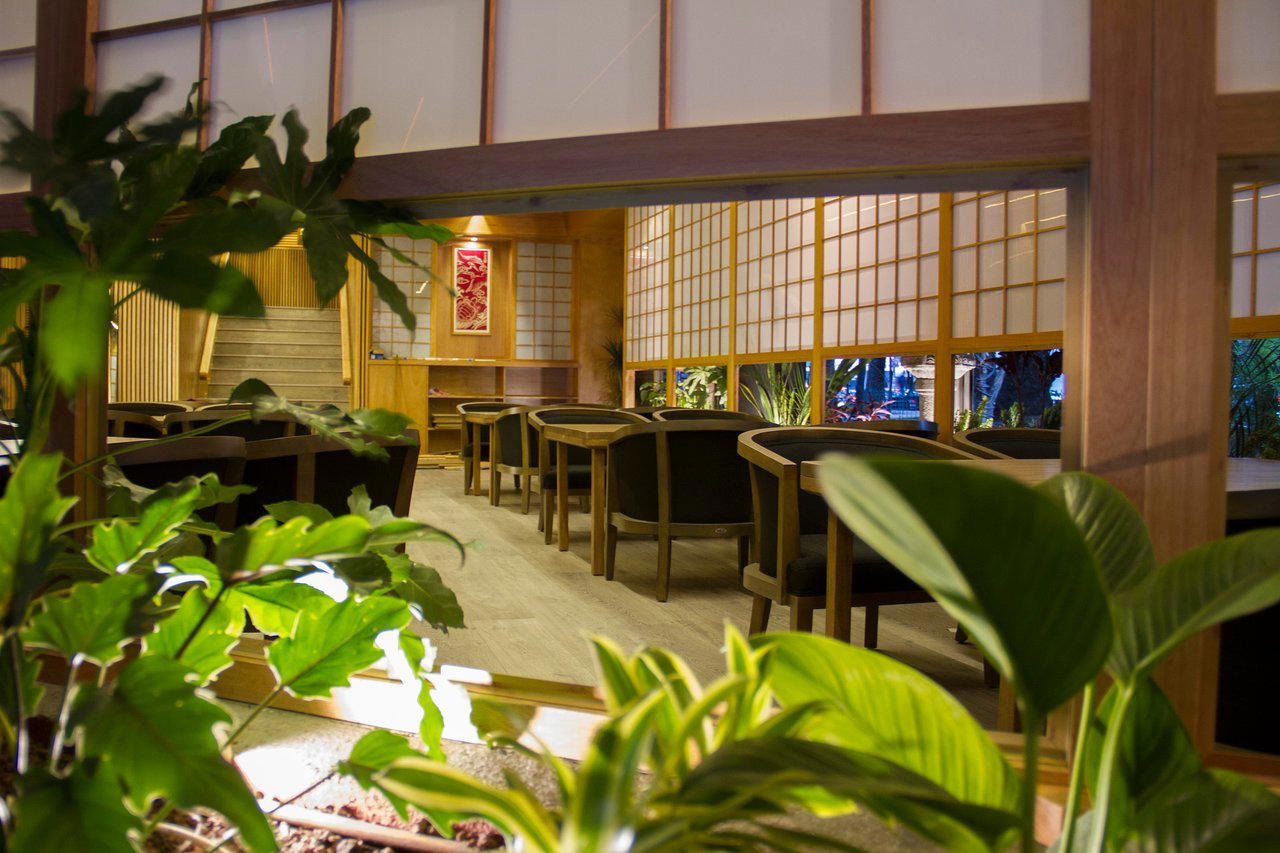
Daikoku sits on Av. Insurgentes Sur 1261, away from the louder clusters in Polanco and Condesa, which shapes its register from the start. The Extremadura Insurgentes address signals an independent operation without group backing or awards infrastructure behind it, and the room reflects that: lower profile, less theatrical, more focused on the food itself. Visitors who arrive expecting the high-production energy of the city's headline Japanese venues will find something quieter and more considered here.
Where exactly is Daikoku?
Daikoku is located at Av. Insurgentes Sur 1261, Extremadura Insurgentes, Benito Juárez, 03740 Ciudad de México, CDMX, Mexico, Mexico City.
How does Daikoku compare to other Japanese restaurants in Mexico City's southern neighbourhoods?
Among Japanese-influenced dining along the Insurgentes Sur corridor, Daikoku functions as an independent without the award credentials or chef-name recognition attached to higher-profile CDMX Japanese venues. That places it closer in character to neighbourhood-scaled operations than to the omakase counters or group-backed concepts that dominate coverage in Polanco and Roma Norte. The Benito Juárez borough address, specifically the Extremadura Insurgentes colonia, anchors it in a residential dining culture that prioritises consistency over spectacle.
What's the best thing to order at Daikoku?
The venue's position in Mexico City's Japanese-influenced dining scene, operating as a standalone on Insurgentes Sur rather than under a multi-concept group, suggests a tighter, more focused menu rather than a broad crowd-pleasing format. Asking staff at the time of your visit what is running that day is the more reliable approach.
What's the best way to book Daikoku?
No booking phone number or website is currently published in available editorial records for Daikoku. The most direct route is to visit in person at Av. Insurgentes Sur 1261, Extremadura Insurgentes, Benito Juárez, Mexico City, or to check whether a current reservation channel has been set up through local dining platforms active in CDMX. Independent venues at this address tier often manage reservations informally, so early contact is advisable for weekend sittings.
What makes Daikoku worth seeking out?
Daikoku operates without the group infrastructure, award positioning, or Polanco-zone visibility that drives attention to much of Mexico City's Japanese dining scene, which means it draws a different kind of guest. The Insurgentes Sur corridor around Extremadura Insurgentes has built a reputation for quieter, neighbourhood-scale dining that residents favour over the more tourist-indexed strips. For visitors willing to move past the obvious addresses, that colonia dynamic is itself a signal worth following.
Cuisine and Awards Snapshot
A quick peer reference to anchor this venue in its category.
| Venue | Cuisine | Price | Awards | Notes |
|---|---|---|---|---|
| DaikokuThis venue (the venue you are viewing) | Traditional Japanese with Teppanyaki | $20–30 | Not listed | Not listed |
| Pujol | Modern Mexican Fine Dining | $200–300 | 2 Michelin Stars · World's 50 Best #60 | Mexican |
| Quintonil | Modern Mexican Fine Dining | $300–500 | 2 Michelin Stars · World's 50 Best #4 | Modern Mexican, Contemporary |
| Rosetta | Mexican-Italian Fusion Fine Dining | $30–50 | 1 Michelin Star · World's 50 Best #96 | Italian, Creative |
| Em | Modern Japanese-Mexican Fusion | $200–300 | 1 Michelin Star · World's 50 Best #71 | Mexican |
| Comedor Jacinta | Traditional Mexican | Not listed | Michelin Bib Gourmand | Mexico, Mexican |