Canje



James Beard Award Semi Finalist · Food & Wine Top 10 US Restaurants #3 · Esquire Best New Restaurants #4
Our verdict
It occupies a distinctive position in Austin's dining scene — a city better known for barbecue and New American tasting menus than for the flavors of the Anglophone Caribbean.

Pearl is the En Primeur Club membership app — saves, bookings, and concierge access live there. Same editors, same standards.
- Address
- 1914 E 6th St ste c, Austin, TX 78702
- Phone
- (512) 706-9119
- Hours
- Mon–Thu 5–10 PMFri–Sat 5–11 PMSun 5–10 PM
- Website
- canjeatx.com
- Directions
- Get directions
- Booking
- Book on OpenTable
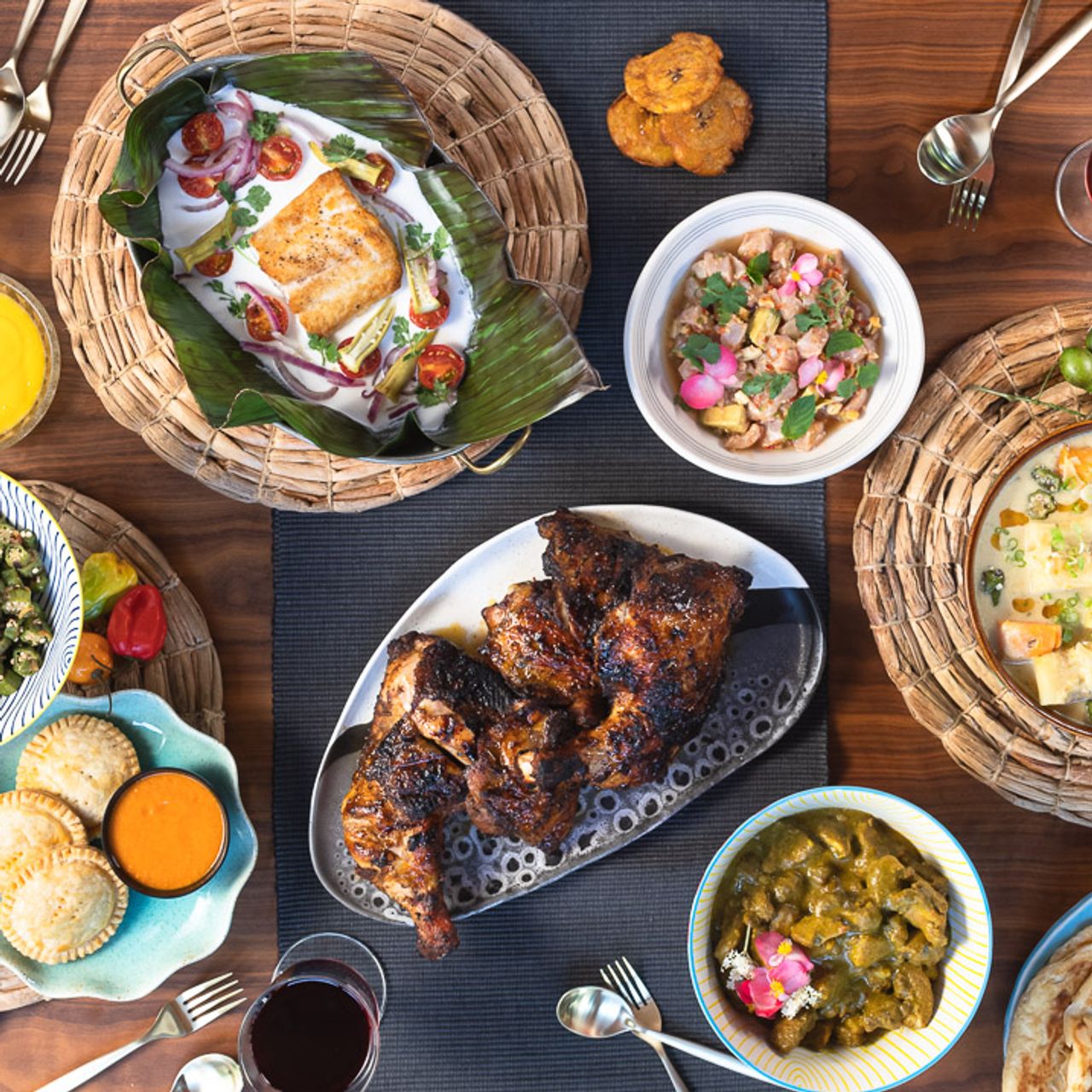
The menu
What to order
- Jerk chicken
- Wild boar pepper pot
- Albacore ceviche
- Guyanese roti
East 6th Street and the Case for Caribbean in Austin
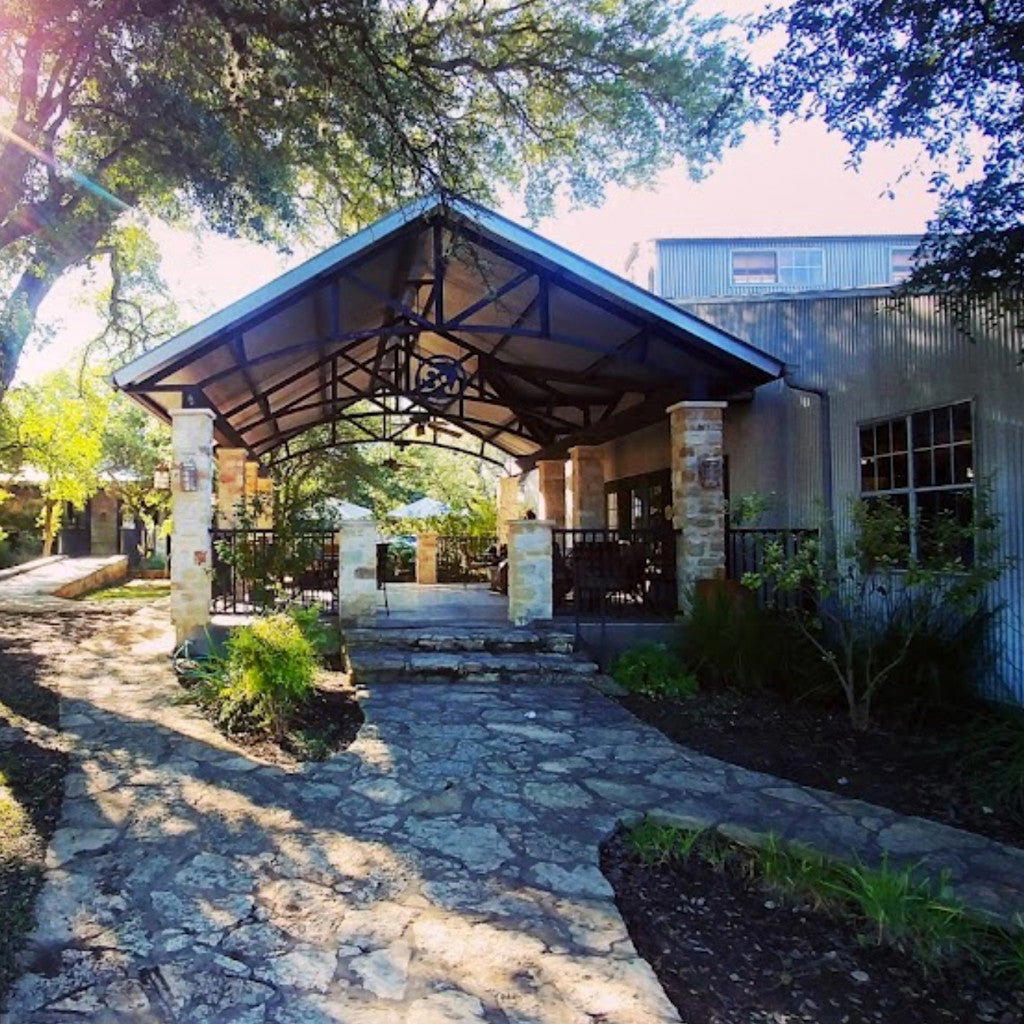
East 6th Street has spent the better part of a decade sorting itself into something more than a bar corridor. The stretch between Chicon and Cesar Chavez now holds some of Austin's more considered mid-tier restaurants — places with a point of view that goes beyond the Tex-Mex and smoked meat templates that define the city's national reputation. Canje sits at 1914 E 6th St, a suite-format space that signals, from the outside, a deliberate restraint. The neighborhood's ambient energy — foot traffic, music spilling from adjacent venues, the low hum of a city still working out what it wants to be at dinner, presses up against what happens inside, which is something considerably more focused.
Caribbean cooking in the American interior has historically been filtered through Jamaican or Cuban shorthand, with the broader regional spectrum, Trinidadian, Barbadian, Guyanese, largely absent from serious restaurant conversations outside New York or Miami. Canje addresses that gap directly, with Guyanese cuisine as its anchor. Guyana's culinary identity is itself a layered document: South American geography, Amerindian foundations, and the successive influences of African, Indian, Chinese, and European migration all show up in its food. That complexity gives a kitchen genuine range without requiring fusion as a conceit.
The Room as a Collaborative Proposition
The editorial angle most useful for understanding Canje is not the origin story of any individual but rather the way the front-of-house, bar program, and kitchen operate as a coordinated unit. In restaurants where a single cuisine holds the floor, especially one as unfamiliar to most Austin diners as Guyanese cooking, the service team carries an educational function that is inseparable from the meal itself. At Canje, that function appears to be taken seriously.
The bar program at a Caribbean-focused restaurant also has structural responsibilities that go beyond a standard beverage list. Rum, in its many regional variants, is one of the hemisphere's most articulate spirits, and a drinks program that takes Guyanese and broader Caribbean provenance seriously can anchor a meal in place as firmly as the food.
What the Recognition Record Says
Two awards define Canje's public credibility. The Esquire Leading New Restaurants #4 ranking in 2022 placed it in national company at a moment when the restaurant was still establishing its footing, a ranking of that specificity, with a numbered position rather than a general honorable mention, indicates that critics were paying close attention. Esquire's list in that period was weighted toward restaurants with a clear culinary argument, not just technical proficiency, which suggests Canje was being read as a statement about what American dining could include.
Many restaurants that generate early critical heat lose it within two or three years as novelty fades and the competitive set catches up. Maintaining recognition across a three-year span, particularly in a city where new openings arrive at pace, points to a kitchen and team that have continued to develop rather than coasting on early momentum.
For context on where Canje sits in Austin's broader critical landscape: Barley Swine holds a Michelin star at the $$$$ tier; la Barbecue and its Michelin recognition at the $$ tier show that Austin's recognition map does not track neatly to price. Canje's awards position it in serious company without requiring the tasting-menu format or the price point that defines Austin's upper bracket, represented by venues like Hestia or Craft Omakase.
Caribbean Cooking in a City That Doesn't Know It Yet
The challenge and opportunity for a Guyanese-focused restaurant in Austin is the same thing: most diners are arriving without a reference frame. That creates a service obligation, menus need more explanation, servers need to guide without being condescending, but it also creates a genuine first-impression opportunity. Unlike a new Italian or Japanese restaurant, where every guest arrives with preconceptions, Canje can define the terms of the experience.
This is a position that restaurants in similarly niche categories have navigated to significant effect in other American cities. Atomix in New York built its reputation partly on Korean fine dining's unfamiliarity to Western tasting-menu audiences. The comparison is not about scale or format, Atomix operates at a different tier entirely, but about the structural advantage that comes from owning a cuisine category in a market that hasn't seen it done at this level. Canje holds that position in Austin.
Austin's barbecue scene, anchored by venues like InterStellar BBQ, draws the bulk of the city's food tourism attention. The broader dining scene includes everything from Barley Swine's tasting-menu format to casual izakaya energy at Kemuri Tatsu-ya. Canje occupies none of those familiar slots, which is precisely what makes its critical record meaningful: it earned its recognition without the scaffolding of an established category.
Planning Your Visit
Canje is located at 1914 E 6th St, Suite C, in Austin's East Side. The suite designation suggests a smaller, more interior space within a shared-building context, common on this stretch of East 6th, where several strong restaurants share footprints with bars or retail.
For visitors building an Austin itinerary around dining, the East Side location makes Canje a logical anchor for an evening that might begin with drinks elsewhere on the strip. Those planning a broader Austin dining sequence can reference our full Austin restaurants guide, alongside our Austin bars guide, hotels guide, and experiences guide for the wider picture.
Frequently asked questions
Is there a head chef associated with Canje?
The chef associated with Canje is Canje Not Available.
Should I book Canje in advance?
Reservations are advisable, particularly for weekend evenings. The suite C address at 1914 E 6th St indicates a more interior, lower-capacity space, which limits walk-in availability.
What do critics highlight about Canje?
The two anchoring credentials tell the story clearly: Esquire placed Canje fourth nationally among new restaurants in 2022, a ranking that reflects both the cooking and the overall restaurant proposition. Pearl's 2025 Recommended designation confirms the kitchen has maintained its standard over time rather than fading after early buzz. Critics have consistently pointed to the Guyanese focus as filling a genuine gap in Austin's dining scene.
The Short List
| Venue | Cuisine | Price | Awards | Notes |
|---|---|---|---|---|
| CanjeThis venue — the venue you are viewing | Modern Caribbean (Guyanese-inspired) | $50–100 | James Beard Award Semi Finalist · Food & Wine Top 10 US Restaurants #3 | Not listed |
| Barley Swine | Modern American Fine Dining | $100–150 | 1 Michelin Star · James Beard Award Semi Finalist | New American, Contemporary |
| la Barbecue | Texas Barbecue | $50–100 | 1 Michelin Star · James Beard Award Semi Finalist | Barbecue |
| Olamaie | Modern Southern | $100–150 | 1 Michelin Star | Southern |
| Jeffrey's | Modern American Steakhouse | $150–200 | Michelin Plate · Wine Spectator Best of Award of Excellence | French - Steakhouuse, Contemporary |
| Kemuri Tatsu-ya | Japanese-Texas BBQ Izakaya | $50–100 | Michelin Bib Gourmand | Izakaya |
Recognition history
Dated appearances from independent guides and award organizations, with the underlying list record or original source where available.
James Beard Award Semi Finalist
James Beard Award
Food & Wine Top 10 US Restaurants #3
Food & Wine
Esquire Best New Restaurants #4
Esquire
Continue exploring
More in Austin
Restaurants in Austin
Browse all →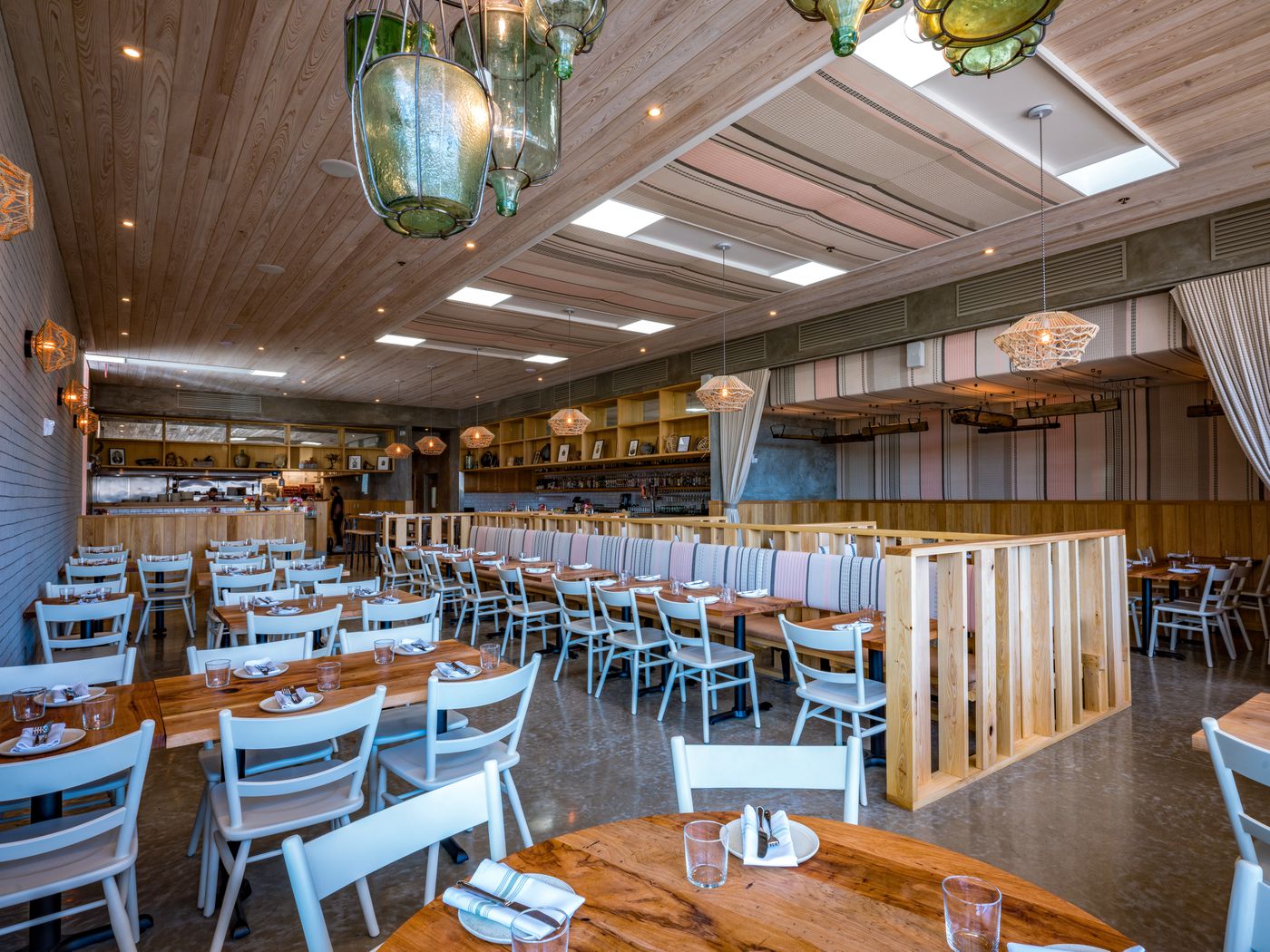
Bars in Austin
Browse all →
Hotels in Austin
Browse all →
Details
- Lively
- Trendy
- Energetic
- Date Night
- Group Dining
- Special Occasion
- Open Kitchen
- Craft Cocktails
- Local Sourcing
- Small Plates
- A La Carte
- Craft Cocktails
- Vegetarian Friendly
- Allergy Accommodating
Current opening hours
- Monday
- 5–10 PM
- Tuesday
- 5–10 PM
- Wednesday
- 5–10 PM
- Thursday
- 5–10 PM
- Friday
- 5–11 PM
- Saturday
- 5–11 PM
- Sunday
- 5–10 PM
Hours can change for holidays and private events. Last verified .
Fun, lively atmosphere with hip-hop music, cozy yet energetic space, though notably loud due to concrete floors and high energy.