Michelin Plate
Our verdict
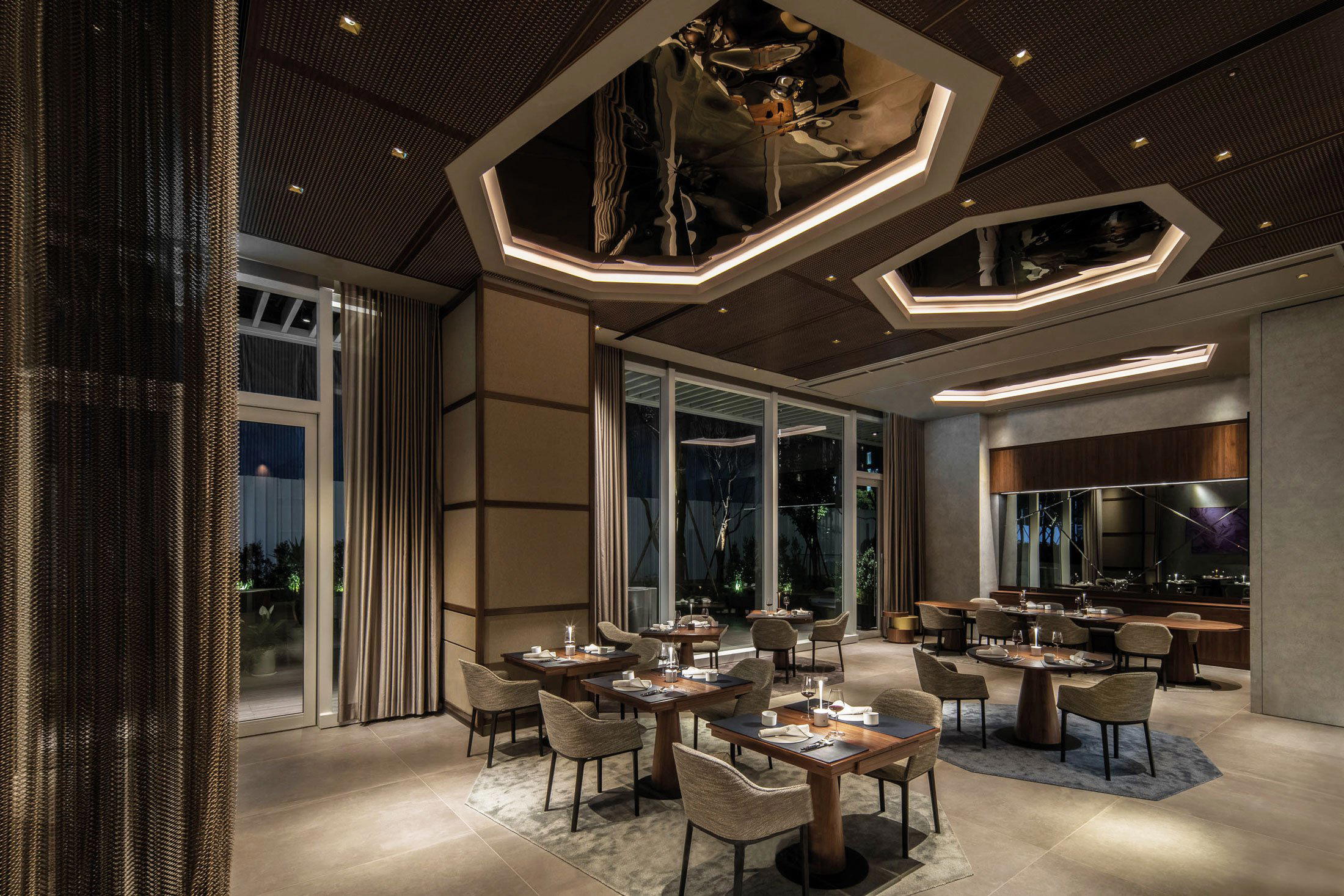
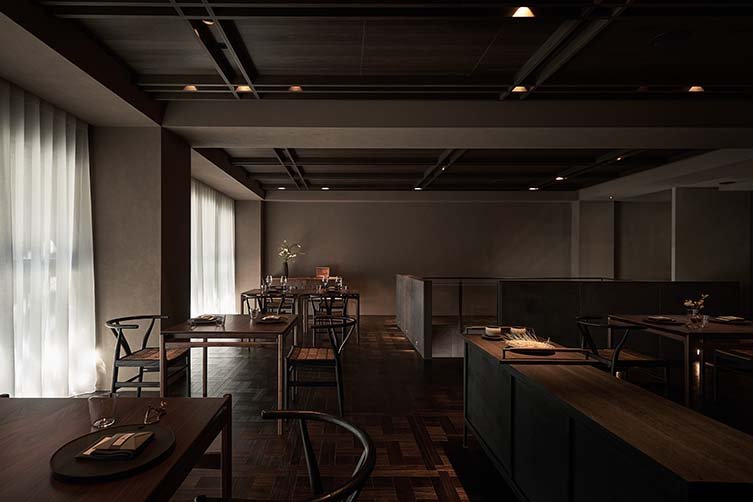
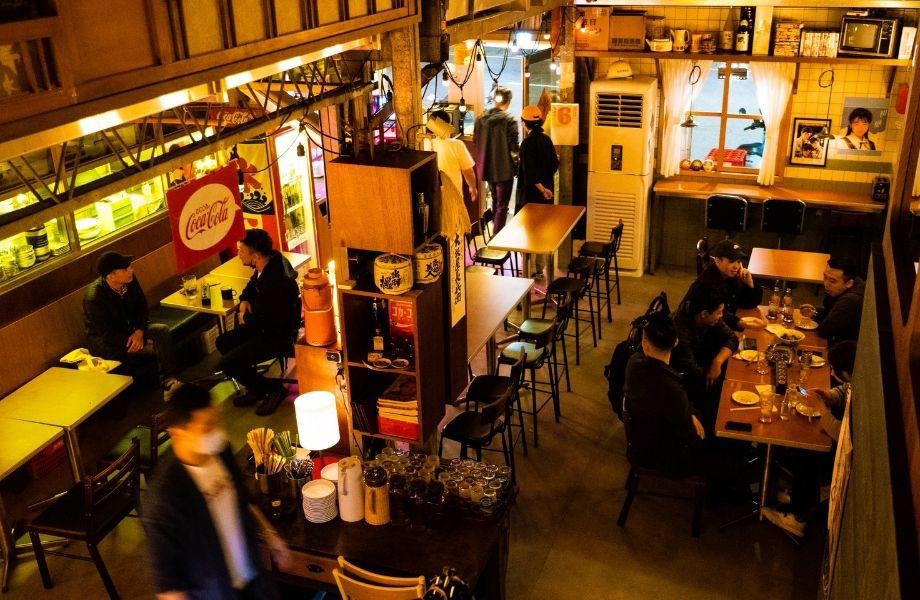
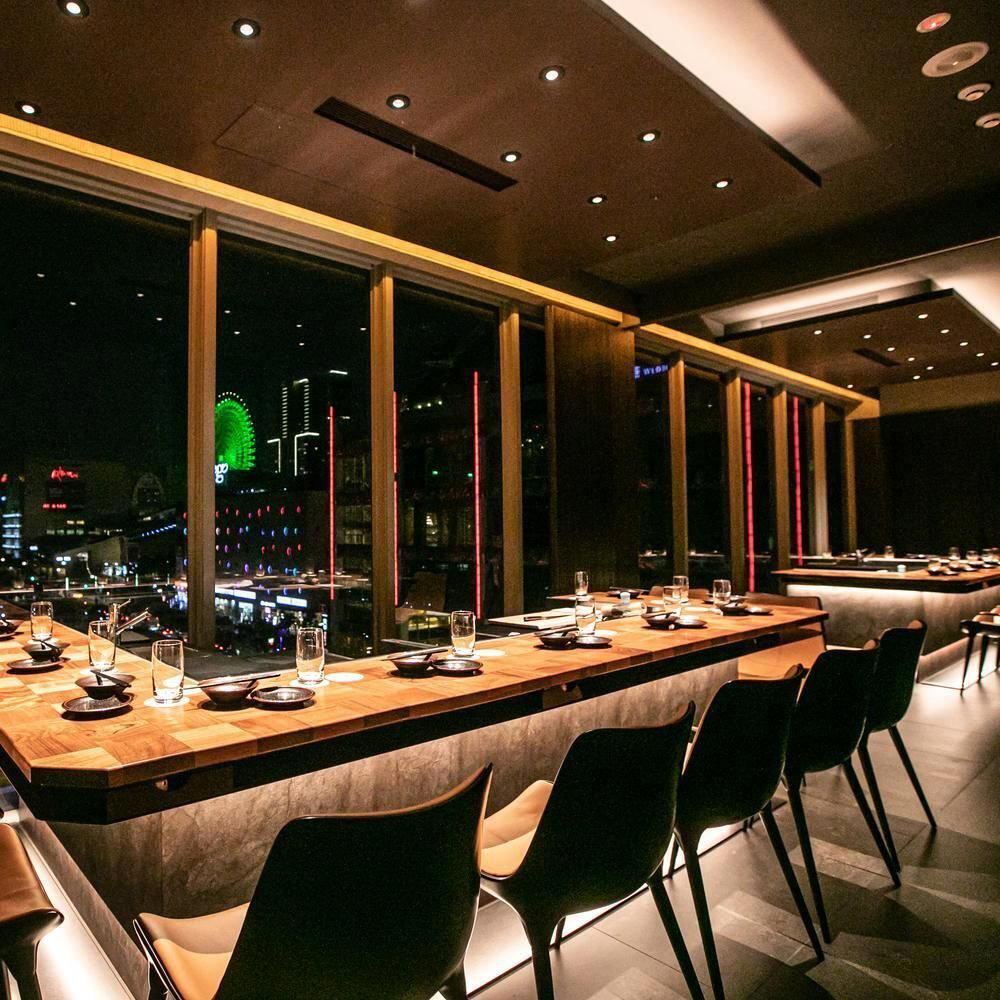
Da-Wan holds consecutive Opinionated About Dining Asia rankings (2023–2025) and operates at the $$$ price tier from its Dazhi address in Taipei's Zhongshan District. The kitchen centres on Wagyu beef, predominantly from Miyazaki prefecture, grilled tableside by trained servers across cuts including oyster blade, chuck eye roll, flat iron, and thick-cut ox tongue. The faux-industrial dining room, with full-height windows opening onto the department-store glow of Jingye 2nd Road, sets a distinctly urban tone.

Pearl is the En Primeur Club membership app, where members save venues, book tables and use the concierge.
Dazhi After Dark: Taipei's Yakiniku Scene and Where Wagyu Fits
Taipei's grilled-meat culture has fractured into clearly defined tiers over the past decade. At the lower end, neighbourhood yakiniku shops offer unmarinated cuts at accessible prices; in the middle, a crowded bracket of competent Korean-inflected grill houses competes on portion size and value. Above that sits a smaller cohort of Japanese-style wagyu specialists where provenance documentation, cut selection, and server-side grilling technique are the differentiating factors.
The Dazhi neighbourhood gives this style of restaurant a particular charge. It is not the rarefied quiet of Da'an or the studied cool of Songshan; Dazhi runs on the energy of its department stores and the after-work crowd they generate. Full-height windows mean the electric glow of nearby retail spills into the dining room at night, making it feel embedded in the city rather than retreated from it. The faux-industrial interior, with its dramatic lighting, reads as deliberate: a space designed to frame the central spectacle of fire and meat without competing with it.
Heat, Metal, and the Grammar of Wagyu
Yakiniku's relationship with heat is more particular than it appears from the outside. The grill is the kitchen, and the distance between raw and overcooked on a thin slice of heavily marbled beef is measured in seconds rather than minutes. What distinguishes the upper tier of Taipei's wagyu restaurants from the mid-market is less about the quality of the beef at source, Miyazaki prefecture cattle are well-distributed across the premium segment, and more about how the heat is managed at the table and who is managing it.
Da-Wan positions its servers as the grill technicians, a format common at high-end Japanese yakiniku and less consistently executed elsewhere. Wagyu from Miyazaki, one of Japan's most celebrated beef-producing prefectures and a region that has held a national championship title multiple times, arrives across multiple cuts: oyster blade, chuck eye roll, and flat iron each carry distinct fat distribution and texture profiles that respond differently to the same heat source. Thick-cut ox tongue is listed as a signature preparation, and the cut's density demands a different approach than the marbled middle cuts: longer exposure, controlled char, a texture described as springy and deeply beefy rather than the yielding melt associated with heavily marbled rib cuts.
The question of fuel and its flavour contribution matters here in ways that are easy to understate. In the American barbecue tradition, represented by operations like InterStellar BBQ in Austin, la Barbecue in Austin, or CorkScrew BBQ in Spring, the wood type (post oak, hickory, pecan) is often the loudest variable in the flavour equation, imparting smoke compounds over hours of low heat. Japanese yakiniku works at the other end of that spectrum: higher temperatures, shorter contact times, and charcoal (typically binchōtan) that burns nearly without smoke, leaving the flavour of the beef itself unobscured. The editorial point is that at this level of yakiniku, the absence of smoke flavour is a deliberate technical position rather than a limitation. The beef is the argument, and the heat is the mechanism.
Zhongshan District in the Context of Taipei's Dining Geography
Taipei's critically recognised restaurant scene clusters in a few distinct zones. Da'an holds a concentration of fine-dining addresses, Baho in Da'an operates in that neighbourhood's more considered register. Michelin-decorated houses like Le Palais (Cantonese) and Taïrroir anchor the city's three-star tier alongside logy's Modern European and Asian Contemporary format. Da-Wan operates outside those Michelin-tracked categories entirely: it holds no star designation but carries OAD recognition, a list that frequently surfaces restaurants the Michelin guide has not yet addressed, particularly in the yakiniku and grilled-meat segment.
Both operate in the wagyu-focused, server-grilled format; the distinction between them lies in cut selection emphasis, price positioning, and atmosphere register rather than fundamental format differences. Da-Wan's $$$ pricing sits at the accessible end of the serious wagyu tier in Taipei, making it the point of entry into OAD-level recognition for guests who want grilled beef without committing to a fine-dining per-cover spend.
Taiwan Beyond Taipei: Framing the Broader Table
Visitors treating Da-Wan as one stop in a wider Taiwan trip will find the island's recognised dining scene extends well beyond the capital. JL Studio in Taichung and GEN in Kaohsiung represent the critical southern and central anchors of the island's restaurant map. A Cun Beef Soup in Tainan points toward the deep-rooted beef soup tradition of the south, a counterpoint to Taipei's Japanese-inflected grilled formats. For something more remote, Akame in Wutai Township and Volando Urai Spring Spa and Resort in Wulai District represent the island's emerging mountain and spa-adjacent dining circuit.
For Taipei specifically, our full Taipei hotels guide, our full Taipei bars guide, our full Taipei wineries guide, and our full Taipei experiences guide cover the full picture beyond the restaurant table.
Planning a Visit
Da-Wan is located at 199, Jingye 2nd Road, 5th floor, Zhongshan District, Taipei 104, within the Dazhi commercial strip. The fifth-floor position means the entrance is not immediately visible from street level; the surrounding department store context makes it easy to navigate once in the area. Pricing at the $$$ tier places an evening here below the four-symbol Michelin houses but above the mid-market yakiniku bracket, expect a spend consistent with serious wagyu dining at a non-luxury price point. Booking specifics are not publicly listed in available data; see the venue directly for current reservation availability.
Frequently asked questions
What style of cooking does Da-Wan do?
Is Da-Wan more mid-range or high-end?
Pricing at Da-Wan is listed as $$$.
Does Da-Wan have a Michelin star or similar recognition?
Da-Wan has received recognition including: Opinionated About Dining Top Restaurants in Asia Ranked #419 (2025); Opinionated About Dining Top Restaurants in Asia Ranked #408 (2024); Da-Wan moved to the shopping streets of Dazhi in late 2021. The dining room adopts a hip, faux-industr….
What's the signature dish at Da-Wan?
Miyazaki Wagyu is the throughline of the menu, with cuts including oyster blade, chuck eye roll, and flat iron grilled tableside by trained servers. Thick-cut ox tongue is also a fixture, noted by Opinionated About Dining, which ranked Da-Wan among its Top Restaurants in Asia in both 2024 and 2025, for its firm, pronounced beef character.
What's Da-Wan's location?
Da-Wan is located at 104, Taiwan, Taipei City, Zhongshan District, Jingye 2nd Rd, 199號5樓, Taipei.
Who runs the kitchen at Da-Wan?
The chef associated with Da-Wan is Dahon Huang.
Do they take walk-ins at Da-Wan?
Da-Wan's fifth-floor position in the Dazhi commercial strip means it operates without a street-level queue, and its OAD ranking two years running signals consistent demand. Booking ahead is the practical approach; contact details are not publicly listed, so reaching out via the venue directly or through a hotel concierge is advisable.
Cost and Credentials
| Venue | Cuisine | Price | Awards | Notes |
|---|---|---|---|---|
| Da-WanThis venue (the venue you are viewing) | Michelin-Starred Japanese Yakiniku | $100–150 | Michelin Plate | Not listed |
| logy | Modern Japanese-Taiwanese Fusion Omakase | $100–150 | 2 Michelin Stars · World's 50 Best #22 | Modern European, Asian Contemporary |
| Le Palais | Fine Dining Cantonese | $150–200 | 3 Michelin Stars · La Liste Top Restaurants | Cantonese |
| Taïrroir | Taiwanese-French Fusion Fine Dining | $150–200 | 3 Michelin Stars · La Liste Top Restaurants | Taiwanese/French, Taiwanese contemporary |
| Mudan Tempura | Michelin-Starred Tempura | Not listed | 2 Michelin Stars · La Liste Top Restaurants | Tempura |
| de nuit | Contemporary French | $150–200 | 1 Michelin Star · Star Wine List | French Contemporary |
Recognition history
Dated appearances from independent guides and award organizations, with the underlying list record or original source where available.
Michelin Plate
Michelin
Opinionated About Dining Top Restaurants in Asia Recommended
Opinionated About Dining
Full recognition history (5 entries)
Opinionated About Dining Top Restaurants in Asia Ranked #419
Opinionated About Dining
Opinionated About Dining Top Restaurants in Asia Ranked #408
Opinionated About Dining
Opinionated About Dining Top Restaurants in Asia Recommended
Opinionated About Dining