da Umberto
A Chelsea fixture at 107 W 17th St, da Umberto has tracked Italian-American fine dining through several decades of New York's shifting restaurant culture. The room occupies a quieter tier than the city's Michelin-chasing tasting-menu circuit, positioning itself instead within a tradition of sustained neighbourhood authority and classical Italian hospitality.
Pearl is the En Primeur Club membership app — saves, bookings, and concierge access live there. Same editors, same standards.
- Address
- 107 W 17th St, New York, NY 10011
- Phone
- +12129890303
- Website
- daumbertonyc.com
- Directions
- Get directions
 Saves & bookings on Pearl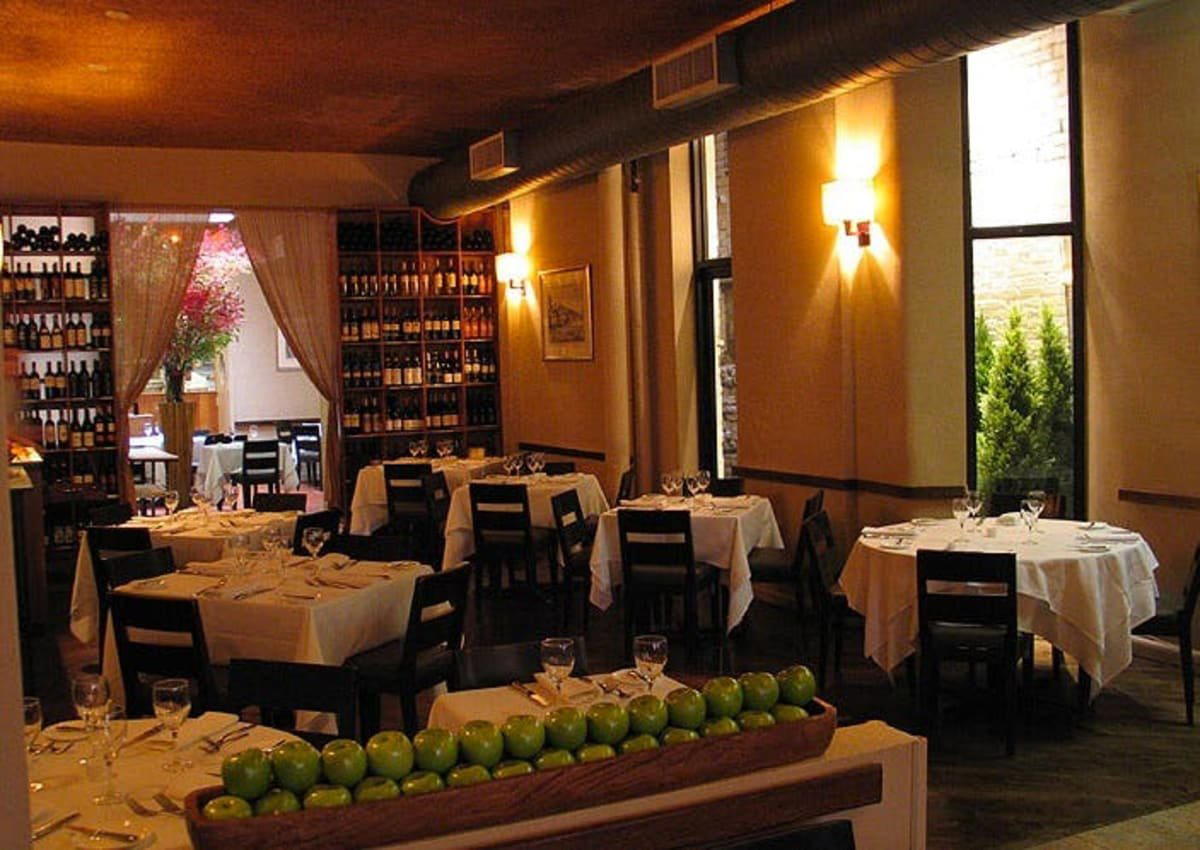
A Long Tenure in a City That Rarely Grants Them
New York's restaurant attrition rate is among the highest of any major dining city. Most places that open on a concept close within three years; the ones that survive a decade do so by becoming something the neighbourhood cannot easily replace. Da Umberto, at 107 W 17th St in Chelsea, is a Classic Tuscan Italian restaurant with. It belongs to that smaller, harder-earned category: a restaurant whose durability is itself an editorial argument. In a city where Italian dining now spans everything from fast-casual pasta counters to four-figure omakase-adjacent tasting menus, the restaurants that have held a classical position for decades tell a different story about what New York diners actually return to.
The address places it squarely in Chelsea, a neighbourhood that underwent significant commercial and cultural transformation from the late 1990s onward. As gallery culture moved in and the High Line arrived, the dining character of the area shifted repeatedly. Da Umberto's persistence through those cycles is the kind of detail that says more about a restaurant's relationship with its guests than any single award or press cycle could.
How the Dining Category Around It Has Changed
The evolution of Italian fine dining in New York over the past three decades tracks a familiar arc. The 1980s and early 1990s produced a tier of white-tablecloth Italian restaurants that drew from northern Italian tradition, prioritised composed service, and priced against French fine dining rather than trattorias. That tier has contracted considerably. Several of its members have closed, repositioned downmarket, or been absorbed into hotel operations. A smaller number have survived by remaining legible to a guest who values continuity over reinvention.
That compression matters for understanding where da Umberto sits today. The broader New York fine dining market has stratified sharply. At the upper end, venues like Le Bernardin, Eleven Madison Park, Per Se, Masa, and Atomix compete on tasting-menu architecture, Michelin accumulation, and international profile. Below that, the mid-tier has fragmented into fast-casual concepts, neighbourhood bistros, and a wave of Italian-American nostalgia operations. The classical northern Italian fine dining position that da Umberto occupies has fewer direct competitors now than it did twenty years ago, which is a structural advantage the longevity data bears out.
The Room and Its Register
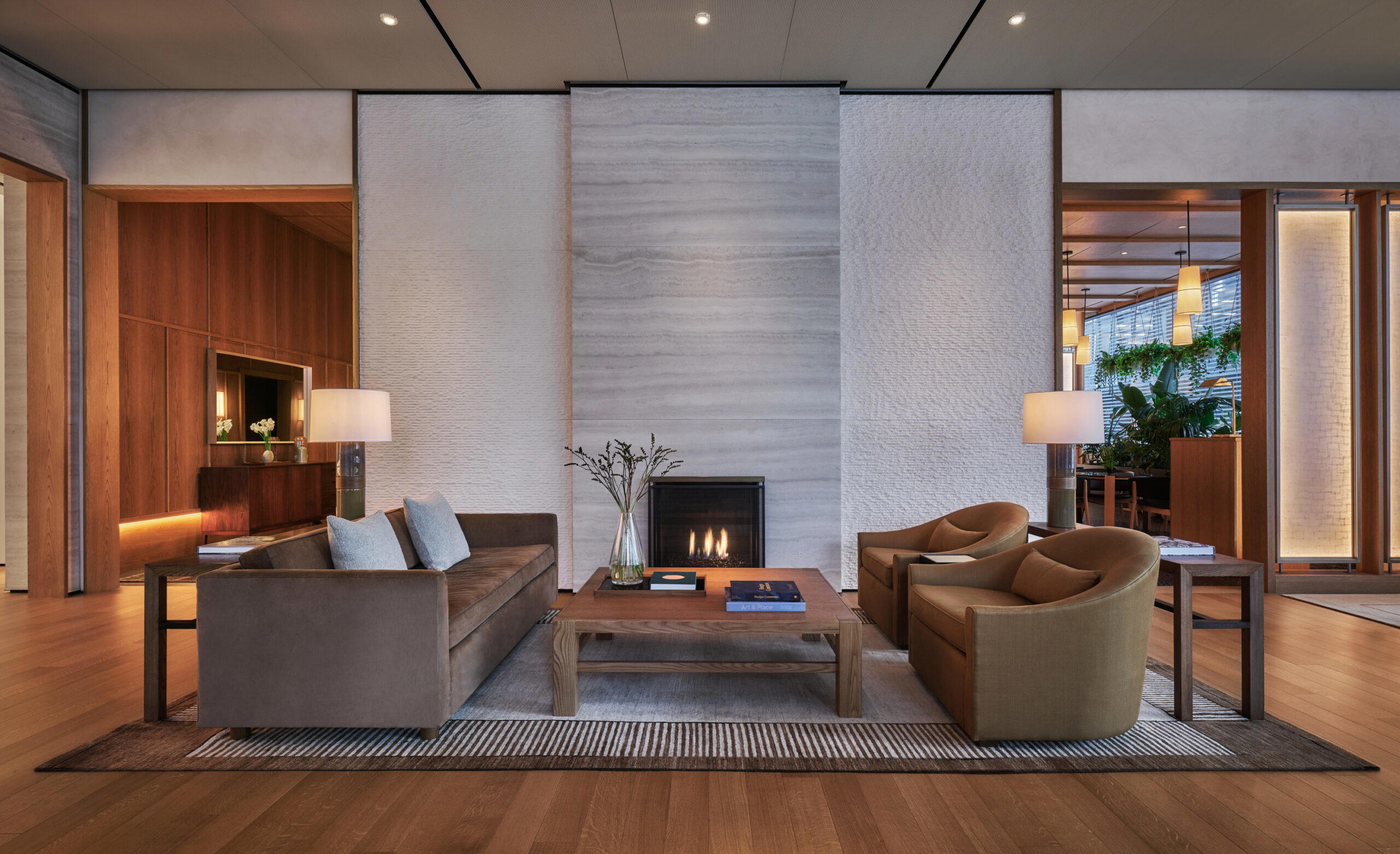
Chelsea's dining rooms tend toward the industrial-chic end of the design spectrum, a legacy of the neighbourhood's conversion from warehouse and gallery space. The restaurant operates in a different register. The room communicates the kind of settled confidence that comes from not needing to signal anything to passersby. That restraint is itself a positioning statement in a borough where new openings frequently prioritise visual differentiation above all else.
Classical Italian hospitality in the northern tradition prioritises the table as a sustained engagement rather than a transactional sequence. Courses arrive with appropriate spacing. Wine service operates on the assumption that the guest may want to discuss the bottle rather than simply receive it. These are conventions that get trained out of restaurants under volume pressure, which is part of why their presence at longer-tenured venues carries meaning. Comparable staying power in the classical Italian format can be found at Dal Pescatore in Runate, which has maintained its position through similar generational consistency.
The Evolution: Reinvention Versus Refinement
Not every restaurant that survives does so by changing. Particularly durable dining institutions in American cities have held their position precisely by resisting the reinvention pressure that cultural commentary tends to celebrate. The question worth asking about the restaurant is not what it has become, but what it has chosen to remain, and whether that choice still reads as conviction or as inertia.
In the current New York environment, that distinction matters. Restaurants that have genuinely refined their position over time, sharpening execution without chasing format trends, occupy a different standing than those that have simply aged in place. The durational fact of the restaurant's presence on W 17th St is verifiable; the quality of that refinement is what a visit would need to assess. For context on what sustained refinement looks like at the level of American fine dining more broadly, The French Laundry in Napa, Blue Hill at Stone Barns in Tarrytown, and The Inn at Little Washington each represent different versions of the long-arc refinement model.
Italian fine dining that has held its ground outside New York shows similar patterns. Frasca Food & Wine in Boulder built its authority on Friulian specificity and has sustained that position for two decades. Atelier Moessmer Norbert Niederkofler in Brunico represents the European counterpart: Alpine Italian cooking that has evolved its sourcing philosophy without abandoning its regional identity. The restaurant's relationship to its own culinary identity, and how consciously it has developed that identity over time, is the open editorial question.
Where It Sits in a Wider American Fine Dining Reading
For guests building a broader itinerary around serious American dining, the restaurant represents a particular and increasingly rare format: the classical Italian room that has survived on the strength of its guest relationships rather than on press cycles or award momentum. That format is worth preserving in any reading of New York's dining culture, alongside the tasting-menu flagships that draw most of the critical attention.
Other American cities offer instructive comparisons. Emeril's in New Orleans and Providence in Los Angeles have each navigated the tension between sustained identity and format evolution. Lazy Bear in San Francisco, Smyth in Chicago, Single Thread Farm in Healdsburg, and Addison in San Diego each represent more recent entries into the long-form American fine dining conversation. What the restaurant offers that most of those venues cannot is simple longevity data: it has already survived the cycles that will test those restaurants in coming years.
Know Before You Go
Address: 107 W 17th St, New York, NY 10011
Neighbourhood: Chelsea, Manhattan
Cuisine: Classical Italian (northern tradition)
Price tier: $70 per person
Reservations: Recommended
Hours: Mon: 12-3 PM, 5-10 PM; Tue: 12-3 PM, 5-10 PM; Wed: 12-3 PM, 5-10 PM; Thu: 12-3 PM, 5-10 PM; Fri: 12-3 PM, 5-11 PM; Sat: 5-11 PM; Sun: Closed
Getting there: Chelsea is served by the 1 train (18th St) and the A/C/E/L lines at 14th St; street-level access from W 17th St
Peers You’d Cross-Shop
Comparable venues nearby, for context on price, style, and recognition.
| Venue | Cuisine | Price | Notes |
|---|---|---|---|
| da UmbertoThis venue — the venue you are viewing | Classic Tuscan Italian | $$$ | Not listed |
| See No Evil Slice | Neapolitan-Style Pizza with Artisanal Small Plates | $$$ | Midtown Manhattan |
| Il Pastaio | Housemade Italian Pasta Bar | $$$ | Midtown South-Flatiron-Union Square |
| La Pizza & La Pasta | Neapolitan Pizza & Fresh Pasta | $$$ | Midtown South-Flatiron-Union Square |
| Maialino (vicino) | Roman Trattoria | $$$ | Midtown South-Flatiron-Union Square |
| Locanda Verde Hudson Yards | Urban Italian Osteria | $$$ | Chelsea-Hudson Yards |
Continue exploring
More in New York City
Restaurants in New York City
Browse all →
Bars in New York City
Browse all →
Hotels in New York City
Browse all →





At a Glance
- Classic
- Elegant
- Cozy
- Sophisticated
- Date Night
- Business Dinner
- Special Occasion
- Historic Building
- Extensive Wine List
Current opening hours
- Monday
- 12–3 PM, 5–10 PM
- Tuesday
- 12–3 PM, 5–10 PM
- Wednesday
- 12–3 PM, 5–10 PM
- Thursday
- 12–3 PM, 5–10 PM
- Friday
- 12–3 PM, 5–11 PM
- Saturday
- 5–11 PM
- Sunday
- Closed
Hours can change for holidays and private events. Last verified .
Dimmed lighting, exposed brick, soft ambiance with white tablecloths creating an elegant yet unpretentious old-world Italian feel.