Da Marco
Our verdict
Da Marco sits in Stanghella, a quiet agricultural commune in the Padovan plain where the Po Delta's waterways and fertile lowlands define what reaches the kitchen. In a region where trattoria tradition runs deep and ingredient provenance is rarely an afterthought, Da Marco represents the kind of address that rewards those willing to travel beyond the Veneto's more obvious dining corridors. Check our full guide for the latest details on booking and format.

Pearl is the En Primeur Club membership app, where members save venues, book tables and use the concierge.

The menu
What to order
- Tagliatelle with truffles
- Florentine steak
- Porcini mushrooms
- Risotto
Where the Padovan Plain Meets the Table
The drive into Stanghella tells you something about the food before you arrive. The road runs flat through the lower Veneto, past irrigation channels and market gardens, through a landscape shaped by centuries of reclamation work on the Po Delta's edge. This is the Province of Padua at its quietest: no hilltop drama, no vineyard terracing, just the kind of agricultural plainness that tends to produce kitchens with a serious relationship to what grows and swims nearby. Da Marco, addressed on Via Canaletta Inferiore, sits in that context. The building itself is oriented toward the local rather than the visitor, which in this part of northern Italy is usually a reliable signal about what to expect on the plate.
The Veneto's inland plain is one of Italy's more underappreciated producing regions. The waterways feeding into the Po Delta support eel, carp, and freshwater species that rarely appear on the menus of Verona or Venice's tourist-facing restaurants. The surrounding fields yield radicchio varieties, white asparagus from Bassano del Grappa to the north, and the soft-skinned vegetables of the padana tradition. Dining well here means eating seasonally in a way that has less to do with trend and more to do with what the land and water are actually doing at any given time of year. For points of comparison in the broader Italian northeast, Le Calandre in Rubano and Casa Perbellini 12 Apostoli in Verona represent how the region's ingredient culture can be formalized into fine dining; Da Marco operates at a different register, one closer to the trattoria tradition that those restaurants ultimately drew from.
Ingredient Geography: Why Stanghella's Location Matters
Restaurants in agricultural river-plain communes like Stanghella occupy a specific position in Italian food culture. They are not destination restaurants in the way that a Michelin-circuited address in Modena or Alba would be. They are, instead, the places that the local agricultural and fishing communities actually eat, where the supply chain between producer and kitchen is often short enough that provenance is structural rather than promotional. The Po Delta corridor specifically generates a distinct micro-tradition: risotto built on freshwater catches, preparations of anguilla (eel) that trace back to lagoon and delta fishing practices predating the industrial era, and a reliance on locally pressed oils and hand-milled grains that the larger urban restaurants in Padua or Venice import precisely because they have become rare.
This matters for how you approach a meal at Da Marco. The editorial frame that applies to ingredient-driven restaurants elsewhere in Italy, such as Dal Pescatore in Runate, which has sustained its Michelin recognition for decades through an almost monastic commitment to the Gonzaga plain's produce, or Uliassi in Senigallia, where Adriatic sourcing defines the entire creative direction, applies here too, but without the formal apparatus. In Stanghella, the sourcing story is embedded in the community fabric rather than articulated on a tasting menu.
The Broader Italian Trattoria Tradition This Address Represents
Italy's restaurant culture has always been organized around a layered hierarchy that does not map neatly onto price or accolade. The trattoria operating in an agricultural comune performs a social function that the starred dining room in a regional capital cannot: it keeps a cuisine alive by serving it weekly rather than celebrating it occasionally. Addresses like Osteria Francescana in Modena and Piazza Duomo in Alba exist at the apex of Italian creative cooking and their menus are explicitly in dialogue with regional tradition. The trattoria in the plain below is where that tradition actually lives, uninterpreted.
For visitors accustomed to Italy's more celebrated dining corridors, from the Ligurian coast to the Florentine hills, the Po Delta basin can read as peripheral. That is a category error. The cooking that eventually informed the creative programs at Reale in Castel di Sangro or the technically demanding seafood work at Quattro Passi in Marina del Cantone has regional antecedents in exactly these kinds of riverside, plain-country kitchens. Eating at Da Marco is, in that sense, a form of primary source research into northern Italian cooking.
What to Expect: Atmosphere and Format
Restaurants in Stanghella serve a local clientele that eats at predictable rhythms: Sunday lunch in particular carries social weight in Veneto plain towns, drawing extended family groups and marking the week's end in a way that has largely disappeared from urban dining culture. The pace is unhurried, the format more likely to follow a traditional sequence of antipasto, primo, secondo, and contorno than any abbreviated tasting structure. The room itself, on Via Canaletta Inferiore, is unlikely to telegraph fine dining in the visual language that international visitors might expect. Checkered tablecloths or bare wood, depending on the establishment's vintage, are more probable than architectural lighting design. The specific details of Da Marco's current format, hours, and booking process are best confirmed directly, as this category of restaurant in a small comune often operates on schedules tied to local demand rather than standardized commercial hours. Our full Stanghella restaurants guide covers the most current practical information available.
For context on how to calibrate expectations across Italy's regional dining spectrum, the contrast with urban fine dining operations like Enrico Bartolini in Milan or Enoteca Pinchiorri in Florence is instructive. Those addresses require advance booking, fixed-format menus, and deliberate scheduling. A trattoria in the Padovan plain typically asks less of the visitor in procedural terms, but more in cultural fluency: knowing to order the locally specific rather than the familiar, and to follow the rhythm of service rather than impose one.
Planning Your Visit
Stanghella is accessible by road from Padua, roughly 30 kilometres to the northwest, and from Ferrara across the provincial border to the south. The town is not served by a major rail hub, so a car remains the practical choice for most visitors arriving from outside the Veneto. For those building a broader itinerary through northeastern Italy's restaurant culture, Da Marco can sit alongside visits to the more extensively documented addresses in Padua or the wine-country restaurants of the Colli Euganei, the volcanic hills visible from the plain on clear days. The comparable registers of serious regional cooking available internationally, at restaurants like Le Bernardin in New York City or Lazy Bear in San Francisco, involve a very different mode of engagement, but the underlying commitment to provenance and place-specific cooking is a thread that connects them in principle if not in form.
Frequently asked questions
Is Da Marco a family-friendly restaurant?
Trattorias in Veneto plain communes like Stanghella have historically served as community dining rooms, where Sunday lunch draws multi-generational tables as a matter of social routine. That format tends to make family groups a natural part of the room rather than an accommodation. Da Marco sits in Stanghella, a small agricultural commune in the province of Padua, where that tradition remains the organizing principle of the local restaurant week.
What should I expect atmosphere-wise at Da Marco?
Stanghella is not a tourist circuit stop, it is a working commune on the lower Veneto plain, and its restaurants reflect that. The rhythm here runs on local custom: weekday lunches for tradespeople and farmers, Sunday meals that anchor the week. The address on Via Canaletta Inferiore places Da Marco within that agricultural fabric, which typically means a room built around familiarity and repetition rather than theatre or spectacle.
Is Da Marco worth the detour from Padua or Ferrara for visitors to the lower Veneto?
Stanghella sits roughly 30 kilometres southeast of Padua and just north of the Ferrara provincial border, making Da Marco accessible from either city without a significant route change. Trattorias embedded in river-plain communes like this one rarely appear in national guides, which means they serve an almost entirely local clientele, a reliable indicator of pricing and kitchen priorities oriented toward the regular rather than the occasional visitor. Visitors travelling the Po Delta or the lower Veneto on a food itinerary will find this address representative of a category of place that larger cities have largely displaced.
What should I eat at Da Marco?
Trattorias in this part of Padova province typically build their menus around what the agricultural calendar and nearby waterways supply rather than a fixed national repertoire.
What's Da Marco's location?
Da Marco is located at Via Canaletta Inferiore, 167, 35048 Stanghella PD, Italy, Stanghella.
At-a-Glance Comparison
| Venue | Cuisine | Price | Awards | Notes |
|---|---|---|---|---|
| Da MarcoThis venue (the venue you are viewing) | Traditional Venetian Italian | $50–100 | Not listed | Not listed |
| Atelier Moessmer Norbert Niederkofler | Modern Alpine Fine Dining | $300–500 | 3 Michelin Stars · World's 50 Best #20 | Italian, Creative |
| Dal Pescatore | Classic Italian Fine Dining | $200–300 | 3 Michelin Stars · World's 50 Best #38 | Italian, Italian Contemporary |
| Quattro Passi | Modern Mediterranean Fine Dining | $300–500 | 3 Michelin Stars · World's 50 Best #38 | Italian, Mediterranean Cuisine |
| Reale | Modern Italian Fine Dining | $200–300 | 3 Michelin Stars · World's 50 Best #18 | Progressive Italian, Modern Cuisine |
| Uliassi | Modern Adriatic Italian Fine Dining | $300–500 | 3 Michelin Stars · World's 50 Best #51 | Italian Seafood - Marche, Creative |
Continue exploring
More in Stanghella
Restaurants in Stanghella
All restaurants in Stanghella →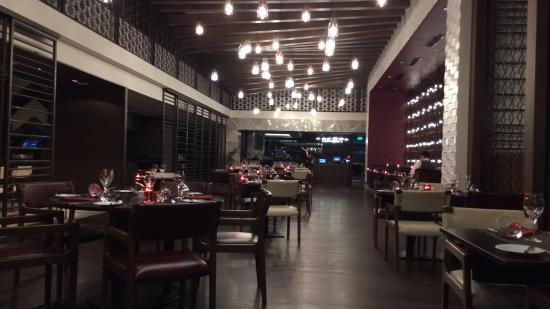
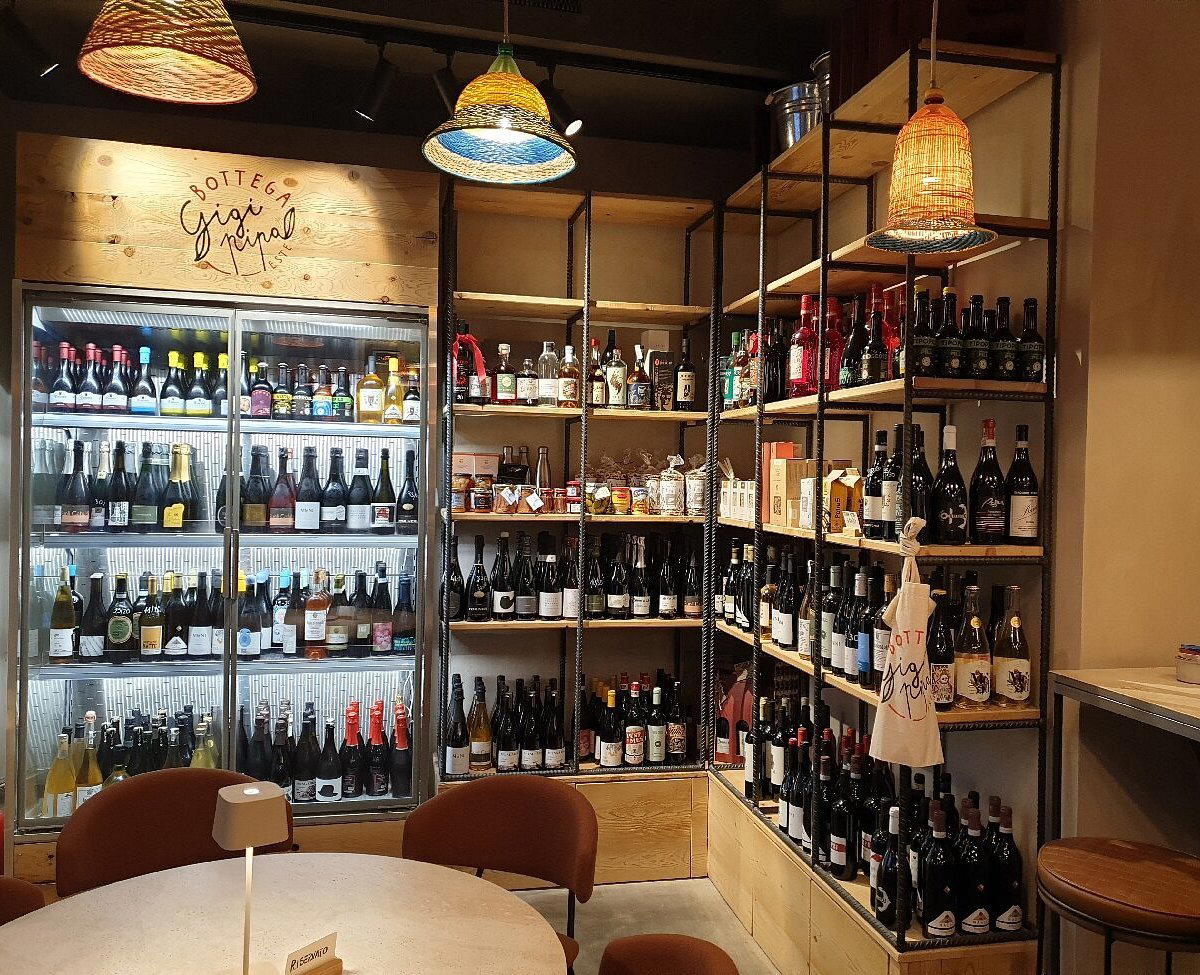
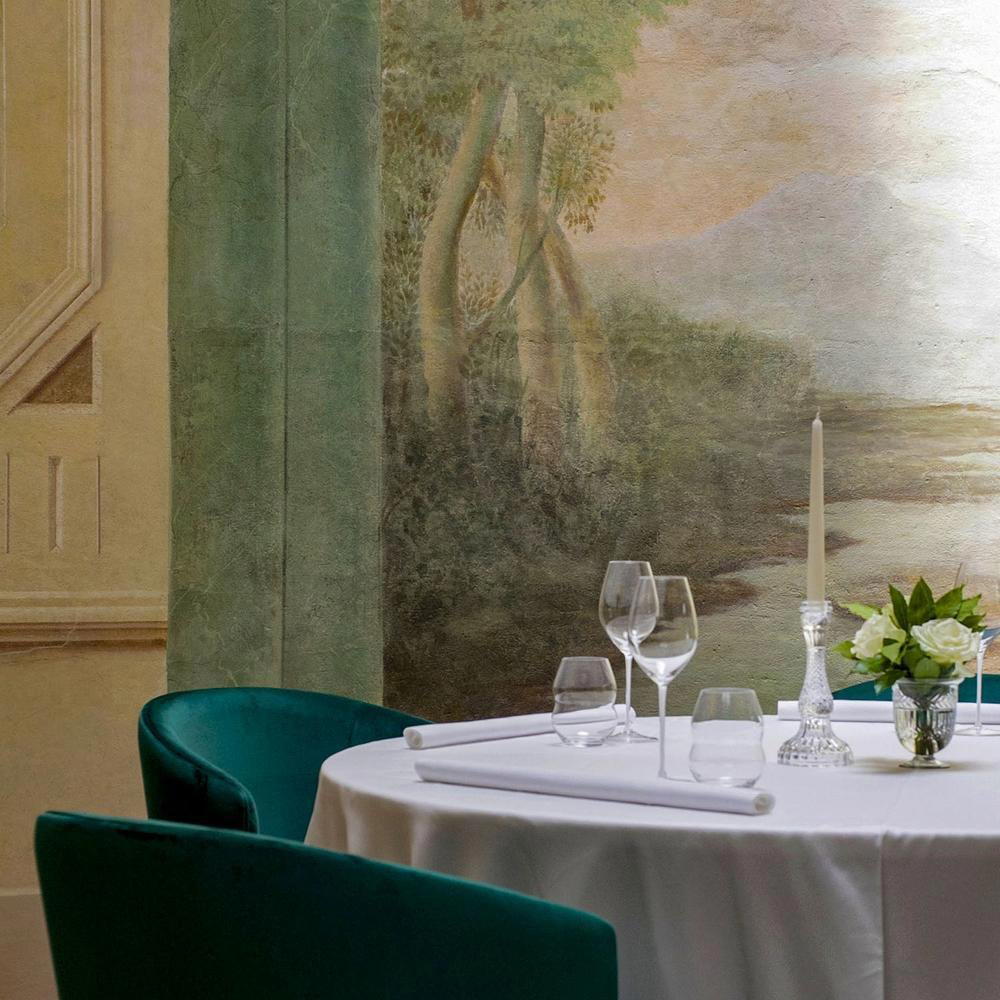

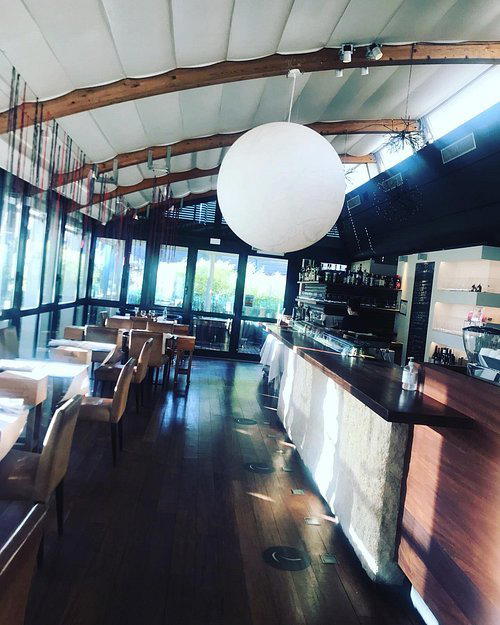
Bars in Stanghella
Browse all →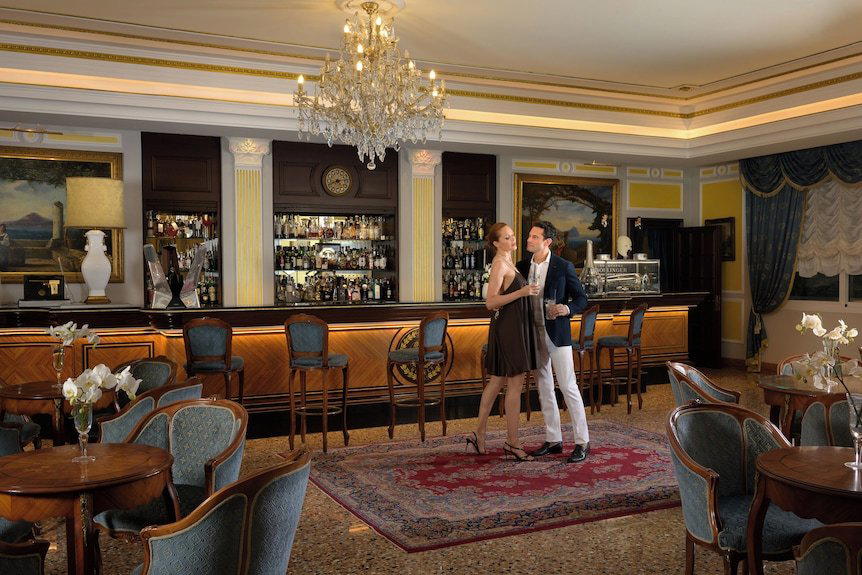
Hotels in Stanghella
Browse all →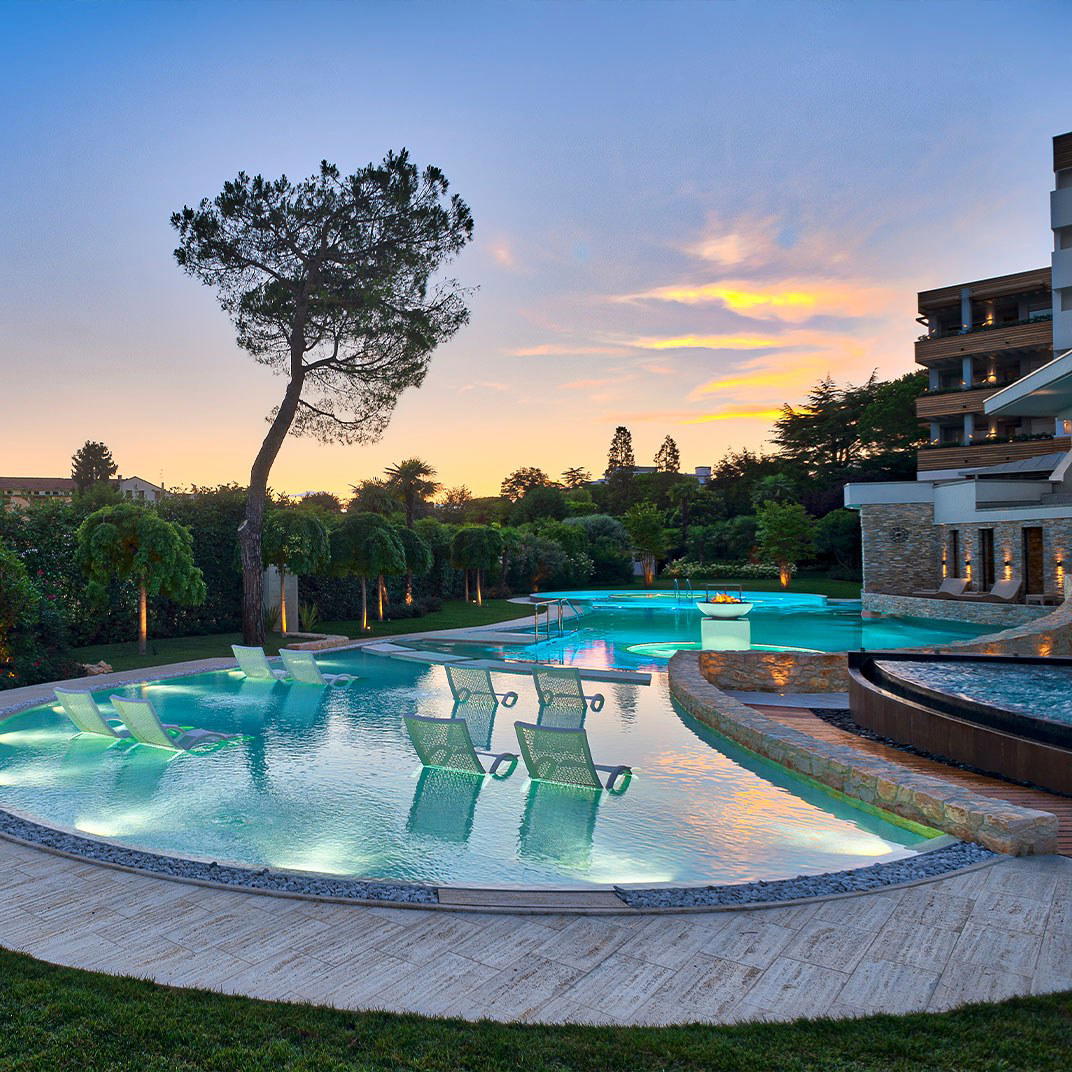

Details
- Classic
- Elegant
- Romantic
- Sophisticated
- Celebration
- Special Occasion
- Family
- Group Dining
- Date Night
- Private Dining
- Historic Building
- Open Kitchen
- Extensive Wine List
- Sommelier Led
- Local Sourcing
- A La Carte
- Tasting Menu
- Family Style
- Wine
- Beer
- Vegetarian Friendly
- Vegan Options
- Gluten Free Options
- Allergy Accommodating
Current opening hours
- Monday
- Closed
- Tuesday
- 12–3 PM, 8 PM–12 AM
- Wednesday
- 12–3 PM, 8 PM–12 AM
- Thursday
- 12–3 PM, 8 PM–12 AM
- Friday
- 12–3 PM, 8 PM–12 AM
- Saturday
- 12–3 PM, 8 PM–12 AM
- Sunday
- 12–3 PM, 8 PM–12 AM
Hours can change for holidays and private events. Hours as of .
Warm, welcoming atmosphere with clean, elegant surroundings; discreet but refined ambiance that balances professionalism with familial comfort.