Al Sasso sits in Teolo, a small hill town at the edge of the Euganean Hills in the Veneto, where the surrounding volcanic terrain has shaped local farming and foraging traditions for generations. The address on Via Ronco places it within a rural setting where the relationship between land and table is immediate rather than decorative. For visitors moving through the Padua province, it represents the kind of rooted, place-specific eating that defines this corner of northeastern Italy.
Pearl is the En Primeur Club membership app — saves, bookings, and concierge access live there. Same editors, same standards.
- Address
- Via Ronco, 11, 35037 Teolo PD, Italy
- Phone
- +39499925073
- Website
- linktr.ee
- Directions
- Get directions
 Saves & bookings on Pearl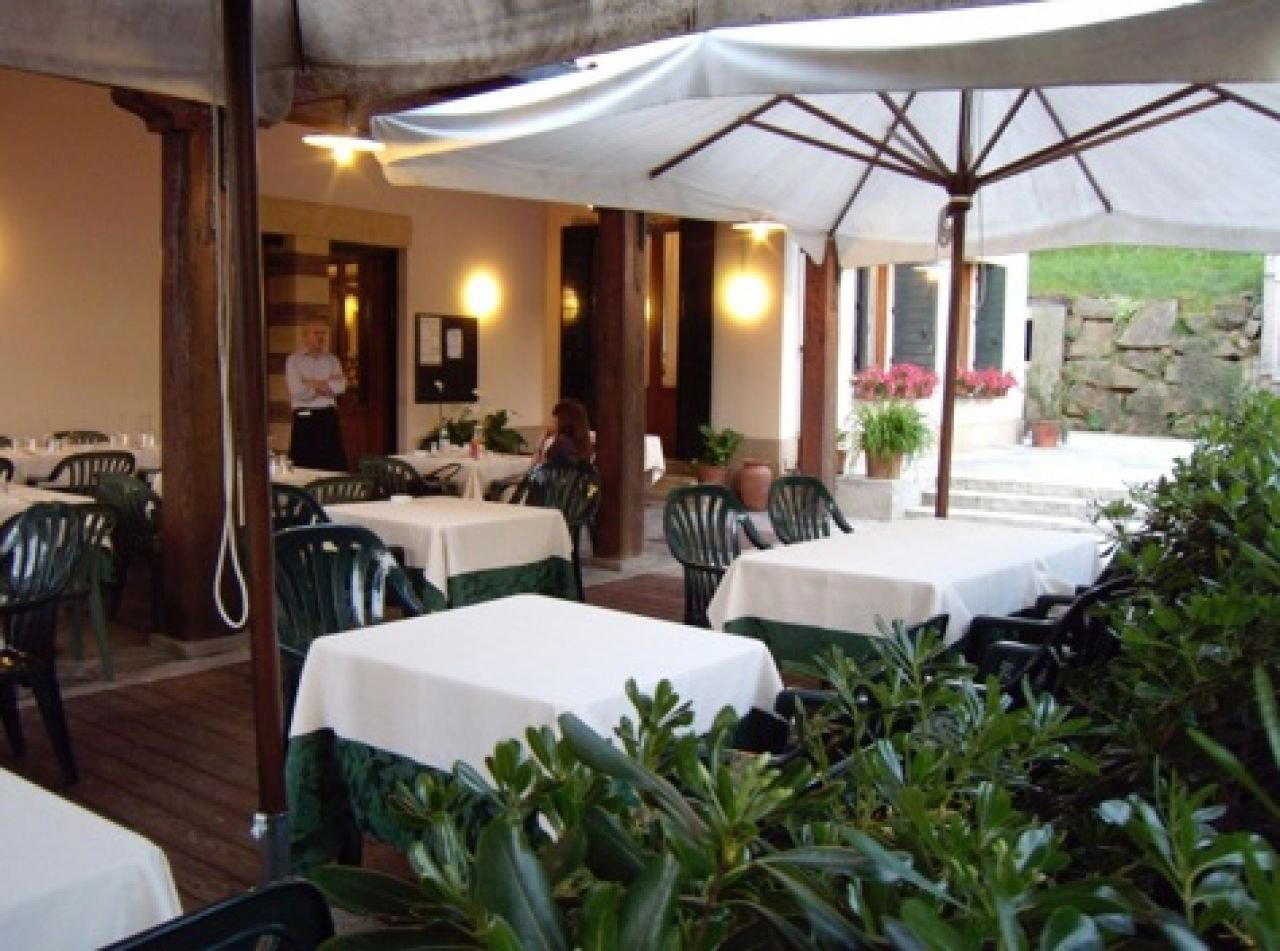
The Euganean Hills and the Argument for Eating Where Things Grow
There is a version of ingredient-led Italian cooking that happens in cities, where chefs source from distant regions and present the provenance as a selling point. Then there is the version practiced in places like the Colli Euganei, the volcanic hill range southwest of Padua, where the sourcing is not a concept but a consequence of geography. Teolo sits within this protected area, and Al Sasso, addressed at Via Ronco 11, is a modern Venetian trattoria where the surrounding terrain is not backdrop but primary material.
The Euganean Hills are a designated natural park, and their volcanic origins produce soils with mineral profiles distinct from the flat Po Valley floor below. Farms here grow produce that reflects those soils, and foragers work the slopes for ingredients that do not travel far before reaching a kitchen. That context matters when reading any menu in this zone. What arrives at the table has almost certainly not been in transit long, and the cooking tradition of the area rewards that freshness with preparations that do not compete with the ingredient.
Teolo in Relation to the Veneto Dining Scene
The Veneto is a region that produces both technically sophisticated fine dining and deeply regional trattoria cooking, sometimes within a few kilometres of each other. Padua, roughly 20 kilometres northeast of Teolo, has its own dining ecosystem, and the Euganean Hills have historically functioned as a retreat from it, attracting visitors who want a slower pace and a closer connection to agricultural rhythms. Restaurants in this zone tend to position against that appetite rather than against urban fine-dining peers. They are not competing with Le Calandre in Rubano, the long-established three-Michelin-star benchmark for the broader Padua province. They are serving a different reader entirely: someone who has driven up into the hills specifically to eat food that reflects where they are.
Across Italy, that model appears in various forms. Dal Pescatore in Runate anchors its identity in a specific river-plain territory in Lombardy. Atelier Moessmer Norbert Niederkofler in Brunico has built an international reputation around the premise that Alpine ingredients deserve the same attention as any coastal or urban pantry. The pattern is consistent: when a restaurant in a geographically specific location commits to the ingredients of that location, the cuisine becomes a function of place rather than of trend.
The Setting: Arriving at Via Ronco
The road into Teolo rises through terraced slopes and patches of woodland before the town opens out into a quieter residential and agricultural zone. Via Ronco is not a restaurant strip. The address sits in the kind of neighbourhood where the cooking smells from a kitchen and the sight of produce through a window are the primary signals that you have found the right place. That physical approach sets expectations that the food needs to honour: this is not a dining destination that performs rurality as aesthetic. The surrounding hills are genuinely agricultural, and the leading cooking in this zone draws from that reality directly.
Ingredient Sourcing in the Colli Euganei Tradition
Volcanic soils in the Euganean Hills support a range of produce that regional cooking has long depended on: legumes, root vegetables, local greens, freshwater species from the nearby waterways, and game from the park's forested sections. The area also produces olive oil, a southern-feeling crop made possible by the microclimate created by the hills, and wine under the Colli Euganei DOC designation. A kitchen working seriously within this framework has substantial material to draw from without reaching beyond the immediate territory.
This sourcing model has become more widely discussed in Italian gastronomy over the past decade, partly driven by the influence of restaurants like Reale in Castel di Sangro, where the Apennine foothills of Abruzzo informed a complete rethinking of what regional Italian cooking could mean at a serious level, and Uliassi in Senigallia, where Adriatic sourcing is treated with the same rigor applied at more formally academic kitchens. The underlying argument across all of these is that Italian cooking at its most coherent is always local first.
Dining in Teolo: Context and Peers
Within Teolo itself, Al Sasso operates alongside a small number of other restaurants serving the hill-town visitor and local residential market. Come in Corte Aurora represents the Italian contemporary direction in the same town, while Sengiari adds another point of reference for diners building a picture of what Teolo's table looks like. The town is small enough that these venues do not compete in a conventional market sense; each occupies a slightly different register. Together they give the area enough critical mass to justify a visit from someone building an itinerary around the Veneto's less-trafficked dining zones.
For broader Veneto context, the province connects outward to a wider northern Italian dining conversation that includes Casa Perbellini 12 Apostoli in Verona and, further afield, Osteria Francescana in Modena, Enoteca Pinchiorri in Florence, and Enrico Bartolini in Milan. Al Sasso sits nowhere near that tier in scale or ambition, but the Euganean Hills context places it within a tradition that those larger restaurants would recognise as foundational to what Italian cooking is actually built on: specific places, specific seasons, specific ingredients.
See our full Teolo restaurants guide for a broader map of eating and drinking options in and around the Euganean Hills.
Planning a Visit
Teolo is most accessible by car from Padua, and the hill roads require attention, particularly in wet or winter conditions. The Euganean Hills natural park draws visitors across spring and autumn, when the walking routes are at their leading and local produce is at peak seasonal range. Given the small scale of restaurants in this zone, calling ahead or checking availability before driving up from the city is advisable, particularly at weekends, when Padovani day-trippers fill the hill-town tables earlier than urban visitors might expect. Contact details for the restaurant are not listed here; approach via the address at Via Ronco 11.
Side-by-Side Snapshot
Comparable venues nearby, for context on price, style, and recognition.
| Venue | Cuisine | Price | Awards | Notes |
|---|---|---|---|---|
| Al SassoThis venue — the venue you are viewing | Modern Venetian Trattoria | $$$ | Not listed | Not listed |
| Come in Corte Aurora | Modern Italian Fusion | $$$ | Michelin Plate | Teolo Alta |
| Sengiari | Modern Italian Agriturismo | $$ | Not listed | Teolo |
| Da Marco | Traditional Venetian Italian | $$$ | Not listed | Stanghella |
| Sette Teste | Traditional Italian Trattoria | $$$ | Not listed | Enego |
| Osteria Enoteca Ai Artisti | Creative Venetian Osteria | $$$ | Not listed | Dorsoduro |
At a Glance
- Romantic
- Cozy
- Elegant
- Scenic
- Date Night
- Family
- Celebration
- Special Occasion
- Terrace
- Garden
- Standalone
- Extensive Wine List
- Sommelier Led
- Local Sourcing
- Garden
- Mountain
Current opening hours
- Monday
- 12:30–2:30 PM, 7:30–11:30 PM
- Tuesday
- Closed
- Wednesday
- Closed
- Thursday
- 12:30–2:30 PM, 7:30–11:30 PM
- Friday
- 12:30–2:30 PM, 7:30–11:30 PM
- Saturday
- 12:30–2:30 PM, 7:30–11:30 PM
- Sunday
- 12:30–2:30 PM, 7:30–11:30 PM
Hours can change for holidays and private events. Last verified .
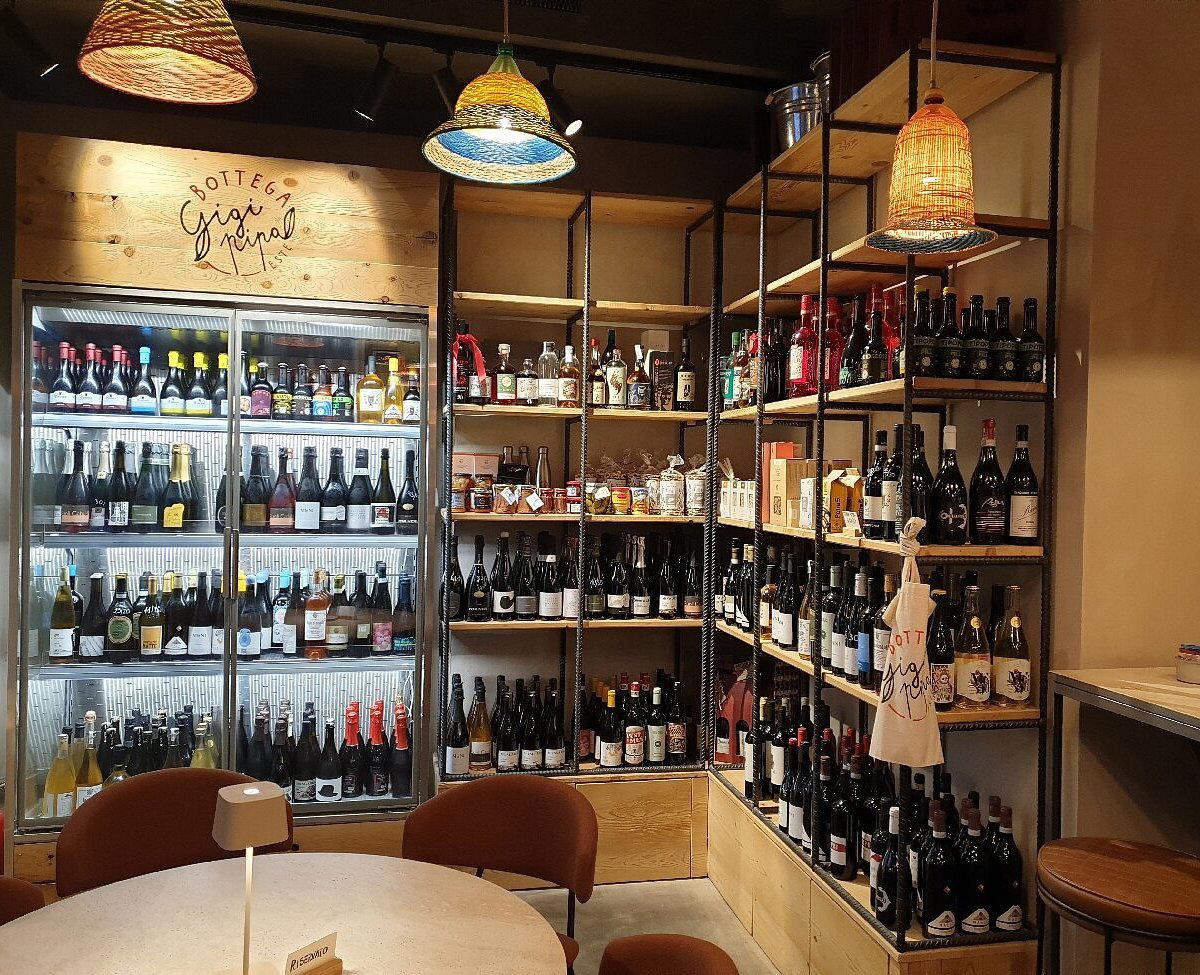
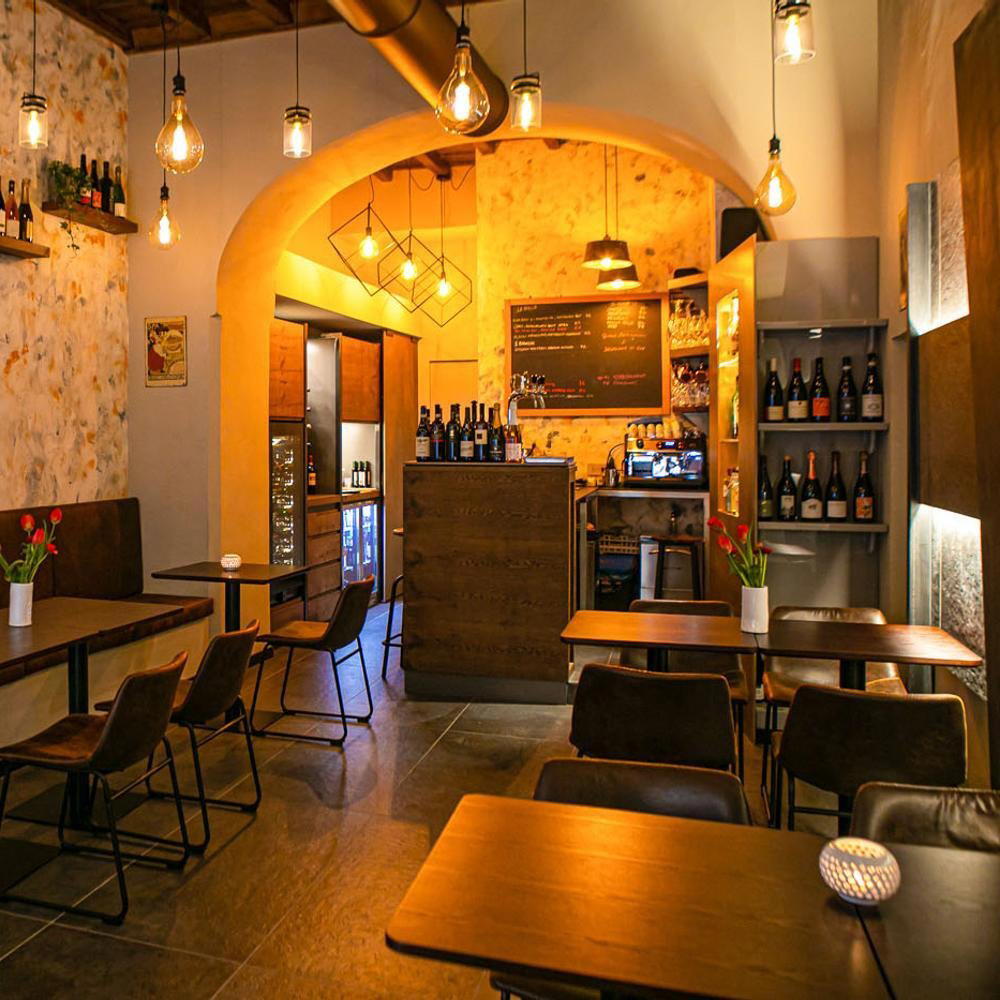
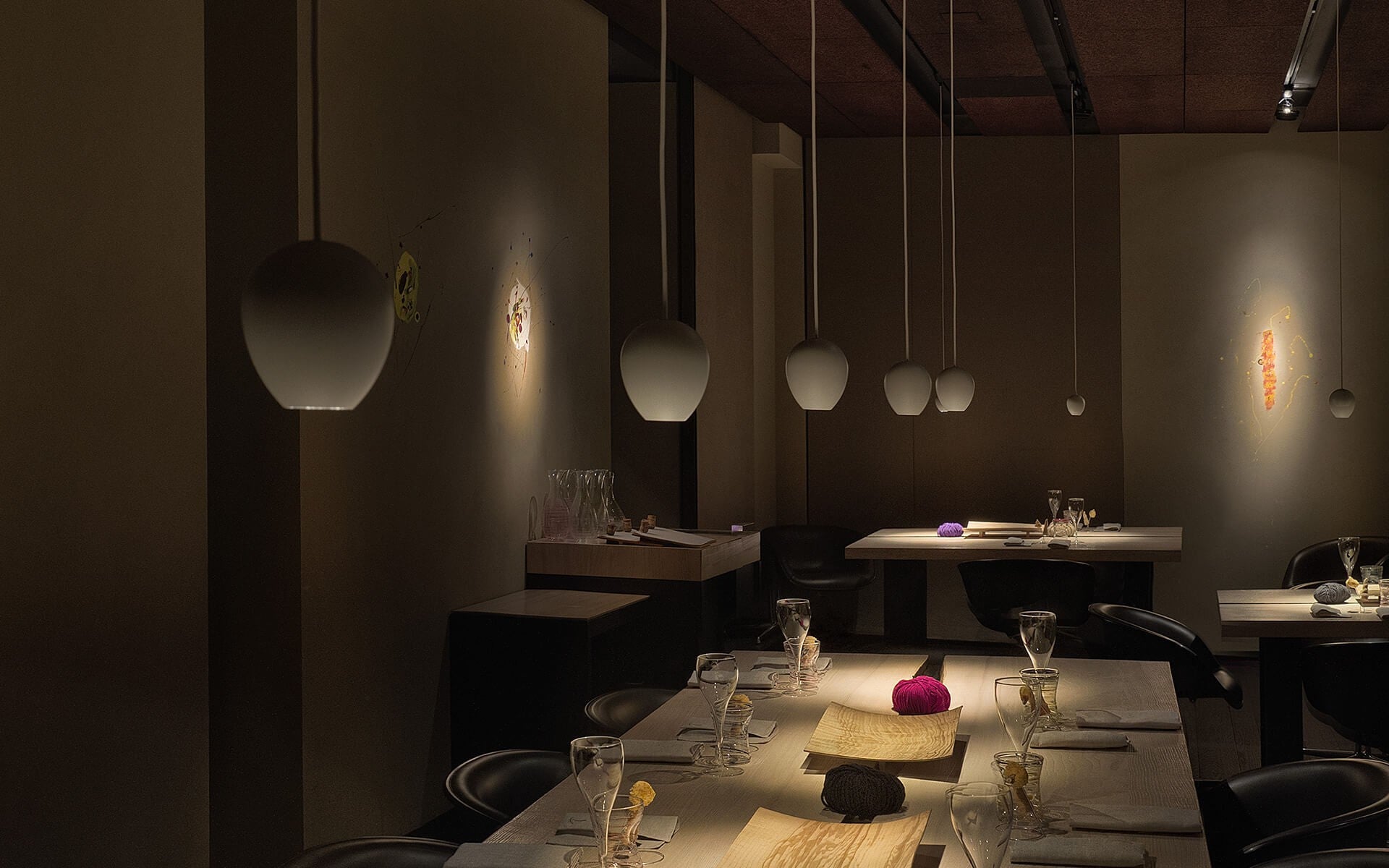
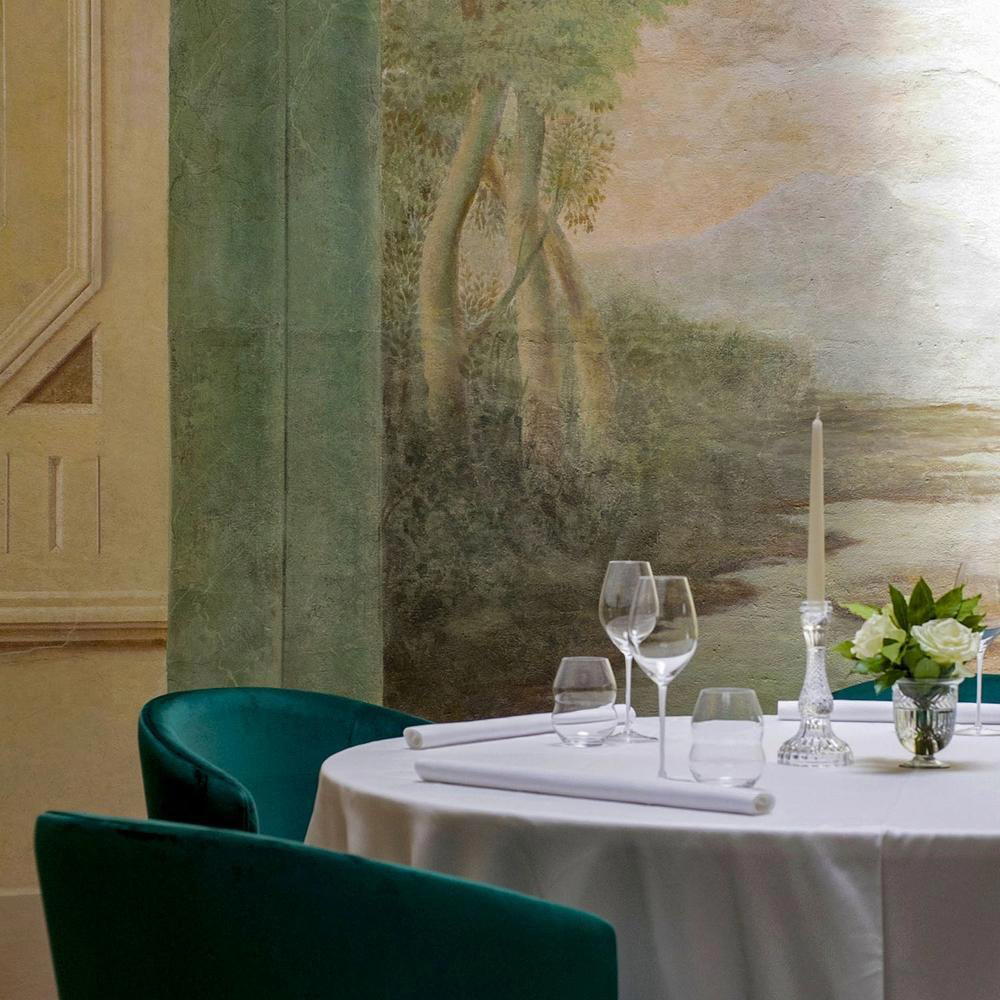
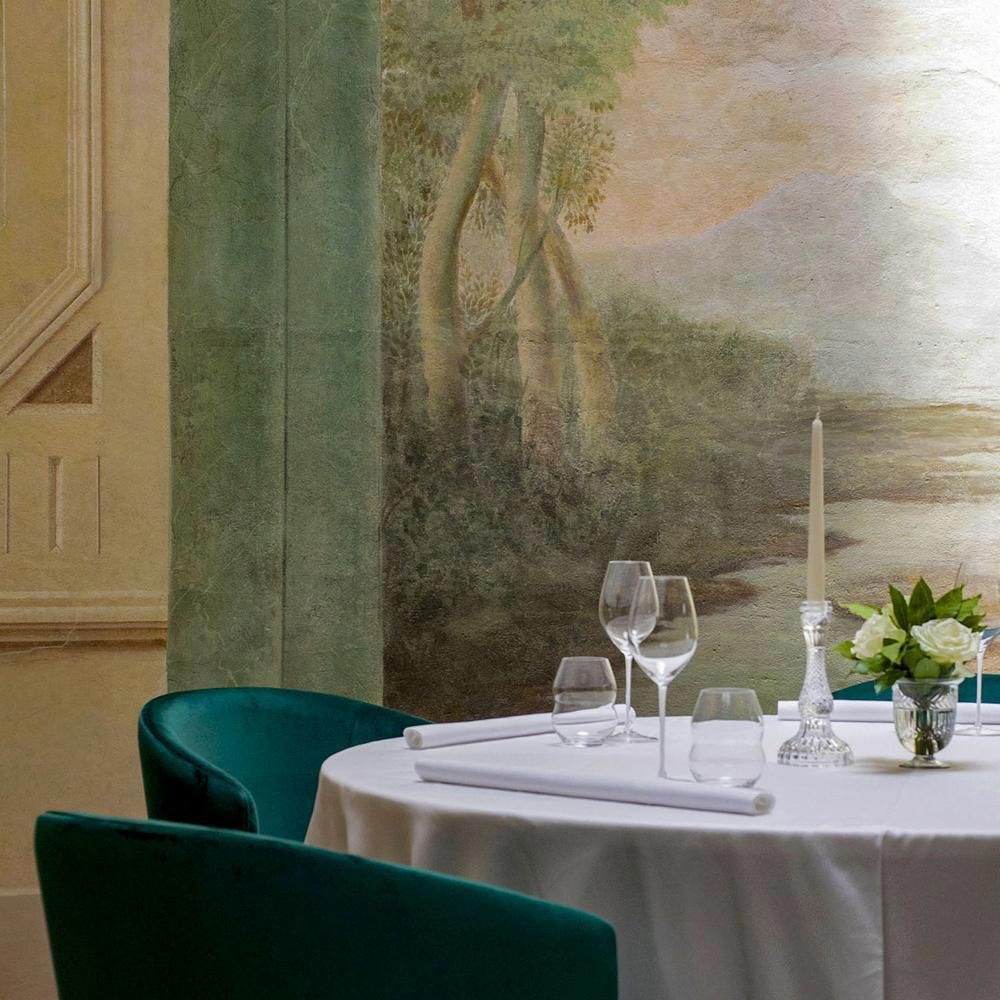
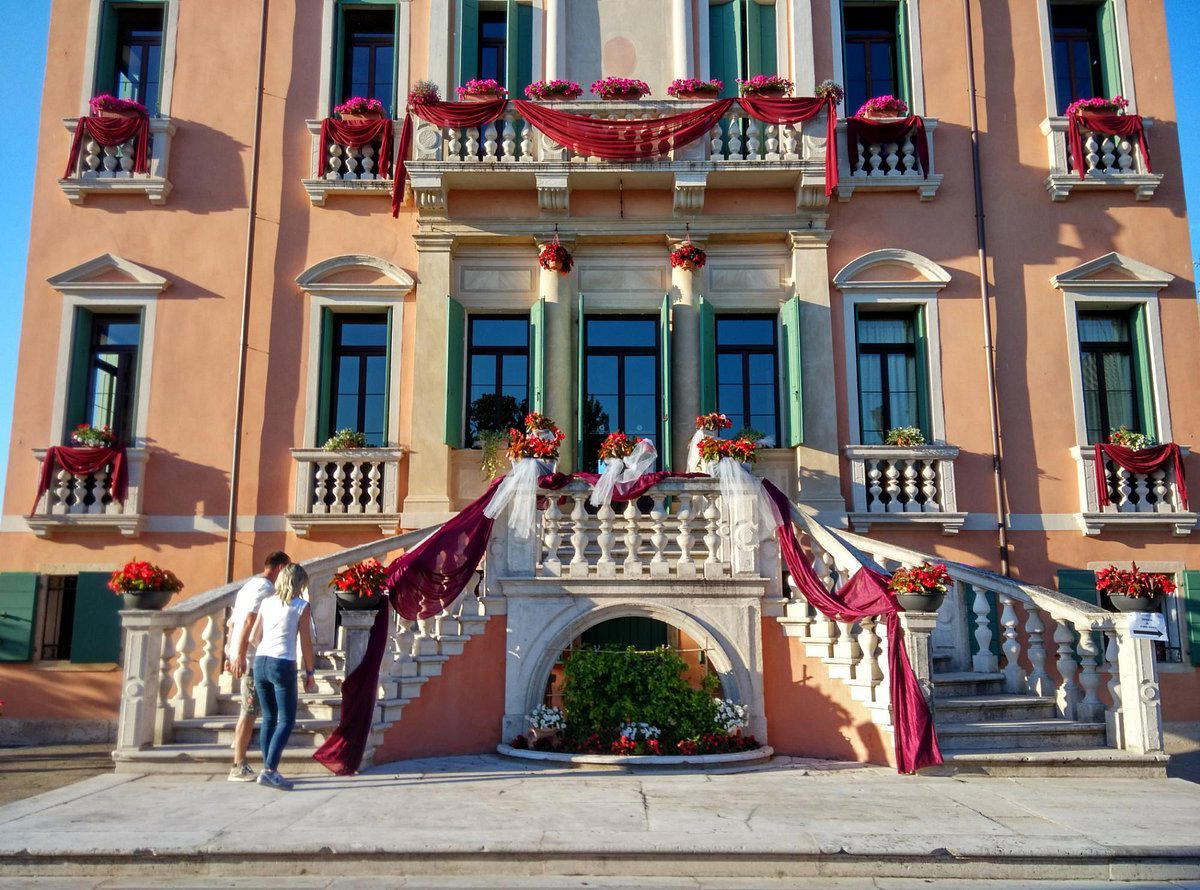
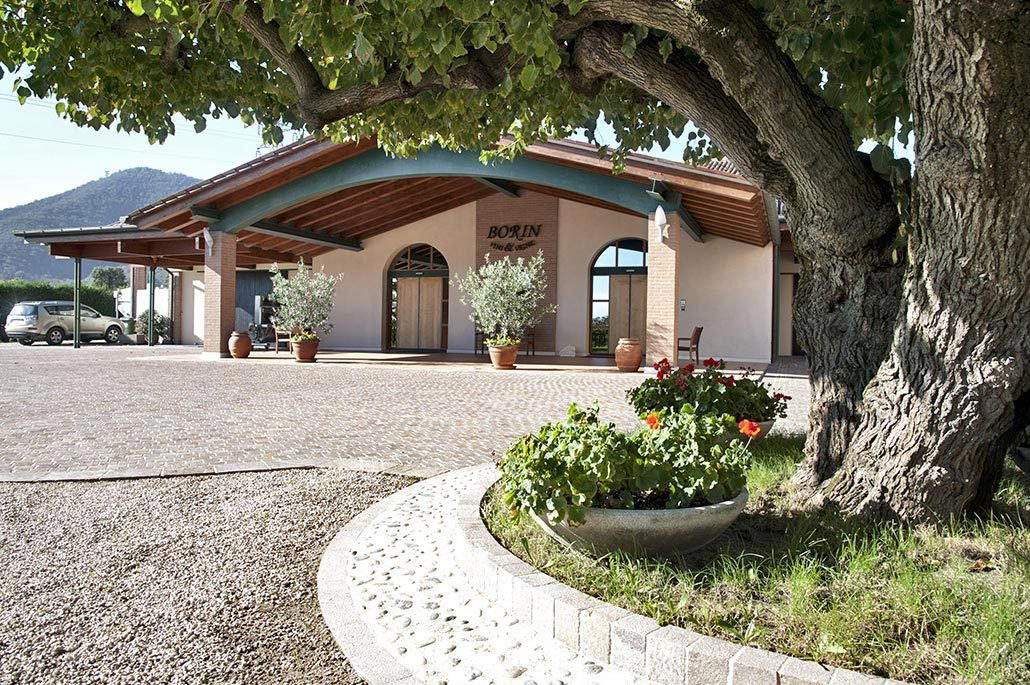
Warm and cozy with a fireplace, well-maintained rustic interior, intimate dining room with outdoor porch overlooking the natural beauty of the Euganean Hills.